Starry Loach: Acanthocobitis urophthalmus
A 12cm stream loach, territorial with its own kind. Needs cool, fast, well-oxygenated water and broken sightlines.

Starry Loach
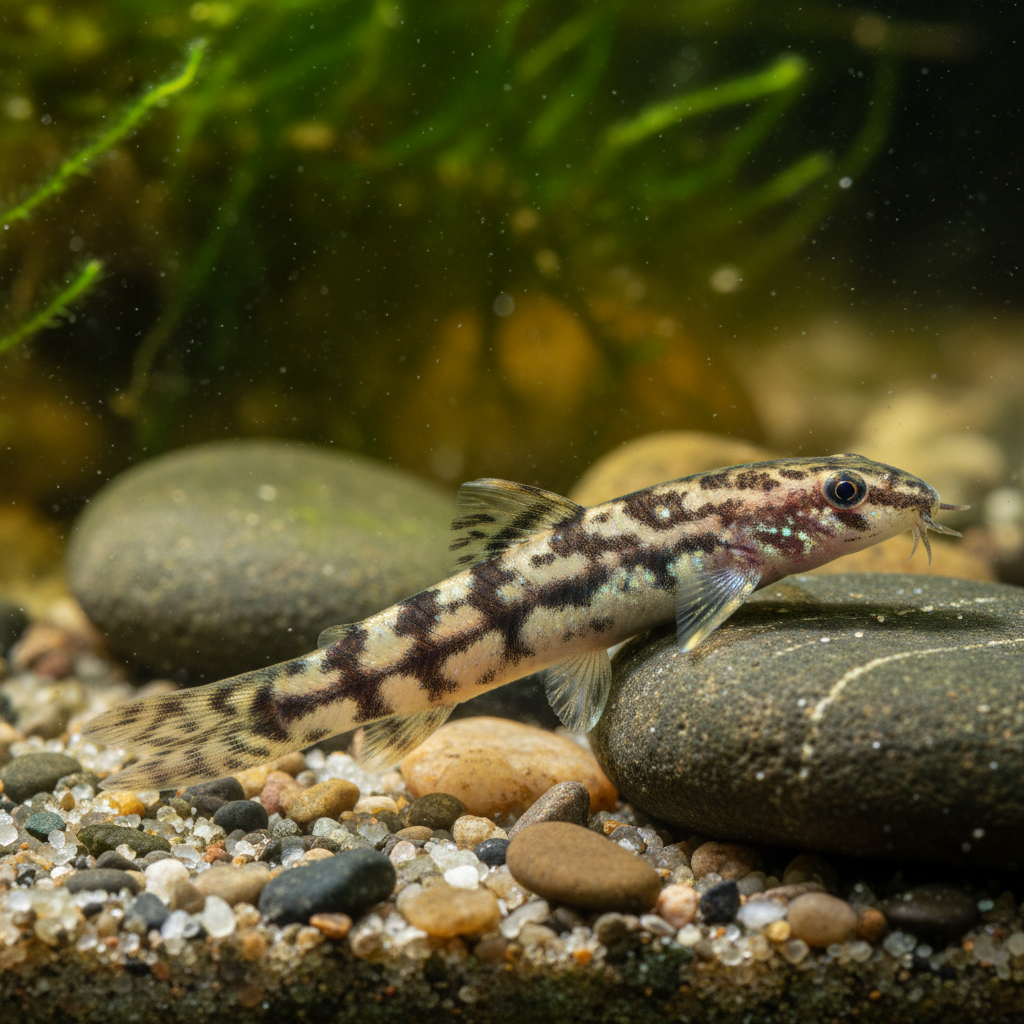
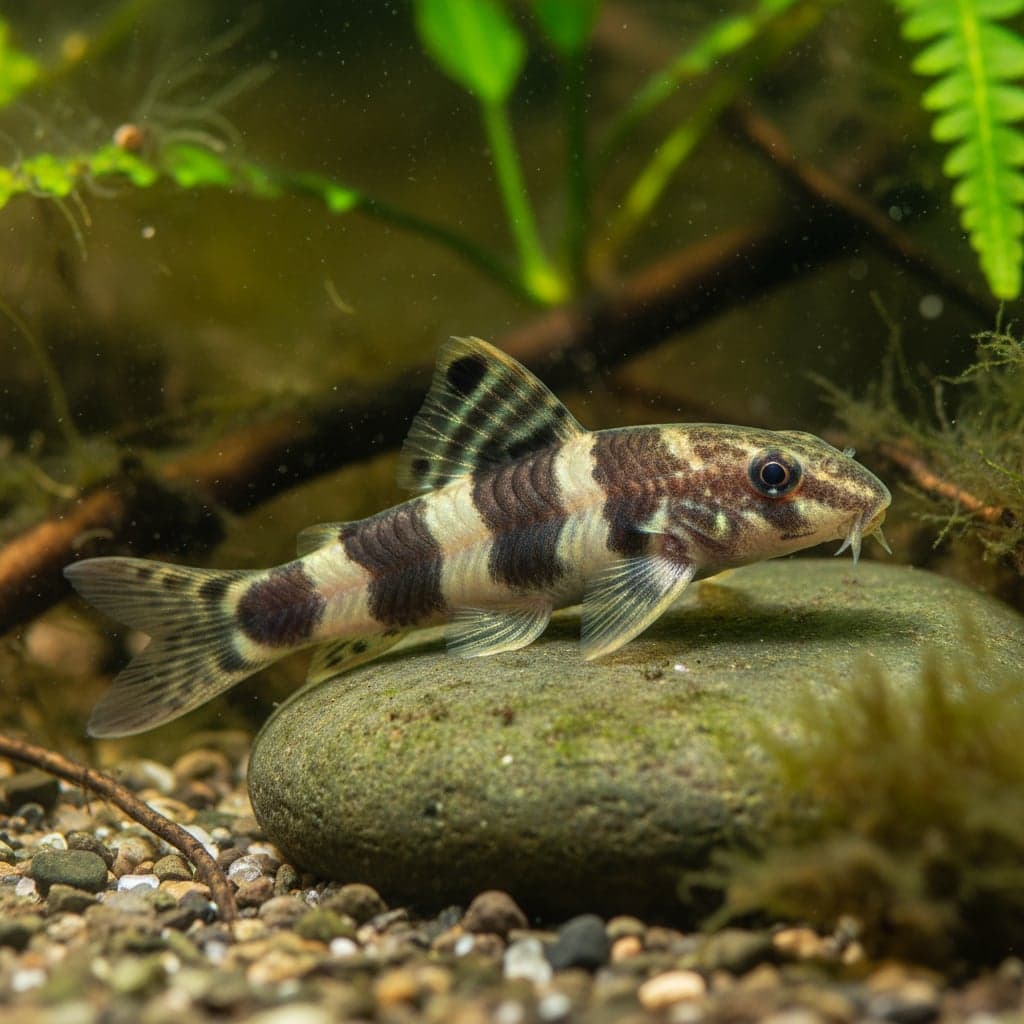
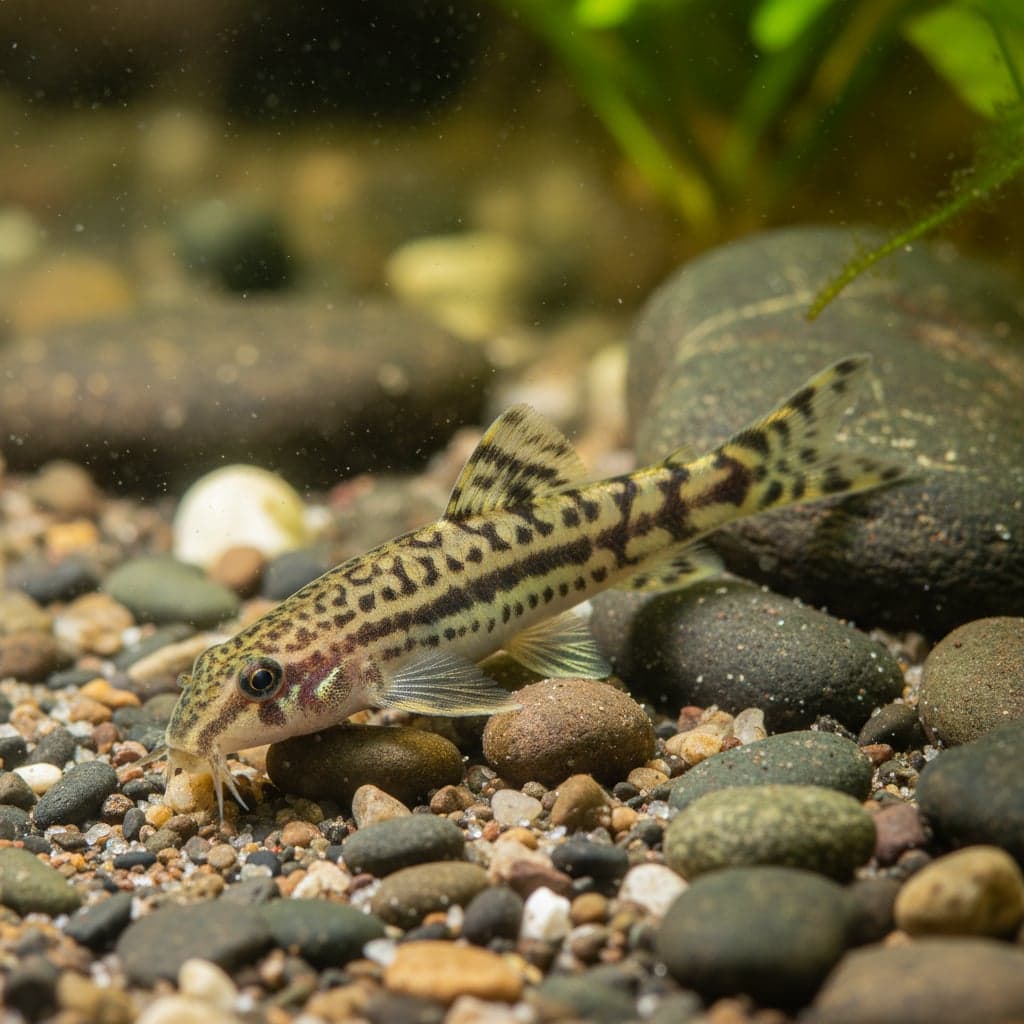
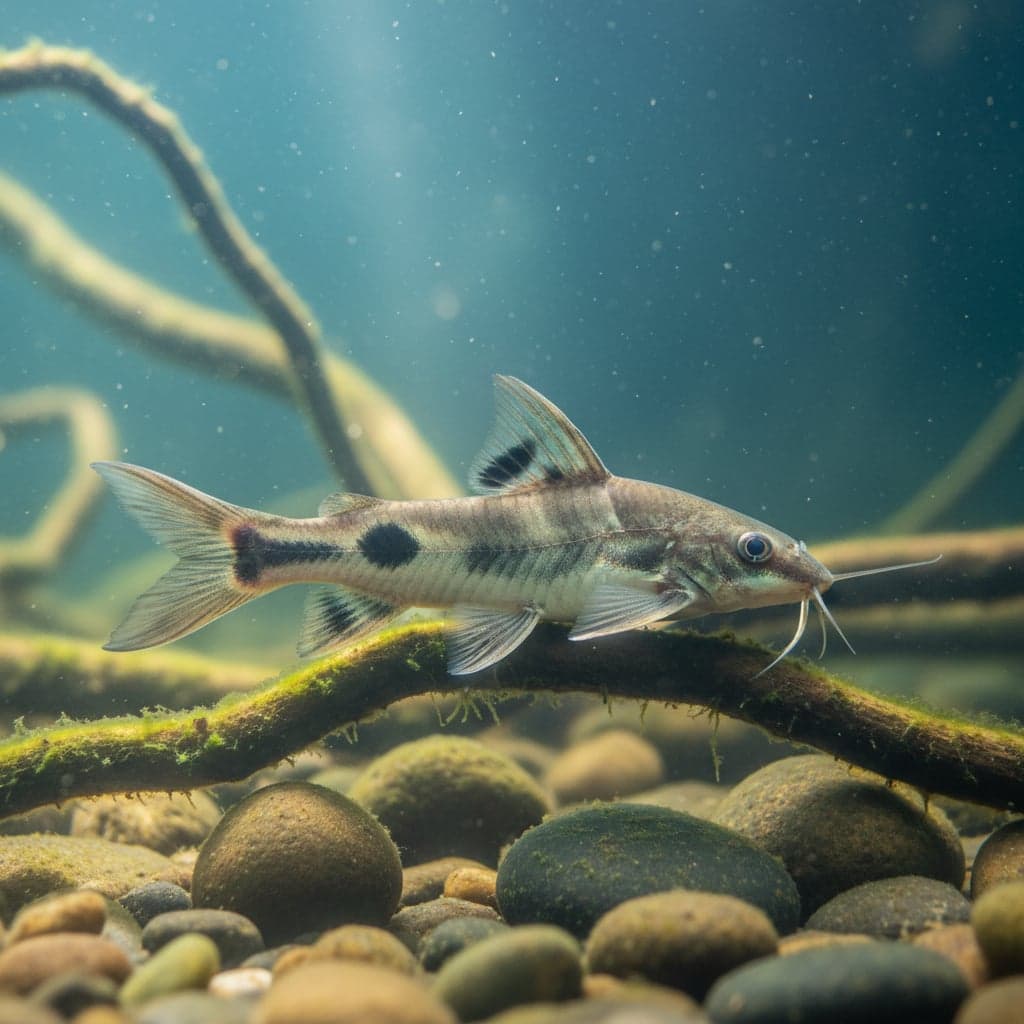
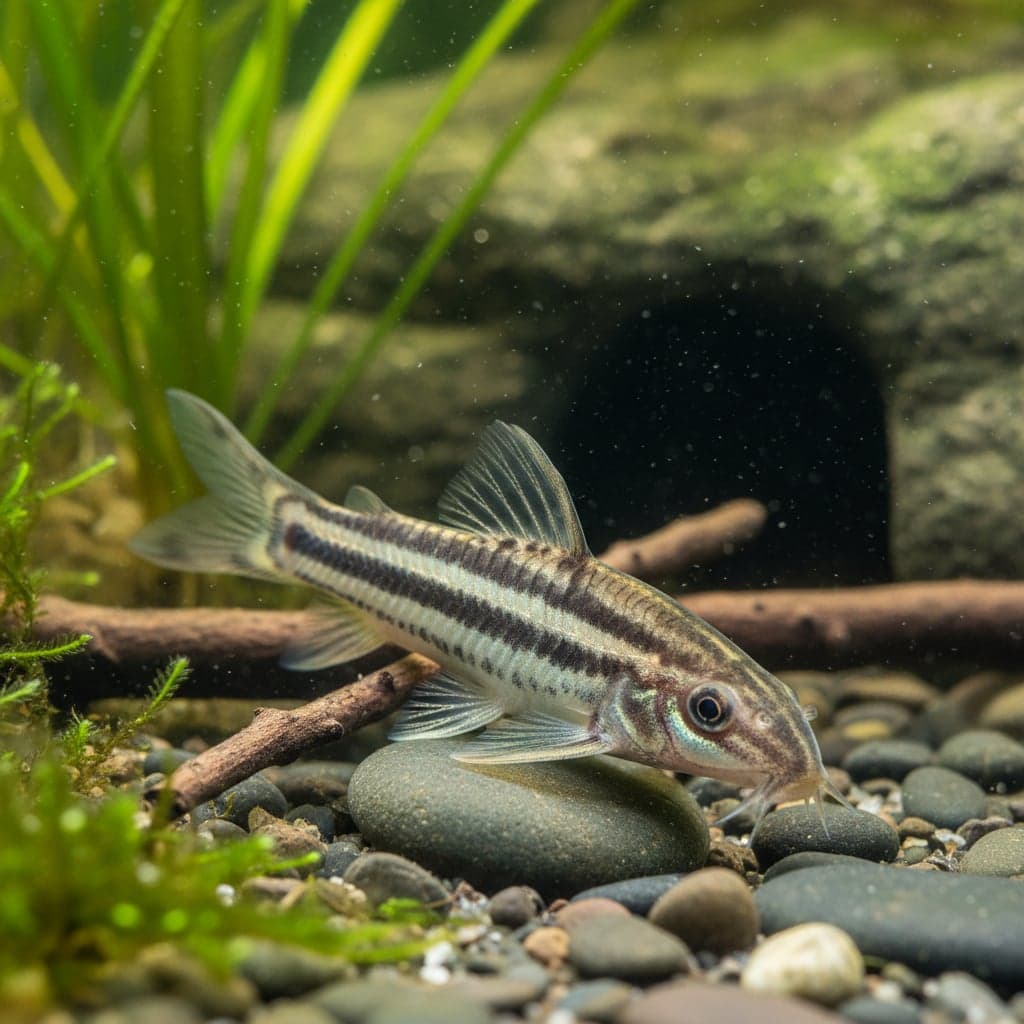
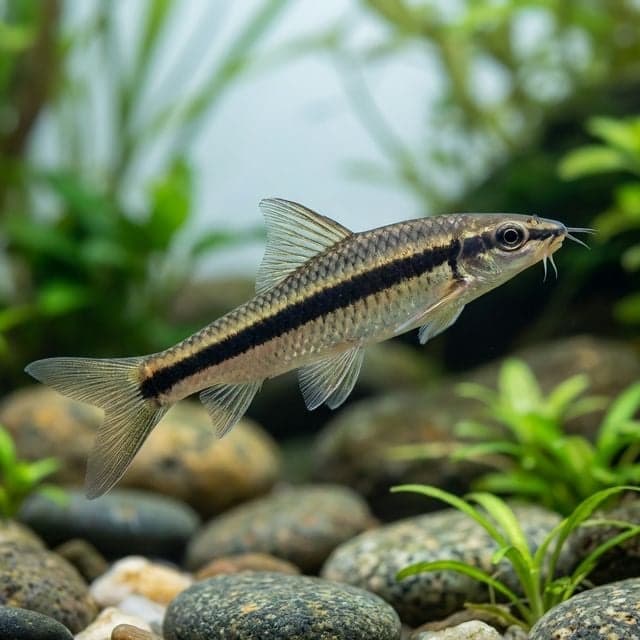
The Starry Loach, scientifically classified as Acanthocobitis urophthalmus, is a captivating freshwater fish that's gained popularity within the aquarium hobbyist community. Known for its striking appearance, the Starry Loach features a vibrant body adorned with stunning patterns of spots and stripes, primarily in shades of brown or olive green. These markings not only add to its visual appeal but also serve as camouflage in its natural habitat. This species reaches an average length of 3 to 4 inches, making it a manageable size for home aquariums, while its unique, elongated shape contributes to its overall allure. Its fascinating swimming style, often characterized by a gentle, undulating motion, further enhances its charm, capturing the attention of both seasoned aquarists and beginners alike.
In addition to its aesthetic qualities, the Starry Loach plays a significant role in the aquatic ecosystem and is a valuable addition for tank enthusiasts. These bottom-dwelling fish are not only engaging to observe, but they also contribute to the maintenance of the substrate by scavenging for leftover food, thus helping to keep the tank environment clean. Their relatively peaceful nature makes them suitable for community tanks, and their active lifestyle can bring vibrancy and life to an aquarium setting. Understanding the care and breeding requirements of the Starry Loach is essential for those seeking to keep this beautiful species in their tanks.
Natural Habitat & Origin
The Starry Loach is native to the streams and rivers of Southeast Asia, particularly found in regions such as Thailand and Laos. This species typically inhabits slow-moving waters with plenty of hiding spots, such as overhanging vegetation, submerged roots, and rocky structures. Characterized by its preference for blackwater environments, the water in these regions is typically soft and acidic, often tinted brown due to decomposing organic matter. This specific water chemistry creates a unique niche for the Starry Loach, as it thrives in the same type of environment that mirrors its natural habitat.
In terms of environmental context, the Starry Loach is adapted to a variety of natural elements. The temperature ranges in its habitat often hover between 75°F to 82°F (24°C to 28°C), while the pH levels usually fluctuate between 6.0 and 7.5. This species exhibits a preference for well-oxygenated waters with plenty of plant cover and sheltered areas that provide safety from potential predators. Understanding these habitat requirements is crucial for successfully replicating its ecological needs in an aquarium setting.
Care Requirements
The Starry Loach requires specific water parameters to thrive in captivity. Ideal temperature ranges are between 75°F and 82°F (24°C to 28°C), with a pH level maintained between 6.0 and 7.5. The hardness of the water should be kept within a range of 3 to 10 dGH for optimal health. A well-maintained filtration system is vital, as Starry Loaches prefer clean water with low levels of nitrogenous compounds. Regular water changes should be performed to ensure that the tank’s parameters remain stable.
For the tank setup, a minimum tank size of 20 gallons is recommended, allowing enough swimming space for these active fish. A soft substrate, such as fine sand or small gravel, is ideal to prevent injuries to their delicate barbels. Decorate the aquarium with plenty of hiding spots, using driftwood, rock formations, and live plants to create a natural environment. Lighting should be moderate to low, mimicking the dappled light conditions of their native habitat. Sufficient aquatic plants can also provide hiding places and facilitate a sense of security for the Starry Loach.
Diet & Feeding
As an omnivorous species, the Starry Loach enjoys a varied diet, making it relatively easy to feed in captivity. A well-rounded diet should include high-quality flakes or pellets formulated for bottom feeders, supplemented with frozen or live foods such as bloodworms, brine shrimp, and daphnia. It’s important to include a mix of vegetable matter, such as blanched zucchini or spinach, in its diet to ensure balanced nutrition. Frequent feeding throughout the week with a mixture of these food types not only promotes health but also caters to their natural foraging behavior, enhancing the overall well-being of the fish.
An interesting aspect of the Starry Loach's feeding habits is its tendency to scavenge along the substrate for leftover food, making them exciting and engaging to watch during feeding time. Maintaining a routine for feeding, while avoiding overfeeding, will help prevent water quality issues and maintain the fish's health. It's recommended to feed small amounts multiple times a day, allowing the loaches to forage as they would in the wild.
Behavior & Temperament
The Starry Loach is known for its peaceful and sociable nature, making it an excellent addition to community aquariums. They exhibit a peaceful disposition and generally get along well with other fish species, provided those species are not overly aggressive or large enough to pose a threat. Starry Loaches prefer to be kept in small groups, ideally in numbers of three or more, as they are social creatures that thrive in company with their own kind. Schooling behavior also enhances their confidence and reduces stress levels within the aquarium environment.
In terms of vertical placement, Starry Loaches primarily inhabit the lower regions of the tank. They are bottom-dwellers who may occasionally venture towards mid-water levels, particularly when exploring or foraging for food. Observing their playful antics, as they rummage through the substrate and dart in and out of plant roots, adds an element of interest to any aquarium setup.
Tank Mates
When selecting tank mates for the Starry Loach, it’s essential to choose species that share similar water parameter preferences and exhibit non-aggressive behavior. Ideal companions include small to medium community fish such as Tetras, Rasboras, Danios, and peaceful Gouramis. Additionally, other loach species that share similar environmental needs, like the Kuhli Loach, make excellent tank mates. Avoid species that are territorial or fin-nippers, such as Cichlids or aggressive barbs, as these could stress or harm the Starry Loach.
In general, the emphasis should be on creating a harmonious community tank, where all fish can coexist peacefully while minimizing competition for food and space. A well-planned selection of tank mates will ensure a lively and thriving aquarium ecosystem.
Breeding
Breeding the Starry Loach in captivity can be a challenging yet rewarding endeavor. These fish are known to be elusive spawners, often requiring specific water conditions to trigger breeding behavior. Males will display more vibrant colors and engage in chasing behaviors to attract females during the spawning period. Conditions that encourage spawning typically include slightly cooler temperatures (around 70°F or 21°C), high-quality water changes, and the introduction of dense vegetation or spawning mops.
Once breeding occurs, the female will lay eggs among the plants, which then require great care as the adults may eat them shortly after spawning. It’s advisable to separate the adults from the eggs, placing the eggs in a separate breeding tank with similar water parameters and a sponge filter to prevent damage. Due to the complexities involved in breeding Starry Loaches, enthusiasts should prioritize preparing the breeding environment carefully to improve the chances of successful hatching and fry rearing.
Common Health Issues
Starry Loaches are hardy when water is clean and the substrate is soft, but they still pick up white spot (Ichthyophthirius multifiliis) and bacterial infections under shipping stress or poor maintenance. Sharp gravel can abrade their barbels; use sand or smooth fine substrate. Quarantine new fish, keep ammonia and nitrite at zero, and watch for clamped fins, flashing, or loss of appetite. A stable, well-filtered community tank with gentle flow keeps this peaceful bottom-dweller healthy for years.