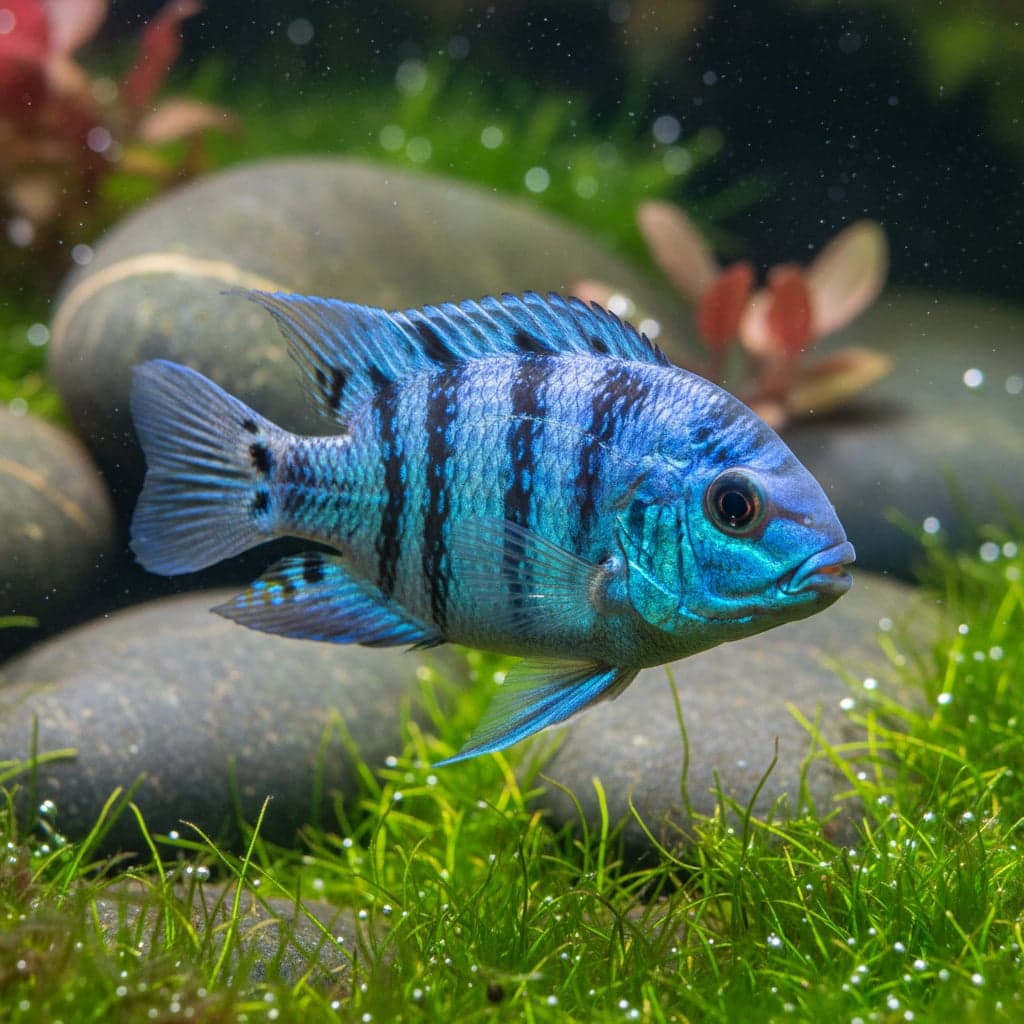
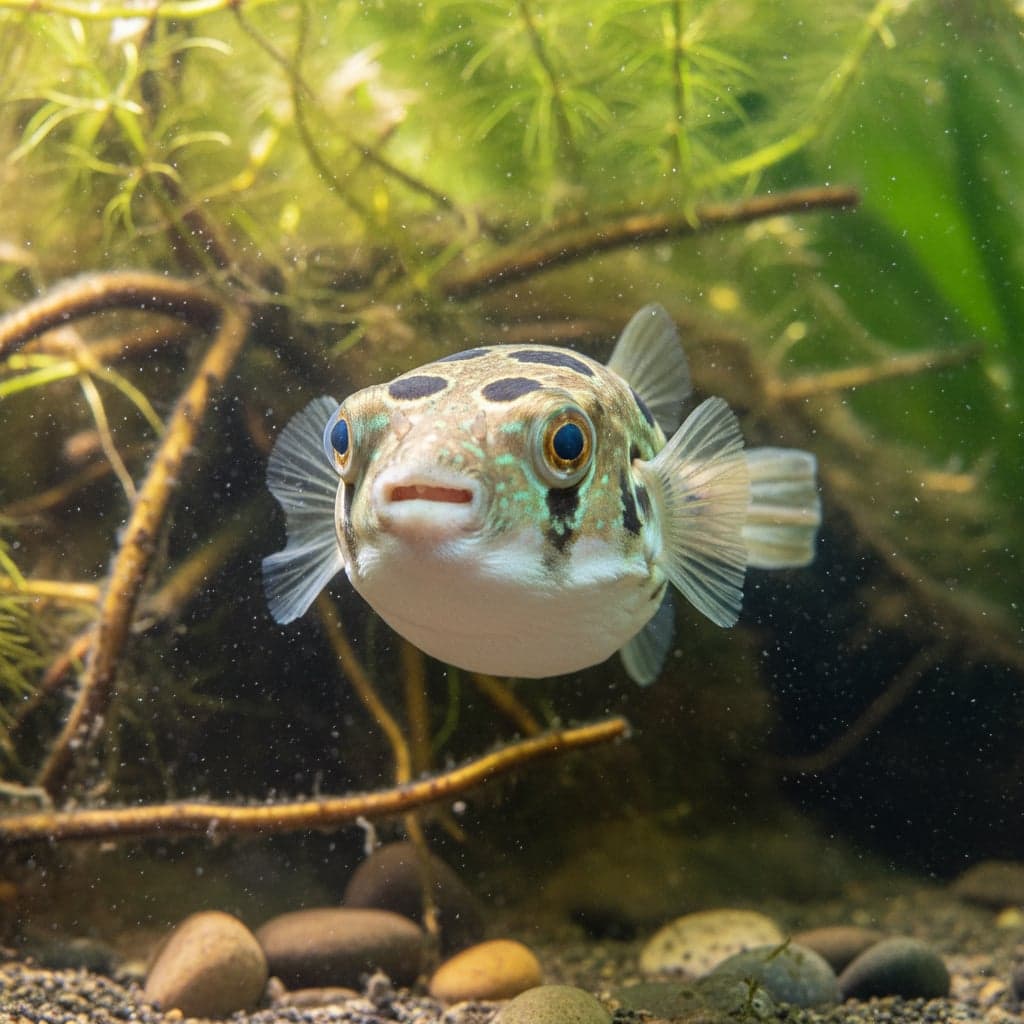
Starry Night Cichlid: Paratilapia polleni
Gold starfield speckling on a 30cm Madagascan predator. Aggressive, big- tank-only, and one of the most striking cichlids you can keep.
Also known as: starry night cichlid · Paratilapia polleni
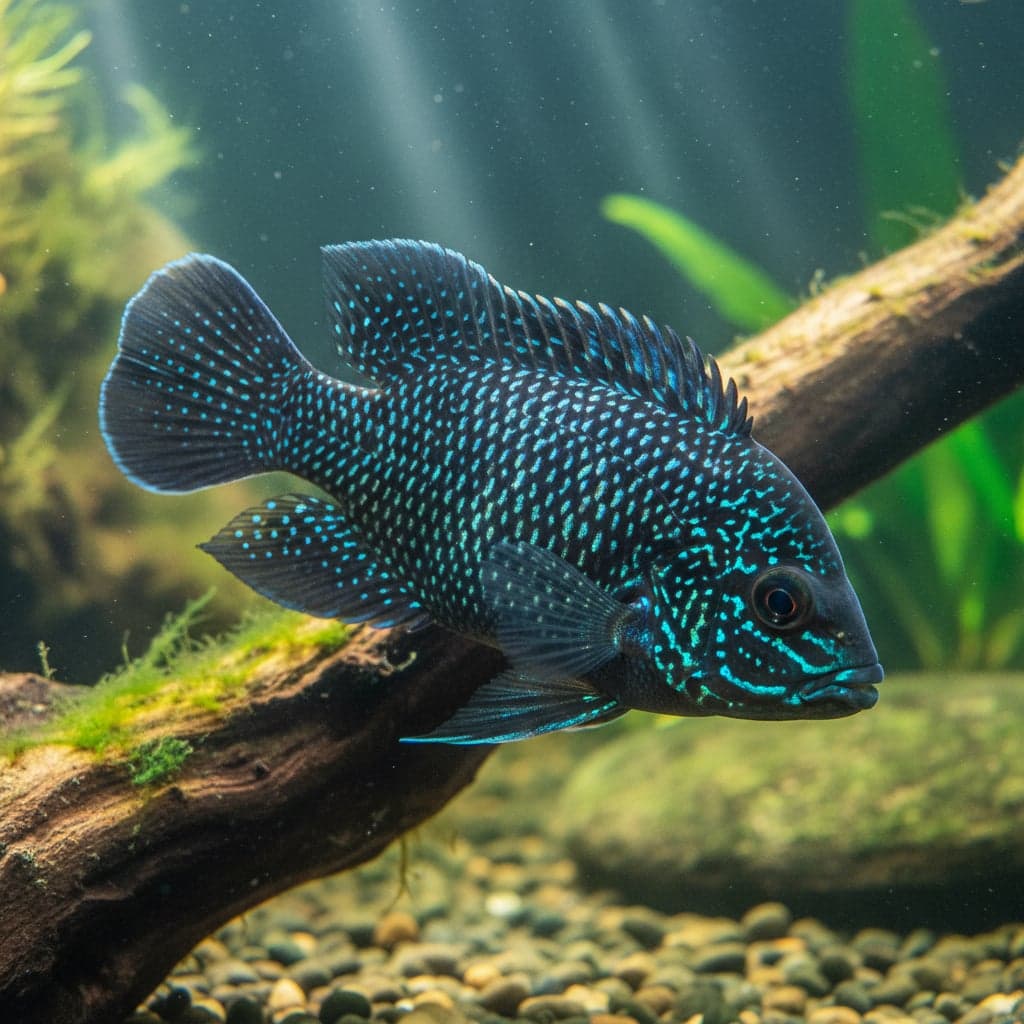
Starry Night Cichlid
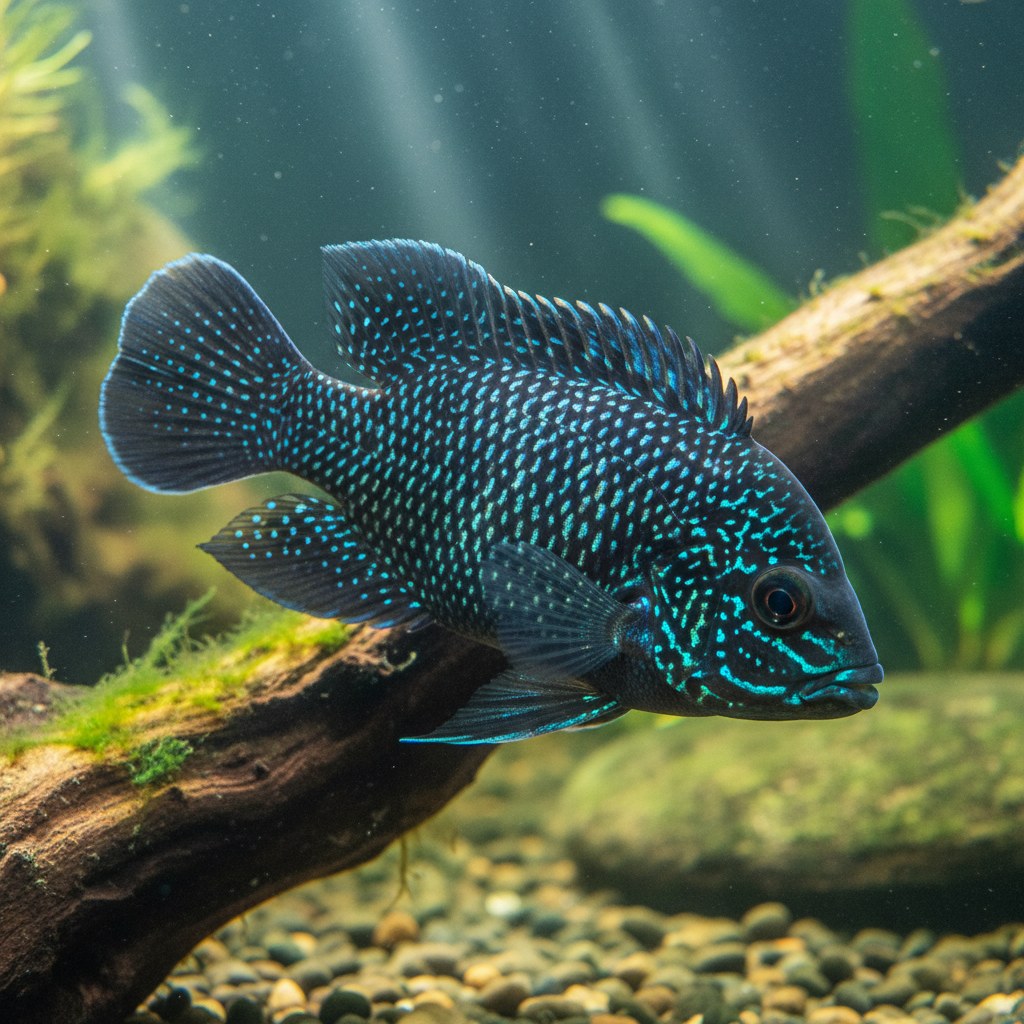
The Starry Night Cichlid, scientifically known as Paratilapia polleni, is a captivating species that has gained significant popularity among aquarium enthusiasts for its striking appearance and engaging behavior. This cichlid showcases a mesmerizing pattern of shimmering blue or grey coloration, adorned with star-like spots that create an enchanting effect reminiscent of a starry night sky. The combination of its vibrant hues and unique markings not only enhances the visual appeal of aquariums but also captures the attention of anyone who lays eyes on it. Beyond its aesthetic qualities, the Starry Night Cichlid represents a fascinating segment of the aquarium hobby, often becoming the centerpiece in well-maintained tank setups.
As a medium to large-sized cichlid, the Starry Night Cichlid can grow up to 12 inches in length, making it an eye-catching inhabitant of larger aquariums. This species showcases a combination of intelligence and territorial behavior, making it a rewarding but challenging addition for experienced aquarists. Its adaptable nature allows it to thrive in various environments, though it is crucial to replicate conditions close to its natural habitat for optimal well-being. Enthusiasts are drawn to its gracefulness and dynamic activity, and many find success in raising this species—fostering a deeper connection between fish and aquarist.
Natural Habitat & Origin
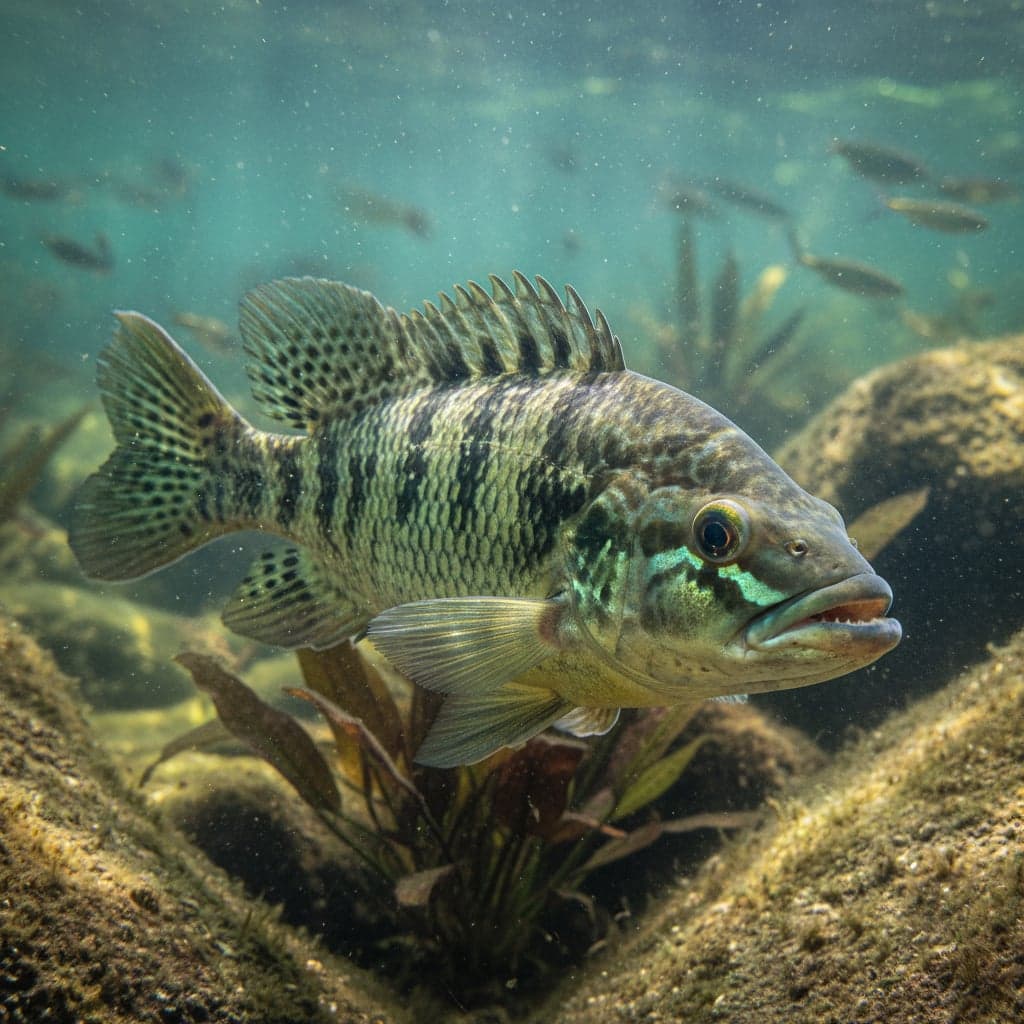
The Starry Night Cichlid is indigenous to the freshwaters of Madagascar, where it inhabits river systems and streams characterized by a diverse array of ecological environments. Primarily, these fish are found in clear and slightly acidic waters, often amid sandy substrates and underwater structures that provide shelter and breeding grounds. The warm waters they thrive in are typically rich in organic materials, supporting a healthy ecosystem teeming with various aquatic life. The unique conditions of Madagascar, including variations in flow rates and vegetation, contribute to the distinct traits observed in the Starry Night Cichlid, making understanding its native habitat essential for successful aquarium care.
The environmental context of the Starry Night Cichlid's habitat influences not only its physical attributes but also its behavior. The combination of submerged log formations, lush plant life, and gentle currents creates a rich, diverse ecosystem ideal for the survival and proliferation of this species. Upon replication of these aspects in aquariums, aquarists can expect their Starry Night Cichlids to exhibit more natural behaviors, enhancing overall tank dynamics and fish health.
Care Requirements
When it comes to the care of the Starry Night Cichlid, maintaining optimal water parameters is paramount. The ideal pH level for this species ranges between 6.5 to 7.5, while the water temperature should be kept between 75°F and 82°F (24°C - 28°C). Likewise, moderate hardness is recommended, ideally between 5 to 15 dGH. These parameters will closely mimic their natural habitat and support the fish's overall health and stress reduction.
For tank setup, a minimum aquarium size of 75 gallons is advisable due to their potential for growth and territorial behavior. The substrate should consist of fine gravel or sand to simulate their native riverbeds. Adequate lighting that is neither too bright nor too dim will create a comfortable environment for the Starry Night Cichlid. Incorporating driftwood and rocks will provide essential hiding spots and structure within the tank, while live plants such as Anubias and Java Fern can create natural beauty and enhance water quality. Careful consideration of tank layout is essential for offering retreat areas and establishing territory for your cichlid.
Diet & Feeding
The Starry Night Cichlid is an omnivore, which means it thrives on a varied diet that includes both animal and plant matter. In captivity, it’s crucial to offer a balanced diet comprising high-quality cichlid pellets or flakes that meet their nutritional needs. Additionally, incorporating frozen or live foods such as brine shrimp, bloodworms, and daphnia can significantly enhance their diet. These protein-rich foods not only bolster growth but also support breeding behaviors when applicable. Including spirulina-based foods will help maintain health and coloration, ensuring that these beautiful cichlids thrive under your care.
Feeding should take place two to three times a day in small portions that can be consumed within a few minutes, preventing water quality deterioration. A varied diet supplemented with green matter, such as blanched vegetables like spinach or zucchini, can also contribute to their well-rounded nutrition. Integrated feeding strategies will help keep your Starry Night Cichlid healthy, energetic, and a visual delight in your aquarium.
Behavior & Temperament
The Starry Night Cichlid presents a unique mix of social behaviors and territorial tendencies, making it a fascinating species for aquarists to observe. Generally, they display a level of curiosity and intelligence, often interacting with their environment and fellow tank inhabitants actively. However, as they mature, these cichlids can exhibit increased territorial behavior, particularly during breeding or when establishing a hierarchy. It is not uncommon for them to assert dominance over certain areas of the tank, especially if space is limited.
In terms of vertical placement, the Starry Night Cichlid tends to occupy the mid to lower regions of the aquarium. They are not schooling fish; therefore, it is essential to keep them with other semi-aggressive species when forming community tanks. Male Starry Night Cichlids can become aggressive towards one another, so it is advisable to keep one male with several females or a single specimen in a community setting to reduce potential conflicts.
Tank Mates
Choosing compatible tank mates for the Starry Night Cichlid requires careful consideration of their temperament and space needs. Suitable tank mates include robust species such as larger tetras (e.g., congos), other Central and South American cichlids (like the Convict Cichlid), and peaceful catfish (e.g., species of Pleco) that can withstand occasional territorial disputes. Other suitable candidates include larger barbs or rainbowfish, which engage without provoking aggression.
Conversely, it is crucial to avoid smaller, more docile fish or those that dwell in the upper water column, as they may become targets for aggression or bullying from the cichlid. Species such as guppies, neon tetras, or any fragile fish should be entirely avoided to ensure harmony within the tank. Creating an environment with ample living space, hiding spots, and structures will contribute to coexistence among tank mates and reduce conflict.
Breeding
Selective breeding of the Starry Night Cichlid in captivity is a rewarding experience, though it does require specific conditions to achieve successful spawning. Breeding typically requires the establishment of a breeding pair, which can be identified as they approach sexual maturity at approximately 1.5 to 2 years old. Once a pair is established, they will often exhibit courtship behaviors, including displays of color and territorial defense.
To promote successful breeding, the setup should include a spacious breeding box or flat surface, such as a rock or spawning slate, where the female can lay eggs. A slightly lower water level should be maintained, ranging from 74°F to 78°F (23°C - 26°C) with a pH level around 6.5 - 7.0. After successful fertilization, the female will tend to her eggs, providing protection and care. Once the fry hatch, they will require a diet of newly hatched baby brine shrimp, microworms, and finely crushed flakes. Both parents generally show strong brood care, fiercely defending the territory from other tank inhabitants. However, parental aggression can intensify significantly during this period, so separating the pair or moving the fry to a dedicated rearing aquarium may be necessary to ensure maximum survival.
Common Health Issues
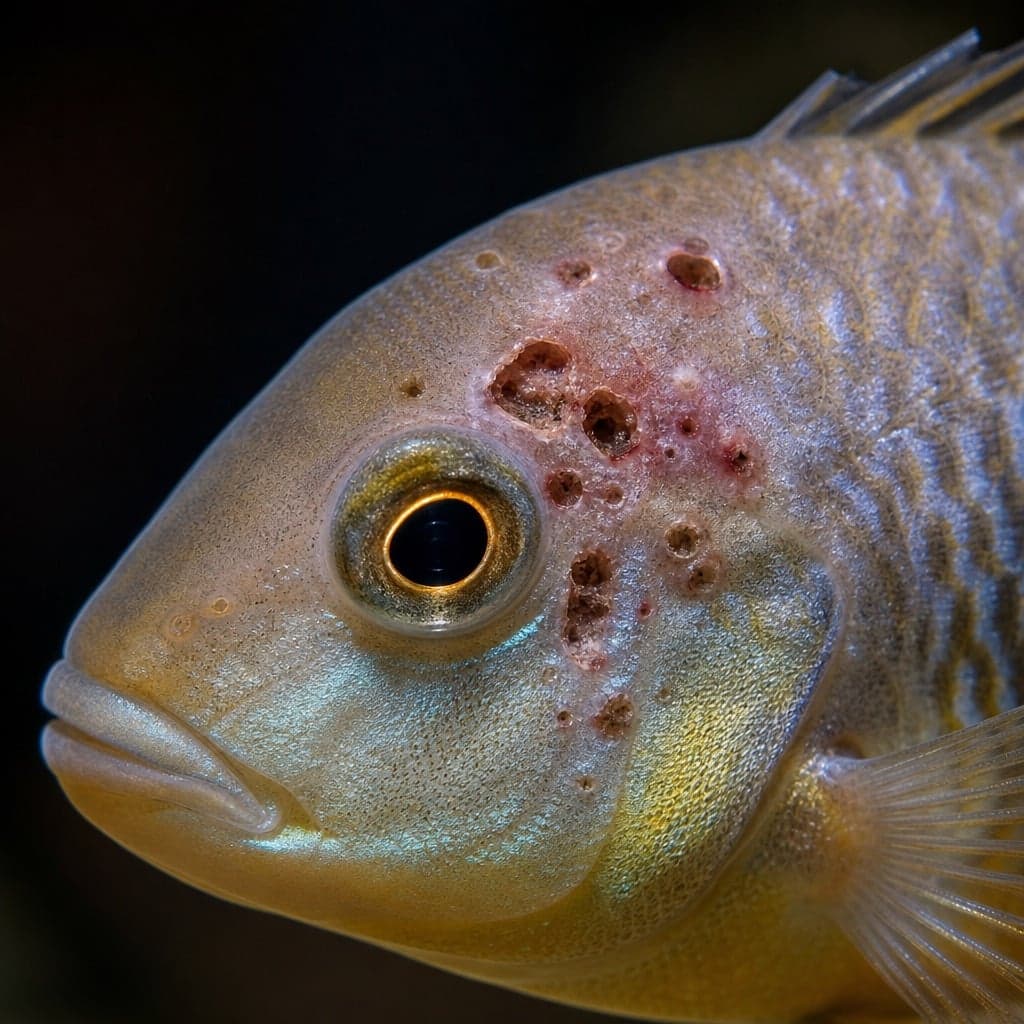
Starry Night Cichlids are robust and hardy fish when housed in optimal conditions, but they remain susceptible to common freshwater cichlid ailments if water quality declines. They are particularly prone to Hole-in-the-Head (HITH) disease (hexamitiasis), which is frequently linked to poor water parameters, high nitrate levels, or dietary vitamin deficiencies. Maintaining low nitrate levels through diligent weekly water changes and providing a diverse, vitamin-enriched diet are essential preventative measures.
Additionally, like many large cichlids, they can suffer from Ich (white spot disease) and bacterial infections such as fin rot when stressed by fluctuations in temperature or territorial fighting. Routine water testing, effective biological filtration, and a low-stress environment with appropriate rockwork and visual barriers will keep your Starry Night Cichlid thriving for many years.