Striped Talking Catfish: Platydoras armatulus
A 20cm catfish that audibly stridulates when handled. Nocturnal, peaceful with anything too big to swallow, and it needs caves.
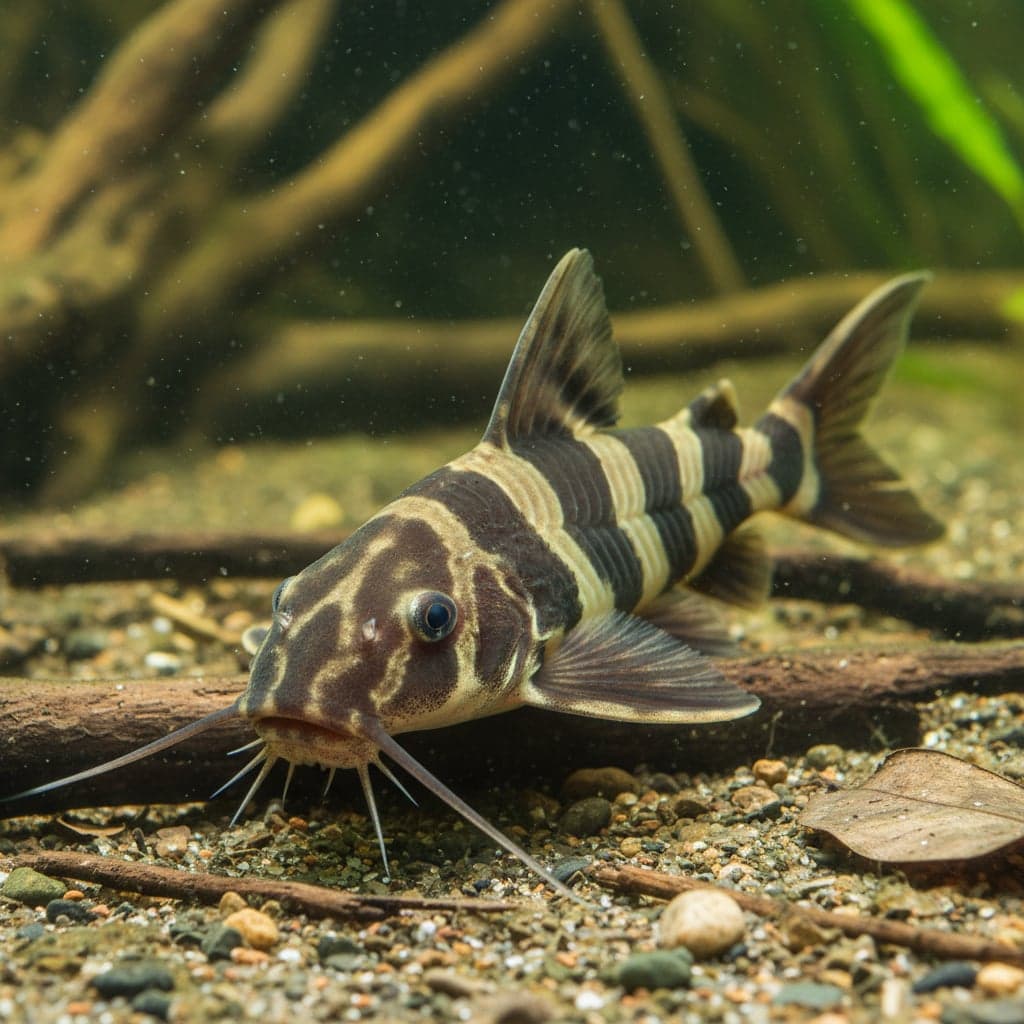
Striped Talking Catfish
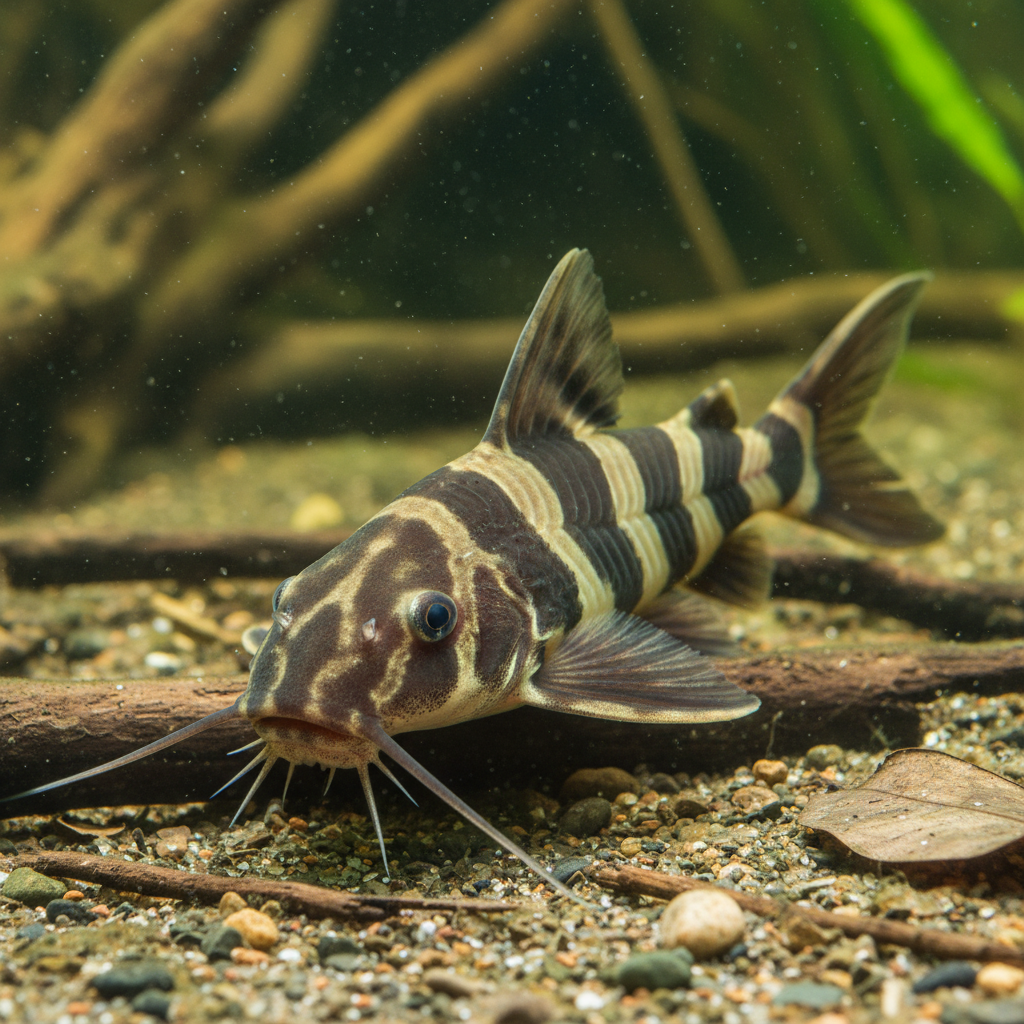
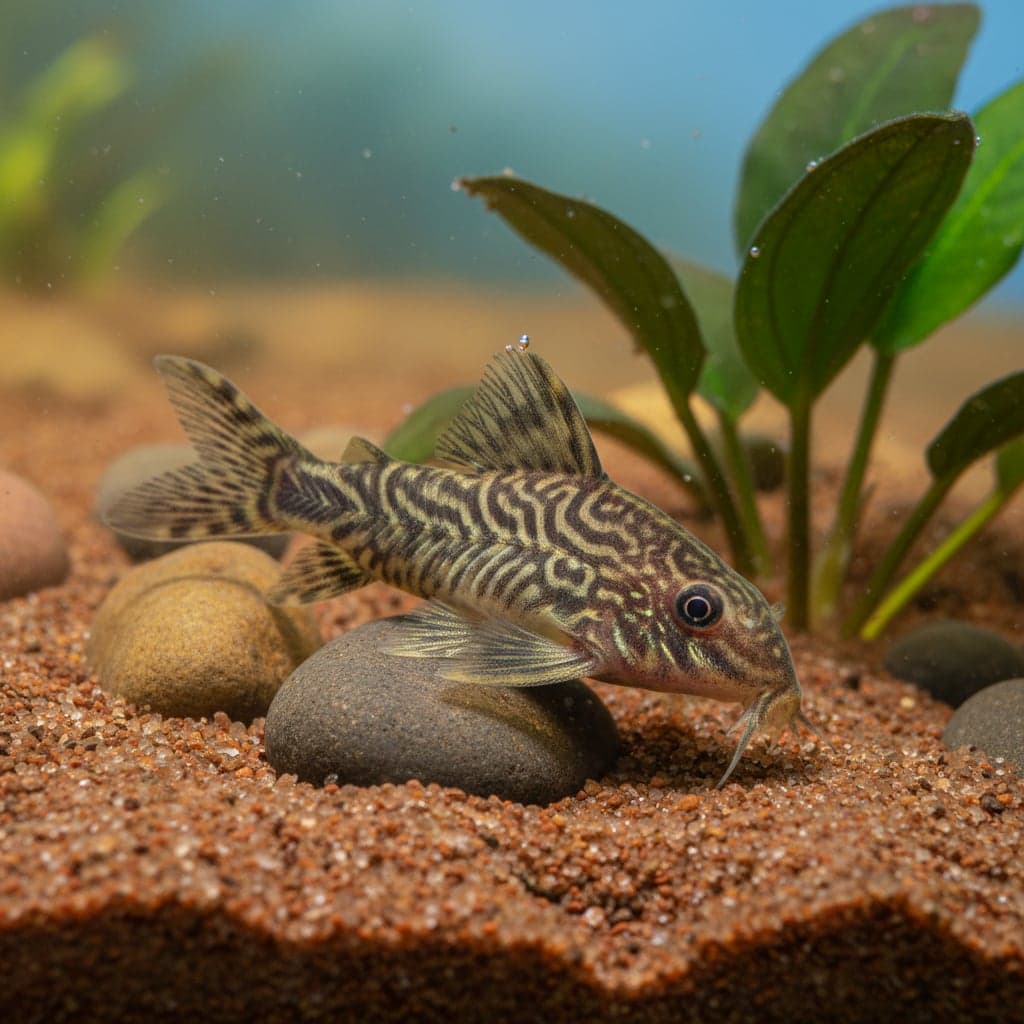
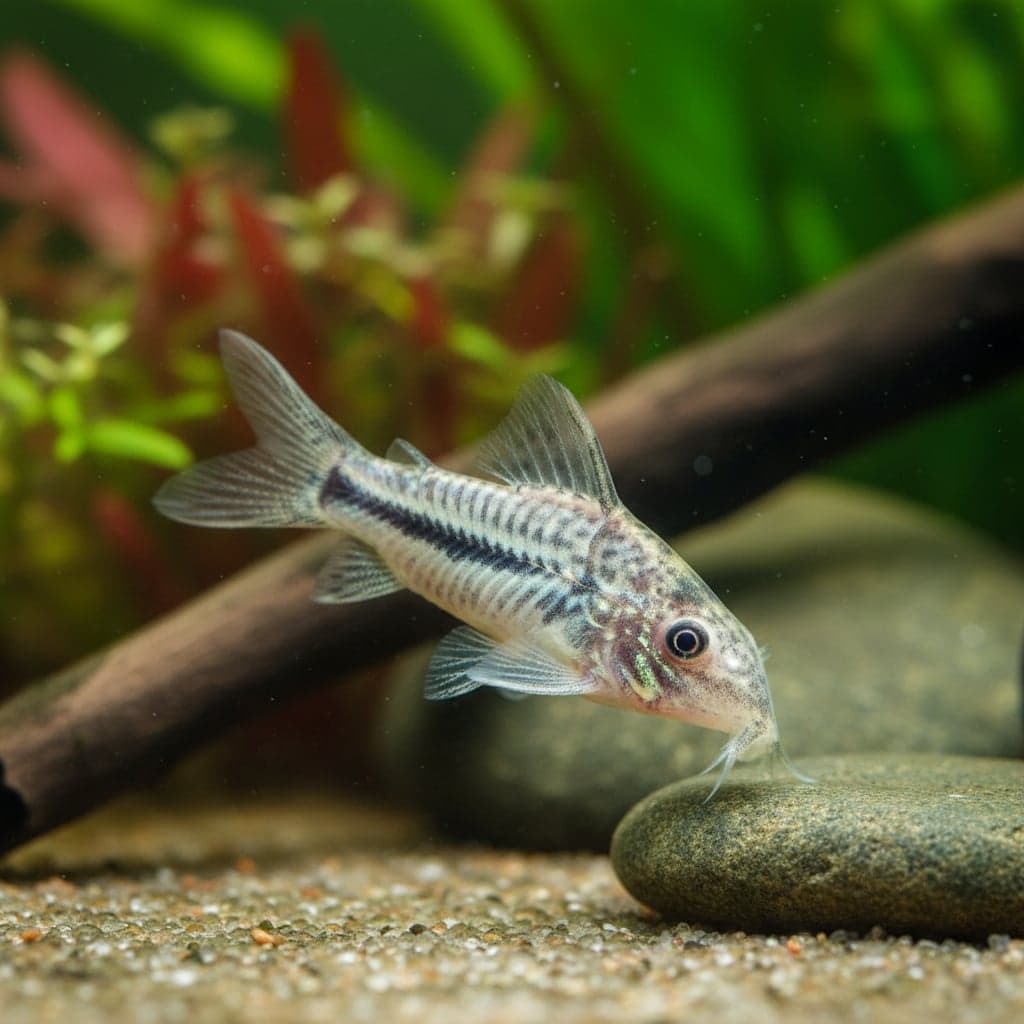
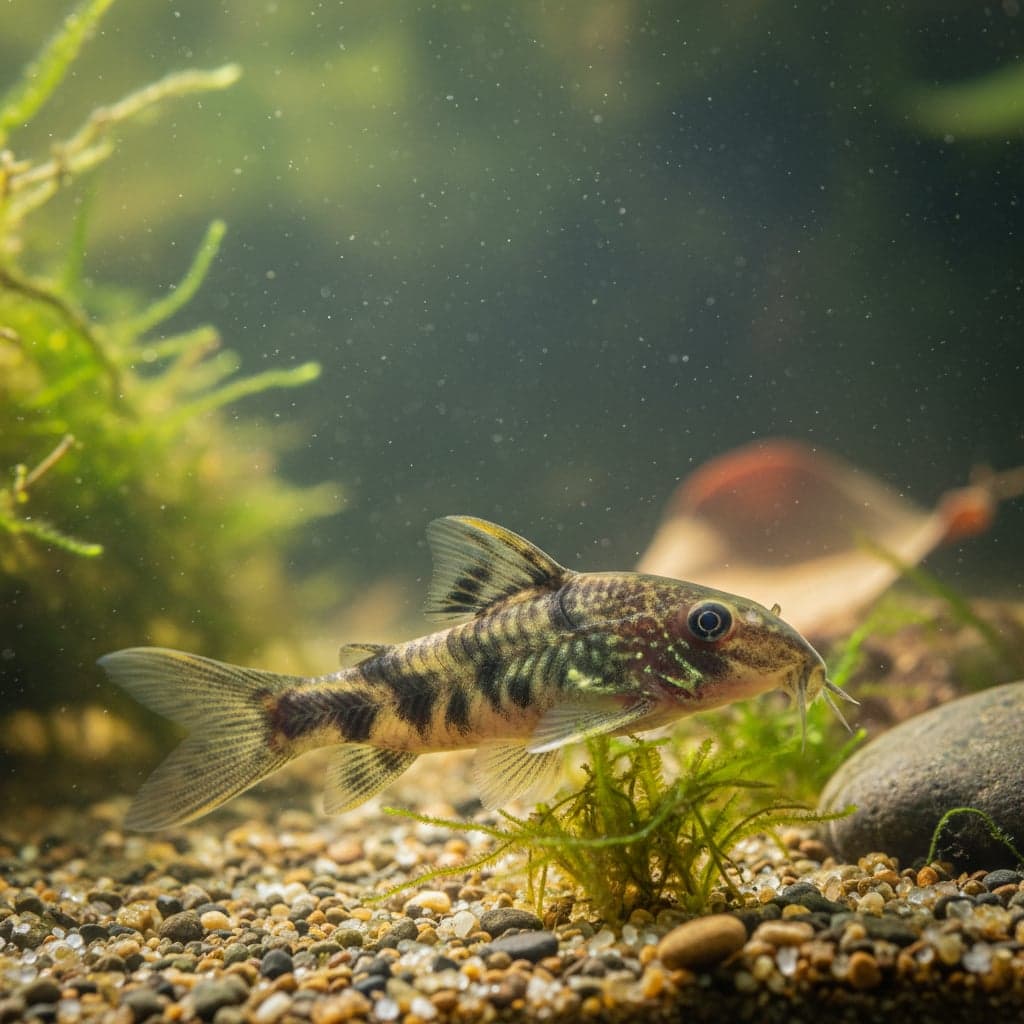
The Striped Talking Catfish, scientifically known as Platydoras armatulus, is a fascinating addition to the freshwater aquarium. This unique species is recognized for its elongated body adorned with striking black and white stripes, creating a captivating visual appeal that attracts aquarists of all experience levels. With its distinctive ability to produce sounds resembling a soft "talking," this fish has earned its moniker and curiosity from enthusiasts. Beyond aesthetics, the Striped Talking Catfish serves as a vital part of the aquarium hobby due to its algae-eating habits and bottom-dwelling nature, contributing to a balanced ecosystem in community tanks.
Visually, the Striped Talking Catfish can reach lengths of up to 12 inches, making it an impressive centerpiece in larger aquariums. Its streamlined body allows for agility amidst both rocky substrates and aquatic plants. The fish's contrastive stripes not only serve to remind hobbyists of its dynamic presence but also facilitate understanding of its social interactions and behavior. As a catfish species, it showcases the importance of providing adequate space and environmental enrichment, which enhances its liveliness and well-being in captivity.
Natural Habitat & Origin
The Striped Talking Catfish is native to the Amazon River basin in South America, commonly found in countries such as Brazil, Peru, and Colombia. This fish inhabits a variety of water bodies, including rivers and floodplain lakes, characterized by slow-moving waters. The environment is typically categorized as blackwater, rich in decaying plant matter and organic material that imparts a soft, acidic quality to the water. The surrounding landscape includes submerged logs, leaf litter, and dense vegetation, which provide essential cover and feeding grounds for the Striped Talking Catfish.
In the wild, this species thrives under conditions with low light and varying water parameters. Natural fluctuations in water quality impart resilience to the Striped Talking Catfish, making it adaptable to different aquarium settings, provided that certain critical factors are carefully managed to mimic its native habitat.
Care Requirements
To adequately care for the Striped Talking Catfish, specific water parameters must be maintained. The ideal pH range for this species is between 6.0 and 7.5, with a temperature range of 75°F to 82°F (24°C to 28°C). The hardness of the water should ideally be between 2 to 15 dGH, accommodating the fish's natural preference for soft to moderately hard water. For tank setup, a minimum tank size of 55 gallons is recommended to allow ample swimming space, given the fish's potential size and activity level.
The substrate should be soft, such as fine sand or smooth gravel, to prevent injury to the delicate body of the Striped Talking Catfish. Lighting should be low to moderate to simulate its natural habitat and encourage comfort. Incorporation of natural elements such as plants (e.g., Java fern, Anubias) and driftwood not only enhances the aesthetic but also provides hiding spots and feeding areas. Maintaining regular water changes and proper filtration is essential for ensuring high water quality and promoting the health of the Striped Talking Catfish.
Diet & Feeding
The Striped Talking Catfish is classified as an omnivore, showing a varied dietary preference that includes both plant-based and protein-rich foods. Their diet in captivity can comprise high-quality sinking pellets, flakes, and frozen or live foods such as bloodworms, brine shrimp, and daphnia to ensure a well-rounded intake of nutrients. While they are proficient algae grazers, it's crucial to provide a balanced diet to maintain their health and vibrancy.
Feeding should occur once or twice a day, ensuring that the food provided is of appropriate size for their mouth and can be consumed within a few minutes to prevent water quality issues. Offering occasional vegetable matter, such as spirulina or blanched zucchini, can contribute to their overall well-being, especially to support digestive health and color enhancement.
Behavior & Temperament
The Striped Talking Catfish exhibits predominantly peaceful behavior, making it an ideal candidate for a community aquarium setup. Social by nature, they thrive in groups, ideally in schools of four to six individuals, as this promotes their natural behaviors and reduces stress. Although it is generally a bottom-dweller, the Striped Talking Catfish exhibits vertical swimming patterns when foraging or exploring new surroundings, showcasing its inquisitive character.
While not aggressive, the Striped Talking Catfish can exhibit territorial behavior during feeding times or when feeling crowded. As such, providing enough space and hiding spots is vital to minimize any potential skirmishes with tank mates. Maintaining a balanced mix of species that share similar temperaments will promote harmony in the aquarium.
Tank Mates
Finding suitable tank mates for the Striped Talking Catfish is essential for creating a thriving aquarium. Compatible species include tetras, rasboras, gouramis, and certain species of barbs, which share similar water parameter needs and peaceful dispositions. Additionally, larger cichlids, such as angelfish or discus, can also coexist, provided that ample swimming space and hiding spots are available.
Conversely, it is advisable to avoid housing the Striped Talking Catfish with highly aggressive or territorial species, such as larger catfish or aggressive cichlids like oscars, as this may lead to stress or injury. Additionally, keeping small, timid species is not recommended, as they may be outcompeted for food and space, ultimately diminishing their health.
Breeding
Breeding the Striped Talking Catfish in captivity can be somewhat challenging, as it often requires specific conditions to encourage spawning. These catfish are known to be egg scatterers, typically breeding in larger groups. The ideal breeding setup includes a separate breeding tank featuring subdued lighting, plants, and a spawning surface, such as a flat rock or broad-leaved plant.
To induce spawning, a temperature increase to around 80°F (27°C) and regular water changes to simulate rainy season conditions may be effective. Upon spawning, the female lays adhesive eggs, which typically hatch within 3 to 4 days. Care must be taken to separate the eggs from the parents post-hatching, as the adult catfish may consume the fry. Adequate feeding of the fry should commence, using infusoria or finely crushed flakes until they grow enough to consume larger foods.
Common Health Issues
Like many freshwater species, the Striped Talking Catfish can be prone to certain health challenges, including ich (Ichthyophthirius multifiliis), fin rot, and bacterial infections. Stress factors, such as poor water quality or unsuitable tank mates, can increase susceptibility to these issues. To prevent health problems, strict adherence to water quality maintenance, regular tank cleanings, and proper acclimatization of new fish are crucial.
In addition, monitoring for signs of distress or anomalies, such as abnormal swimming patterns, lack of appetite, or visible lesions, allows for early intervention. Implementing a quarantine process for new arrivals, along with routine health checks, will significantly enhance the well-being and longevity of the Striped Talking Catfish in a home aquarium.