Sulawesi Red Line Shrimp: Caridina striata
A striped Sulawesi shrimp needing 27-29°C and hard alkaline water. Beautiful and demanding — not a first shrimp.
Sulawesi Red Line Shrimp
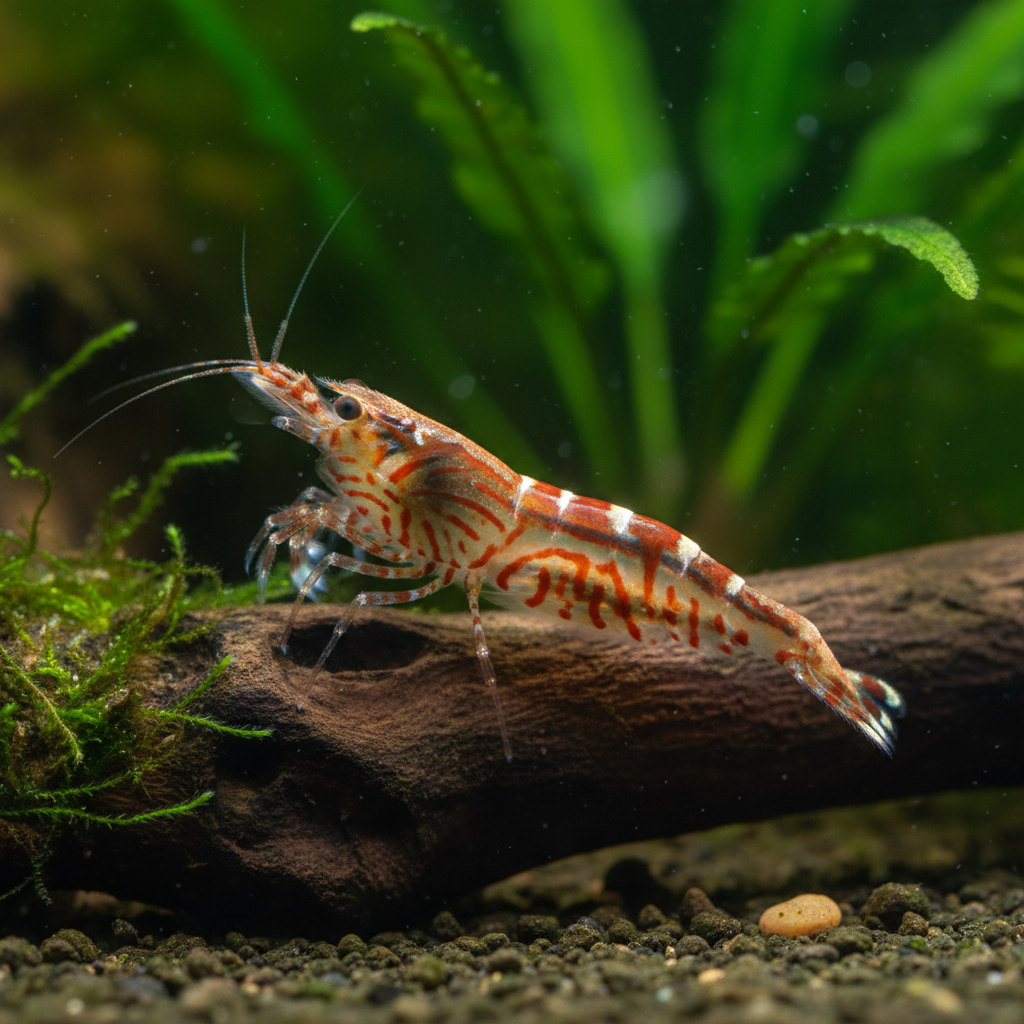
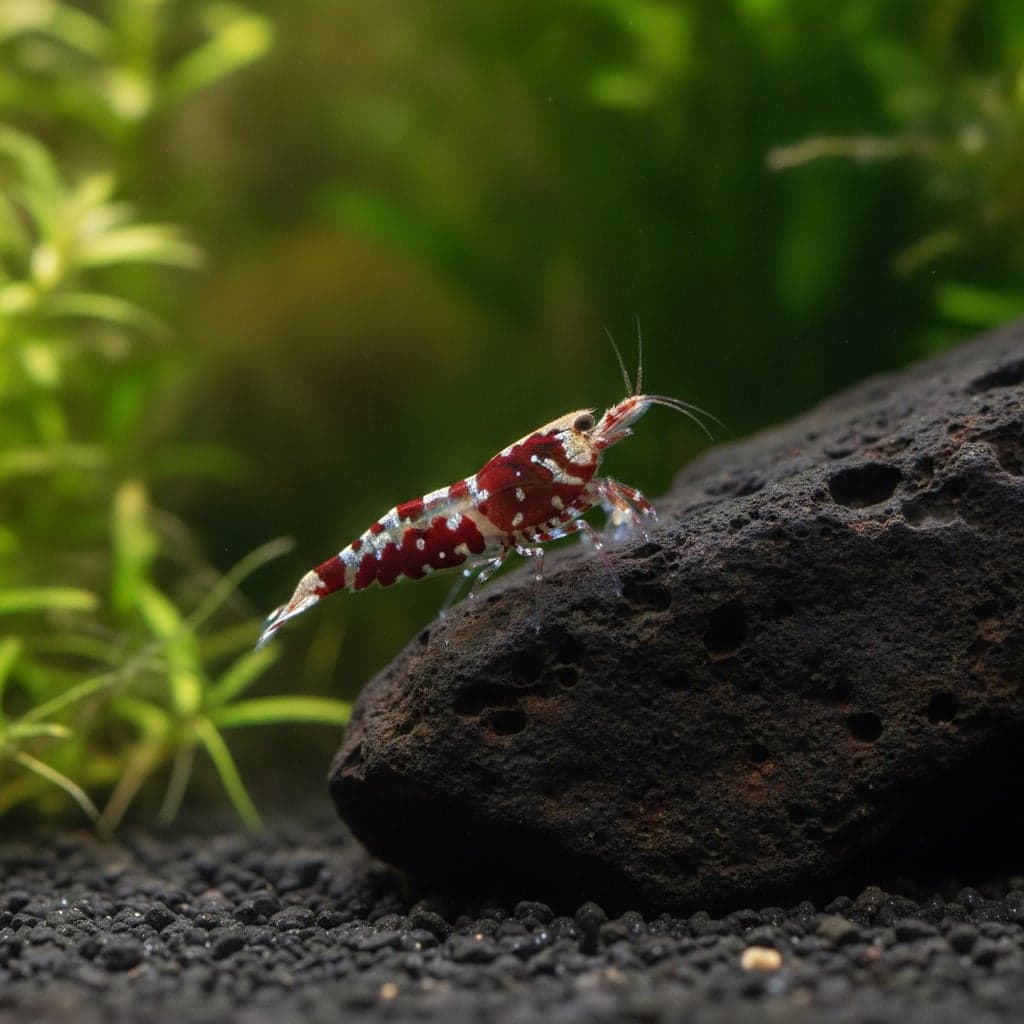
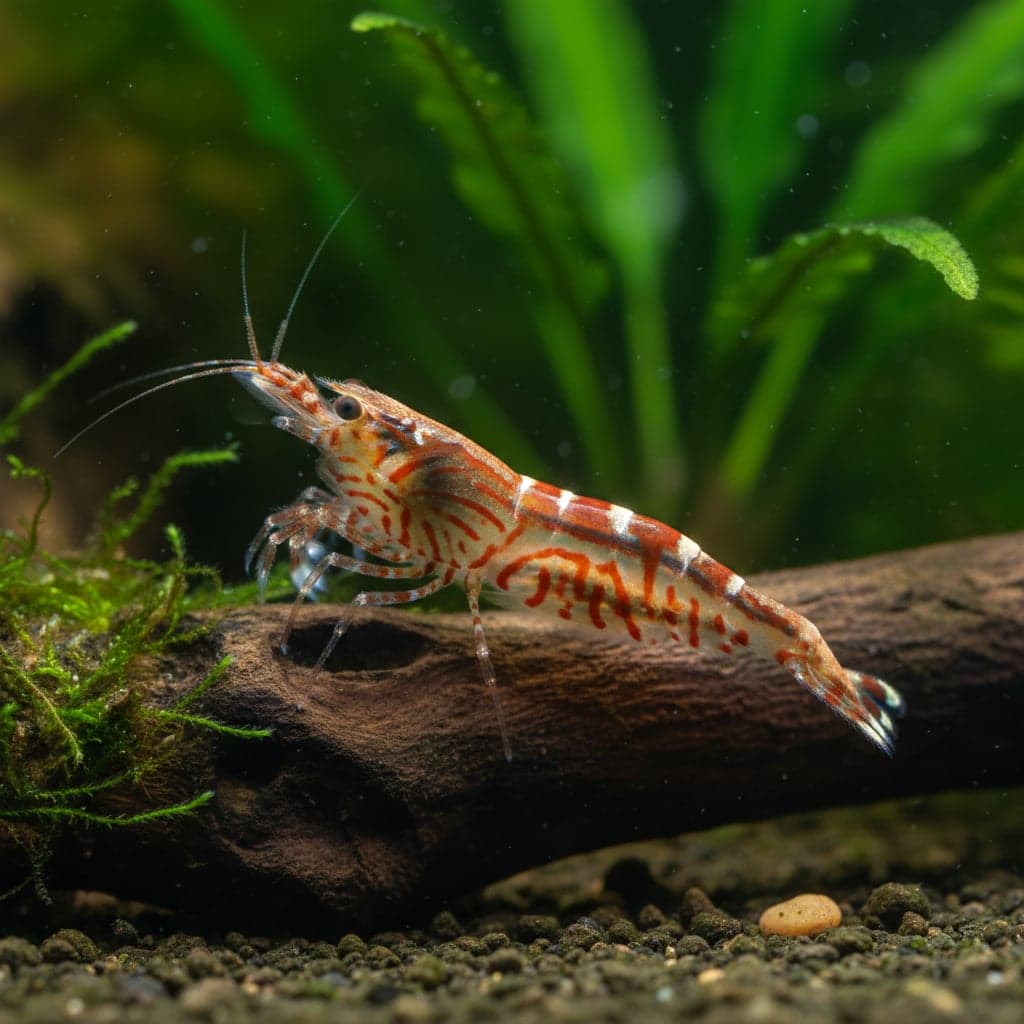
The Sulawesi Red Line Shrimp, scientifically known as Caridina striata, is a captivating freshwater shrimp native to the unique ecosystems of Sulawesi, Indonesia. This species is particularly cherished among aquarists due to its striking appearance, featuring vibrant red lines that contrast beautifully against a translucent body. These visual attributes not only enhance the aesthetic appeal of community aquariums but also make them a sought-after species for aquascaping enthusiasts. Their vibrant coloration can vary depending on diet, water conditions, and tank environment, presenting a dynamic aspect that captivates observers and adds character to any aquatic setup.
In addition to their breathtaking visuals, Sulawesi Red Line Shrimp play a vital role in the aquarium hobbyist community. They contribute to the ecological balance of the tank by helping to consume algae and organic waste, thereby ensuring a cleaner living environment for other inhabitants. Their peaceful nature makes them suitable companions for a variety of species, encouraging biodiversity within aquariums. As the demand for unique and visually striking aquatic life grows, the Sulawesi Red Line Shrimp has become emblematic of the evolving trends in freshwater aquaristics, representing both beauty and ecological functionality.
Natural Habitat & Origin
Sulawesi Red Line Shrimp originate from the freshwater lakes and rivers of Sulawesi, an island in Indonesia that boasts distinct geological features and freshwater ecosystems. They thrive in soft, acidic waters that are typically enriched with organic material, resulting from a lush environment filled with decomposing leaf litter and plant matter. The shrimp are primarily found in shallow waters where they can readily forage for food while benefiting from the protection provided by submerged vegetation and natural structures.
Their natural habitat is characterized by clear waters with low light penetration, allowing for a diverse array of microbial life that serves as a food source. The unique environmental conditions of Sulawesi's habitat not only contribute to the shrimp’s striking coloration but also influence their care requirements in captivity.
Care Requirements
To successfully keep Sulawesi Red Line Shrimp, it’s essential to replicate their natural habitat as closely as possible. Optimal water parameters include a pH level between 6.0 and 7.5, with temperatures ranging from 24°C to 28°C (75°F to 82°F). Soft water with a hardness of 2-8 dGH is preferred to mimic their natural environment and promote overall health.
When setting up their tank, a minimum size of 20 gallons is recommended to provide ample space and swimming room. The substrate should consist of fine sand or soft gravel, allowing the shrimp to forage comfortably. Adding plenty of aquatic plants, mosses, and driftwood not only creates hiding spots but also generates biofilm that serves as a supplemental food source. Moderate lighting is suitable, as higher intensities may lead to rapid algae growth, which could create an imbalance in the fragile ecosystem.
Diet & Feeding
Sulawesi Red Line Shrimp are omnivorous, thriving on a well-rounded diet that includes algae, biofilm, and detritus. In captivity, they will flourish on a combination of high-quality shrimp pellets and flakes specifically formulated for shrimp. Additionally, introducing frozen or live food such as daphnia, brine shrimp, and bloodworms will enhance their diet, providing the necessary protein and enriching their nutritional intake. Routine feeding should be done in small amounts to prevent overfeeding and to ensure that uneaten food does not deteriorate water quality.
Regular supplementation with calcium-based foods or mineral-rich supplements can be beneficial, particularly for molting, aiding in the development of strong carapaces. It's crucial to ensure a balance in their diet to promote healthy growth and vibrant coloration.
Behavior & Temperament
The Sulawesi Red Line Shrimp is known for its peaceful and social behavior, often found in small groups where they exhibit friendly interactions. They prefer to occupy the middle to bottom tiers of the aquarium, using substrates and plant life to navigate their environment. While they do not demonstrate aggressive tendencies, it is advisable to maintain a calm community of species to minimize stress.
These shrimp are relatively less territorial and enjoy grazing on surfaces, making them excellent custodians of the tank environment. Observing their social structures and interactions can be an engaging aspect of caring for these shrimp, as they often display various behaviors that facilitate healthy relationships with one another.
Tank Mates
In terms of compatibility, Sulawesi Red Line Shrimp can coexist harmoniously with a variety of peaceful fish and invertebrates. Ideal tank mates include small species such as Neon Tetras, Endler's Livebearers, and Rasboras, as well as other small shrimp species like Cherry Shrimp and Amano Shrimp. It’s crucial to avoid larger or more aggressive fish that may pose a threat to the shrimp, such as cichlids or larger barbs, which could see them as potential prey.
Additionally, caution should be exercised with bottom-dwelling fish, as they may inadvertently disturb the shrimp's habitat. Avoiding overly competitive species helps ensure a stable and peaceful community where the Sulawesi Red Line Shrimp can thrive.
Breeding
Breeding Sulawesi Red Line Shrimp can be a rewarding endeavor, though it requires specific conditions to mimic their natural breeding environment. Successful breeding occurs when both males and females are present, typically under water parameters that are consistently soft and slightly acidic.
The female will carry fertilized eggs beneath her tail until they hatch, usually within three to six weeks. It is essential to provide a densely planted environment where the shrimp can feel secure during this process. Additionally, maintaining stable water temperatures and ensuring high-quality food availability will promote healthy offspring. Care should be taken to ensure that the fry are not preyed upon by other tank inhabitants, as they can be vulnerable during their early development stages.
Common Health Issues
Sulawesi Red Line Shrimp may be susceptible to specific health issues, including bacterial infections, shell rot, and molting stress. The best preventive measures involve maintaining excellent water quality and a stable environment. Regular monitoring of water parameters and performing routine water changes will mitigate harmful outbreaks.
Signs of stress, such as sluggishness or faded coloration, may indicate health issues, necessitating immediate attention to water conditions and overall tank management. Introducing natural remedies or medicated food can help treat minor ailments, but should be approached with caution to prevent altering the tank environment. Prioritizing a balanced diet and minimizing tank disturbances can significantly enhance the overall health and longevity of Sulawesi Red Line Shrimp.