Sulawesi Snail: Tylomelania spp.
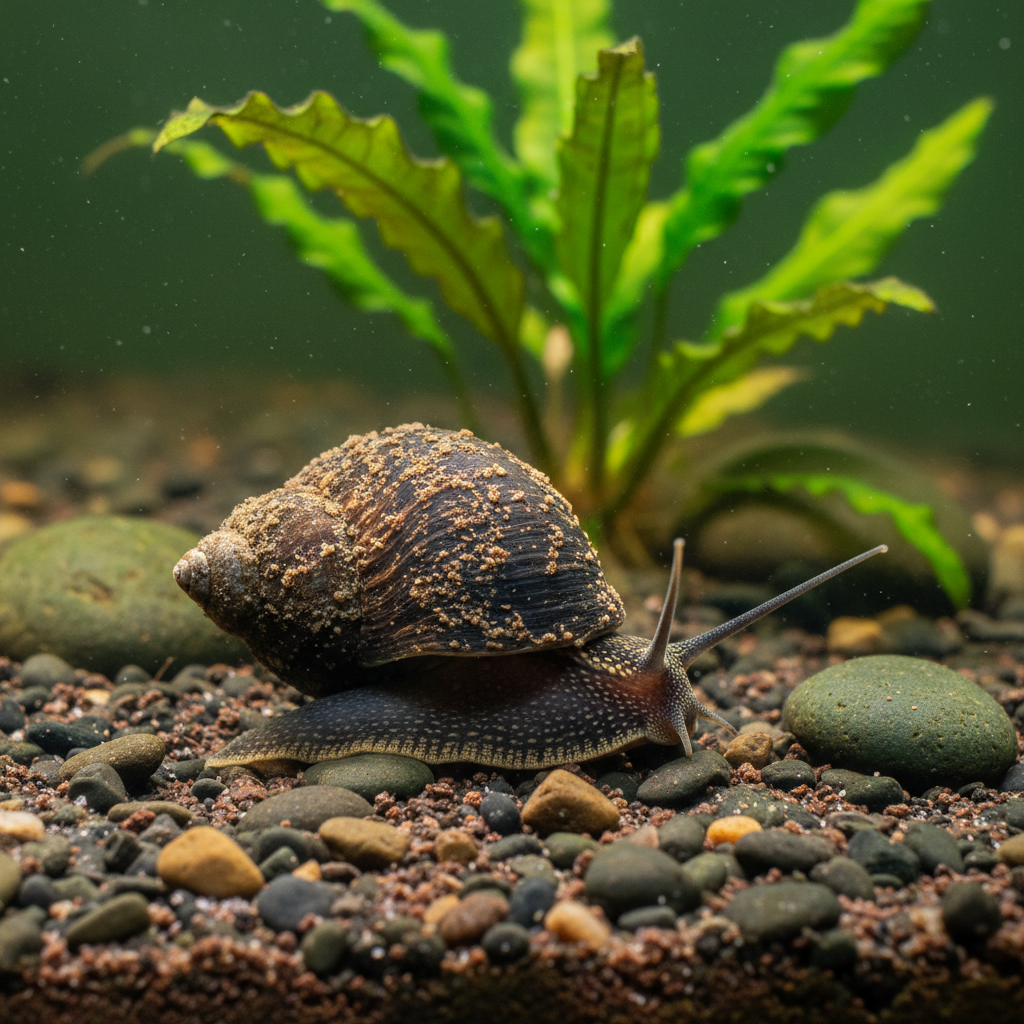
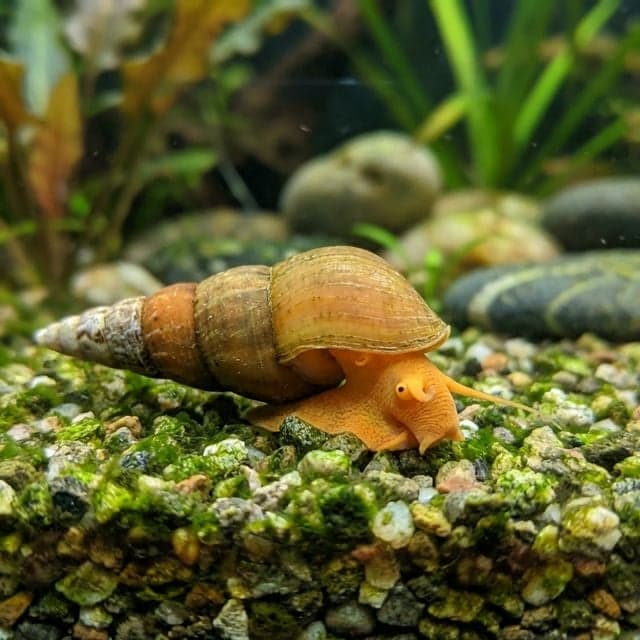
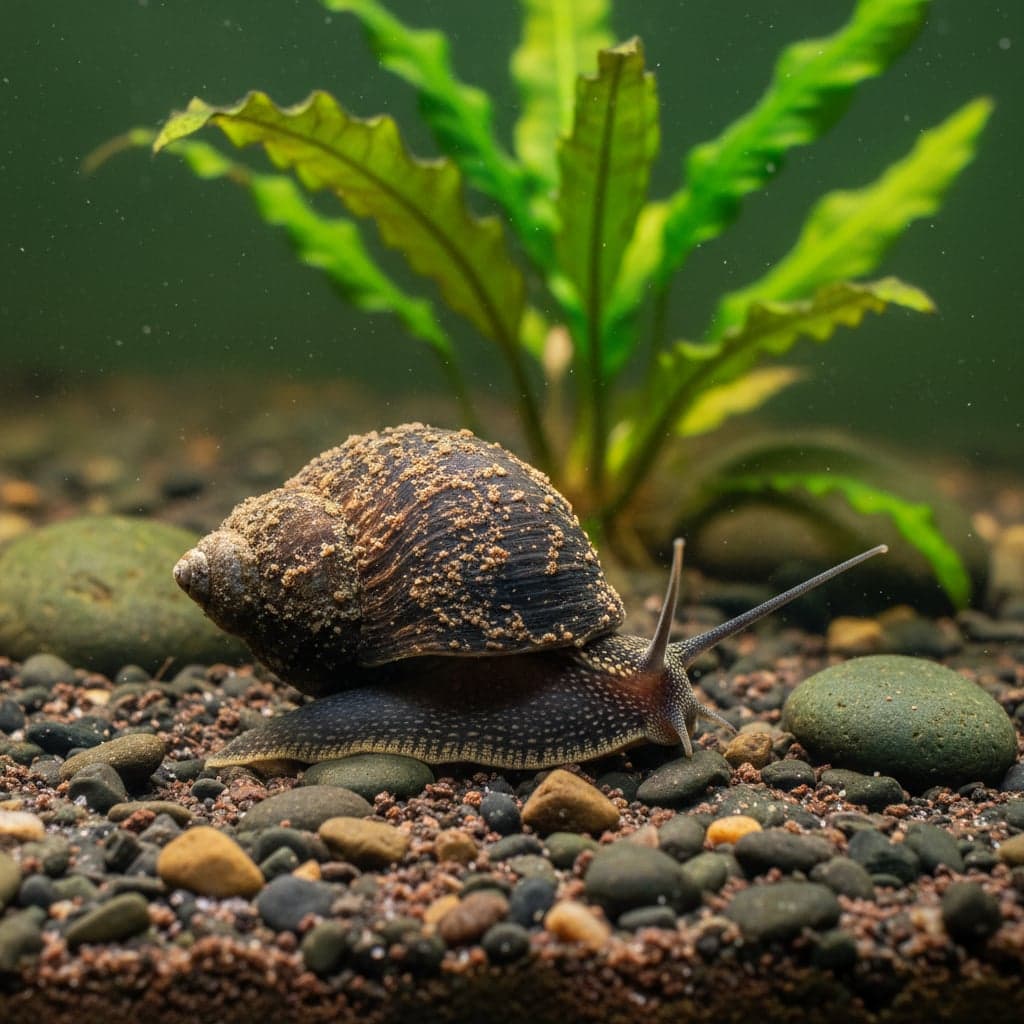
A 10cm Sulawesi snail with a sculpted shell and bright foot. Needs warm, hard, alkaline water and biofilm — not a general community tank.
Sulawesi Snail
The Sulawesi Snail, scientifically known as Tylomelania spp., is a fascinating addition to the freshwater aquarium hobby, admired for its unique beauty and engaging behavior. These snails exhibit a strikingly ornate shell with intricate patterns and colors, which pop against the backdrop of aquatic plants and decorations. Their shells can range in hue from bright yellow to deeper browns and blacks, often featuring stunning banding or mottling that captivates both casual observers and seasoned aquarists alike. Beyond their aesthetic appeal, Sulawesi Snails serve an important role in aquariums; they act as natural scavengers, aiding in the maintenance of tank cleanliness by consuming uneaten food and detritus.
In terms of significance, the Sulawesi Snail represents a unique aspect of freshwater snail species, often sought after by both novice and advanced fish enthusiasts. They can thrive in specialized setups, adding diversity to biotope aquariums that replicate their natural habitat. These snails are not only a visual treat but also contribute to the ecological balance within a tank, making them a valuable asset in biodiversity and sustainability practices within the hobby.
Natural Habitat & Origin
Sulawesi Snails are native to the Sulawesi region of Indonesia, which is a hotspot for unique and endemic species due to its varied aquatic environments. They primarily inhabit freshwater lakes and rivers within this region, characterized by low mineral content and soft, slightly acidic water. The ecosystems of Sulawesi are typically rich in decomposing leaf litter and plant material, providing an abundance of organic matter for these snails to thrive on. The water conditions here fall into the category of soft to moderately hard alkaline waters, with pH levels usually hovering around 7.5 to 8.5, making it essential to mimic these parameters in home aquariums for successful water quality.
The geographical isolation of Sulawesi has led to a wide array of aquatic life, and the Sulawesi Snail's unique adaptations allow it to flourish in these highly specialized environments. These snails are often found inhabiting the substrates and edges of lakes, where they engage in essential scavenging behaviors, contributing to the well-being of their ecological niche.
Care Requirements
To successfully keep Sulawesi Snails, it’s crucial to replicate their natural environment with careful attention to water parameters. Ideal conditions include a temperature range of 24-28°C (75-82°F), a pH level between 7.5 to 8.5, and general hardness (GH) of 4-14 dGH. Ample filtration is vital to maintain water quality, as snails are sensitive to ammonia and nitrite levels. A minimum tank size of 20 gallons is recommended, allowing for both swimming space and substrate area for these creatures to scavenge.
For substrate, choose a fine grain or sand that mimics their natural lake bottom. Incorporating natural decor such as driftwood, rocks, and aquatic plants not only enhances aesthetic appeal but also creates hiding spots and grazing areas. Moderate lighting is suitable, promoting plant growth while ensuring the snails have appropriate cover and conditions for stress-free living.
Diet & Feeding
Sulawesi Snails are primarily herbivorous grazers but will also enjoy a varied diet that includes decomposing organic material. In the aquarium, they thrive on high-quality algae wafers or blanched vegetables such as zucchini, spinach, and kale. While they may occasionally feed on fish food flakes or pellets, it's essential to provide a diet rich in plant matter. Offering them frozen foods like bloodworms or brine shrimp a few times a week can also enhance their diet, especially for breeding specimens that require a nutrient-dense regimen. Ensuring that food is finely crushed or suitably sized for their consumption can optimize their feeding experience.
Regular feeding is important; a small portion given once a day should suffice, ensuring no leftover food fouls the tank’s water. This leads to healthy, active snails that contribute positively to the aquarium's ecosystem.
Behavior & Temperament
The Sulawesi Snail is generally a peaceful species, displaying calm and docile behavior within the aquarium. They are not social animals in the sense of schooling; however, they exhibit interesting foraging behaviors and can often be seen grazing along the substrate or on aquarium plants. They prefer the bottom layers of the tank and are primarily benthic dwellers, meaning they spend most of their time at or near the substrate.
Their peaceful nature makes them suitable for community tanks, but it's worth noting that their presence can draw attention from curious fish, leading to occasional interaction. They are not aggressive and will avoid confrontation, allowing them to coexist with a wide variety of tank mates in a tranquil setting.
Tank Mates
When selecting tank mates for the Sulawesi Snail, it's essential to choose compatible species that will not harm or compete aggressively for food. Ideal companions include small to medium-sized fish like Neon Tetras, Guppies, Endlers, and various peaceful community fish. Other suitable tank mates can include shrimp species, such as Cherry or Amano shrimp, as they share a similar peaceful temperament.
Conversely, larger, aggressive fish or those known for nibbling on snail flesh, like Cichlids or Gouramis, should be avoided. Avoiding overly boisterous species will ensure that the Sulawesi Snails feel secure and remain active within the aquarium environment.
Breeding
Breeding Sulawesi Snails in captivity can be a rewarding endeavor, though it requires specific conditions for successful outcomes. They are ovoviviparous, meaning they give birth to live young rather than laying eggs. Optimal breeding conditions include maintaining stable water parameters with a slightly elevated temperature and well-oxygenated water.
To encourage breeding, ensure that the snails are well-fed with a nutritious diet. Mating occurs when male snails extend a reproductive organ to the female, leading to fertilization. After mating, females will produce young snails that will emerge fully formed from the mother's body. Maintaining a separate breeding tank can help ensure the survival of the young snails, as adults may inadvertently consume them.
Common Health Issues
Sulawesi Snails are generally hardy, but they are not exempt from health issues. Common problems include shell erosion, which can occur if water hardness or calcium levels are insufficient. It's crucial to maintain optimal water conditions and ensure the snails have access to calcium-rich food sources, such as crushed coral or cuttlefish bone, to help fortify their shells.
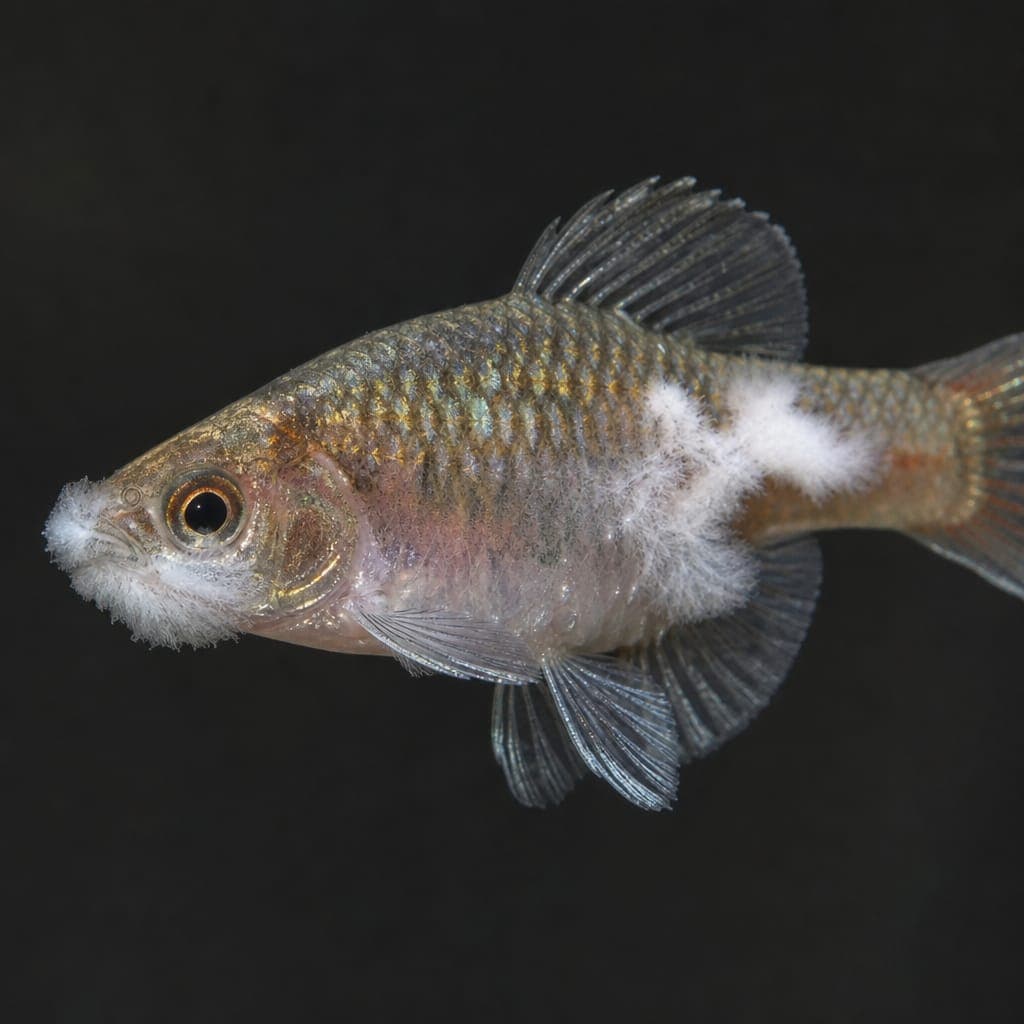
Other potential concerns might involve parasites or diseases typical to freshwater snails, such as snail killing diseases or fungal infections. Monitoring water quality and avoiding overcrowding can significantly reduce stress and the risks associated with these health issues. Regularly checking for signs of distress, such as decreased activity or unusual shell texture, can empower aquarists to take timely action and maintain a healthy snail population in their aquariums.