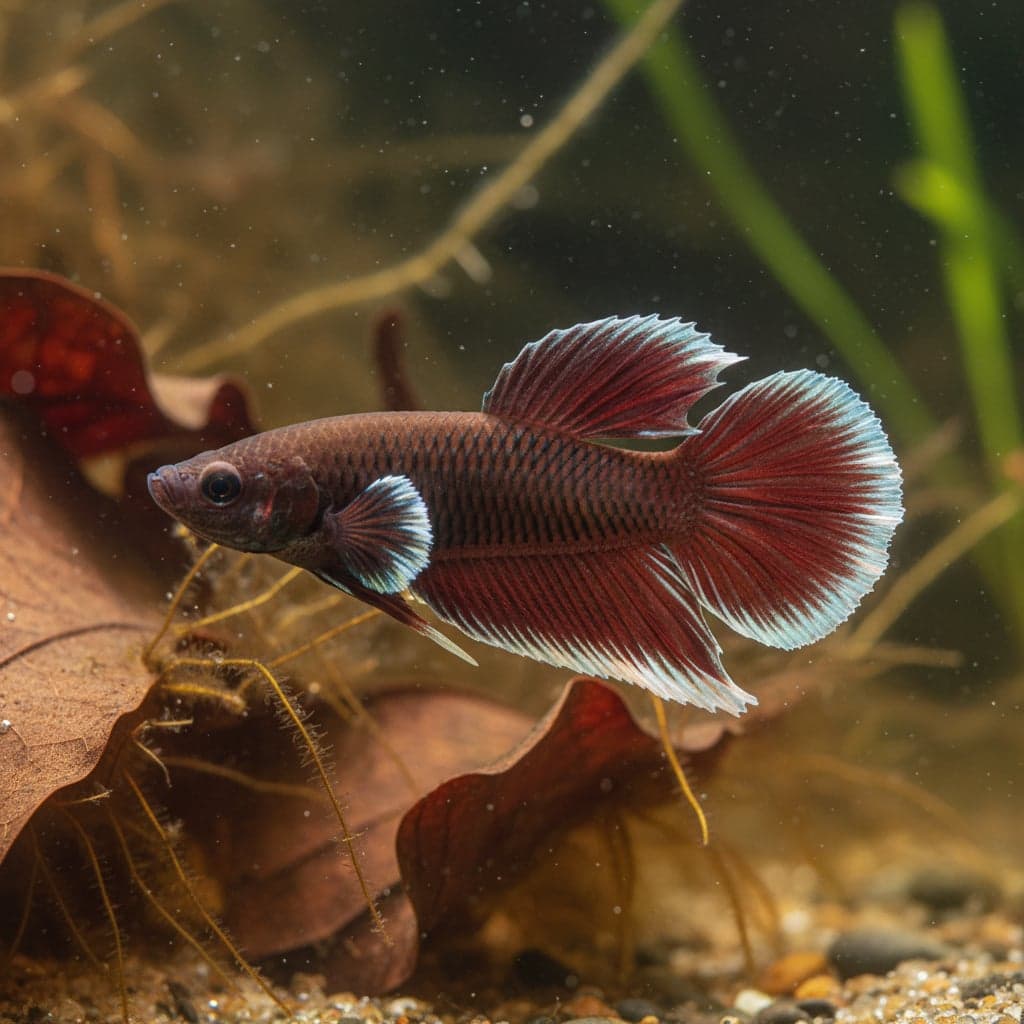
Taeniacara candidi: Taeniacara candidi
A slender 5cm dwarf cichlid from Orinoco blackwater. Needs pH 4.5-6.0, very soft water and leaf litter before it will breed.
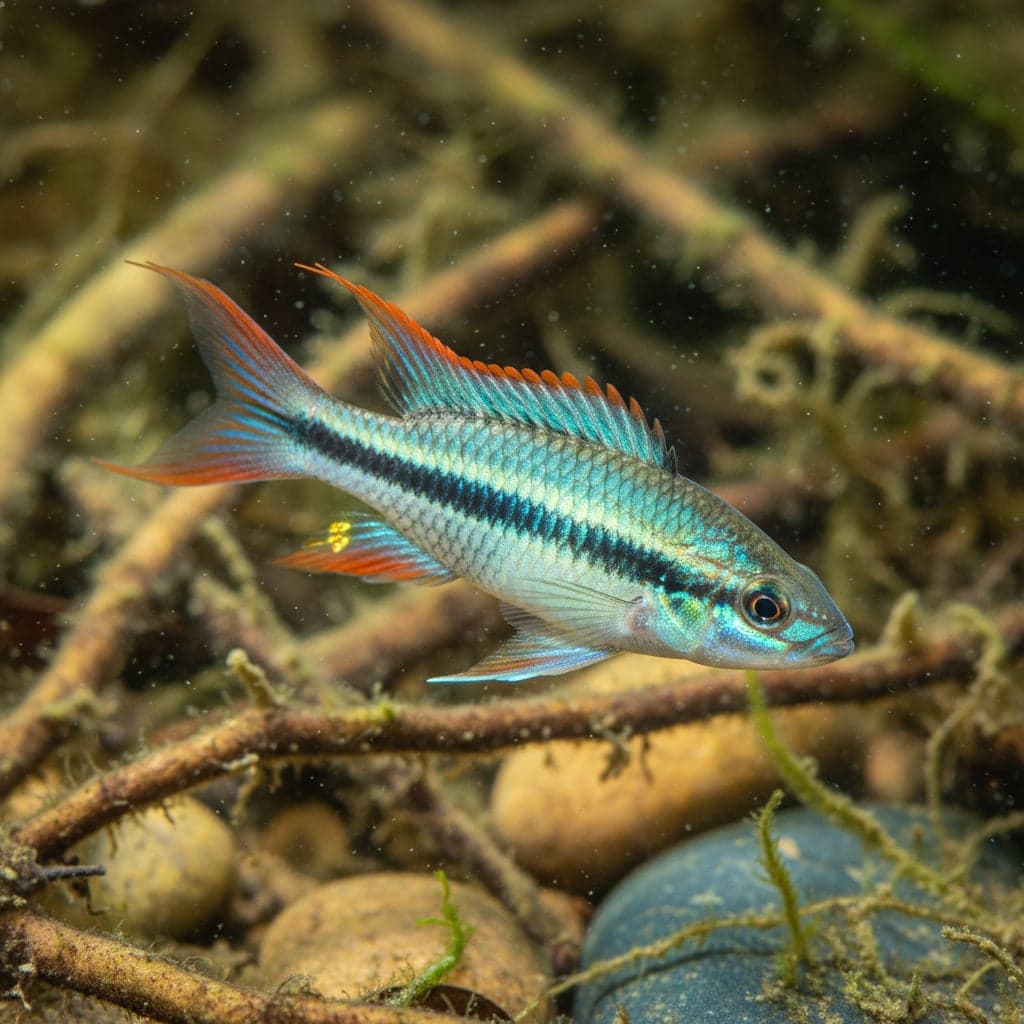
Taeniacara candidi
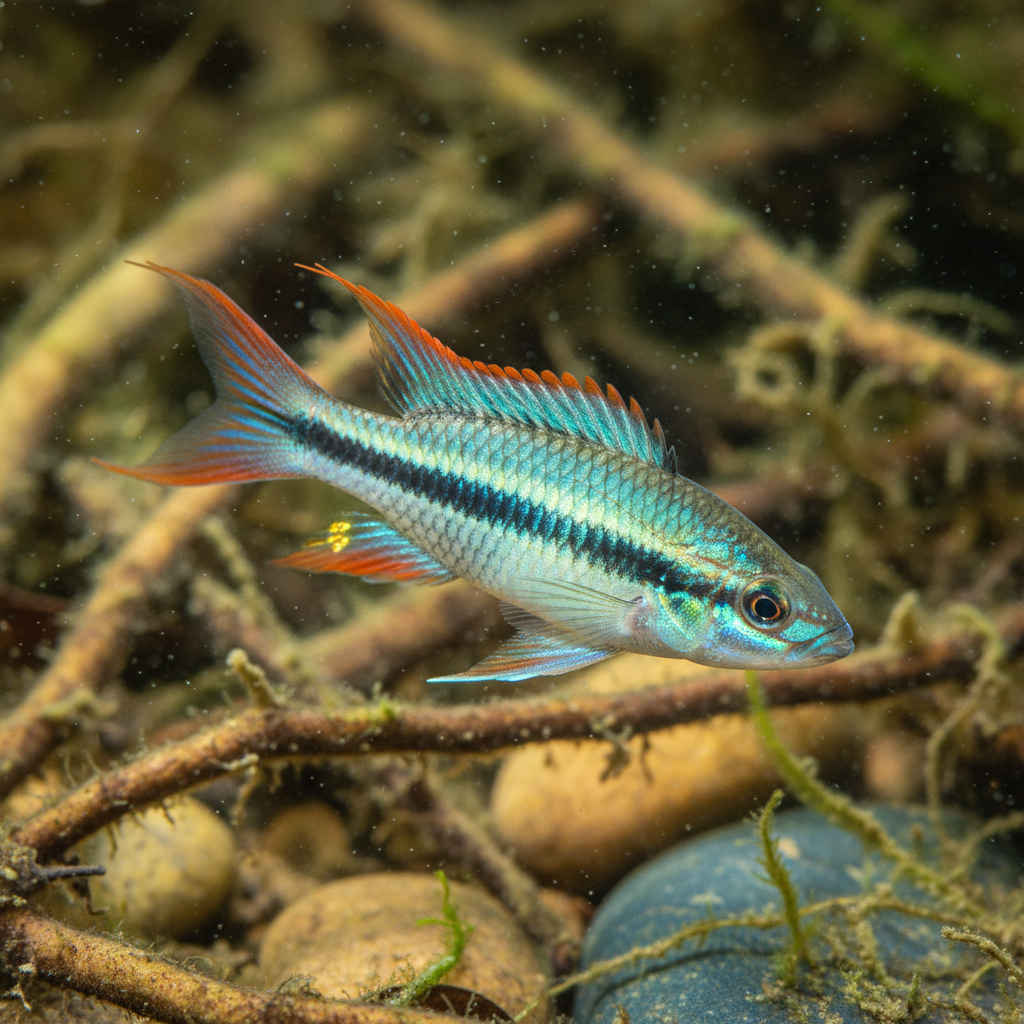
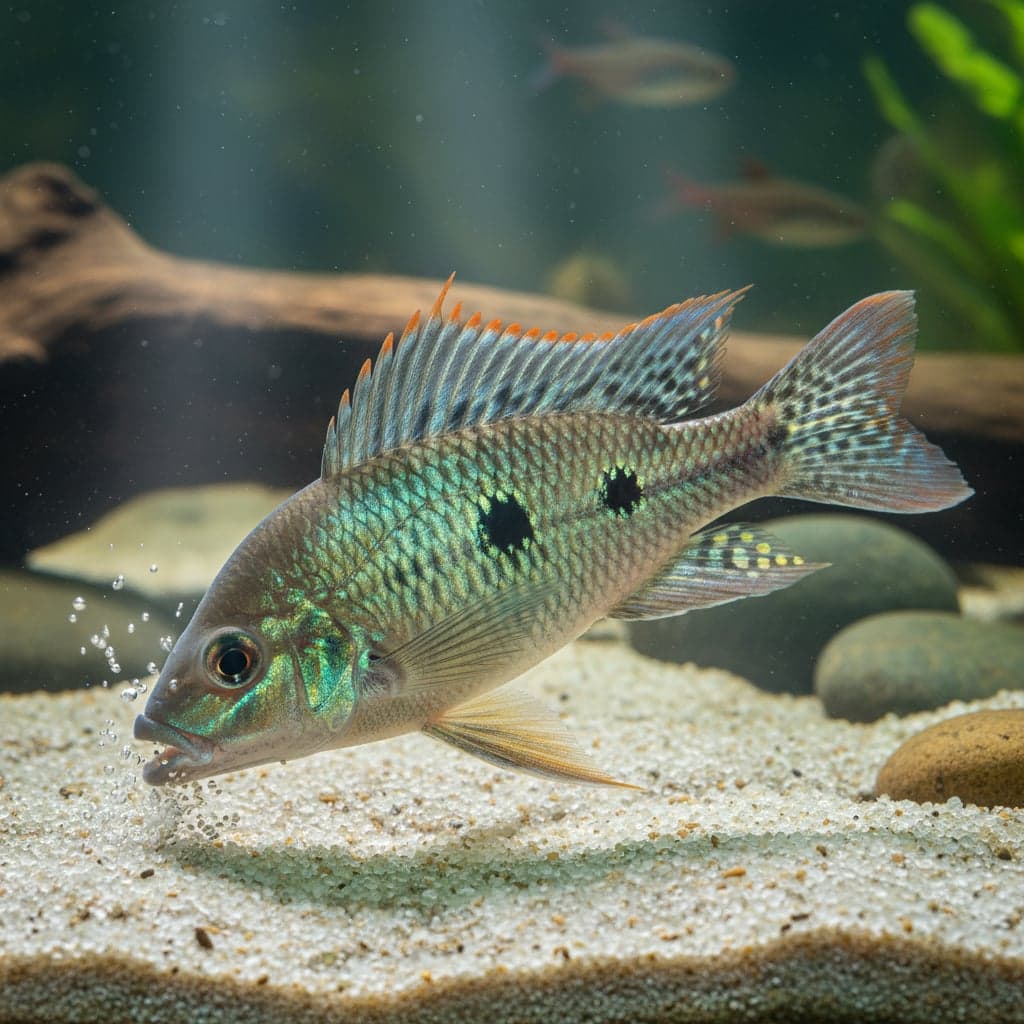
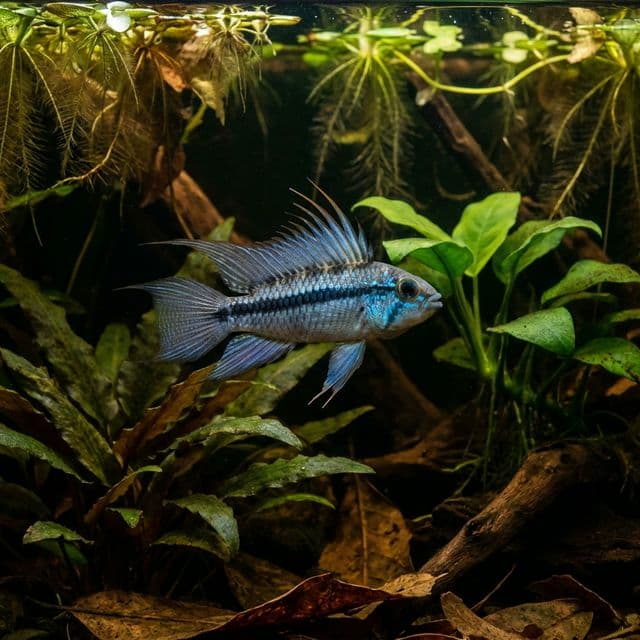
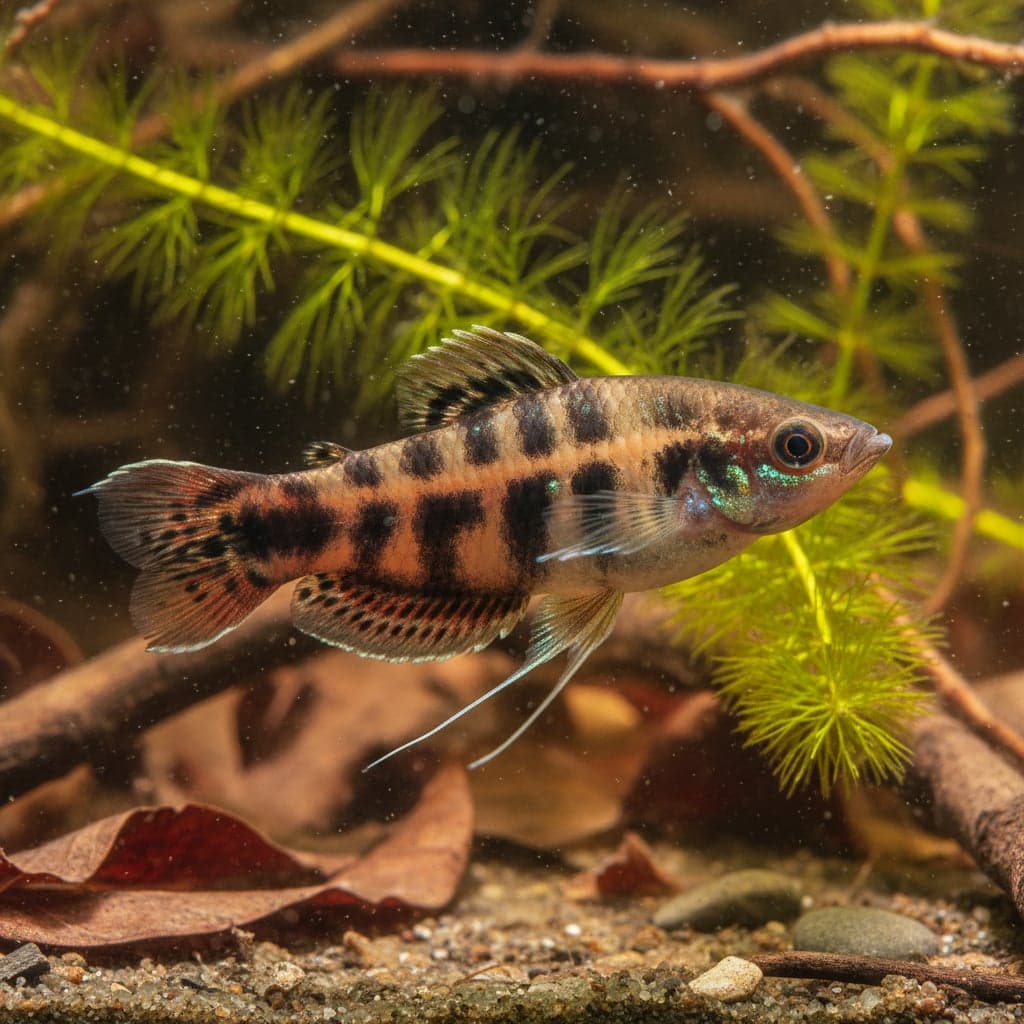
Taeniacara candidi, often referred to as the 'Candi Cichlid,' is a captivating species of freshwater fish that belongs to the cichlid family. Native to South America, specifically the Rio Orinoco drainage in Venezuela, this species has gained significant popularity among aquarists due to its striking appearance and unique behaviors. Taeniacara candidi displays an exquisite combination of iridescent blues and yellows, accentuated by dark barring, making it visually stunning. Their relatively small size, reaching a maximum length of about 1.6-2 inches (4-5 cm), allows them to fit into various aquarium setups, contributing to their appeal for both novice and experienced hobbyists alike.
Beyond their aesthetic allure, Taeniacara candidi plays a vital role in the aquarium hobby, representing the diversity and ecological richness of Cichlidae. Their behaviors, particularly intricate breeding rituals and parental care, make them captivating subjects for observation. Additionally, they exemplify the complexities of care and maintenance, which challenge aquarists to replicate their natural conditions, ultimately enhancing the overall aquarium experience.
Natural Habitat & Origin
Taeniacara candidi is indigenous to the lower stretches of the Rio Orinoco basin in Venezuela, an area characterized by slow-moving waters and a diverse array of habitats. These fish thrive in blackwater environments, where soft, acidic waters are abundant, and organic matter from decaying vegetation provides both shelter and food sources. The rivers and streams in their natural habitat are often stained dark due to tannins released by decomposing plant materials, painting a picture of a lush and biodiverse ecosystem. Understanding their natural habitat is crucial for aquarists aiming to create an appropriate environment that mimics these conditions.
The environmental context in which Taeniacara candidi is found includes densely vegetated areas filled with submerged plants, leaf litter, and driftwood. These elements not only provide hiding spots but also contribute to their overall well-being in captivity. Given their preference for such habitats, aquarists should strive to replicate these features when designing a suitable aquarium environment.
Care Requirements
To ensure the optimal health and well-being of Taeniacara candidi, specific water parameters must be maintained. The ideal pH range for this species is between 5.5 and 7.5, with a water temperature between 74°F and 82°F (23°C to 28°C). Aim for a water hardness level between 5 to 12 dGH, which closely resembles their natural habitat. Regular water changes and monitoring are essential to maintain these parameters, as stability is paramount in preventing stress and promoting healthy growth.
When it comes to tank setup, a minimum aquarium size of 20 gallons is recommended for Taeniacara candidi. The substrate should consist of fine sand or small, smooth gravel, allowing the fish to dig and forage naturally. Decorate the aquarium with driftwood, rocks, and dense vegetation, providing both hiding spaces and territories. Moderate lighting works best, as it encourages plant growth while mimicking the dappled sunlight found in their natural environment. Include live plants such as Java fern, Anubias, or Cryptocoryne for both aesthetics and practicality, as they enhance water quality and provide shelter.
Diet & Feeding
Taeniacara candidi is classified as an omnivore, displaying a natural inclination towards a varied diet. In the wild, they primarily consume small invertebrates, algae, and detritus. For optimal health in captivity, offer a balanced diet consisting of high-quality flakes or pellets formulated for cichlids. It's beneficial to supplement their diet with frozen or live foods such as brine shrimp, daphnia, and bloodworms, which promote vibrant coloration and encourage natural foraging behaviors.
Feeding should occur 1-2 times daily, ensuring to provide only what they can consume in a few minutes to avoid overfeeding and maintain water quality. A varied diet will not only keep Taeniacara candidi healthy but also enhance their resilience and activity levels within the aquarium.
Behavior & Temperament
Taeniacara candidi is generally known for its peaceful disposition, making it an excellent addition to community aquariums. While they exhibit territorial behavior, especially during breeding, they are less aggressive than many larger cichlid species. Typically, these fish prefer to occupy the lower and middle levels of the aquarium, showcasing their behaviors such as foraging on the substrate or exploring the hiding places created by aquascaping.
In terms of schooling habits, Taeniacara candidi are best kept in pairs or small groups, allowing for social interactions that promote natural behaviors. However, ensure that the tank is spacious enough to accommodate their territories without resulting in conflict, particularly during breeding periods.
Tank Mates
When selecting tank mates for Taeniacara candidi, consider compatible species that thrive in similar water conditions and have peaceful temperaments. Ideal tank mates include smaller community fish such as tetras (e.g., Neocaridina tetras and Rummy-nose tetras), Rasboras, and Corydoras catfish. Additionally, other peaceful cichlids like Apistogramma species can coexist peacefully with Taeniacara candidi.
However, it's essential to avoid housing them with overly aggressive or larger fish, such as certain species of barbs or cichlids known for territorial aggression. Compatibility is key to maintaining a harmonious aquarium environment, ensuring all species can thrive comfortably.
Breeding
Breeding Taeniacara candidi in captivity can be a rewarding experience, as these fish display unique and engaging spawning behaviors. For successful breeding, provide them with a dedicated breeding tank that replicates their natural environment, including gentle filtration, warm water temperatures around 78°F to 82°F (26°C to 28°C), and a slightly acidic pH.
During courtship, the male will display vibrant colors and perform various dances to attract the female. Once a pair is established, they will seek out flat surfaces, often flat stones or similar substrates, to lay their eggs. The female typically lays between 50 to 150 eggs, which she and the male will guard fiercely. After hatching, the fry will require infusoria or finely crushed flakes until they grow sufficiently to accept larger foods. Parental care in Taeniacara candidi is notable, as both parents actively protect and tend to the fry, making it a fascinating breeding process to observe.
Common Health Issues
Like any aquarium fish, Taeniacara candidi are susceptible to certain health issues, with the most common ailments including ich (Ichthyophthirius multifiliis), fin rot, and various parasitic infections. To prevent these issues, maintain proper water quality through regular testing and water changes, and avoid overstocking the aquarium.
Regularly inspect the fish for signs of stress or disease, such as changes in behavior, discoloration, or abnormal swimming patterns. Quarantining new arrivals before adding them to the main tank can help minimize the risk of introducing diseases. Additionally, a balanced diet and keeping the environment clean will bolster their immune systems, further safeguarding their health in captivity.