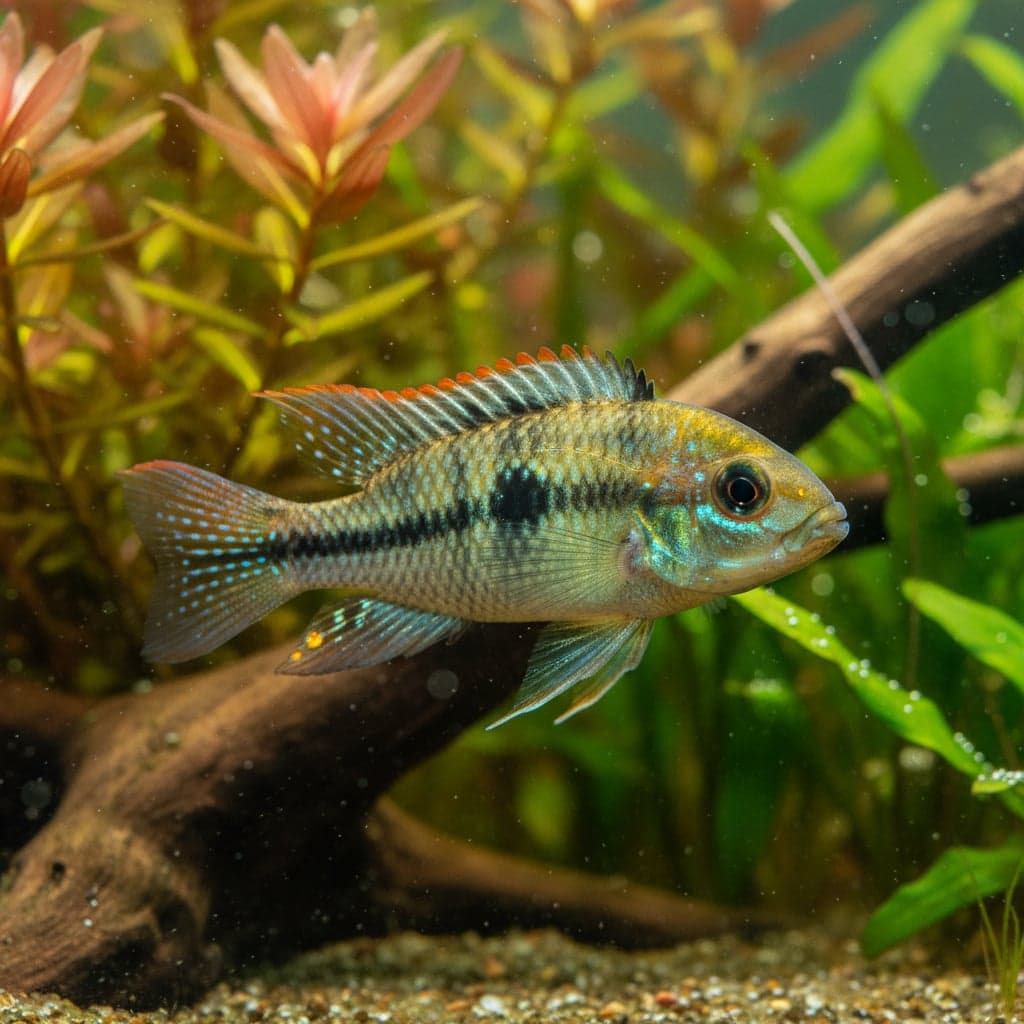
Teleocichla centrarchus: Teleocichla centrarchus
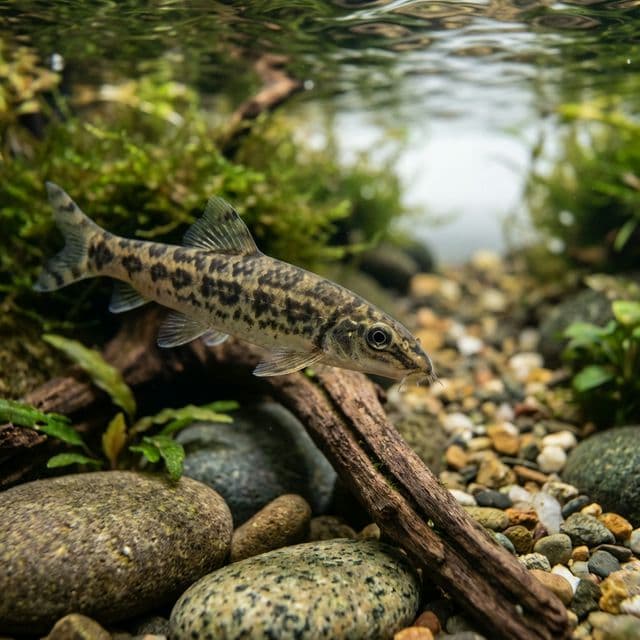
A 9cm rheophilic Amazon cichlid built for fast water. Needs strong flow, high oxygen, and realistically a species tank.
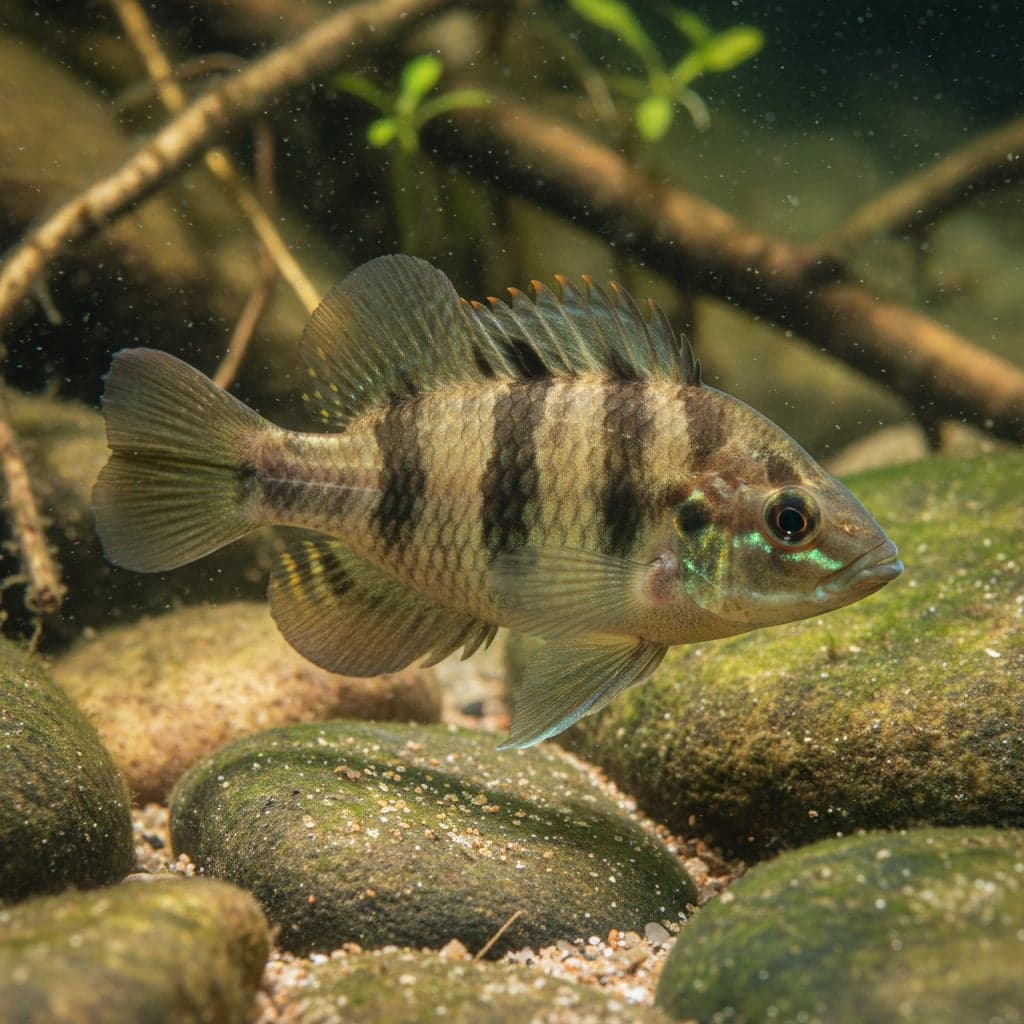
Teleocichla centrarchus
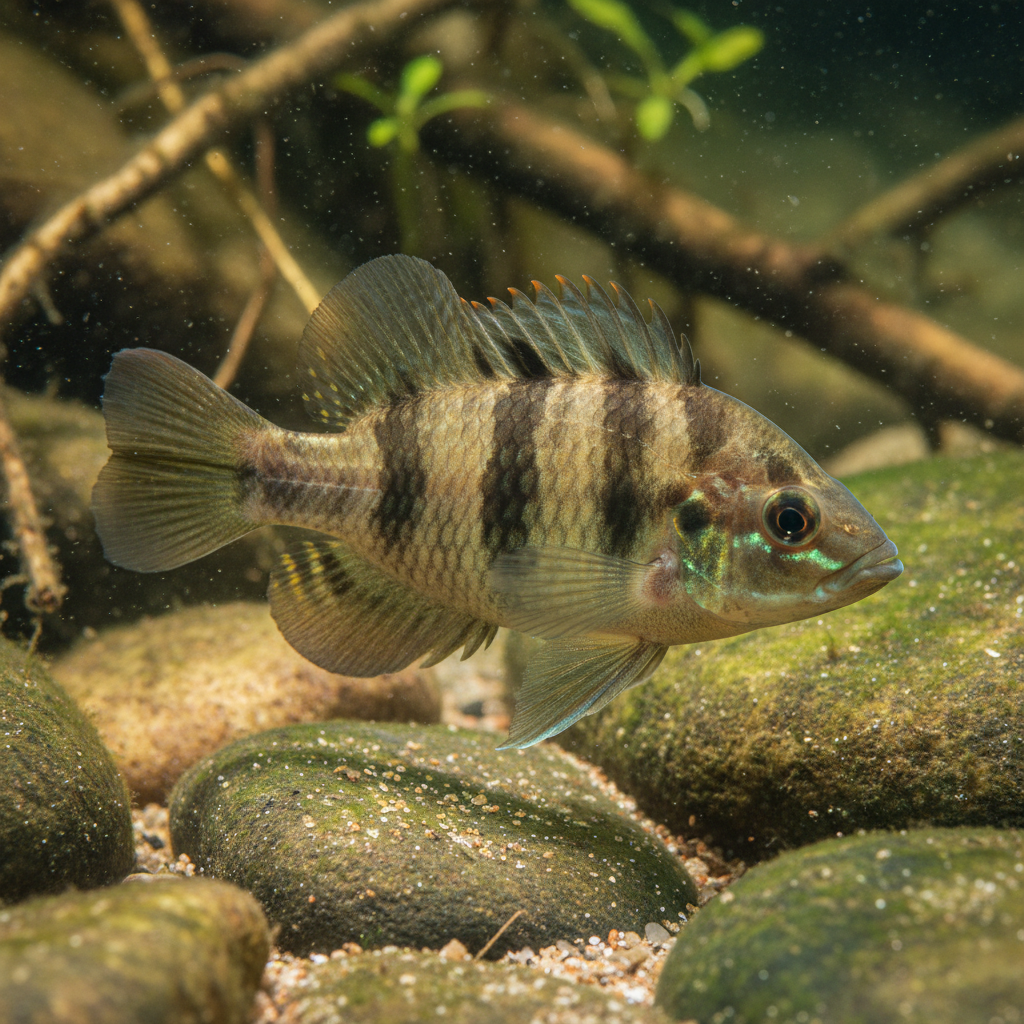
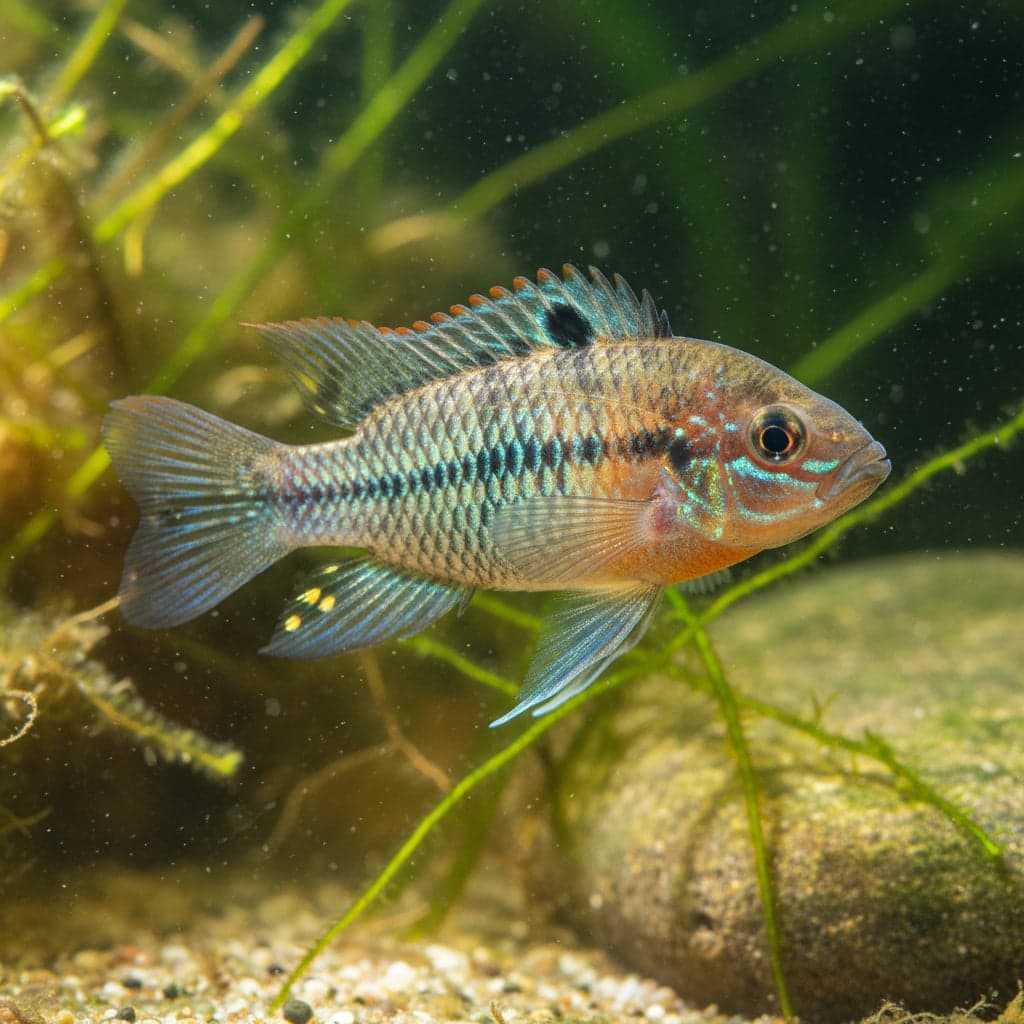
Teleocichla centrarchus, commonly known as the Central American cichlid, is a strikingly beautiful fish that captivates aquarists with its unique morphology and vibrant coloration. This species typically exhibits a blend of gold, blue, and green hues, accented by darker vertical bars, which enhances its visual appeal. The body shape is elongated and compressed, a trait that further contributes to its aesthetic charm. Originating from the diverse ecosystems of its native habitat, Teleocichla centrarchus brings a touch of the exotic into aquarium setups and serves as a conversation starter among fish enthusiasts.
In the aquarium hobby, the importance of Teleocichla centrarchus cannot be overstated. Its relatively manageable care requirements coupled with its impressive display make it a sought-after species for both beginners and seasoned aquarists. This fish plays a role in educational environments, fostering an appreciation for cichlid dynamics and freshwater biodiversity. As an engaging species to observe, it encourages hobbyists to explore its breeding behaviors, territoriality, and community dynamics in a well-planned tank setup.
Natural Habitat & Origin
Teleocichla centrarchus is native to the freshwater rivers and lakes of Central America, particularly found in the regions of Costa Rica and Nicaragua. This species thrives in diverse environments ranging from tranquil clear lakes to slow-moving rivers with ample vegetation and submerged structures. The water in these regions often varies in its ecological characteristics, from neutral to slightly acidic pH levels, with temperatures ranging from 22°C to 28°C (72°F to 82°F). These habitats typically contain a mixture of sandy substrates and rocky outcrops, providing the necessary concealment and breeding grounds for this visually striking fish.
The geographical origin of Teleocichla centrarchus highlights its adaptability to various water conditions. These fish are often found in both blackwater and clearwater environments, but they primarily favor water that is slightly stained due to decaying organic matter, which offers essential tannins beneficial for their health. Understanding this natural habitat is crucial for aquarists looking to replicate the conditions that foster the well-being and vigorous health of Teleocichla centrarchus in captivity.
Care Requirements
To ensure the health and vitality of Teleocichla centrarchus, it is essential to carefully manage their water parameters. The ideal pH range is between 6.5 and 7.5, with a temperature maintained between 24°C to 28°C (75°F to 82°F). Additionally, a water hardness of 5 to 15 dGH is recommended. Given their natural habitat, providing water rich in tannins through the addition of driftwood or leaf litter can mimic the blackwater environment that these fish thrive in.
Regarding tank setup, a minimum tank size of 100 liters (approximately 26 gallons) is recommended to facilitate their active swimming patterns. The substrate should consist of fine gravel or sand, allowing the fish to dig and forage naturally. Incorporating numerous hiding spots through rocks, caves, and plants—such as Java moss and Anubias—helps replicate their natural habitat and provides a sanctuary for this species while promoting their territorial instincts. Moderate lighting is ideal, as these fish are not primarily light-dependent but benefit from a well-lit environment to encourage plant growth and water quality stability.
Diet & Feeding
Teleocichla centrarchus is an omnivorous species, thriving on a varied diet to flourish in captivity. They exhibit a natural inclination for small insects, crustaceans, and plant matter in the wild. As such, a balanced diet consisting of high-quality pellets and flakes is essential to meet their nutritional needs. It is advisable to feed them a combination of sinking pellets, live or frozen foods such as brine shrimp, daphnia, and bloodworms, along with vegetable matter to ensure they receive a well-rounded diet.
Feeding them 2-3 times per day in smaller portions allows for optimal digestion and reduces waste within the aquarium. Additionally, introducing plant-based foods, such as spirulina flakes or blanched vegetables, will promote better health and vibrant coloration, reflecting their natural feeding behavior and contributing to their overall vitality.
Behavior & Temperament
Teleocichla centrarchus displays a complex social behavior characterized by mild to moderate territoriality, particularly during breeding periods. They are generally more comfortable in a community setting when introduced to other species at the same time, allowing them to establish their territories. Although they can display aggression, especially towards conspecifics, their overall temperament is manageable when kept in adequately sized tanks with appropriate tank mates.
Regarding vertical placement, Teleocichla centrarchus is known to inhabit different levels of the aquarium but often prefers areas near the bottom and mid-levels, where they feel secure amidst structures. Creating vertical space using rocks and plants can provide hiding spots and encourage their natural behaviors while reducing stress levels in the tank.
Tank Mates
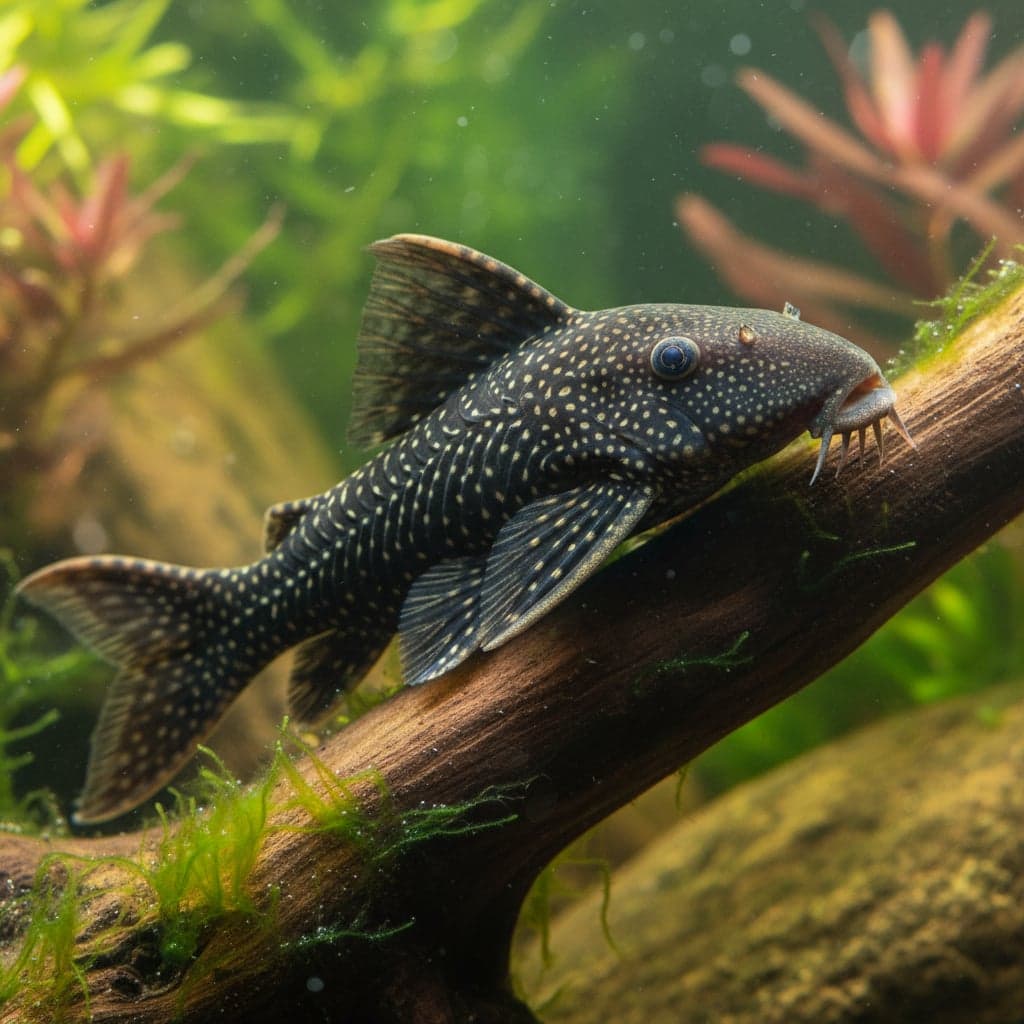
When selecting compatible tank mates for Teleocichla centrarchus, it's essential to choose other species that can match their temperament and water conditions. Ideal companions include robust species such as Rainbowfish, Corydoras catfish, and peaceful Tanganyikan cichlids. However, it's important to avoid aggressive or overly territorial fish, such as oscars or larger cichlids, as they may lead to conflicts or undue stress for Teleocichla centrarchus.
Peaceful schooling fish can also be included in the tank, but keep in mind that they should be larger than the mouth of the Teleocichla centrarchus to avoid predation. A well-planned tank community can create a diverse and harmonious environment that showcases their complex behaviors while ensuring the safety and health of all species involved.
Breeding
Breeding Teleocichla centrarchus can be an exciting endeavor for aquarists. Known for their parental care, these fish often exhibit unique spawning behavior, where the female will lay eggs on flat surfaces, usually near their chosen hiding spots. To encourage breeding in captivity, it is necessary to provide optimal conditions incorporating slightly warmer water temperatures of around 27°C (80°F) and a pH level within the range that they prefer.
Once the eggs are laid, both parents typically guard the nest fervently, protecting the eggs and ensuring their survival. It is essential to provide dense vegetation and hiding spots to facilitate the breeding process. In most cases, the eggs will hatch within 3 days, and the fry will start swimming freely shortly after. Fostering a dedicated breeding aquarium designed to minimize stress and offer ample hiding spaces will significantly enhance the chances of successful breeding.
Common Health Issues
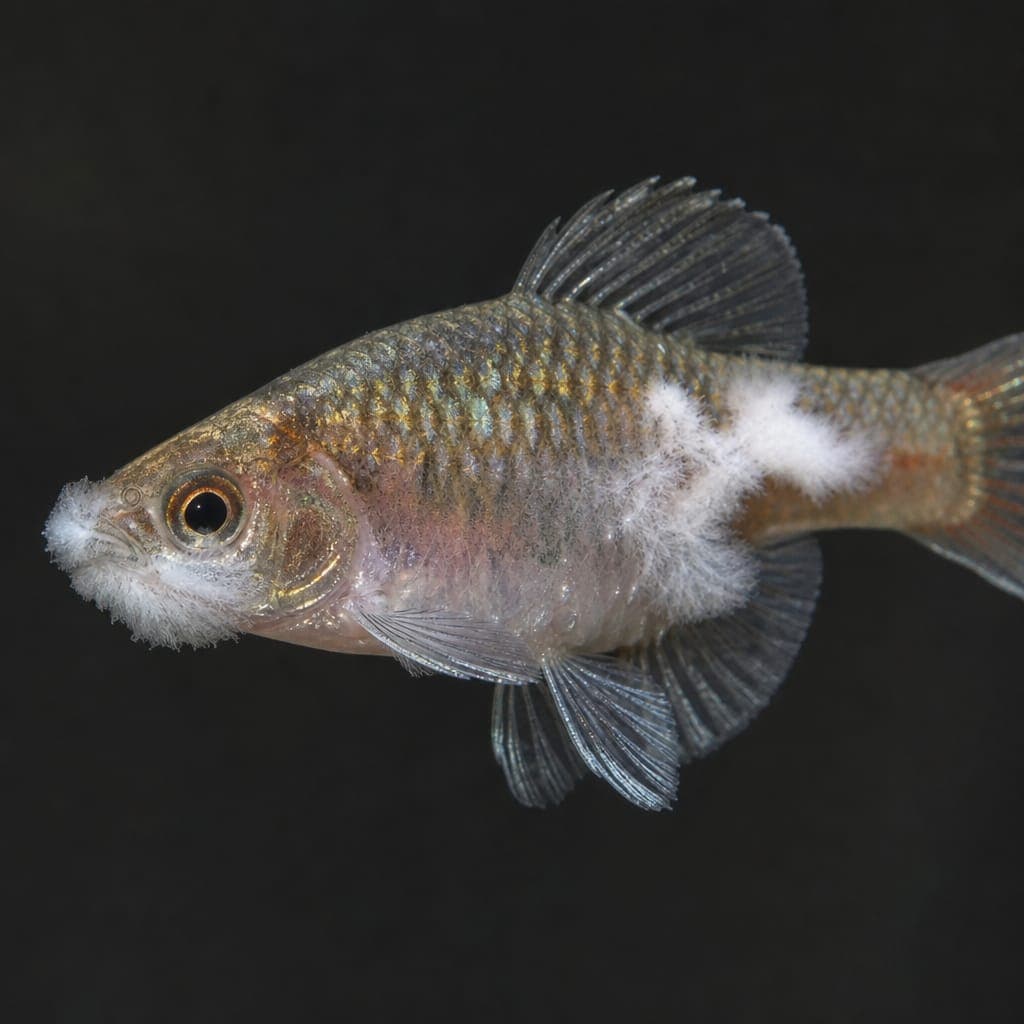
Like many freshwater fish, Teleocichla centrarchus can be prone to specific health issues if not adequately cared for. Common ailments include ich (Ichthyophthirius multifiliis), fin rot, and mouth fungus. Stress, poor water quality, and sudden temperature fluctuations can exacerbate these issues. Regular monitoring of water parameters, maintaining high hygiene standards, and using quarantine tanks for new additions can help prevent outbreaks.
Additionally, providing a balanced diet, ensuring efficient filtration, and performing regular water changes will enhance the immune health of Teleocichla centrarchus, allowing for early detection of any illness due to changes in behavior or appearance. Quarantine any new fish before introducing them into the main tank to mitigate disease transmission effectively.