Terrapurpura Eartheater: Geophagus terrapurpura
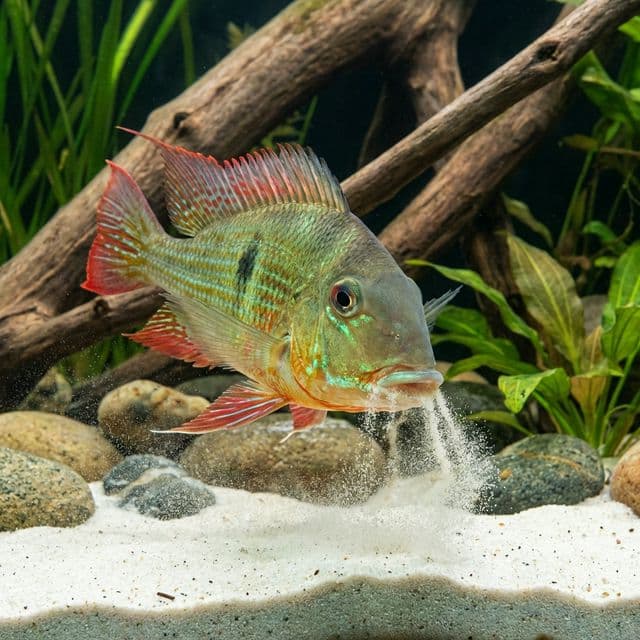
A 23cm Geophagus that sifts sand constantly. Needs deep fine sand, a long tank, and a group of five or more to spread aggression.
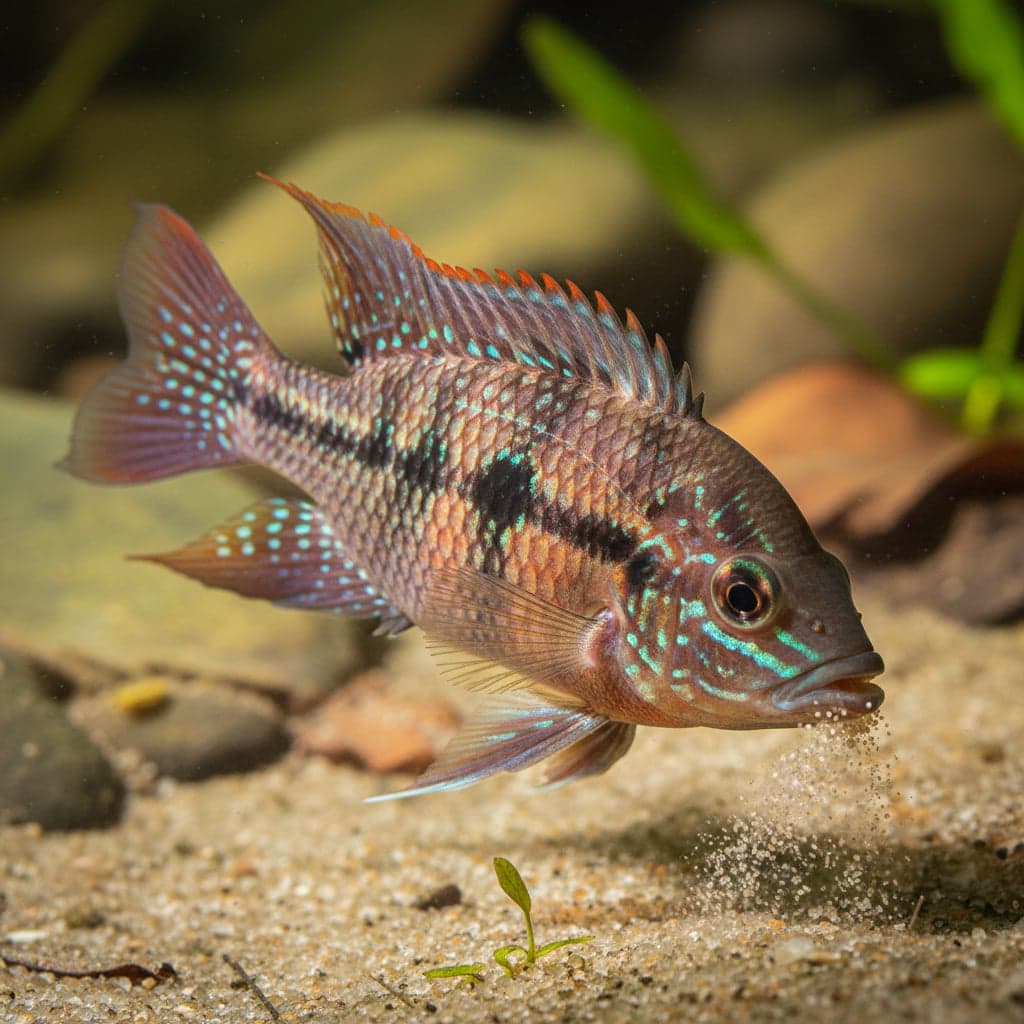
Terrapurpura Eartheater
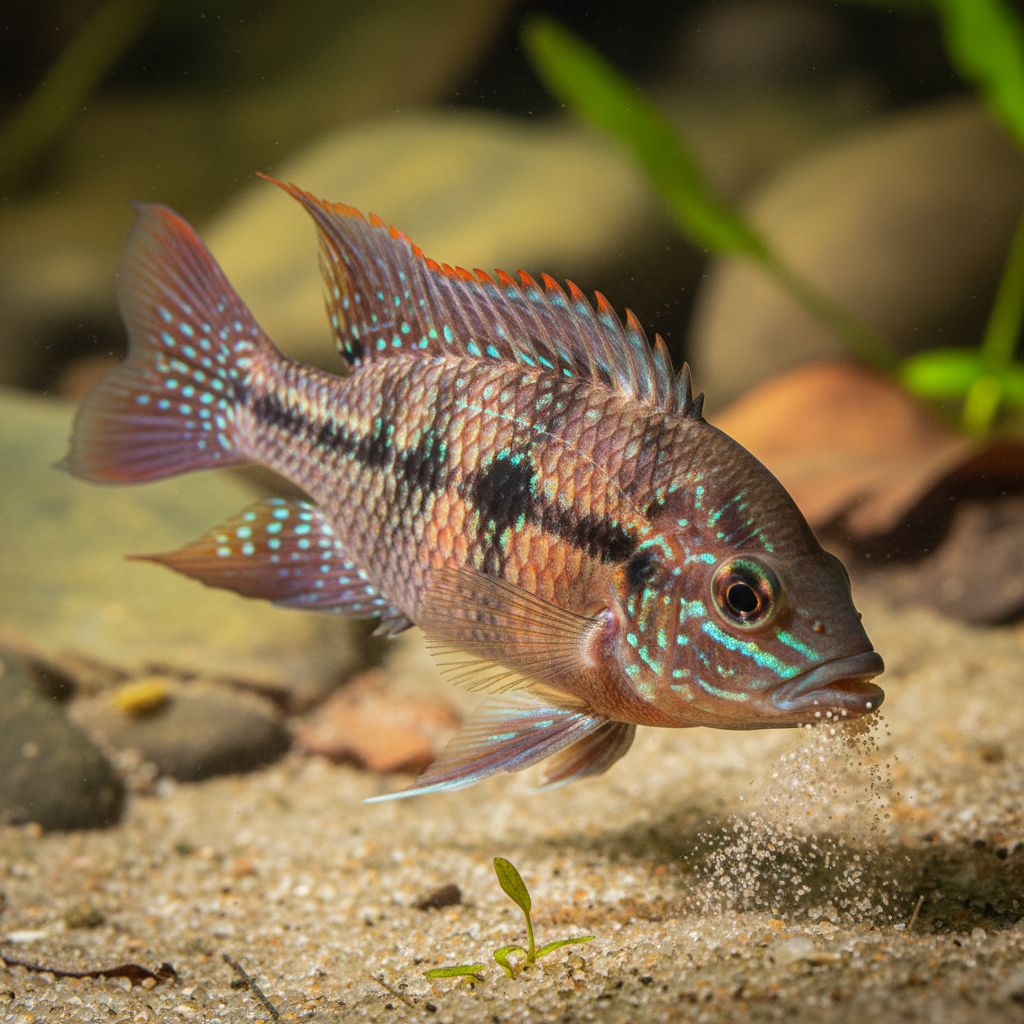
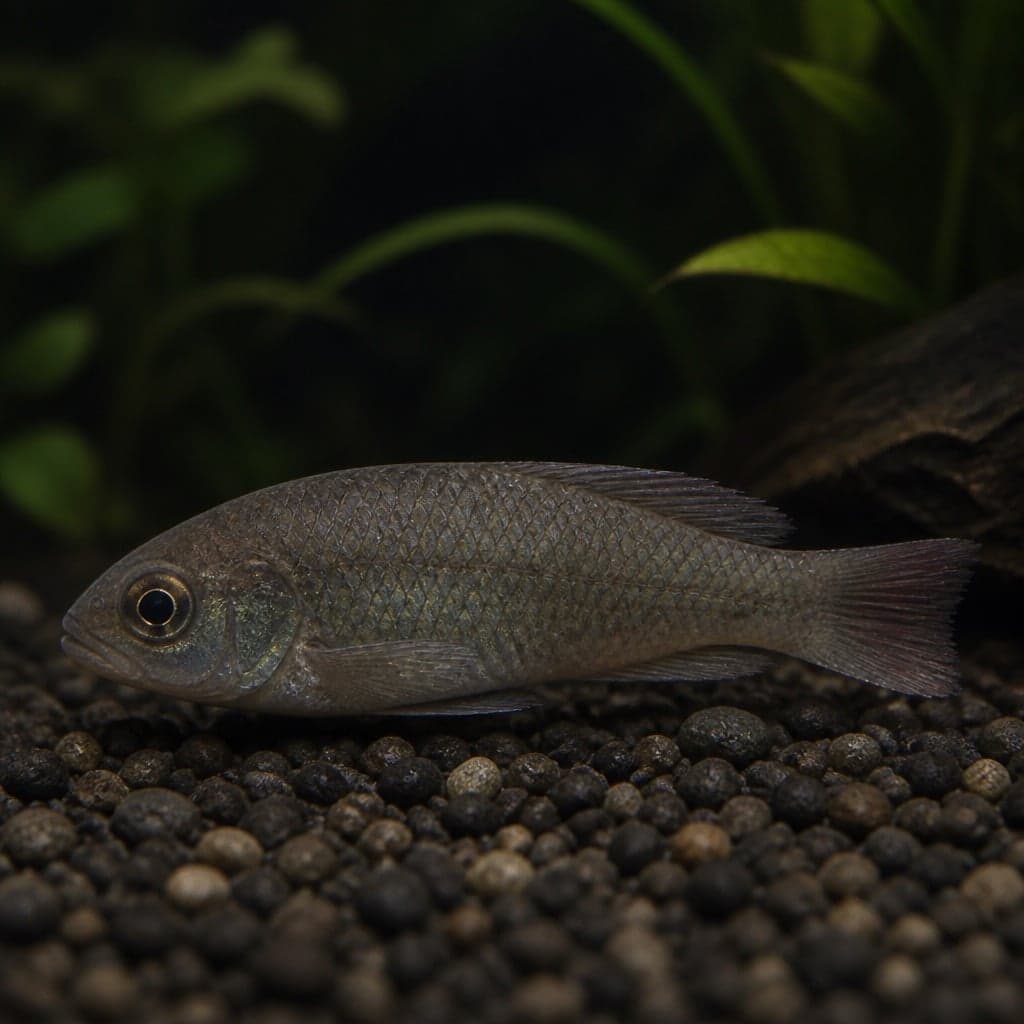
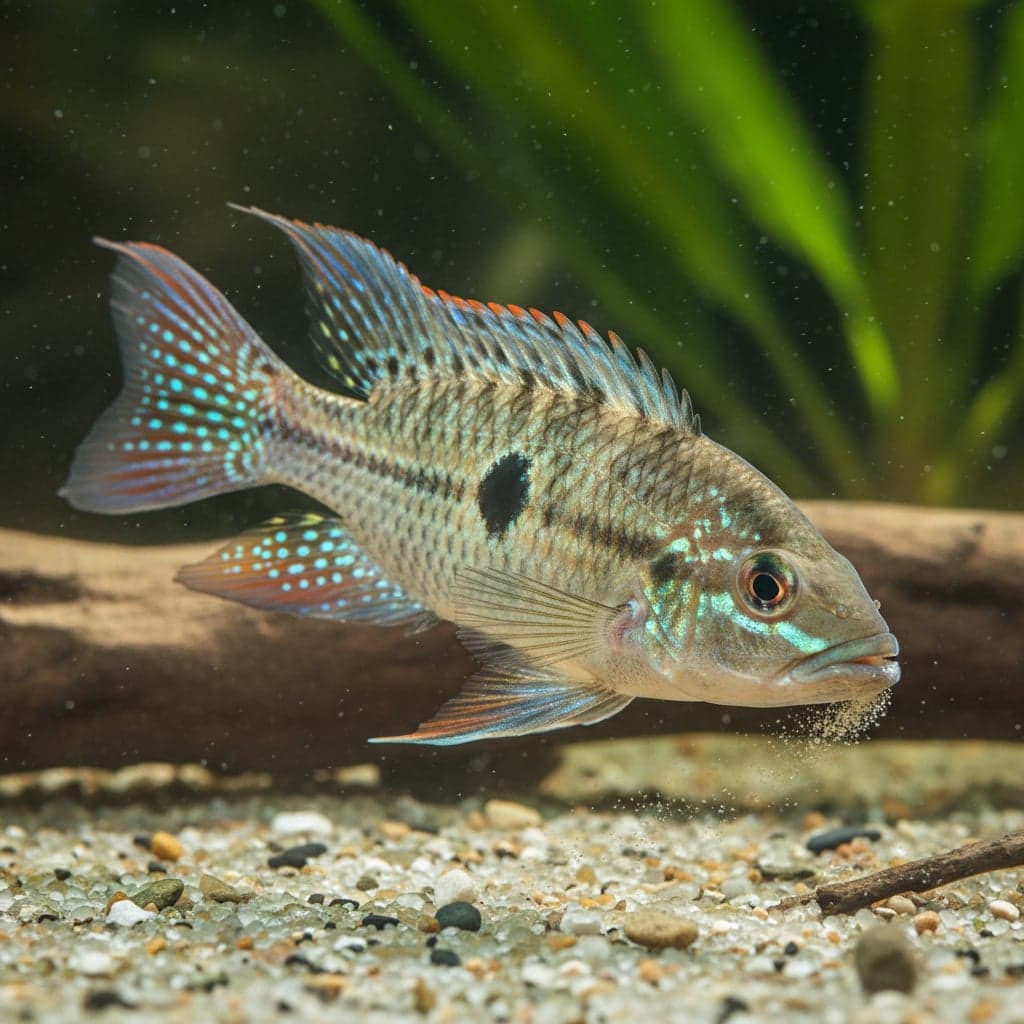
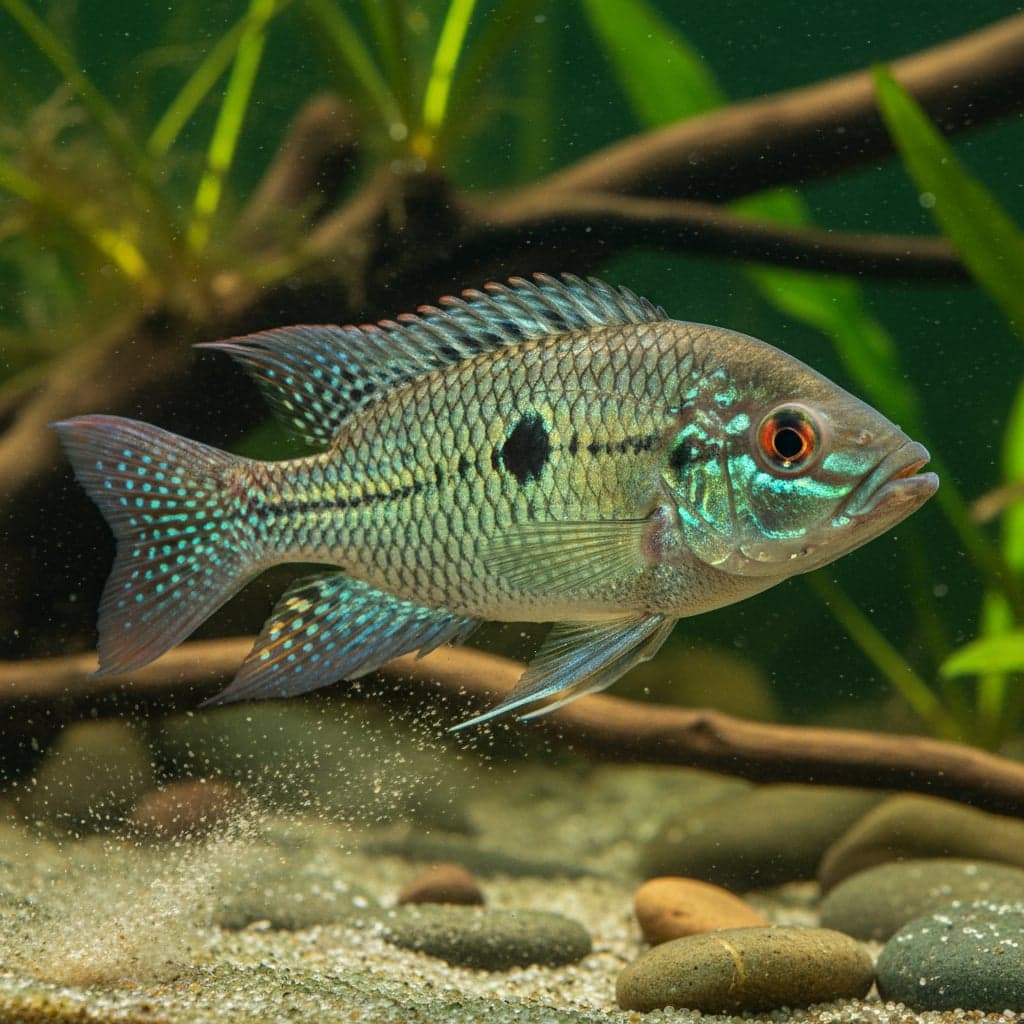
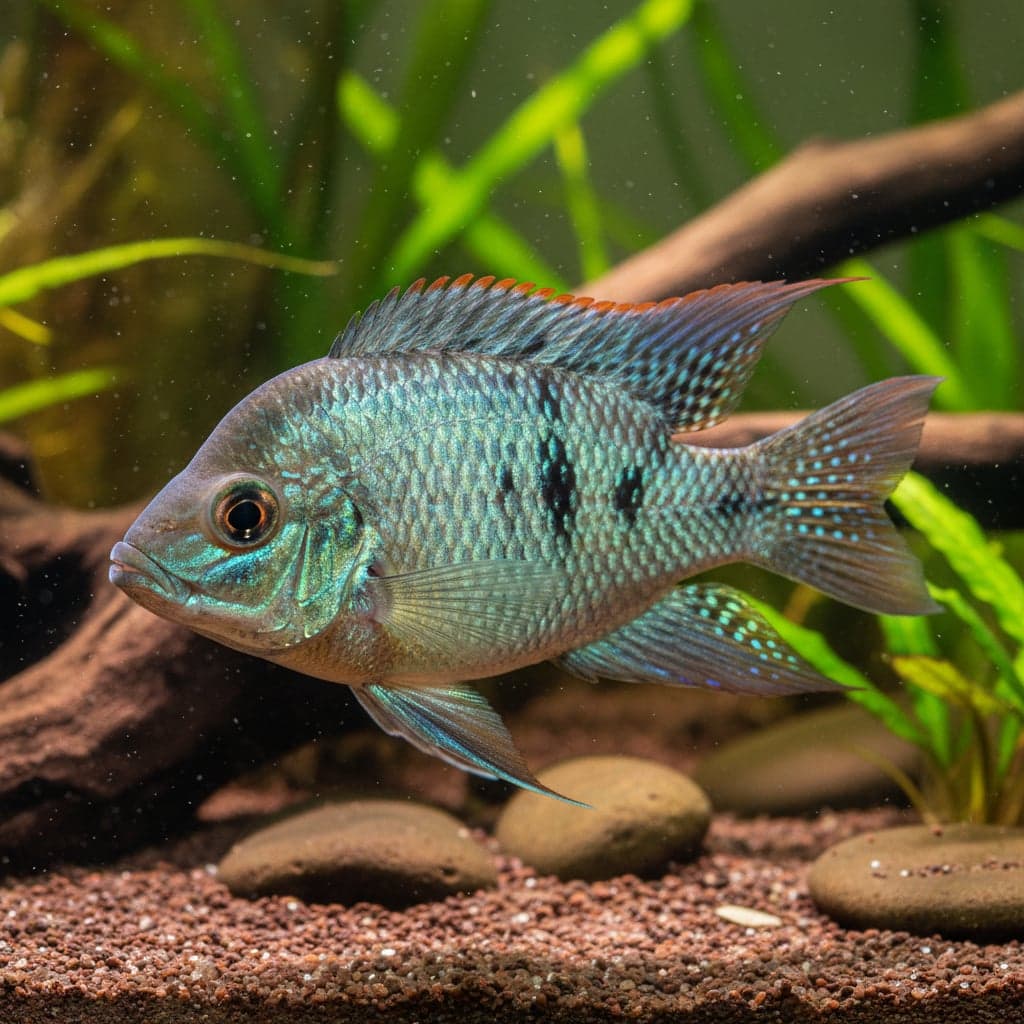
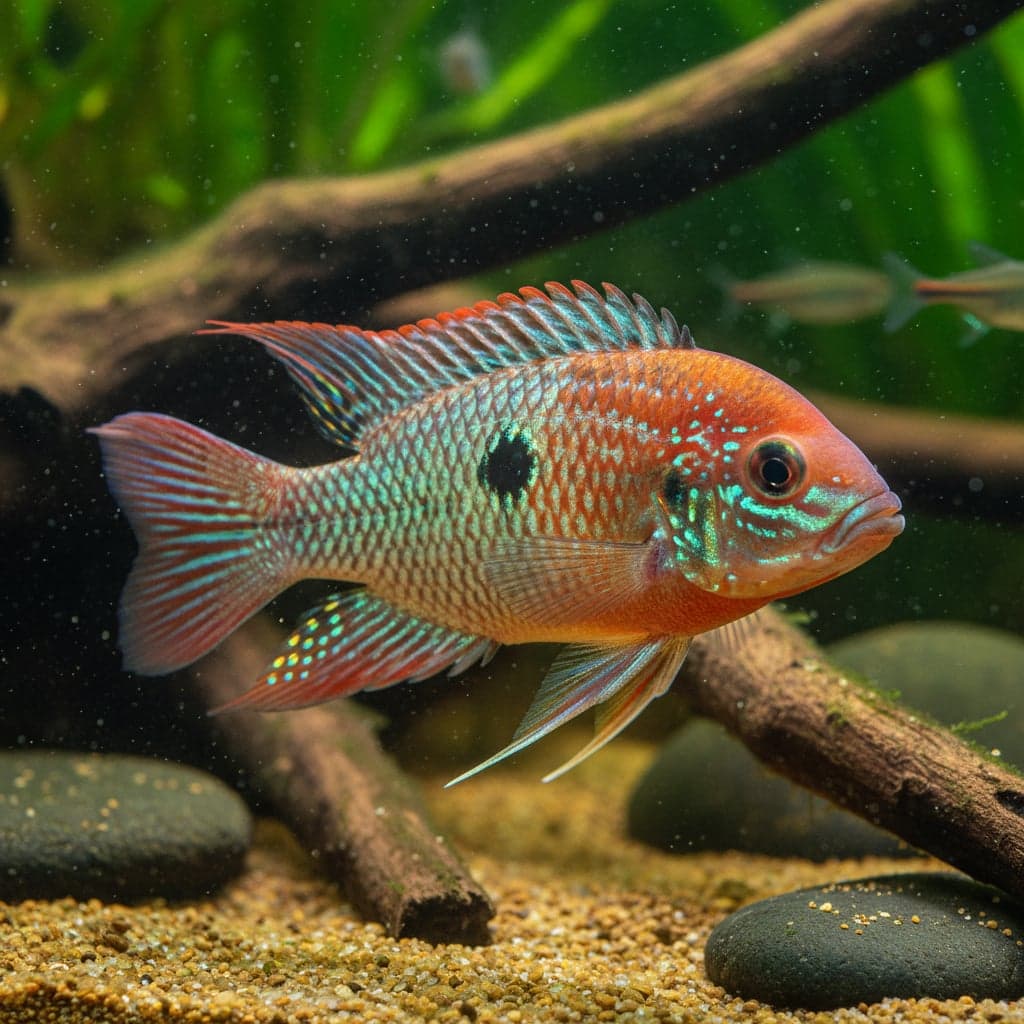
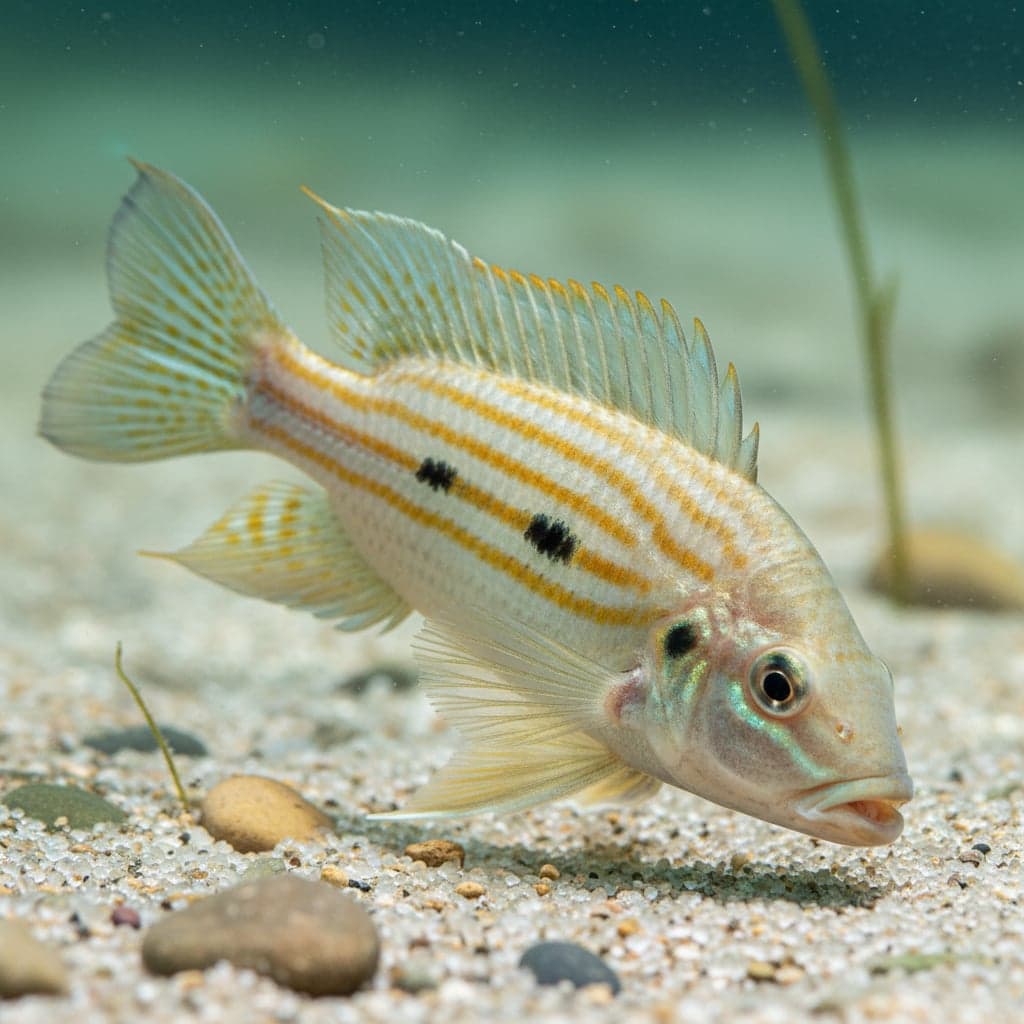
The Terrapurpura Eartheater, scientifically known as Geophagus terrapurpura, is a strikingly beautiful freshwater fish that stands out in the aquarium hobby. This captivating species is renowned for its vibrant colors, featuring iridescent blues and purples that shimmer as they swim, reflecting the light with an extraordinary brilliance. The Terrapurpura Eartheater has a distinctive body shape typical of the Eartheater family, which contributes to its unique appeal in community tanks. At full size, they can reach up to 6-7 inches (15-18 cm), making them a substantial yet manageable size for dedicated aquarists.
Beyond its visual allure, the Terrapurpura Eartheater holds significant ecological and historical importance. Native to the Amazon basin, these fish contribute to the structural coherence of their environments, where they help to maintain sediment quality and aquatic plant life. Their natural behaviors, such as sifting through substrate in search of food, not only highlight their adaptability but also represent an intriguing aspect of their role in their ecosystems. Consequently, keeping Terrapurpura Eartheaters in an aquarium setting allows hobbyists to appreciate not just a pet, but also a piece of the rich biodiversity found within freshwater systems.
Natural Habitat & Origin
The Terrapurpura Eartheater is indigenous to the waterways of Brazil, specifically in the Rio Madeira and Rio Tapajós river basins. These regions are characterized by a mix of whitewater and blackwater environments, with the latter being particularly rich in organic materials. The water conditions where these fish thrive usually exhibit soft to moderately acidic parameters, often with a pH ranging from 5.5 to 7.0. Temperatures in their natural habitat frequently fluctuate between 75°F to 82°F (24°C to 28°C), accompanied by variable water hardness levels, which can heavily influence their behavioral patterns and overall health.
In terms of environmental context, the Terrapurpura Eartheater often prefers habitats rich in fine substrates, such as sand or silt, where it can engage in its natural behavior of substrate sifting. These areas are typically adorned with leaf litter, submerged logs, and aquatic plants, providing shelter and breeding grounds. Such an environment not only fosters the well-being of these fish but also mirrors their natural behavior, enhancing their adaptability to aquarium settings.
Care Requirements
To successfully keep the Terrapurpura Eartheater, it is essential to replicate its natural conditions as closely as possible. Ideal water parameters include a temperature range of 76°F to 82°F (24°C to 28°C) and a pH of 6.0 to 7.5. Additionally, water hardness should be kept between 2-10 dGH, ensuring a comfortable environment for these fish. A well-maintained aquarium with stable conditions will promote health and longevity.
The tank setup for Terrapurpura Eartheaters should be thoughtfully designed. A minimum tank size of 75 gallons is recommended to allow ample swimming space and territorial boundaries. The substrate should consist of fine sand or small gravel, providing a natural environment for foraging and digging. Incorporating moderate lighting along with live or artificial plants will create a visually appealing habitat while offering hiding spots and spawning surfaces. The tank should also include open areas for swimming, as these fish are known to appreciate under-water space to explore.
Diet & Feeding
The Terrapurpura Eartheater is primarily an omnivore, displaying a diverse dietary preference. In captivity, these fish thrive on a varied diet consisting of high-quality pellets, flakes, and freeze-dried foods. It is recommended to include a mix of protein sources such as bloodworms, brine shrimp, and daphnia to deliver nutritional well-roundedness. Additionally, incorporating vegetable-based flakes or pellets will benefit their overall diet and maintain their health.
Offering live foods such as earthworms, tubifex, or small crustaceans can stimulate their natural foraging behavior, enhancing both their physical and mental well-being. Feeding should be done multiple times a day, ensuring small portions are provided to prevent overfeeding and to simulate their natural feeding patterns. Regular dietary variation will enhance their color and vitality, making them a splendid addition to any community tank.
Behavior & Temperament
The Terrapurpura Eartheater exhibits a generally peaceful temperament but can be territorial, particularly during breeding or when establishing hierarchy within the tank. Despite being relatively shy at times, these fish benefit from the companionship of their species and can often form small groups or pairs. They prefer to occupy the bottom levels of the tank, frequently sifting through the substrate to forage, which adds a dynamic element to their behavior.
Socially, Terrapurpura Eartheaters tend to be more active during the daytime, often displaying curiosity and exploration of their surroundings. However, providing ample space, hiding spots, and territories will help minimize aggression towards tank mates. It is crucial to avoid overcrowding the aquarium, as this can lead to increased stress levels and potential conflicts among the species.
Tank Mates
When considering tank mates for the Terrapurpura Eartheater, it is essential to select community fish that are similar in size and temperament. Suitable companions include species such as other Geophagus varieties, larger tetras (like Congo tetras), peaceful cichlids (like Apistogramma species), and some catfish (like Corydoras and larger Plecos). These compatible species foster a calm environment where the Terrapurpura can thrive.
On the other hand, it is advisable to avoid smaller fish that may be seen as prey, including neon tetras and guppies, as well as more aggressive species like certain cichlids (e.g., African cichlids or even larger South American cichlids). These combinations can lead to stress and conflict, detracting from the overall health and harmony of the aquarium.
Breeding
Breeding the Terrapurpura Eartheater in captivity poses a rewarding yet challenging venture. These fish are substrate spawners and typically lay their eggs on flat surfaces such as rocks or the aquarium glass. To encourage spawning, it is crucial to maintain optimal water conditions, including slightly warmer temperatures and well-maintained water quality. The presence of fine sand substrate aids in their spawning behavior, as they often prepare nesting areas by clearing debris and adjusting the substrate.
Once a pair forms, courtship rituals will ensue, consisting of vibrant displays of coloration and gentle nudging. The female can lay anywhere from 100 to 300 eggs, which the male will then fertilize. After spawning, both parents will often exhibit protective behavior over their eggs until they hatch and can swim freely. Providing a dedicated breeding tank, complete with minimal disturbance and appropriate hiding spaces, can significantly increase the chances of successful breeding.
Common Health Issues
The Terrapurpura Eartheater is generally hardy, yet like all fish, it can be susceptible to certain health issues. Among the most common are ich (Ichthyophthirius multifiliis), fin rot, and various forms of parasites. Maintaining high water quality, including regular water changes and ensuring stable parameters, plays a crucial role in prevention.
Quarantining new fish before introducing them to the main tank is also advisable to mitigate the risks of transferring illness. Additionally, a well-balanced diet of quality pellets, frozen foods, and occasional live fare strengthens immunity and reduces stress-related outbreaks. Watch for white spots, frayed fins, clamped fins, or lethargy, and treat promptly in a hospital tank before secondary infections take hold. Soft sandy substrate for foraging, stable South American parameters, regular water changes, and peaceful tank mates keep Terrapurpura Eartheaters healthy, colourful, and active for years.