Threespot Mouse Catfish: Tenellus trimaculatus
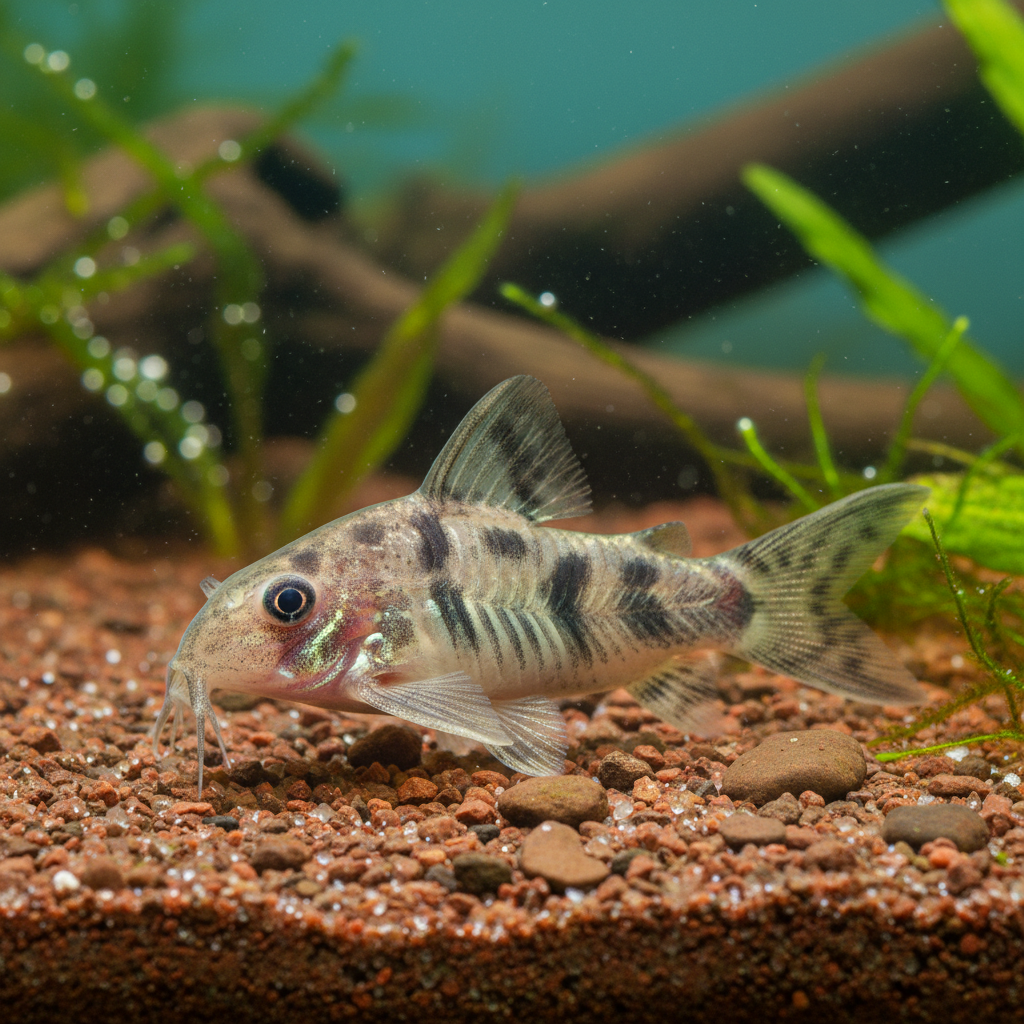
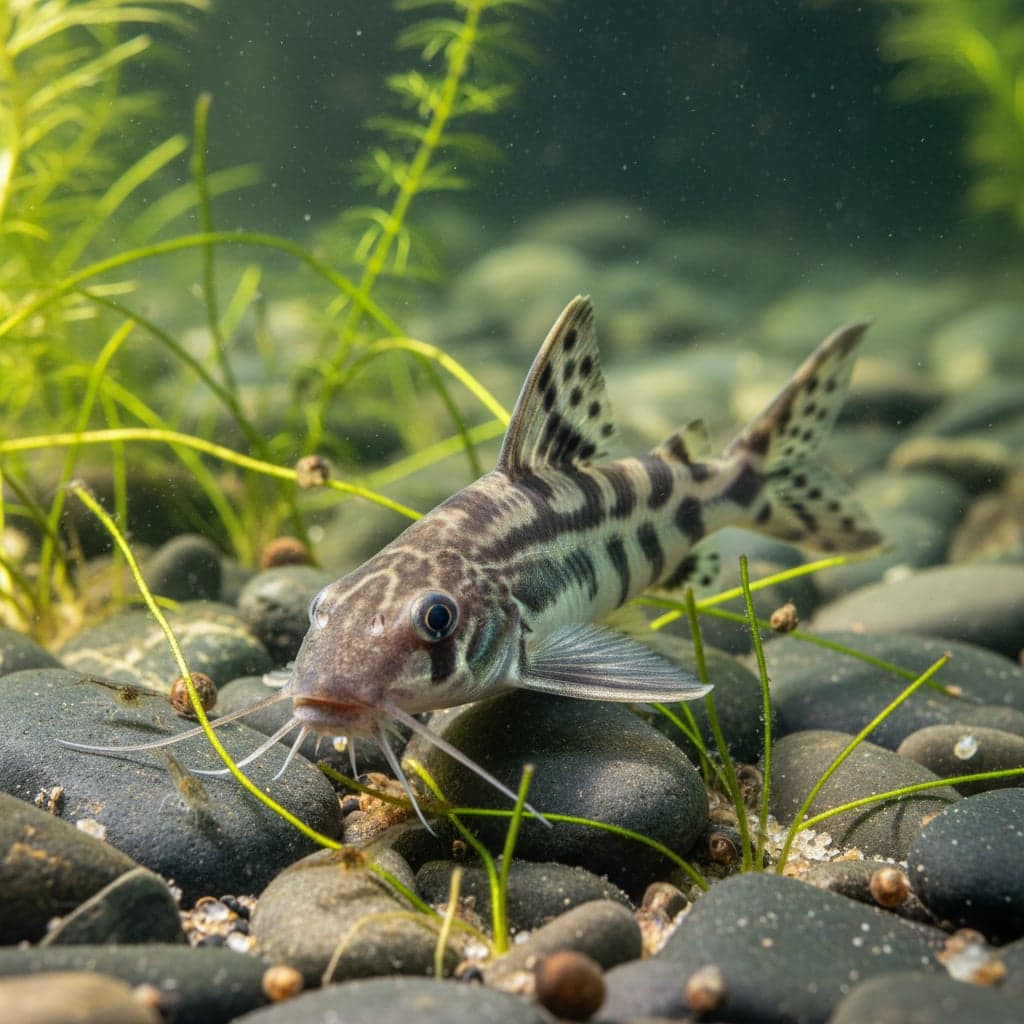
A 6cm Amazonian catfish with three dark blotches and long barbels. Peaceful and nocturnal, and it needs sand and driftwood.
Threespot Mouse Catfish
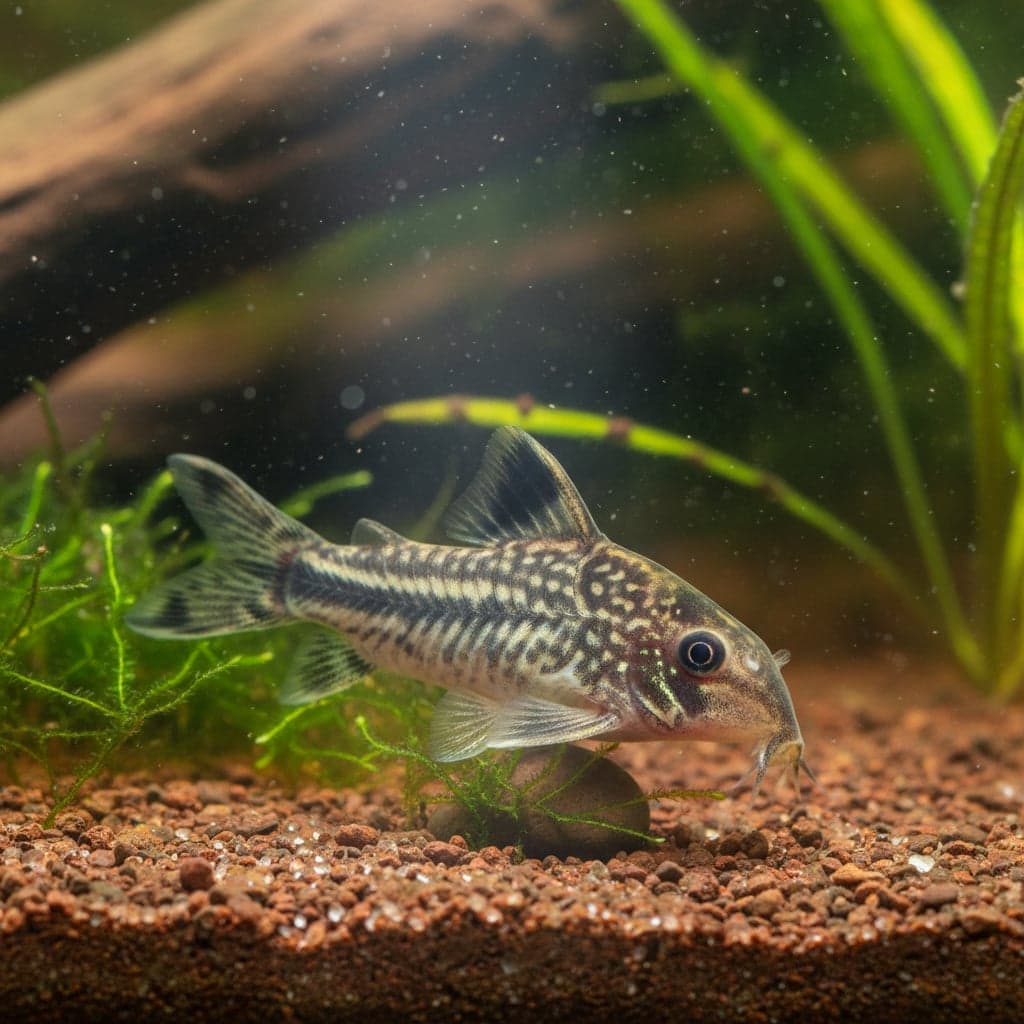
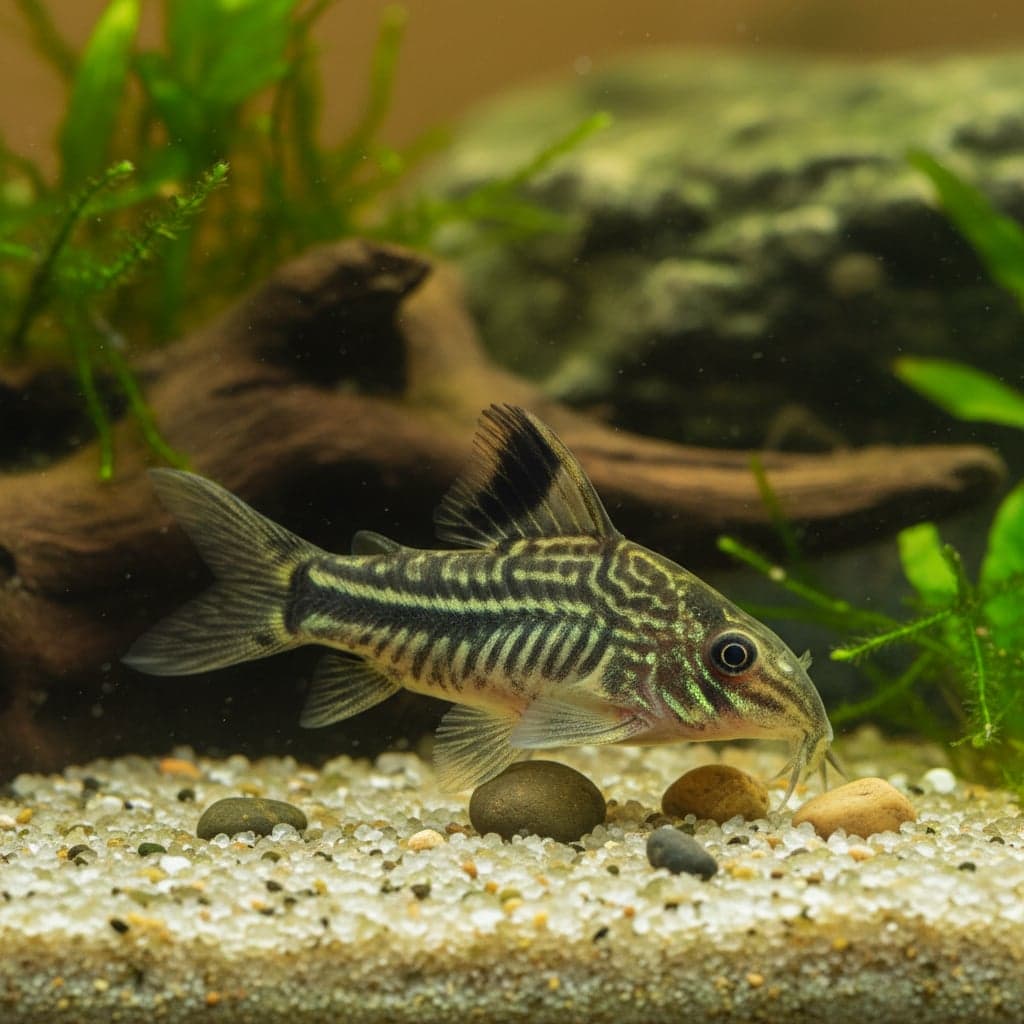
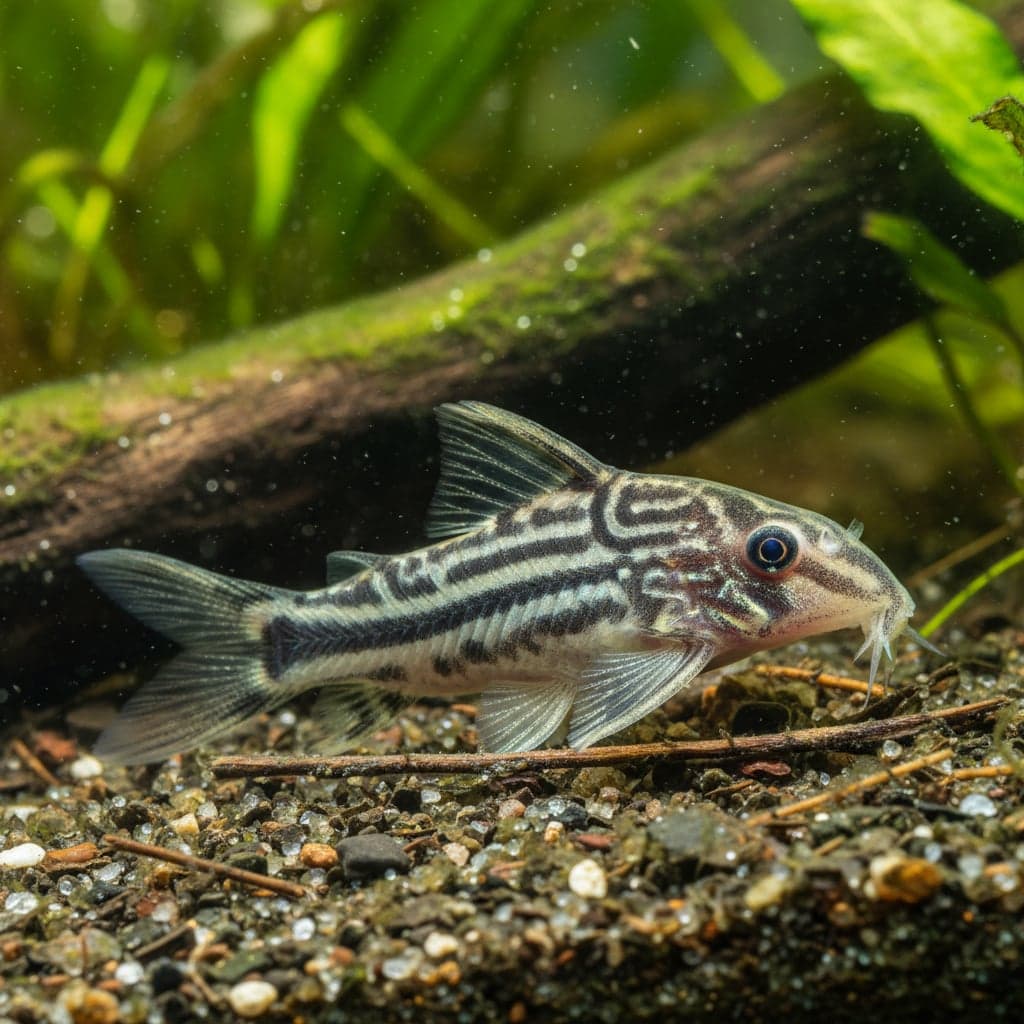
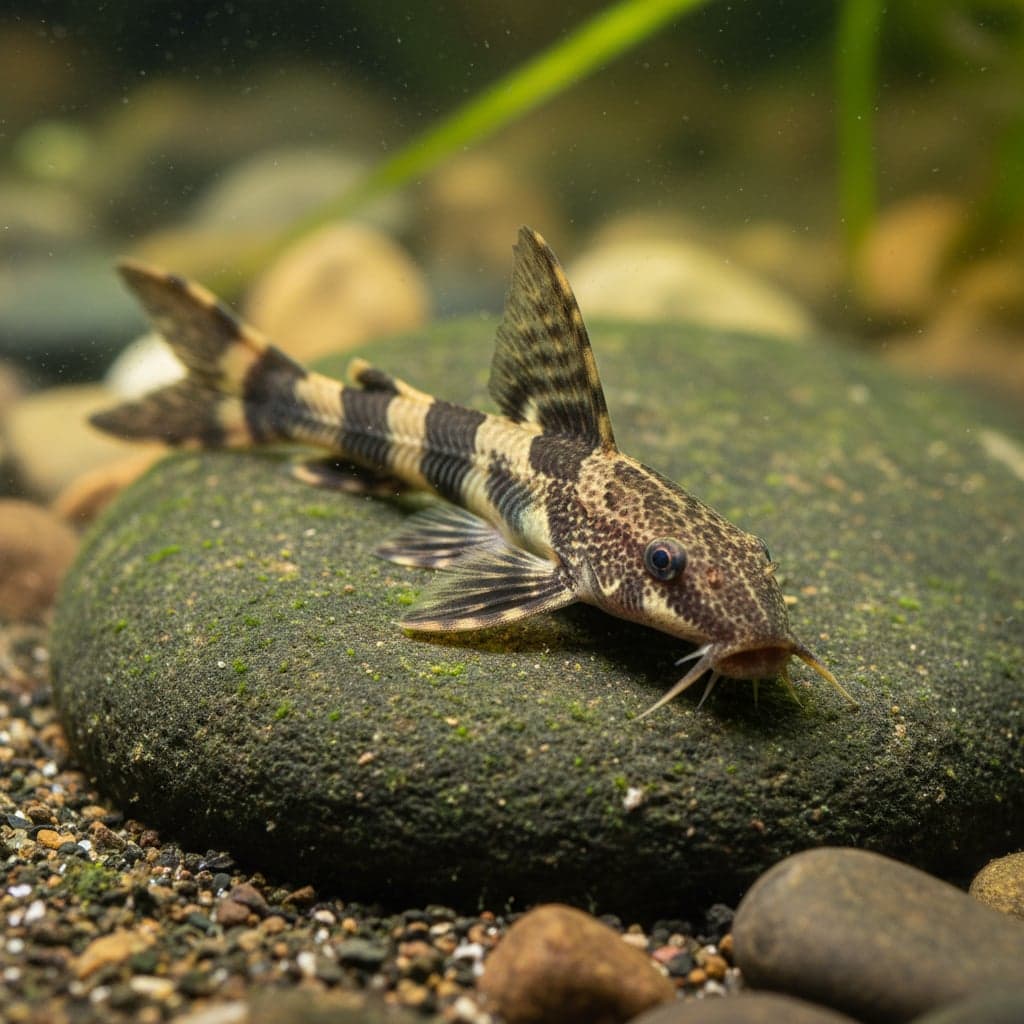
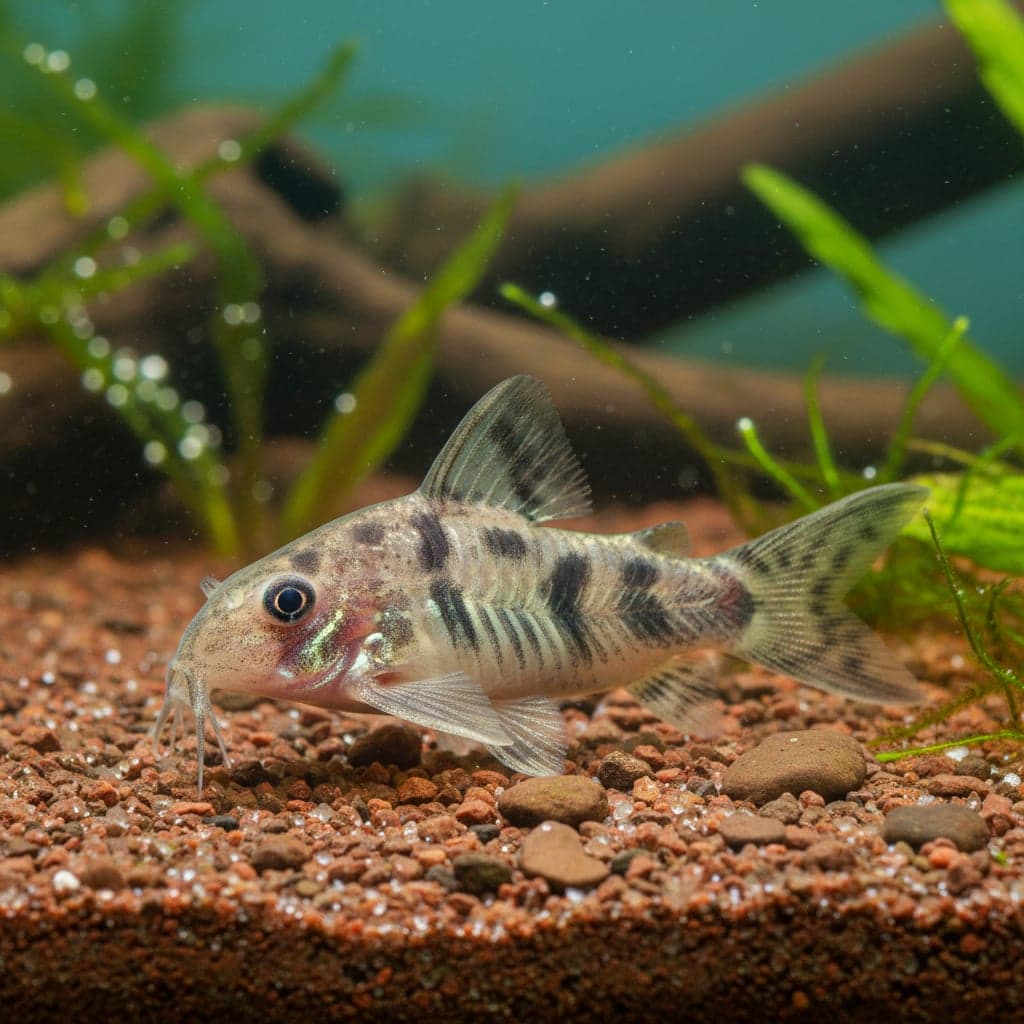
The Threespot Mouse Catfish, scientifically known as Tenellus trimaculatus, is a captivating freshwater species that has garnered popularity among aquarists for its unique appearance and relative hardiness. Characterized by its slender body adorned with three distinct dark spots that run along its lateral line, this fish features a pale, somewhat translucent body that can exhibit subtle colors ranging from gray to light beige. The Threespot Mouse Catfish reaches an adult length of about 1.5-2.5 inches (4-6 cm), making it a manageable size for many home aquariums. Its distinctive morphology, with elongated whisker-like barbels around the mouth, further enhances its allure, creating a visual centerpiece in aquatic environments.
These catfish are not only prized for their aesthetic qualities but also for their ecological significance in the aquarium hobby. As scavengers, they play an important role in maintaining a clean environment by consuming leftover fish food and detritus found on the substrate. This behavior contributes positively to the dynamics of the aquarium, as they help prevent the buildup of harmful waste products. Additionally, their relatively peaceful temperament and compatibility with various other species make the Threespot Mouse Catfish an ideal candidate for the community tank setup, ensuring that they provide both visual delight and functional benefits to any aquarium system.
Natural Habitat & Origin
The Threespot Mouse Catfish is indigenous to the slow-moving waters of South America, primarily found in the Amazon River Basin and its tributaries. These waters are often characterized by their nutrient-rich substrate and rich biodiversity, providing a complex ecological environment. The fish thrive in soft, slightly acidic blackwater habitats, which are formed by the decomposition of organic material such as leaves and tree branches. This environment provides the Threespot Mouse Catfish with ample cover and foraging opportunities, crucial for their feeding behavior and overall health.
In their natural habitat, these fish are commonly found among the leaf litter and submerged structures, where they can root around for food and hide from potential predators. This ecological backdrop emphasizes the importance of replicating similar conditions in home aquariums to ensure their well-being and longevity. Maintaining water quality that mimics their natural habitat—slightly acidic to neutral pH, low hardness, and minimal movement—will contribute significantly to their health and vitality.
Care Requirements
When caring for the Threespot Mouse Catfish, maintaining appropriate water parameters is essential for their health. The ideal temperature range for this species is between 75°F to 82°F (24°C to 28°C), with a pH level of 6.0 to 7.5. The water hardness should be kept low, ideally between 2 to 10 dGH, reflecting their natural soft water environments. A high-quality filtration system is recommended to keep the water clean while ensuring some flow, as these fish are often found in moving waters.
Regarding tank setup, a minimum tank size of 30 gallons is recommended to provide adequate space for swimming and foraging. The substrate should ideally consist of fine sand or soft gravel, mimicking the natural bottom of their habitat. Incorporating decorations like driftwood and rocks will create hiding spots, while a selection of live plants—such as Java fern, Anubias, and floating plants—can also enhance the aesthetic appeal and provide essential cover. Lighting should be moderate to low, as bright light can stress these fish; this can be achieved with floating plants or suitable tank covers that diffuse the light.
Diet & Feeding
The Threespot Mouse Catfish is an omnivore, meaning that it thrives on a diverse diet. In the wild, they consume a variety of detritus, small invertebrates, and organic material found within their environment. In captivity, they can be offered a balanced diet comprising high-quality flake foods, sinking pellets, and frozen or live foods such as bloodworms and brine shrimp. Their feeding habits often involve rooting around the substrate, so sinking pellets are a particularly effective choice to ensure they receive adequate nutrition.
It’s crucial to monitor their feeding and adjust portions appropriately to prevent overfeeding, which can lead to water quality issues. Offering food once or twice a day and ensuring that any uneaten food is promptly removed will help maintain a healthy aquarium environment and ensure that the Threespot Mouse Catfish remain active and well-nourished.
Behavior & Temperament
The Threespot Mouse Catfish is largely known for its peaceful and social nature, making it an excellent addition to community tanks. These fish prefer to live in small groups or pairs, as they exhibit some social behavior and may become shy when kept alone. They are generally bottom dwellers that can often be seen foraging among the substrate, but they may occasionally explore the midwater layers, especially during feeding times.
While the Threespot Mouse Catfish is not considered aggressive, some individuals may exhibit territorial behavior, especially when establishing hiding spots. Providing adequate space and multiple hiding places can help mitigate any potential conflicts. Additionally, maintaining a balanced, peaceful community with other compatible species will enhance their confidence and reduce any stress in the aquarium environment.
Tank Mates
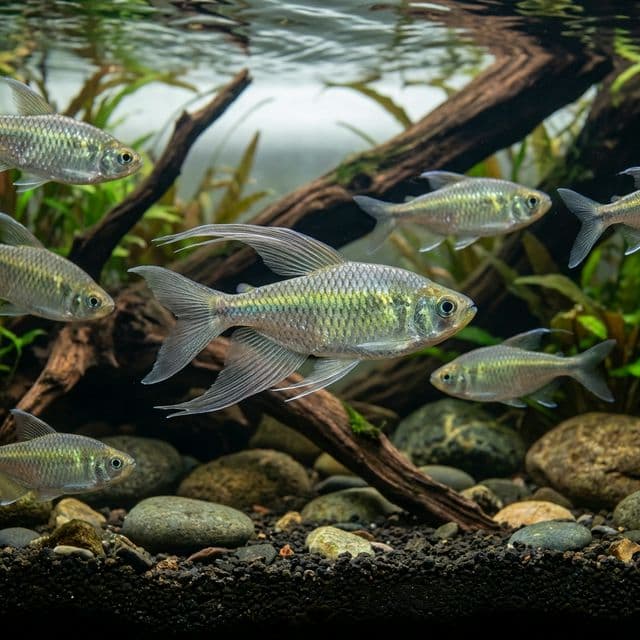
When selecting tank mates for the Threespot Mouse Catfish, it is important to choose peaceful species to ensure harmony in the aquarium. Compatible tank mates may include small to medium-sized fish such as Tetras, Rasboras, Gouramis, and other non-aggressive catfish species. Community setups featuring calm fish like Otocinclus, Corydoras, and smaller Rainbowfish can create a vibrant and lively aquarium while avoiding stressors that may arise from aggressive species.
Species to avoid include larger or more aggressive fish, such as Cichlids and certain barbs, that may harass or intimidate the Threespot Mouse Catfish. Additionally, avoid extremely small fish that may be mistaken for food, as this could lead to unintentional predation. By carefully selecting compatible tank mates, the Threespot Mouse Catfish can flourish in a supportive community environment.
Breeding
Breeding the Threespot Mouse Catfish in captivity can be challenging but is achievable with the right conditions. Breeding typically occurs during the rainy season in their natural habitat, so replicating this condition by performing significant water changes to simulate increased water flow and slightly cooler temperatures can trigger their spawning behavior.
To encourage breeding, it's advisable to keep conditions optimal: maintain water temperature around 78°F (25°C) with a soft, acidic pH. Providing spawning sites such as flat stones or broad-leaved plants can facilitate egg deposition. After spawning, the parents may display some parental care, although it is generally accepted that removing the adults after eggs are laid will increase survival rates of the fry. Fertilized eggs can hatch within a few days, after which the fry should be fed infusoria or finely crushed flake food until they grow larger.
Common Health Issues
The Threespot Mouse Catfish is generally resilient, but like any aquarium species, it can be susceptible to certain health issues. Common ailments include ich (ick), fin rot, and bacterial infections. Maintaining excellent water quality through regular water changes and efficient filtration is critical to preventing these diseases.
Monitoring temperature fluctuations, ensuring that tank mates are compatible, and providing a varied diet can help prevent stress-related health problems. In the event of illness, it is vital to isolate affected individuals and treat them promptly, using appropriate medications and supportive care until they recover. Follow dosing instructions carefully, keep the hospital tank dim and well filtered, and only return fish once symptoms have fully cleared. Prevent setbacks by testing water weekly, avoiding aggressive tank mates, and offering sinking foods that reach the substrate. Steady husbandry keeps your Threespot Mouse Catfish active, confident, and free of recurring infections for a long aquarium life.