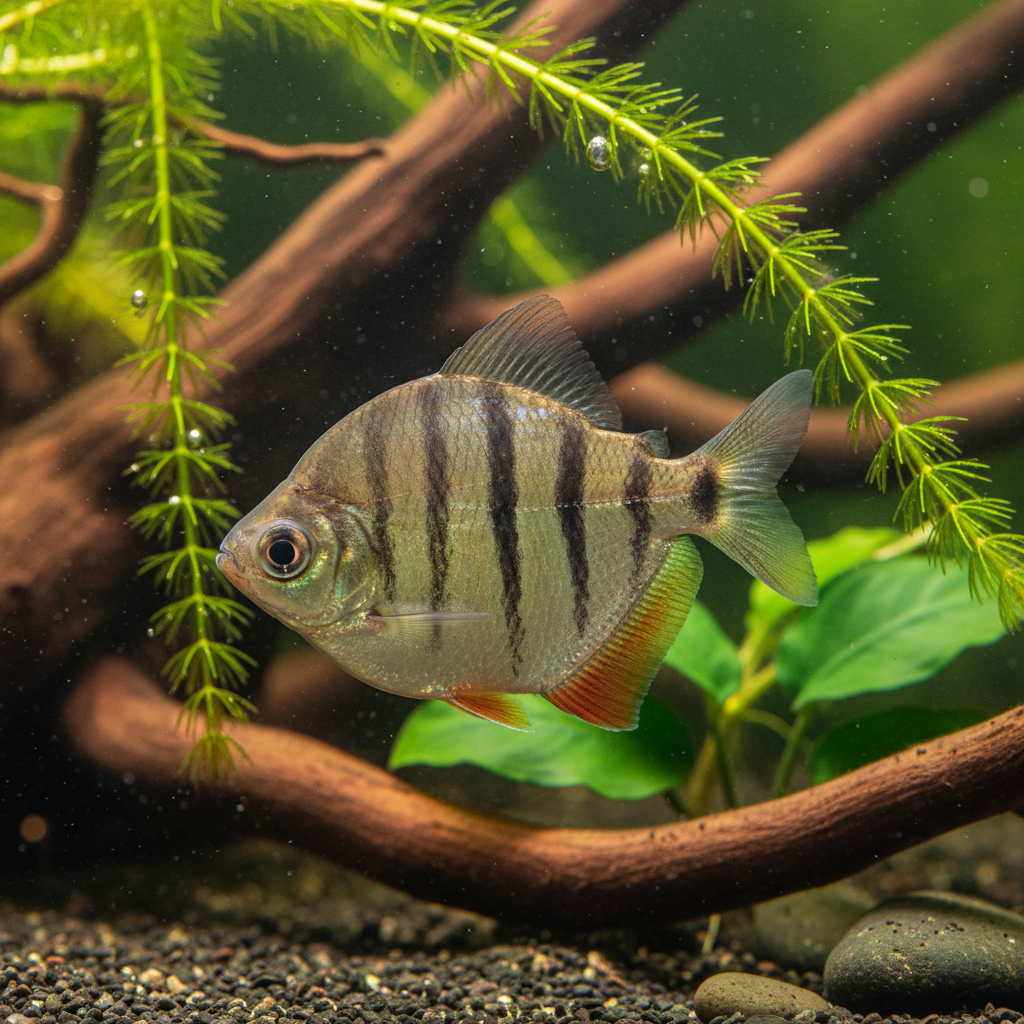
Tiger Silver Dollar: Metynnis fasciatus
A 15cm barred silver dollar that shoals in groups of five or more. A committed herbivore, so it will strip a planted tank bare.
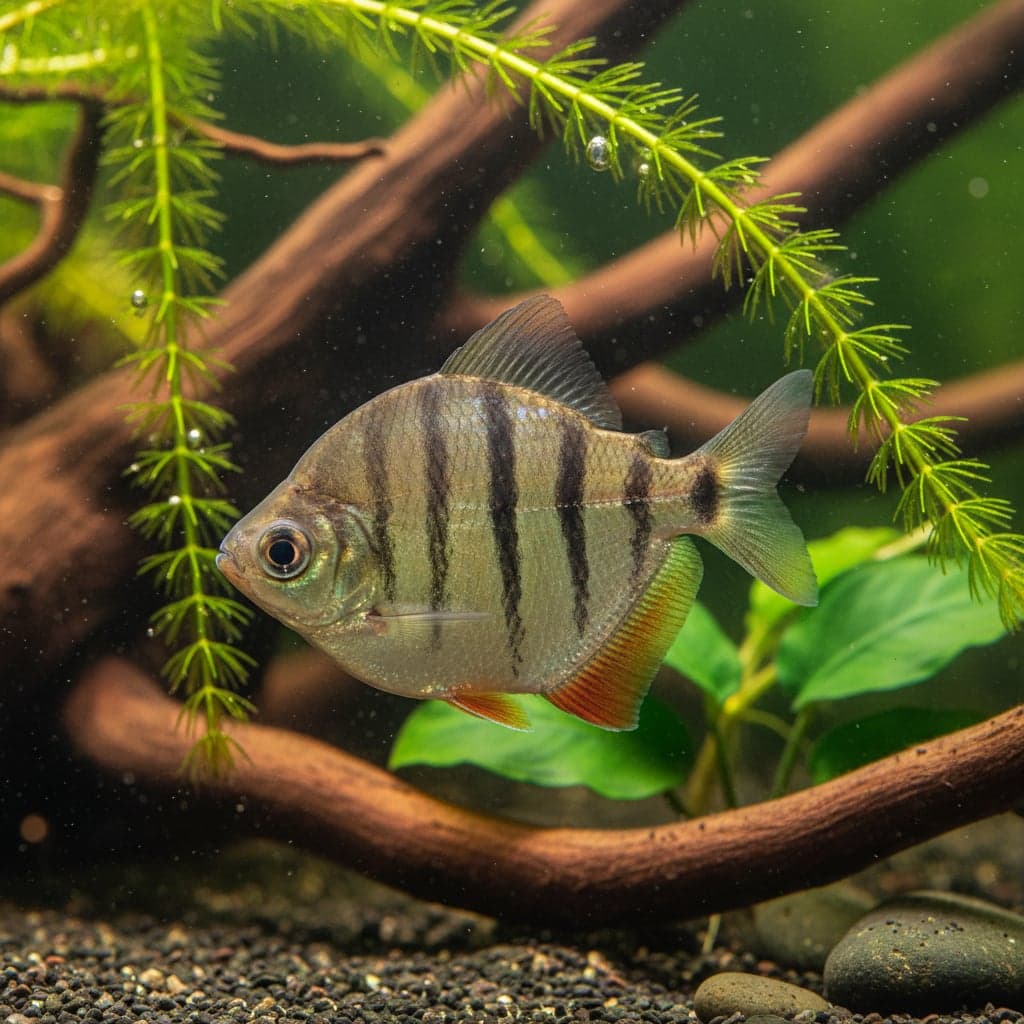
Tiger Silver Dollar
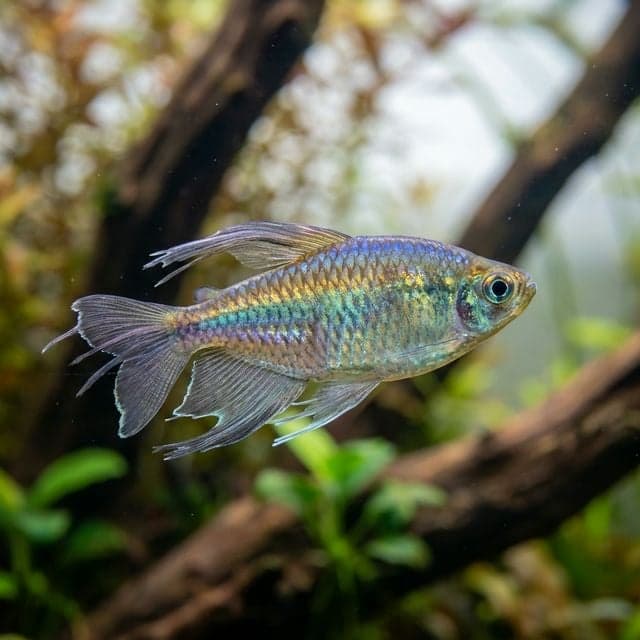
The Tiger Silver Dollar (Metynnis fasciatus) is a striking freshwater fish known for its captivating beauty and vibrant coloration. This member of the family Metynnidae features a distinctive rounded body with a silver sheen interspersed with prominent vertical black stripes. These stripes run parallel from its dorsal fin down to its belly, giving the fish an eye-catching tiger-like appearance. Adult specimens can reach up to 6 inches in length, and their shimmering scales create an enchanting display in aquarium settings. Because of its unique visual appeal and dynamic presence, the Tiger Silver Dollar has become a favorite among aquarists, especially those who focus on creating visually engaging community tanks.
Beyond their aesthetic allure, Tiger Silver Dollars hold cultural significance in the aquarium hobby. They are often associated with well-managed aquascapes that mimic their natural habitat, encouraging aquarists to delve deeper into biotope-inspired setups. As a schooling fish, they contribute not only beauty but also liveliness to community aquariums, exhibiting captivating group dynamics. Their active swimming behavior and social nature make them ideal candidates for larger setups where they can thrive in a more harmonious environment.
Natural Habitat & Origin
The natural habitat of the Tiger Silver Dollar primarily encompasses the slow-moving rivers and floodplain lakes found in the Amazon Basin of Brazil, Peru, and Colombia. These waters are typically blackwater or low in alkalinity, characterized by nutrient-rich, stained waters resulting from decomposing plant matter. The environments they inhabit are often dense with submerged vegetation and drifting leaf litter, providing ample hiding spots and foraging opportunities. In the wild, these fish are often found in large schools, which helps them evade predators and enhances their social behaviors.
In addition to the chemical properties of their natural habitat, the geographical origin of the Tiger Silver Dollar greatly influences its adaptability in captivity. Aquarists should aim to replicate elements of their native ecosystem in their tanks. This includes mimicking the soft, acidic water conditions complemented by natural decor like driftwood, leaf litter, and densely planted areas that provide shelter and stimulate a more natural environment for the fish.
Care Requirements
When caring for Tiger Silver Dollars, maintaining appropriate water parameters is crucial for their health and vitality. The ideal pH ranges from 6.0 to 7.5, with a temperature between 75°F to 82°F (24°C to 28°C). They generally prefer softer water, with hardness ranging from 2 to 12 dGH. A gentle filtration system is preferable to prevent stress caused by strong currents while maintaining water clarity.
Regarding tank setup, a minimum tank size of 75 gallons is recommended, as these fish require ample swimming space. The substrate can be sand or fine gravel, preferably dark, to accentuate their shimmering bodies. Lighting should be moderate, with plenty of shaded areas created through plants and other decorations. Live plants, such as Anubias or Java fern, are ideal, as they not only contribute to the aquarium's aesthetic but also provide essential hiding spaces and grazing opportunities for the fish.
Diet & Feeding
Tiger Silver Dollars are omnivores, and their diet in captivity should consist of a balanced mix of high-quality flakes, pellets, and frozen or live foods. For optimal health, provide a diverse diet that includes spirulina flakes, daphnia, and brine shrimp. Occasional feedings of vegetables, such as blanched spinach or zucchini, can also be beneficial in rounding out their nutrition. It’s important to avoid overfeeding, as this can lead to obesity and related health issues; feeding small amounts multiple times a day is often better than one large feeding.
Feeding preferences can vary among individual fish, so observing their behavior is essential. When introducing new foods, it's wise to start with small portions to ensure they readily accept it, gradually increasing the portion size as necessary. By offering a variety of foods, aquarists can ensure that the Tiger Silver Dollar receives the necessary nutrition to thrive and exhibit vibrant coloration and lively behavior.
Behavior & Temperament
Tiger Silver Dollars are known for their friendly and social temperament, making them excellent additions to community tanks. These fish are gentle and usually stay away from aggressive tank mates; however, they do exhibit a strong schooling behavior, which means they should be kept in groups of at least six or more to feel secure and exhibit their natural behavior. In a tank environment, they typically swim in the middle to upper levels, using the entire space available to them.
While Tiger Silver Dollars are generally peaceful, they might exhibit some territorial behavior when stressed or during breeding conditions. Thus, it's essential to provide enough space and hiding opportunities to minimize potential conflicts. Maintaining a well-balanced ecosystem with calmer tank mates will help in managing their behavior and ensuring a harmonious aquarium environment.
Tank Mates
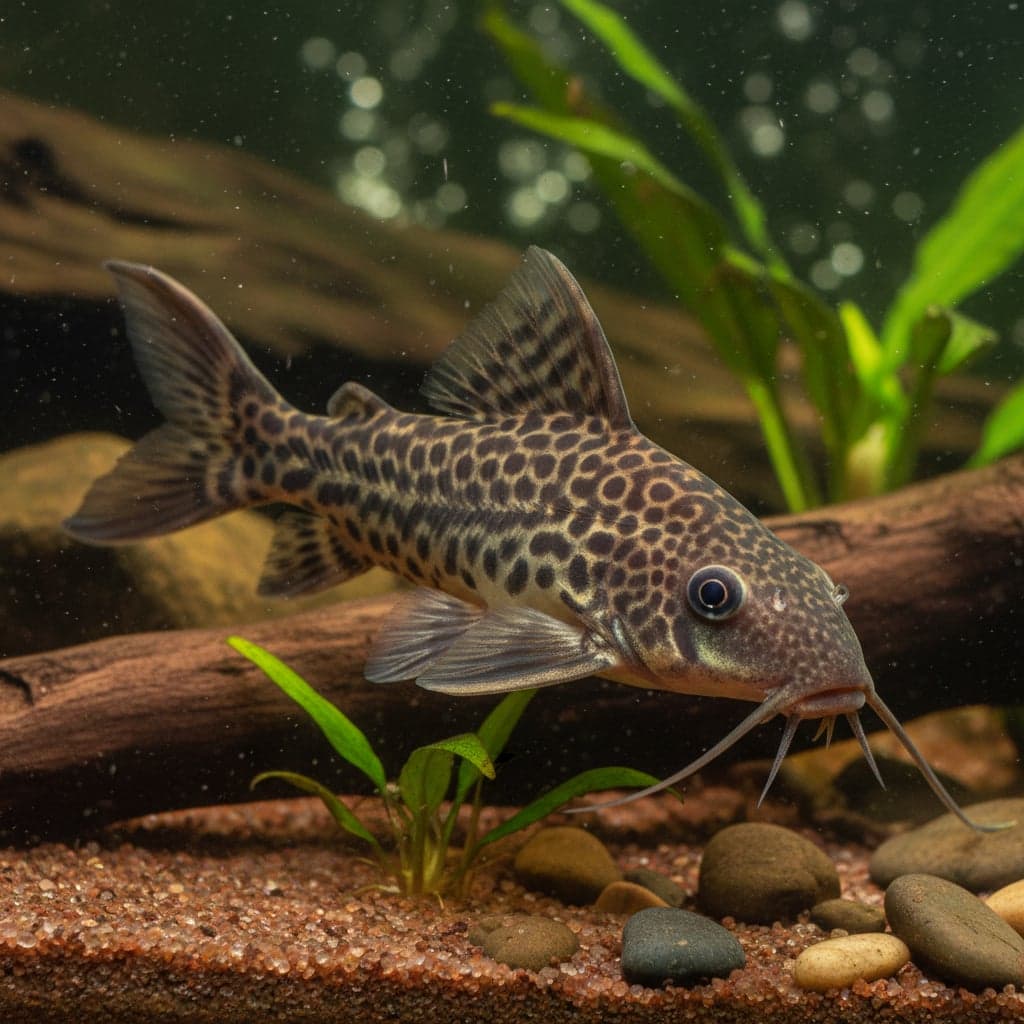
When selecting tank mates for Tiger Silver Dollars, consider their social nature and peaceful demeanor. Suitable companions include other schooling fish such as Tetras, Corydoras, and larger Rasboras. Additionally, many species of non-aggressive livebearers, such as Guppies and Platies, can thrive alongside them. It's crucial to avoid keeping them with overly aggressive or fin-nipping species like Barbs or Cichlids, which could stress the Tiger Silver Dollars or lead to injury.
Other good tank mates could include larger species of peaceful fish, such as Rainbowfish or certain types of Loaches, ensuring that all fish can coexist in a tranquil setting. Remember, the ideal community tank should have ample swimming space and hiding spots to promote a healthy social environment for all inhabitants.
Breeding
Breeding Tiger Silver Dollars in captivity can be challenging, primarily because they require specific environmental conditions to initiate spawning. Typically, these fish reach sexual maturity between 1 to 2 years of age. Under the right conditions, usually characterized by slightly elevated temperatures (around 82°F or 28°C) and pristine water quality, they may exhibit breeding behaviors.
During the breeding cycle, the female may grow noticeably plumper with developing eggs, and males will become more assertive. To encourage spawning, a separate breeding tank with fine-leaved plants or spawning mops should be created. After spawning, the adults should be removed to prevent them from consuming their eggs, which are adhesive and will hatch in roughly 24 to 48 hours under optimal conditions.
Common Health Issues
Tiger Silver Dollars can be susceptible to certain health issues that aquarium fish may face, including Ich (Ichthyophthirius multifiliis), fin rot, and bacterial infections. Keeping their environment clean and maintaining stable water conditions is essential for preventing these ailments. Signs of illness may include scratching against objects, clamped fins, or unusual swimming patterns.
Preventative measures include regular water changes, maintaining good filtration, and providing a balanced diet to strengthen their immune systems. In case of illness, quick identification and intervention are crucial. Quarantining new arrivals and treating sick fish promptly will help protect the entire aquarium population, ensuring the health and longevity of your Tiger Silver Dollars.