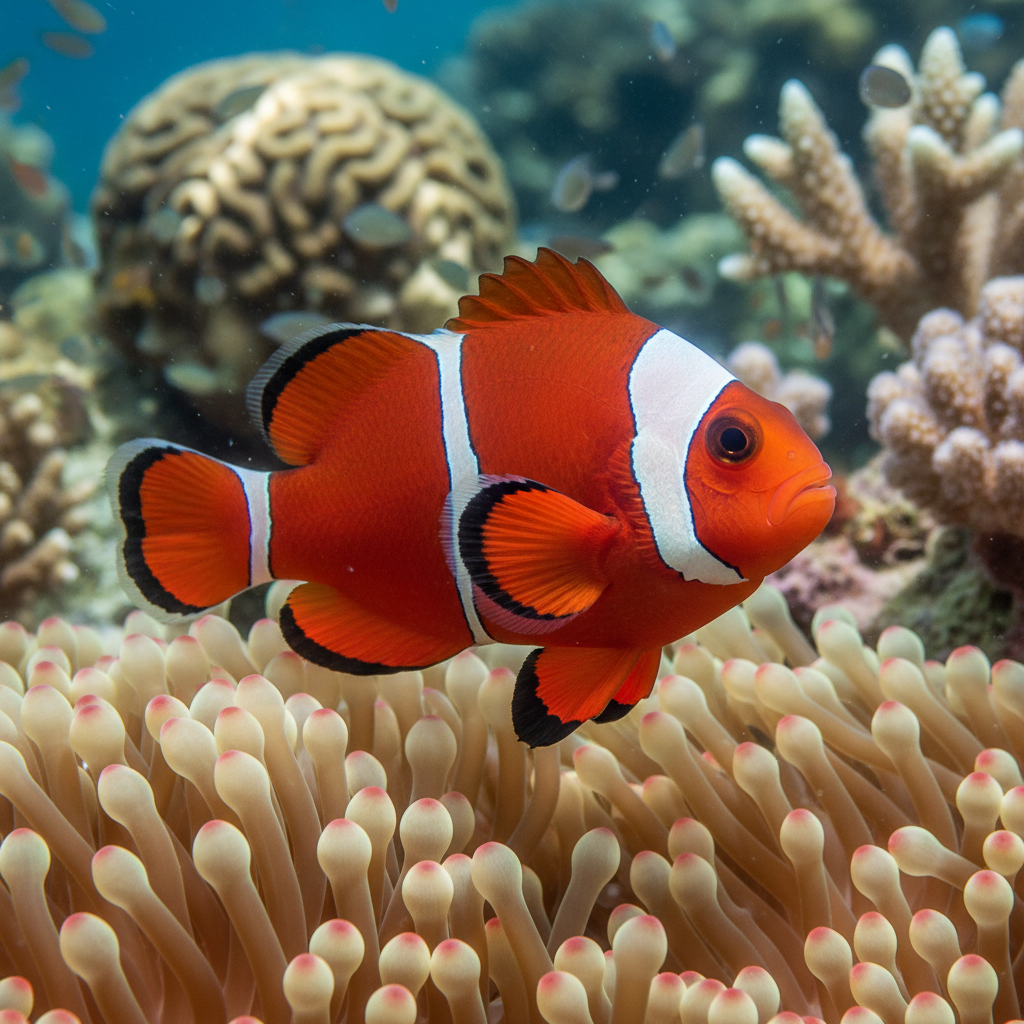
Tomato Clownfish
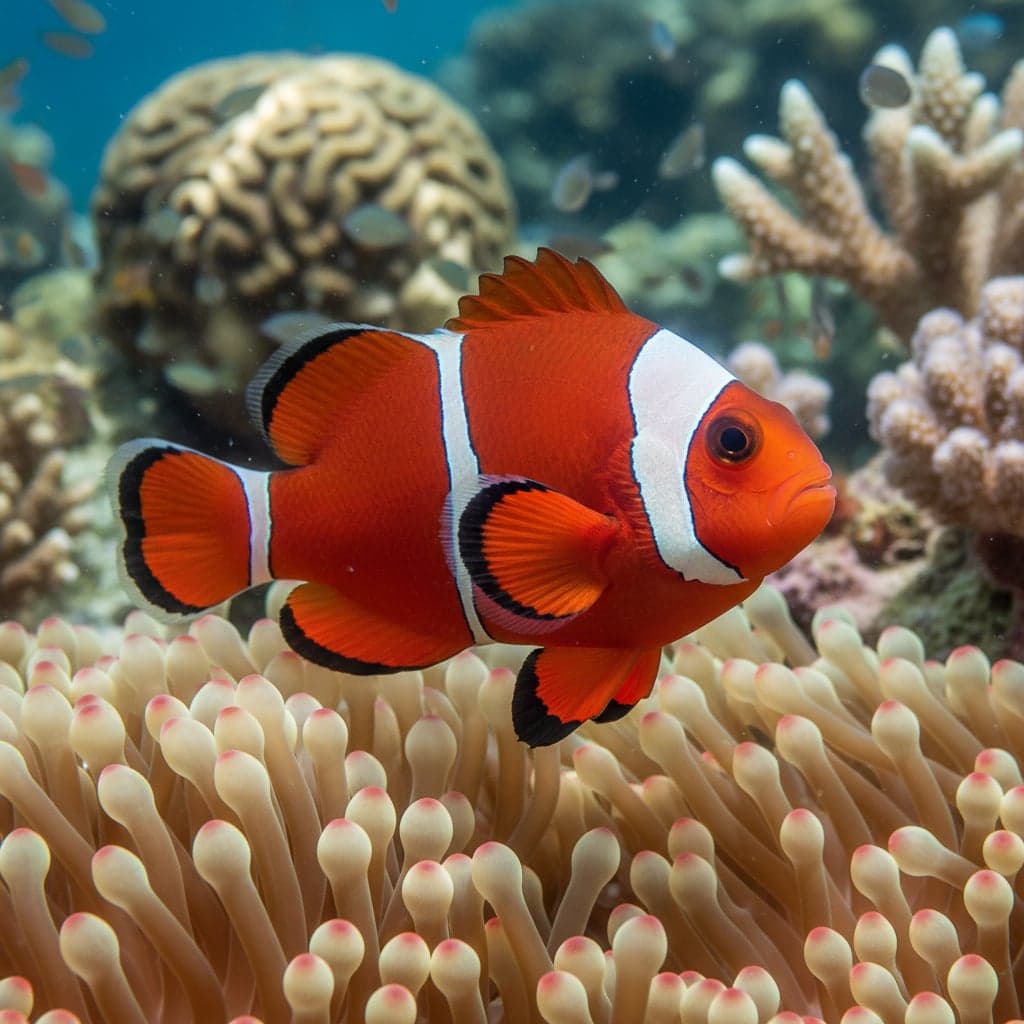
A 14cm clownfish, hardy and increasingly aggressive with size. Captive- bred stock is easy, and it needs no anemone.
Tomato Clownfish
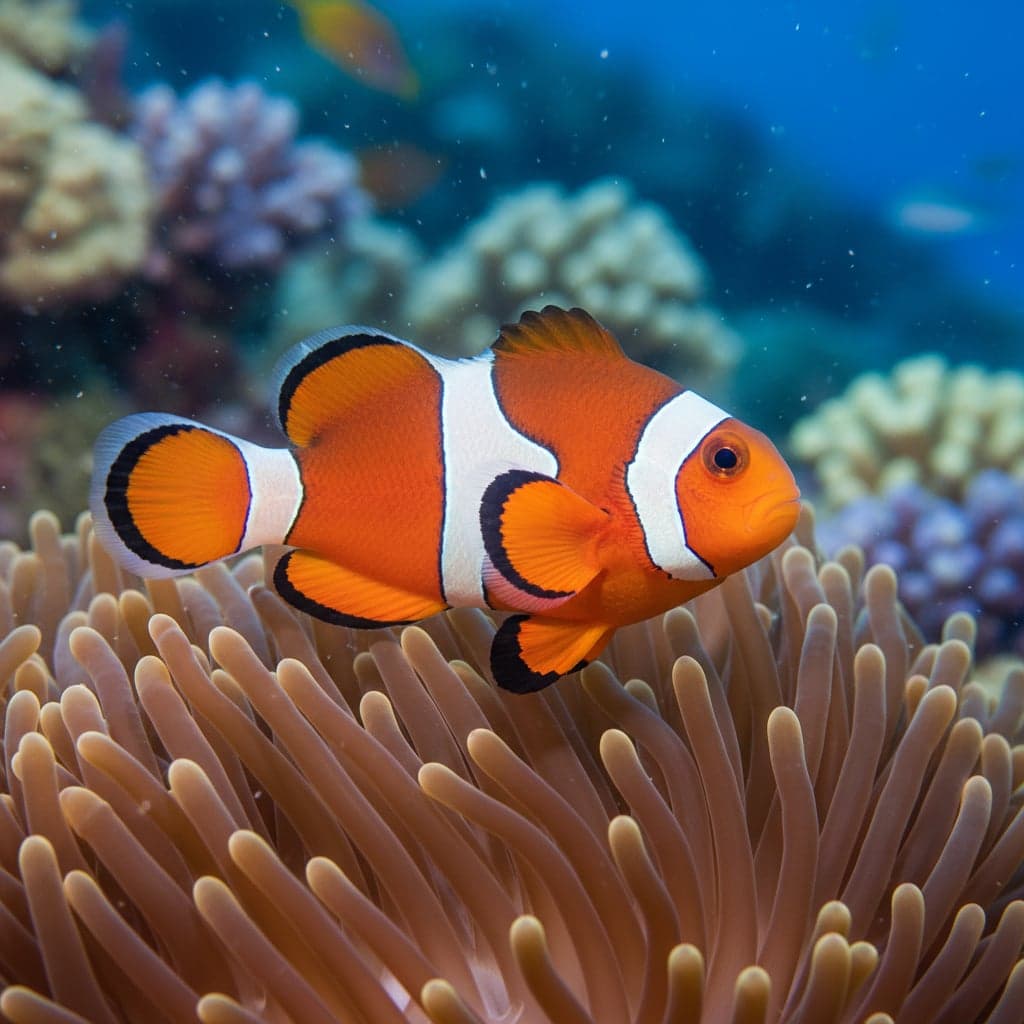
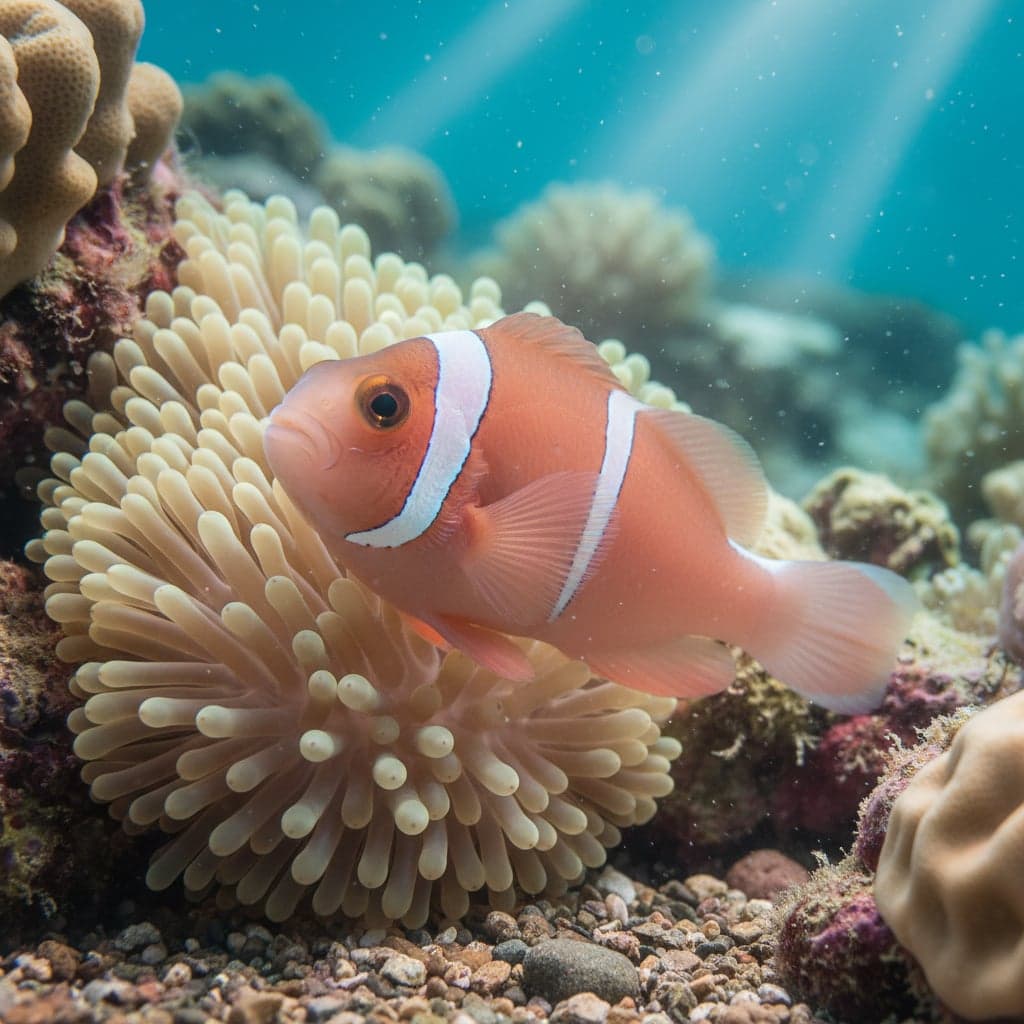
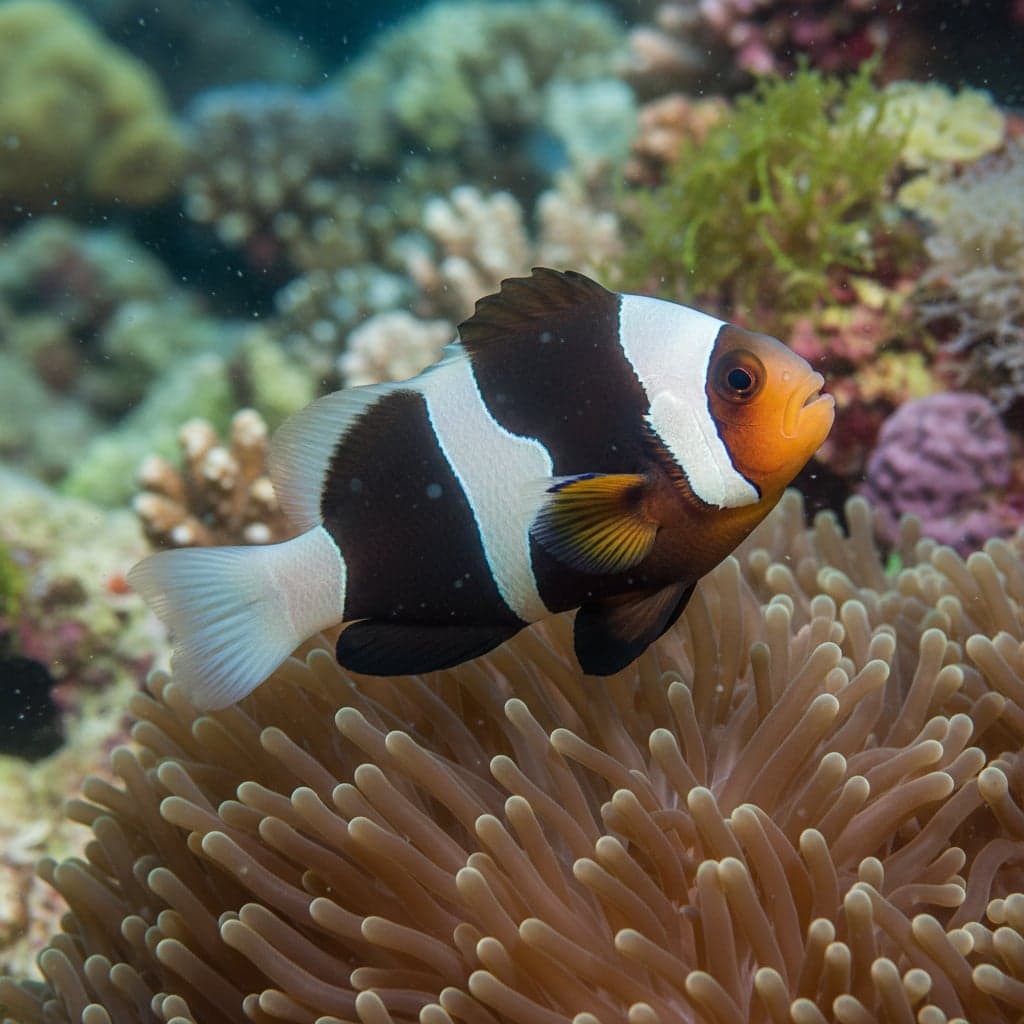
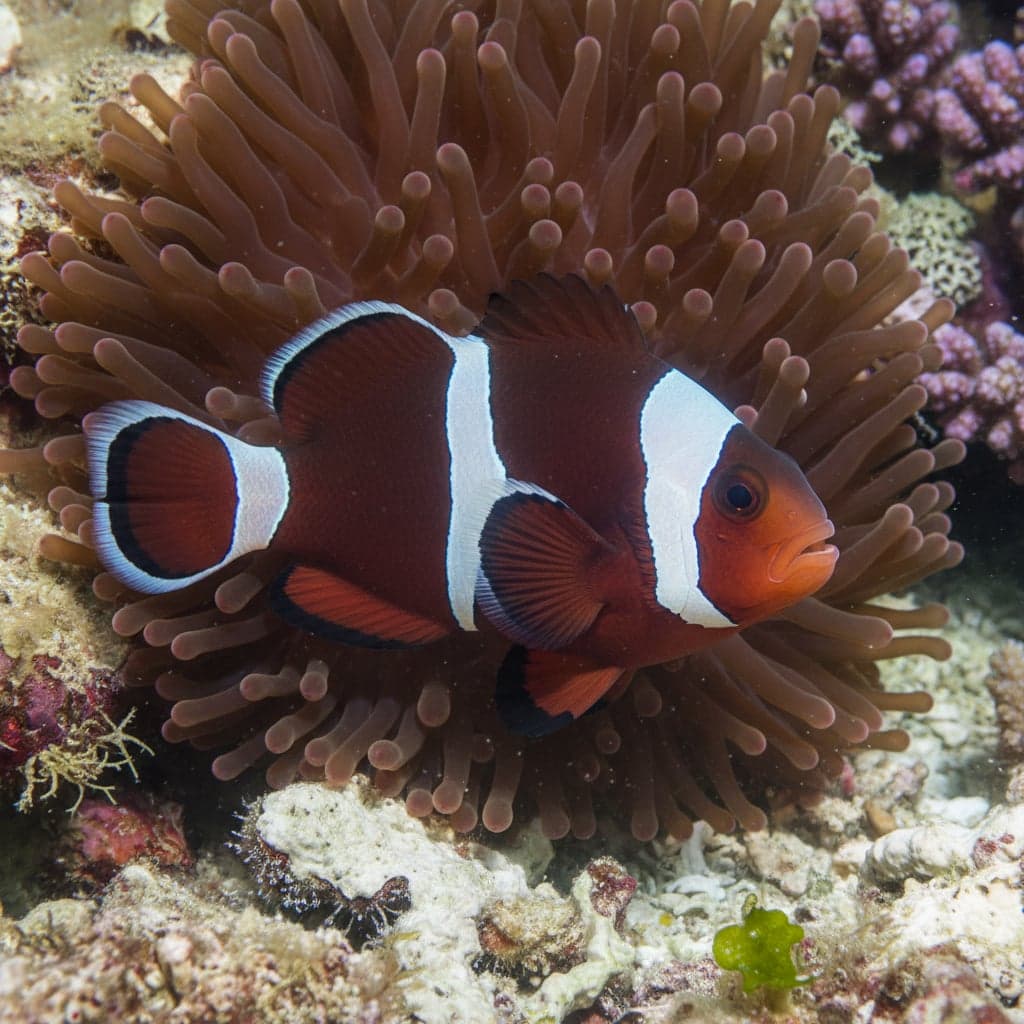
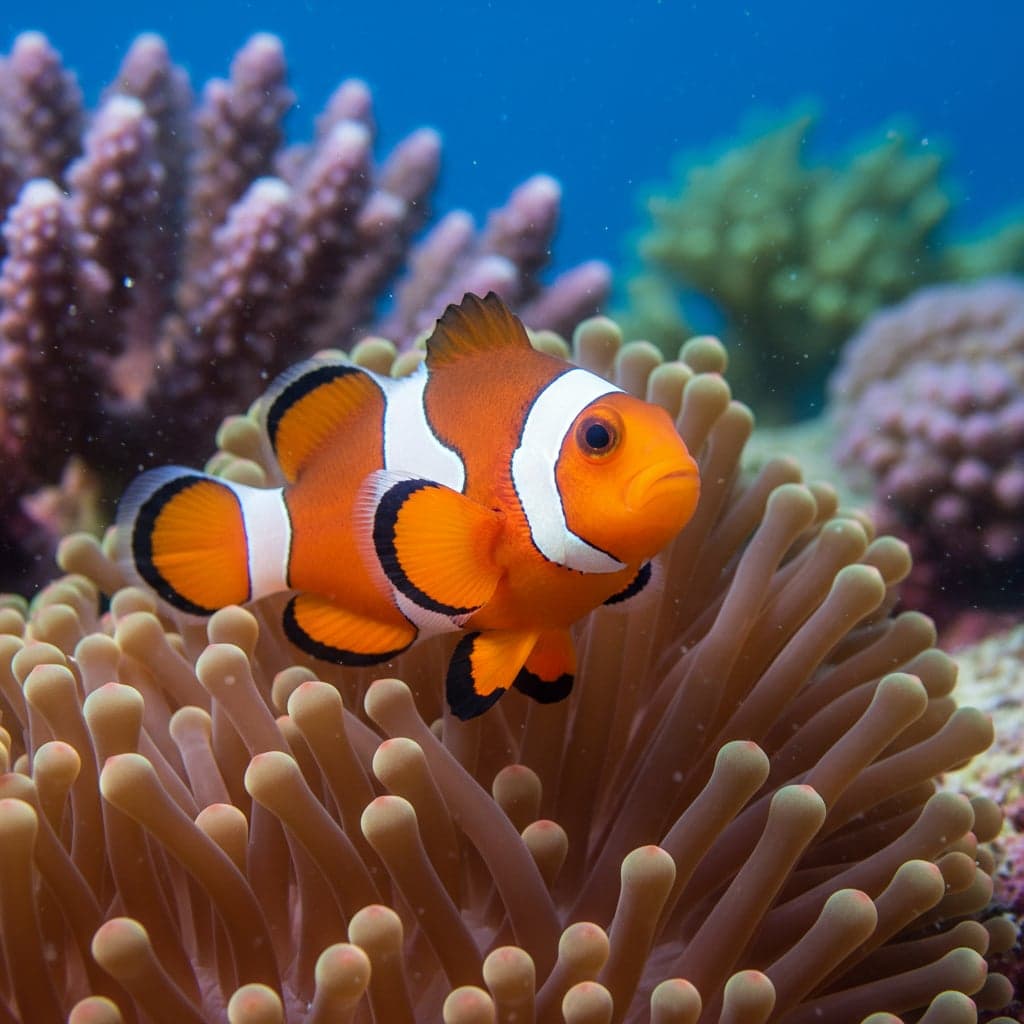
The Tomato Clownfish, scientifically known as Amphiprion frenatus, is a vibrant and resilient species that captivates aquarists with its striking coloration and lively behavior. With its distinct orange body adorned with bold white stripes, this fish not only enhances the beauty of a marine aquarium but also brings a sense of dynamic activity to any tank. Commonly referred to as a “clownfish,” it is one of the most recognizable members of the Pomacentridae family. Tomato Clownfish possess a personality that is equally endearing; they display a curious nature and exhibit various social behaviors, making them a popular choice for both novice and seasoned aquarists.
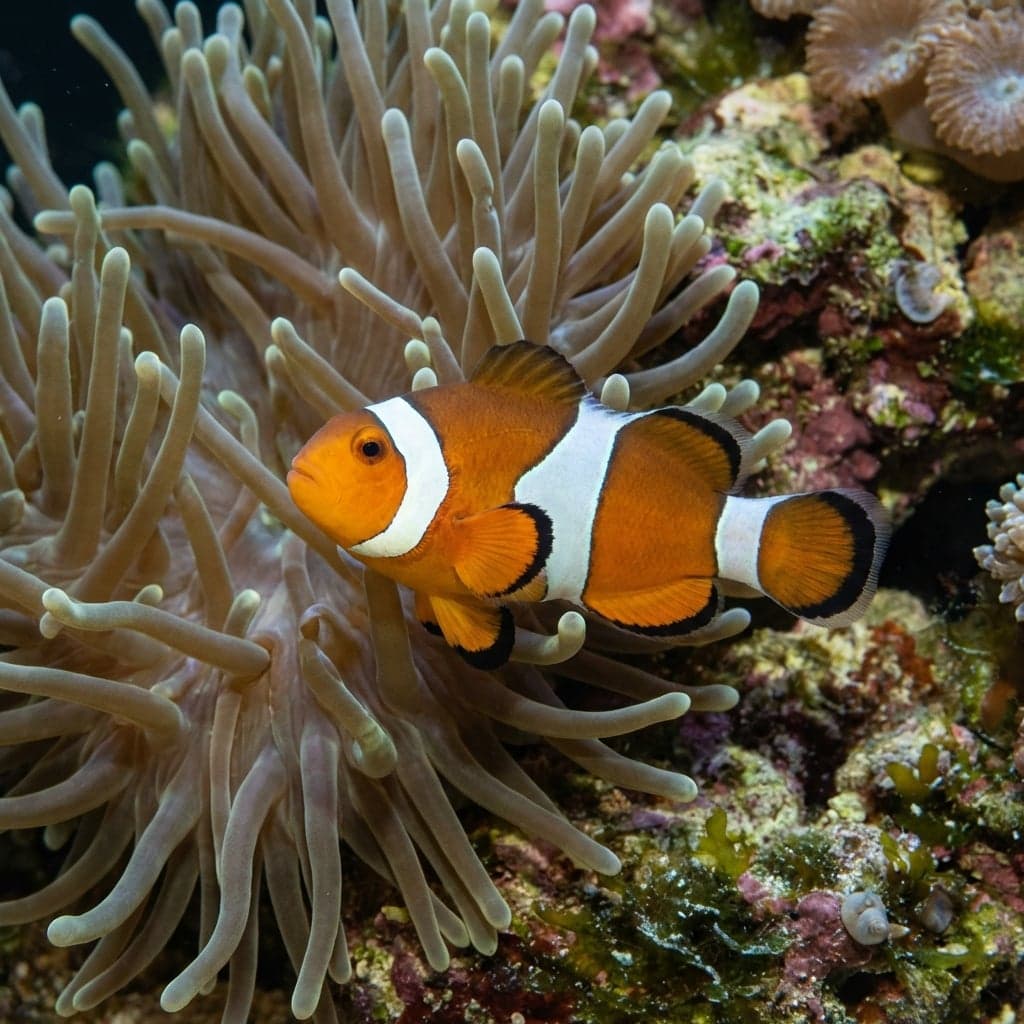
Significance in the aquarium hobby extends beyond aesthetics; Tomato Clownfish are renowned for their symbiotic relationships with various species of sea anemones. This fascinating interaction not only provides the clownfish with protection from predators but also benefits the anemones through nutrient-rich waste produced by the fish. As a result, keeping Tomato Clownfish can foster a deeper understanding of marine ecosystems and biodiversity among hobbyists. Their hardiness and ease of care further contribute to their popularity, allowing aquarists to maintain thriving habitats that reflect the natural brilliance of coral reef environments.
Natural Habitat & Origin
Tomato Clownfish are native to the warm waters of the western Pacific Ocean, primarily found in regions around the Solomon Islands, Papua New Guinea, and the coastal areas of Australia. They typically inhabit shallow lagoons and coral reefs, where they seek refuge among sea anemones. These vibrant fish prefer environments characterized by clear, warm waters with good water flow. The climate of their natural habitat is tropical, with stable water temperatures that can range from 24°C to 30°C (75°F to 86°F), providing them with a consistent and suitable living condition that is essential for their health and well-being.
Living amongst sea anemones not only offers Tomato Clownfish camouflage against predators but also allows them to thrive in a complex environment filled with microhabitats. The presence of such anemones plays a fundamental role in maintaining the balance of the ecosystem, as they contribute to the overall health of coral reefs. Understanding the nutritional and environmental needs of Tomato Clownfish in their natural habitat can guide aquarists in replicating these conditions effectively within a home aquarium setup.
Care Requirements
To successfully care for Tomato Clownfish, it is essential to replicate their natural conditions as closely as possible. The ideal water parameters for these fish include a pH level between 7.8 and 8.4, a temperature range of 24°C to 28°C (75°F to 82°F), and a water hardness (dGH) between 8 to 12 dGH. Regular water quality checks should be performed to maintain nitrate and ammonia levels at minimal concentrations, ensuring the well-being of your fish.
For tank setup, a minimum aquarium size of 120 litres (32 gallons) is recommended for an adult 14cm Amphiprion frenatus — enough swimming space and territorial zones once this larger clown reaches full size. The substrate can be a mix of fine sand or crushed coral to mimic their natural environment. Incorporating live rock and coral structures will not only create hiding spots but also enhance biological filtration. Lighting should be moderate to highlight the vibrant coloration of the fish, and plants can include hardy species along with safe anemones, as they will often seek refuge in them. Overall, creating a balanced and visually appealing setup will contribute significantly to the health and happiness of Tomato Clownfish.
Diet & Feeding
Tomato Clownfish are classified as omnivores, requiring a varied diet to meet their nutritional needs. In the wild, their diet consists primarily of zooplankton, algae, and small invertebrates. Captive Tomato Clownfish thrive on high-quality food options such as marine flakes, pellets enriched with vitamins, and frozen or live foods like brine shrimp and mysis shrimp. It is important to offer a balanced diet to ensure their health; providing a mix of flakes and pellets as staples alongside occasional frozen or live offerings will help replicate their natural eating habits.
Feeding should be done multiple times a day in small portions, allowing the fish to consume their food efficiently without polluting the tank. Monitoring their feeding behavior can provide insights into their health; a sudden change in appetite could signal stress or illness. Additionally, incorporating plant-based foods, such as spirulina or seaweed, can also benefit their overall health and support their vibrant coloration.
Behavior & Temperament
The Tomato Clownfish is known for its engaging and spirited behavior. Typically, they exhibit a semi-aggressive temperament, particularly during breeding seasons or when establishing territories. In a community tank, they tend to be dominant, especially if kept with smaller or less assertive species. It is advisable to house them with compatible tank mates to minimize aggression and ensure a harmonious environment.
In terms of social behavior, Tomato Clownfish are generally not schooling fish, but they can be kept in pairs or small groups. They display strong pair bonding, especially during breeding, and will often share space with a sea anemone. Their preferred swimming level is in the mid to lower sections of the tank, where they can easily dart in and out of cover while displaying their territorial nature.
Tank Mates
When selecting tank mates for Tomato Clownfish, it is crucial to consider compatibility to ensure peaceful coexistence. Suitable companions include species such as:
- Royal Gramma (Gramma loreto)
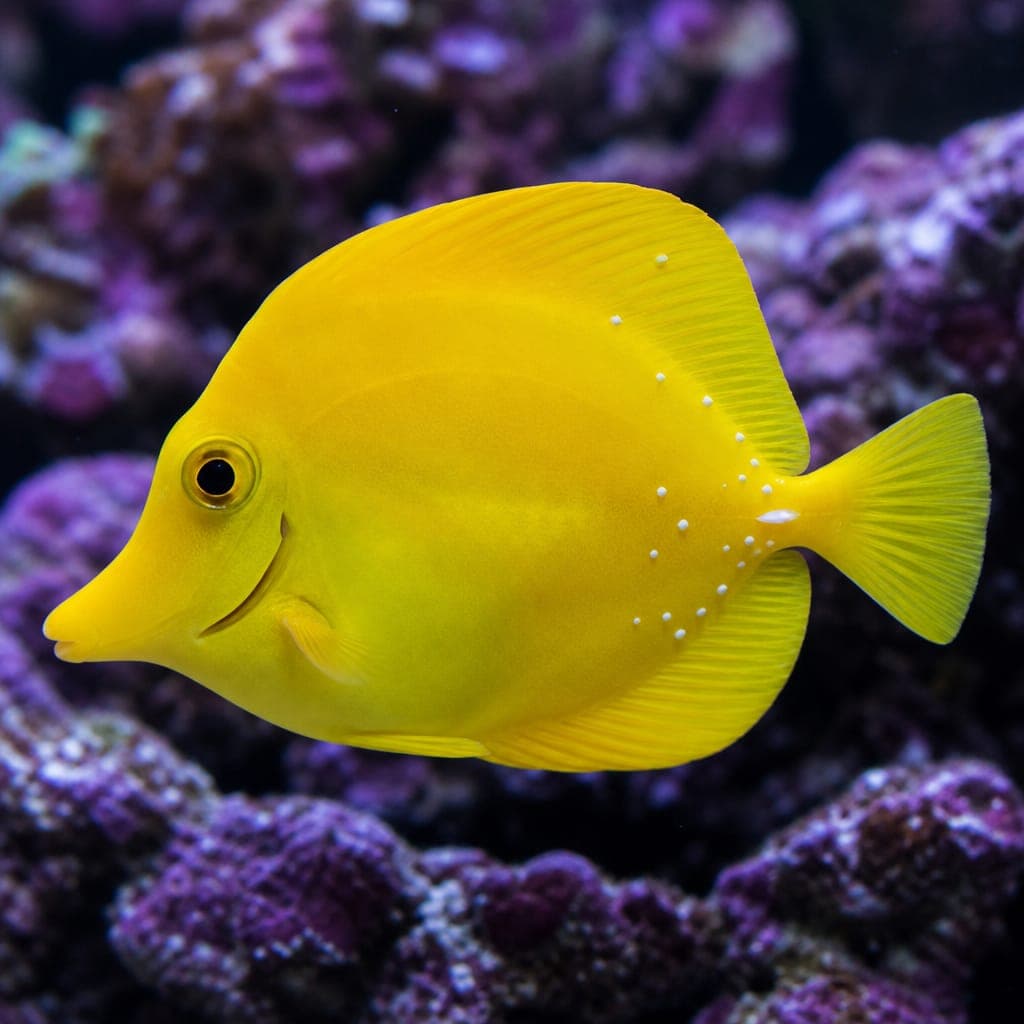
- Yellow Tang (Zebrasoma flavescens)
- Fairy Wrasses (Cirrhilabrus spp.)
- Cardinalfish (Apogonidae family)
However, it is essential to avoid aggressive species or those that may compete for food and space. Tank mates to steer clear of include:
- Larger, aggressive fish such as Groupers
- Other types of Clownfish, as they may become territorial
- Peaceful but larger species like Angels or Butterflyfish that could outcompete them for anemones
Choosing the right companions will help create a balanced and stress-free aquarium environment.
Breeding
Breeding Tomato Clownfish in captivity is a rewarding endeavor for aquarists. They are known for their distinct breeding behavior, where a pair establishes a territory near a host anemone or flat rock. The male courtship dance often involves a series of movements, including nipping the anemone and performing a fluttering display. Once a suitable location is chosen, the female lays eggs, typically numbering in the hundreds, adhering them to the substrate or anemone.
The ideal conditions for breeding Tomato Clownfish include maintaining stable water parameters and providing hiding spots for the eggs. The male takes on the role of protector and guardian of the eggs until they hatch, which usually occurs within 6 to 10 days, depending on water temperature. After hatching, the larvae require specialized care, including live foods like rotifers and infusoria until they grow larger and can transition to mini-pellets or flake foods. Managing breeding can significantly enhance the joy of maintaining Tomato Clownfish and contribute to their successful populations in captivity.
Common Health Issues
Like all aquarium fish, Tomato Clownfish can be susceptible to various health issues. Some common diseases include:
- Ichthyophthirius multifiliis (Ich): A parasitic infection characterized by white spots on