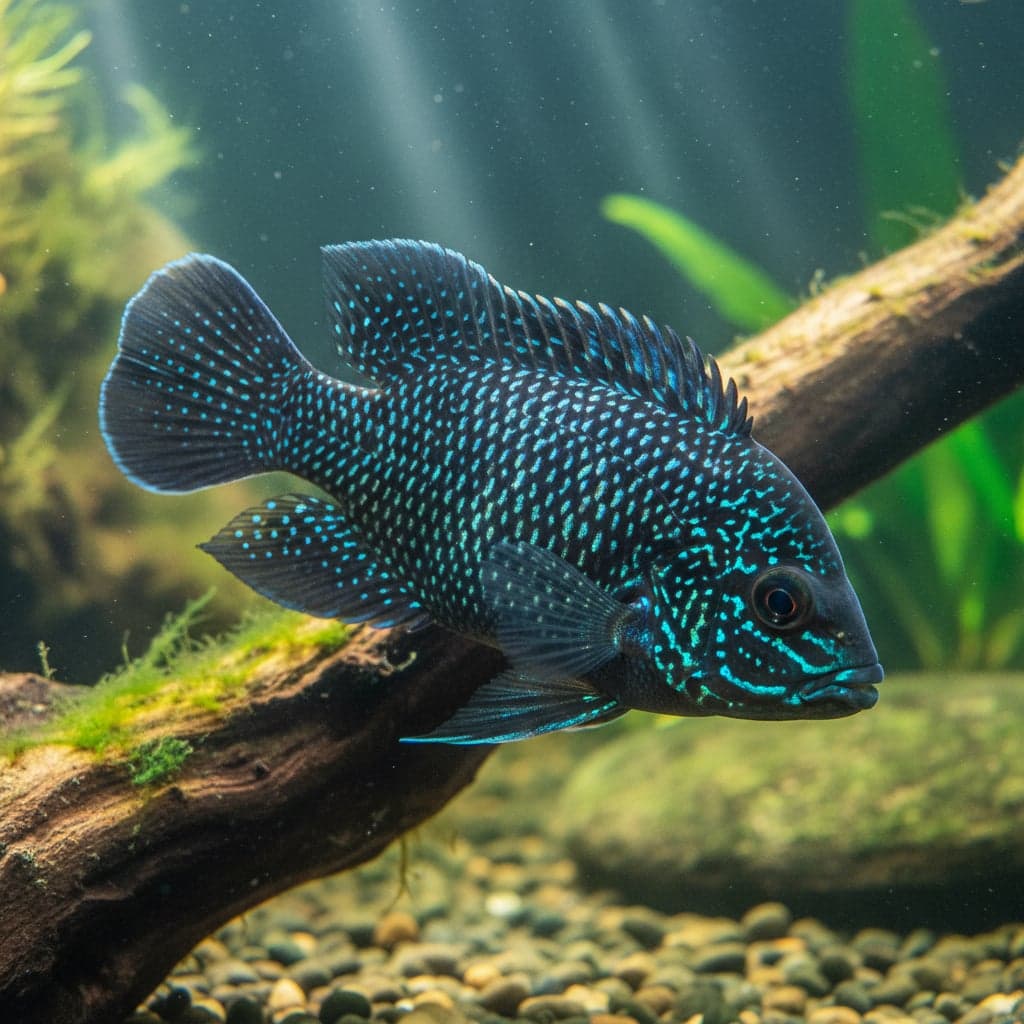
Topaz Puffer: Dichotomyctere fluviatilis
An 18cm freshwater-to-brackish puffer with real personality and real teeth. Nips fins, needs snails to wear its beak down, best kept alone.

Topaz Puffer
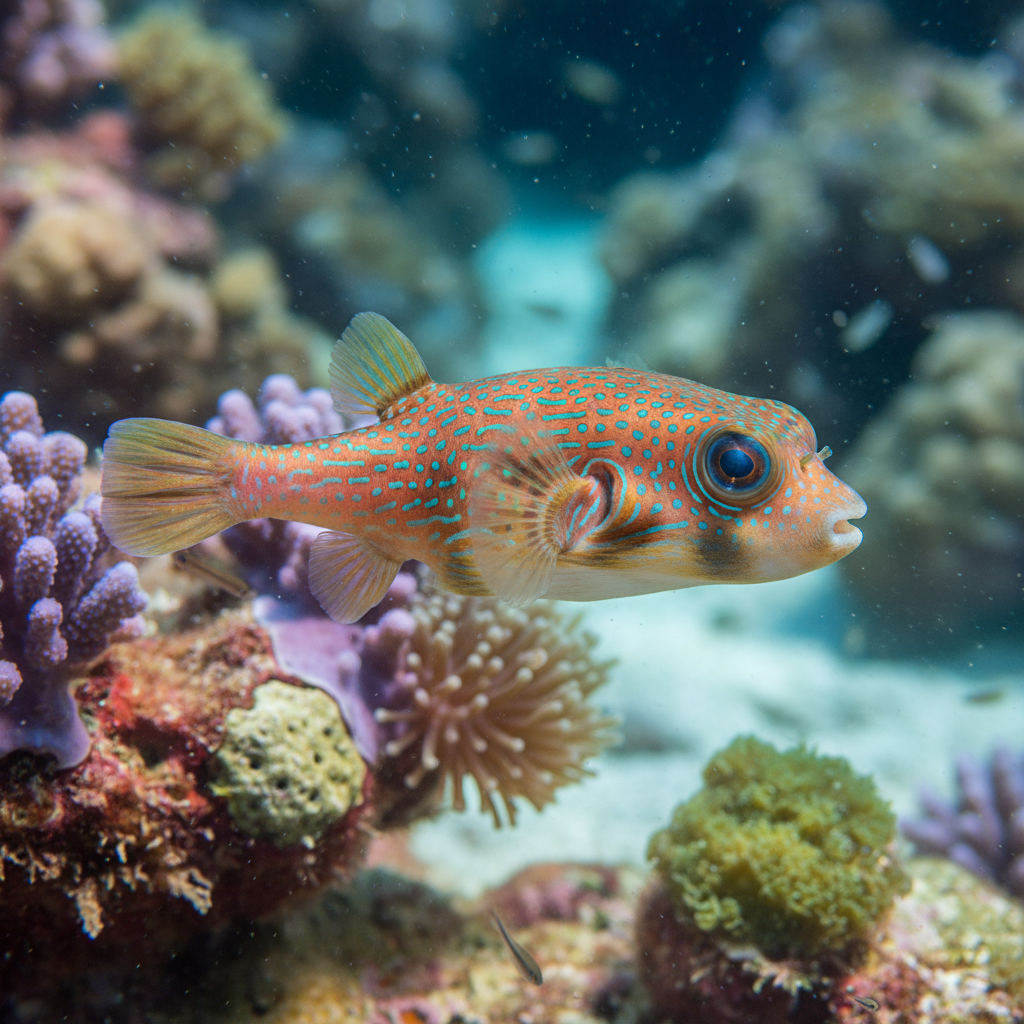
The Topaz Puffer (Dichotomyctere fluviatilis) is an exquisite freshwater species known for its vibrant coloration and unique physical characteristics. Recognized as a pufferfish, this stunning fish boasts an iridescent body adorned with deep blue and golden hues that create a captivating display in any aquarium. With its round body and protruding eyes, the Topaz Puffer exudes a charm that every aquarist appreciates, making it a popular choice among both novice and experienced hobbyists. Beyond its aesthetic appeal, this species plays a vital role in the aquarium trade, acting as a symbol of diversity and beauty in aquatic life.
What sets the Topaz Puffer apart from other freshwater fish is its intriguing behavior and personality. Renowned for their curious nature, these puffers often engage in playful activities, exploring their surroundings and interacting with their keepers. This interactive characteristic, combined with their stunning pigments, makes the Topaz Puffer not only a visual centerpiece but also an essential component of a dynamic aquarium environment. The puffer’s allure goes beyond just looks; it brings vitality and liveliness to the aquatic community, embodying the essence of what makes keeping fish a fulfilling hobby.
Natural Habitat & Origin
The Topaz Puffer hails from the rivers and flooded forests of Southeast Asia, specifically in regions such as the Mekong River Basin. It thrives predominantly in freshwater environments characterized by slow-moving waters and abundant vegetation. The natural habitat often features blackwater conditions, resulting from the decomposition of organic materials that impart a tea-like coloration to the water. These habitats are not only essential for the fish's survival but also play a crucial role in shaping their behavioral patterns, as they tend to be timid and prefer densely planted areas for refuge.
The environmental context of the Topaz Puffer's habitat consists of soft, slightly acidic waters with rich biodiversity. In these lush ecosystems, the presence of leaf litter, submerged plants, and other organic detritus mimics conditions that are vital for the Topaz Puffer's well-being in captivity. It is essential for aquarists to recreate these conditions to ensure the health and happiness of their fish.
Care Requirements
To maintain optimal health, the Topaz Puffer requires specific water parameters. The ideal pH range is between 6.5 and 7.5, and the temperature should be maintained between 75°F and 82°F (24°C to 28°C). The water hardness should ideally fall within the range of 5 to 10 dGH. For tank setup, a minimum tank size of 30 gallons is recommended to provide adequate swimming space and territories. The substrate should be soft and rounded, like sand or fine gravel, to prevent any injuries to the puffer’s delicate skin and help facilitate foraging behaviors.
In terms of lighting, moderate levels are best to simulate its natural habitat, while the tank should be well-planted with both floating and rooted plants. The addition of driftwood and caves may also create hiding spots, providing the Topaz Puffer with a sense of security. Regular water changes and the maintenance of a consistent nitrogen cycle are crucial to ensuring a healthy environment for these captivating fish.
Diet & Feeding
The Topaz Puffer is classified as an omnivore, though it leans more towards carnivorous dietary habits due to its natural feeding behavior in the wild. In captivity, providing a varied diet is essential to meet its nutritional needs. High-quality pellets and flakes designed for pufferfish can form the base of its diet, supplemented with frozen or live foods such as brine shrimp, bloodworms, and snails. Offering snails is particularly beneficial, as the calcium in their shells helps maintain the Topaz Puffer's beak-like teeth, preventing overgrowth.
To ensure a balanced diet, aquarists should monitor feeding schedules and portion sizes, aiming for 2-3 small feedings daily rather than one large feeding. This will not only support the fish’s health but also encourage natural foraging behaviors that keep the puffer active and engaged in the aquarium environment.
Behavior & Temperament
The Topaz Puffer exhibits a unique mix of social behavior and territoriality, which can influence its compatibility with other tank mates. These fish are generally inquisitive and seem to enjoy stimulus from their environment and the presence of tank mates. However, they are not inherently schooling fish and may display territorial tendencies in smaller spaces. It's essential to ensure that they have ample space in the tank to avoid stress and aggression, particularly as they may be defensive when establishing territories or during feeding periods.
In terms of vertical placement, Topaz Puffers are not confined to the tank's bottom; they may often occupy various levels of the aquarium, swimming through the mid-water column as they explore. Providing a layered habitat with plenty of hiding spots can help mitigate their territorial behavior and promote a more harmonious living environment.
Tank Mates
When selecting tank mates for the Topaz Puffer, it's crucial to choose species that can coexist harmoniously with its unique temperament. Compatible tank mates typically include larger, peaceful fish such as rainbowfish, tetras, and danios. The presence of these species can provide companionship and reduce the potential for aggression. Additionally, bottom-dwelling fish like Corydoras can thrive alongside puffers, as they tend to occupy different levels of the tank.
However, caution should be exercised with smaller or overly aggressive fish, as the Topaz Puffer may view them as potential threats or prey. Species such as dwarf shrimp and smaller schooling fish can be vulnerable and should be avoided. It’s also essential to refrain from housing them with fin-nippers or overly territorial species, as this may lead to stress or injury for the Topaz Puffer.
Breeding
Breeding the Topaz Puffer in captivity can be a rewarding but challenging experience. To successfully spawn these fish, aquarists need to replicate specific conditions that mimic their natural habitat. The ideal breeding setup includes a separate breeding tank with slightly acidic water (pH around 6.5) and a temperature in the range of 78°F to 80°F (25.5°C to 27°C). The addition of fine-leaved plants can provide suitable surfaces for eggs to be laid.
During the breeding process, males may display their dominance by engaging in courtship behaviors such as light nipping and circling. After spawning, it is advisable to remove the parents from the breeding tank to protect the eggs from potential predation. With proper care, the eggs can hatch within a few days, and the fry can be fed with infusoria or finely crushed flakes until they grow enough to eat larger foods.
Common Health Issues
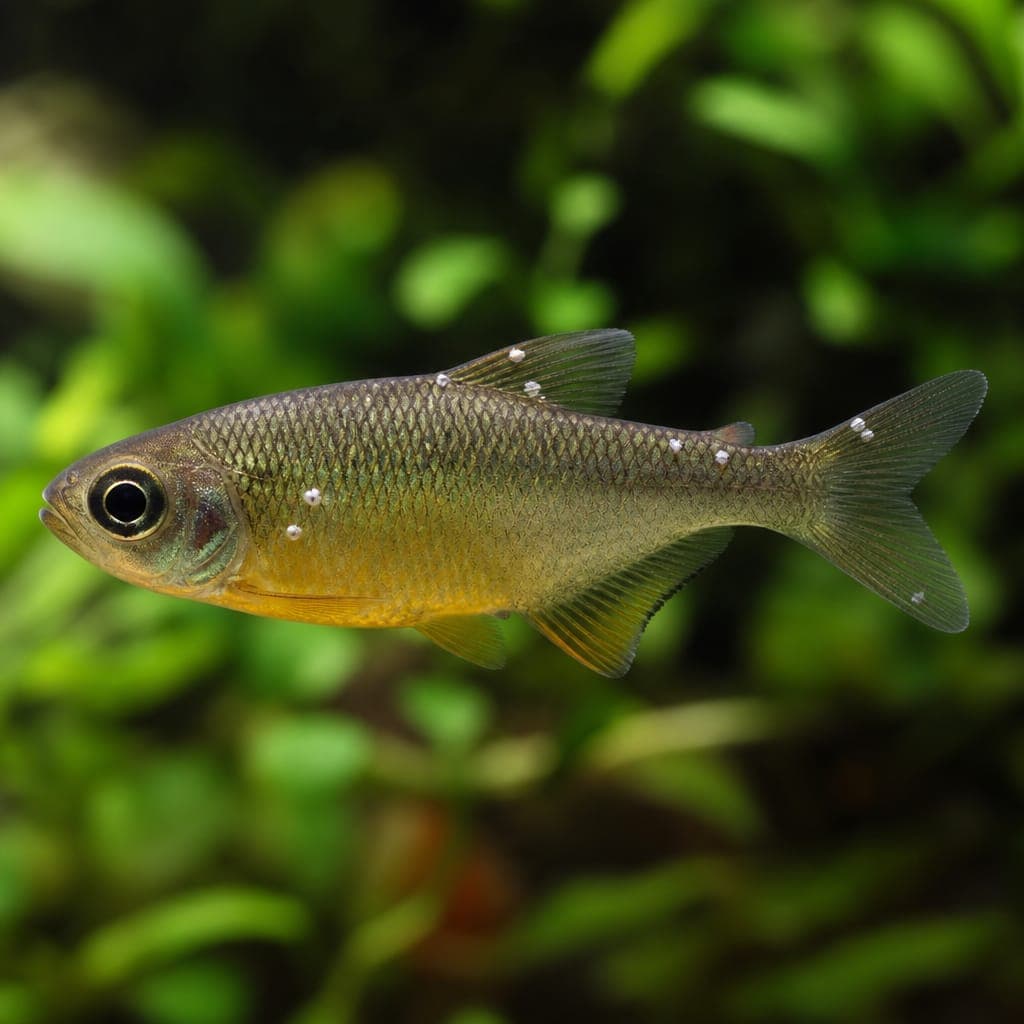
The Topaz Puffer, despite being a robust fish, can be prone to certain health issues if not properly cared for. Notable diseases include ich (Ichthyophthirius multifiliis), which is often characterized by white spots on the fish's body, and velvet disease, which may present as a golden dusting on their skin. Regular observation, along with consistent water quality checks, are fundamental preventive measures against these common ailments.
Maintaining a balanced diet is equally important, as improper nutrition can lead to various health issues such as malnutrition or overgrown beak problems. Moreover, stress management through an appropriately sized and well-decorated tank can significantly reduce susceptibility to illness. Overall, providing pristine, well-filtered water, adequate crunchy foods like snails for continuous tooth wear, and a stress-free environment will ensure your Topaz Puffer remains active, healthy, and long-lived.