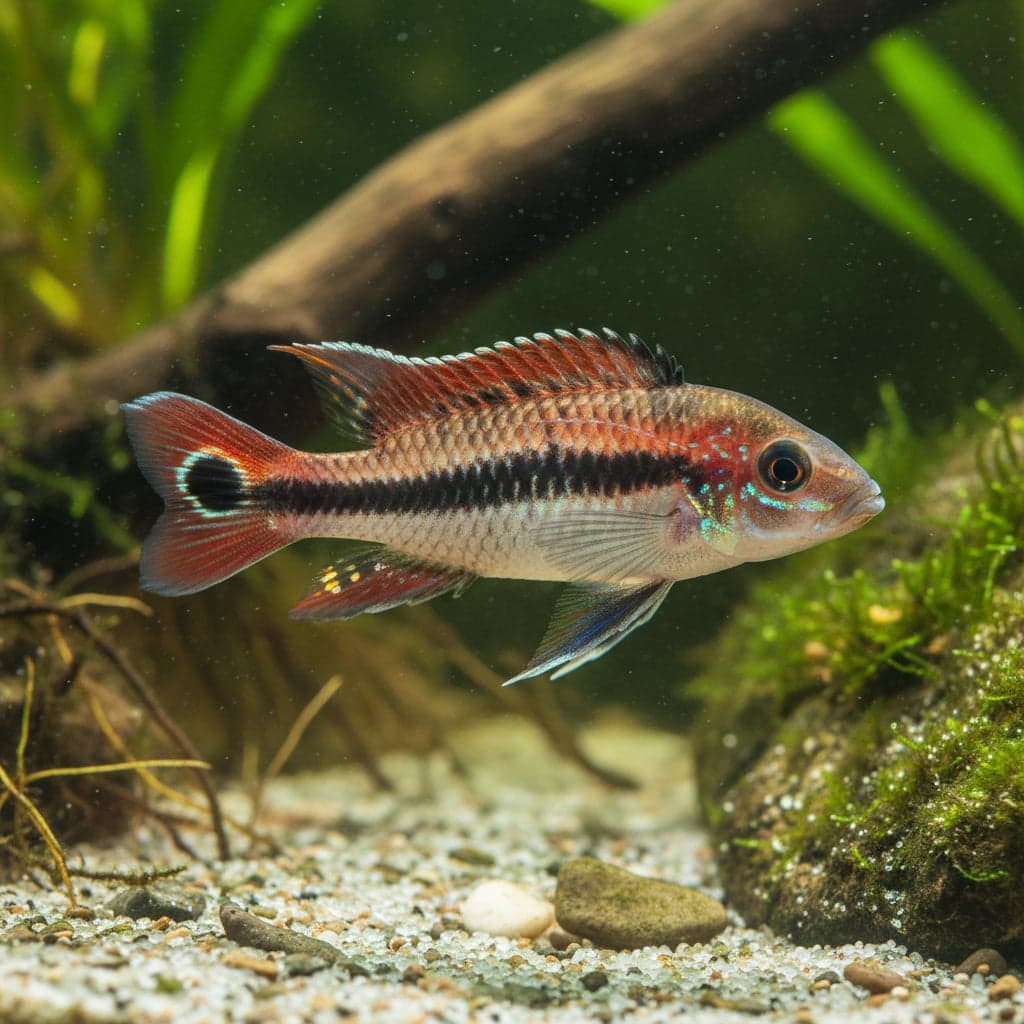
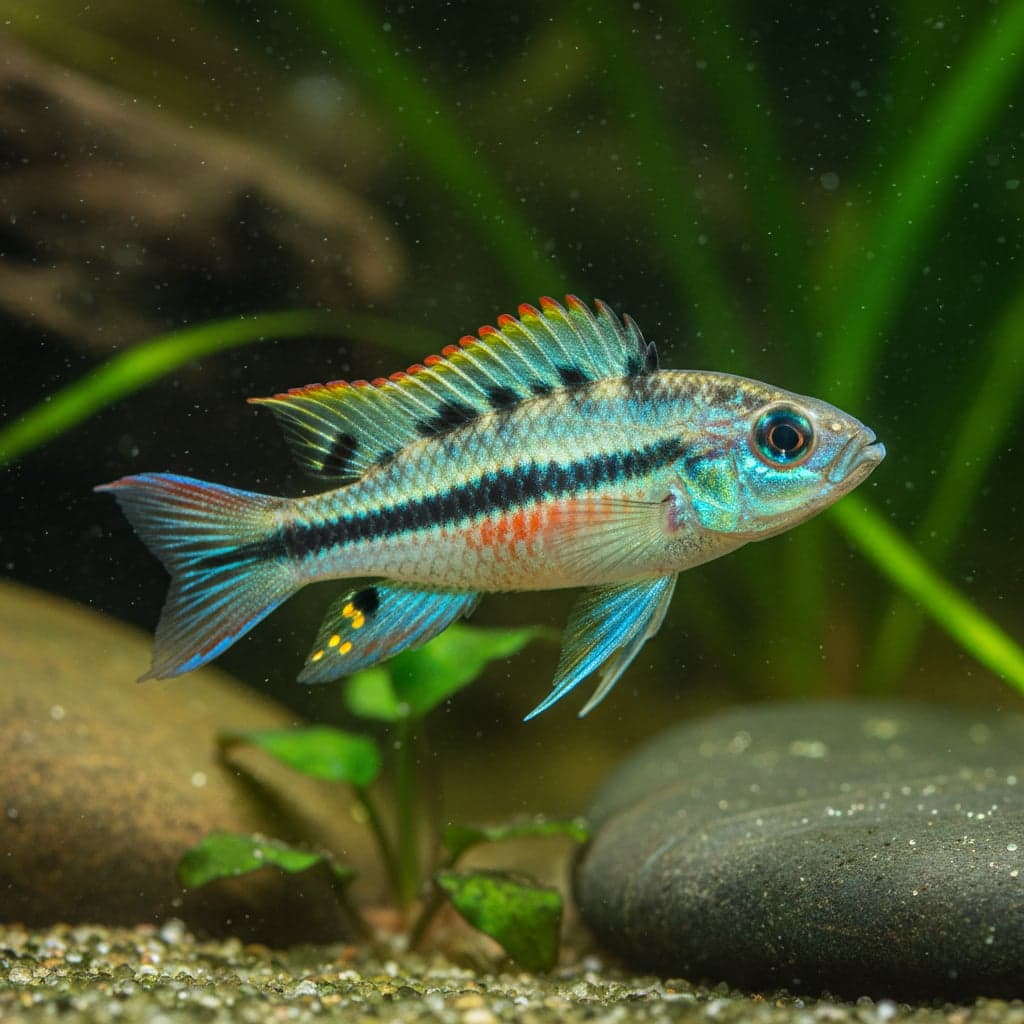
Transvestite Dwarf Cichlid: Nanochromis transvestitus
A dwarf cichlid from Lake Mai-Ndombe where the female outshines the male. Needs very soft acidic water and a cave to spawn in.
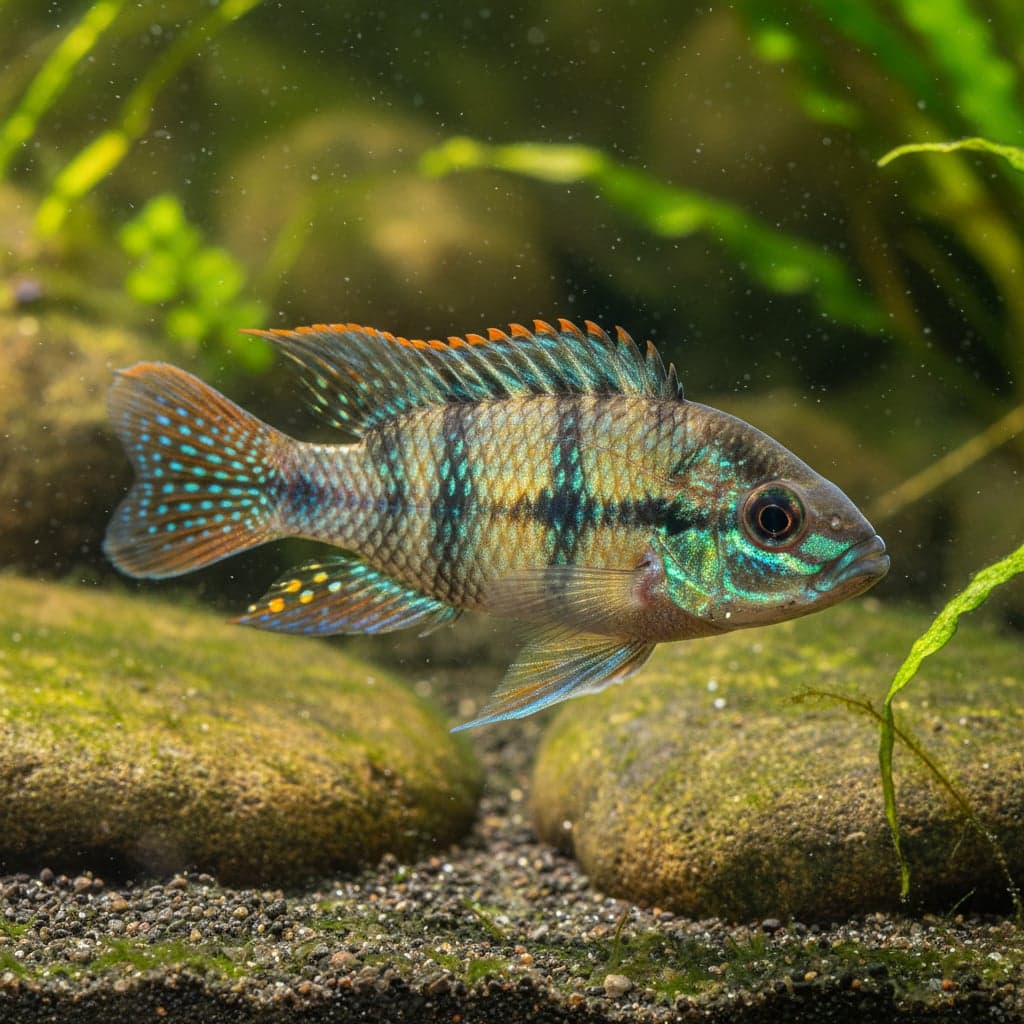
Transvestite Dwarf Cichlid
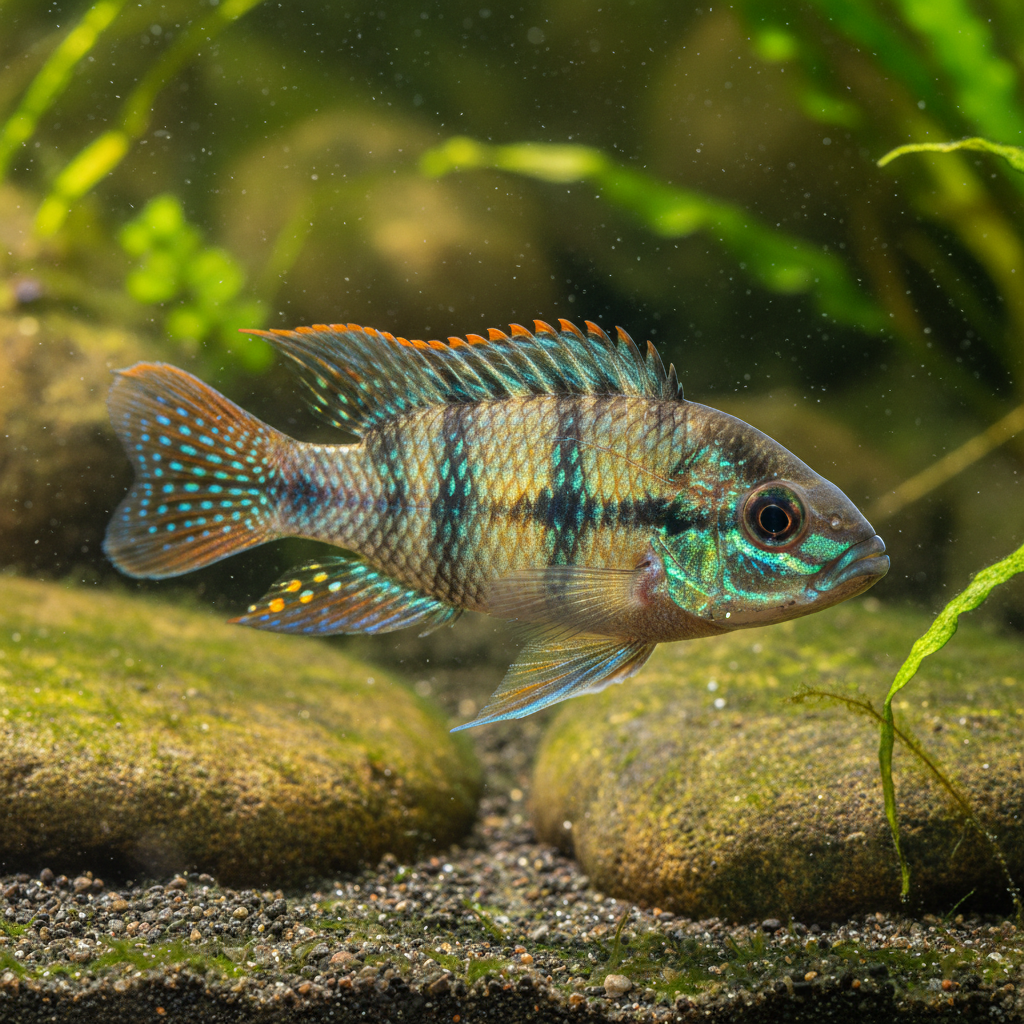
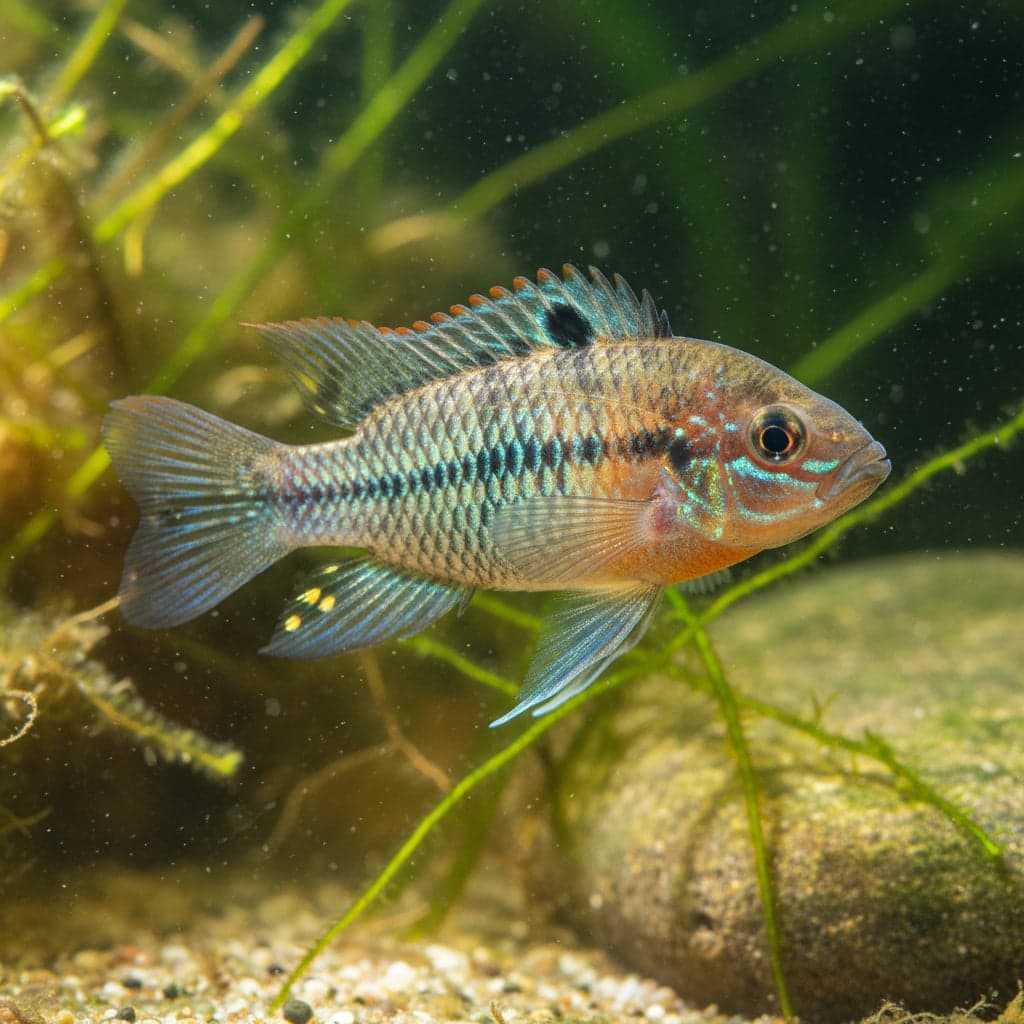
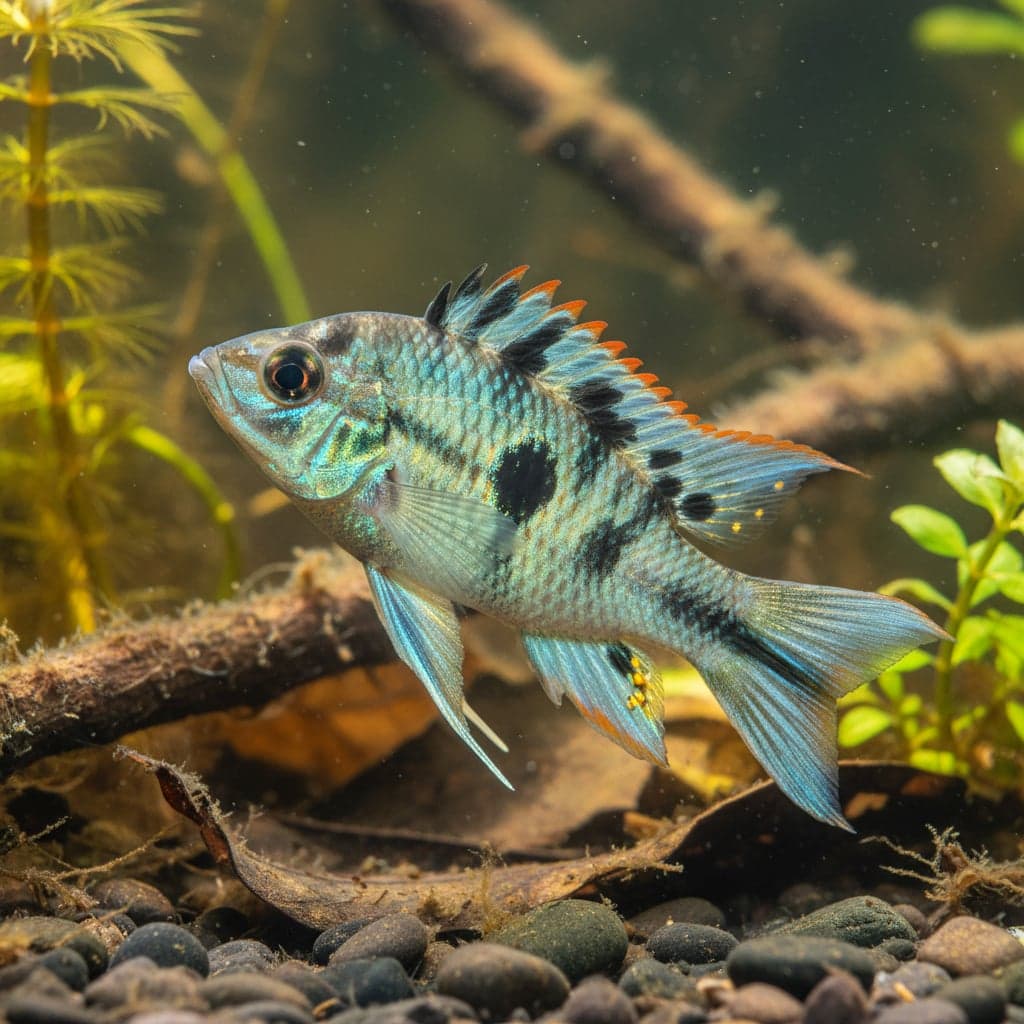
The Transvestite Dwarf Cichlid, scientifically known as Nanochromis transvestitus, is a strikingly beautiful species that has captivated aquarists due to its vibrant colors and unique behavioral traits. Hailing from the freshwater rivers and streams of Africa, this small cichlid displays an array of brilliant blues, yellows, and intricate patterns, making it a visually appealing addition to both nano and larger aquariums. These fish are characterized by their diminutive size, typically reaching about 2.5 to 3 inches in length, which enhances their charm and adaptability to smaller tanks. Their playful behavior and intriguing interactions make them a fascinating species to observe in a home aquarium setting.
In the aquarium hobby, the significance of the Transvestite Dwarf Cichlid lies not only in its aesthetic appeal but also in its relatively manageable care requirements and breeding habits. This species showcases sexual dimorphism, with males often displaying brighter colors and larger fins compared to females, which adds intrigue for aquarists interested in breeding. Keeping this captivating cichlid allows hobbyists to appreciate the diversity of cichlids and the delicate balance of care required to maintain a thriving aquatic ecosystem.
Natural Habitat & Origin
The Transvestite Dwarf Cichlid is indigenous to the eastern regions of Africa, particularly in the rivers and streams of the Congo River basin. This region is characterized by its dense tropical rainforest, which contributes to the unique blackwater environments where these fish thrive. In their natural habitat, they inhabit waters that are often stained by tannins from decaying plant material, resulting in soft, acidic conditions that provide a refuge for this species. The substrate in these waters typically consists of fine sand or silt, interspersed with leaf litter, submerged logs, and rocks; these elements help create hiding spots and breeding areas that are crucial for their survival.
In terms of water quality, the Transvestite Dwarf Cichlid prefers slightly warm temperatures ranging from 75°F to 82°F (24°C to 28°C) and a pH level between 6.0 to 7.5. The presence of plant life and other natural materials also plays an essential role in replicating their natural environment, making it important for aquarists to carefully curate the tank setup to mimic these conditions as closely as possible.
Care Requirements
When setting up a tank for the Transvestite Dwarf Cichlid, a minimum volume of 20 gallons is recommended, although larger tanks can provide a more stable environment and space for territorial behaviors. The substrate should consist of fine sand to replicate their natural habitat, providing a soft area for them to dig and forage. Incorporating smooth stones, driftwood, and dense vegetation will not only add aesthetic value but also offer hiding places crucial for their comfort and security.
Lighting should be moderate to low, mimicking the dim conditions of their natural waters. Floating plants or tall, bushy plants can help diffuse bright light and create shaded areas. The water should be well-filtered to maintain quality, but be cautious of strong currents, as the Transvestite Dwarf Cichlid prefers calm waters. Regular water changes and routine testing are vital to maintaining the ideal parameters and ensuring the health of the fish.
Diet & Feeding
As an omnivorous species, the Transvestite Dwarf Cichlid thrives on a varied diet that can mimic their natural feeding habits. In captivity, they should be fed a balanced diet of high-quality flake foods, small pellets, and protein-rich options such as frozen or live foods like brine shrimp, daphnia, and bloodworms. This variety not only supports their health and coloration but also mimics the diverse nutrients available in their natural habitat. Offering small amounts of food multiple times a day is preferable to support their dietary needs, as they are more likely to exhibit natural foraging behaviors.
Additionally, providing occasional treats of vegetable matter, such as blanched spinach or spirulina-based foods, can be beneficial for their overall health. Ensuring that you maintain a nutritional balance is essential for the longevity and vitality of the Transvestite Dwarf Cichlid.
Behavior & Temperament
The Transvestite Dwarf Cichlid exhibits a range of behaviors that make it a captivating fish to observe. These cichlids are generally territorial, especially during breeding periods, and can display displays of aggression towards other males or fish that encroach upon their space. However, they are also known for their playful interactions within social hierarchies and can exhibit some degree of schooling behavior, particularly in well-planted aquariums.
In terms of placement, these cichlids prefer to inhabit the lower to mid-level areas of the tank. They often utilize rocks and plants as shelter, darting out to explore their surroundings or forage for food. Providing ample hiding spots will help to alleviate any territorial aggression and offer a sense of security, resulting in more naturalistic behavior over time.
Tank Mates
Choosing the right tank mates for the Transvestite Dwarf Cichlid is crucial due to their occasional territorial nature. Compatible species tend to be similarly-sized, peaceful fish that can thrive in slightly acidic and soft water conditions. Suitable tank mates include small tetras, such as Neon Tetras and Ember Tetras, as well as Corydoras catfish, and peaceful rasboras. Dwarf shrimp, such as Cherry Shrimp or Amano Shrimp, can also coexist with these cichlids if the environment is suitable and hiding spaces are plentiful.
Conversely, it is essential to avoid larger, aggressive species that may pose a threat to the Transvestite Dwarf Cichlid or take advantage of their smaller size. Species such as larger cichlids (e.g., Oscars or Jack Dempsey) or fast, dominant swimmers (like some barbs) should be avoided to maintain harmony within the tank.
Breeding
Breeding the Transvestite Dwarf Cichlid in captivity can be a rewarding experience for hobbyists. This species demonstrates interesting spawning behavior, where males will engage in elaborate courtship displays that often involve showcasing their vibrant colors and engaging in physical posturing. To successfully breed these fish, it is essential to provide specific conditions in the breeding tank, including a slightly lower pH and softer water, ideal for increasing the chances of spawning behavior.
A breeding cave or flat surface is ideal as a spawning substrate, as the female will lay her eggs in a protected area. After fertilization, both parents often take turns guarding and aerating the eggs, which typically hatch in 3 to 4 days. Providing ample hiding spots and a suitable environment will help encourage successful breeding and nurturing of the fry, leading to a new generation of these strikingly beautiful fish.
Common Health Issues
Although generally robust, the Transvestite Dwarf Cichlid can be susceptible to several common health issues that aquarists should be aware of. These include ich (Ichthyophthirius multifiliis), fluke infestations, and fin rot, which arise primarily due to poor water conditions or stress. Regular monitoring of water parameters and maintaining high-quality filtration can significantly reduce the risk of these diseases.
To promote the overall health of the fish, ensure a varied and balanced diet, avoid overcrowding, and provide environmental enrichment to minimize stress and support a strong immune response. Quarantine newcomers, keep soft acidic water stable, and leave leaf litter and caves undisturbed. Never ignore sudden aggression spikes or prolonged hiding after a large water change. Watch for white spots, frayed fins, flashing, or loss of appetite, and treat promptly in a hospital tank. A varied diet of quality pellets and frozen foods plus calm surroundings keeps Transvestite Dwarf Cichlids colourful and resilient for years.