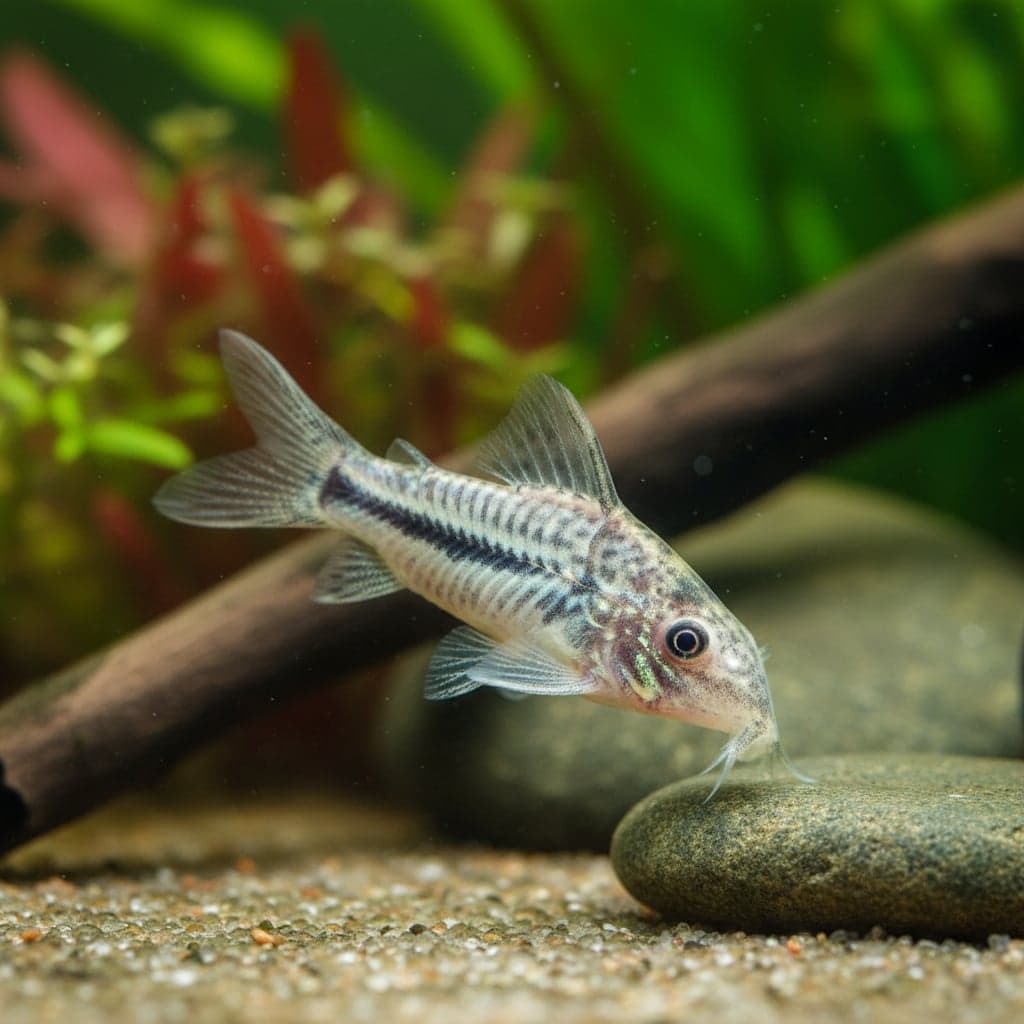
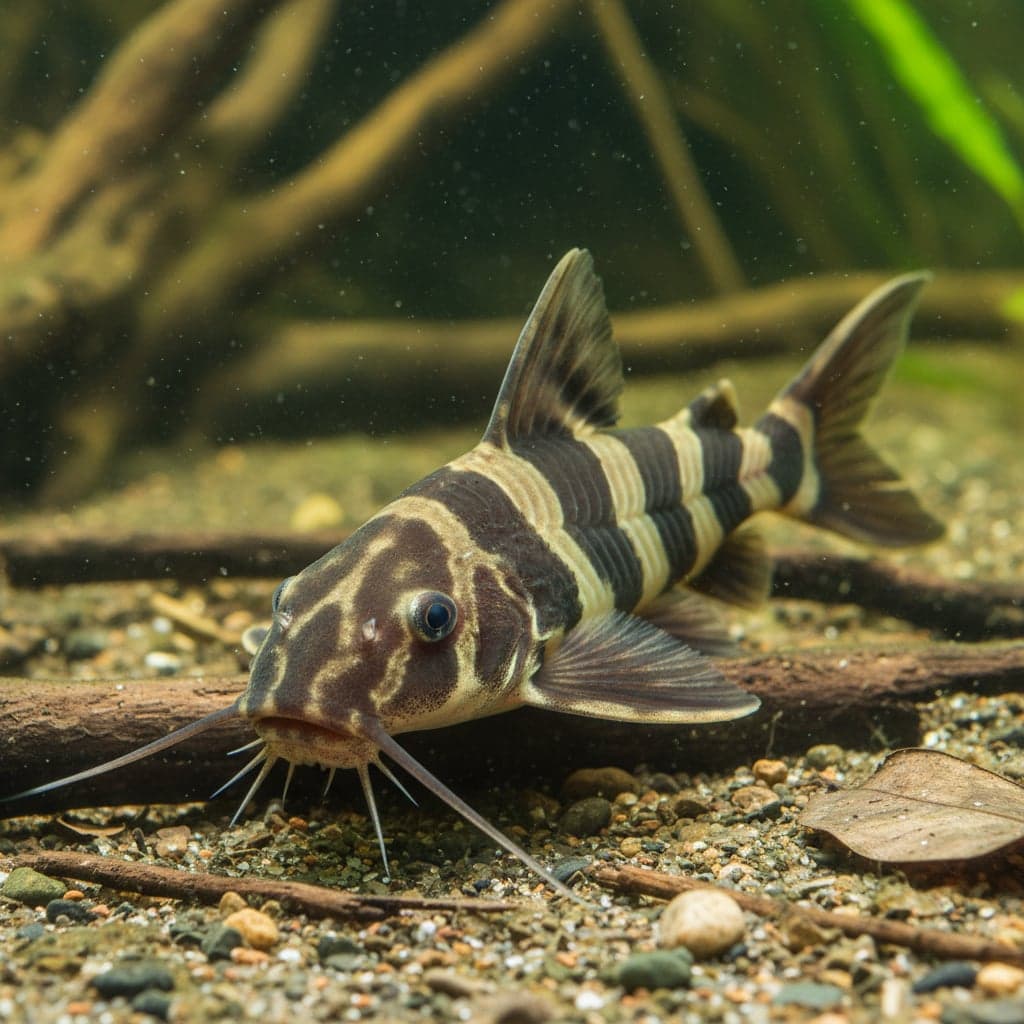
Undulatus Cory: Gastrodermus undulatus
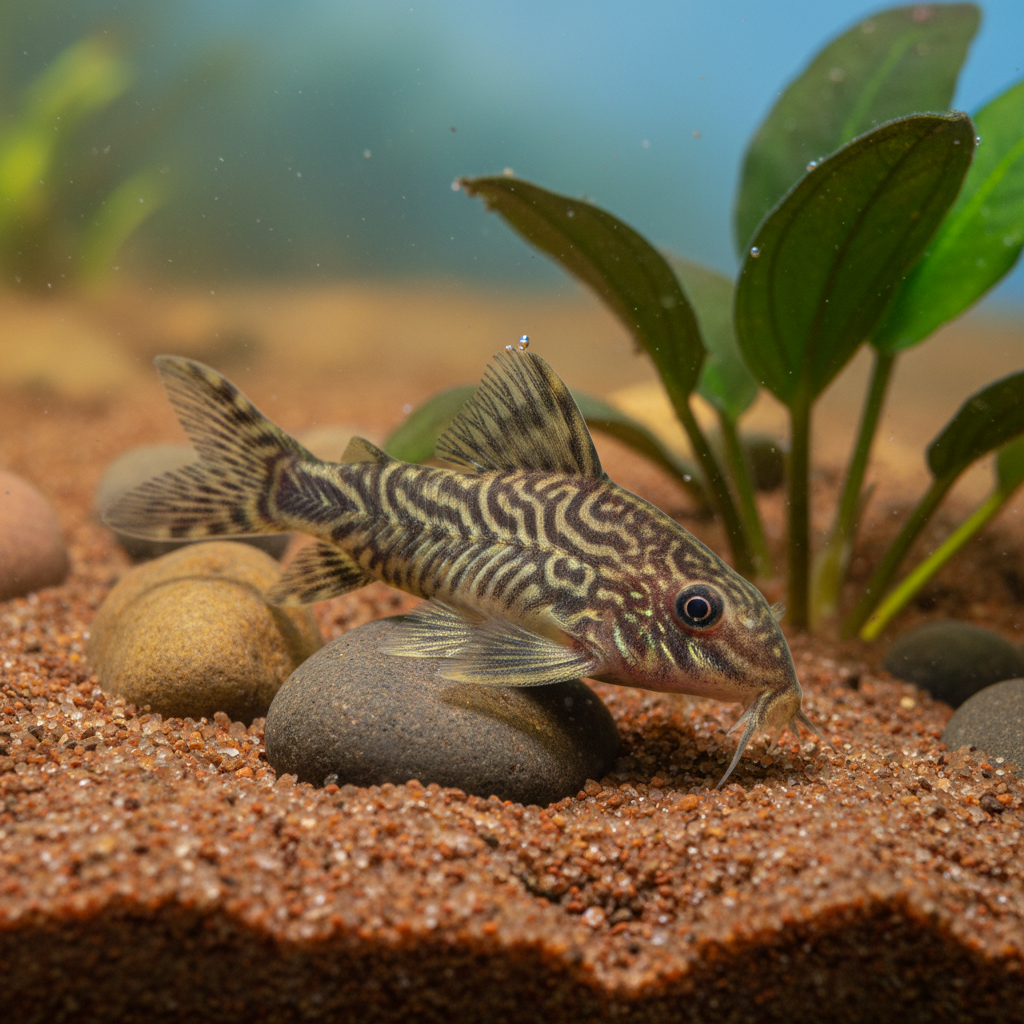
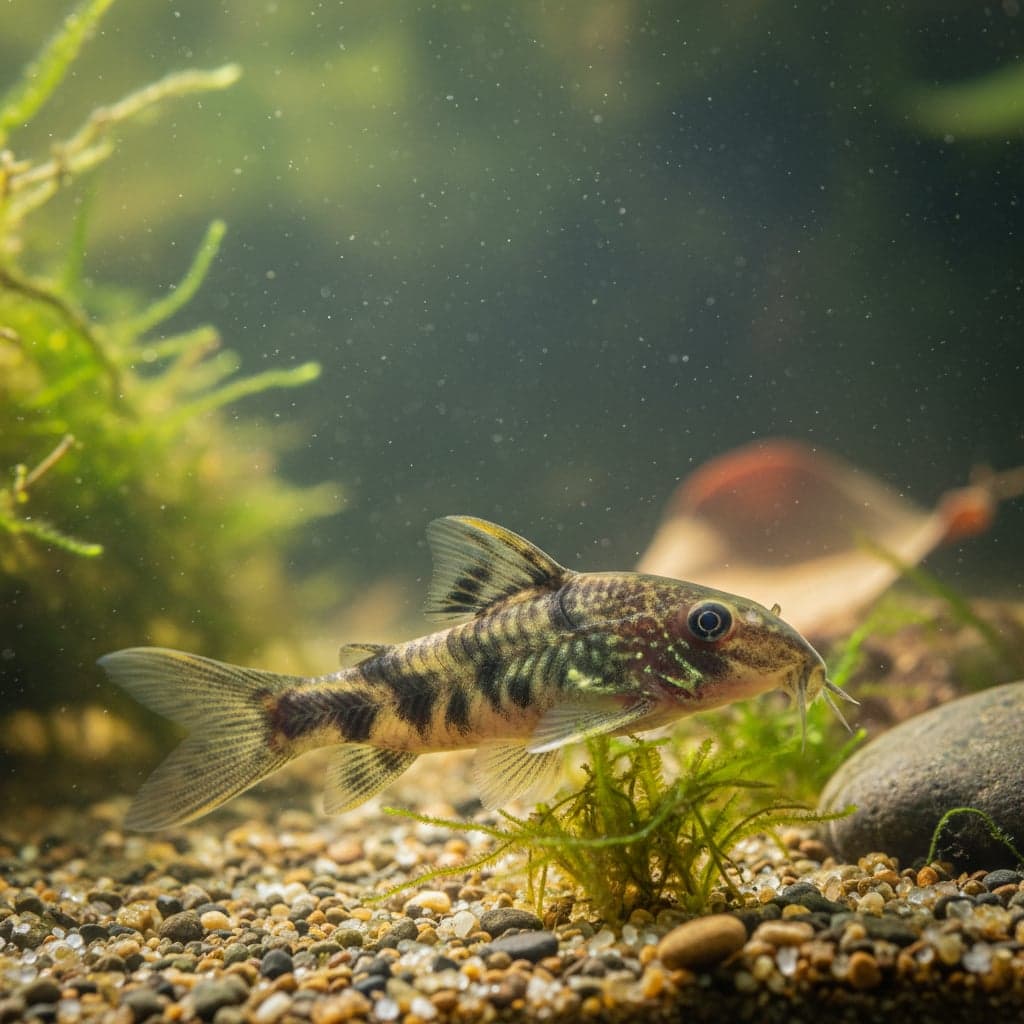
A 5cm Corydoras with a fine wavy pattern. Peaceful, needs smooth sand for its barbels and a group of six or more.
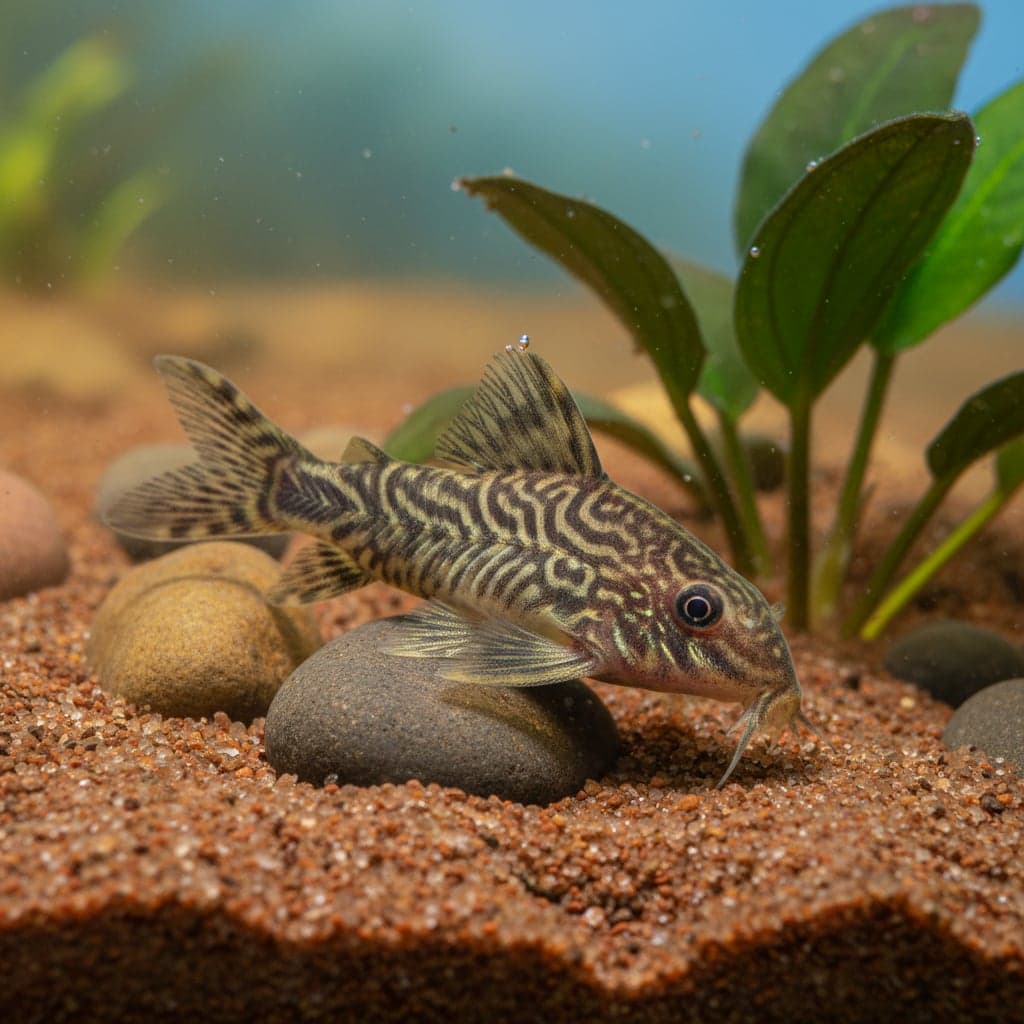
Undulatus Cory
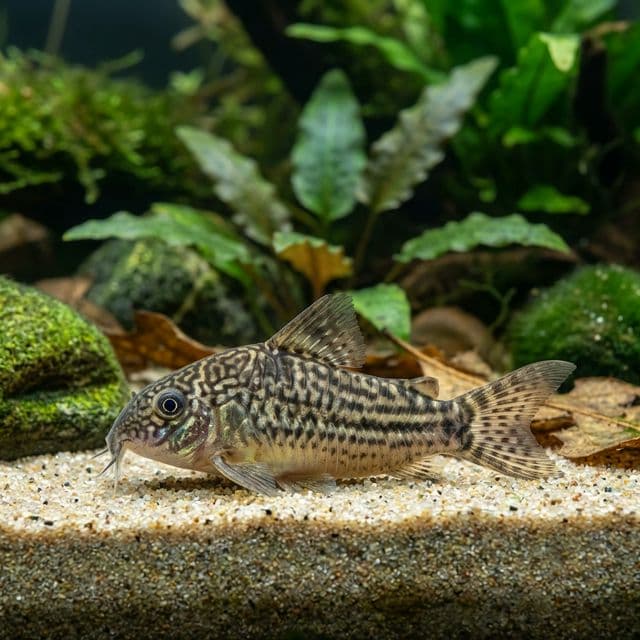
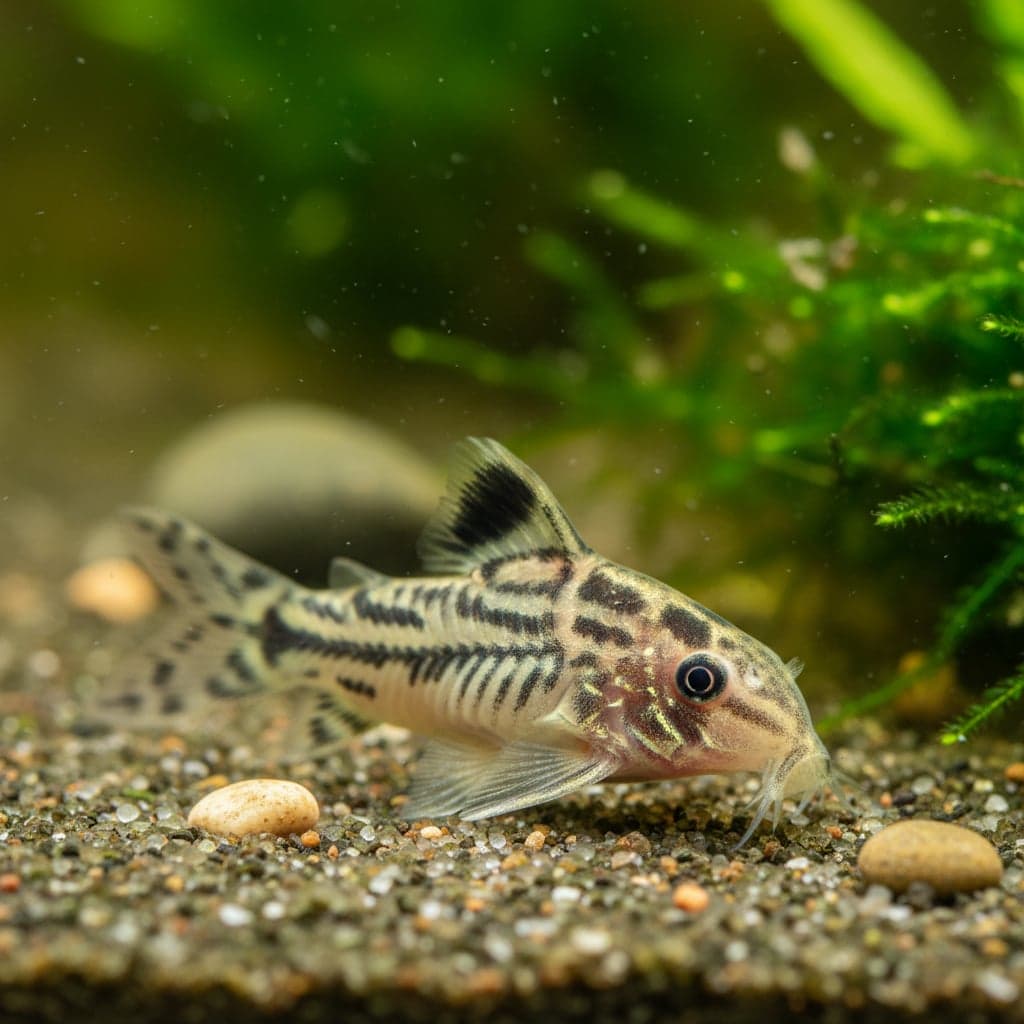
The Undulatus Cory, scientifically known as Gastrodermus undulatus, is a captivating species of freshwater fish sought after by aquarists for both its unique appearance and engaging behavior. These small catfish are characterized by their distinctive undulating patterns that span across their bodies, providing them with a striking visual appeal that enchants viewers. Their coloration typically showcases a combination of earthy tones, including shades of brown and black, accented by lighter spots or patterns reminiscent of rippling currents in their natural habitat. The Undulatus Cory is not only admired for its aesthetics but also holds a significant role in the aquarium hobby due to its peaceful demeanor and ease of care, making it an ideal choice for both novice and experienced aquarists alike.
In the realm of aquaristics, the Undulatus Cory stands as a symbol of biodiversity within freshwater ecosystems. Its presence adds value to community tanks, contributing to a well-rounded aquatic environment that promotes healthy interactions among species. Additionally, the Undulatus Cory is known for its role in maintaining clean substrates, as it sifts through detritus and uneaten food in its quest for sustenance. This not only underscores its ecological importance but also enhances its appeal to aquarists interested in creating self-sustaining aquascapes.
Natural Habitat & Origin
The Undulatus Cory originates from the slow-moving rivers and streams of South America, primarily found in regions of the Amazon Basin. These waters are typically characterized as clear or slightly turbid, with the substrate rich in organic matter, providing a perfect habitat for the Undulatus Cory, which thrives in environments with abundant hiding spots and gentle water flow. Natural habitats often feature dense vegetation alongside submerged wood and leaf litter, elements that not only serve as shelter for the fish but also help maintain water quality by breaking down organic matter. The warm waters of the Amazon, with temperatures usually ranging from 24°C to 28°C (75°F to 82°F), provide the ideal conditions for the Undulatus Cory’s survival and growth.
The natural habitat of the Undulatus Cory is often classified as a blackwater environment, rich in tannins and organic materials that lend a slightly acidic quality to the water. These conditions, which can lead to dimly lit waters teeming with microbial life, influence the behaviors and characteristics of the species. Understanding its natural habitat is crucial when recreating an aquarium environment that effectively meets the needs of this beautiful fish.
Care Requirements
To ensure optimal health for the Undulatus Cory, specific water parameters should be closely monitored. Ideally, the pH of the aquarium should range between 6.0 to 7.5, mimicking their natural acidic to neutral habitats. The temperature should be maintained at a comfortable range of 24°C to 28°C (75°F to 82°F), with a water hardness of 2-15 dGH, accommodating the softer waters they are accustomed to.
When setting up a tank for the Undulatus Cory, a minimum tank size of 20 gallons is recommended, particularly if they are to live in groups, as they are social creatures that prefer to be in schools. A soft substrate, such as fine sand or smooth gravel, is essential to allow for natural behavior, as these fish often sift through the substrate for food. Furthermore, low to moderate lighting is advisable, as these fish prefer dimly lit environments. Incorporating plenty of plants, driftwood, and hiding spots in the aquarium setup will help simulate their natural habitat and provide security, reducing stress levels.
Diet & Feeding
The Undulatus Cory is an omnivorous species that thrives on a diverse diet. In captivity, it is important to provide a variety of foods to promote optimal health and vibrancy. High-quality sinking pellets and flakes designed for bottom-feeding fish are ideal staples for their diet. Additionally, supplementing their meals with frozen or live foods such as brine shrimp, daphnia, and blood worms can enhance their nutritional intake and stimulate natural hunting behaviors.
Feeding should occur once or twice daily, with small amounts that can be consumed within a few minutes to prevent overfeeding and maintain water quality. Offering a mix of nutritional options will not only support the well-being of the Undulatus Cory but also keep them active and lively in the aquarium, displaying their typical behaviors as they forage for food.
Behavior & Temperament
Undulatus Corys are known for their peaceful and sociable nature, making them a delightful addition to community tanks. These fish tend to exhibit schooling behavior, often grouping together in small pods of six or more, which provides them with a sense of security and enhances their social interactions. While they are not aggressive towards other species, their gentle demeanor allows them to thrive in diverse aquascapes alongside similarly peaceful fish.
In terms of vertical placement within the aquarium, the Undulatus Cory primarily occupies the bottom layers, frequently foraging through the substrate for food while occasionally darting to mid-water to investigate or socialize. Their intriguing behaviors, coupled with their non-aggressive temperament, contribute to their captivating presence in any, well-balanced community aquarium.
Tank Mates
Due to their peaceful nature, the Undulatus Cory can coexist harmoniously with several species in a community tank, provided the tank mates share similar water requirements and temperaments. Ideal companions include other small, non-aggressive fish such as Neon Tetras, Rasboras, and Guppies, along with other Corydoras species. They can also thrive with small invertebrates, including shrimp like Cherry Shrimp or Amano Shrimp.
However, caution should be exercised when selecting tank mates to avoid aggressive or territorial species that may pose a threat to the Undulatus Cory. Fish such as Betta, large Cichlids, and aggressive barbs should be avoided, as their behaviors could lead to stress or injury for the peaceful Undulatus Cory. A well-thought-out selection of tank mates can highlight the Undulatus Cory's charm while creating a peaceful, thriving community.
Breeding
Breeding the Undulatus Cory in captivity can be an exciting venture, albeit requiring specific conditions to encourage successful spawning. To initiate breeding behavior, it is crucial to maintain optimal water conditions, with slightly cooler water temperatures (about 22°C to 24°C or 72°F to 75°F) and a pH level on the lower side of their range. A separate breeding tank with dense vegetation or spawning mops can help protect the eggs once laid.
During the breeding process, the male will court the female, often engaging in a series of displays, including chasing and nudging. Once ready, the female will lay numerous adhesive eggs on flat surfaces like leaves or aquarium decorations. After spawning, it is advisable to remove the adult fish from the breeding tank to prevent them from consuming the eggs. The eggs usually hatch within 3 to 5 days, and the fry can be fed with infusoria or powdered fry food until they are large enough to consume crushed flakes or finely ground pellets.
Common Health Issues
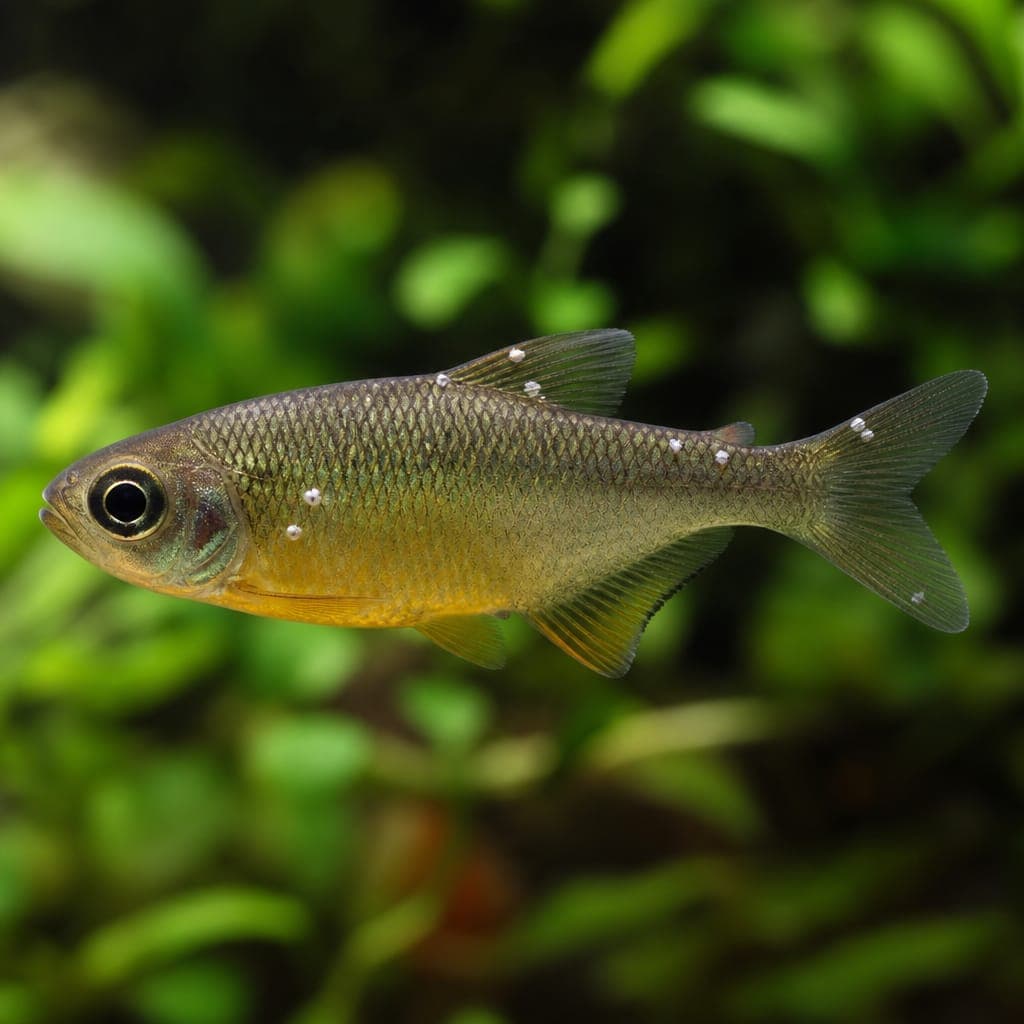
Though generally hardy, the Undulatus Cory may be susceptible to certain health issues, particularly when water conditions are not properly maintained. Common ailments include Ich (White Spot Disease), Fin Rot, and bacterial infections. To prevent these health problems, it is vital to maintain excellent water quality through regular water changes, gentle filtration, and a smooth sandy substrate that protects their sensitive barbels. Quarantine newcomers, avoid sharp gravel, and never leave uneaten food to foul the bottom. Watch for white spots, clamped fins, eroded barbels, or flashing, and treat promptly with aquarium-safe medications. A group of six or more, varied sinking foods, and stable soft-to-neutral parameters keep Undulatus Corys active, social bottom dwellers for years.