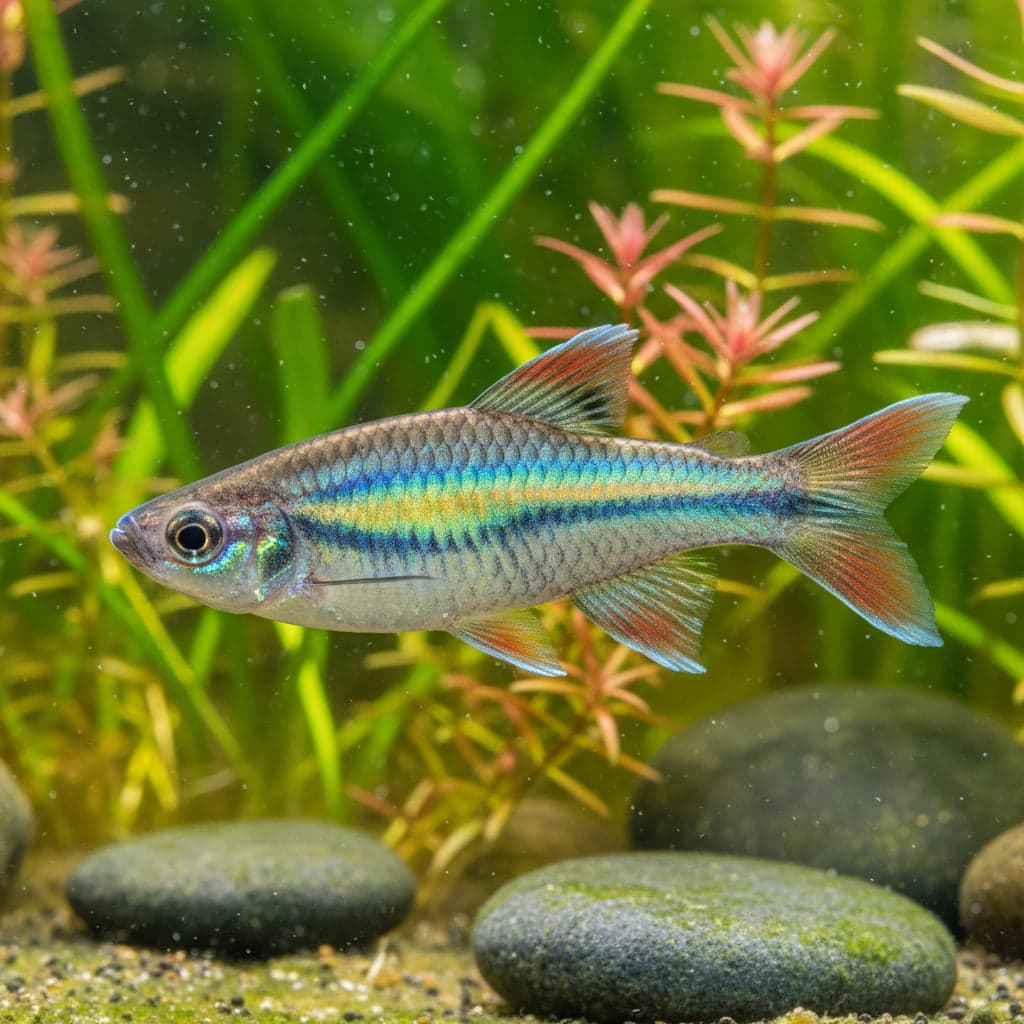
Violet Dragon Goby: Gobioides peruanus
A 60cm brackish goby that looks fearsome and filters sand for tiny food. Needs brackish water, deep sand and a long tank.

Violet Dragon Goby
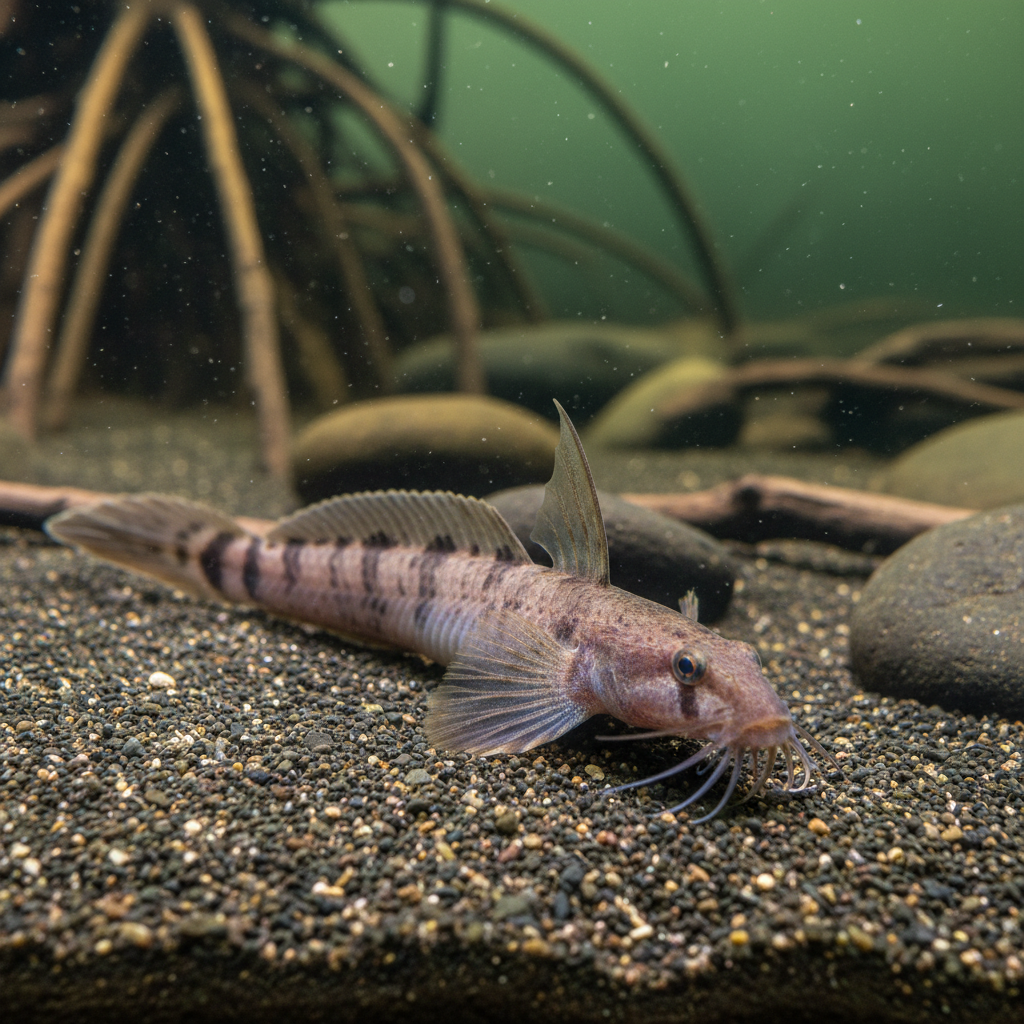
The Violet Dragon Goby, scientifically known as Gobioides peruanus, is a captivating species that has gained popularity among aquarists due to its striking appearance and unique behavioral traits. Characterized by its elongated, ribbon-like body, which can reach lengths of up to 12 inches, this goby features a dazzling array of vibrant colors, including iridescent blues and purples that shimmer as it swims. Its large dorsal fin and elongated pectoral fins add to its charm, giving it a distinct silhouette that stands out in any aquarium setting. The Violet Dragon Goby's striking appearance makes it not only an attractive focal point but also a fascinating subject for observation, especially as it employs its specialized burrowing adaptations to navigate its environment.
In addition to its visual appeal, the Violet Dragon Goby holds significant importance in the aquarium hobby, often symbolizing the allure of exotic fishkeeping. As a bottom-dwelling species, it fills a niche that is both aesthetically pleasing and ecologically relevant. Enthusiasts appreciate the Violet Dragon Goby for its unique behaviors, such as burrowing and sifting through substrate, which contribute to the dynamic ecosystem of a well-planned aquarium. Moreover, its relatively hardy nature and adaptability to various water conditions make it an enticing choice for both novice and experienced aquarists looking to enhance their aquascapes.
Natural Habitat & Origin
The Violet Dragon Goby hails from the coastal waters of Peru, primarily inhabiting estuarine environments where fresh and saltwater mix. These habitats typically include muddy and sandy substrates, filled with abundant organic debris, mangroves, and dense vegetation. The fish is commonly found in brackish waters, characterized by their lower salinity levels compared to the ocean but higher than freshwater, with typical salinity fluctuating between 1 to 15 ppt. The murky, dark environments of its natural habitat often feature blackwater rivers, which influence the coloration and behavioral patterns of the Violet Dragon Goby.
The surrounding environmental context of the Violet Dragon Goby's habitat influences its care requirements in captivity. The presence of submerged root systems, aquatic plants, and decaying leaf litter creates a rich ecosystem that needs to be mimicked to ensure the health and well-being of this species. This fish thrives in environments that provide ample hiding spots and burrowing areas, reflecting the natural conditions that shape its behavior and temperament.
Care Requirements
When caring for the Violet Dragon Goby, it is crucial to replicate its natural habitat as closely as possible. The ideal tank size for this species is a minimum of 50 gallons, as they require ample swimming space and room to establish their territories. The substrate should consist of soft sand or fine gravel, allowing the fish to comfortably burrow. Proper filtration is necessary to maintain water quality, as these gobies prefer a well-aerated environment. Water parameters should ideally include a pH range of 6.5 to 7.5, a temperature range of 72-80°F (22-27°C), and moderate hardness between 5-15 dGH.
Lighting conditions should be subdued rather than bright, as the Violet Dragon Goby typically inhabits shadowy spots in its natural habitat. Incorporating live plants, driftwood, and decorations can provide the hiding spots and complex structures this fish needs for a stress-free environment. The tank should also have a secure lid, as these gobies are known to be excellent jumpers.
Diet & Feeding
The Violet Dragon Goby is classified as an omnivore, which means it thrives on a varied diet that includes both plant-based and protein-rich foods. In captivity, they can be fed a mix of high-quality pellets, flakes, and frozen foods such as bloodworms, brine shrimp, and daphnia. Additionally, offering occasional live foods can stimulate their natural hunting instincts and contribute to their overall health. It is essential to ensure that the diet is balanced and nutritious, incorporating vegetable matter to accommodate their omnivorous tendencies. Feeding small amounts several times a day rather than one large meal can help mimic their natural feeding patterns and prevent overfeeding.
Care should be taken to monitor the diet for any specific preferences, as individual fish may have unique tastes. Additionally, ensuring that food reaches the bottom where they prefer to feed is crucial, as some higher-swimming foods may not be accessible to them.
Behavior & Temperament
The Violet Dragon Goby exhibits a generally peaceful demeanor but can have territorial tendencies, especially during breeding periods. These fish are not schooling species; they prefer to inhabit their territories along the substrate where they can dig and hide. While they may not require companions to thrive, it is important to provide ample space and structure within the tank to reduce potential aggression. Additionally, placing them vertically in the tank—near the bottom—will allow them to feel secure in their environment.
Interestingly, the Violet Dragon Goby is a social fish that can benefit from the company of non-aggressive tank mates. They exhibit natural curiosity and intelligence, often interacting with their environment and may display playful behaviors, which can be captivating to watch.
Tank Mates
When selecting tank mates for the Violet Dragon Goby, it's vital to choose species that will not pose a threat or overshadow their unique temperament. Compatible tank mates include various peaceful species such as:
- Tetras (e.g., Neon Tetra, Rummy Nose Tetra)
- Corydoras Catfish
- Otocinclus
- Small Shrimp (e.g., Cherry Shrimp)
- Other Brackish Water Fish (ensure they are peaceful)
Species to avoid include larger, aggressive fish that may scare or bully the Violet Dragon Goby, such as:
- Cichlids
- Larger Barbs
- Aggressive Catfish
- Predatory Fish (e.g., larger Gouramis)
It's also advisable to avoid keeping them with fish that swim predominantly at the top of the tank to prevent stress or competition for food.
Breeding
Breeding the Violet Dragon Goby in captivity can be a rewarding experience, though it requires specific conditions to facilitate successful spawning. These fish typically spawn during the rainy season in their natural habitat, which involves changes in water conditions. To encourage breeding, keep the water temperature between 75-79°F (24-26°C) and lower the pH slightly to mimic their natural breeding environment. Providing plenty of hiding spots and a soft substrate will help create a suitable space for spawning.
During the breeding process, the female will lay her eggs in a secure location, often burying them within the substrate. Males are known to display aggressive posturing to protect the nesting area and will fan the eggs to ensure proper oxygenation. Once the eggs hatch, it's crucial to provide suitable care for the fry, offering finely crushed foods or live foods such as infusoria until they grow large enough to consume larger particles.
Common Health Issues
The Violet Dragon Goby is generally hardy but can be prone to a few health issues, the most common being ich, fin rot, and various bacterial infections. Maintaining optimal water quality through regular testing, weekly water changes, and proper filtration is essential to prevent these ailments.
Adding a suitable aquarium salt at recommended dosages can help with osmoregulation and act as a preventive measure against parasites. Observing the fish regularly will assist in early detection of any potential issues, allowing for prompt treatment. Keeping the tank clean with regular water changes and a secure lid further reduces stress and disease risk. Stable salinity when kept brackish, good aeration, and a soft burrowing substrate go a long way toward keeping this goby healthy long-term.