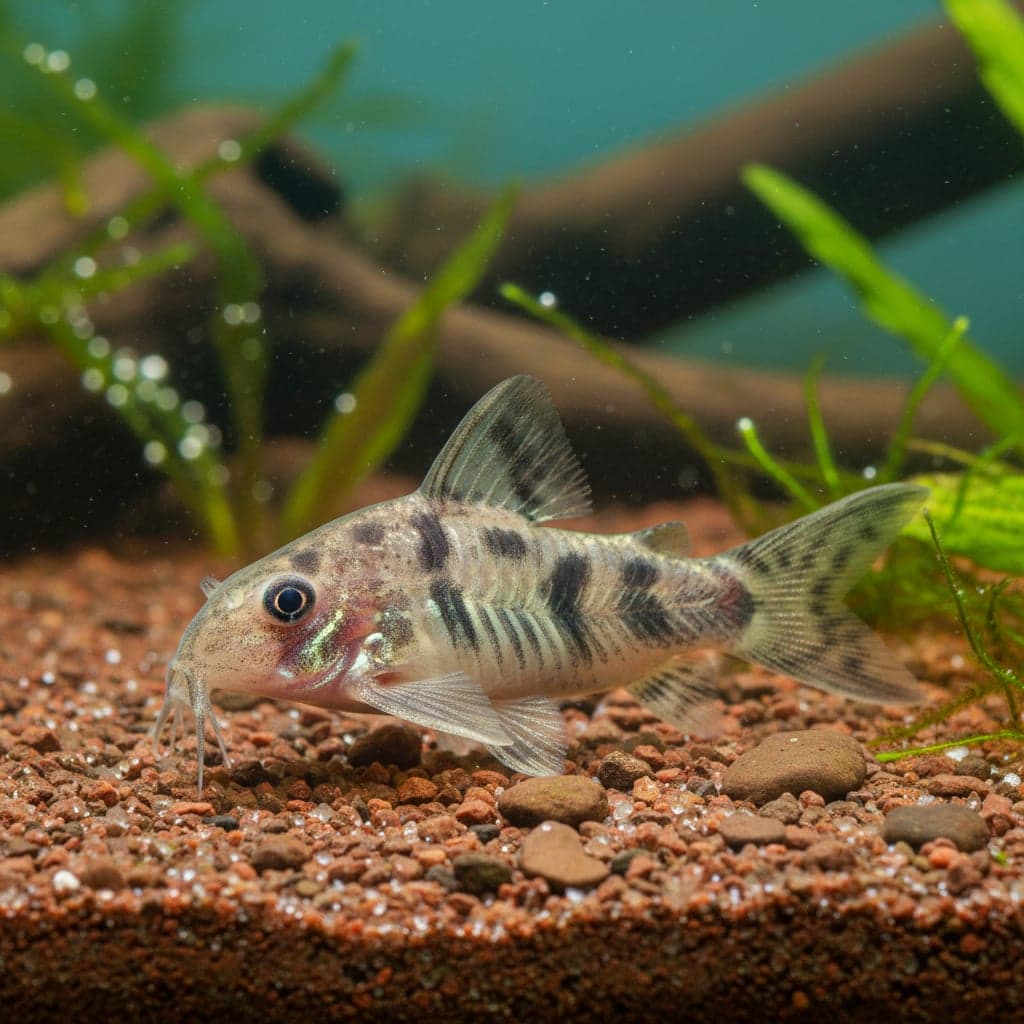
Whiptail Catfish: Rineloricaria parva
A 12cm slender whiptail that grazes algae and biofilm. Peaceful, and it needs sand, driftwood and unhurried tank mates.
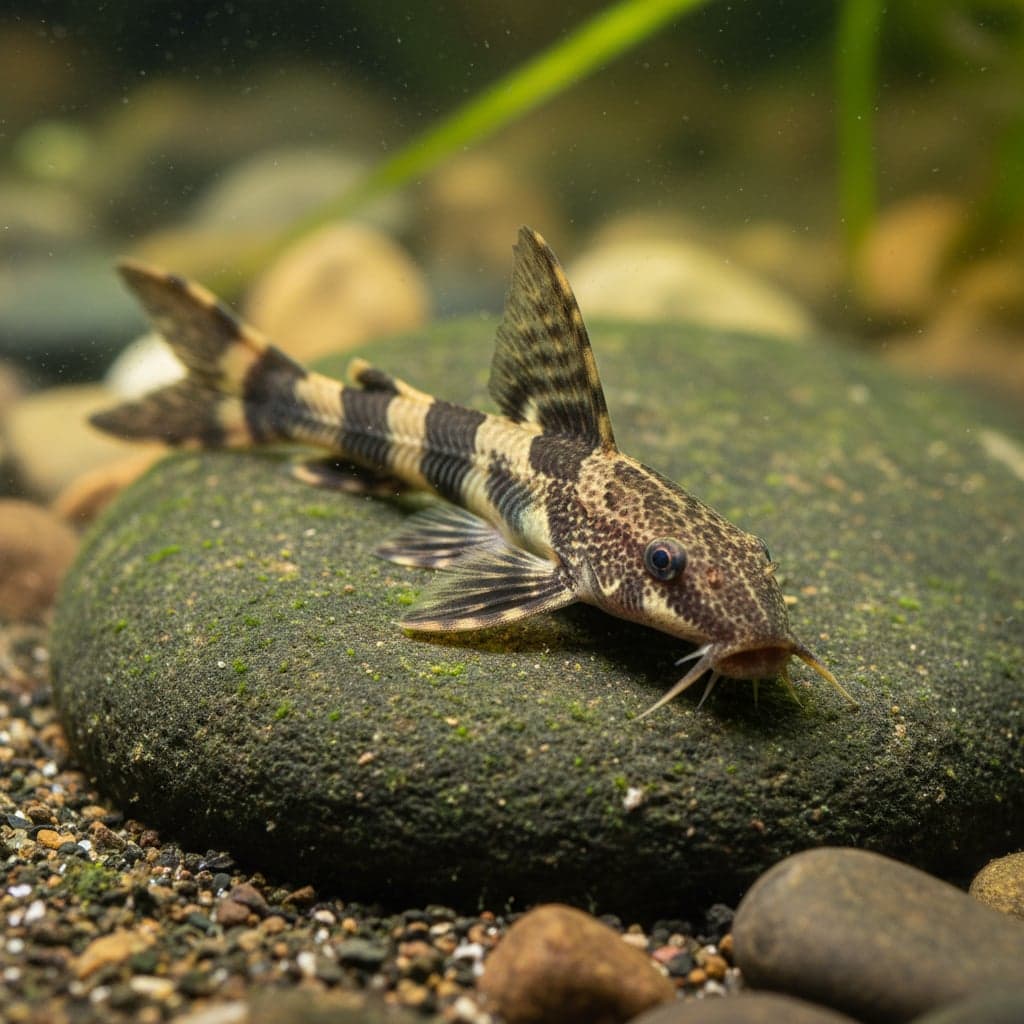
Whiptail Catfish
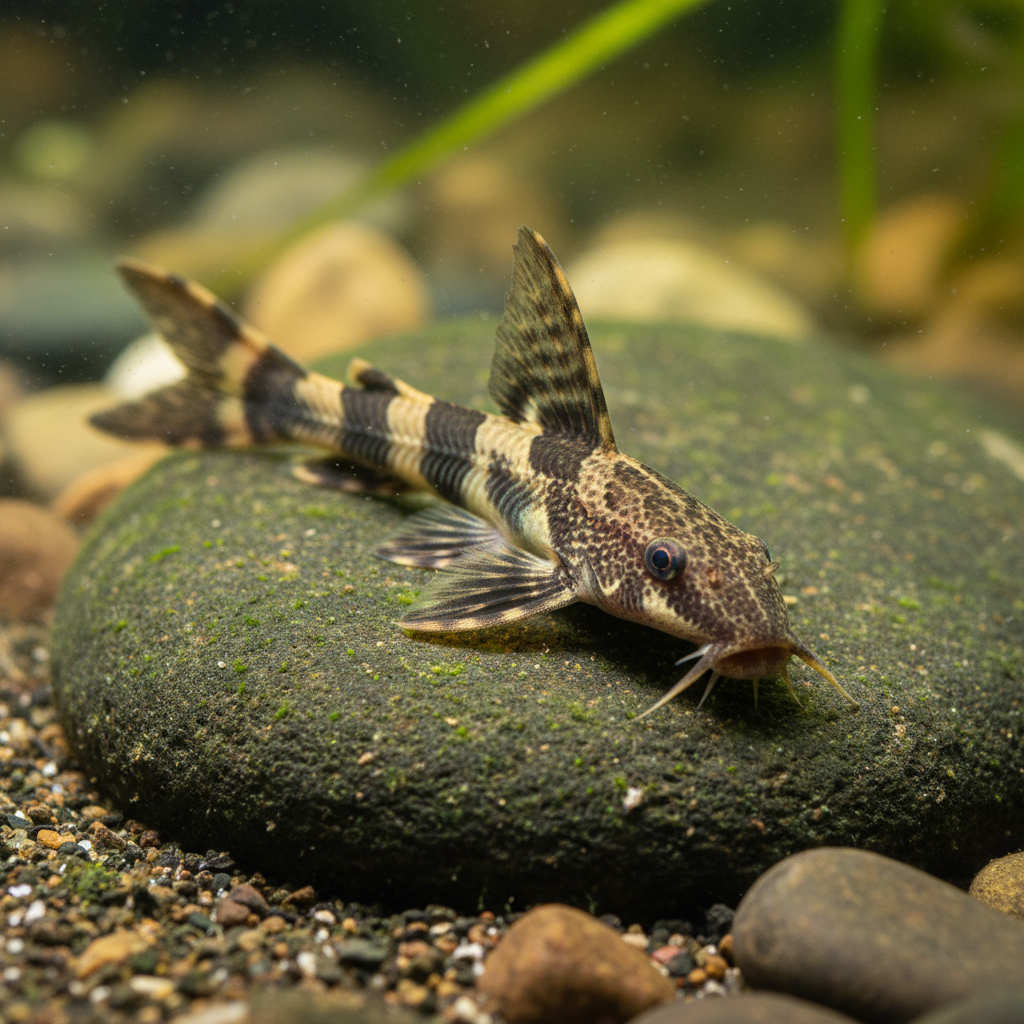
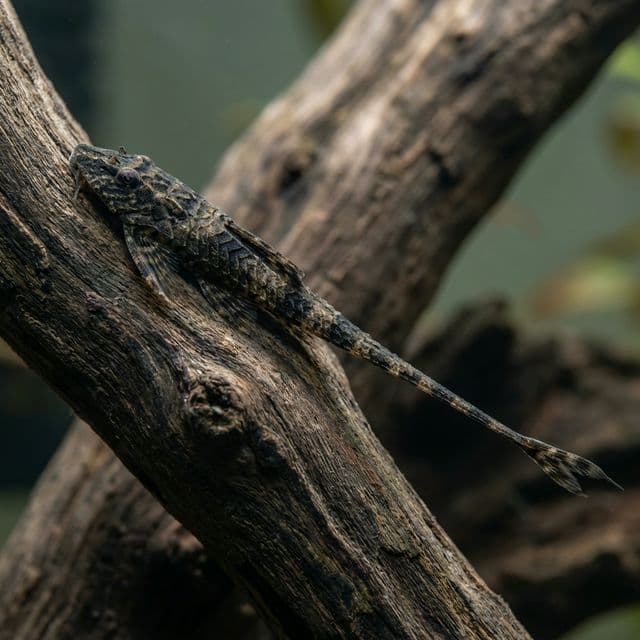
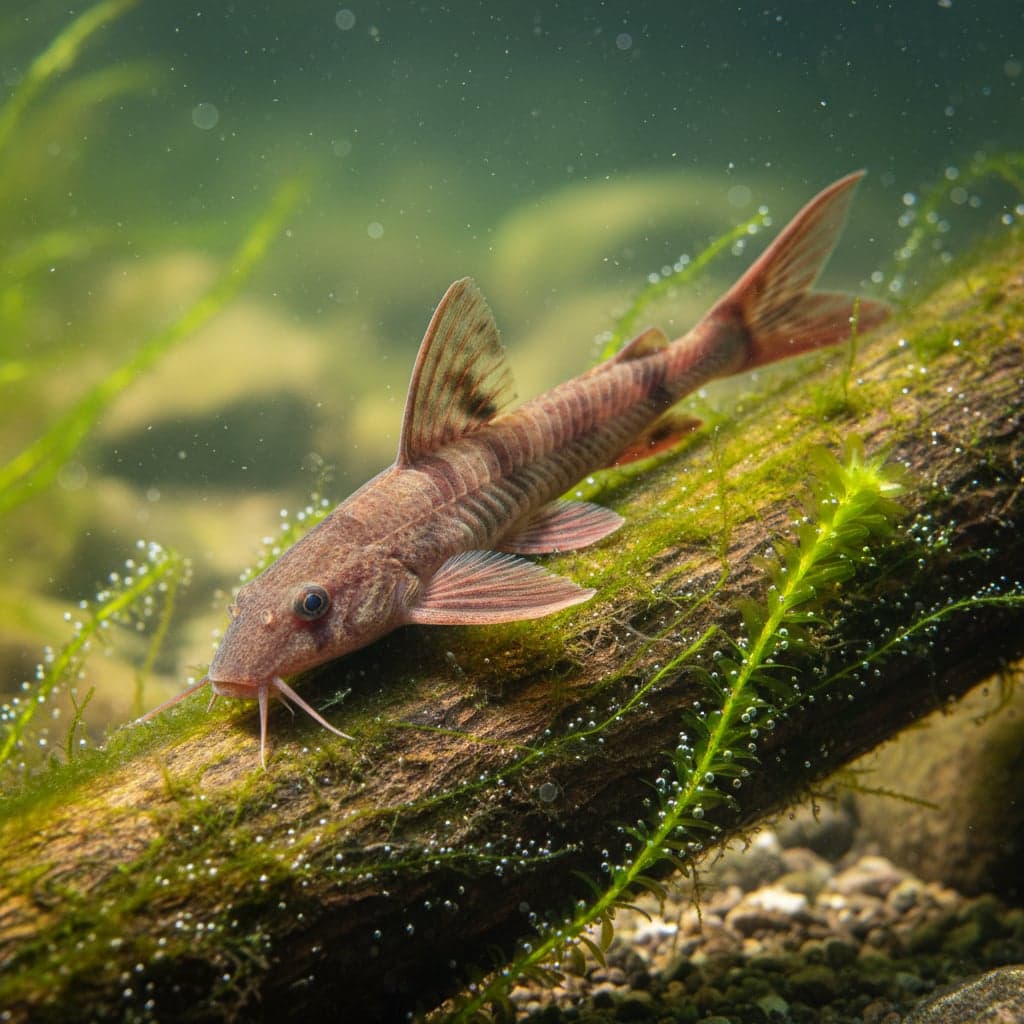
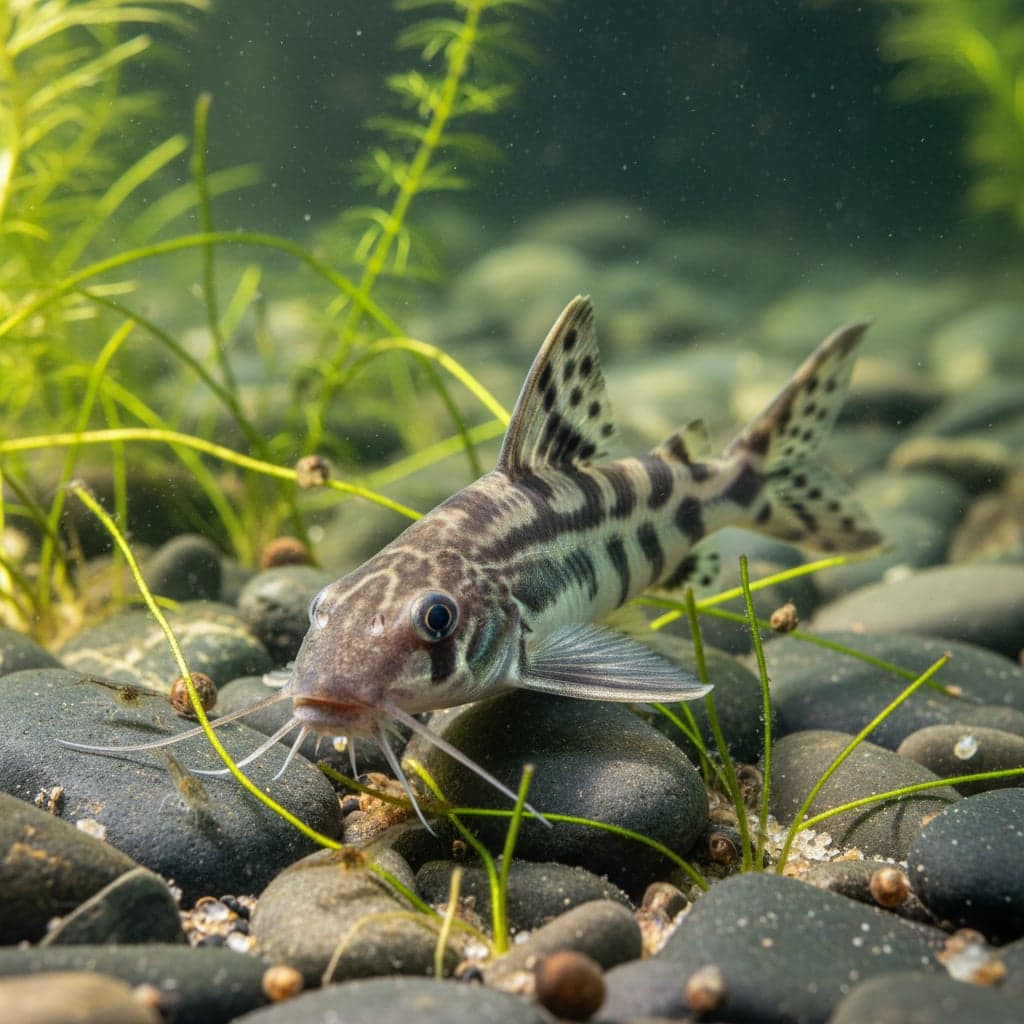
The Whiptail Catfish, scientifically known as Rineloricaria parva, is a fascinating species that captivates aquarium enthusiasts with its unique appearance and gentle demeanor. With an elongated, slender body adorned in a subtle palette of browns and greens, this species has a distinctively flattened bottom that allows it to blend seamlessly into its surroundings. The striking feature of the Whiptail Catfish is its long, whip-like tail, which gives the fish its name. This distinctive morphology not only serves an aesthetic purpose but also aids in its navigation through its natural habitat.
In the fishkeeping community, the Whiptail Catfish is valued for its algae-eating capabilities, making it a beneficial addition to community tanks. Its peaceful temperament and compatibility with a broad selection of tank mates contribute to its popularity among aquarists. Beyond its visual appeal and behavior, the Whiptail Catfish serves as an indicator species for the overall health of freshwater ecosystems, shedding light on the quality of water and environmental conditions in which it thrives. This significance emphasizes the delicate balance between maintaining biodiversity and responsible aquarium keeping.
Natural Habitat & Origin
The Whiptail Catfish hails from the slow-moving rivers and tributaries of South America, primarily found in regions like the Amazon Basin in Brazil and Peru. This fish is typically associated with blackwater and clearwater bodies, which provide a low pH and soft water environment, rich in organic materials. These habitats often feature dense vegetation, providing shelter and foraging grounds for the Whiptail Catfish. The presence of submerged wood and leaf litter is also a crucial aspect of their natural environment, offering not only protection from predators but also a natural source of food.
In addition to water parameters, the significance of environmental context cannot be underestimated. The organic debris in the wild serves as a source of biofilm, a primary food source for many bottom-dwelling fish. This connection to its natural habitat is essential for aquarists to replicate the right conditions in captivity, ensuring the wellbeing of the Whiptail Catfish and fostering a thriving aquarium ecosystem.
Care Requirements
To successfully keep Whiptail Catfish in an aquarium, it’s important to replicate their natural habitat as closely as possible. Ideal water parameters include a pH range of 6.0 to 7.5, a temperature between 75°F to 82°F (24°C to 28°C), and soft to moderately hard water with a hardness of 5 to 15 dKH. A minimum tank size of 20 gallons is recommended to provide ample swimming space, as well as plenty of hiding spots. When setting up the tank, opt for a soft substrate like sand or fine gravel to protect their delicate underbellies.
In terms of lighting, these fish prefer subdued conditions, making low to moderate lighting the best choice. Incorporating live plants, driftwood, and rocks will not only enhance the aesthetic appeal of the aquarium but will also furnish the Whiptail Catfish with essential hiding places and foraging areas, mimicking their natural environment effectively.
Diet & Feeding
The Whiptail Catfish is an omnivorous species known for its algae-eating capabilities. In the aquarium, this fish will benefit from a varied diet that includes high-quality sinking pellets, premium flakes, frozen foods, and occasional live food such as bloodworms or brine shrimp. Due to their natural foraging habits, it is beneficial to include vegetable-based foods like blanched zucchini or cucumber slices to provide essential nutrients and promote healthy growth.
To maintain optimal health, it’s advisable to feed Whiptail Catfish multiple small meals throughout the day rather than one large feeding, ensuring they receive adequate nutrition while preventing overfeeding and water quality issues.
Behavior & Temperament
Whiptail Catfish are known for their peaceful and docile nature, making them suitable for community tanks with non-aggressive species. They exhibit social behavior and are often seen interacting with their surroundings and other tank mates. However, it is essential to note that while they are not overly aggressive, they do prefer to establish a territory, particularly when they feel threatened or during breeding times.
Whiptail Catfish tend to occupy the middle to bottom regions of the aquarium, often utilizing vertical placements like driftwood or tall plants to feel secure. While they do not require schooling, keeping them in groups of three or more individuals can help reduce stress and encourage natural behaviors.
Tank Mates
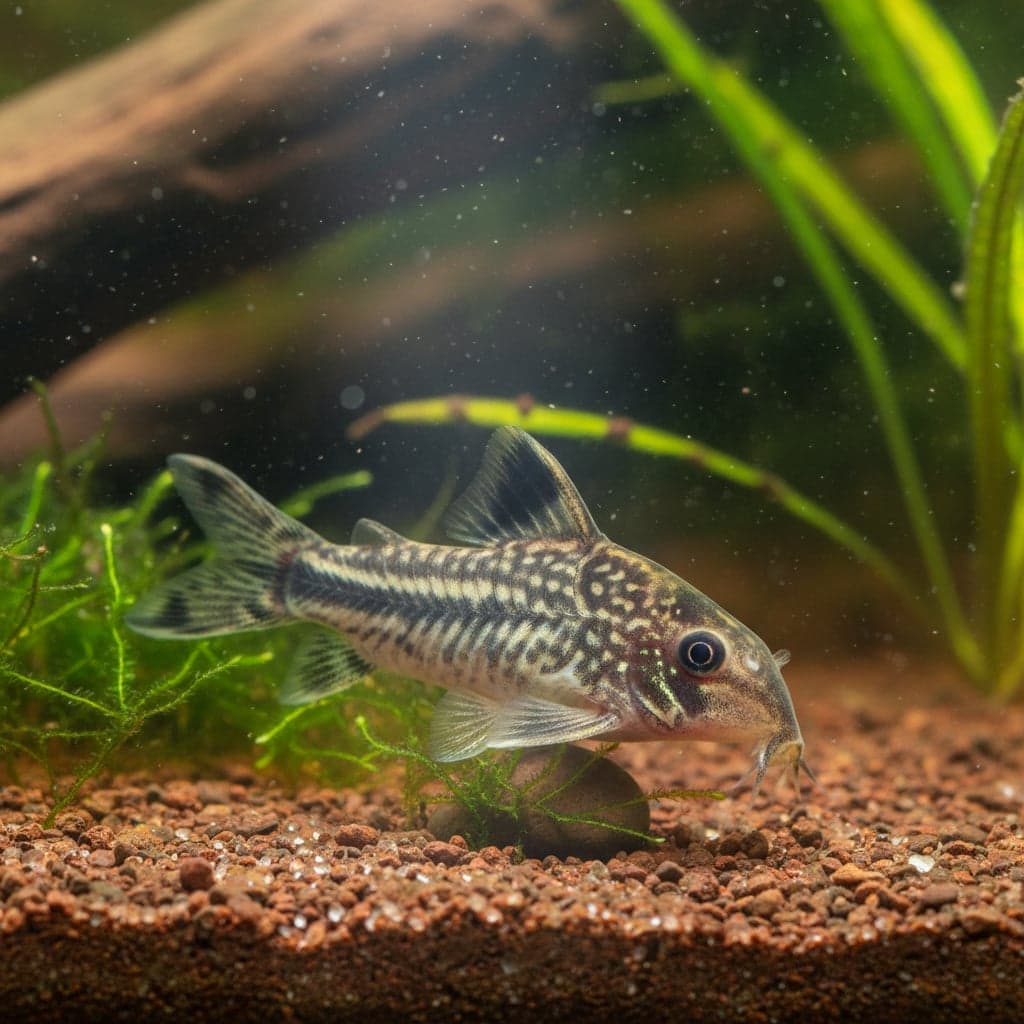
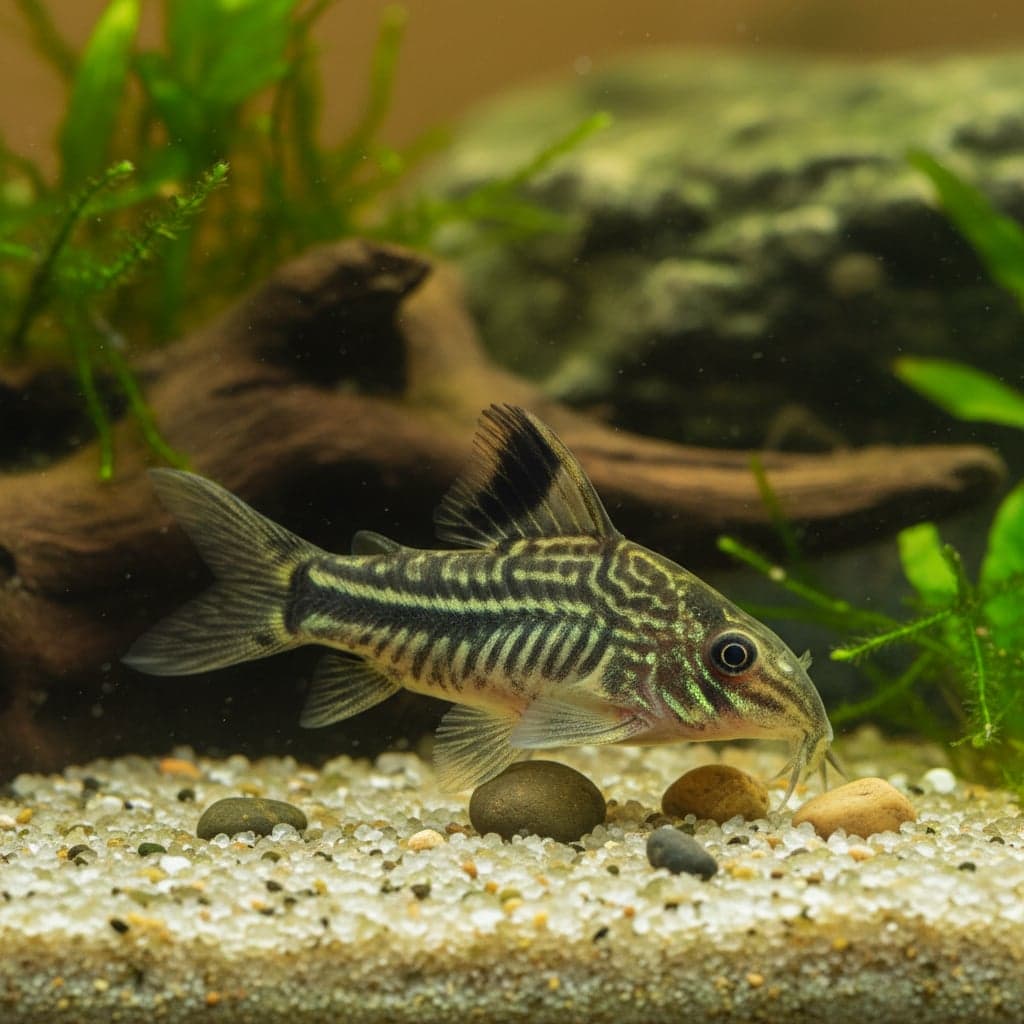
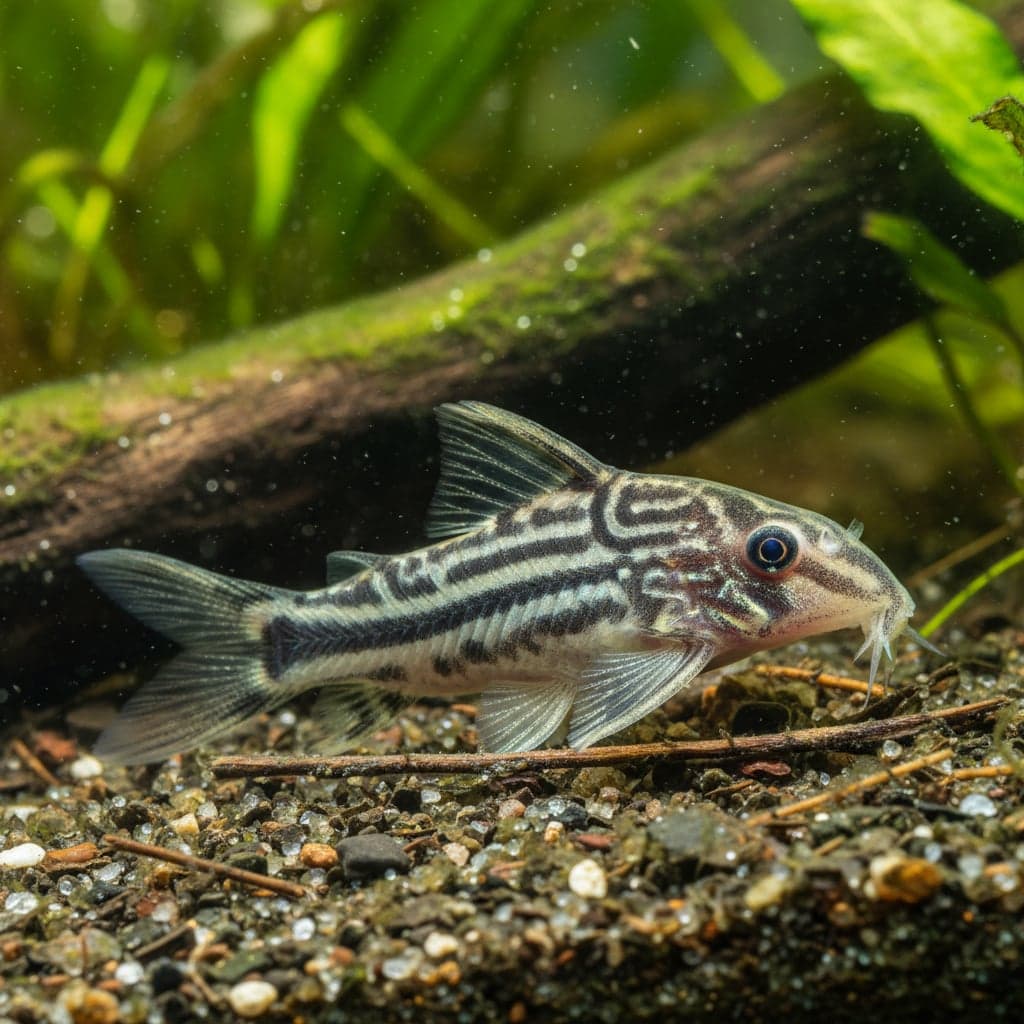
When considering tank mates for the Whiptail Catfish, it's crucial to select peaceful community fish that thrive in similar conditions. Compatible species include Tetras, Rasboras, Corydoras Catfish, and peaceful Gouramis. Avoid including aggressive or territorial species, such as Cichlids or larger Barbs, as these can cause undue stress or competition for resources.
Additionally, since the Whiptail Catfish spends time on the substrate, it’s advisable to avoid tank mates known for bottom-dwelling behaviors that may compete for space and food, such as large Plecos or other bottom-dwelling carnivores. A harmonious community tank will enhance the wellbeing of the Whiptail Catfish while allowing other species to thrive.
Breeding
Breeding Whiptail Catfish in captivity can be a rewarding endeavor, though it does require specific conditions to be successful. To encourage spawning behavior, provide a separate breeding tank with gentle water flow and hiding spots created by using flattened stones or driftwood. The water temperature should be slightly elevated to around 78°F (26°C), and a pH in the range of 6.5 to 7.0 is preferable.
During spawning, the female will lay her eggs on the chosen surface, and the male will then fertilize them. The male Whiptail Catfish takes on the responsibility of guarding the eggs, which will hatch within a few days. After hatching, the fry should be fed infusoria or finely crushed flakes until they are large enough to eat larger foods. Creating optimal conditions for breeding not only allows for propagation of the species but also adds a thrilling aspect to the aquarist's experience.
Common Health Issues
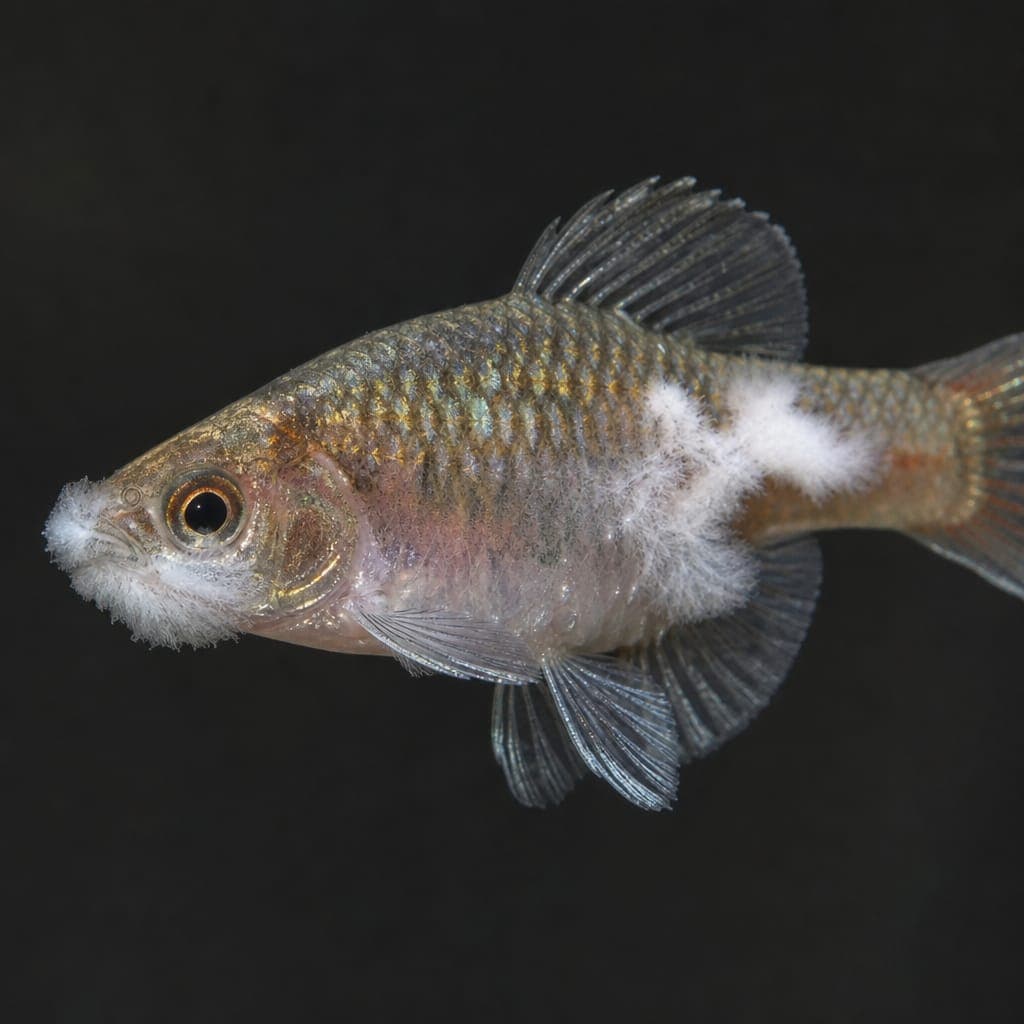
Whiptail Catfish generally enjoy good health, but they can be susceptible to common freshwater diseases such as ich, fin rot, and body fungus, especially in poorly maintained aquariums. Maintaining quality water parameters through effective filtration and regular water changes is critical for illness prevention. Additionally, it's essential to manage stress levels by providing hiding spots, ensuring they are not kept with overly aggressive tank mates, and feeding them a balanced diet.
A regular observation regime will aid in the early detection of health issues, enabling effective treatment before they escalate. Quarantine new fish before introducing them into the main tank to minimize the risk of disease transmission. By adhering to these preventive measures, you can ensure that your Whiptail Catfish remains a healthy and vibrant addition to your aquarium.