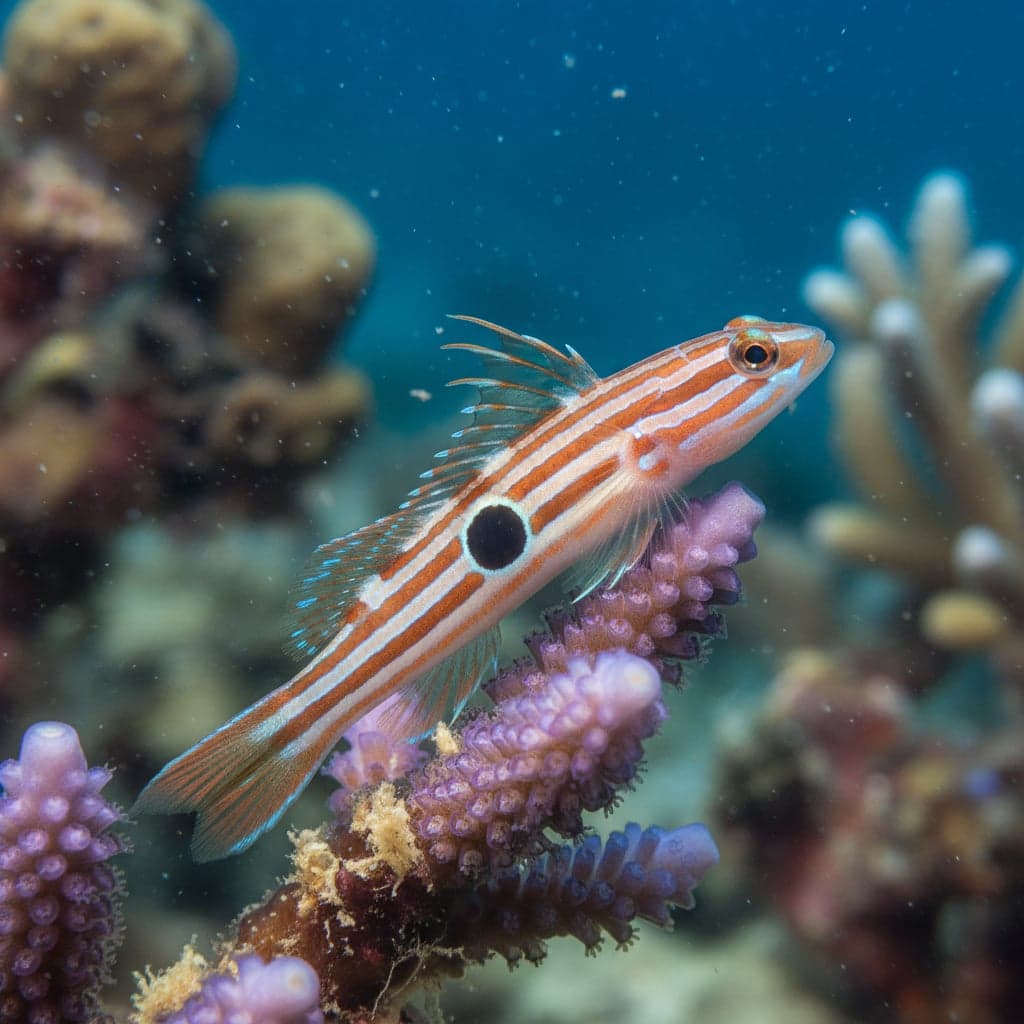
White Tiger Goby
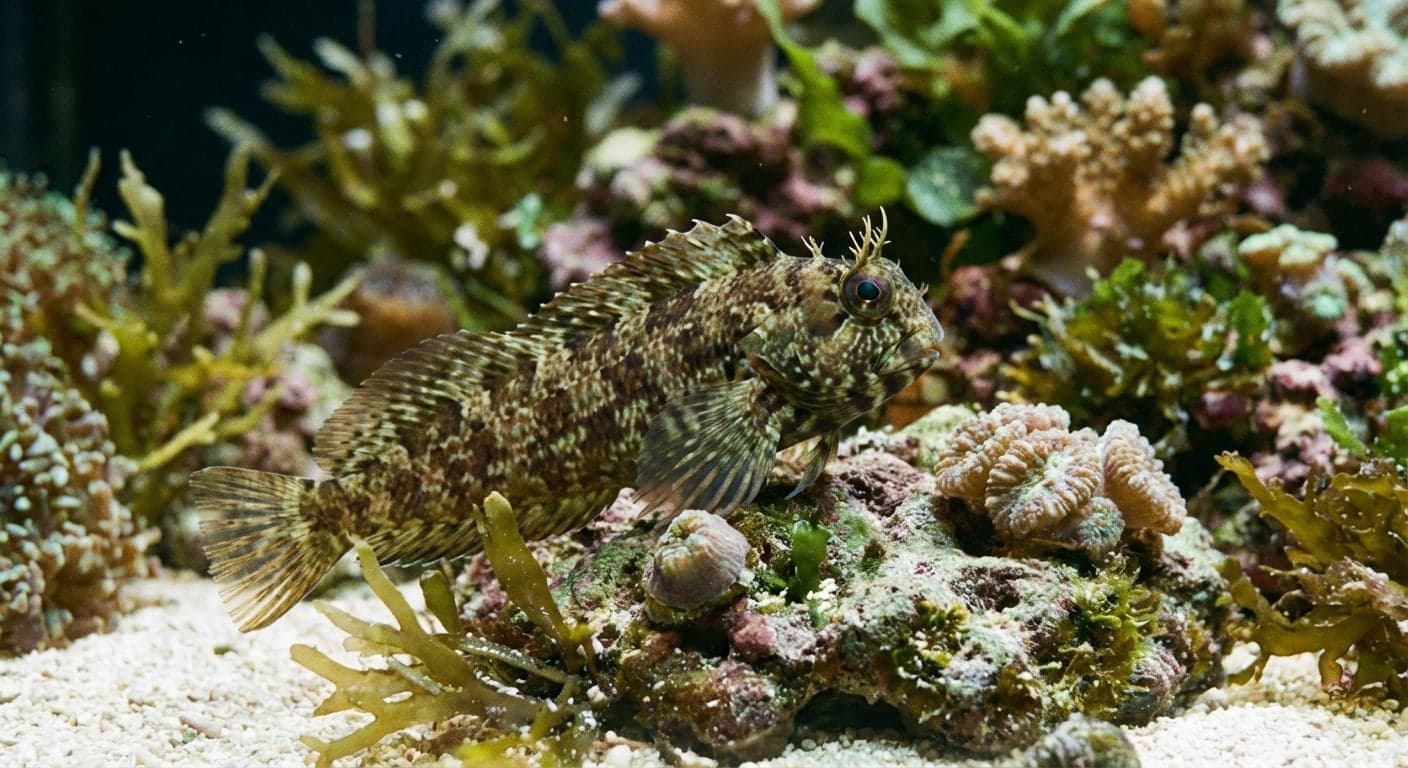
A 2.5cm cryptic goby that lives deep in rockwork and is heard more than seen. Completely reef safe, and far too small for anything with a mouth.
Also known as: white tiger goby · Valenciennea wardii
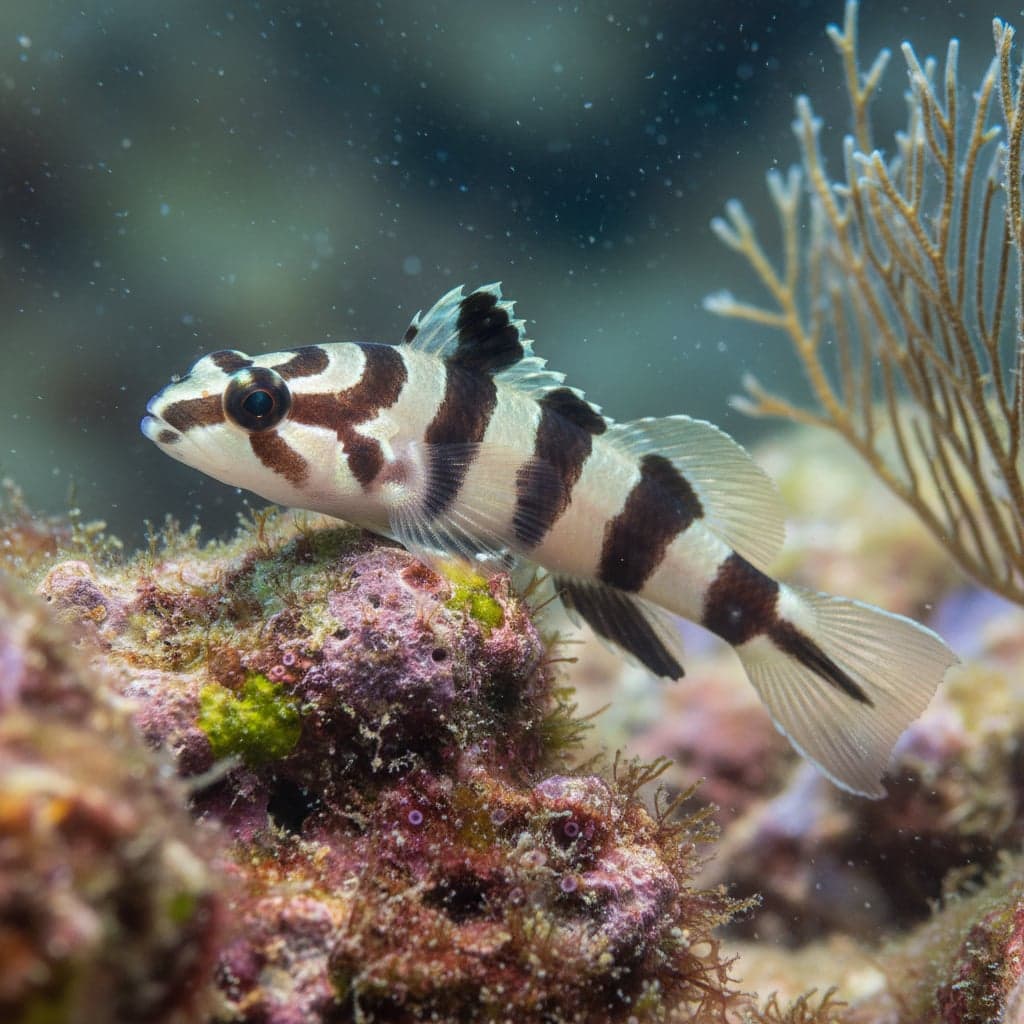
White Tiger Goby
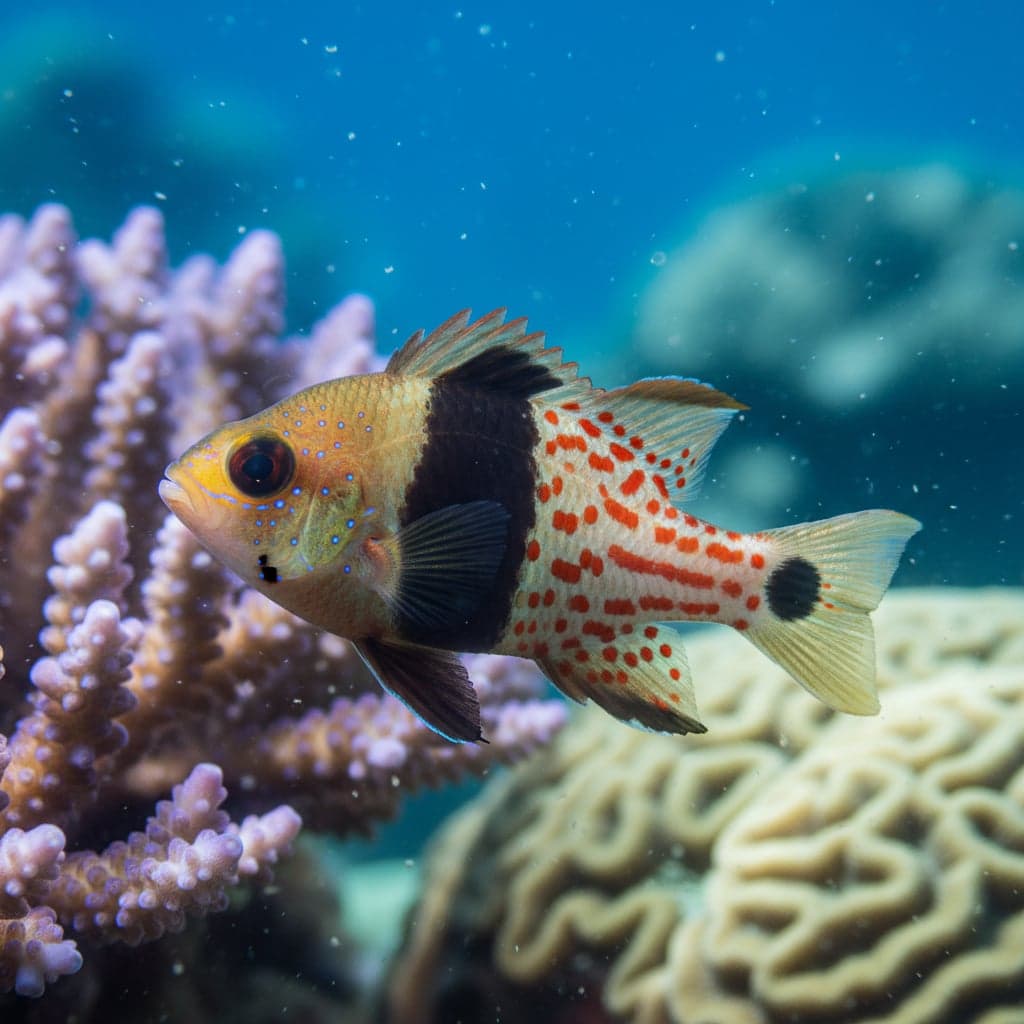
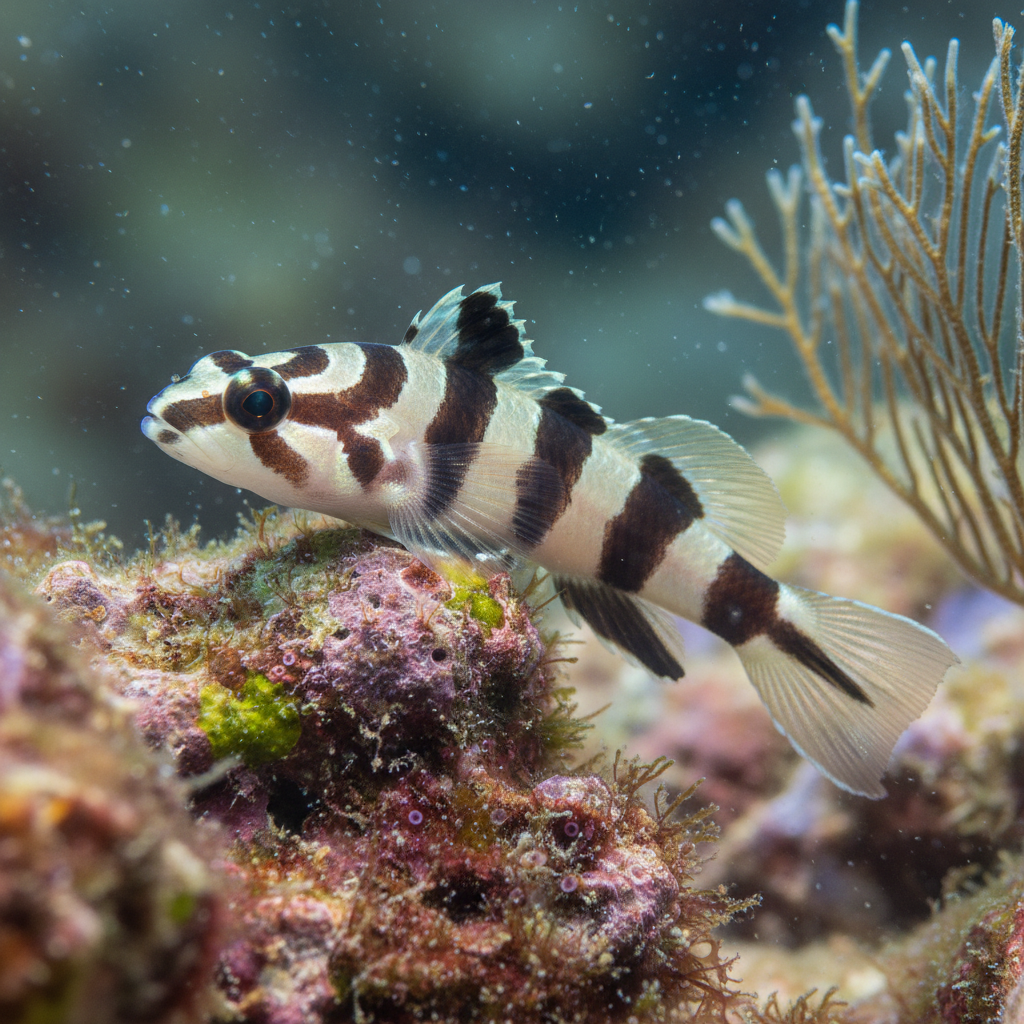
The White Tiger Goby, scientifically known as Stigmatogobius spp., is a captivating species that has garnered significant attention in the aquarium hobby due to its stunning visual appeal and unique behavior. This species displays a striking pattern of white, grey, and dark stripes that resemble those of a tiger, giving it a distinctive and exotic look. Its coloration not only enhances the aesthetic value of aquariums but also captivates aquarists who appreciate meticulously designed underwater landscapes. The White Tiger Goby is a bottom-dweller, which adds diversity to community tanks, and it exhibits an interesting foraging behavior that can be entertaining to observe.
In addition to its aesthetic significance, the White Tiger Goby plays a vital role in the biodiversity of its native habitats. Its adaptability to varying water conditions and diet helps it thrive in the wild, making it a resilient addition to any aquarium. This species is often sought after for its unique characteristics, including its ability to help maintain substrate cleanliness by sifting through the sand or gravel in search of food. Through proper care and attention, aquarists can form a bond with this engaging fish, making it a valuable addition to their collection.
Natural Habitat & Origin
The White Tiger Goby is indigenous to the brackish waters of Southeast Asia, particularly found in coastal regions, estuaries, and river deltas. Countries such as Thailand and Malaysia serve as the primary geographical origins for this species. The natural habitat of the White Tiger Goby consists of muddy or sandy substrates, often flecked with detritus and decaying plant matter, which provide ample foraging opportunities. They inhabit shallow waters where the salinity can vary, showcasing their adaptability to different environmental conditions.
In terms of water type, the White Tiger Goby thrives in lowland freshwater to slightly brackish environments. These water bodies can be characterized as blackwater or clearwater, often having varying levels of organic material, which affects their coloration and chemistry. Replicating these conditions in a home aquarium—such as maintaining slightly acidic pH, soft hardness levels, and appropriate salinity—will help ensure the health and well-being of this species.
Care Requirements
To ensure the optimal health of the White Tiger Goby in a home aquarium, specific water parameters and tank conditions are essential. The ideal pH level for this species ranges from 6.0 to 7.5, while the water temperature should be maintained between 24°C to 28°C (75°F to 82°F). The general hardness (GH) should fall between 5 to 15 dGH, allowing for a soft to moderately hard environment. This flexibility in water conditions makes them suitable for both beginners and experienced aquarists alike.
When setting up the tank for the White Tiger Goby, a minimum tank size of 40 litres (10 gallons) is enough for this tiny, cave-dwelling species, though the aquarium must be fully mature before it is added — small marine volumes swing quickly, and this goby lives inside the rockwork rather than swimming in open water. The substrate should consist of fine sand or smooth pebbles, as coarse materials can irritate their sensitive bodies. Additionally, incorporating natural elements such as driftwood, rocks, and plenty of plants can create hiding spots and simulate their natural habitat. Moderate lighting is suitable, as it mimics their natural environment, promoting algae growth for grazing. Plants such as Java moss and floating ferns are excellent options as they provide cover while maintaining ample open space for swimming.
Diet & Feeding
The White Tiger Goby is classified as an omnivore with a diverse diet that includes detritus, small invertebrates, and plant matter. In captivity, a varied diet will ensure optimal health and color. High-quality flake or pellet foods designed for bottom feeders serve as a staple, supplemented with occasional live or frozen foods such as brine shrimp, daphnia, and bloodworms to encourage natural foraging behavior. Offering a mix of vegetable-based options, such as spirulina or blanched greens, can additionally promote well-rounded nutrition.
Regular feeding should occur 2-3 times a day, but ensure that the amounts are appropriate to prevent overfeeding, which can lead to water quality issues. Observing the feeding habits of the White Tiger Goby can also provide insights into their health; they should show an interest in food and exhibit healthy growth if fed in proper quantities.
Behavior & Temperament
In terms of social behavior, the White Tiger Goby is generally peaceful but can display territorial habits, especially among males. They prefer to stay close to the substrate and thrive in environments where they have access to hiding spots, which gives them a sense of security. Although they can be kept in groups, it is advisable to have a larger number of them to diffuse any potential aggressiveness among males.
White Tiger Gobies tend to occupy the bottom and mid-level areas of the tank, often sifting through substrate in search of food. Their interacting behavior can be engaging to watch, particularly when they are exploring their environment or competing for hiding spots. Overall, they are a great choice for community tanks, provided that their tank mates are non-aggressive and compatible.
Tank Mates
While choosing tank mates for the White Tiger Goby, it is essential to select species that will not outcompete them for food or display aggressive behavior. Compatible tank mates include peaceful community fish such as neon tetras, rasboras, danios, and some loach species. Other bottom-dwellers like Corydoras catfish can coexist well, as they share similar care requirements and behaviors.
It is advisable to avoid larger or aggressive species, such as cichlids or aggressive barbs, which may view the White Tiger Goby as potential prey. Additionally, smaller species that require rapid food competition should be avoided, as they could deter the more docile goby from feeding effectively. Careful consideration and appropriate tank mate selection will ensure a harmonious aquarium environment.
Breeding
Breeding the White Tiger Goby in captivity can be a challenging yet rewarding endeavor. They exhibit substrate spawning behavior, laying eggs among fine gravel or in sheltered areas provided by plants or decorations. To stimulate breeding, it is essential to mimic their natural environment; this can be achieved by slightly increasing the temperature and performing regular water changes to maintain optimal quality.
Once the fish display courtship behavior, the female will select a desirable spot to lay her eggs, often guarded by the male afterward. The eggs typically hatch within 3-4 days, and once the fry are free-swimming, they should be fed infusoria or finely crushed flakes. Maintaining a dedicated breeding tank with specified parameters—such as softer water and stable conditions—will significantly increase the likelihood of successful breeding.
Common Health Issues
Like many aquarium fish, the White Tiger Goby may be prone to certain health issues, particularly if water quality is not monitored effectively. Common concerns include ich, fin rot, and bacterial infections. To prevent these issues, maintaining stable water conditions through routine tests and changes is essential. Quarantine practices for new fish can also help reduce the transmission of diseases.
Moreover, regular observation of the White Tiger Goby's behavior and physical appearance can aid in early detection of health problems. If any symptoms such as unusual swimming patterns, loss of appetite, or visible lesions manifest, immediate action should be taken, including adjusting water conditions, administering appropriate medications, or revisiting tank mate compatibility. With attentive care, the White Tiger Goby can thrive and flourish in a well-maintained aquarium for years to come. Providing clean, well-oxygenated water, a fine sand substrate to protect their delicate ventral fins, and a steady supply of nutritious sinking foods will ensure your gobies remain active, colorful, and disease-free.