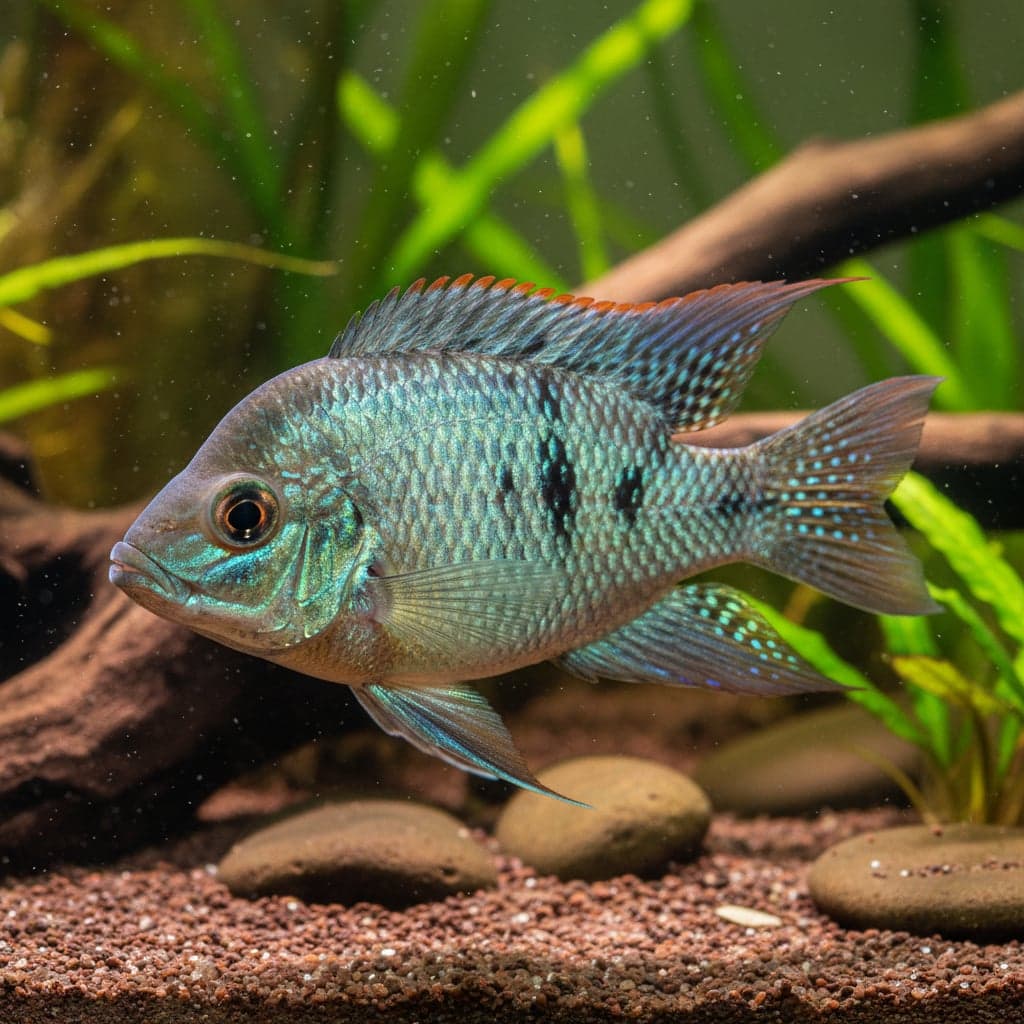
Winemiller's Eartheater: Geophagus winemilleri
A majestic and elegant South American cichlid, Winemiller's Eartheater is prized for its intricate patterns and graceful sifting behavior.
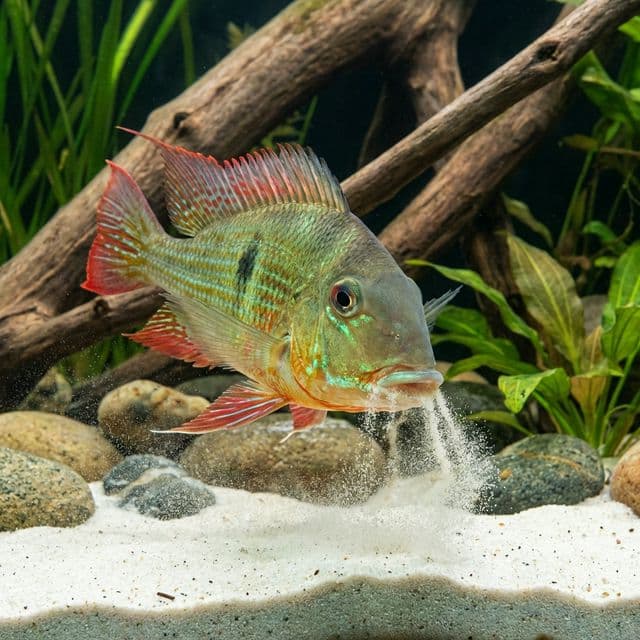
Winemiller's Eartheater
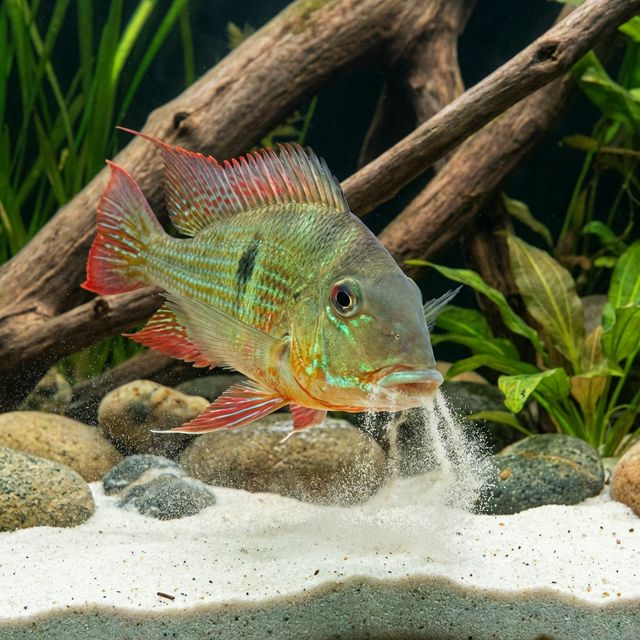
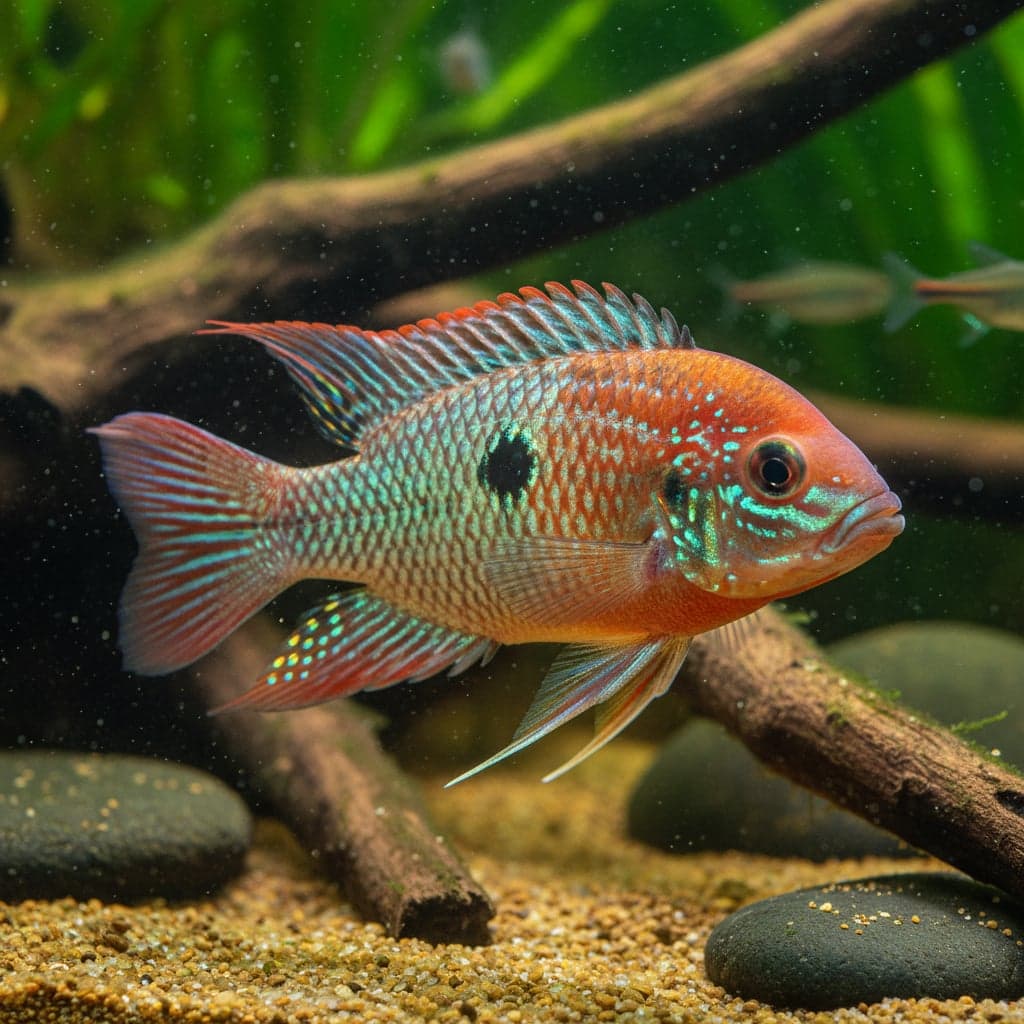
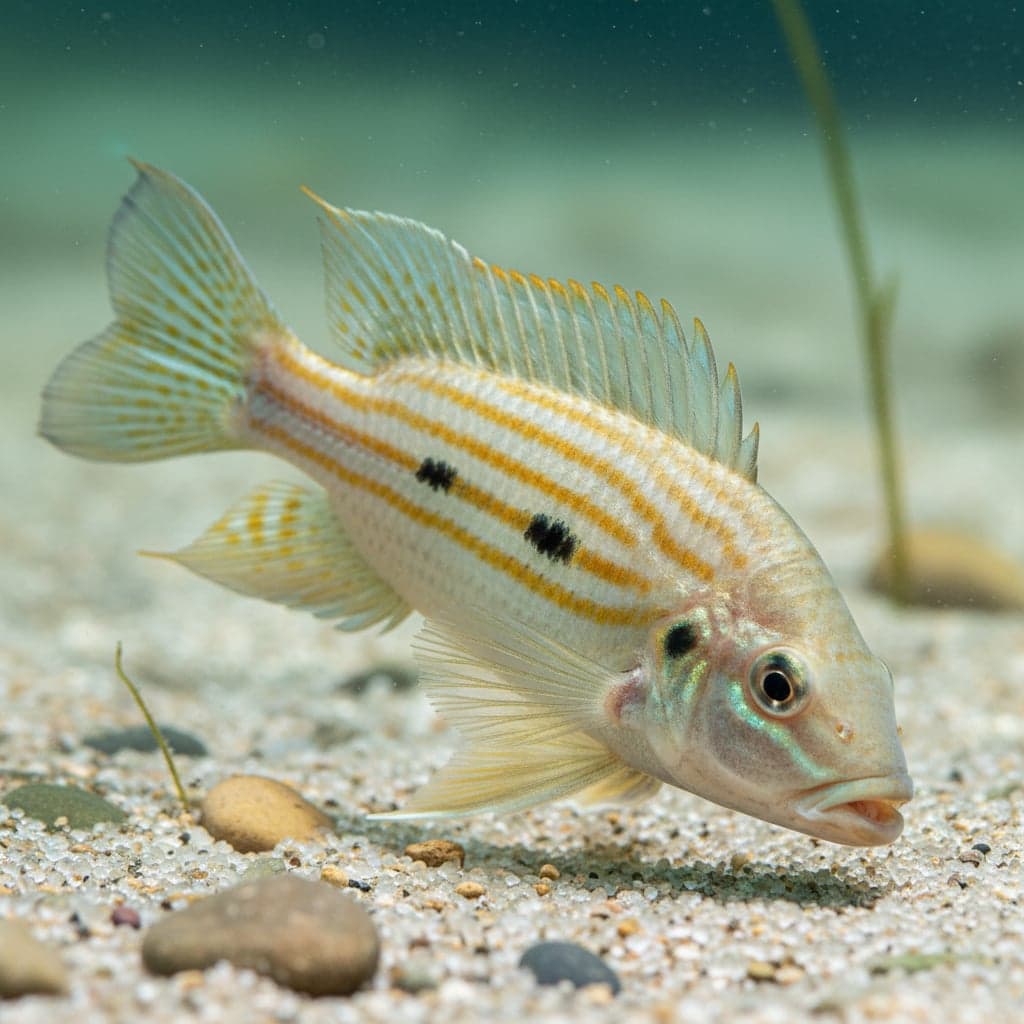
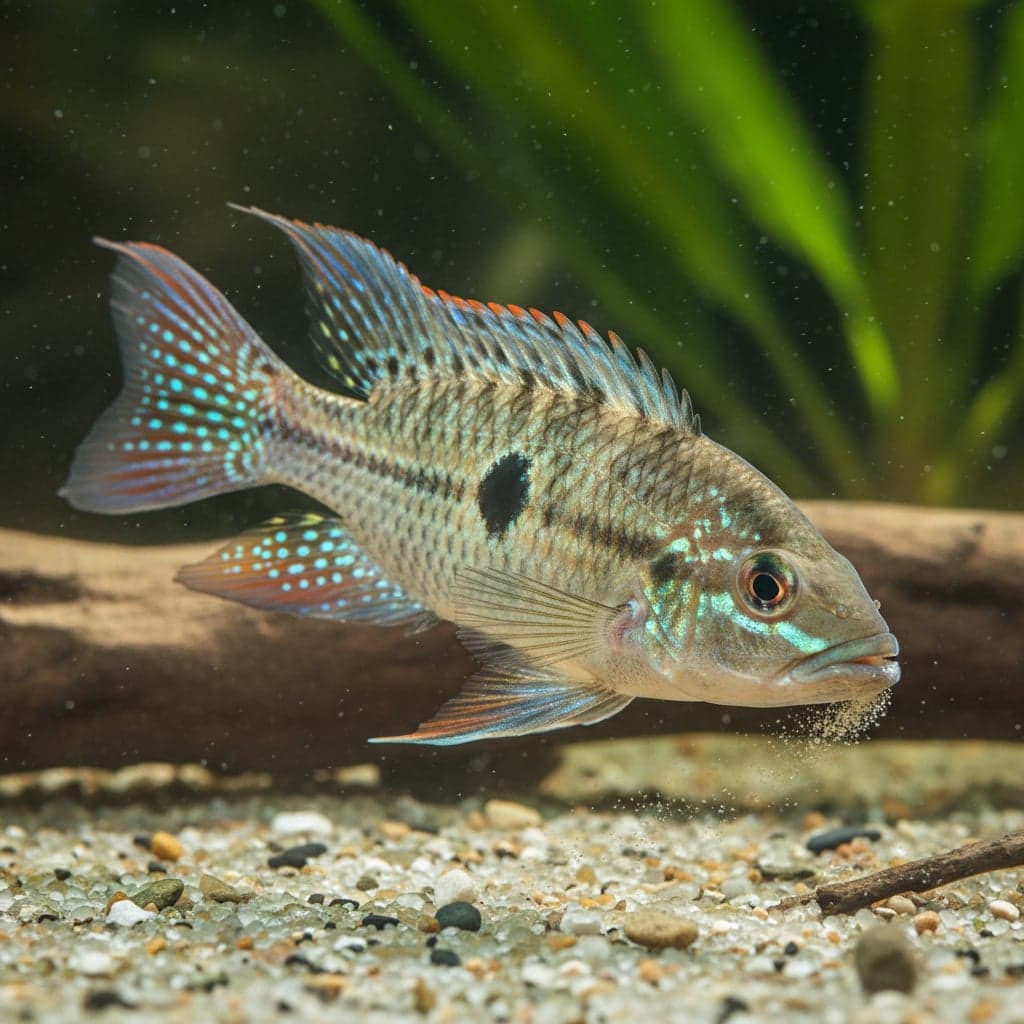
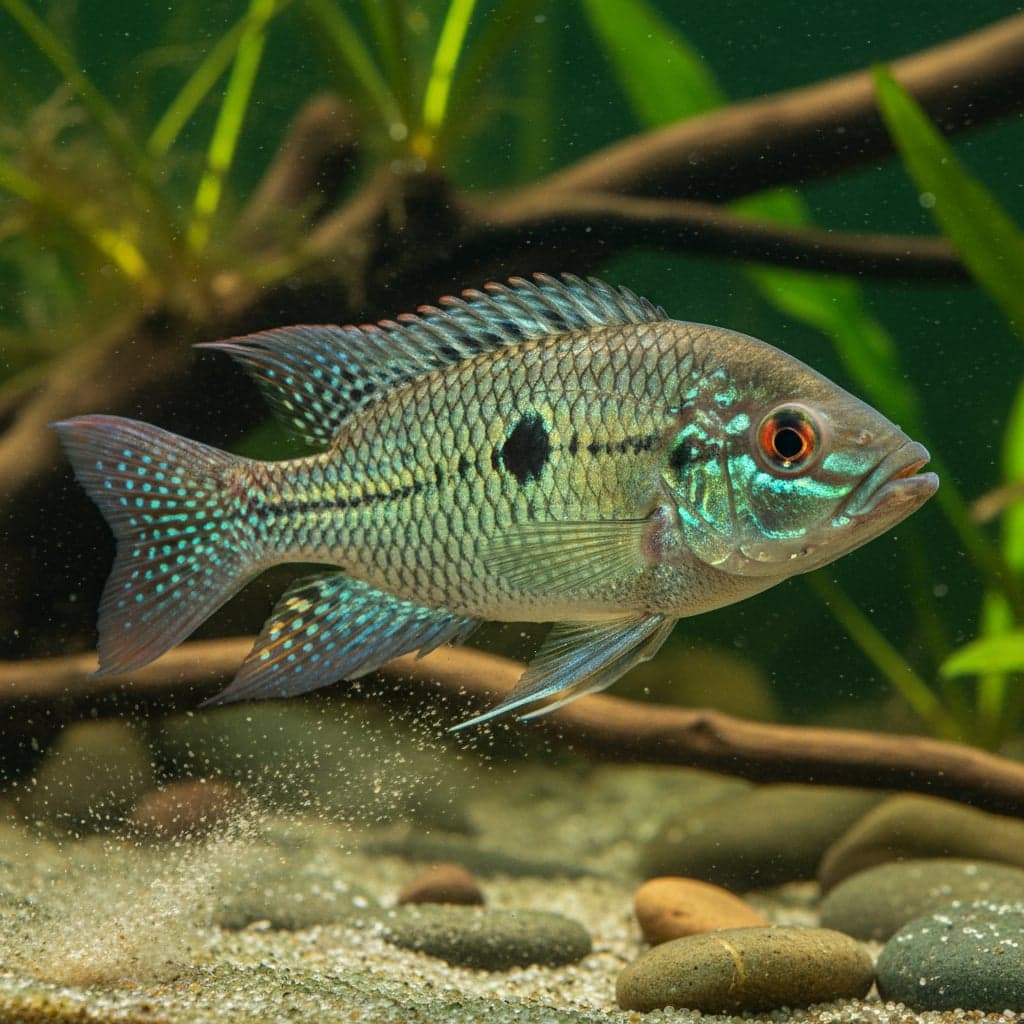
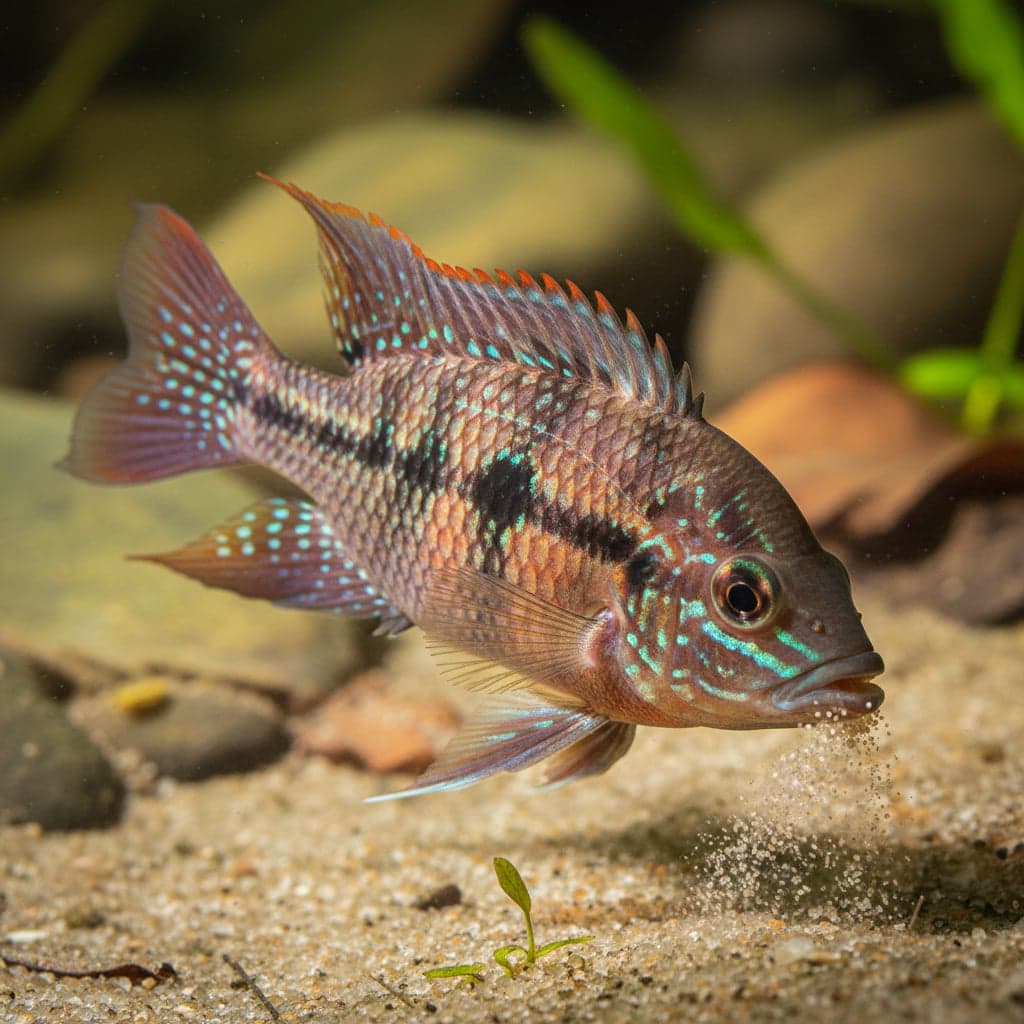
Winemiller's Eartheater, scientifically known as Geophagus winemilleri, is a fascinating species beloved by many aquarists for its unique behavior and striking appearance. This cichlid hails from the Amazon Basin, particularly the Rio Orinoco and its tributaries in Venezuela. Winemiller's Eartheater exhibits a distinctive coloration, featuring a blend of vibrant blues and earthy tones that mimic the riverbeds of its natural habitat. With itslaterally compressed body and elongated shape, this fish not only enhances the aesthetic appeal of any aquarium but also draws the attention of enthusiasts who appreciate its intriguing behaviors.
Within the aquarium hobby, Winemiller's Eartheater holds significance not only for its beauty but also for its engaging feeding habits. Unlike many cichlid species, these fish exhibit unique "eartheater" behavior, where they sift through substrate to search for food, such as tiny invertebrates and detritus. Their captivating interactions with their environment and their relatively peaceful demeanor make them a popular choice for community tanks that mirror their natural setting. Their presence not only enriches the biodiversity of an aquarium but also makes them a conversation piece among aquarists.
Natural Habitat & Origin
Winemiller's Eartheater originates from the slow-moving waters of the Amazon Basin in Venezuela, where they thrive in the soft, sandy riverbeds of the Rio Orinoco and its associated tributaries. The natural environment is characterized by clear to slightly stained water with a low light penetration, often referred to as "blackwater" due to the accumulation of decomposed organic materials. The substrate of their habitat consists of fine sand and mud that allows them to exhibit their unique behavior of foraging and sifting through sediment in search of food.
The environmental context of Winemiller's Eartheater is vital for understanding its needs in captivity. These fish inhabit areas with dense vegetation and submerged structures, which provide not only food sources but also protective cover from potential predators. Maintaining similar conditions in an aquarium—such as dim lighting and gentle water movement—will help reduce stress and promote natural behaviors among these captivating cichlids.
Care Requirements
To keep Winemiller's Eartheater healthy and thriving, specific water parameters must be met. The ideal pH level ranges from 6.0 to 7.5, with a temperature between 75°F to 82°F (24°C to 28°C) and a hardness of 5 to 15 dGH. Maintaining stable water conditions, especially during tank changes, is crucial for minimizing stress on these delicate fish.
When setting up a tank for these cichlids, a minimum size of 75 gallons is recommended to provide enough swimming space and territory. A soft, sandy substrate is essential to accommodate their natural foraging behavior and allow them to burrow. Incorporating hideouts made from driftwood or rocks, along with patches of live plants, creates a balanced environment that mimics their natural habitat. Moderate lighting is preferable, as it simulates their native waters and promotes a comfortable living space.
Diet & Feeding
Winemiller's Eartheater is primarily an omnivore, thriving on a diverse diet that mimics its natural feeding habits. In captivity, these fish can be fed a well-rounded diet consisting of high-quality pellets, flakes, and granules specifically formulated for cichlids. They also benefit from a variety of frozen or live foods, such as bloodworms, brine shrimp, and daphnia, which contribute to their overall health, color, and vitality.
To ensure optimal nutrition, it's recommended to provide a balanced diet that includes both protein-rich foods and plant-based ingredients. Cichlid-specific pellets with a high protein content can serve as a staple, while offering treats of vegetables, such as blanched zucchini or spinach, can enhance their diet further. Feeding these fish 2-3 times a day, in small amounts that they can consume within a few minutes, will help promote healthy growth and prevent overfeeding.
Behavior & Temperament
Winemiller's Eartheater is known for its generally peaceful temperament, particularly when housed with appropriately sized and compatible tank mates. While they may exhibit territorial behaviors during breeding, these fish can adapt to community tanks if given ample space and hiding spots. They typically prefer to swim at various levels within the aquarium but often linger at the bottom where they engage in their characteristic sand-sifting behavior.
In terms of schooling habits, Winemiller's Eartheater does not form strict schools but tends to be moderately social, often found in pairs or small groups. Providing them with enough room to establish territories minimizes potential aggression, allowing for a more harmonious aquarium environment. It's essential to monitor interactions among different species, especially during feeding times when competition for food may arise.
Tank Mates
When selecting tank mates for Winemiller's Eartheater, it's vital to choose species that share similar water requirements and temperament. Compatible tank mates include medium to larger cichlids such as Severums, Geophagus species, and various species of catfish. Other good options might include larger tetras and peaceful community species, such as rainbowfish and gouramis.
However, it's crucial to avoid overly aggressive fish or small, fin-nipping species, as these can lead to stress or injury for Winemiller's Eartheater. Avoid keeping them with aggressive cichlids like Oscars or smaller species like bettas. Keeping the social structure balanced and providing a spacious environment will foster a peaceful community in the aquarium.
Breeding
Breeding Winemiller's Eartheater in captivity can be a rewarding experience for aquarists. These fish typically exhibit a strong pairing bond, so it's advised to keep at least one male and one female in a spacious tank. Successful breeding conditions include stable water parameters with a slightly acidic pH (between 6.0 and 6.5), warmer temperatures (around 80°F or 27°C), and plenty of hiding places to ease the stress of the breeding pair.
The spawning process often involves the female laying eggs on flat surfaces, such as large rocks or leaf-like structures. After laying, both parents will protect and guard the nest, actively fanning the eggs to ensure oxygenation. Once the eggs hatch, the fry will remain close to the parents, who continue to provide care. Proper water quality and a suitable diet are vital during this critical development stage, giving the young fish a strong start in life.
Common Health Issues
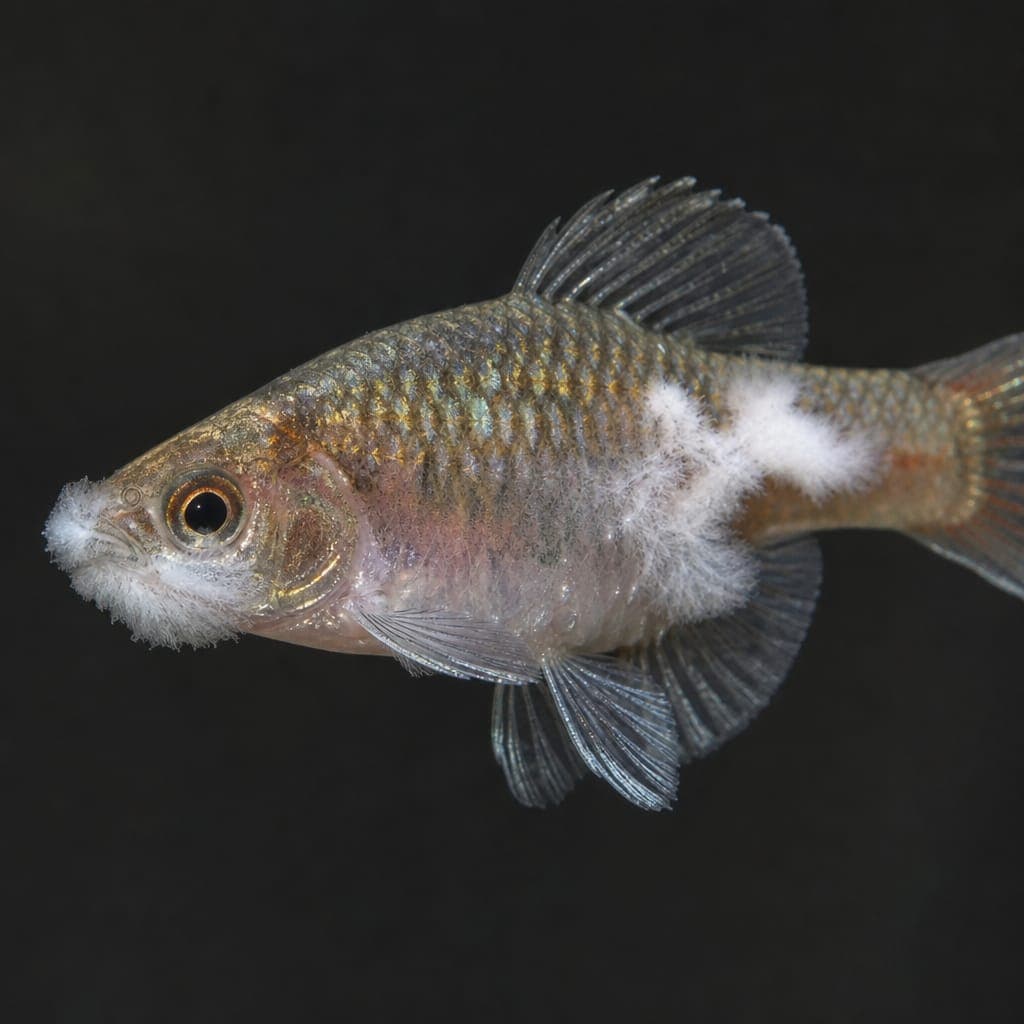
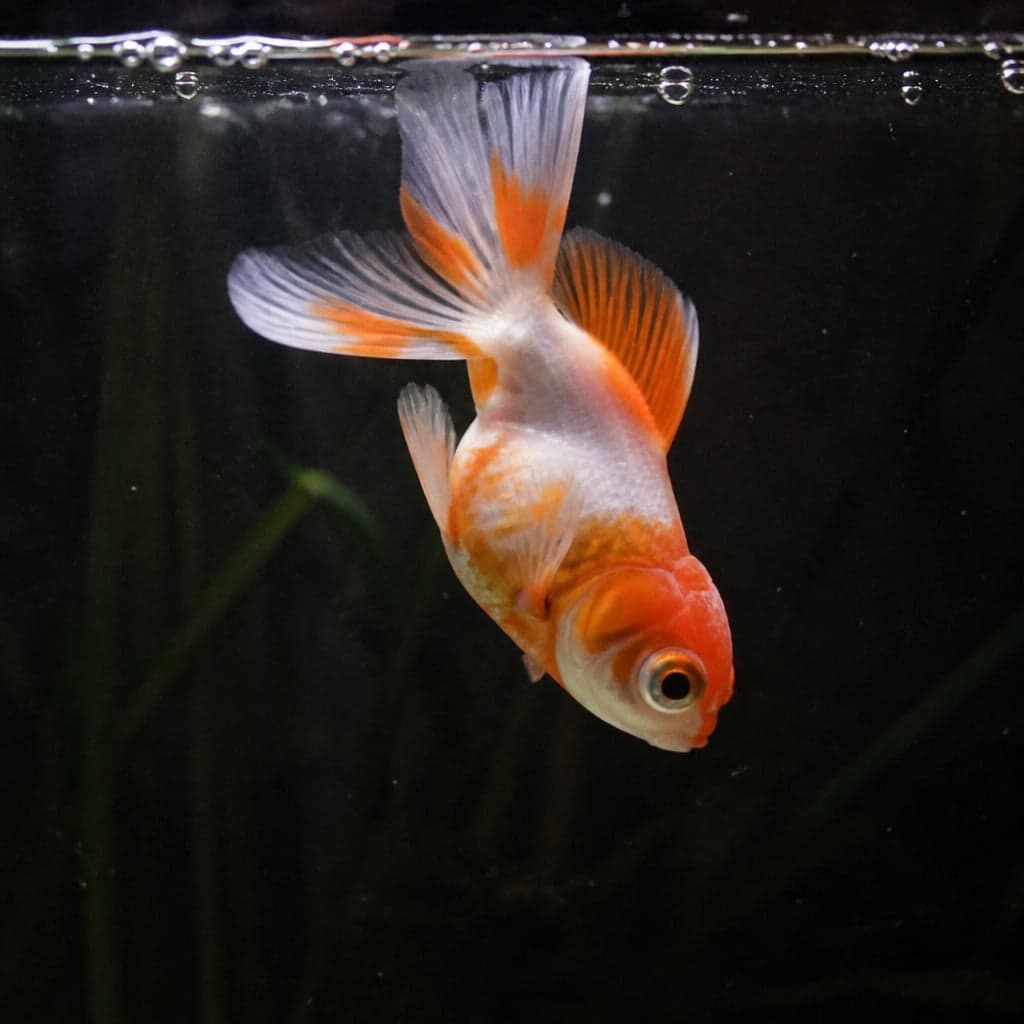
Winemiller's Eartheater can be susceptible to several common health issues, including ich (ichthyophthirius multifiliis), mouth fungus (Columnaris), and swim bladder disorder. To prevent these ailments, maintain excellent water quality through regular changes and monitoring of parameters. Employing a quarantine procedure for new arrivals can minimize the introduction of diseases into the tank.
To further safeguard their health, avoid overcrowding and ensure a balanced diet that strengthens their immune system. Providing hiding spots and maintaining stable environmental conditions will reduce stress, thereby decreasing the likelihood of health complications. Regular observation is key, as early detection of unusual behavior or physical symptoms can lead to prompt treatment and a better prognosis for the fish.