Wreck Fish
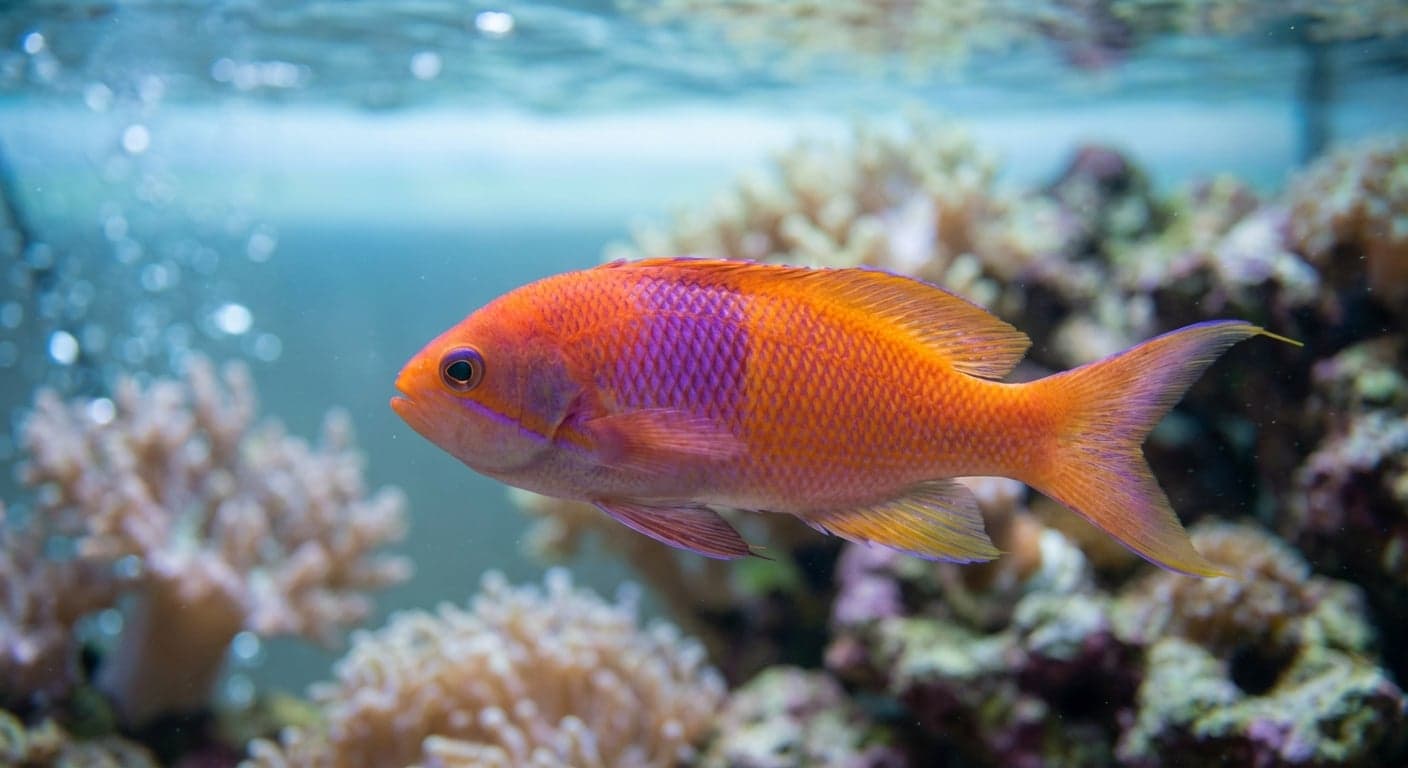
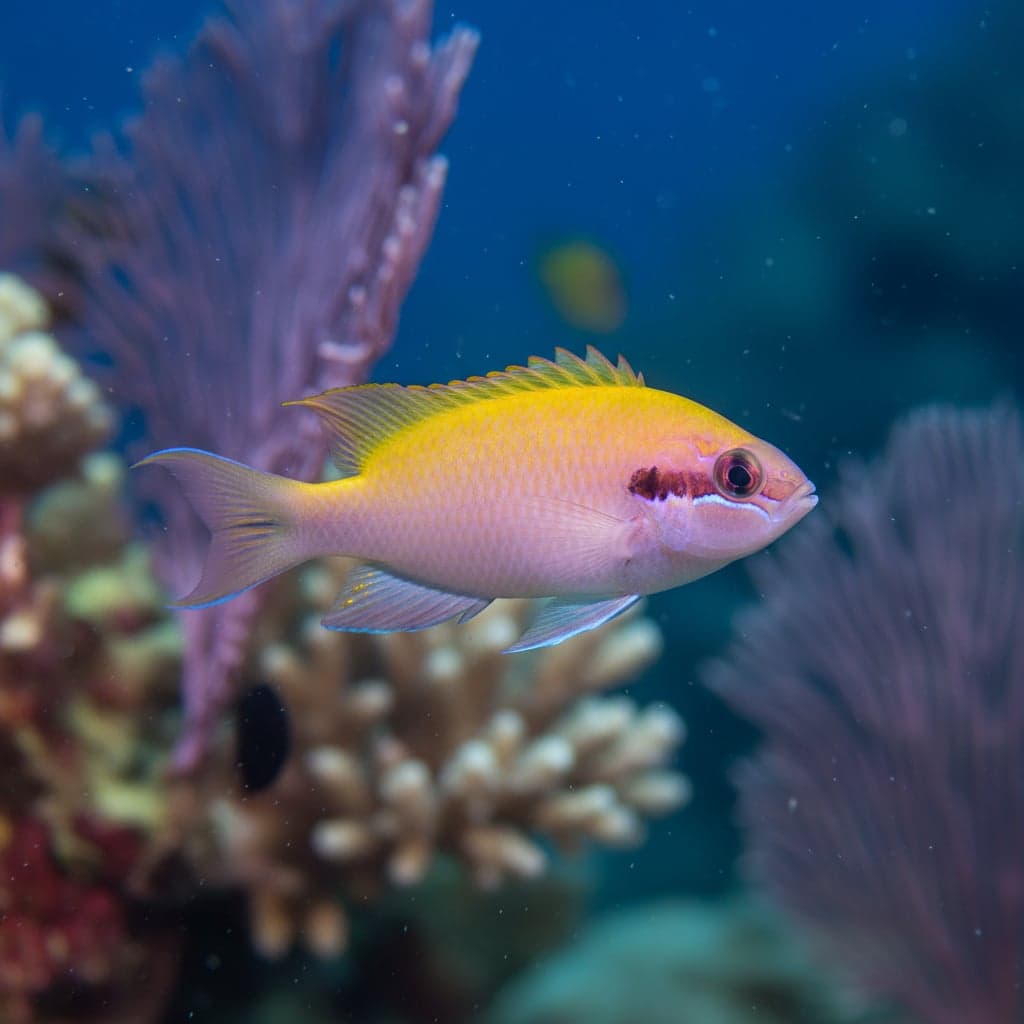
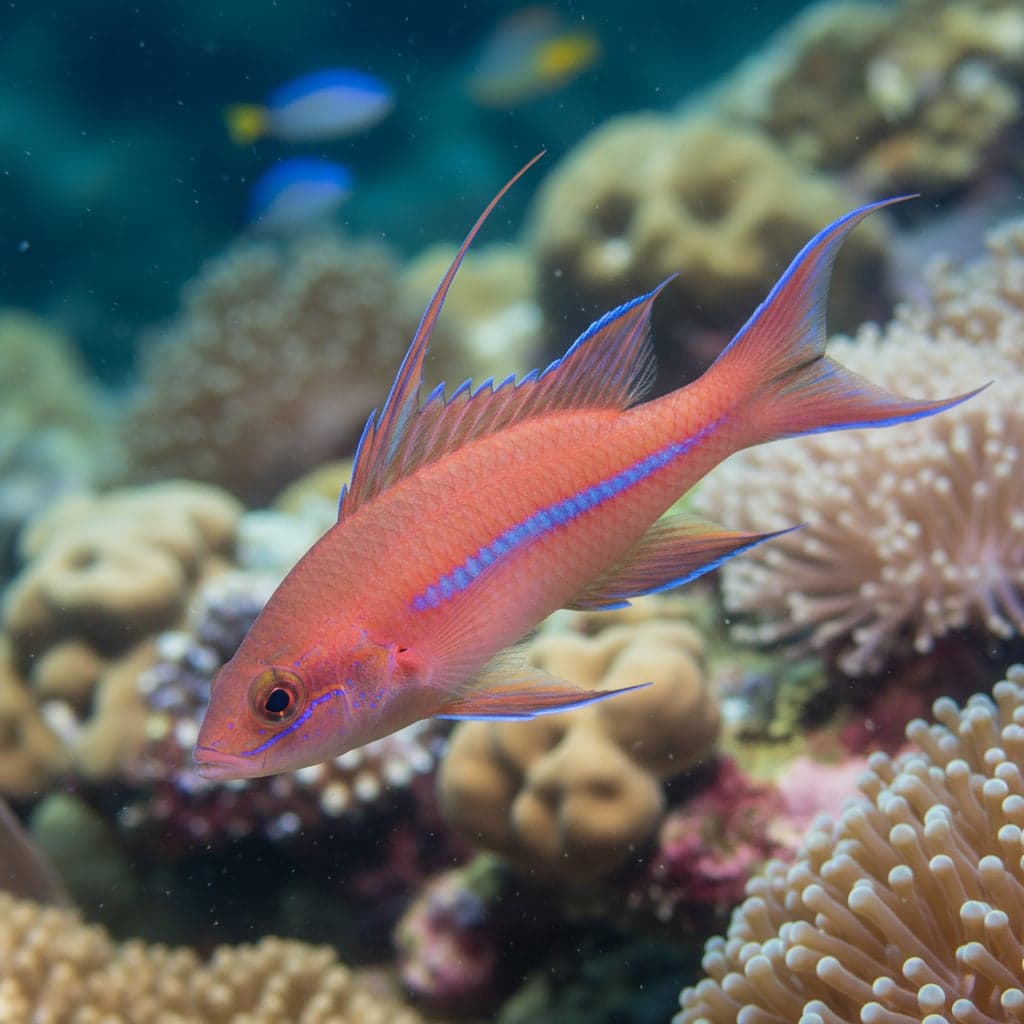
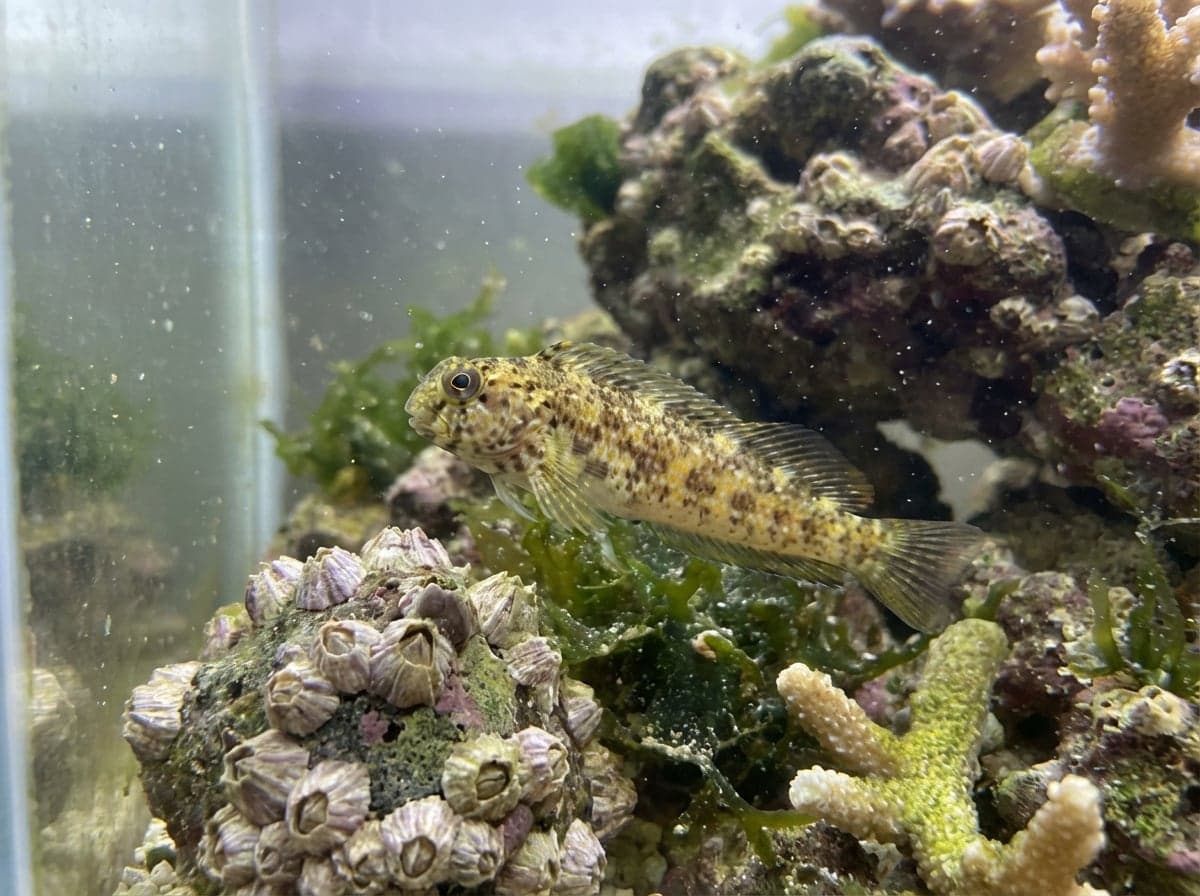
The Wreck Fish (Pseudanthias squamipinnis) is a stunning saltwater fish known for its unique appearance and behavior.

Wreck Fish
The Wreck Fish, scientifically known as Polyprion americanus, is an intriguing marine species that has piqued the interest of aquarists due to its distinctive characteristics and striking appearance. Originating from deep, tropical waters, this fish is renowned for its broad, flattened body and a uniquely patterned coloration, featuring shades of gray and yellow that can transform when excited or agitated. Its large, rounded fins and appealing profile make it a standout feature in any aquarium setup, capturing the fascination of fish enthusiasts and casual observers alike. Not only does the Wreck Fish boast aesthetic beauty, but it also holds significant ecological value in its natural habitat, being an important predator that helps to maintain species balance within marine ecosystems.
In the aquarium hobby, the presence of the Wreck Fish is both an aesthetic and dynamic addition. Its relatively peaceful demeanor, combined with its striking appearance, makes it a sought-after choice for advanced aquarists. However, keeping this beautiful fish requires specialized care and conditions due to its wild origins and natural behaviors. Understanding its needs and establishing appropriate tank environments are critical in ensuring the health and happiness of this captivating species, ultimately contributing to a thriving underwater landscape.
Natural Habitat & Origin
The Wreck Fish is primarily found in the warm, temperate waters of the Atlantic Ocean, with a focus on the continental shelf and deeper waters ranging from Florida to Brazil. Its natural habitat includes rocky outcroppings, reefs, and underwater structures, often near shipwrecks and submerged features that provide shelter and hunting grounds. The Wreck Fish typically inhabits depths of up to 600 meters, primarily residing in clear to moderate water conditions. Its preference for deeper, structured environments makes it less visible to casual snorkelers and divers, further adding mystery to its life cycle.
In these regions, the Wreck Fish thrives in clean, well-oxygenated waters with minimal sediment or pollution. Its ability to adapt to varying salinities allows it to exist comfortably in both brackish and saltwater environments. This versatility is key to its survival in the wild, and replicating similar water conditions in captivity is essential for any aquarist planning to keep this remarkable fish.
Care Requirements
When it comes to housing the Wreck Fish, specific water parameters are paramount for its health and well-being. Ideally, the water should have a pH level between 7.0 and 8.5, with a stable temperature ranging from 24 to 28 degrees Celsius (75 to 82 degrees Fahrenheit). Hardness levels should be maintained between 8 to 12 dGH. In terms of tank setup, a minimum tank size of 200 gallons is recommended to accommodate their size and territorial nature adequately. The substrate should be sand or fine gravel to mimic its natural environment, with plenty of hiding spots created using rocks, caves, and driftwood, allowing for a sense of security.
In addition to a spacious and structured tank, lighting should be moderate to enhance the visual display of the Wreck Fish's coloration while promoting healthy plant growth. Incorporating live plants, particularly those that thrive in similar water conditions (such as Anubias and Java Fern), can provide additional cover and help maintain optimal water quality. Regular water changes and quality checks are crucial to replicate the stability of its natural habitat.
Diet & Feeding
The Wreck Fish is classified as a carnivorous species, primarily preying on smaller fish, crustaceans, and various invertebrates in its natural environment. In captivity, it can be fed a well-rounded diet of high-quality sinking pellets, live or frozen foods such as shrimp, fish fillets, and other seafood. Additionally, offering some vegetable matter occasionally can enhance nutritional variety. Commercially available flakes specifically formulated for carnivores can also be included in its diet to ensure the fish receives adequate nutrients.
Feeding should occur two to three times daily in smaller portions, as overfeeding can lead to health issues and water quality deterioration. Observing the Wreck Fish during feeding time can also provide insight into its dietary preferences and specific culinary favorites, ensuring a well-maintained appetite.
Behavior & Temperament
The Wreck Fish exhibits a mix of solitary and semi-aggressive behavior, displaying a dominant presence in its tank environment. While it remains relatively peaceful towards compatible tank mates, it can show aggression towards unfamiliar species or during breeding season. This fish generally prefers to claim its territory and will often assume a vertical swimming posture within the tank, exploring its surroundings from various angles.
Given its temperament, the Wreck Fish tends to do best in larger aquariums, where it has ample space to establish and defend its territory. It may also exhibit shy tendencies when first introduced to the tank and may take some time to acclimate fully. An enriched environment with hiding spots and visual barriers is essential to promote confidence and reduce stress.
Tank Mates
When selecting tank mates for the Wreck Fish, it is crucial to choose compatible species that can coexist without significant conflicts. Suitable tank mates include larger, more robust fish like the Yellow Tang, Rabbitfish, and some species of Damsels. Grouping them with less aggressive species such as clownfish may also work, provided there is enough territory and space. However, it’s advisable to avoid keeping the Wreck Fish with smaller fish, such as neon tetras or guppies, as it may view them as potential prey.
Moreover, caution should be exercised when considering other semi-aggressive species, as competition for space might lead to stress and aggression. Species such as puffers or lionfish may also not be compatible due to their own aggressive nature. A well-planned community tank with suitable companions can create a harmonious environment for the Wreck Fish.
Breeding
Breeding the Wreck Fish in captivity can be a complex but rewarding endeavor. Spawning typically occurs in deep waters under optimal conditions, requiring stable water temperature, well-oxygenated environments, and ample space. In aquarium conditions, it is important to create a trigger for breeding by simulating these preferences, such as conducting larger water changes to mimic rainfall and seasonal changes.
Males may exhibit courtship behavior by displaying to females, often engaging in synchronized swimming patterns. After successful courtship, females will lay adhesive eggs in a secluded area among the substrate or on surfaces like rock structures. The male will then fertilize the eggs. To increase the likelihood of survival, it is crucial to separate the adults from the eggs and fry, as mature fish may consume them. Providing adequate care through dietary and environmental considerations is essential for raising young Wreck Fish and achieving successful breeding outcomes.
Common Health Issues
The Wreck Fish, while generally resilient, can suffer from several common health issues associated with aquarium life. Some of the more prevalent concerns include ich (white spot disease), fin rot, and swim bladder disorder. Ich is typically associated with poor water quality and stress levels; therefore, maintaining a clean and stable environment is essential for prevention. Regular observation of the fish for any behavioral changes or physical ailments can help catch any issues early.
To reduce the risk of health problems, it is vital to ensure comprehensive water testing, routine maintenance, and proper tank conditions. Introducing suitable tank mates and minimizing stress through environmental enrichment can further enhance the fish's overall health. Additionally, quarantine new arrivals to prevent disease outbreaks in established tanks, ensuring that the Wreck Fish remains a vibrant and active