Yellow Acara: Aequidens metae
A beautifully colored and relatively peaceful South American cichlid, the Yellow Acara is known for its subtle beauty and engaging personality.

Yellow Acara
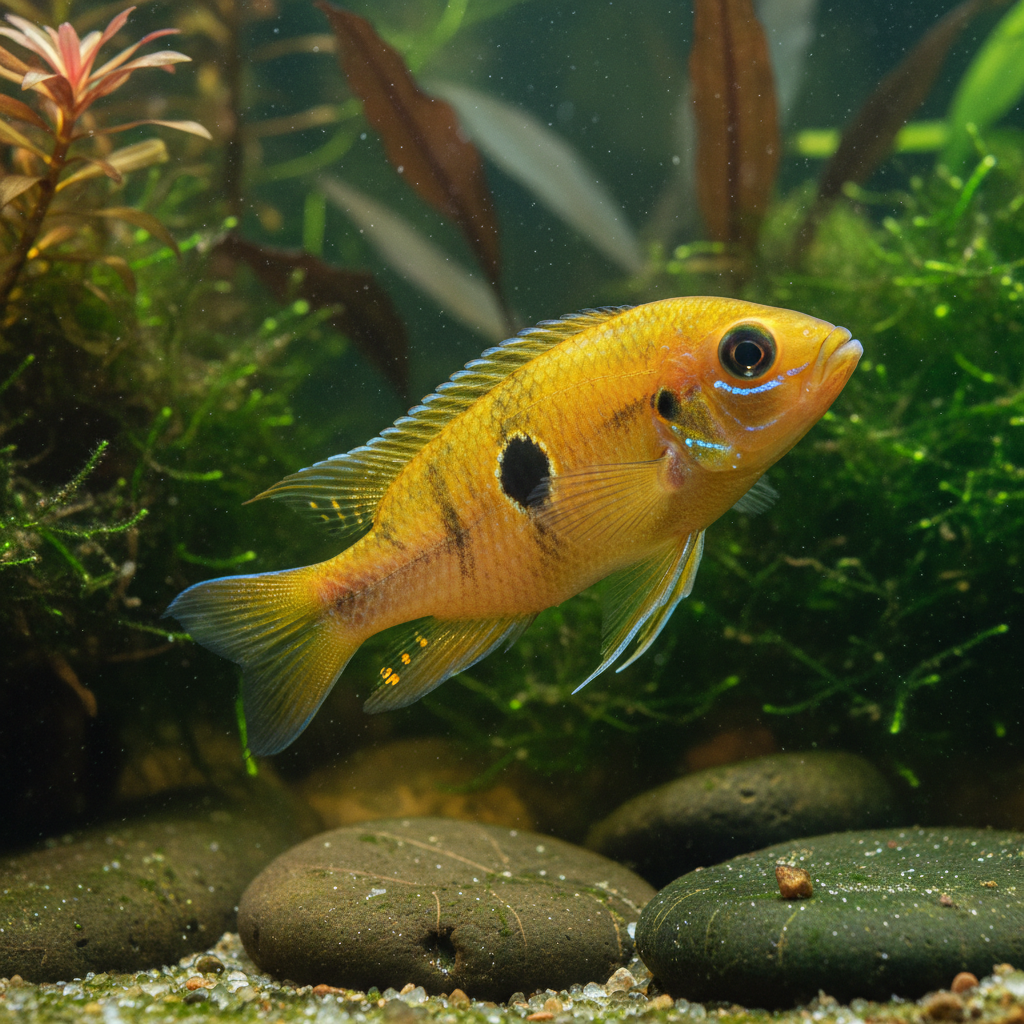
The Yellow Acara, scientifically known as Aequidens metae, is a fascinating freshwater fish native to South America, particularly found in the rivers and streams of the Orinoco and Rio Meta basins. This cichlid species is cherished in the aquarium hobby for its stunning coloration and tranquil disposition. Adult Yellow Acaras typically display a brilliant yellow body with shimmering blue or green highlights, especially during breeding periods. They grow to an average size of about 4-5 inches (10-12 cm), making them a manageable choice for both novice and experienced aquarists. Their captivating appearance and relatively peaceful nature contribute to their popularity, making them a prized addition to diverse community tanks.
Beyond their aesthetic charm, Yellow Acaras hold a special place in the ecosystem they inhabit. These fish are known for their role in maintaining the balance of aquatic life in their native environments by feeding on various invertebrates and organic matter. In the aquarium, they enrich the ecosystem as well, displaying interesting behaviors and interactions that enhance the overall aquarium experience. Their adaptability and breeding readiness in captivity not only inspire aquarists but also promote responsible fish-keeping practices across the hobby.
Natural Habitat & Origin
Yellow Acaras are indigenous to the slow-moving and nutrient-rich waters of their native regions in Colombia and Venezuela. They thrive in freshwater environments, often found in river basins that exhibit a mix of clear and blackwater conditions. Such habitats are characterized by soft, slightly acidic water (pH 6.0 to 7.5) and a warm temperature range generally between 77°F to 82°F (25°C to 28°C). The densely vegetated areas in shallow waters provide both refuge and breeding grounds, with abundant leaf litter and decaying organic material that supply food resources. Understanding their natural habitat is key to replicating an appropriate environment in the home aquarium.
Care Requirements
To create an ideal habitat for Yellow Acaras, aquarists should aim for a minimum tank size of 30 gallons, ensuring that the fish have ample swimming space and territory. The substrate is best suited as a mixture of fine sand and gravel to replicate their natural foraging conditions. It's essential to maximize their comfort with moderate lighting that mimics their native dimly lit environments, supplemented by appropriate plants such as Java fern and Anubias, which can be securely anchored to rocks or driftwood.
Water parameters for Yellow Acaras should be closely monitored; maintain a pH level between 6.0 and 7.5, a temperature range of 77°F to 82°F, and a hardness of 5 to 15 dGH. Regular water changes, at least 20% weekly, help ensure a clean and stable environment, thereby fostering the health and wellbeing of the fish.
Diet & Feeding
Yellow Acaras are omnivorous, making them adaptable in their dietary preferences. In captivity, they thrive on a balanced diet that includes high-quality flake or pellet foods specifically designed for cichlids. Supplementing with frozen or live foods, such as brine shrimp, bloodworms, and daphnia, is crucial for maintaining their health and enhancing their coloration. Offering a varied diet not only promotes vibrant colors but also ensures that the nutritional needs of these fish are met. For optimal health, feed them multiple times a day with small portions to prevent overfeeding and water quality deterioration.
Behavior & Temperament
Known for their generally calm demeanor, Yellow Acaras exhibit a peaceful temperament, making them suitable for community tanks. However, it is important to note that they are semi-aggressive breeders and may display territorial behavior during spawning periods. Socially, they can be kept in pairs or small groups, provided there are enough hiding spots. They tend to occupy the mid to lower levels of the tank, and when kept with compatible species, they often become engaging community members.
The Yellow Acara is known for its interactive and curious nature, often exploring its environment and recognizing tank mates, which enhances the observational experience for aquarists. Despite their territorial instincts during breeding, they generally coexist well with non-aggressive fish.
Tank Mates
When selecting compatible tank mates for Yellow Acaras, it’s advisable to choose peaceful species that inhabit similar ecological niches. Suitable tank mates include larger tetras, peaceful barbs, and various species of rasboras. Ideal companions may include the following:
- Silver Dollar Fish
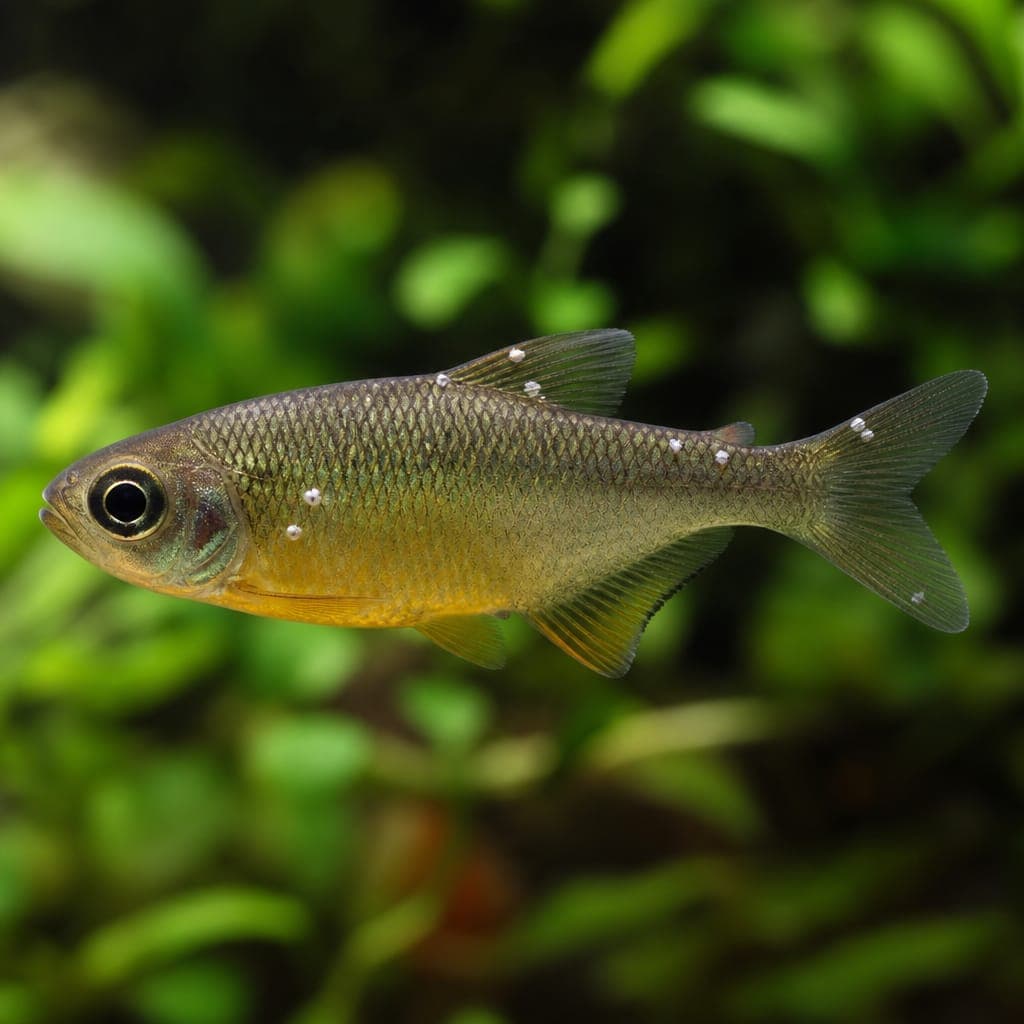
- Larger Tetras (e.g., Congo Tetras, Rosy Tetras)
- Peaceful Cichlid Species (e.g., Kribensis, Apistogramma)
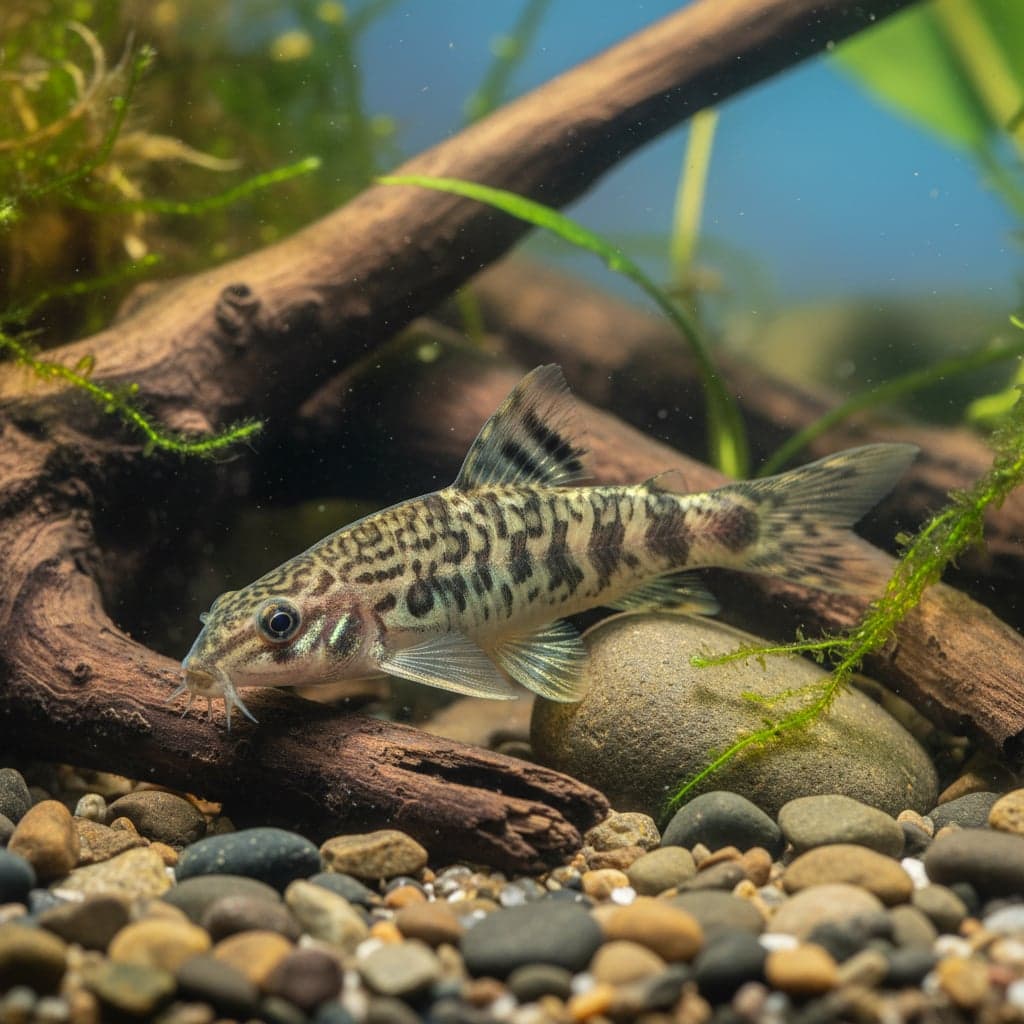
- Corydoras Catfish
However, avoid housing them with aggressive cichlid species or much smaller fish that may be seen as food, such as small guppies or neon tetras, as the Yellow Acara’s breeding habits can provoke aggression towards other tanks mates.
Breeding
Breeding Yellow Acaras in captivity can be a rewarding experience for aquarists. These fish are naturally substrate spawners and prefer laying eggs on flat surfaces or among dense vegetation. It is advisable to set up a breeding tank with good filtration, moderate lighting, and a sandy substrate to facilitate their natural breeding behavior.
To induce breeding, maintaining optimal water quality parameters, along with slightly warmer temperatures (around 82°F), is essential. Once a pair has formed, they will engage in mating rituals, during which the female will lay eggs (up to 100-300) that the male fertilizes. Both parents will typically guard the eggs and the fry after hatching, showcasing interesting parental behaviors. Providing ample hiding spots and ensuring minimal disturbance from other fish during this time is critical for successful breeding.
Common Health Issues
While generally hardy, Yellow Acaras are susceptible to certain health issues that aquarists should watch for. Common diseases include ich (white spot disease), fin rot, and internal parasites. Maintaining optimal water quality through regular tank maintenance can prevent many health problems. Stress reduction through appropriate tank conditions and avoiding overcrowding also aids in promoting robust health.
Preventive measures include quarantine for new arrivals and routine observation of tank occupants for early signs of illness. Feeding high-quality food and avoiding overfeeding will support their immune systems. Additionally, ensure that the tank is not overcrowded, as this can decrease water quality and increase susceptibility to diseases. When issues arise, prompt treatment with appropriate medications can often lead to successful recovery.