Yellow Congo Tetra: Alestopetersius caudalis
A glowing and elegant tetra from the Congo River basin, featuring a subtle yellow iridescence and long, graceful fins.
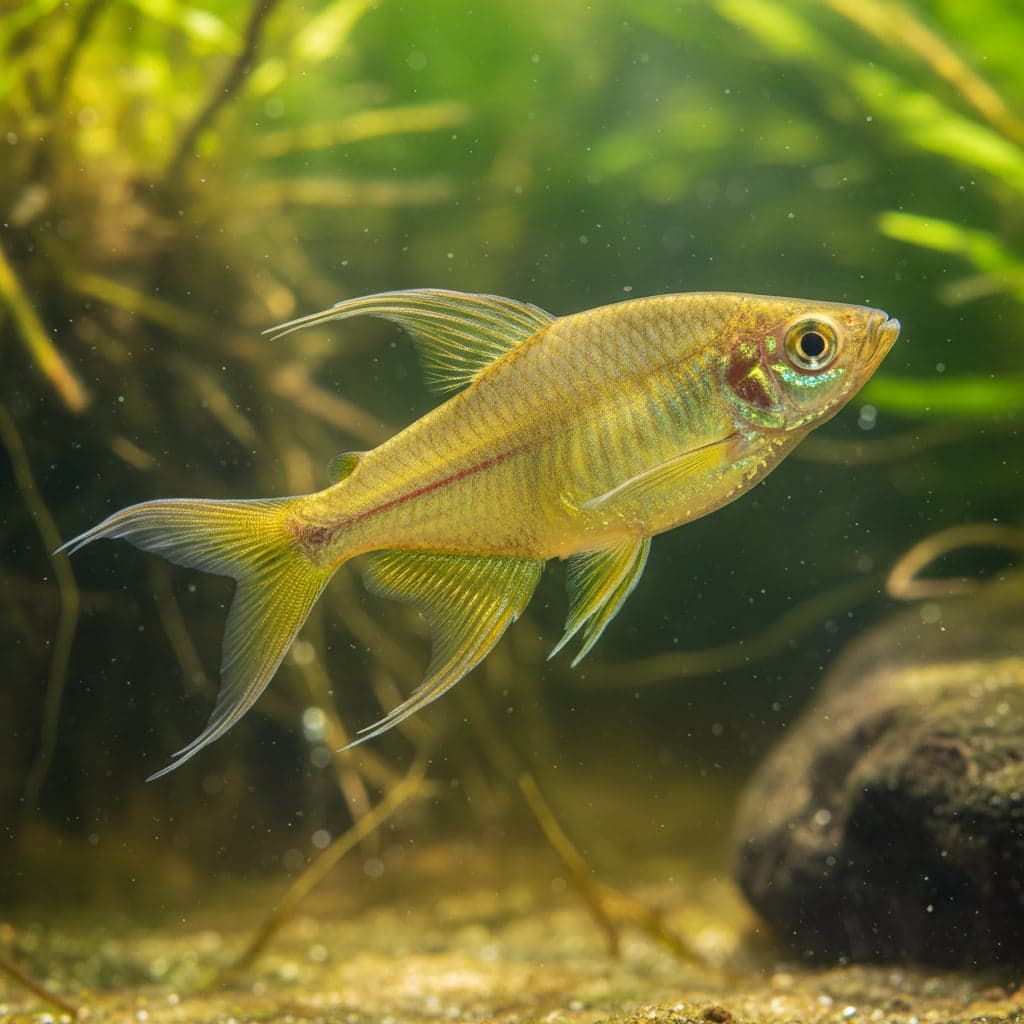
Yellow Congo Tetra
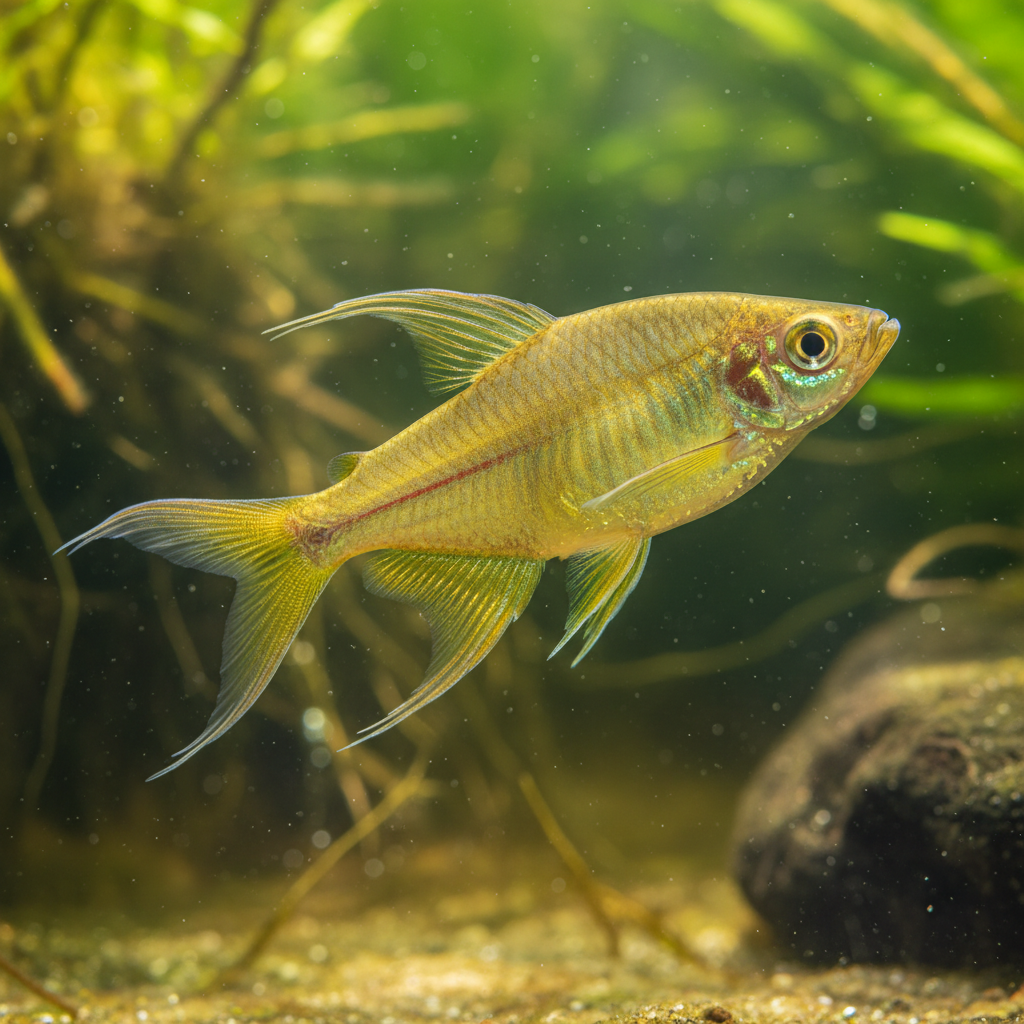
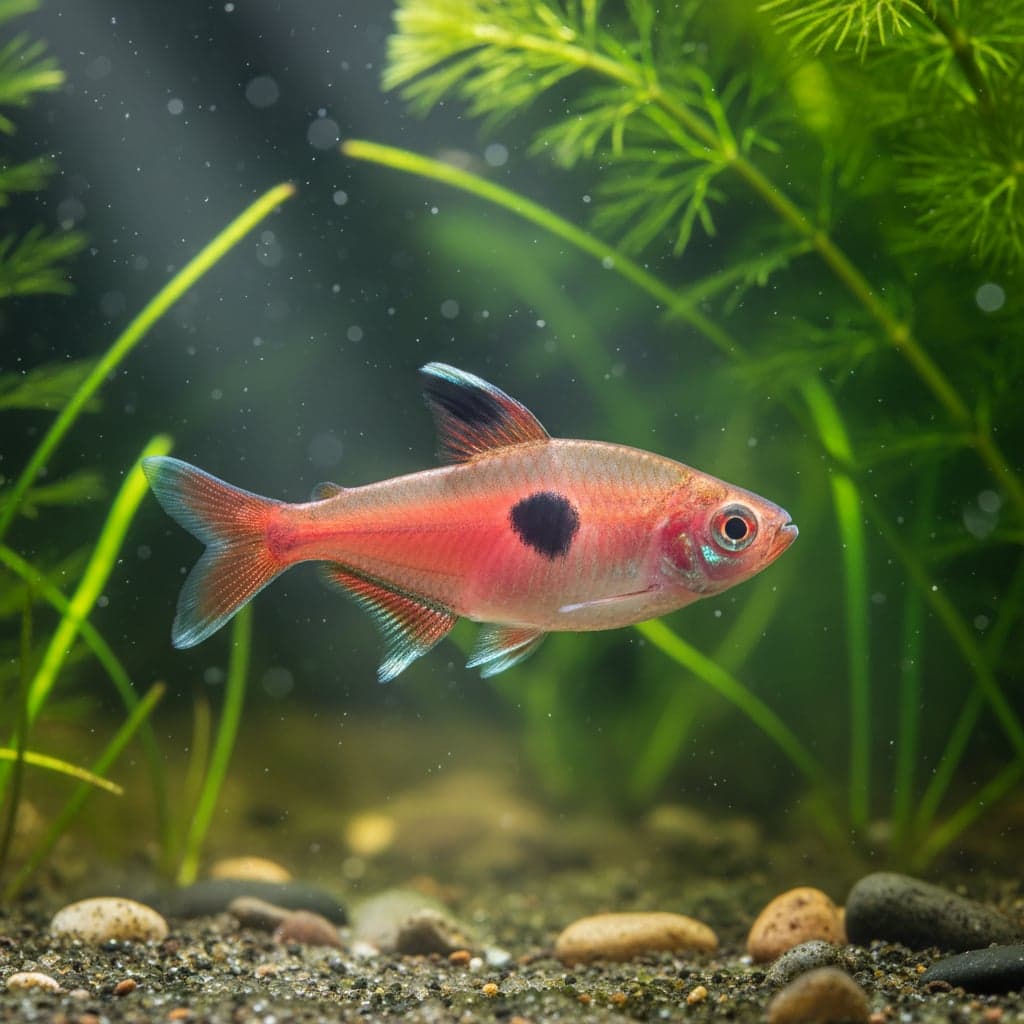
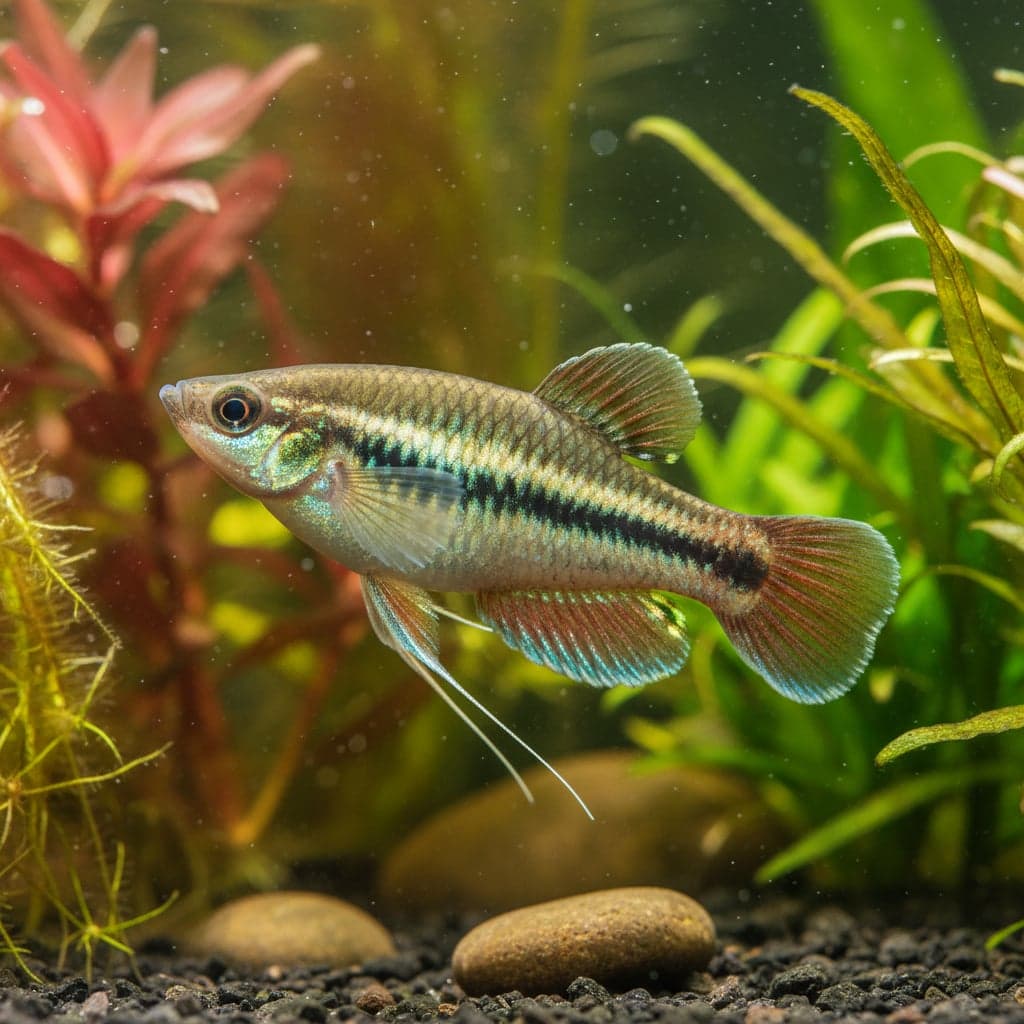
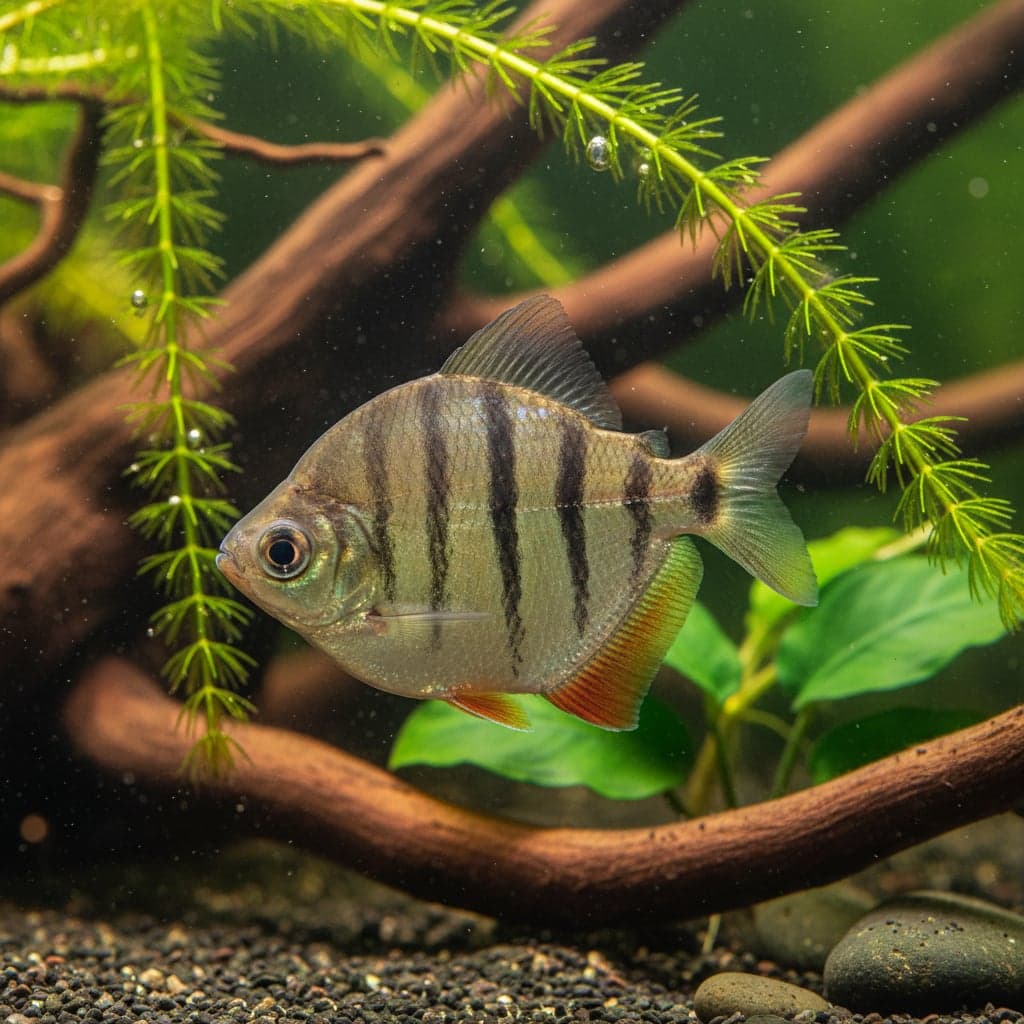
The Yellow Congo Tetra (Alestopetersius caudalis) is a strikingly beautiful freshwater fish that has captured the hearts of aquarium enthusiasts worldwide. This species is known for its vibrant yellow coloration, accented with shimmering iridescent scales and a characteristic elongated body. The Yellow Congo Tetra showcases a prominent, forked caudal fin, which further enhances its appeal. Its presence in an aquarium can bring vitality and a splash of color, making it a popular choice for community tanks as well as species-specific setups. As a schooling fish, they thrive in groups and display captivating social behaviors that can be quite entertaining to observers.
In addition to its aesthetic allure, the Yellow Congo Tetra holds significance in the aquarium hobby due to its sociability and adaptability. Originating from the Congo River Basin, this species has become a favorite among aquarists who appreciate its lively demeanor and unique characteristics. Its relatively low maintenance requirements make it suitable for both novice and seasoned fish keepers. With proper care and an appropriately designed environment, these fish can flourish and become a centerpiece in any freshwater aquarium.
Natural Habitat & Origin
The Yellow Congo Tetra hails from the tranquil waters of the Congo River Basin in Central Africa. This region is renowned for its rich biodiversity and unique aquatic ecosystems. The Yellow Congo Tetra typically inhabits blackwater streams, where the water is stained by decomposing organic matter, giving it a dark, tea-colored appearance. The acidity of these waters is usually low, and the dissolved solids are minimal, creating an environment rich in tannins and organic material, which helps to restore a natural balance in the ecosystem.
Understanding the natural habitat of the Yellow Congo Tetra is crucial for recreating a suitable environment in the aquarium. In the wild, these fish are accustomed to gentle water flow, densely planted areas, and plenty of hiding spots among leaf litter and roots. This natural context shapes their behavior and care needs in captivity, leading to a stronger emphasis on replicating these conditions for optimal health.
Care Requirements
Providing the best care for Yellow Congo Tetras involves ensuring specific water parameters and a well-structured tank setup. Ideally, the water pH should be maintained between 6.0 to 7.5, and temperatures should range between 75°F to 82°F (24°C to 28°C). The hardness of the water should be soft to moderately hard, with levels around 1 to 10 dGH. These parameters support their health and promote vibrant coloration while mimicking their natural habitat.
In terms of tank setup, a minimum tank size of 20 gallons is recommended to provide ample swimming space for a small school of Yellow Congo Tetras (at least five or more). A soft substrate, such as sand or fine gravel, is ideal for preventing injury to their delicate bodies. Lighting should be moderate to low, as this mimics their shaded natural environments. A well-planted tank with a mix of live plants, driftwood, and natural decor not only enhances the aesthetic appeal but also offers essential hiding places for these fish, ensuring they feel secure.
Diet & Feeding
Yellow Congo Tetras are omnivores, which allows for a varied diet in captivity. In the wild, they feed on a mixture of small invertebrates, plant matter, and detritus. To maintain their health and vibrant coloration, it’s important to provide them a balanced diet consisting of high-quality flake foods, micro-pellets, and live or frozen foods such as brine shrimp, daphnia, or bloodworms. Offering a varied diet will help them thrive and display their full spectrum of colors.
Feed them small amounts once or twice a day, ensuring they consume what is offered within a few minutes to prevent water quality issues. Occasional supplementation with spirulina or vegetable flakes can enhance their overall health and boost their immune systems, making them more resistant to diseases.
Behavior & Temperament
The Yellow Congo Tetra is a peaceful and social fish that thrives in a school, allowing them to exhibit their natural schooling behavior in the aquarium. They typically swim in the middle to the upper levels of the tank, engaging in playful interactions with each other. These fish are known for their inquisitive nature, often exploring their environment and investigating any changes. Despite their peaceful demeanor, they can be prone to stress if kept in insufficient numbers, leading them to become skittish and less active.
Due to their non-aggressive temperament, Yellow Congo Tetras are ideal for community tanks with other peaceful species. However, it's essential to avoid housing them with larger or overly aggressive fish that may intimidate or harm them, ensuring a harmonious tank environment.
Tank Mates
When selecting tank mates for Yellow Congo Tetras, it's crucial to choose species that share similar water requirements and temperaments. Suitable companions include:
- Other tetras (e.g., Neon Tetras, Cardinal Tetras)
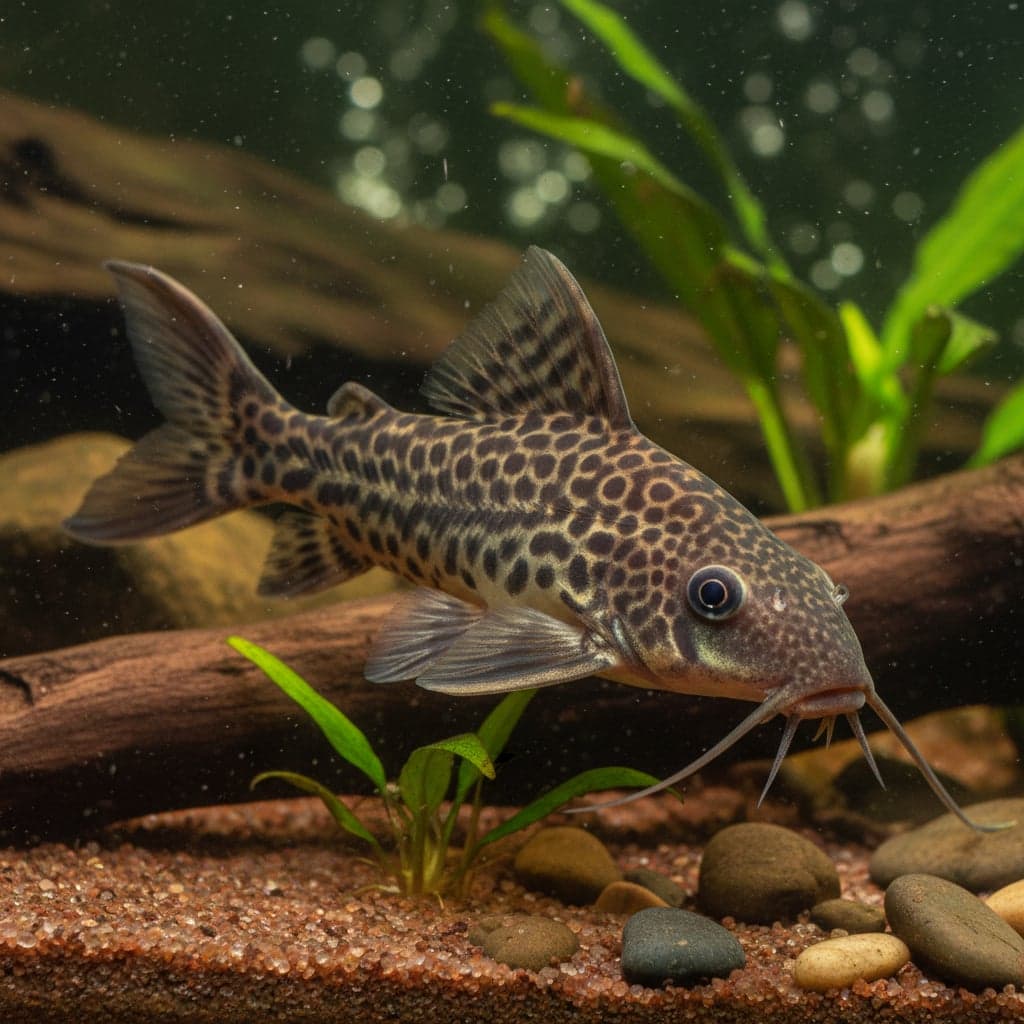
- Corydoras catfish (e.g., Corydoras Paleatus)
- Peaceful livebearers (e.g., Guppies, Endlers)
- Rasboras (e.g., Harlequin Rasboras)
- Small peaceful cichlids (e.g., Apistogramma species)
Species to avoid include larger, more aggressive fish such as cichlids (e.g., Oscars, African Cichlids), barbs (e.g., Tiger Barbs), and any species known for nipping fins or exhibiting territorial behaviors. Choosing the right tank mates will enhance the overall health and tranquility of the aquarium.
Breeding
Breeding Yellow Congo Tetras can be both rewarding and challenging. They are known as egg scatterers, meaning they will lay eggs freely in the water column, often among dense vegetation. To breed them successfully, it is advisable to set up a breeding tank with soft, acidic water conditions (pH 6.0 to 6.5) and a temperature around 78°F (26°C). Providing plenty of fine-leaved plants or spawning mops will encourage the female to lay eggs.
After spawning, it is crucial to remove the adult fish from the breeding tank, as they may eat the eggs. The eggs will typically hatch within 24 to 36 hours, and the fry should be fed infusoria or finely crushed flakes until they are large enough to consume small live foods. With proper care, the fry can grow rapidly and transition into healthy juvenile fish.
Common Health Issues
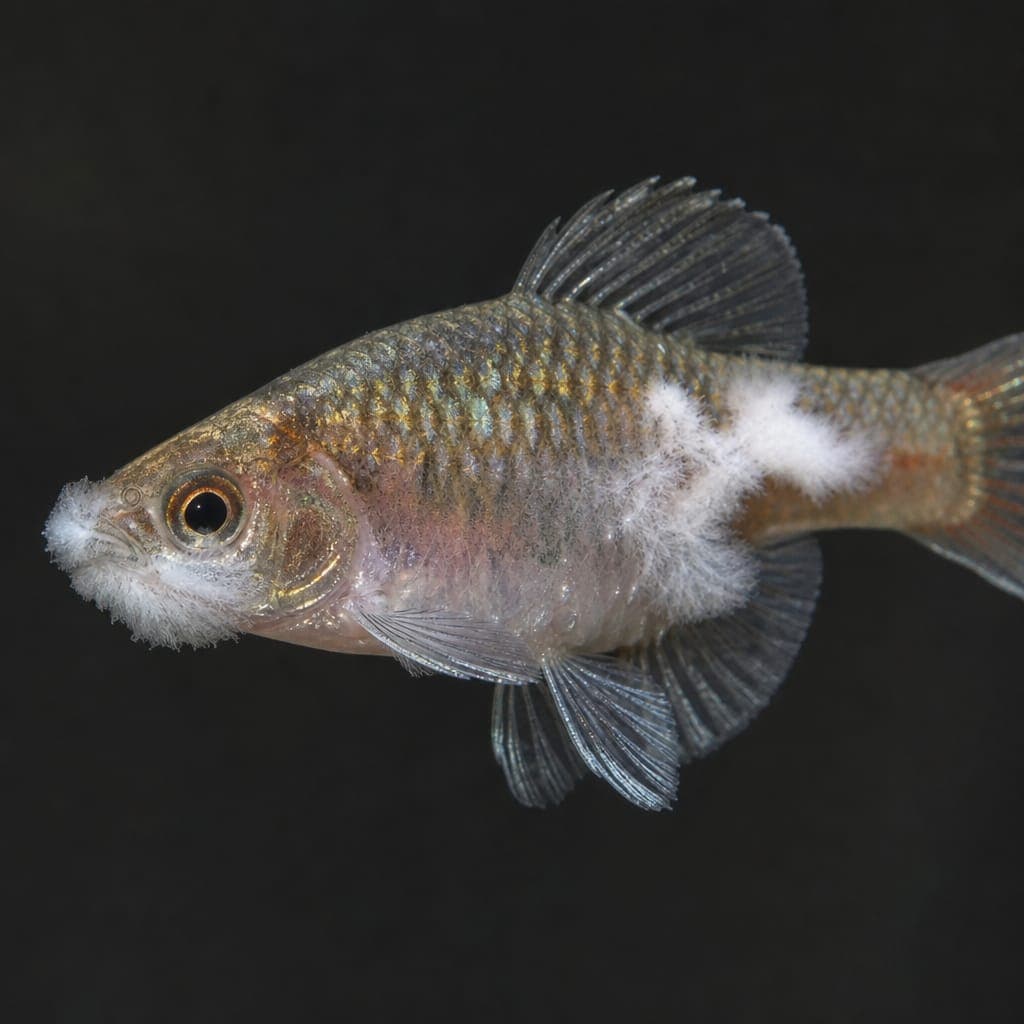
Yellow Congo Tetras are generally hardy but can be prone to certain health issues if not properly cared for. Common diseases include ich (white spot disease), fin rot, and fungal infections. To prevent these ailments, it's essential to maintain excellent water quality through regular water changes and monitoring of tank parameters.
Maintaining a stable environment, ensuring proper diet, and minimizing stress by keeping them in appropriate group sizes will also help keep these fish healthy. Quarantining new additions to the tank for at least two weeks before introduction can further reduce the risk of introducing diseases. Keeping an attentive eye on your fish will go a long way in ensuring their long term health and wellbeing.