Yellow Dwarf Cichlid: Apistogramma borellii
One of the smallest and most peaceful of the Apistogramma species, known for its beautiful yellow highlights and fascinating parental care.

Yellow Dwarf Cichlid
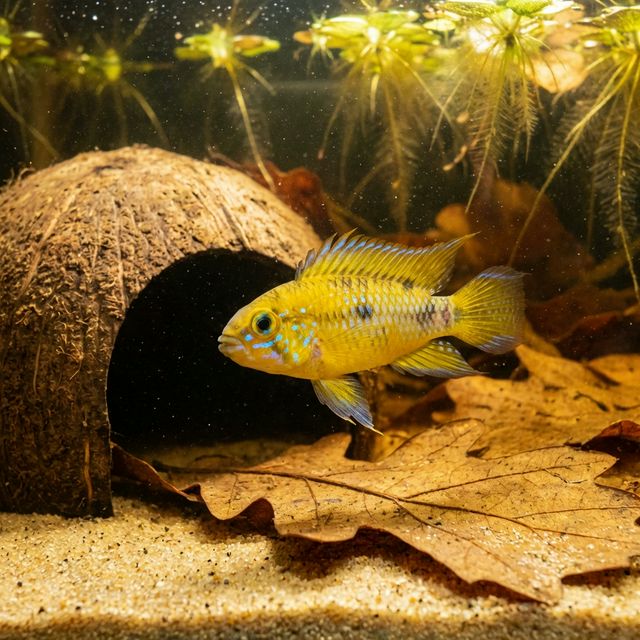
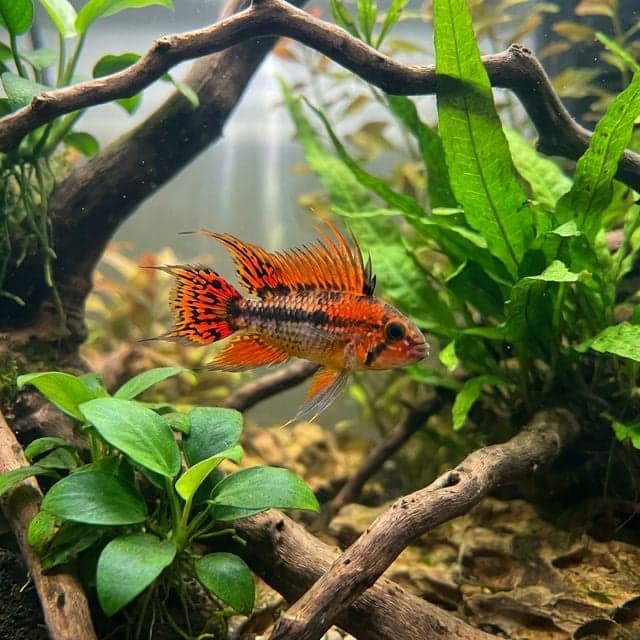
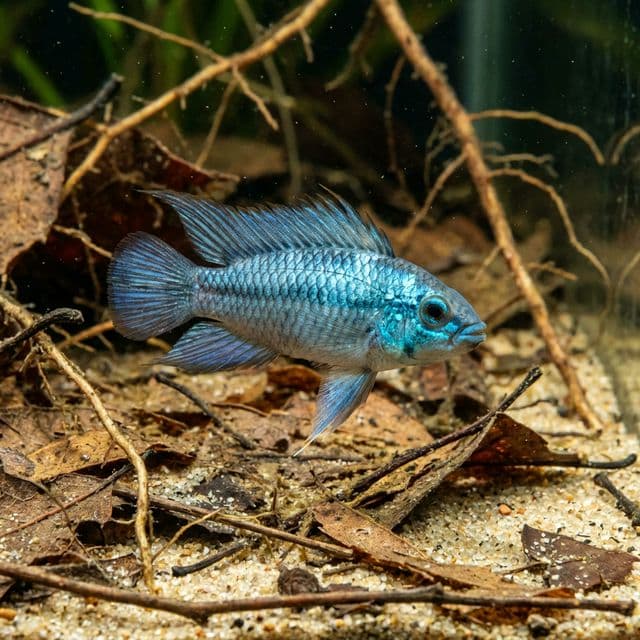
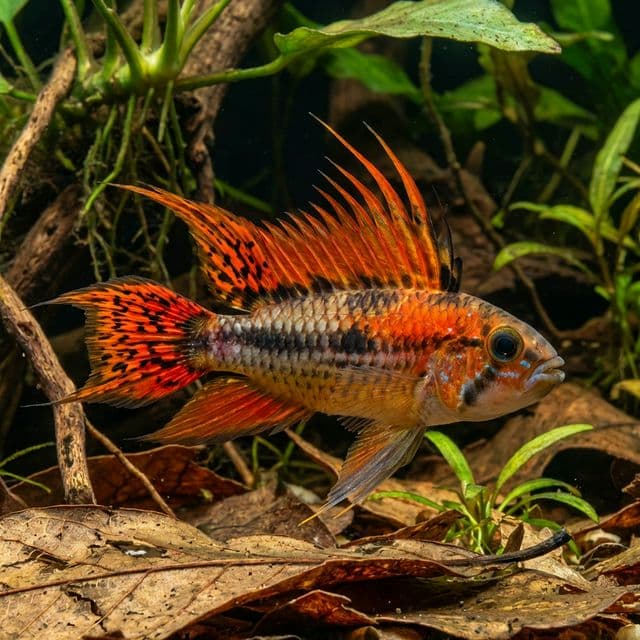
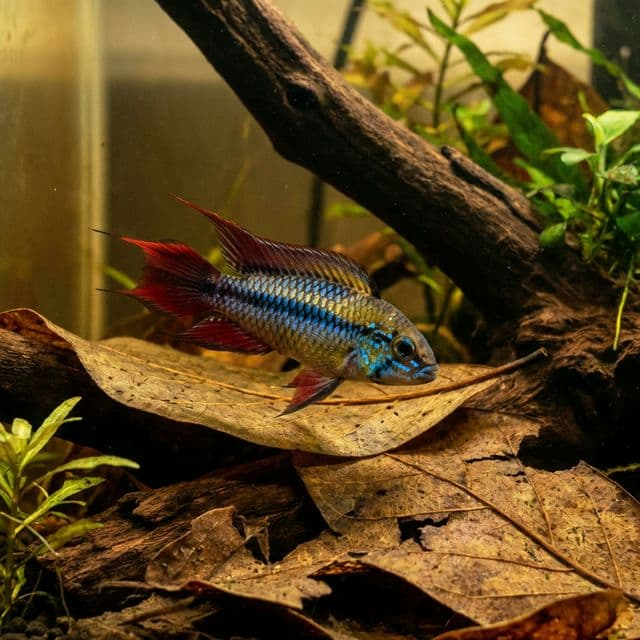
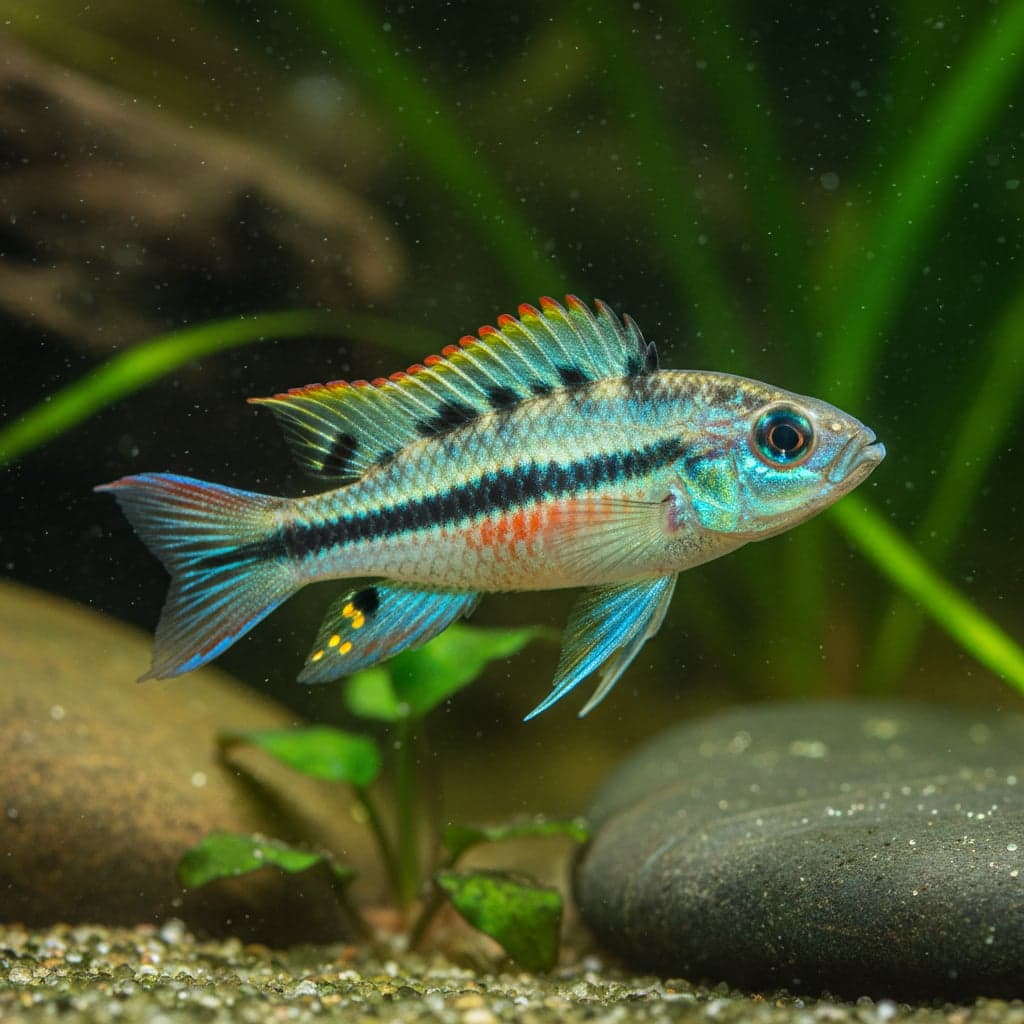
The Yellow Dwarf Cichlid, scientifically known as Apistogramma borellii, is a small, vibrantly colored freshwater fish that has gained immense popularity among aquarium enthusiasts. Renowned for its striking yellow and blue coloration, this cichlid features iridescent scales that shimmer under aquarium lighting, making it a visually appealing addition to any tank. The males exhibit more vivid colors and larger fins compared to their female counterparts, creating a captivating display that draws the attention of aquarists. These fish are not only aesthetically pleasing but also exhibit interesting behaviors, which further adds to their charm.
In the aquarium hobby, the Yellow Dwarf Cichlid is significant not only for its beauty but also for its resilience and ease of care. This species adapts well to various tank conditions, making it suitable for both novice and experienced aquarists alike. Its lively personality, combined with its territorial nature, offers viewers a fascinating glimpse into cichlid behavior. As they mature, these fish develop unique markings and personality traits, making each individual a personal favorite for a responsible hobbyist.
Natural Habitat & Origin
The Yellow Dwarf Cichlid originates from the river basins of South America, primarily found in freshwater systems of regions including the Amazon Basin, Paraguay, and parts of Brazil. In their natural habitat, these cichlids tend to dwell in slow-moving waters such as ponds, swamps, and small streams, often characterized by blackwater conditions. The water bodies are rich in organic material, providing a dimly lit environment that mimics their aquatic surroundings in the wild. The soft, acidic water (pH 5.5-7.5) and the presence of leaf litter and submerged roots contribute to the cichlid's thriving ecosystem.
This species thrives in environments where tannins from rotting plant material infuse the water, giving it a tea-like color. Typically, the Yellow Dwarf Cichlid occupies the substrate level of their environment, where they find cover and nesting sites among the vegetation. The arrangement of their natural habitat, complete with rocky outcrops and dense plant life, serves a significant role in their behavior and overall well-being.
Care Requirements
To create an ideal living condition for the Yellow Dwarf Cichlid, several care requirements must be met. It is essential to maintain water parameters that reflect their natural habitat—aim for a temperature range of 75°F to 82°F (24°C to 28°C), a pH level between 5.5 to 7.5, and a water hardness of 3 to 10 dGH. A minimum tank size of 20 gallons is recommended to allow sufficient swimming space and establish a stable environment.
For tank setup, soft substrates, such as sand or fine gravel, mimic their biotope and provide comfortable digging zones. Lighting should be moderate to low, as bright lighting can cause stress to these fish. Incorporating plenty of plants, driftwood, and hiding places will create a naturalistic environment, offering safe spaces for breeding and territory maintenance. Floating plants and dense vegetation also contribute to lower light levels, encouraging a calmer atmosphere.
Diet & Feeding
The Yellow Dwarf Cichlid is an omnivorous species and requires a balanced diet to thrive. In their natural habitat, they consume a mix of plant material, small invertebrates, and detritus. In captivity, high-quality high-protein pellets and flakes formulated specifically for cichlids should form the base of their diet. It is also important to supplement their diet with frozen or live foods, such as brine shrimp, bloodworms, and daphnia, to meet their nutritional needs and encourage natural foraging behavior. Feeding should occur in smaller portions 1-2 times a day to prevent over-feeding and maintain optimal water quality.
Additionally, integrating vegetative offerings like spirulina flakes or blanched greens enriches their diet and promotes overall health. Ensuring dietary variety will not only enhance their coloration and vitality but also maintain their active and engaging behavior in the tank.
Behavior & Temperament
The Yellow Dwarf Cichlid is known for its vibrant personality and engaging social interactions. These fish tend to be relatively peaceful but exhibit territorial qualities, particularly during breeding seasons. Males may become aggressive towards each other and other bottom-dwelling fish, so it is important to design their tank with multiple hiding spots to help minimize conflict.
In terms of social behavior, the Yellow Dwarf Cichlid can be kept in pairs or small groups, provided there is ample space to establish territories. It is crucial to position them toward the lower levels of the tank since they prefer to explore and occupy this area. This vertical placement is indicative of their natural habitat and helps reduce stress and aggression levels.
Tank Mates
Choosing compatible tank mates for the Yellow Dwarf Cichlid requires careful consideration. Ideal companions include peaceful species such as small tetras, rasboras, otocinclus, pencilfish, and certain species of catfish like the Corydoras. These fish often occupy different strata of the tank, which helps minimize territorial disputes and promotes harmony within the aquarium.
Species to avoid include larger or overly aggressive fish such as angelfish, cichlid species that are known for their aggressive breeding behavior, or any species that might nip at the fins of the Yellow Dwarf Cichlid. By selecting the right community fish, you can create a nurturing and diverse aquarium environment.
Breeding
Breeding the Yellow Dwarf Cichlid can be a rewarding process when conditions are right. In captivity, they typically exhibit substrate spawning behaviors, with the female laying her eggs on flat surfaces such as rocks or broad-leaved plants. For successful breeding, it is important to provide them with optimal conditions: maintaining a slightly elevated temperature of around 80°F (27°C), lowering the pH to around 6.0, and ensuring a well-planted tank with plenty of hiding places is essential.
Both parents exhibit strong parental instincts, with females guarding the eggs while males monitor the area for potential threats. The eggs usually hatch within 24 to 48 hours, and the fry will swim free within a few days. During this initial stage, finely crushed flakes or newly hatched brine shrimp should be provided as feed to support the fry's development.
Common Health Issues
Like all aquatic species, the Yellow Dwarf Cichlid may be susceptible to various health issues. Common diseases include ich, fin rot, and bacterial infections. Stress, poor water quality, or improper diet can exacerbate these problems. To prevent health issues, regular water changes (at least 20% per week), maintaining pristine water conditions, and ensuring a balanced diet are key practices for any aquarist.
Observing fish behavior regularly can aid in early detection of illness. Quarantine new arrivals for a few weeks before introducing them to the main tank to prevent the spread of disease. Additionally, use tank plants and decorations that provide hiding spots to minimize stress and promote a healthy environment for your Yellow Dwarf Cichlids.