Neocaridina davidi var. 'yellow': Yellow Fire Shrimp
A vibrant and hardy dwarf shrimp that adds a splash of brilliant yellow to any freshwater aquarium while serving as an excellent algae-eating scavenger.

Neocaridina davidi var. 'yellow'
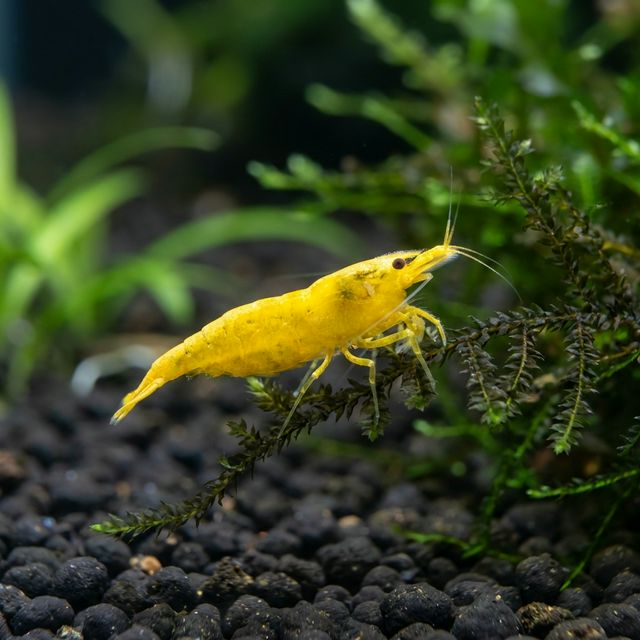
Neocaridina davidi var. 'yellow,' commonly known as Yellow Fire Shrimp, is a vibrant and lively freshwater shrimp that has gained immense popularity among aquarium enthusiasts. Renowned for its striking yellow coloration, this variety of Neocaridina davidi showcases bright hues that can range from pale lemon to a deep, rich gold, often with subtle variations of color intensity. Its attractiveness is not solely superficial; these shrimp possess an engaging personality that enhances the dynamics of nano and community tanks. They exhibit an array of interesting behaviors, such as foraging and grazing, which make them a delightful addition to any aquatic environment.
The Yellow Fire Shrimp plays a significant role in the aquarium hobby, especially in the shrimp-keeping segment. Their relatively hardy nature makes them suitable for beginners, while their breedable characteristics, particularly when kept in ideal conditions, appeal to experienced aquarists aiming to cultivate colorful shrimp colonies. As algae grazers, they contribute positively to tank maintenance by helping to clean the substrate and surfaces, thereby promoting a healthier aquatic ecosystem. Their vibrant appearance and beneficial role in the tank encapsulate why many aquarium keepers cherish them.
Natural Habitat & Origin
Neocaridina davidi var. 'yellow' originates from various freshwater habitats across Southeast Asia, particularly in regions such as Taiwan. The natural waters where these shrimp thrive tend to be clean and often low in nutrients, featuring a balance of natural debris and plant life. These environments generally exemplify soft, slightly acidic to neutral waters, which are abundant in organic materials such as leaf litter and decaying plants. The varied environmental contexts, including pools and streams, provide stable yet diverse habitats where these shrimp have adapted to live and breed, giving insight into the ideal conditions aquarists should strive to replicate in their own tanks.
Care Requirements
To successfully keep Neocaridina davidi var. 'yellow,' specific water parameters must be diligently maintained. Ideal conditions include a pH range of 6.5 to 8.0, with a temperature between 22°C to 26°C (72°F to 78°F). The water hardness should ideally be between 4 to 8 dGH, providing a suitable mineral balance for these hardy shrimp. In terms of tank size, a minimum of 10 gallons is recommended for a small colony to ensure ample swimming space and a stable environment. The substrate should be fine, such as sand or soft gravel, to prevent any damage to their delicate appendages and to encourage natural foraging behavior.
Lighting for the tank can vary depending on the chosen plants, but moderate lighting works well to promote healthy growth without overwhelming the shrimp. Live plants, such as Java moss, dwarf hairgrass, and Anubias, are preferred as they provide both hiding spots and grazing areas for the shrimp. Additionally, incorporating plenty of decorations like rocks and driftwood can further enhance their habitat, mimicking the natural environments they are accustomed to while creating an aesthetically pleasing aquascape.
Diet & Feeding
Neocaridina davidi var. 'yellow' is classified as an omnivore, thriving on a varied diet that includes both plant-based and animal-based nutrition. To ensure optimal health, it’s recommended to provide high-quality shrimp pellets or specialized flakes designed for invertebrates. These foods should be supplemented with blanched vegetables such as zucchini, spinach, or carrots, which are not only nutritious but also enjoyable for them to consume. Frozen or live foods, like brine shrimp or daphnia, can also be introduced occasionally, offering a protein boost especially beneficial during the molting process.
This dietary diversity not only helps maintain their vibrant coloration but also supports their overall health, longevity, and reproductive success. However, it’s essential to avoid overfeeding, as leftover food can adversely affect water quality, leading to potential health issues.
Behavior & Temperament
Within the aquarium, Neocaridina davidi var. 'yellow' displays a peaceful and social disposition. These shrimp are best kept in groups of five or more, as they exhibit a natural tendency to break into small pods, fostering a sense of community and security. Though not aggressive, they can display some territoriality during mating seasons or when competing for food, but such interactions usually do not escalate into harmful confrontations.
In terms of tank placement, these shrimp are generally found at various levels within the tank, favoring areas near the substrate for grazing but also venturing towards mid-water in search of food and shelter. Their active nature makes them an exciting addition to the aquarist’s viewing experience.
Tank Mates
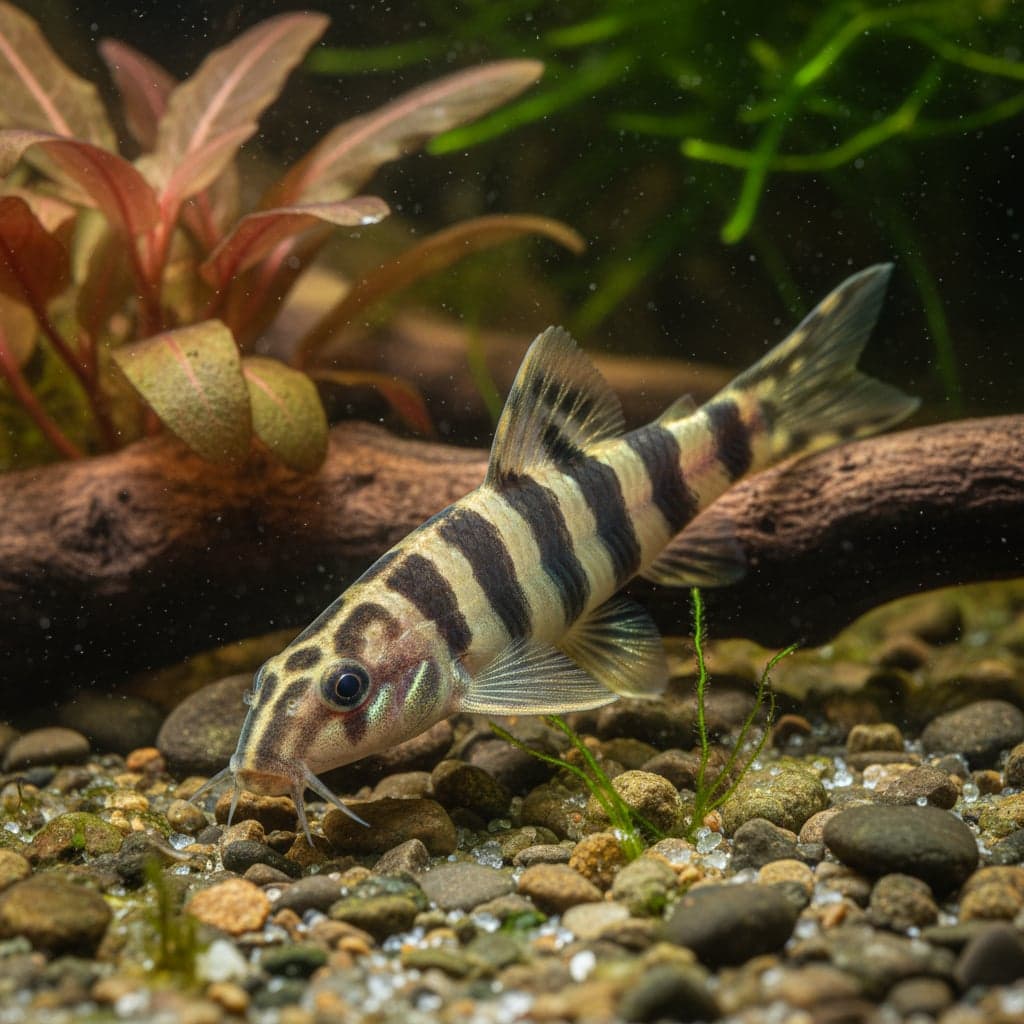
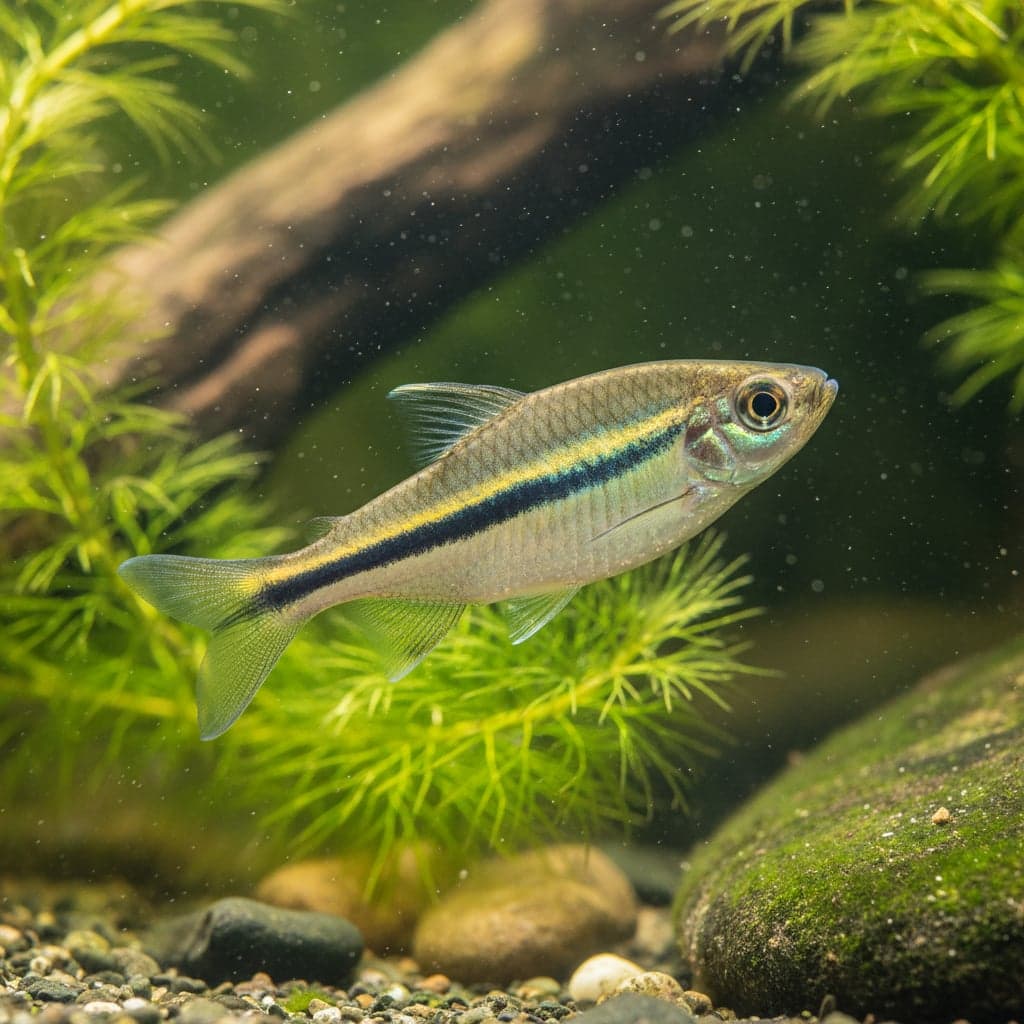
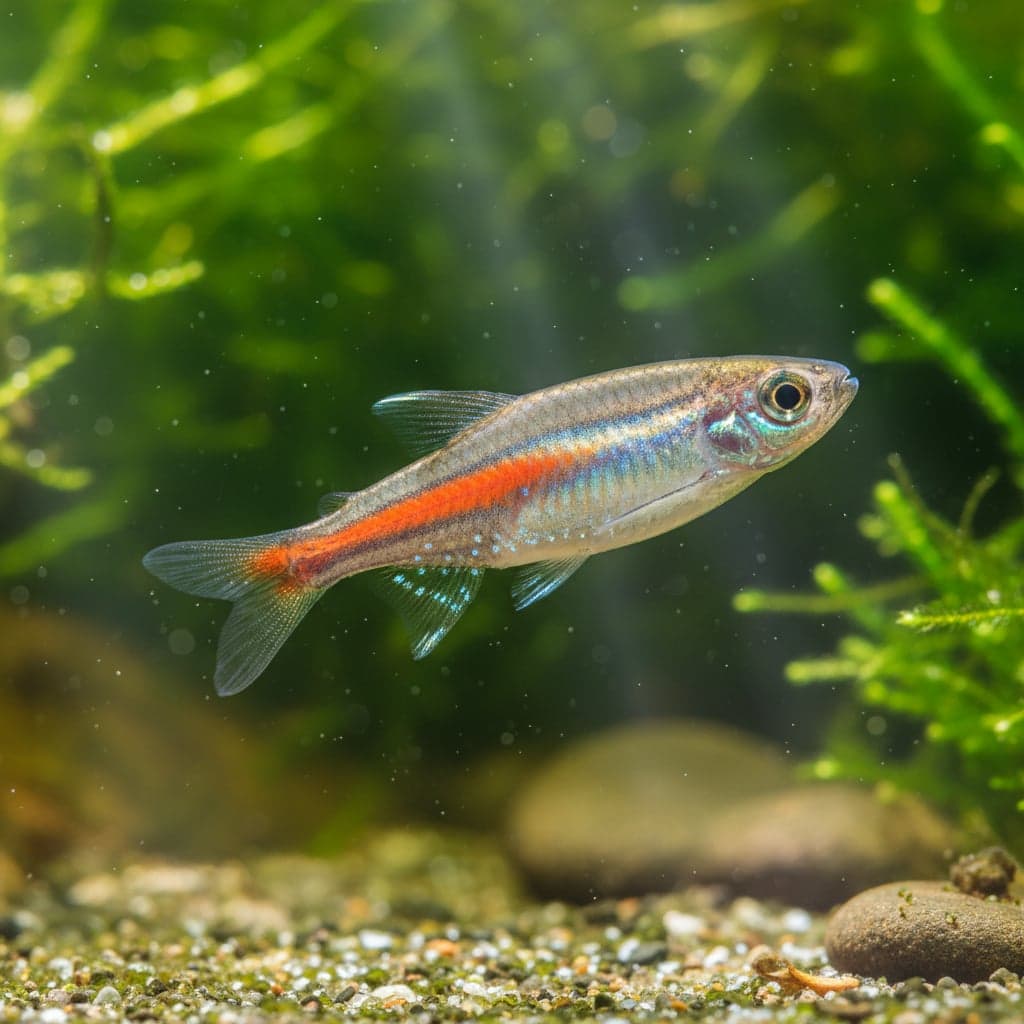
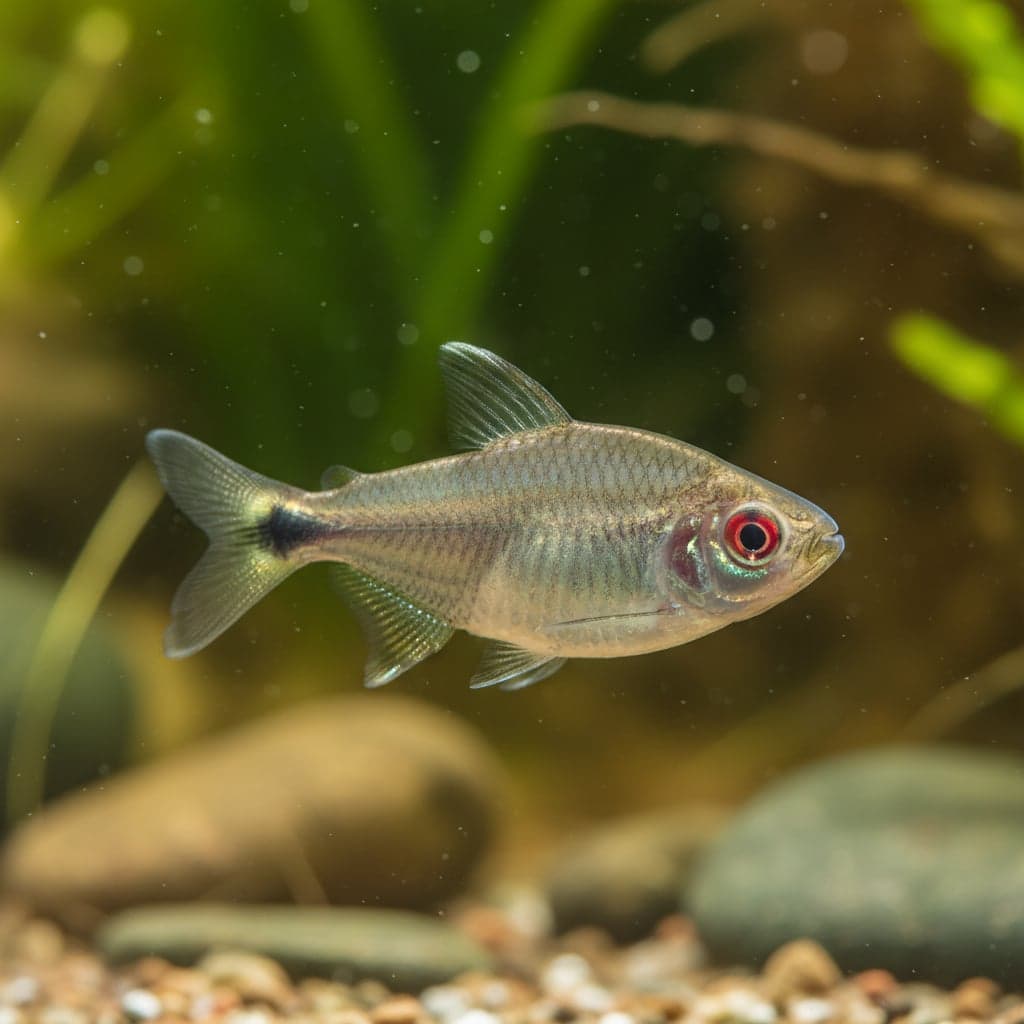
When considering tank mates for Neocaridina davidi var. 'yellow,' it’s pivotal to select species that are peaceful and non-predatory. Compatible inhabitants include small community fish like guppies, tetras, or rasboras; peaceful bottom dwellers such as Corydoras catfish; and other non-aggressive invertebrates like snails. Conversely, caution should be taken to avoid larger, aggressive fish such as cichlids or those with high territorial tendencies that may view the shrimp as prey. Additionally, be wary of other species of shrimp that may interbreed or contribute to aggressive dynamics.
Creating a well-balanced community tank will not only enhance the health and survival of the Yellow Fire Shrimp but will also contribute to a vibrant and dynamic underwater ecosystem.
Breeding
Breeding Neocaridina davidi var. 'yellow' is relatively straightforward, provided that optimal environmental conditions are met. These shrimp are known for their high breeding success rate, and a breeding pair can typically spawn every 3-4 weeks. For successful breeding, it’s crucial to maintain stable water parameters and provide a well-planted environment that gives ample hiding spaces for the larvae. Female Yellow Fire Shrimp will exhibit a distinct, rounded belly when carrying fertilized eggs, which they will carry under their pleopods until they hatch, typically within 30 days.
Once the eggs hatch, young shrimp will be fully formed and capable of swimming, requiring no additional care beyond monitoring water quality. Implementing a high-quality diet will further support their growth in the crucial weeks following hatching.
Common Health Issues
While Neocaridina davidi var. 'yellow' are generally hardy, they can be susceptible to certain health issues, such as bacterial infections and molting problems. Common ailments include shell rot and parasites like Hydra. Prevention strategies focus on maintaining optimal water quality through regular changes and monitoring of parameters. Additionally, a nutritious diet enhances their resilience against disease, making proper care critical for long-term health.
It’s also recommended to regularly observe these shrimp to identify any behavioral changes or visible signs of distress. Early detection of health issues and prompt intervention can significantly increase their chances of recovery and overall well-being.