Yellow Phantom Tetra: Hyphessobrycon roseus
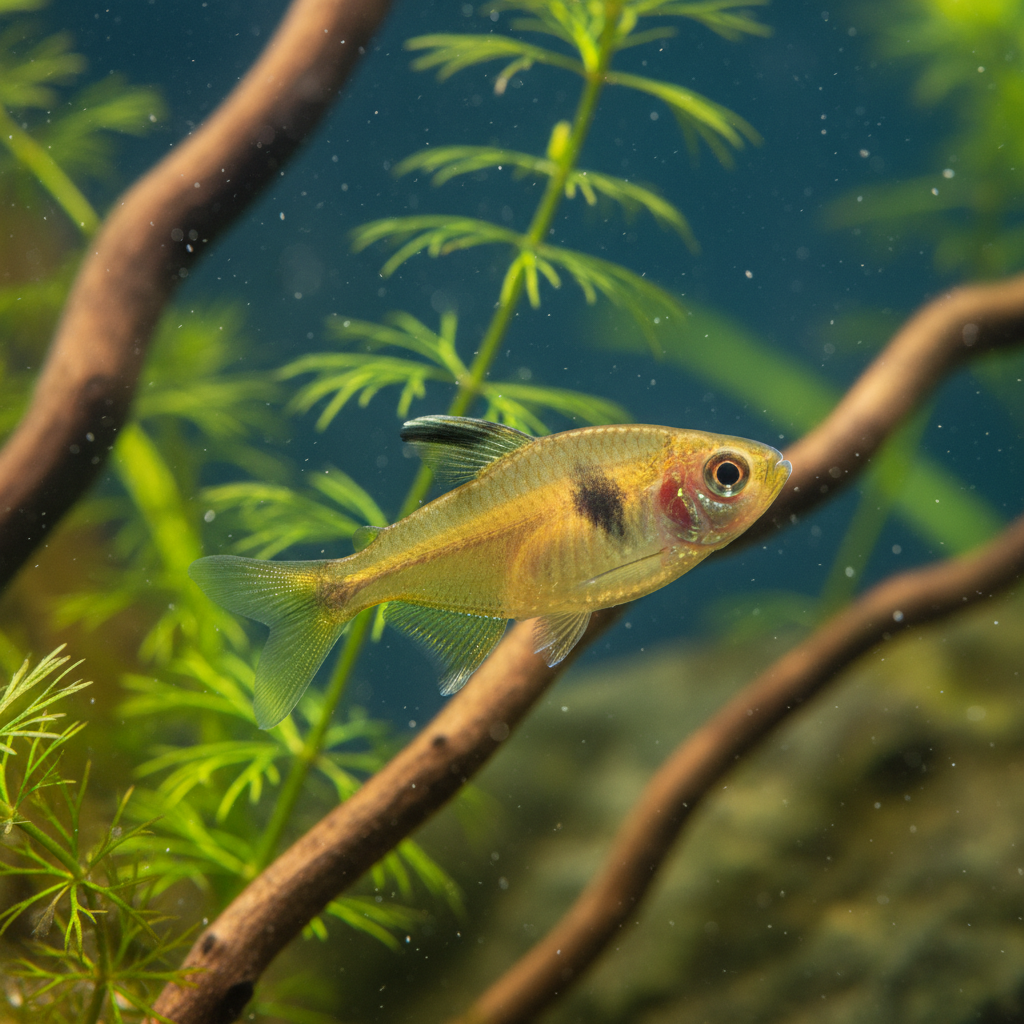
A graceful and subtly colored tetra, the Yellow Phantom is prized for its transparent body, delicate yellow tint, and distinctive dark "phantom" spot.

Yellow Phantom Tetra
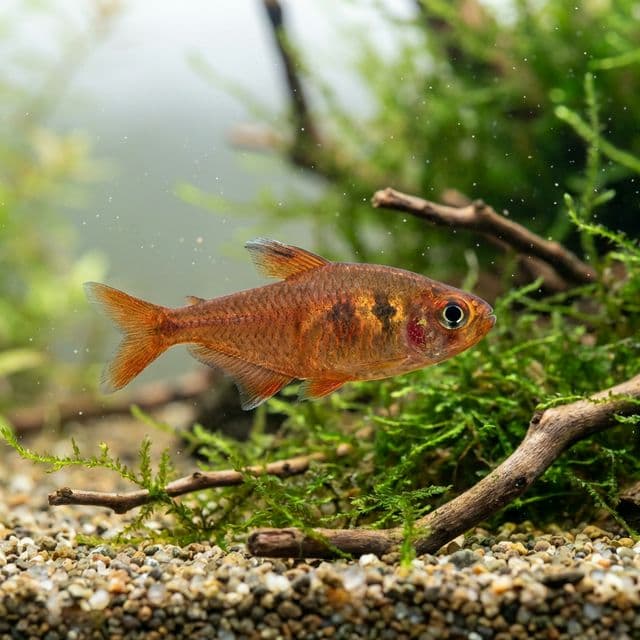
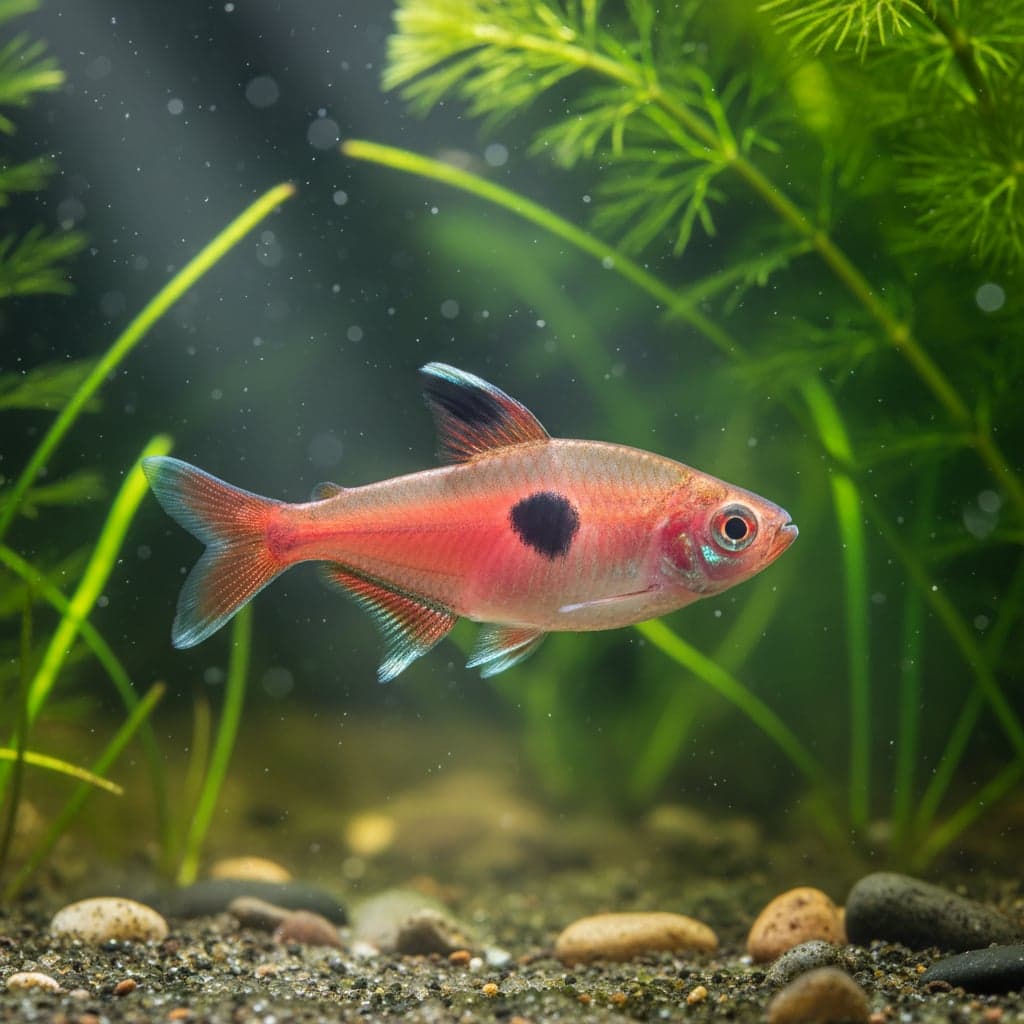
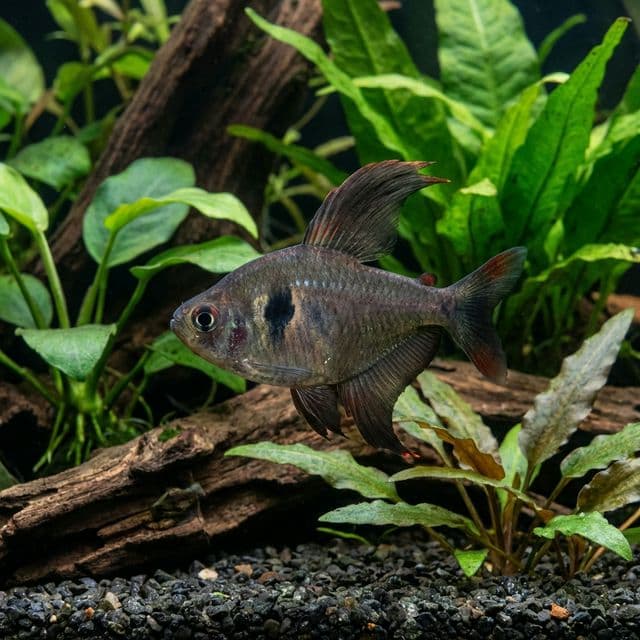
The Yellow Phantom Tetra, scientifically named Hyphessobrycon roseus, is an enchanting freshwater fish that's become a prized addition to many aquariums due to its striking appearance and vibrant coloration. This small, shoaling species typically measures around 1.5 to 2 inches in length and showcases a beautiful, transparent body with hints of yellow and subtle iridescence. Its most distinctive feature is the yellow-orange hue that intensifies in bright lighting, complemented by a dark spot on its dorsal fin, which adds visual intrigue. The playful and graceful nature of the Yellow Phantom Tetra contributes to its popularity among aquarists, making it an excellent choice for community tanks.
Beyond its aesthetic qualities, the Yellow Phantom Tetra holds significance in the aquarium hobby as a symbol of the lush, biodiverse ecosystems found in South America’s river systems. This species is often celebrated for its peaceful demeanor and sociable behavior, often forming tight-knit schools that exhibit delightful interactions. As such, they are not just beautiful additions to aquariums but also serve as indicators of a healthy, well-maintained aquatic environment. The Yellow Phantom Tetra’s appeal extends beyond its visual charm, making it a staple in both novices' and seasoned aquarists' collections.
Natural Habitat & Origin
The Yellow Phantom Tetra is native to the gentle waters of the Amazon Basin, primarily found in regions of Brazil and Peru. These fish inhabit small rivers, streams, and tributaries characterized by slow-moving currents and a soft substrate of leaf litter and organic debris. The water in these areas is typically acidic and low in hardness, featuring a distinct "blackwater" environment with stained, dark tea-like coloration. The prevalence of tannins from decaying plant matter contributes to the unique chemistry of their habitat, creating a comforting and protective environment filled with floating vegetation and submerged roots.
In their natural setting, the Yellow Phantom Tetra thrives in densely planted areas where they can find refuge and forage for food. The interconnected microhabitats of the Amazon create vital synergies, allowing these fish to adapt and develop in sync with their surroundings. Understanding the natural habitat of the Yellow Phantom Tetra is essential in recreating a suitable environment for them in captivity, ensuring they exhibit their natural behaviors and maintain good health.
Care Requirements
To successfully care for the Yellow Phantom Tetra in an aquarium setting, specific water parameters must be maintained to mimic their natural habitat. An ideal pH range is between 5.5 and 7.0, with a temperature range of 74°F to 82°F (23°C - 28°C) being optimal. The water hardness should be kept relatively soft, around 2 to 10 dGH, which aligns with their native habitat conditions.
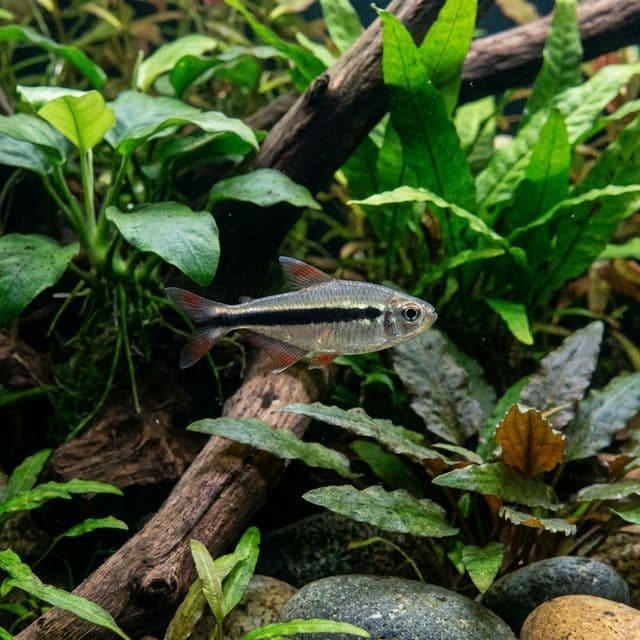
For tank setup, a minimum size of 20 gallons is recommended to provide ample swimming space for a small school of Yellow Phantom Tetras, ideally in groups of six or more. Using a fine-gravel substrate or sand mimics their natural environment and allows for root growth from plants, which are essential for their psychological well-being. Low to moderate lighting is preferred, as it mimics the dappled light of their native streams. Adding live plants, such as Amazon swords or Java fern, alongside driftwood and leaf litter, not only enhances the aesthetic appeal of the aquarium but also provides hiding spots and foraging opportunities for the fish.
Diet & Feeding
The Yellow Phantom Tetra is classified as an omnivore, meaning its diet consists of both plant and animal matter. In captivity, providing a varied diet is crucial to ensure they thrive and exhibit vibrant coloration. High-quality flake food formulated for community fish serves as a staple diet. However, supplementing their meals with sinking pellets, frozen foods such as brine shrimp or bloodworms, and occasional live foods can enhance their nutrition and promote healthy growth.
Feeding should be done multiple times a day in small amounts, as these fish have small mouths and tend to be shy eaters, frequently waiting for food to settle before venturing out. Observe their feeding habits to adjust the quantities accordingly, ensuring all fish in the tank receive equal access to food while adhering to a regular feeding schedule.
Behavior & Temperament
The Yellow Phantom Tetra is known for its peaceful demeanor and friendly disposition, making it an ideal candidate for community tanks. These fish are social animals that thrive in groups; it is advisable to keep them in shoals of six or more to promote their natural behavior. They exhibit entertaining schooling patterns, often darting together through the water in unison, which provides captivating displays for aquarium enthusiasts.
These fish tend to occupy the mid to upper levels of the aquarium, gracefully swimming among floating plants and foliage. While friendly, they can exhibit skittish behavior in less densely planted tanks or if kept in small numbers. Ensuring they have plenty of cover and companions mitigates stress, allowing them to display their full range of behaviors comfortably.
Tank Mates
When selecting compatible tank mates for the Yellow Phantom Tetra, it is essential to choose species that share similar temperaments and environmental needs. Suitable companions include peaceful community fish such as other tetras (e.g., Neon Tetra, Ember Tetra), small rasboras, guppies, and Corydoras catfish. These species complement the Yellow Phantom Tetra’s sociable nature and will coexist harmoniously in a well-planted aquarium.
However, it is advisable to avoid any aggressive or large predatory fish, such as cichlids or larger species that may see the Yellow Phantom Tetra as a meal. Maintaining a peaceful community will promote healthy and stress-free interactions within the aquarium, ensuring a thriving aquatic environment.
Breeding
Breeding the Yellow Phantom Tetra in captivity requires attention to specific conditions to encourage spawning. A separate breeding tank is often recommended, with soft, slightly acidic water (pH around 6.0) and water temperature maintained at approximately 76°F to 78°F (24°C - 26°C). The breeding environment should contain dense plant cover, utilizing fine-leaved plants or spawning mops for the fish to deposit their eggs, as Yellow Phantom Tetras are egg scatterers.
Once paired, the female will scatter numerous eggs over the plants during mating rituals, and it is essential to remove the adults post-spawning to prevent them from eating the eggs. After a few days, the eggs will hatch, and the fry will become free-swimming after about a week. Providing infusoria or finely crushed flakes as initial food can promote healthy fry growth, ensuring their successful development into adult fish.
Common Health Issues
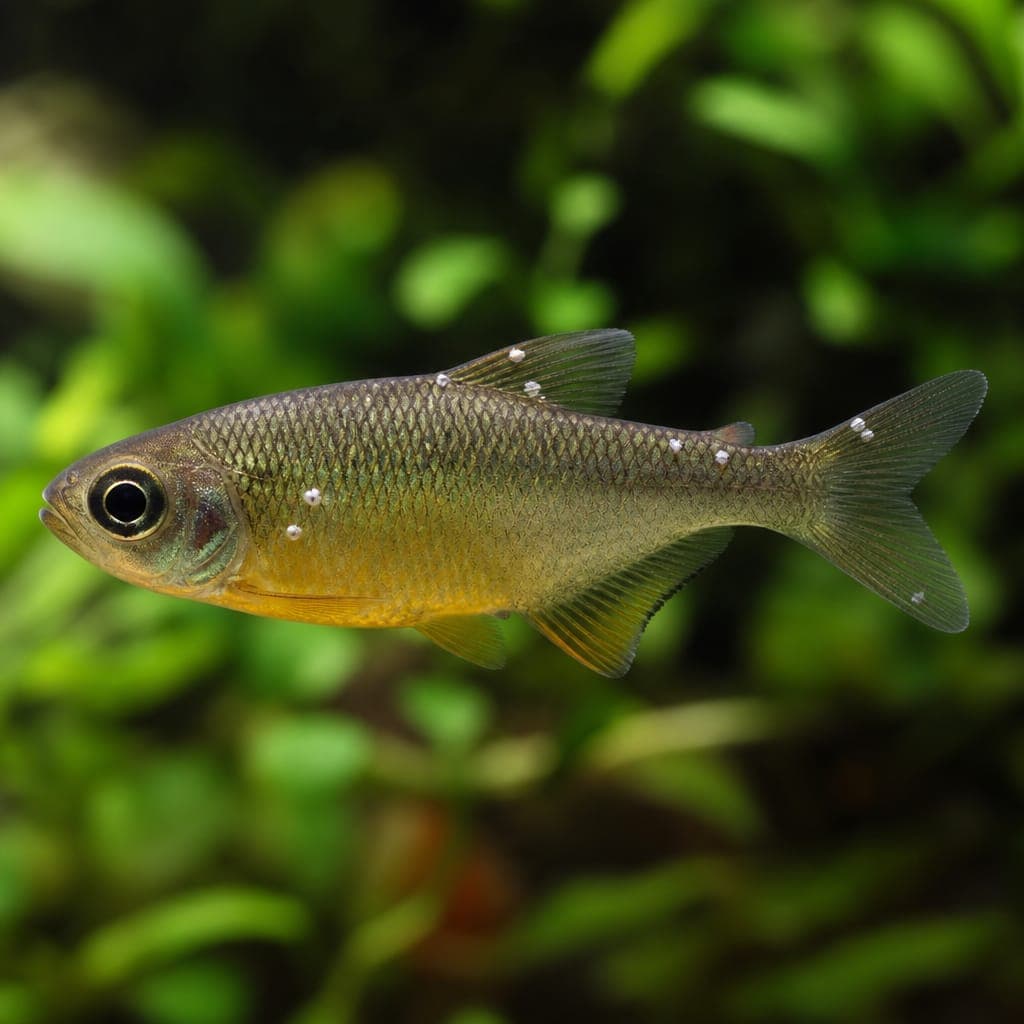
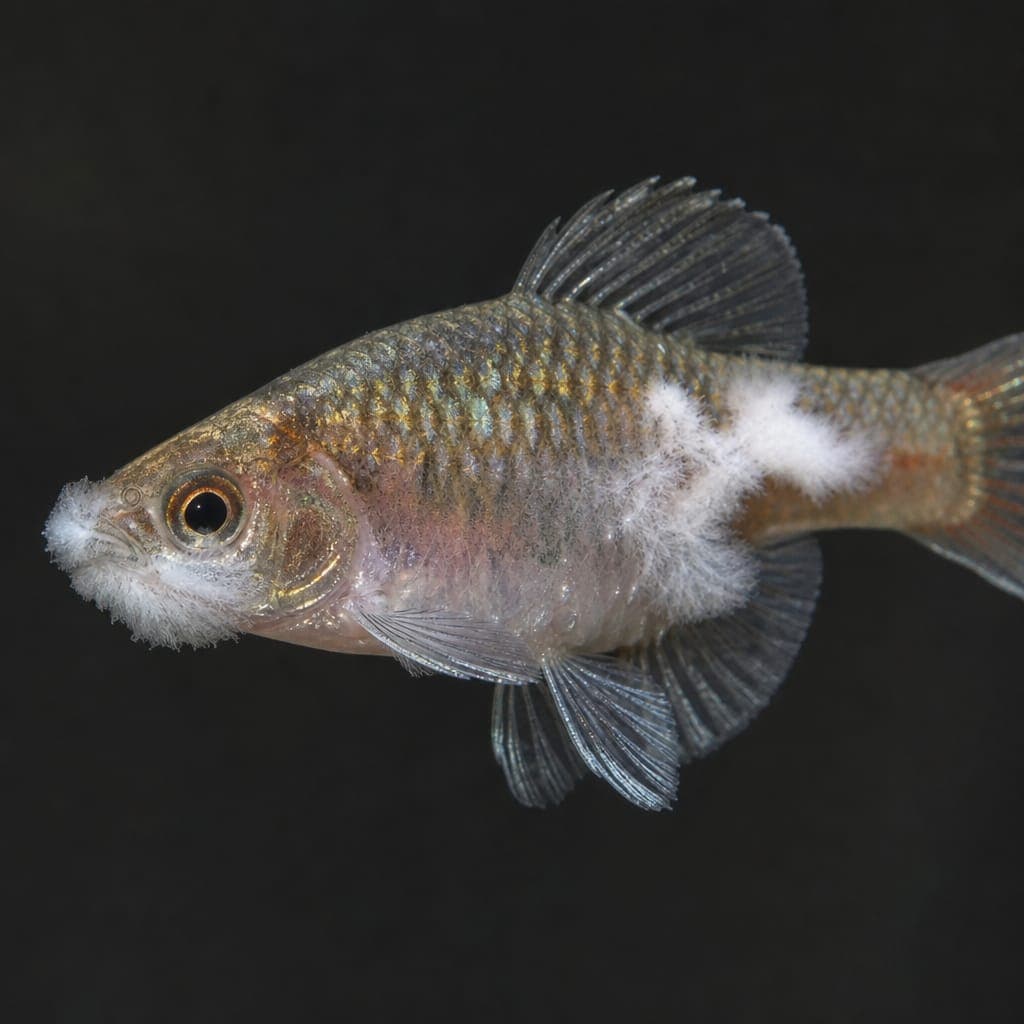
While the Yellow Phantom Tetra is generally hardy, they may be prone to common freshwater fish diseases such as ich, fin rot, and fungal infections. Effective prevention includes maintaining optimal water conditions, including routine water changes and careful monitoring of water parameters. Stress can make fish more susceptible to illness, so it’s crucial to avoid overcrowding and provide a stable environment.
Another important aspect of prevention is to quarantine new arrivals before introducing them to an established tank. Proper acclimatization and routine checks for signs of distress, such as lethargy or unusual swimming patterns, are essential. Early intervention and treatment are critical for maintaining the health of the Yellow Phantom Tetra and ensuring a thriving community aquarium.