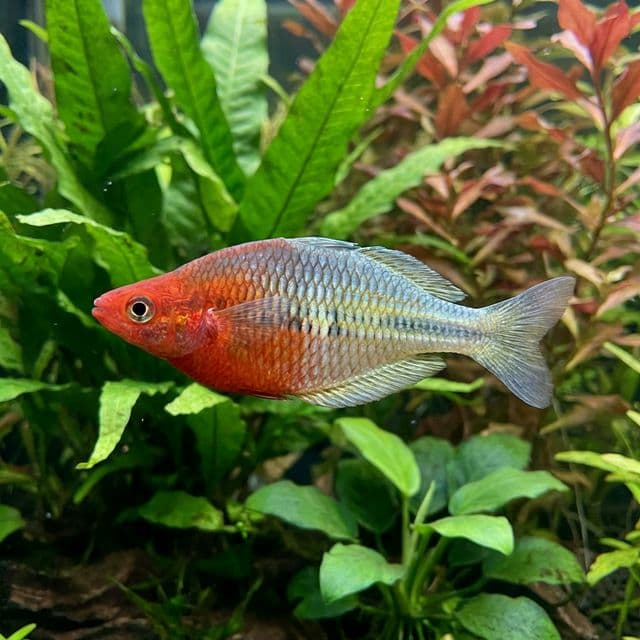
Yellowbelly Gudgeon: Allomogurnda nesolepis
A colorful and interesting bottom-dweller from the rivers of Papua New Guinea, known for its bold markings and vibrant yellow-to-orange underside.
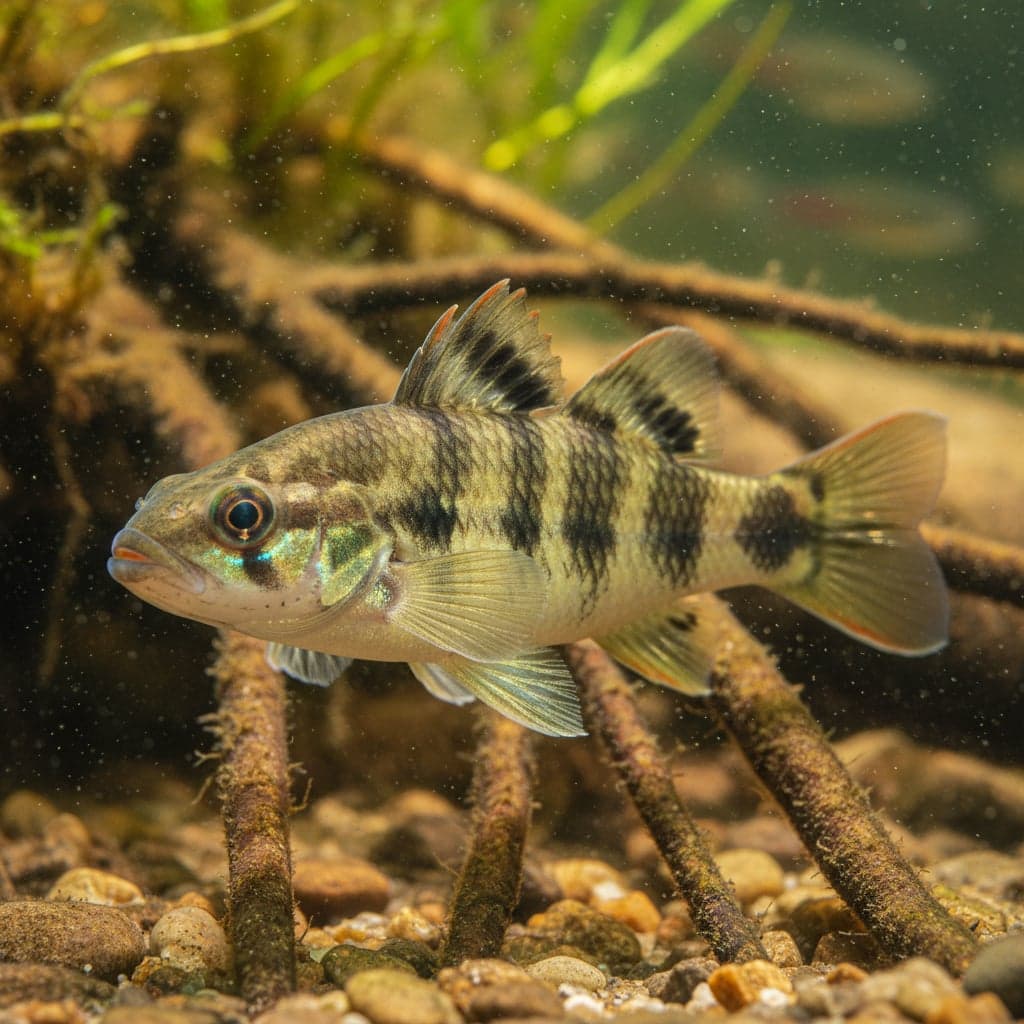
Yellowbelly Gudgeon
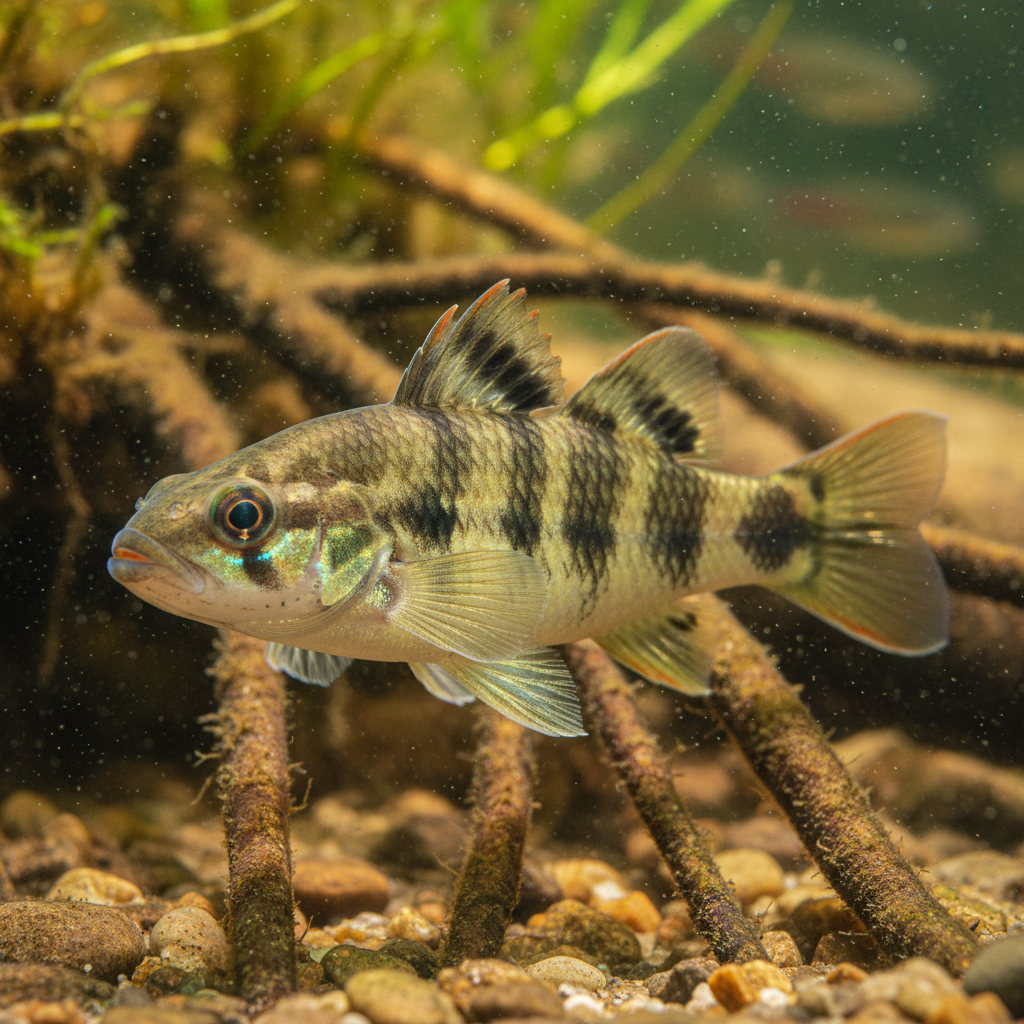
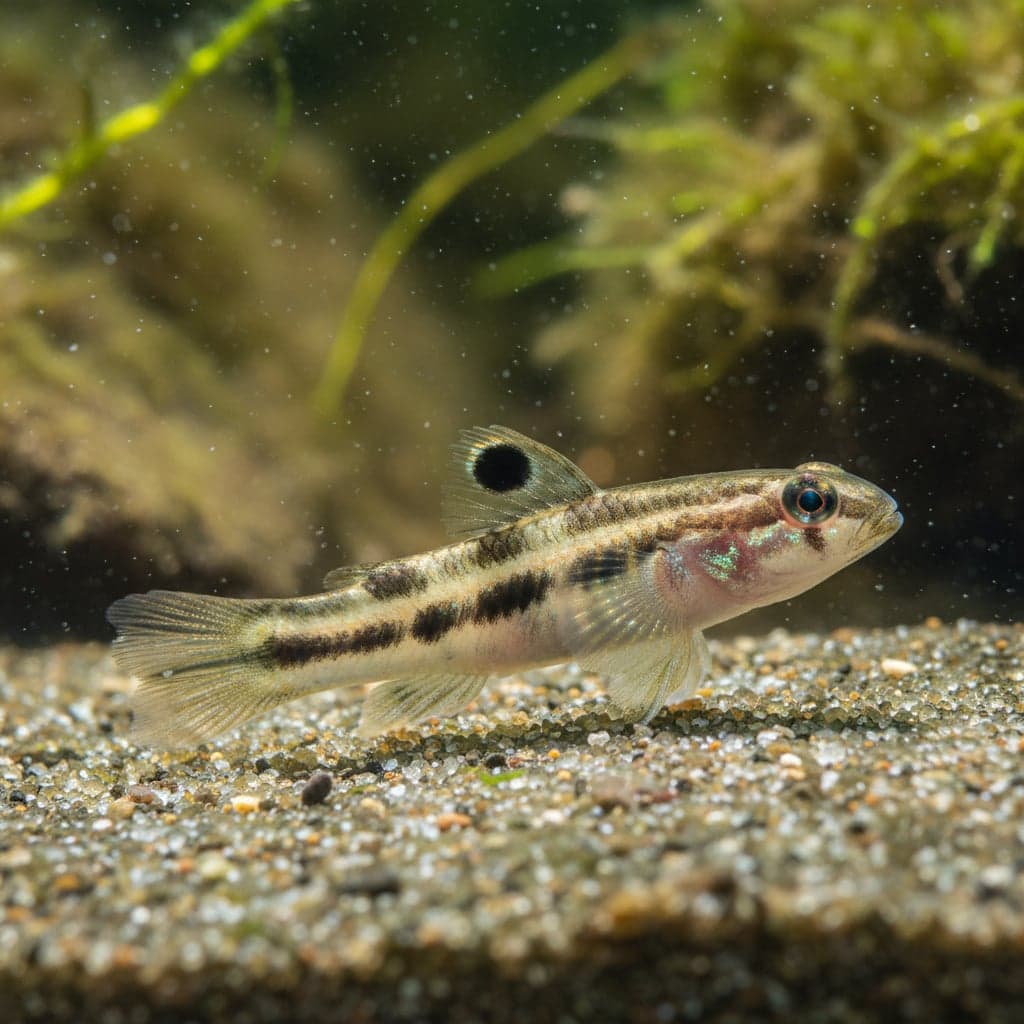
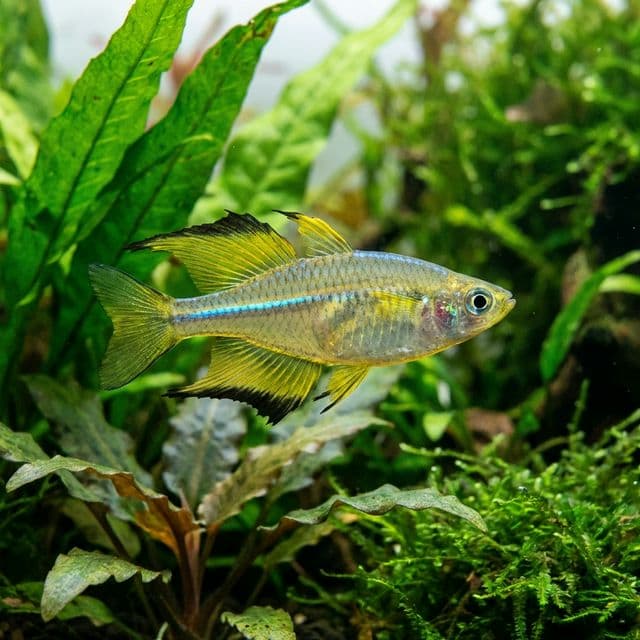
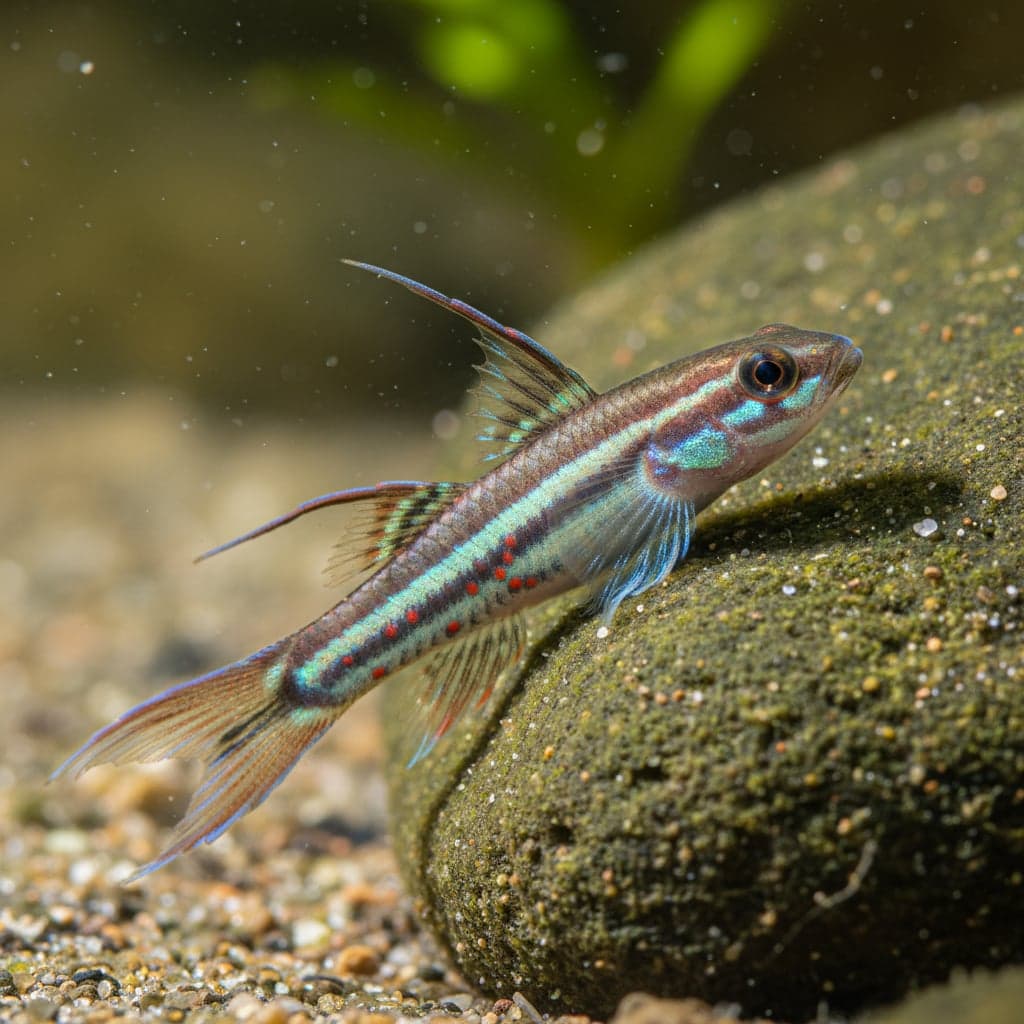
The Yellowbelly Gudgeon (Allomogurnda nesolepis) is a captivating freshwater fish native to Australia, renowned for its stunning coloration and unique body shape. This small species typically features a sleek, elongated body adorned with a striking yellow belly and vibrant blue to greenish-blue tones on its back. The contrast between its bright yellow underbelly and darker dorsal coloration presents an eye-catching appeal that aquarium enthusiasts find irresistible. The Yellowbelly Gudgeon’s charming appearance not only makes it a desirable addition to community tanks but also highlights the diversity of aquatic life native to Australian waters.
In the aquarium hobby, the Yellowbelly Gudgeon holds significance beyond its aesthetic qualities. It serves as a vital species in educational settings, providing insight into ecosystems and the importance of biodiversity. Furthermore, this species contributes to the overall sustainability of the hobby, as responsible breeding practices in captivity help protect wild populations from habitat degradation and overfishing. As interest in biotope aquariums rises, the Yellowbelly Gudgeon is emerging as a favorite among aquarists who wish to recreate authentic Australian habitats in their tanks.
Natural Habitat & Origin
The Yellowbelly Gudgeon is predominantly found in freshwater streams, rivers, and lakes throughout eastern Australia, particularly in regions of Queensland and New South Wales. These fish thrive in clear, slow-flowing waters that are often characterized by abundant vegetation and submerged structures such as logs and rocks. The natural environment of the Yellowbelly Gudgeon is often blackwater, with stained waters resulting from the decomposition of plant materials, which creates a unique ecological niche that influences the fish's adaptation and behavior.
The natural habitat of the Yellowbelly Gudgeon is a complex web of interdependent ecosystems, with aquatic plants providing essential cover and breeding sites. Understanding these conditions enables aquarists to replicate the environment in captivity, ensuring the well-being of this captivating fish.
Care Requirements
To successfully maintain the Yellowbelly Gudgeon in an aquarium, specific water parameters must be adhered to. Ideally, the pH should range from 6.5 to 7.5, with the water temperature maintained between 22°C to 28°C (72°F to 82°F). A hardness level between 5 to 15 dGH is suitable for promoting healthy growth. The minimum tank size for housing the Yellowbelly Gudgeon is 80 liters (approximately 20 gallons), which provides adequate swimming space and territory.
In terms of tank setup, it is advisable to use a soft substrate such as sand or fine gravel, which mimics their natural habitat. Incorporating driftwood, rocks, and live plants enhances the aesthetic and provides hiding spots for the fish to explore. Moderate lighting will help promote plant growth while avoiding excessive algal blooms. An air stone or gentle filtration system should be utilized to maintain water quality without creating strong currents that may stress the fish.
Diet & Feeding
The Yellowbelly Gudgeon is an omnivorous species, thriving on a diverse diet that includes a combination of plant matter and protein sources. In the aquarium, they can be fed high-quality flake or pellet foods designed for tropical fish as a staple diet. Supplementing their diet with frozen or live foods such as brine shrimp, daphnia, and bloodworms will encourage natural foraging behavior and promote vibrant coloration. When feeding, it is advisable to provide small portions multiple times a day to simulate their natural feeding patterns and ensure optimal health.
Behavior & Temperament
The Yellowbelly Gudgeon exhibits an amiable temperament, making it a suitable addition to community tanks when paired with compatible species. Generally peaceful and social, these fish tend to form small groups or shoals, so it is best to keep them in numbers of at least three to four individuals. They are commonly observed foraging along the substrate and occasionally utilizing various levels in the aquarium, though they prefer to stay closer to the bottom and mid-water zones. While generally non-aggressive, it is essential to monitor their interactions, particularly during feeding times, to prevent any potential territorial disputes.
Tank Mates
When selecting tank mates for the Yellowbelly Gudgeon, opt for peaceful freshwater species that share similar environmental needs. Compatible species include tetras, rasboras, small catfish like Corydoras, and other community fish. However, it is crucial to avoid overly aggressive or territorial species such as larger barbs, cichlids, or boisterous fish that may outcompete the Yellowbelly Gudgeon for food or space. Proper planning and careful selection of tank mates will create a harmonious aquarium environment.
Breeding
Breeding the Yellowbelly Gudgeon in captivity requires careful attention to specific conditions. These fish engage in substrate spawning, where they lay their eggs on flat surfaces or within crevices in rocks or plants. To encourage breeding, maintaining slightly acidic water with a pH of around 6.5 and providing plenty of hiding spots is essential. Temperature fluctuations, with brief increases in temperature, can trigger spawning behavior during the rainy season. Once the eggs are laid, the male will guard and care for them until they hatch, typically within 3 to 5 days, making it possible to observe the entire breeding process.
Common Health Issues
Although generally hardy, Yellowbelly Gudgeons may be susceptible to various health issues. Common ailments include ich, fin rot, and stressed-induced diseases due to suboptimal water conditions. To minimize risks, it is vital to maintain high water quality, perform regular water changes, and ensure good tank hygiene. Quarantining new fish before introducing them into the main aquarium can also help prevent the spread of diseases, contributing to a healthier aquatic environment for the Yellowbelly Gudgeon and its tank mates.