Yoma Danio: Danio feegradei
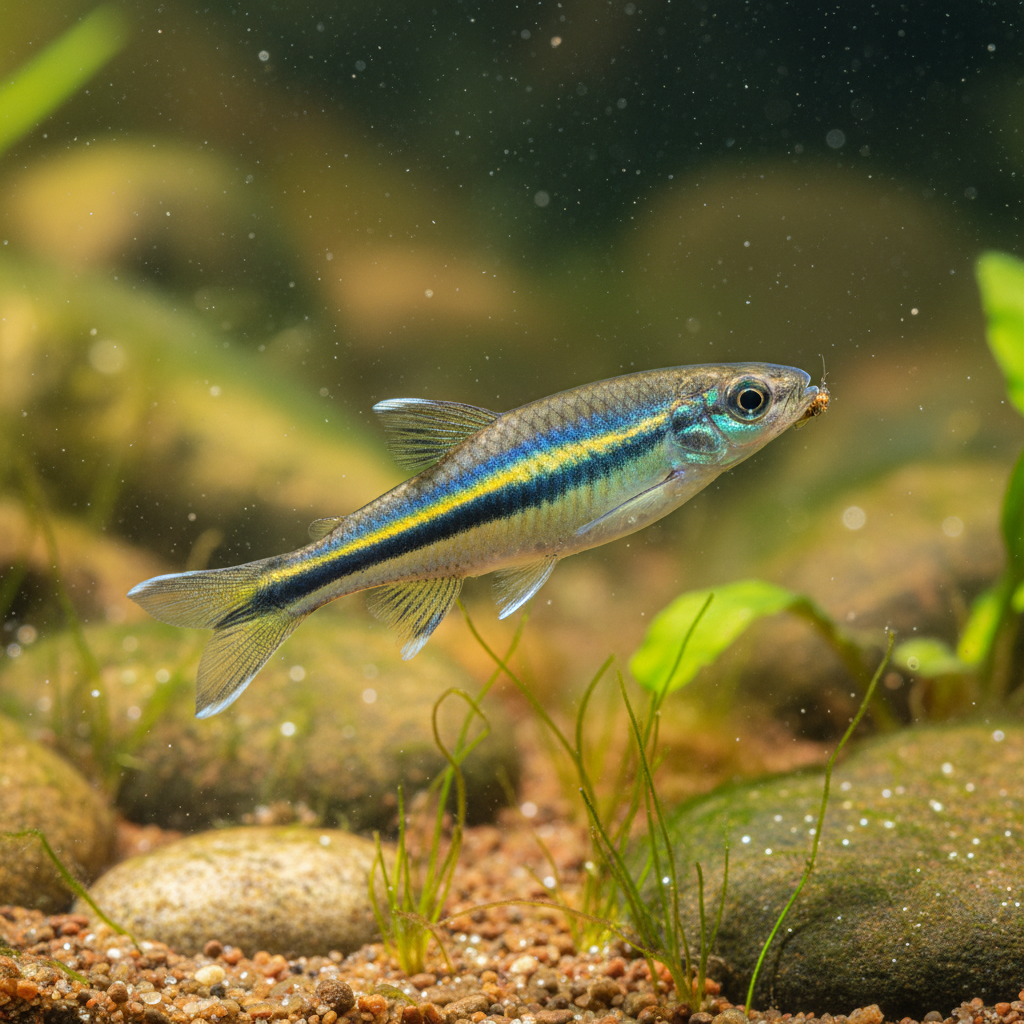
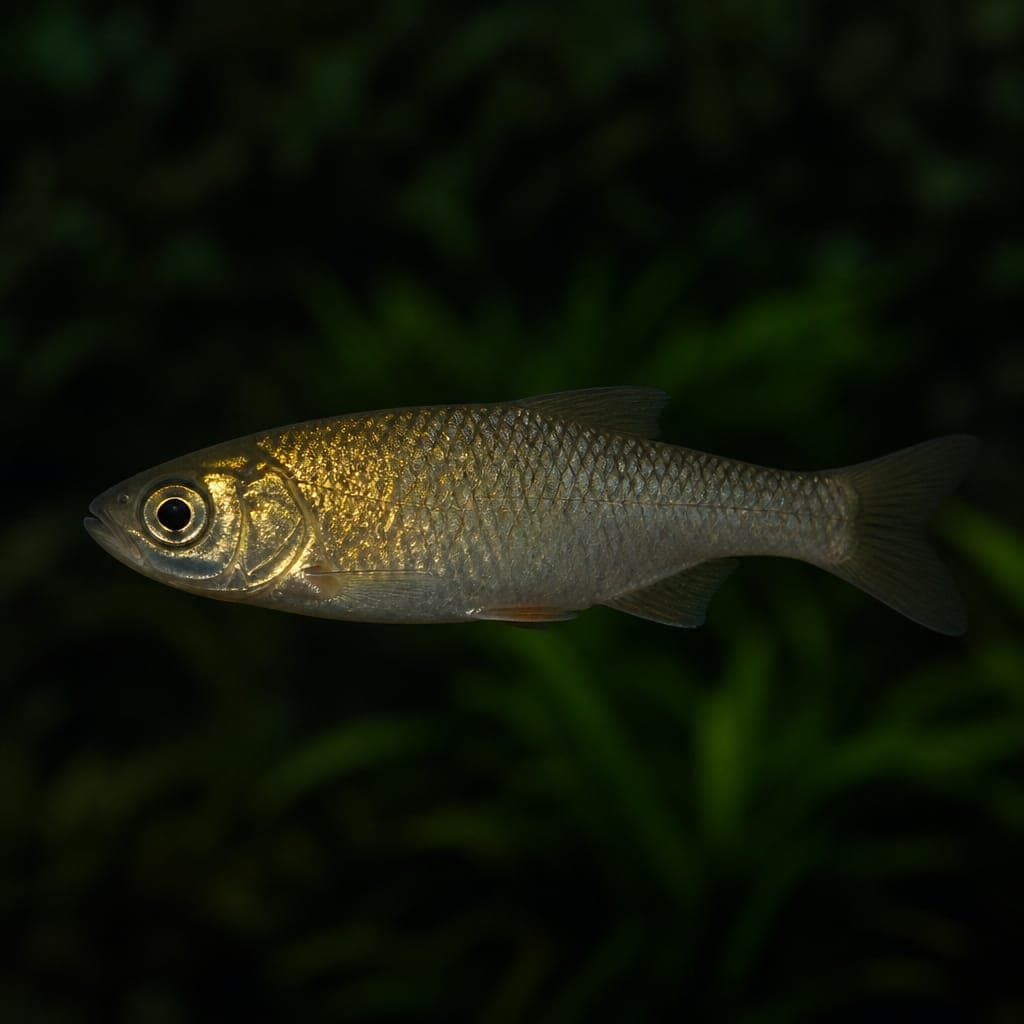
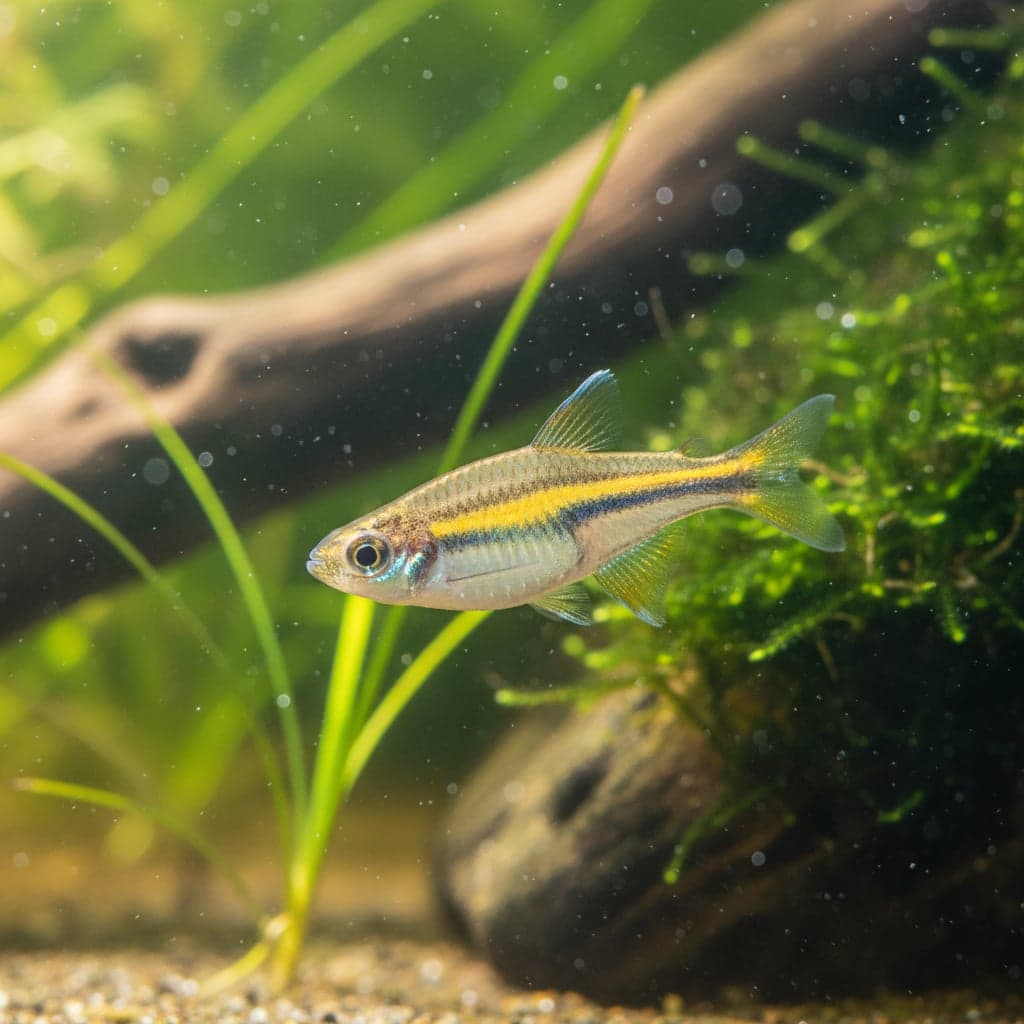
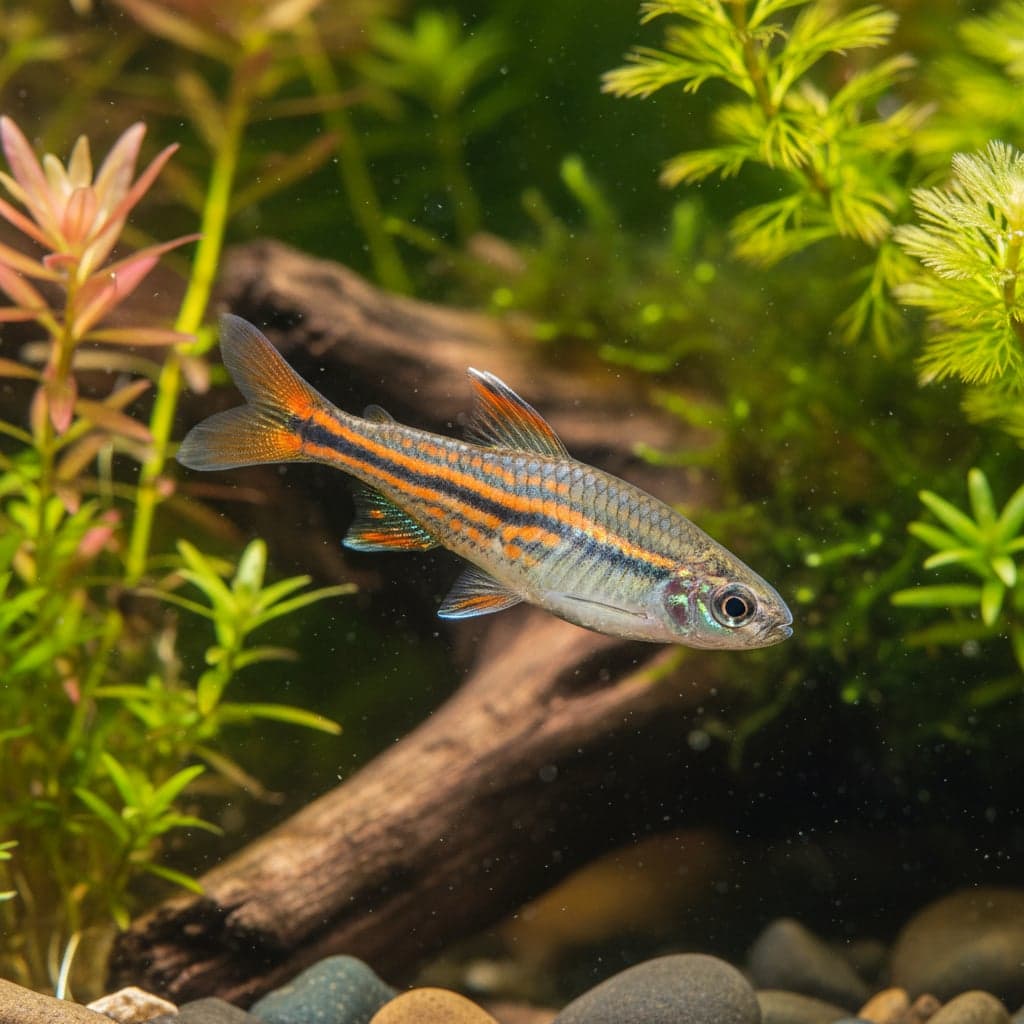
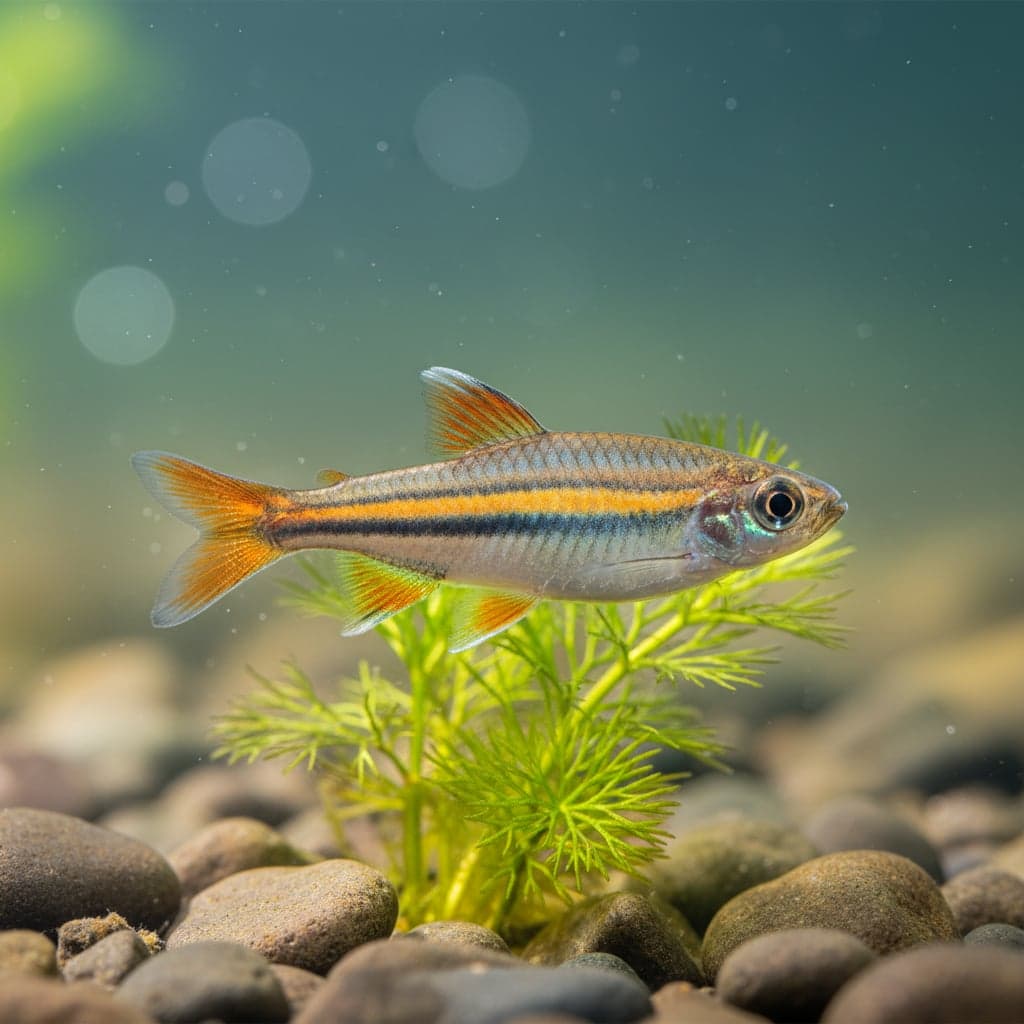
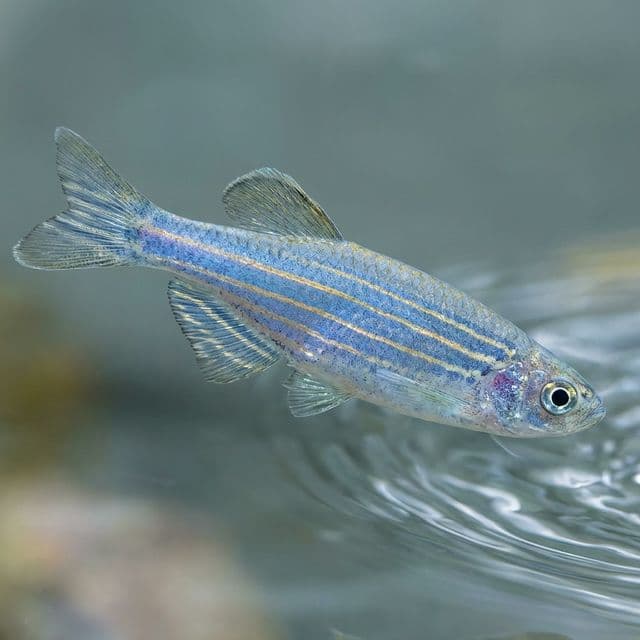
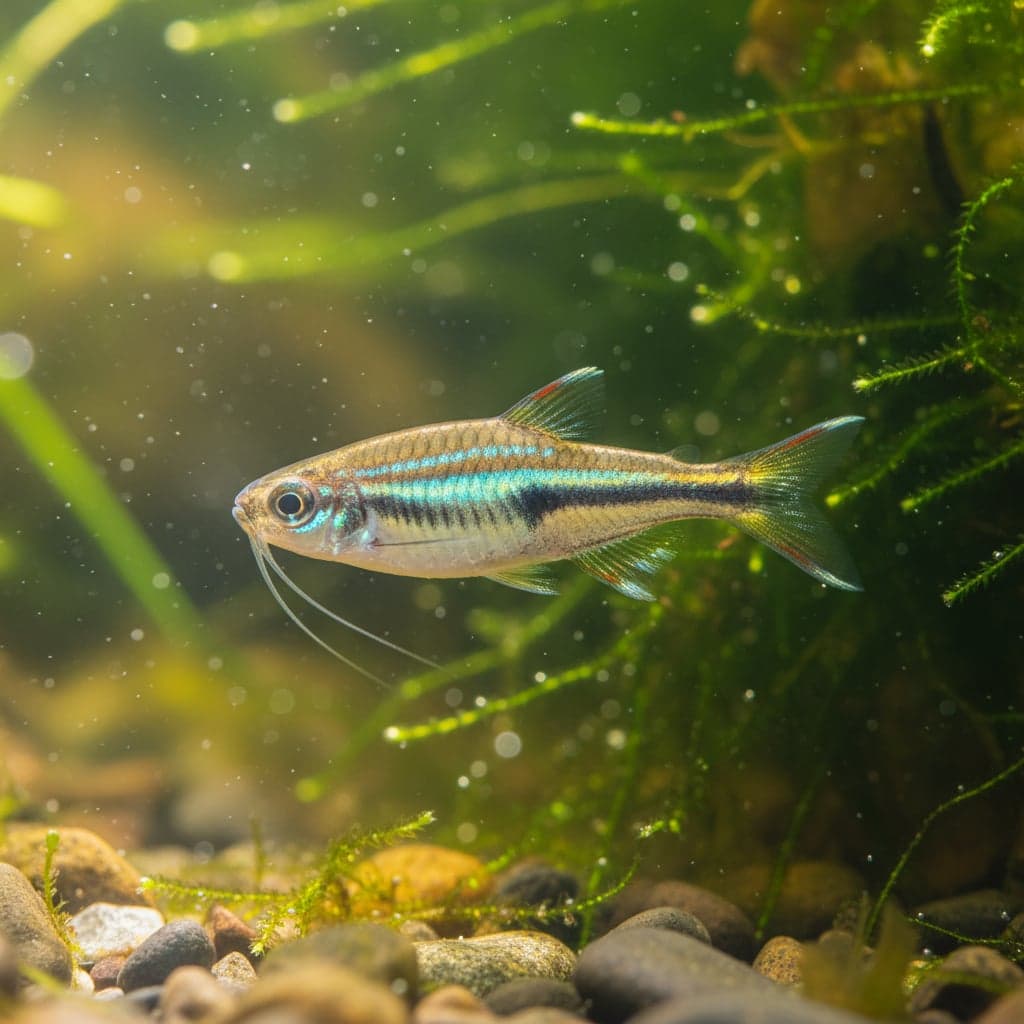
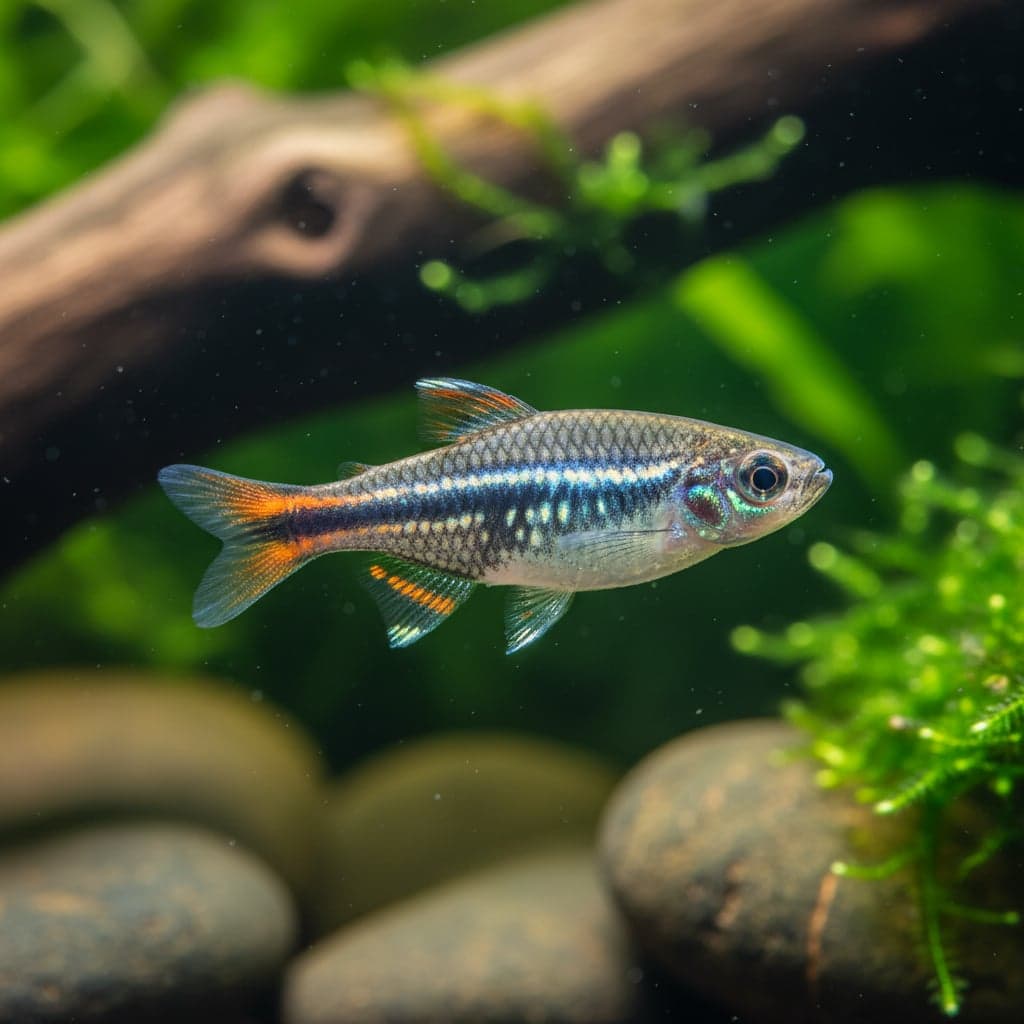
A larger and exceptionally active member of the danio family, the Yoma Danio features beautiful golden-bronze highlights and an energetic personality.

Yoma Danio
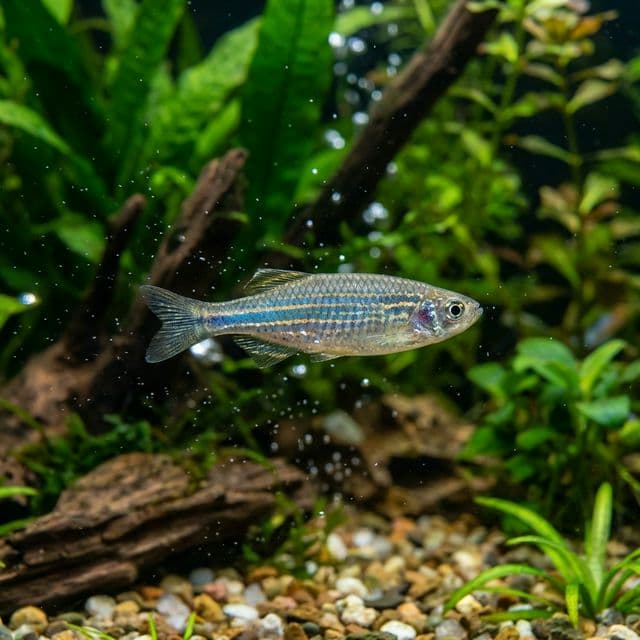
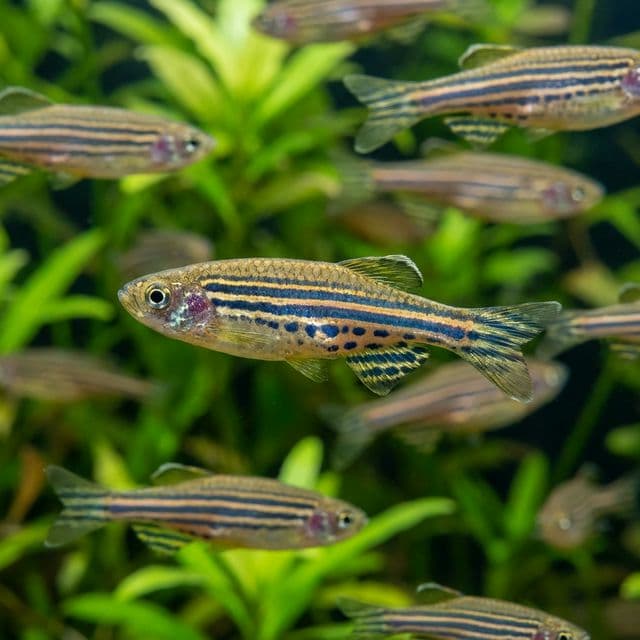
The Yoma Danio, also known scientifically as Danio feegradei, is a captivating freshwater species native to the freshwater rivers and streams of Southeast Asia. This small fish typically reaches lengths of about 2 to 3 inches and is celebrated for its vibrant colors and unique patterns. With a body adorned in shades of blue, orange, and golden hues, it attracts aquarists and hobbyists alike, making it a popular choice for tropical community tanks. The combination of its lively coloration and dynamic swimming patterns adds significant aesthetic value to any aquarium, creating visual intrigue that sets it apart from more common species.
Significantly, the Yoma Danio holds a special place in the aquarium hobby due to its hardiness and adaptability. This species is relatively easy to care for, making it ideal for both novice and experienced fish keepers. The reputation of the Yoma Danio has heightened as more aquarists recognize its potential for thriving in community settings, its peaceful nature, and its ability to coexist with various species. By understanding the specific needs of this unique fish, hobbyists can successfully cultivate an engaging and healthy aquatic environment that supports the Yoma Danio and its companions.
Natural Habitat & Origin
The Yoma Danio is indigenous to the rivers and streams of the Mekong River basin, spanning countries such as Laos, Cambodia, and Thailand. This region is characterized by a rich biodiversity and fluctuating water conditions, where these fish inhabit slow-moving waters with ample vegetation. The natural habitat of the Yoma Danio includes both clear and slightly turbid waters, often found in areas with submerged roots and leaf litter, which serve as essential hiding spots and breeding grounds.
In terms of its environmental context, the Yoma Danio thrives in environments with high levels of dissolved oxygen and subdued light, typically found in densely vegetated locales. The water parameters in its habitat vary, often ranging from slightly acidic to neutral pH levels, with varying degrees of hardness depending on local geological conditions. Understanding these nuances can help aquarists effectively replicate the natural conditions necessary for the Yoma Danio's wellbeing.
Care Requirements
To ensure the health and vitality of the Yoma Danio, specific water parameters should be maintained. Ideally, the tank should have a pH between 6.5 and 7.5, a temperature range of 24°C to 28°C (75°F to 82°F), and a hardness level of 5 to 15 dGH. These conditions closely mimic their native habitat, promoting optimal health and longevity.
When setting up the tank, a minimum size of 20 gallons is recommended to accommodate a school of these fish, as they are social creatures. The substrate can vary, but a fine gravel or sand substrate is preferable since it mimics their natural environment. The lighting should be moderate, as Yoma Danios prefer slightly dimmed conditions. Adding live plants such as Java Fern, Anubias, and floating vegetation can provide shelter and aid in creating a comfortable environment. Additionally, structures like driftwood and rock formations can enhance their habitat, providing areas for exploration and hiding.
Diet & Feeding
Yoma Danios are omnivorous, making them highly adaptable in their dietary requirements. In captivity, they thrive on a balanced diet that includes high-quality flake foods, small pellets, and even specialized granules designed for tropical fish. Supplementing their diet with frozen or live foods such as brine shrimp, daphnia, and bloodworms can enhance their nutrition and encourage vibrant colors and robust health. Feeding adults two to three times a day in small portions ensures they receive sufficient nutrition without overfeeding, which could lead to health issues.
In addition, diversifying their diet with vegetable matter, such as spirulina flakes or blanched greens, can also offer essential nutrients. It’s important to observe their feeding habits and adjust rations as necessary, ensuring all fish in the tank receive adequate food, as Yoma Danios can be competitive feeders during mealtimes.
Behavior & Temperament
The Yoma Danio is known for its peaceful and sociable demeanor, making it an excellent addition to community aquariums. These fish are highly active swimmers, displaying a natural inclination to school with their own kind. It is best to keep them in groups of at least six individuals to promote healthy social behavior and reduce stress. Their schooling habits not only enhance their comfort but also make for a more visually appealing display in the tank.
In terms of vertical placement, Yoma Danios are known to occupy all levels of the aquarium, often darting about in the mid to upper regions of the tank. While they may exhibit some curiosity and investigative behavior, they are generally non-aggressive and coexist peacefully with other species. Nonetheless, care should be taken to avoid pairing them with particularly aggressive or fin-nipping fish, as this could lead to an unhealthy environment.
Tank Mates
Choosing compatible tank mates for the Yoma Danio is crucial for fostering a harmonious aquarium environment. Ideal companions include other peaceful community fish such as Neon Tetras, Endler's Livebearers, Corydoras Catfish, and small Rasboras. These species share similar environmental requirements and behavioral traits, fostering a captivating community display without undue stress.
Conversely, it is advisable to avoid housing Yoma Danios with larger or more aggressive fish species like Cichlids, some Barbs, or any predatory fish, as these can intimidate or prey on the Yoma Danio. Additionally, caution should be exercised with long-finned or slow-moving species since Yoma Danios' active nature may inadvertently lead to fin damage in their tank mates.
Breeding
Breeding Yoma Danios in captivity can be achieved with proper conditions and understanding of their spawning behavior. They are egg scatterers, meaning they do not exhibit parental care over their eggs. To initiate breeding, it is recommended to set up a separate breeding tank with gentle filtration and ample spawning grounds provided by fine-leafed plants or spawning mops.
Spawning typically occurs during early mornings, as mature females will scatter their eggs across the vegetation. A temperature range between 26°C to 28°C (78°F to 82°F) is optimal for successful spawning. Post-spawning, it's crucial to remove the adults from the breeding tank to prevent them from eating the eggs, which will hatch within 24 to 48 hours. After hatching, the fry can be fed infusoria or finely crushed flakes until they are large enough for more substantial food options.
Common Health Issues
While the Yoma Danio is generally hardy, it can be prone to several common aquarium diseases, including ich, fin rot, and velvet disease. Maintaining proper water quality, including regular changes and monitoring of parameters, is essential for preventing health issues. Quarantining new arrivals before adding them to an established tank helps mitigate the risk of introducing pathogens.
Additionally, overstocking can lead to stress and weakened immune systems, making fish more susceptible to disease. It's recommended to observe fish regularly for signs of illness, such as abnormal swimming patterns or refusal to eat, allowing for timely intervention and treatment. Providing a varied diet, optimal water conditions, and a clean environment are key strategies in safeguarding the health and vitality of Yoma Danios in captivity.