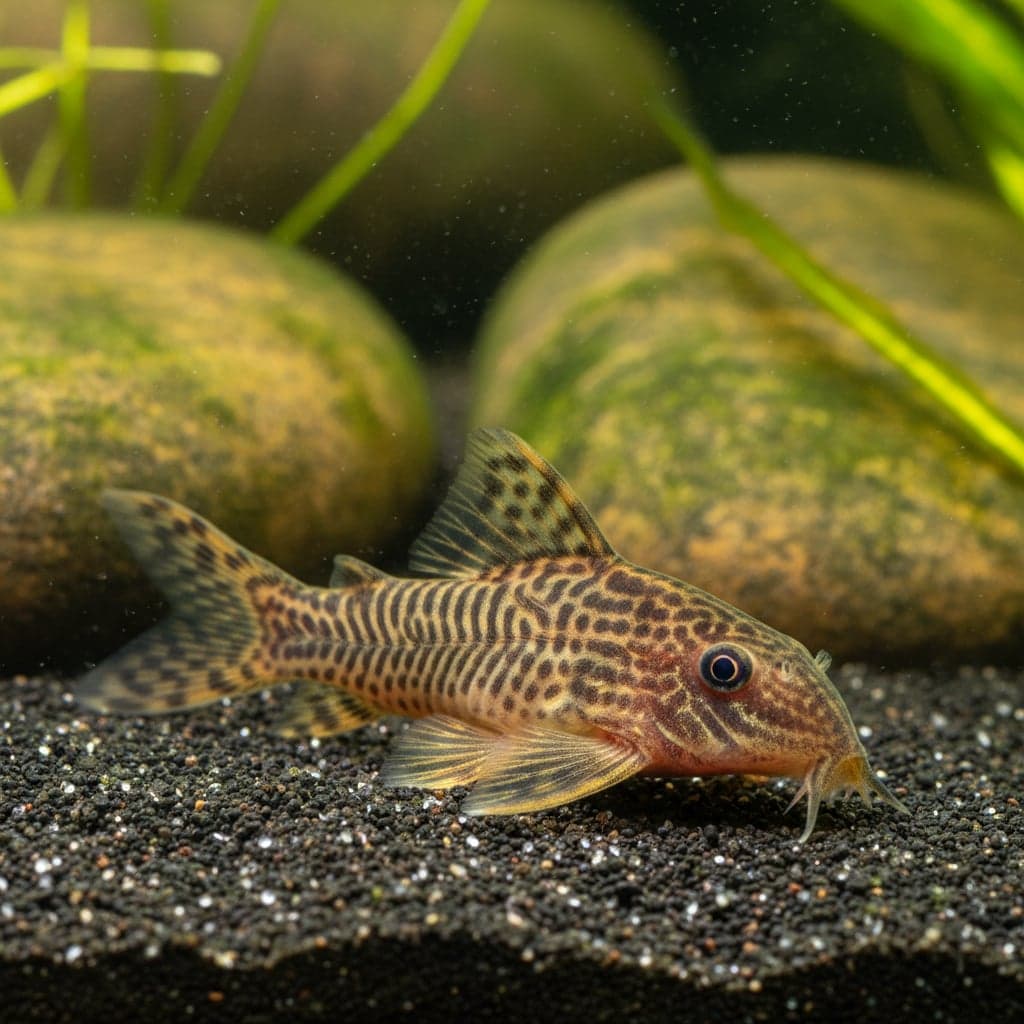
Yoyo Loach: Botia almorhae
A playful, patterned loach famous for its "Y-O-Y-O" body markings and voracious appetite for pest snails. The life of the party in any community tank.
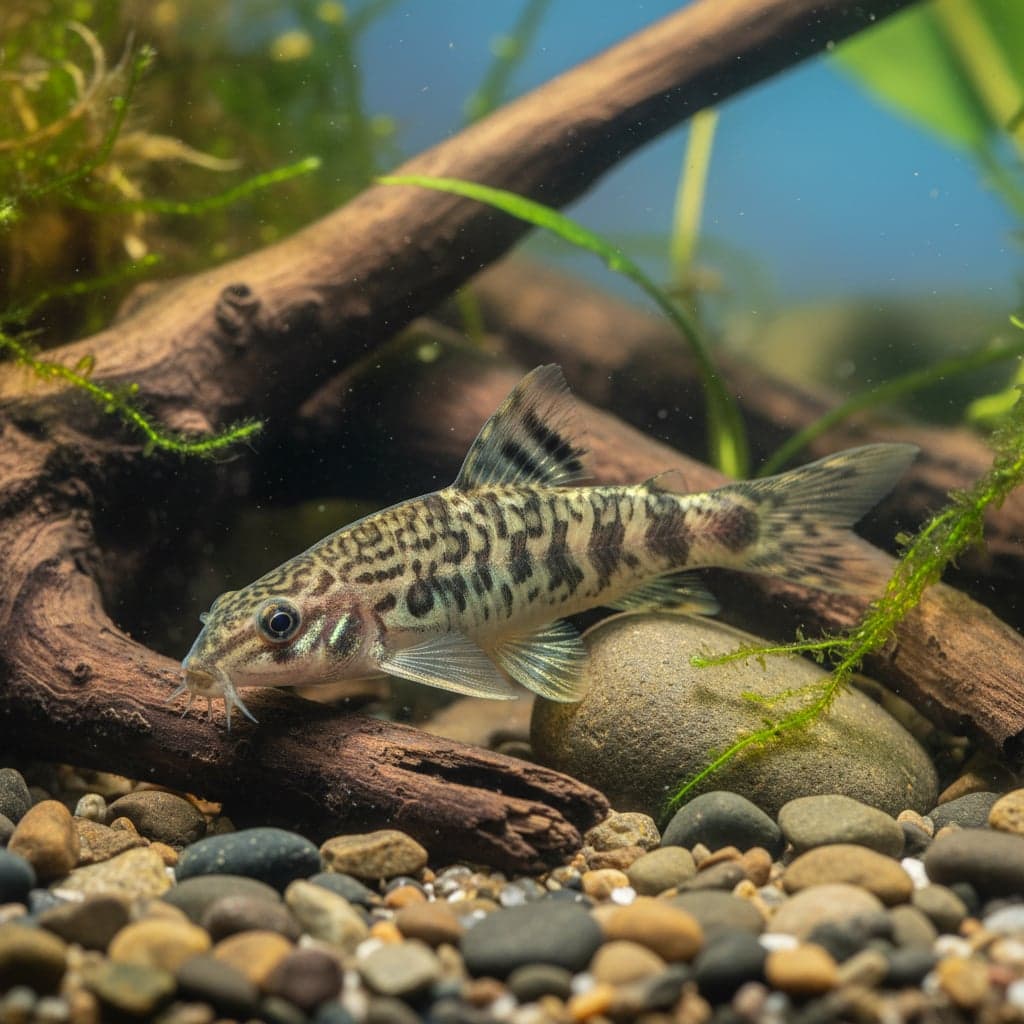
Yoyo Loach
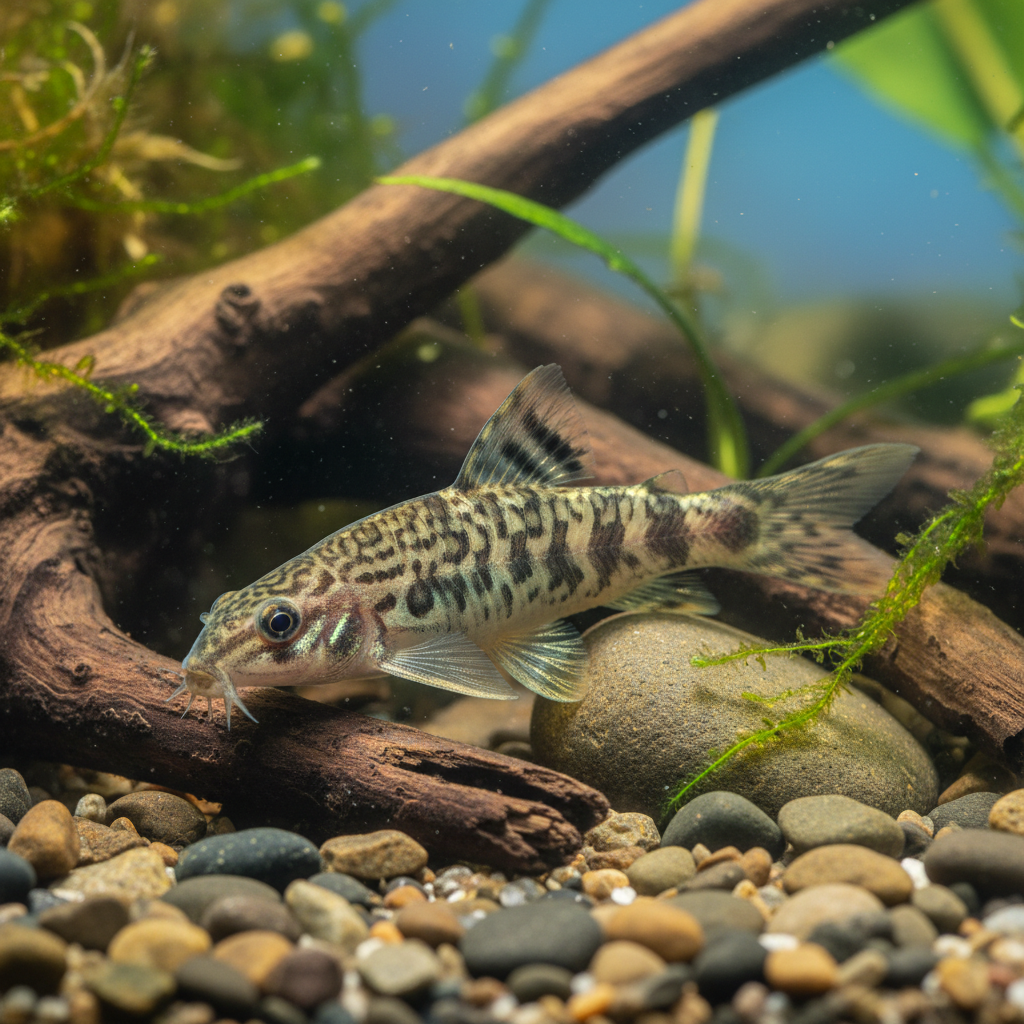
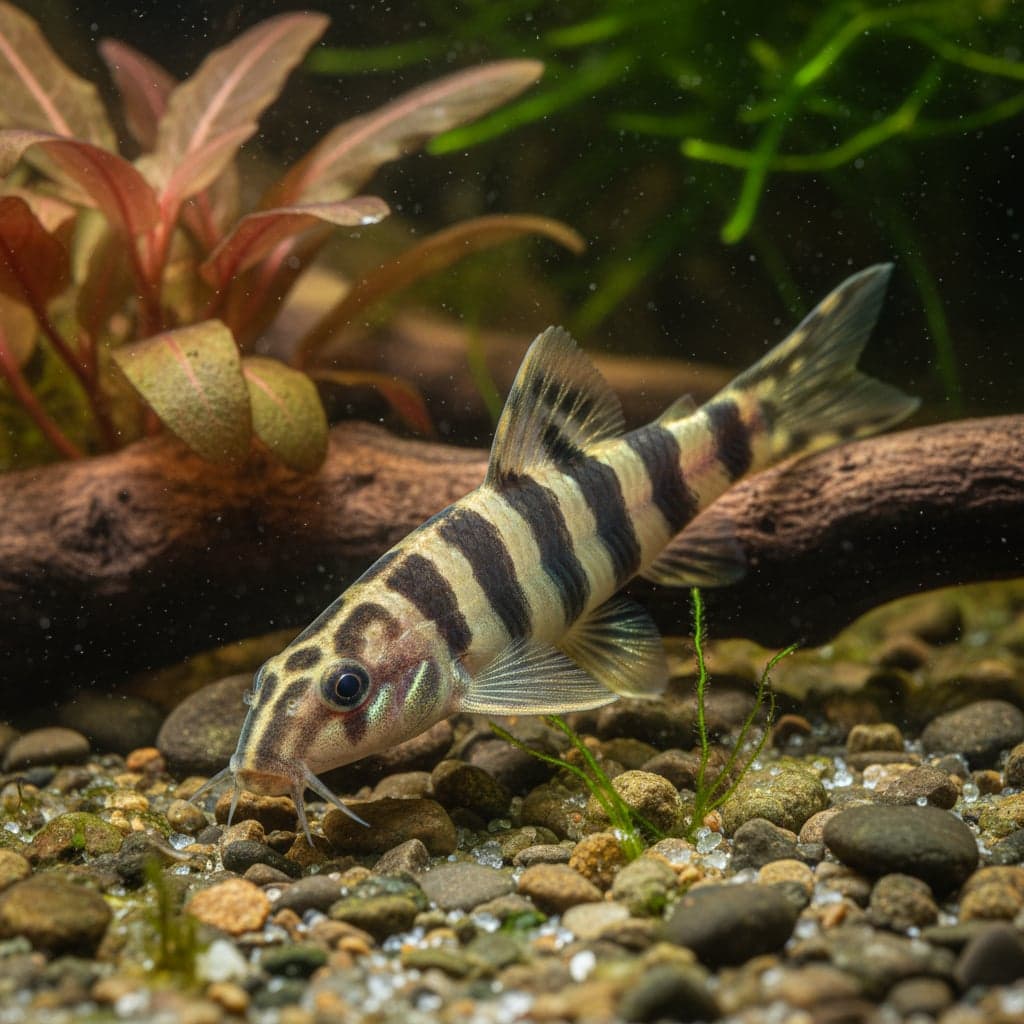
The Yoyo Loach, scientifically known as Botia almorhae, is a captivating freshwater fish that has become a favorite among aquarium enthusiasts. Known for its striking pattern of dark, wavy stripes against a light brown or golden background, the Yoyo Loach exhibits a unique appearance that adds both beauty and interest to any aquarium setup. These playful and curious fish are not just visually appealing; they also possess a lively personality that makes them fun to watch as they scavenge and explore their surroundings. As a member of the family Botiidae, the Yoyo Loach plays an essential role in the aquarium hobby, captivating both novice and experienced aquarists alike.
Significantly, the Yoyo Loach is valued not only for its ornamental qualities but also for its practical contributions to freshwater tanks. These loaches are excellent at controlling algae and consuming leftover food, thus helping to maintain a cleaner environment for other fish. Their sociable nature allows them to thrive in community tanks, making them a popular choice for aquarists looking to enhance their aquarium's biodiversity while ensuring a vibrant and active aquatic environment.
Natural Habitat & Origin
The Yoyo Loach originates from the freshwater rivers and streams of South Asia, specifically found in countries such as India, Bangladesh, and Nepal. It inhabits various bodies of water, primarily preferring slow-moving rivers and tributaries that have a rich diversity of aquatic vegetation. The water in these environments is often soft and slightly acidic, with a pH typically ranging from 6.0 to 7.5. The natural surroundings include sandy or gravelly substrates, along with plenty of hiding spots like rocks and driftwood, which provide shelter and a sense of security for these fish.
In the wild, Yoyo Loaches tend to thrive in areas where there's ample decaying leaf litter and organic debris, contributing to their diet as they sift through the substrate. This environment allows for a mix of clear and slightly tinted water, resulting from the decomposition of vegetation, which influences their color patterns. Understanding their natural habitat is crucial for providing optimal care in an aquarium setting, ensuring the Yoyo Loach can exhibit its best behavior and health.
Care Requirements
Proper care for the Yoyo Loach involves maintaining specific water parameters that mimic their natural habitat. The ideal temperature range for these fish is between 75°F and 85°F (24°C - 29°C), with a preference for stable conditions. A pH level of 6.0 to 7.5, combined with a water hardness of 5 to 12 dGH, promotes their overall well-being. As they are sensitive to poor water conditions, regular water changes and effective filtration systems are highly recommended to maintain these parameters.
In terms of tank setup, a minimum tank size of 30 gallons is advisable to provide adequate swimming space, as Yoyo Loaches are active swimmers. The aquarium should have a soft substrate like sand or fine gravel, allowing the fish to burrow and forage comfortably. Incorporating elements such as smooth rocks, driftwood, and live plants can create hiding spots and enrichment opportunities. Moderate lighting is suitable; however, using shaded areas with plants can help simulate a more natural environment, reducing stress levels in the fish.
Diet & Feeding
Yoyo Loaches are omnivorous, displaying a varied diet that includes both plant matter and protein sources. Their natural foraging behavior means they are well-suited for foods like sinking pellets, flakes, and algae wafers, which can form the basis of their diet. In addition, Yoyo Loaches benefit from the occasional offering of live or frozen foods, such as bloodworms, brine shrimp, and daphnia, which can stimulate their appetite and promote vibrant colors. Supplementing their diet with blanched vegetables like zucchini or spinach helps fulfill their nutritional needs and offers diverse feeding experiences.
To ensure optimal health, it is essential to provide high-quality dry and freeze-dried foods, avoiding cheap supermarket brands, which may not offer adequate nutrition. A varied diet contributes to the long-term health and vitality of the Yoyo Loach, making them more resilient against diseases and stress.
Behavior & Temperament
The Yoyo Loach is known for its engaging and active behavior, often seen exploring its environment and interacting with other fish. These creatures are social by nature and thrive in groups of at least four to six individuals, which helps reduce stress and promotes natural schooling behavior. Despite their playful demeanor, they can exhibit territorial tendencies, especially during feeding or in confined spaces. While not typically aggressive, they may occasionally assert dominance over other bottom-dwellers, so careful consideration of tank mates is crucial.
Yoyo Loaches prefer occupying the bottom and middle layers of the tank, often using hiding spots or shaded areas. Their active movement and playful antics provide entertainment, making them a delightful addition to community tanks. It’s important to observe them for signs of stress or overly aggressive behavior, particularly when housed with other bottom-dwelling species.
Tank Mates
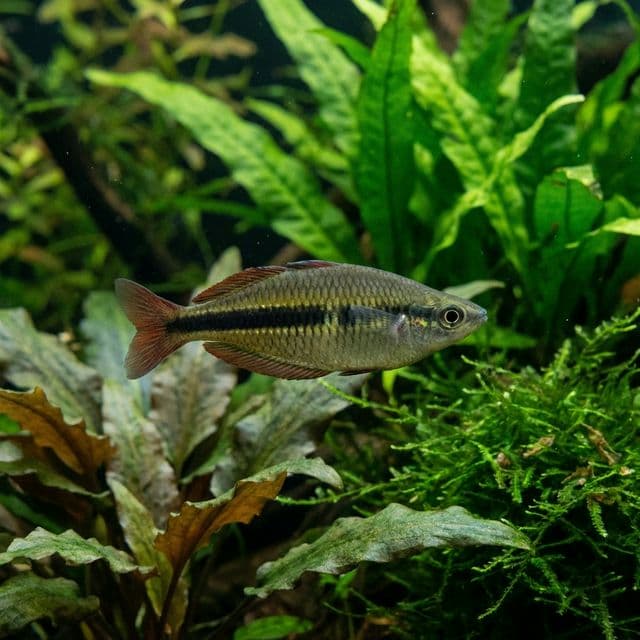
When selecting suitable tank mates for the Yoyo Loach, it’s essential to choose peaceful species that have similar care requirements. Compatible tank mates include various types of tetras, rasboras, danios, and dwarf cichlids, as these fish tend to occupy different vertical spaces and create a more dynamic environment. Additionally, larger community fish like angelfish or barbs can coexist with Yoyo Loaches, provided their temperament aligns.
However, it's advisable to avoid housing Yoyo Loaches with overly aggressive or fin-nipping species, such as jack dempseys or larger cichlids, which may stress or even injure them. Similarly, small, delicate fish like guppies or neon tetras could become prey due to the Yoyo Loach's playful and sometimes boisterous behavior. Overall, creating a balanced community tank with enough space and hiding spots will maximize the health and well-being of Yoyo Loaches and their companions.
Breeding
Breeding Yoyo Loaches in captivity can be a challenging but rewarding endeavor, as it often requires specific conditions and attention to detail. These fish are known to be egg-spawners and typically prefer to breed during water changes that mimic the seasonal rains in their natural habitat. Creating a separate breeding tank with a light substrate, plenty of hiding places, and slightly acidic water can encourage breeding behavior. It is often beneficial to condition the breeding pair with high-quality, protein-rich foods before introducing them to the breeding tank.
During spawning, the female will lay sticky eggs on flat surfaces such as rocks or plants, which the male subsequently fertilizes. After spawning, the adults should be removed from the breeding tank to prevent them from consuming their eggs. The eggs typically hatch within a few days, and the fry can be fed infusoria or finely crushed flake food until they are large enough to consume more substantial offerings. Successfully breeding Yoyo Loaches can contribute to the aquarium hobby, providing greater opportunities for sustainable fishkeeping.
Common Health Issues
Although generally hardy, Yoyo Loaches can experience several common health issues that aquarists should be aware of. One of the most prevalent concerns is ich (Ichthyophthirius multifiliis), a parasitic infection that manifests as white spots on the body and fins of affected fish. Preventative strategies include maintaining good water quality, regular tank maintenance, and quarantining new arrivals. Loaches are scaleless or nearly so and are highly sensitive to copper-based medications, so always choose loach-safe treatments when needed. A varied diet, stable soft water, and keeping them in a proper group will keep Yoyo Loaches active and healthy for years.