Zamora Woodcat: Auchenipterichthys coracoideus
A fascinating and nocturnal catfish from South America, known for its unique body shape and its habit of hiding in wood crevices during the day.
Zamora Woodcat
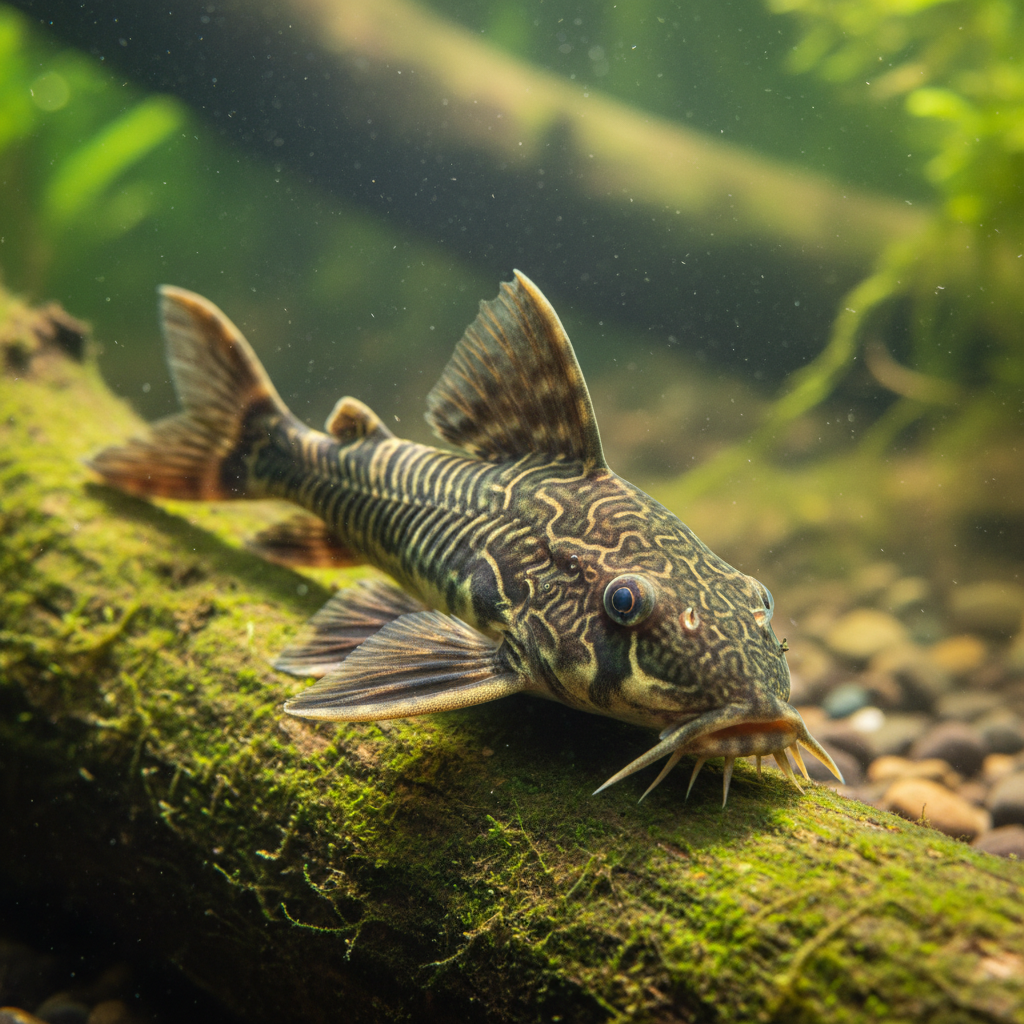
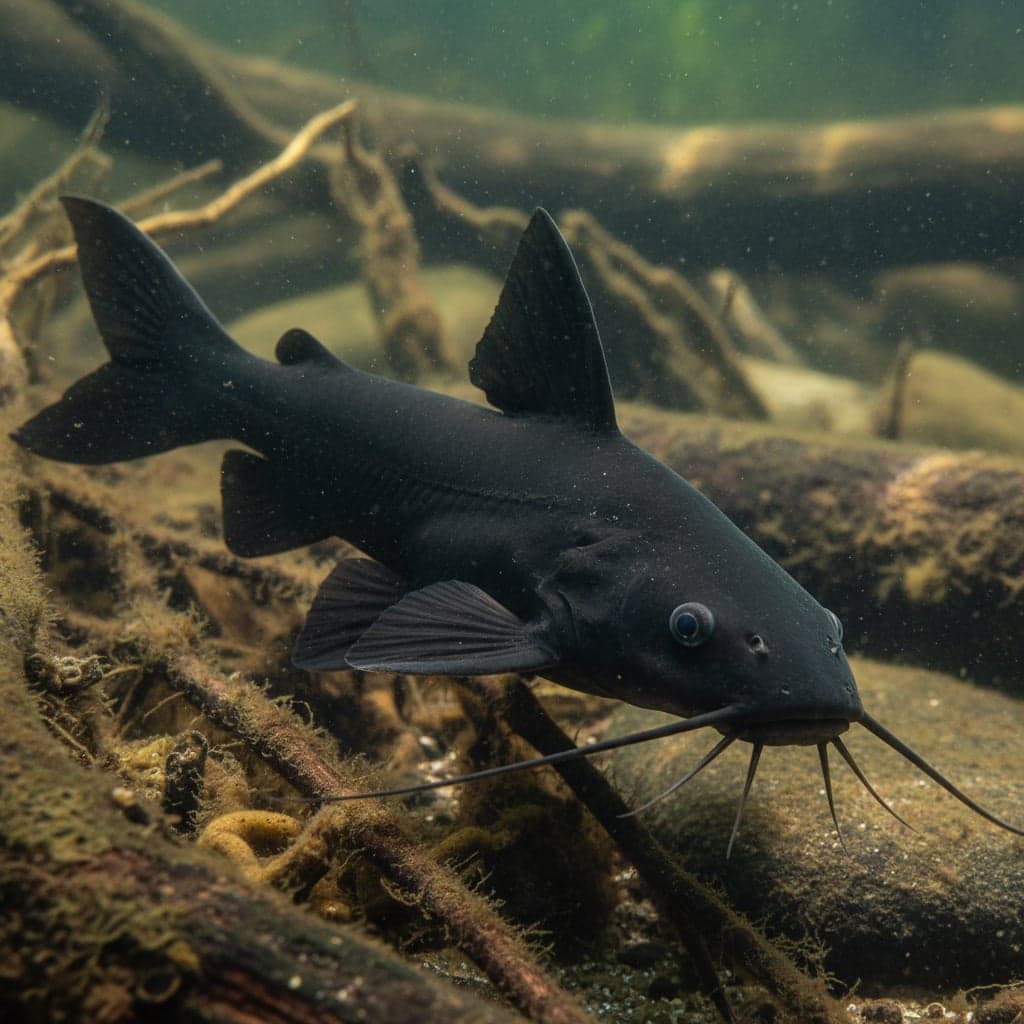
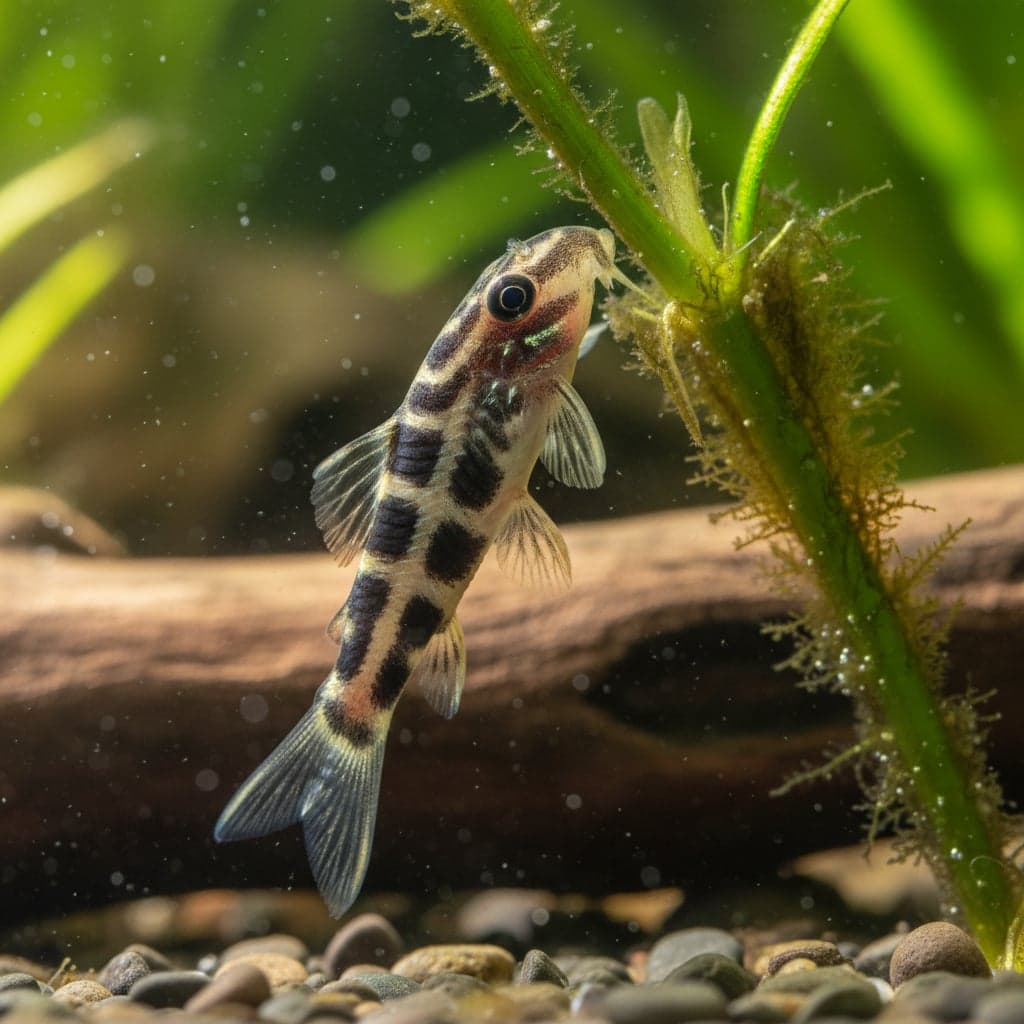
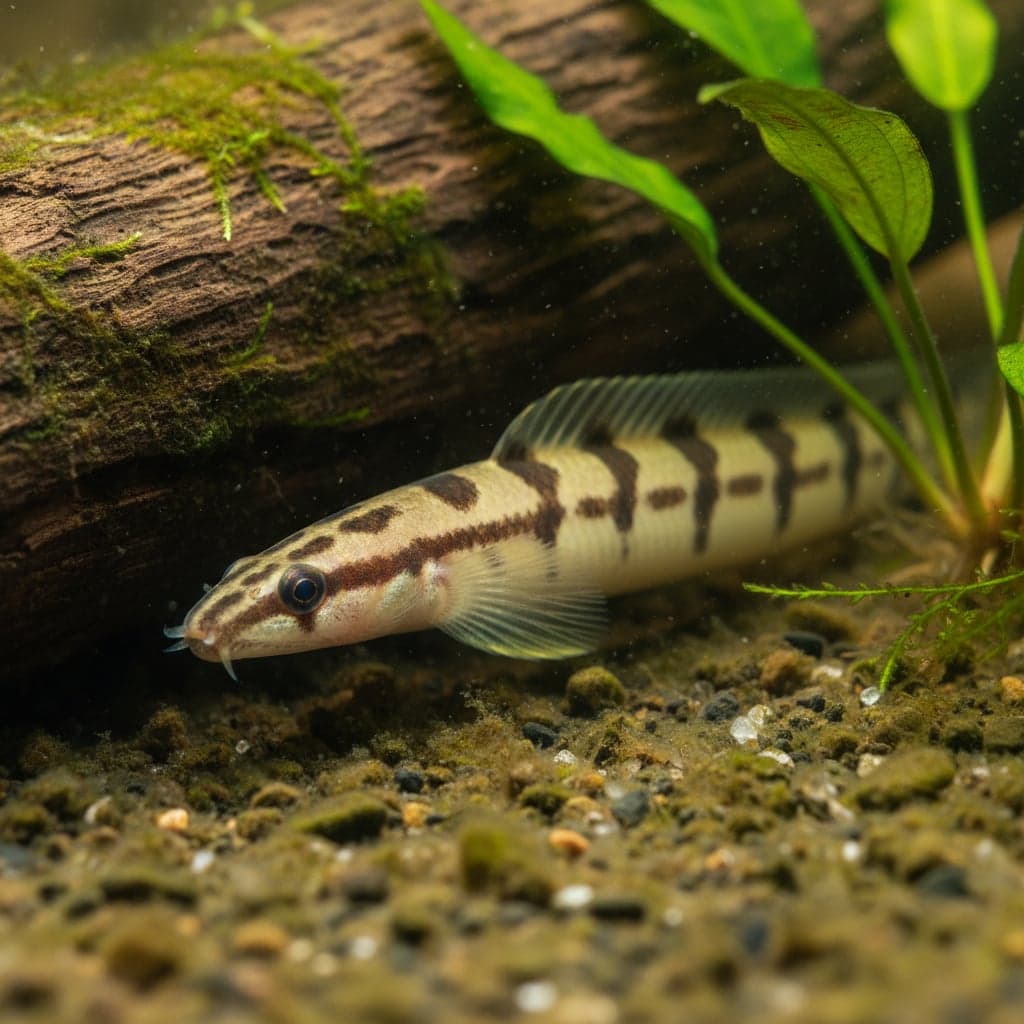
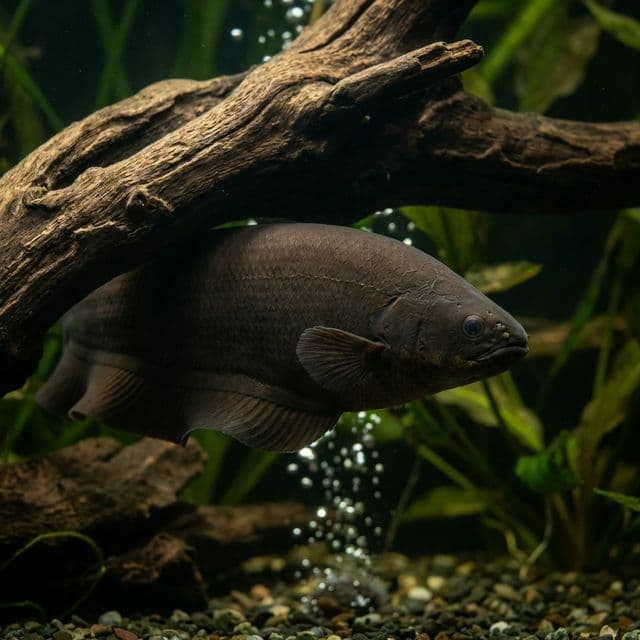
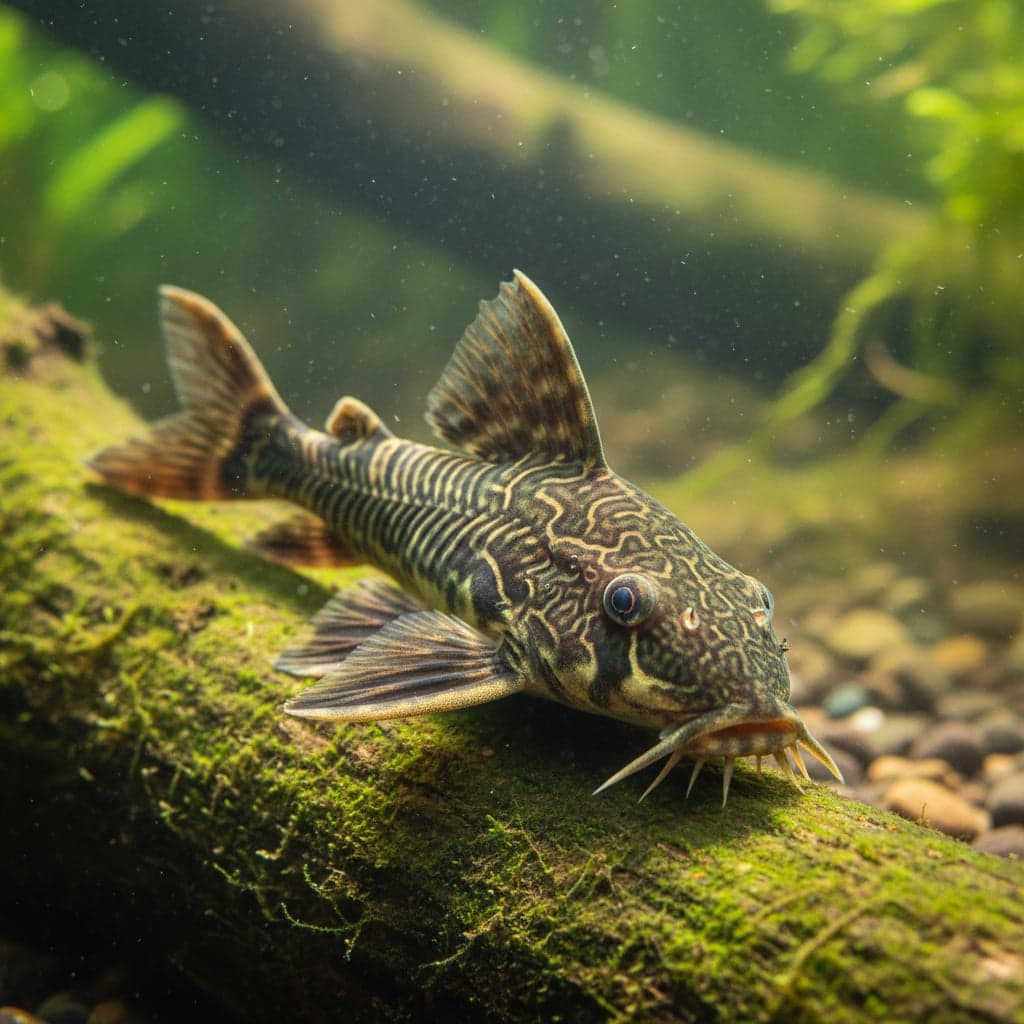
The Zamora Woodcat (Auchenipterichthys coracoideus) is a captivating species native to the slow-moving rivers and streams of South America, notable for its striking physical appearance and unique behavioral traits. This freshwater fish is adorned with a sleek, elongated body characterized by shimmering scales that display a beautiful blend of muted browns and blacks, allowing it to blend seamlessly into its natural habitat. The Zamora Woodcat is distinguished by its pronounced pectoral fins, large eyes, and long, slender tail, which come together to create a visually appealing silhouette. These aesthetic attributes, combined with its fascinating nocturnal behaviors, make the Zamora Woodcat a sought-after addition to the aquarium hobby, particularly among enthusiasts who appreciate unique and exotic species.
In addition to its visual allure, the Zamora Woodcat has gained recognition within the aquarium community for its playful and inquisitive nature. This species often displays intriguing behaviors, such as skimming the tank bottom for food and darting swiftly between hiding spots. Its popularity continues to grow, as hobbyists are encouraged to create environments that mimic its natural habitat, allowing the fish to thrive while providing an engaging experience for observers. Given its relatively peaceful demeanor, the Zamora Woodcat is an excellent choice for community tanks, further solidifying its significance in the world of aquarium fish.
Natural Habitat & Origin
The Zamora Woodcat hails from the Amazon River basin, particularly in areas surrounding the Zamora-Chinchipe region of Ecuador and Peru. This geographical origin places it in an environment characterized by a mix of blackwater and clearwater streams, which are rich in organic material and offer a variety of submerged structures like roots and logs. The fish thrives in these warm, low-oxygen waters, where the dissolved tannins from decaying plant matter create acidic conditions that are crucial for its well-being. In its natural habitat, the Zamora Woodcat is often found in depths of 1 to 3 meters, where it can seek shelter during daylight hours while foraging for food in the dim light of the riverbed during twilight.
The ecological context of its environment plays a pivotal role in understanding the Zamora Woodcat's behavior and care needs in captivity. In the wild, these fish occupy habitats that are not only rich in biodiversity but also shielded from direct sunlight by dense vegetation. This means that replicating similar environmental conditions in an aquarium is essential for the fish's physical and psychological health. As low-light conditions are crucial, aquarists should be mindful of creating an environment that mimics these dark and nutrient-rich waters to promote the Zamora Woodcat's natural behaviors.
Care Requirements
When it comes to maintaining optimal care for the Zamora Woodcat, attention to water parameters is critical. The ideal pH for these fish ranges from 5.5 to 7.0, with a temperature between 24°C and 28°C (75°F and 82°F) being most suitable. Hardness should be kept low, ideally below 10 dGH, to closely resemble the conditions of their natural blackwater habitats. Given their preference for soft water, aquarists should consider using reverse osmosis water or filtered blackwater extracts to achieve the desired parameters.
Regarding tank setup, a minimum tank size of 75 liters (20 gallons) is recommended to provide adequate swimming space and hiding spots. The substrate should consist of fine sand or soft gravel, which allows the Zamora Woodcat to sift through the substrate as it forages. Adding driftwood, mosses, and densely planted areas can create structures that mimic their natural environment, while low to moderate lighting should be utilized to prevent stress. It's also essential to maintain good water quality with a reliable filtration system, as these fish are sensitive to changes in their environment.
Diet & Feeding
The Zamora Woodcat is primarily a carnivorous species, exhibiting scavenging behavior in its natural habitat. In captivity, it thrives on a varied diet that includes high-quality sinking pellets, flakes, and granules suitable for bottom-dwelling fish. Live and frozen foods such as bloodworms, brine shrimp, and ghost shrimp can be offered as treats to ensure a well-rounded diet. While the Zamora Woodcat is adaptable and will accept prepared foods, providing a mix of protein sources will help maintain its health and coloration.
Given their foraging nature, it's beneficial to feed the Zamora Woodcat small amounts multiple times a day rather than providing a large meal at once. This feeding strategy not only mimics their natural foraging behavior but also supports efficient digestion and overall health. Monitoring food intake is essential to prevent overfeeding, as excess food can quickly deteriorate water quality.
Behavior & Temperament
Socially, the Zamora Woodcat is known for its peaceful demeanor, making it a suitable candidate for community tanks. They exhibit schooling behavior, often preferring to be kept in small groups of three to five individuals, which mimics their natural social structure. While generally non-aggressive, they may display slight territoriality, particularly during feeding or if they feel threatened. Their positioning in the tank is unique; capturing the beauty of the Zamora Woodcat requires thoughtful vertical placement in the tank, as they tend to stay closer to the bottom substrate while occasionally swimming mid-water.
Overall, the Zamora Woodcat is an active species that benefits from both space and a structured environment. Ensuring there are enough hiding spots and open swimming areas will help reduce potential stress and promote natural behaviors. While they are not known to nip at tank mates, inexperienced aquarists may inadvertently introduce fin-nipping species into the same tank, which could lead to minor conflicts.
Tank Mates
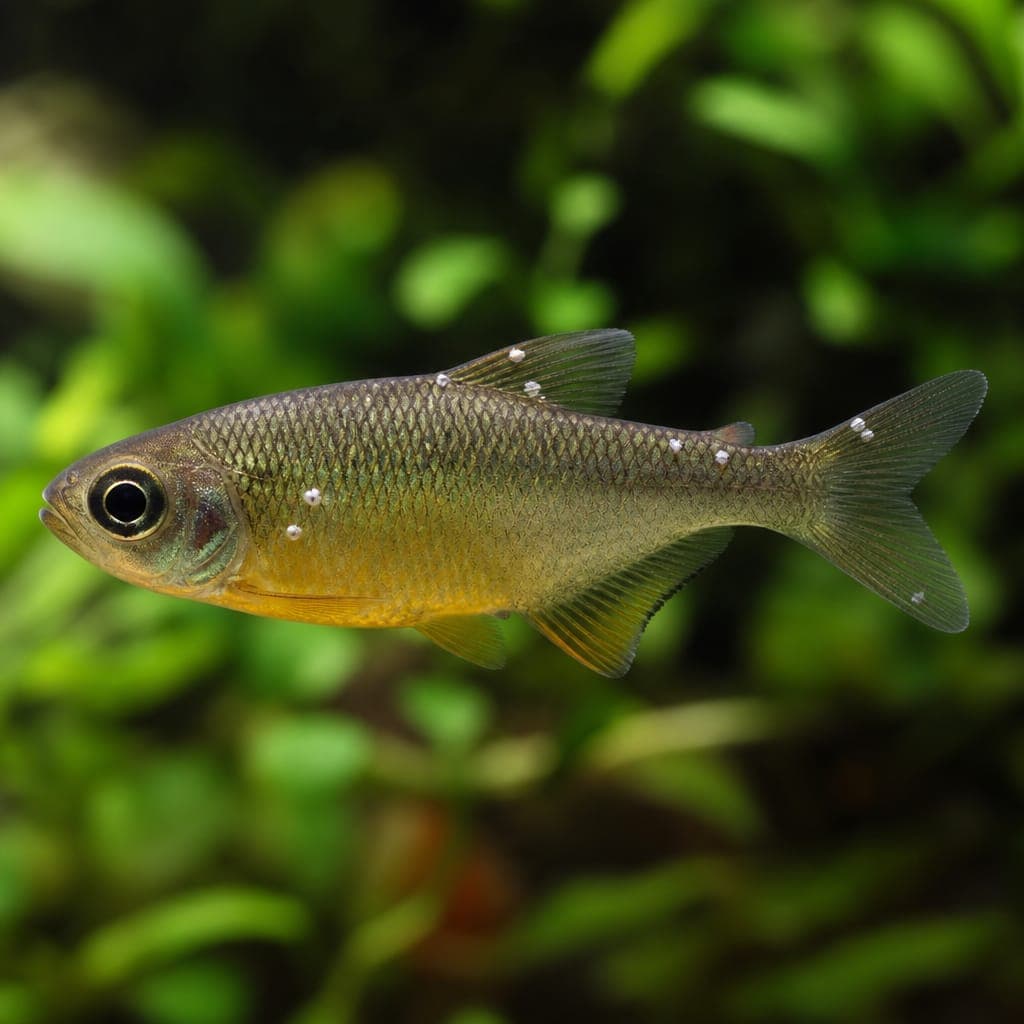
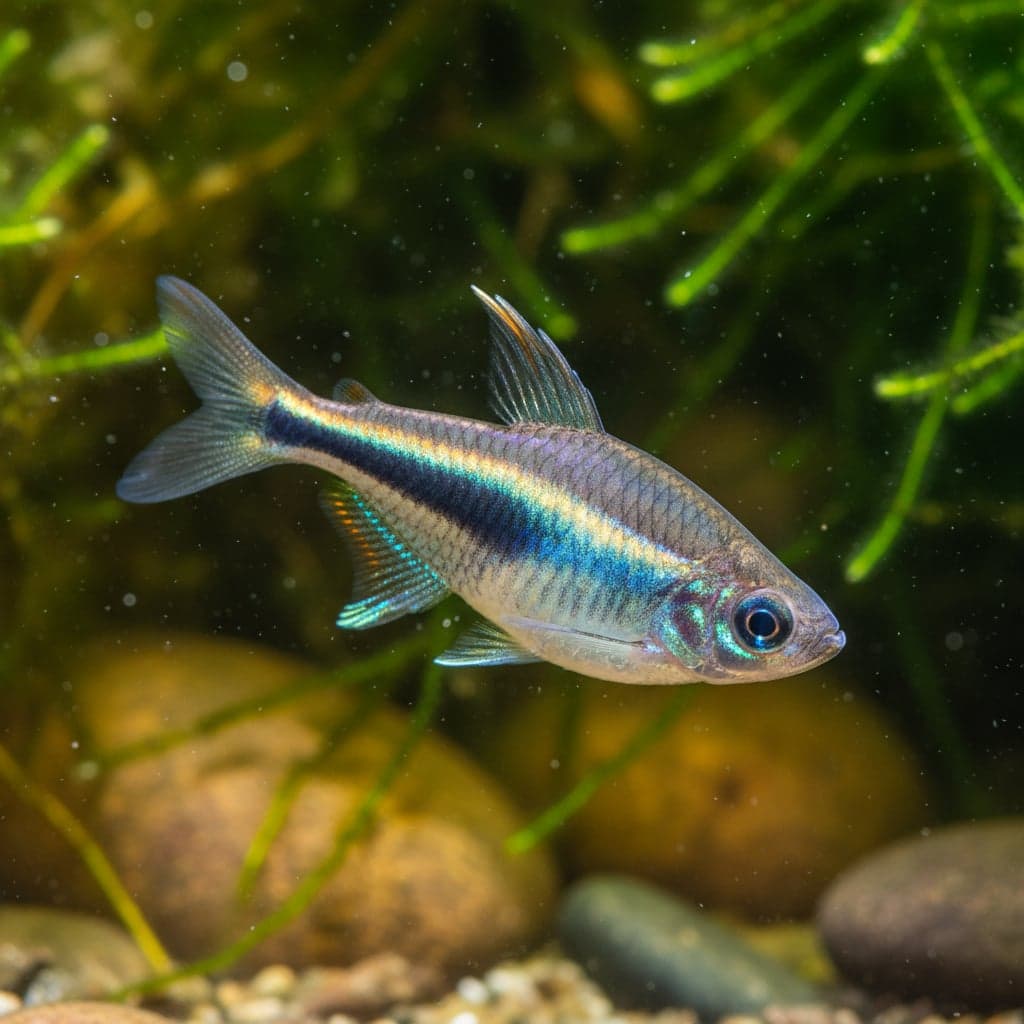
When considering tank mates for the Zamora Woodcat, it's important to choose species with similar water parameters and temperaments. Compatible tank mates include peaceful fish such as tetras, rasboras, and small cyprinids, which thrive in similar conditions. Other bottom-dwelling species like Corydoras catfish and certain species of loaches can share the ecosystem beneficially, while larger predatory species or overly aggressive fish should be avoided. Large cichlids and other territorial fish may pose a threat to the Zamora Woodcat, leading to stress and possible injury.
In a community tank setting, selecting calm, midwater schooling fish is essential, as these varieties will usually inhabit different levels of the tank, ensuring less competition. Always monitor interactions closely, especially during the introduction of new fish, to minimize stress and aggression.
Breeding
Breeding the Zamora Woodcat in captivity can be a challenging endeavor due to the specific conditions required for successful spawning. They typically exhibit spawning behaviors during the rainy season in their natural habitat, which can be emulated in an aquarium setting by simulating seasonal changes. Providing a breeding tank with softer water, a temperature increase to about 26°C to 30°C (78°F to 86°F), and a varied diet high in protein can encourage spawns.
During the spawning process, the female lays eggs on flat surfaces such as leaf litter or smooth rocks, while the male will fertilize them. After hatching, the fry will require dense cover and finely crushed food or specialized fry food to thrive in their early stages. Since Zamora Woodcats are known to eat their own eggs, immediate removal of the adult fishes post-spawning is recommended to maximize the survival of the fry.
Common Health Issues
Zamora Woodcats are generally hardy when kept in clean, soft water with plenty of wood cover. Like many South American catfish, they can be prone to ich, bacterial infections, and barbel damage from rough substrates. Maintaining stable water parameters, performing regular water changes, and using a soft sand bed help prevent these issues.
Because they are nocturnal and often hide during the day, watch for reduced appetite, clamped fins, or pale coloration as early signs of stress. Avoid copper-based medications at full strength, and quarantine new tank mates before introducing them to an established group.