Zebra Acara: Ivanacara adoketa
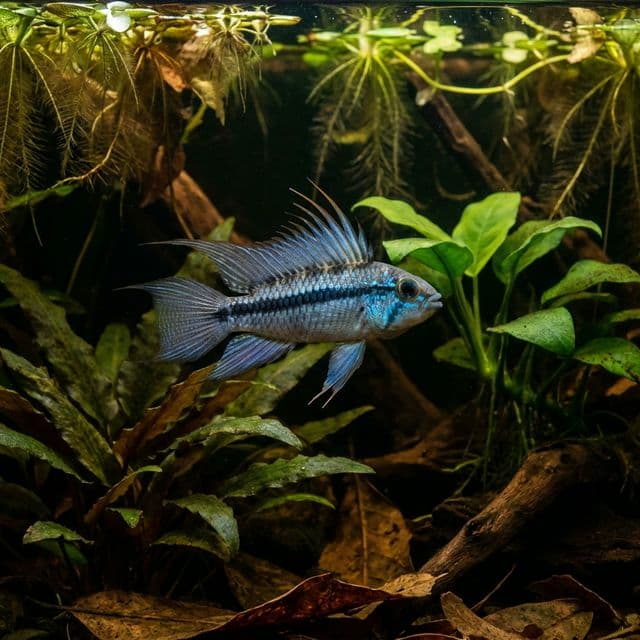
A spectacular and sought-after dwarf cichlid from the blackwater rivers of Brazil, famous for its intricate zebra-like barring and stunning coloration.

Zebra Acara
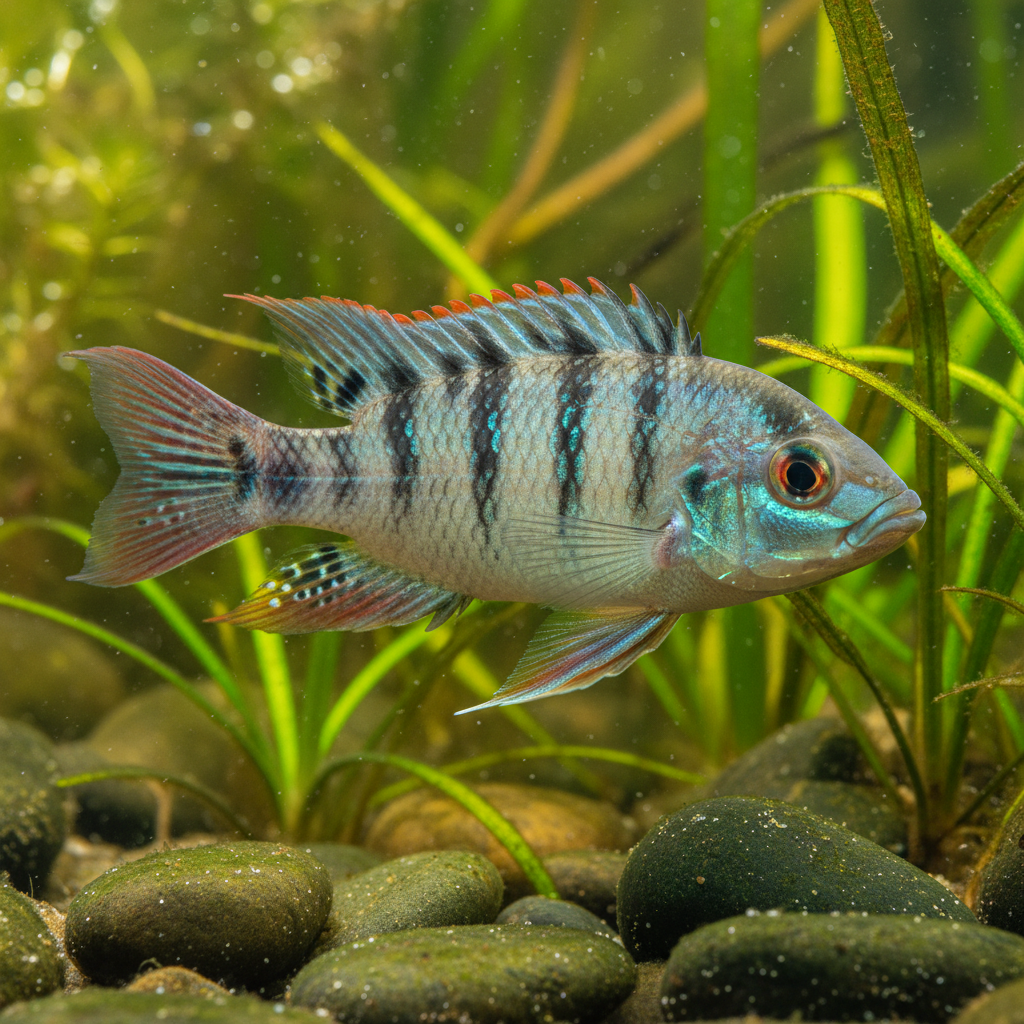
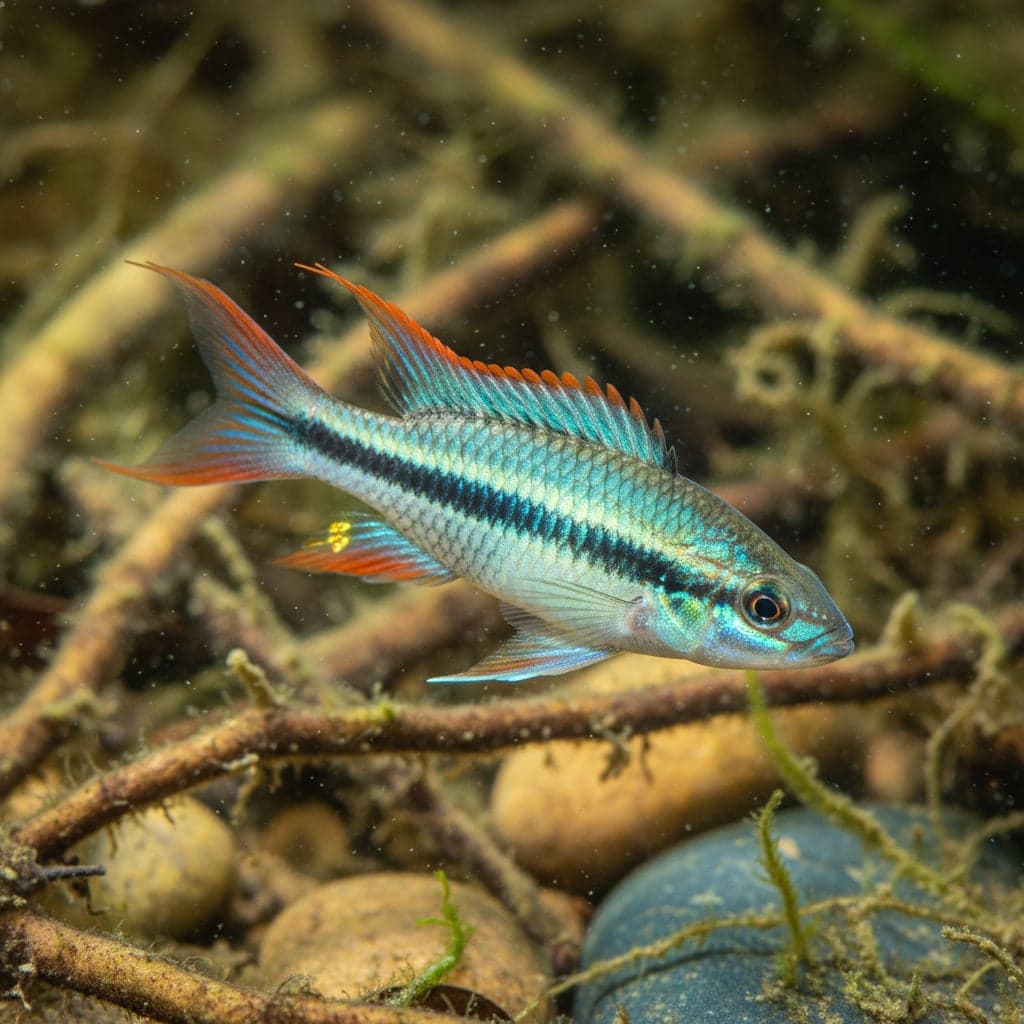
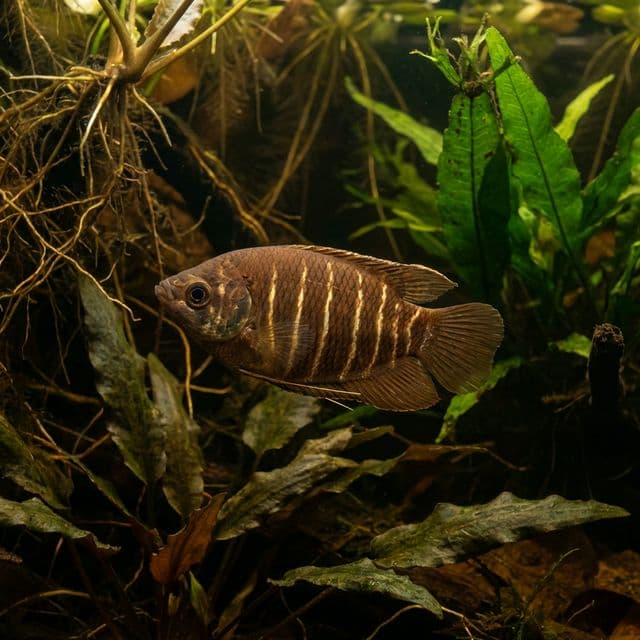
The Zebra Acara (Ivanacara adoketa) is a captivating freshwater cichlid that garners attention for its distinctive striped pattern and vibrant coloration. Originating from the Amazon River basin, this species exhibits a striking combination of blues, greens, and blacks that create an eye-catching appearance, making it a favorite among aquarists. The contrasting bands of lighter and darker colors, coupled with its vibrant fins, provide a visual spectacle that enhances any aquarium setup. As a relatively peaceful cichlid, the Zebra Acara is an excellent addition to community tanks, appealing not just to dedicated cichlid enthusiasts but also to newcomers ready to explore the intricacies of freshwater aquariums.
In addition to its aesthetic appeal, the Zebra Acara holds a significant place within the aquarium hobby for its manageable care requirements and fascinating behavior. Known for its interactive nature, this fish tends to establish territories and display intriguing mating rituals, making them a joy to observe in a home aquarium setting. As they grow, owners often report developing bonds with their fish, enhancing the overall aquarium experience. This combination of beauty and engaging behavior solidifies the Zebra Acara's status as an essential species within the world of freshwater aquaria.
Natural Habitat & Origin
The Zebra Acara is native to the warm, shallow waters of the Amazon River and its tributaries, primarily located in Brazil. It thrives in various aquatic ecosystems, often found in areas with dense vegetation, submerged roots, and rocky substrates. The waters where this species inhabits are generally characterized as clear to slightly turbid, with a neutral to slightly acidic pH. This environment typically features soft, warm water temperatures ranging from 23 to 28 degrees Celsius (73 to 82 degrees Fahrenheit). The presence of plant matter contributes to the blackwater and tea-stained appearance of the habitat, which plays a critical role in the development of the Zebra Acara's natural coloration and behavior.
In its native habitat, the Zebra Acara thrives in slow-moving waters with abundant cover from plants and driftwood, providing hiding spots for both adults and fry. These environmental elements help regulate temperature, light, and create a rich ecosystem teeming with microorganisms, which the fish feed on. Understanding this natural habitat is crucial for setting up an aquarium environment that mimics these conditions, thereby ensuring the health and well-being of the Zebra Acara in captivity.
Care Requirements
To provide optimal care for the Zebra Acara, it is essential to maintain specific water parameters that closely replicate its natural habitat. Ideal pH levels range from 6.0 to 7.5, with a temperature range of 24 to 28 degrees Celsius (75 to 82 degrees Fahrenheit). The hardness of the water should be kept between 2 to 12 dGH, creating a comfortable environment for this species. Regular water changes, along with the use of a quality filtration system, will help maintain these parameters, ensuring the health of the fish.
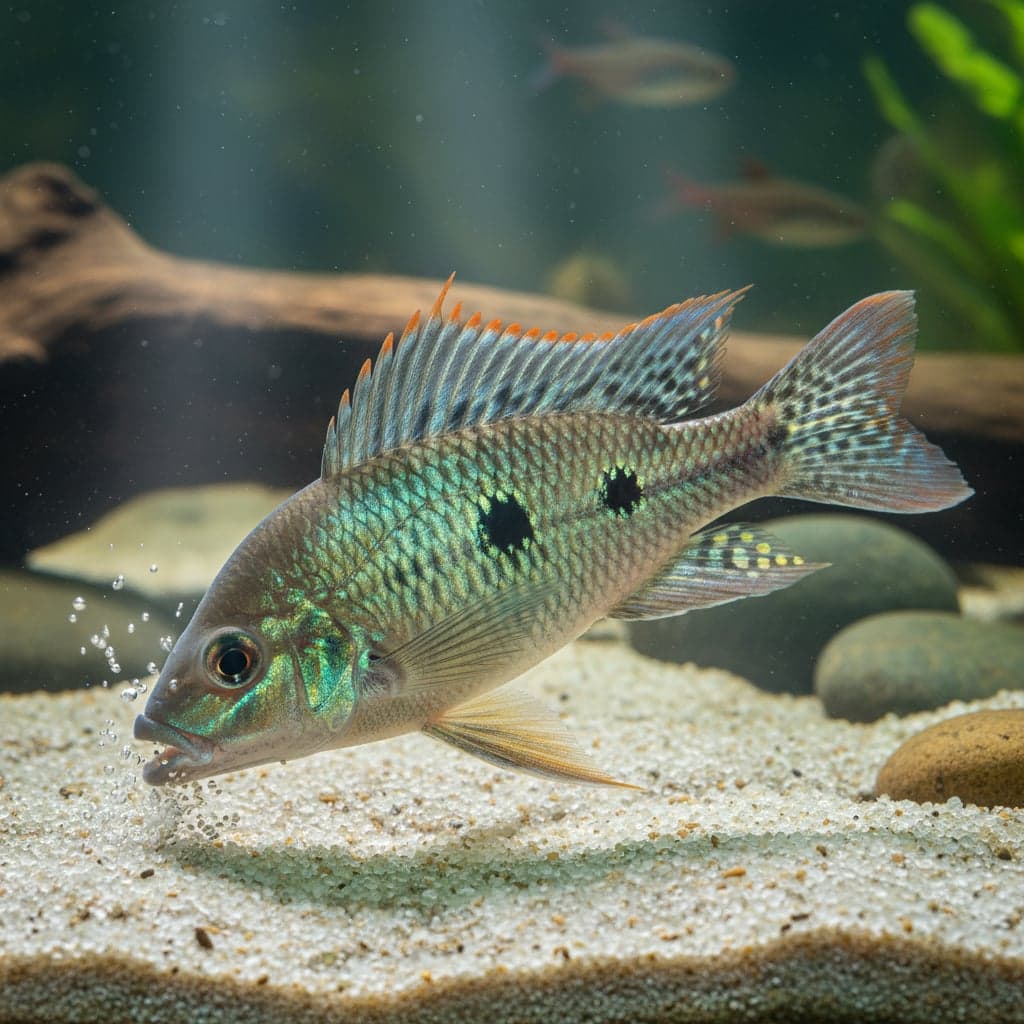
When it comes to tank setup, a minimum tank size of 75 liters (20 gallons) is recommended for a single Zebra Acara or a small group. The substrate can be a mixture of sand and fine gravel, which allows for easy digging and foraging. Incorporating a variety of plants, such as Java Fern and Anubias, alongside driftwood and rocks, can create a stimulating and secure environment. Adequate lighting should be provided, but it is advisable to include shaded areas to mimic the dappled light conditions of their natural habitats. This combination of elements will help ensure that the Zebra Acara thrives in captivity, displaying natural behaviors and vibrant colors.
Diet & Feeding
The Zebra Acara is an omnivorous species, exhibiting a diverse diet in the wild that consists of small invertebrates, plant materials, and detritus. In captivity, providing a well-rounded diet is essential for their health, growth, and vibrant coloration. High-quality pellets specifically formulated for cichlids serve as a great staple food, while supplementary offerings should include flakes, frozen, and live foods. Options like brine shrimp, daphnia, and bloodworms promote color enhancement and overall health.
Feeding should be done two to three times per day, with portions consumed within a few minutes to avoid overfeeding and maintaining water quality. Regular variation in diet will not only ensure proper nutrition but also help stimulate natural foraging behaviors, keeping the Zebra Acara active and engaged in the aquarium environment.
Behavior & Temperament
Zebra Acara are known for their generally peaceful temperament, making them suitable for community tanks when paired with compatible species. While they can display territorial behaviors, especially during breeding, they typically do not exhibit the extreme aggression seen in some other cichlid species. In groups, they exist in a social hierarchy, establishing territories without excessively bullying tank mates. Despite their generally docile nature, it is advisable to monitor interactions within more crowded aquaristic environments.
In terms of vertical placement in the tank, the Zebra Acara is a mid to bottom-dwelling fish. They enjoy moving around the substrate, exploring and foraging for food among plants and hiding spots. Providing a well-decorated tank with ample hiding places using plants, rocks, and driftwood will create a comfortable environment that allows their curious behavior to shine and reduces stress.
Tank Mates
Choosing appropriate tank mates for the Zebra Acara is crucial for a harmonious aquarium environment. Ideal companions include larger tetras, barbs, danios, and peaceful catfish like Corydoras. Additionally, other cichlids such as the Bolivian Ram or Apistogramma species can coexist harmoniously, provided plenty of space is available. Avoid stocking the tank with overly aggressive species, such as some larger predatory cichlids or fin-nippers, which may stress the Zebra Acara or cause injury.
It is also advisable to avoid keeping them with small, slow-moving fish, which could be mistakenly viewed as food. Consistent observation is essential, especially when introducing new tank mates. Often, giving the Zebra Acara time to establish its territory will lead to a more balanced community setup.
Breeding
Breeding Zebra Acara in captivity can be a rewarding experience for aquarists. These fish are substrate spawners, typically laying eggs on flat surfaces like rocks or broad-leaved plants. To encourage breeding behavior, providing optimal water conditions and a suitable environment is essential. A breeding pair can be encouraged by creating a separated breeding area in the tank or using a breeding box to minimize stress and protect the fry from potential predation.
Once a pair becomes established, they will engage in pre-spawning behaviors, including territorial displays and gentle nipping. The female can lay anywhere from 100 to 500 eggs, which are usually laid in a single cluster. After a few days, the eggs will hatch, and the fry will be free-swimming within a week, at which point they can be fed with very fine foods such as powdered flakes or infusoria. Providing excellent care for the parents and fry during this period significantly increases the chances of a successful breeding result.
Common Health Issues
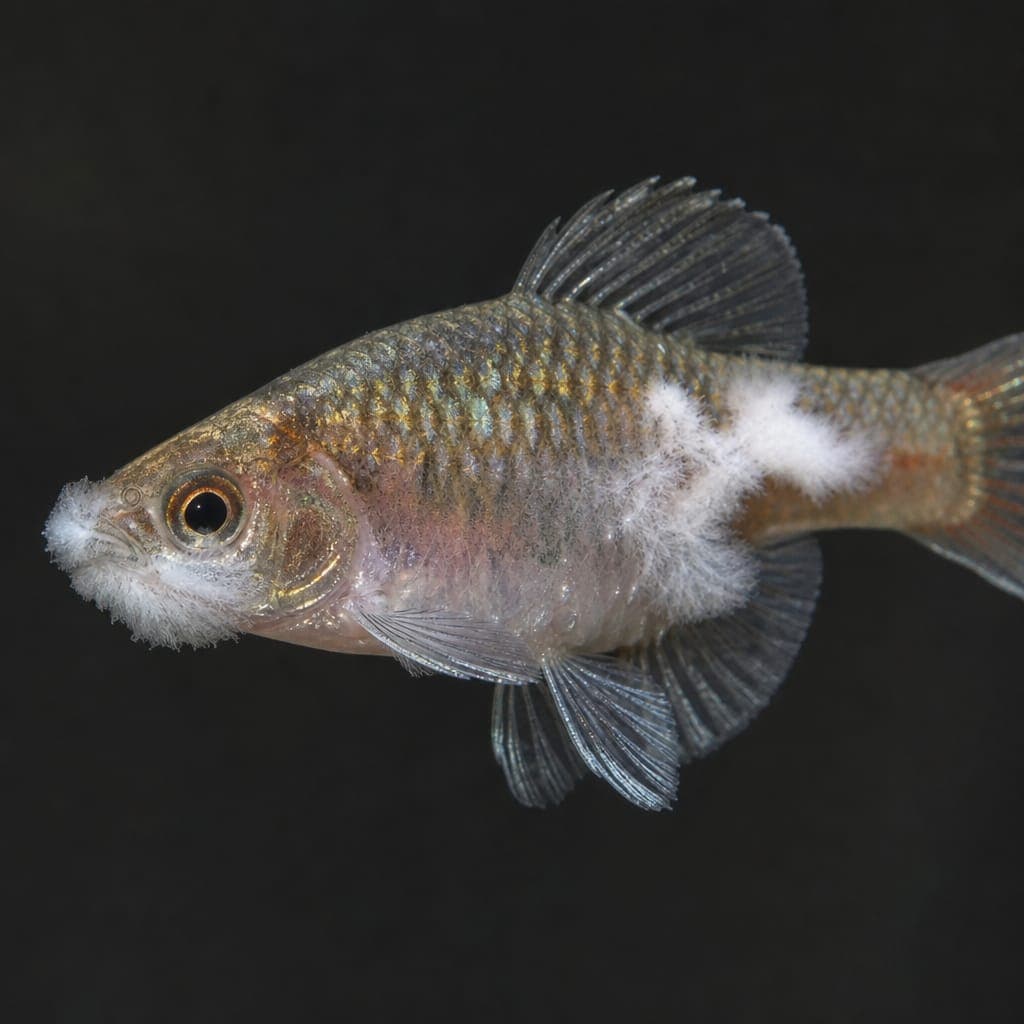
While Zebra Acara are generally hardy fish, they can be susceptible to certain health issues, mainly if water quality is not adequately maintained. Common problems include ich, fin rot, and fungal infections. To prevent these issues, regular water changes, maintaining stable water parameters, and good filtration are essential. Quarantine newcomers, avoid overcrowding, and offer a varied omnivore diet to strengthen immunity. Watch for white spots, frayed fins, cottony growths, or sudden hiding, and treat promptly in a hospital tank while correcting water quality. Soft to moderately hard water and plenty of cover reduce territorial stress that invites disease. With attentive care, Zebra Acara remain hardy, patterned South American cichlids that thrive as peaceful centrepieces in a well-maintained community aquarium.