Zebra Loach: Botia striata
A peaceful and hardworking bottom-dweller, the Zebra Loach is prized for its intricate vertical stripes and its social, energetic personality.
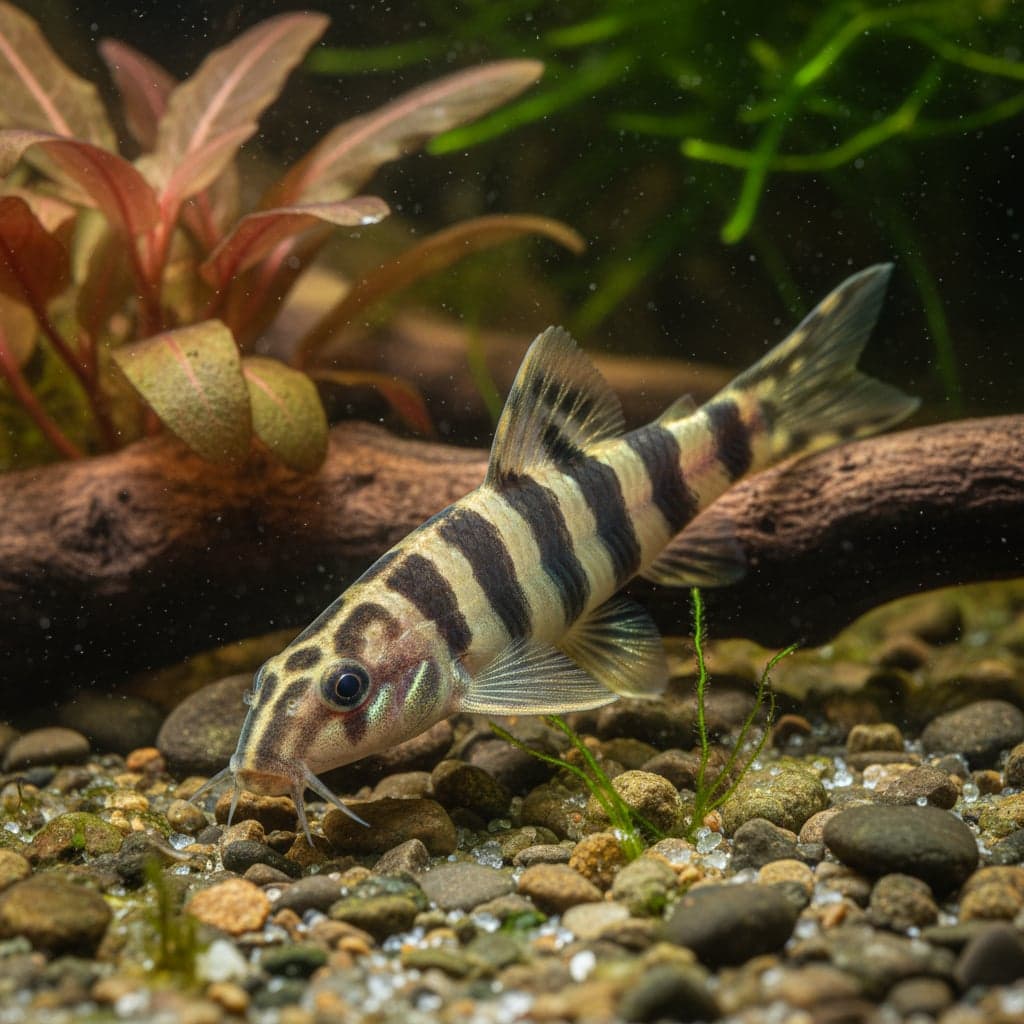
Zebra Loach
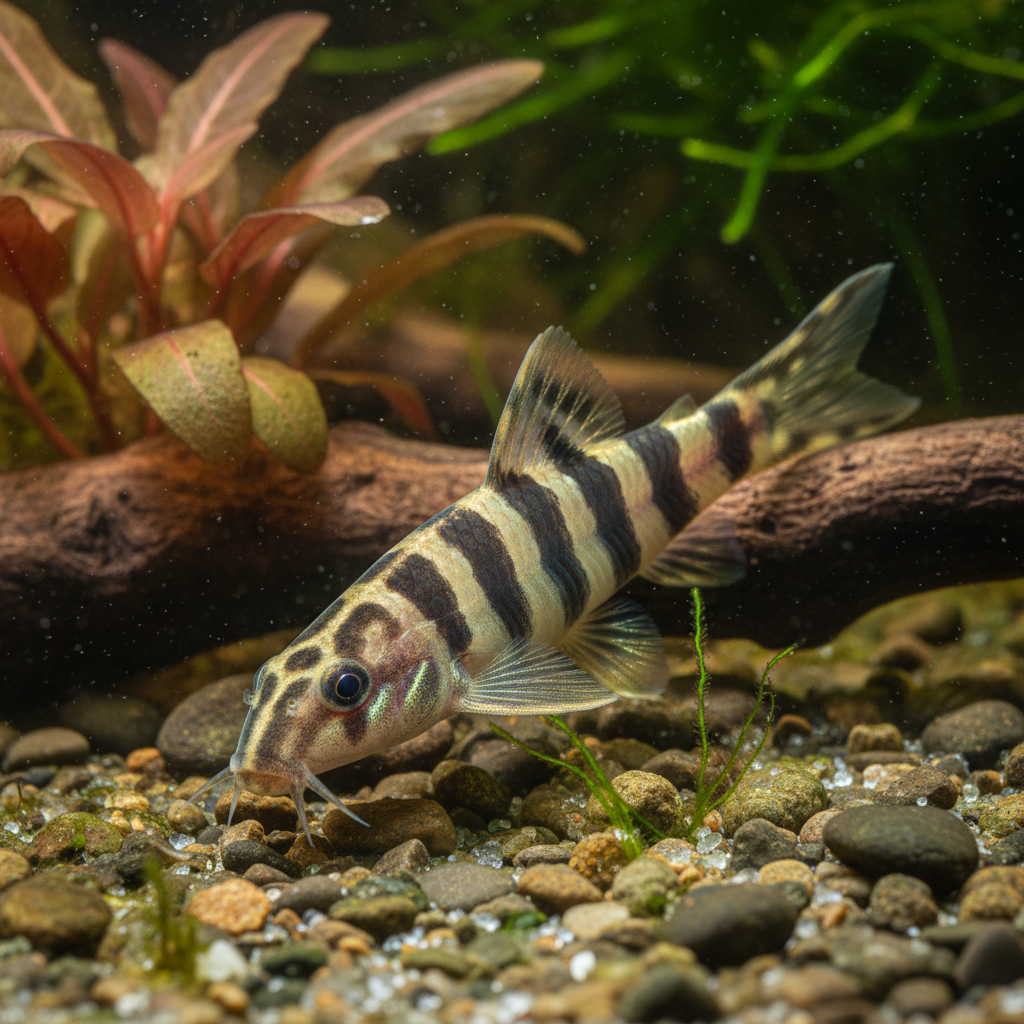
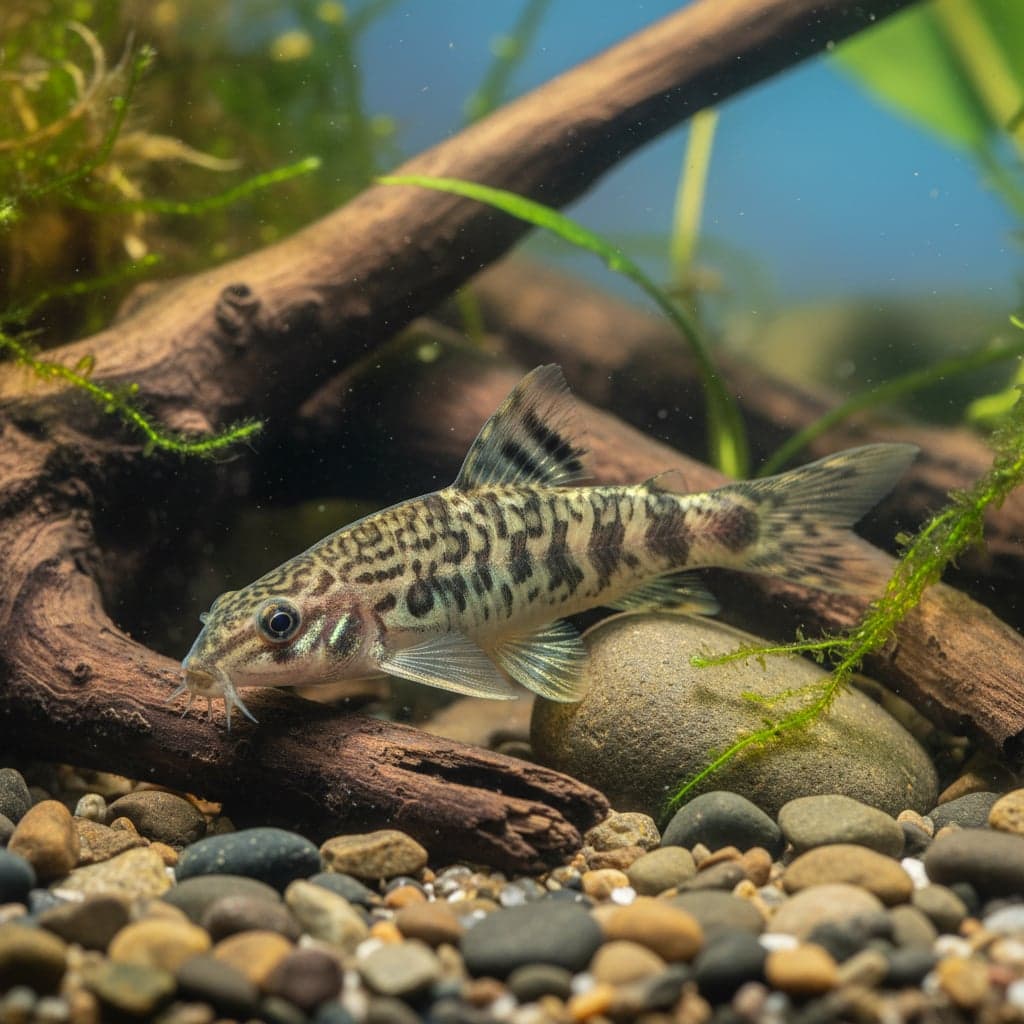
The Zebra Loach (Botia striata) is a striking freshwater fish that captivates aquarists with its unique appearance and lively personality. Characterized by its elongated body, vibrant yellow-brown coloration, and bold horizontal black stripes, this fish adds a dynamic aesthetic to any aquarium. Its visual appeal not only lies in its coloration but also in its energetic movements, making it a favorite among both novice and experienced fish keepers. The Zebra Loach is essential to the aquarium hobby, combining beauty and functionality, as it actively participates in the tank ecosystem by scavenging leftover food, thus contributing to the overall cleanliness of the aquarium.
In terms of significance, the Zebra Loach is noted for its engaging behavior and compatibility with various tank mates. This species is known for being a peaceful community fish that thrives in groups of its own kind, providing a lively presence in the aquarium. The Zebra Loach has a reputation for being hardy and adaptable, making it an excellent choice for those looking to delve into more advanced aquaristics. This fish not only enhances the aesthetic appeal of aquatic environments but also plays a vital ecological role in keeping the substrate clean and engaging with other species in a community setting.
Natural Habitat & Origin
The Zebra Loach is native to the fast-flowing rivers and streams of the Southeast Asian regions, primarily found in Myanmar (Burma) and parts of Thailand. These habitats are characterized by a mix of rocky substrates and areas of dense vegetation. The water in their natural environment is typically clear, with a moderate to fast current, and they thrive in conditions that contain a variety of natural organic materials. As a freshwater species, they are accustomed to slightly acidic to neutral pH levels and prefer softer water conditions, reflecting the settings they inhabit in the wild.
In the wild, Zebra Loaches occupy areas rich in leaf litter and plant cover, which provide them with both shelter and foraging opportunities. The presence of such substrates and vegetation is crucial, mimicking their natural habitat and reducing stress when they are kept in captivity. This knowledge about their geographical origin helps aquarists replicate their conditions more accurately, ensuring a healthy and stimulating environment for these lively fish.
Care Requirements
To provide optimal conditions for the Zebra Loach, it's essential to maintain specific water parameters. The ideal pH level should range from 6.0 to 7.5, while the water temperature should be maintained between 75°F and 86°F (24°C - 30°C). The hardiness of the water should be kept at 5 to 12 dGH, which reflects their natural habitat's slightly soft water conditions. Maintaining stable water conditions through regular monitoring and water changes is vital to the health of these fish.
When setting up a tank for Zebra Loaches, a minimum size of 30 gallons is recommended to accommodate their active nature. The substrate should consist of fine gravel or sand to protect their delicate barbels as they scavenge for food. Additionally, incorporating driftwood, rocks, and live plants will create hiding spots and mimic their natural environment, providing shelter and security. Moderate lighting is preferable, as it helps maintain plant health while mimicking their natural habitat’s dappled light conditions.
Diet & Feeding
The Zebra Loach is classified as an omnivore, which means it has a varied diet that includes both plant and animal matter. In captivity, they thrive on a balanced diet of high-quality flake or pellet foods designed for bottom-feeding fish, as well as sinking pellets rich in protein. Supplementing their diet with frozen or live foods, such as bloodworms, brine shrimp, and daphnia, can enrich their nutritional intake and enhance their natural scavenging behavior.
In addition to protein sources, providing vegetable matter such as blanched zucchini, cucumbers, or spirulina can contribute to their health and overall well-being. It is essential to feed multiple small meals throughout the day to cater to their energetic nature and ensure they receive the nutrients they need without overloading the tank with uneaten food.
Behavior & Temperament
Zebra Loaches are social and active fish that prefer to be kept in groups, ideally in schools of five or more individuals. They exhibit a playful and curious nature, often engaging in exploration and foraging behavior throughout the tank. This schooling behavior is essential not only for their well-being but also for reducing stress and aggression among its members. While they are generally peaceful, Zebra Loaches can exhibit some territoriality, particularly during feeding times or when they feel crowded.
These loaches typically occupy the bottom levels of the aquarium but will sometimes venture to mid-water for brief periods. Providing ample hiding spots and open swimming areas encourages natural behavior and allows them to feel secure as they navigate through the tank.
Tank Mates
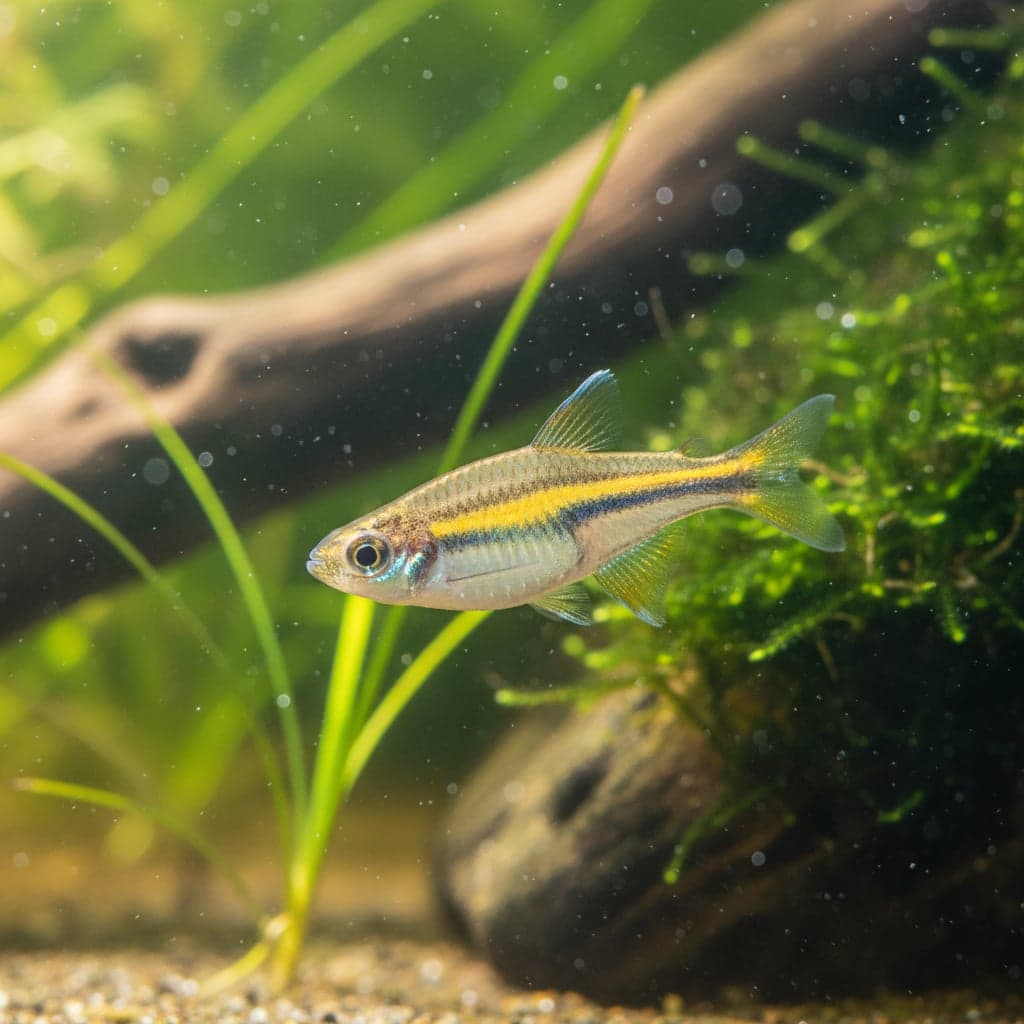
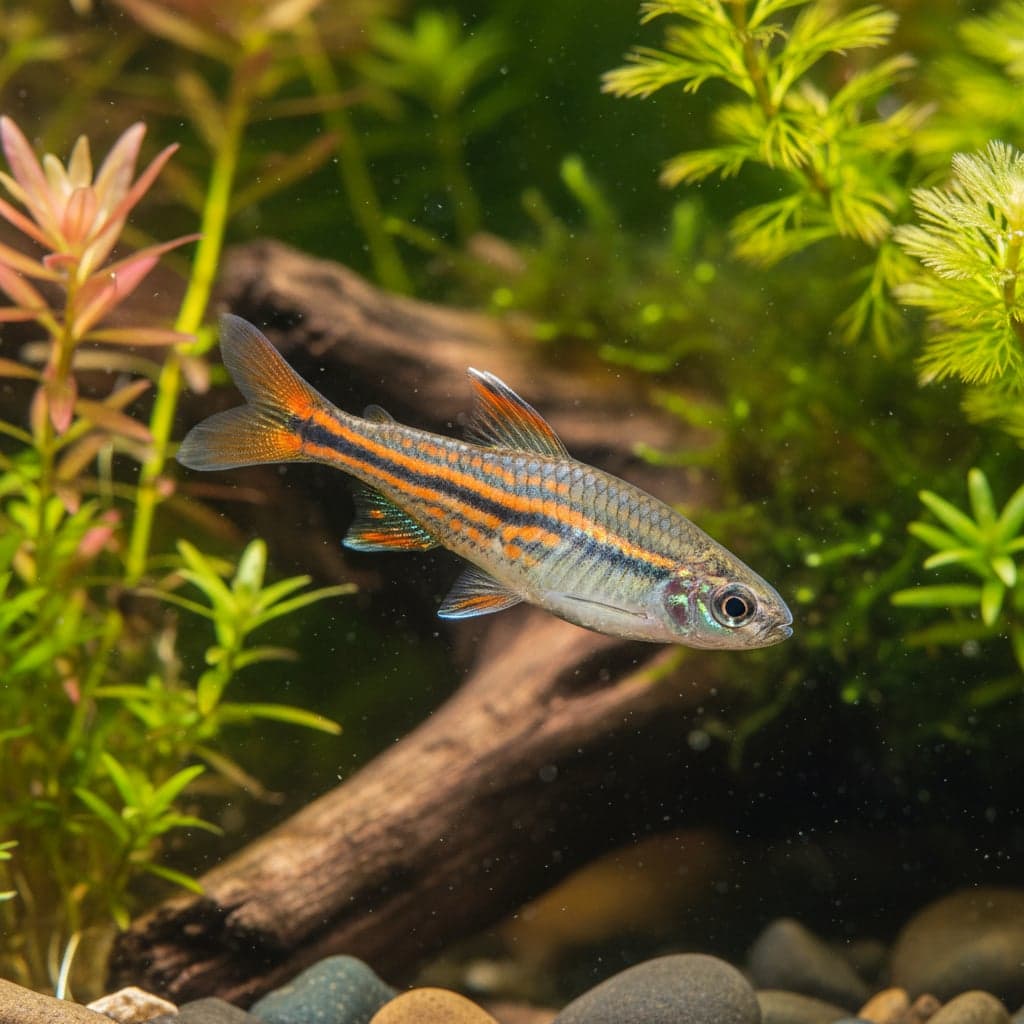
When selecting tank mates for Zebra Loaches, it's crucial to choose peaceful, community-friendly species. Compatible tank mates include tetras, danios, rasboras, corydoras catfish, gouramis, and smaller species of barbs. Avoid aggressive fish or those prone to fin nipping, such as certain cichlids or larger characins, as they can create a stressful environment for Zebra Loaches. Additionally, it is advisable to refrain from keeping them with species that may outcompete them for food, ensuring a balanced living arrangement in the aquarium.
Best practices recommend larger schooling fish that can coexist with their peaceful demeanor, allowing Zebra Loaches to play their role in a thriving community tank without incidence.
Breeding
Breeding Zebra Loaches in captivity can be a challenging but rewarding endeavor. Like many freshwater fish, they exhibit specific spawning behaviors that must be supported by suitable conditions. For successful breeding, it is essential to provide a separate breeding tank that is at least 20 gallons in size, with lush vegetation and fine-leaved plants or spawning mops to encourage egg laying.
The ideal water conditions for breeding include slightly acidic water with a pH of around 6.0, a temperature between 78°F and 82°F (25°C - 28°C), and a hardness level of around 3 to 6 dGH. The introduction of cooler water and increased water flow can trigger spawning behavior, as can the presence of food-rich conditions. After spawning, adult fish should be removed to prevent them from eating the eggs, which usually hatch within 48 to 72 hours.
Common Health Issues
While Zebra Loaches are generally hardy, they can be susceptible to several common diseases. Issues such as ich (Ichthyophthirius multifiliis), fin rot, and various parasitic infections can affect them, particularly if their living conditions are subpar. Prevention is key, and maintaining good water quality, providing a balanced diet, and ensuring stress-free conditions will minimize health risks.
Monitoring water parameters and conducting regular water changes helps reduce the likelihood of disease. In case of illness, early detection is crucial, and immediate treatment should be administered using appropriate medications as recommended by a veterinarian specializing in aquatic health.