Zodiac Loach: Mesonoemacheilus triangularis
A stunning and uniquely patterned hillstream loach from the Western Ghats of India, known for the intricate "Zodiac-like" symbols on its body.
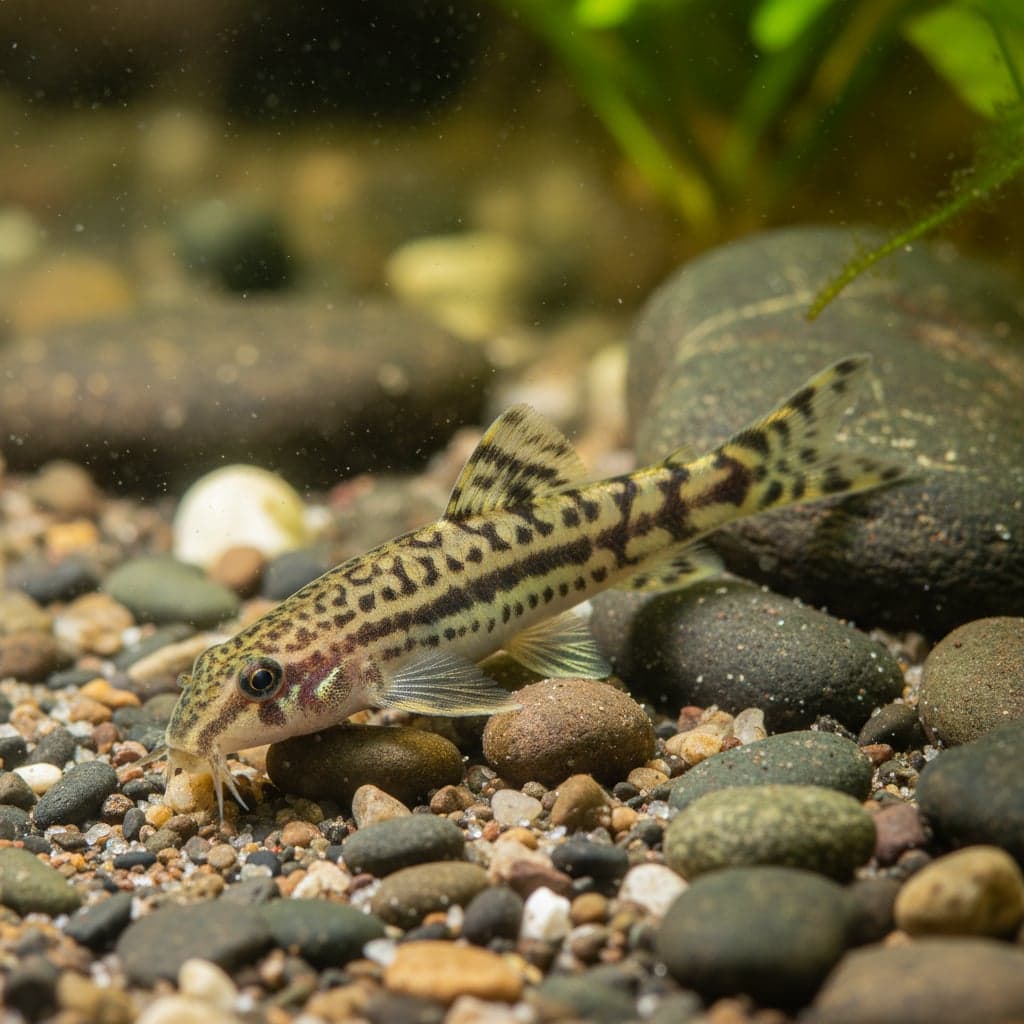
Zodiac Loach
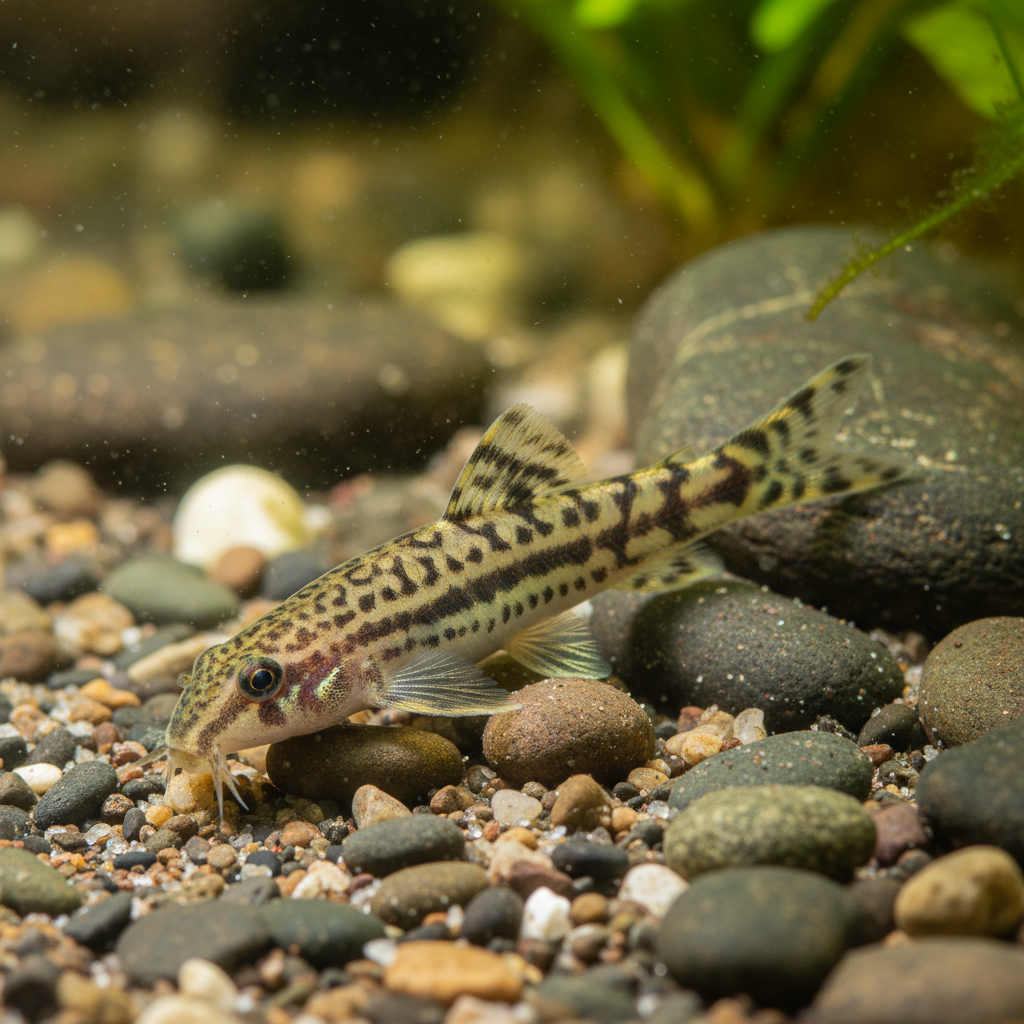
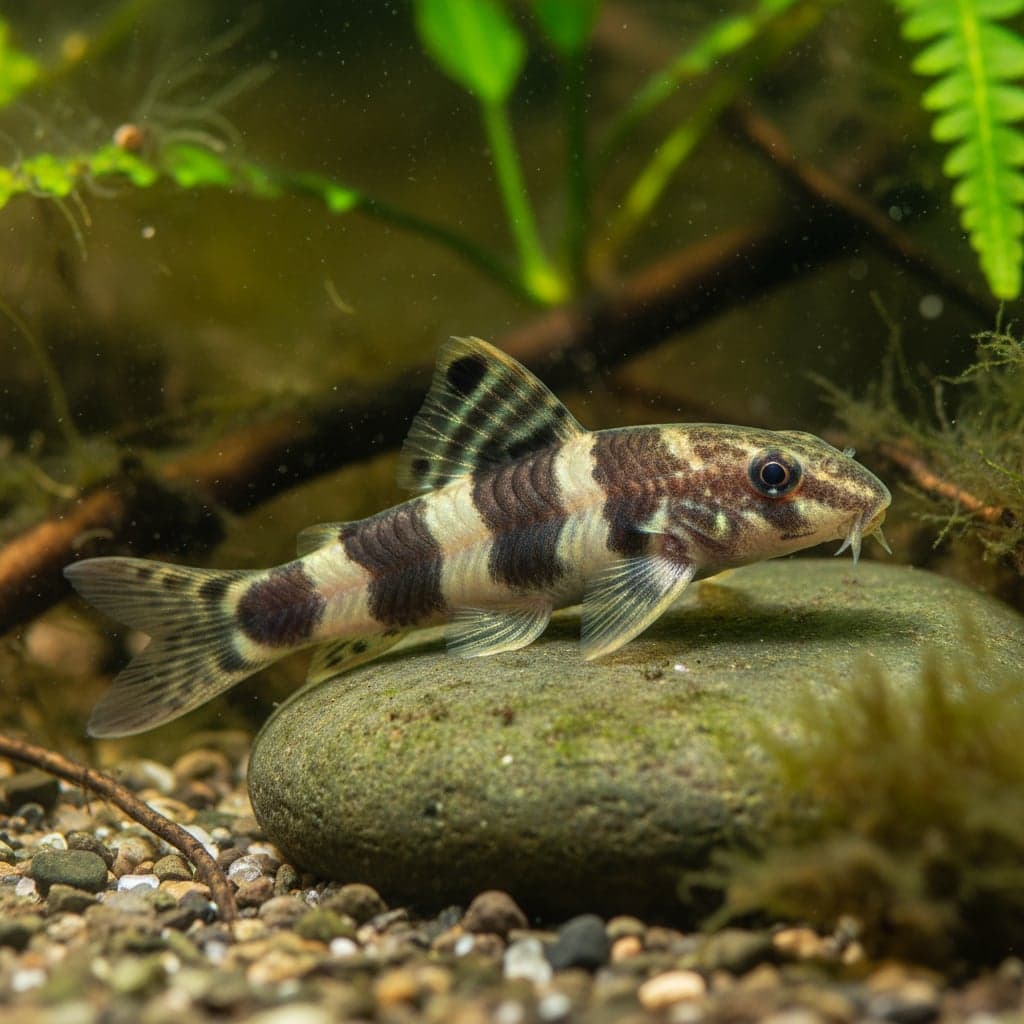
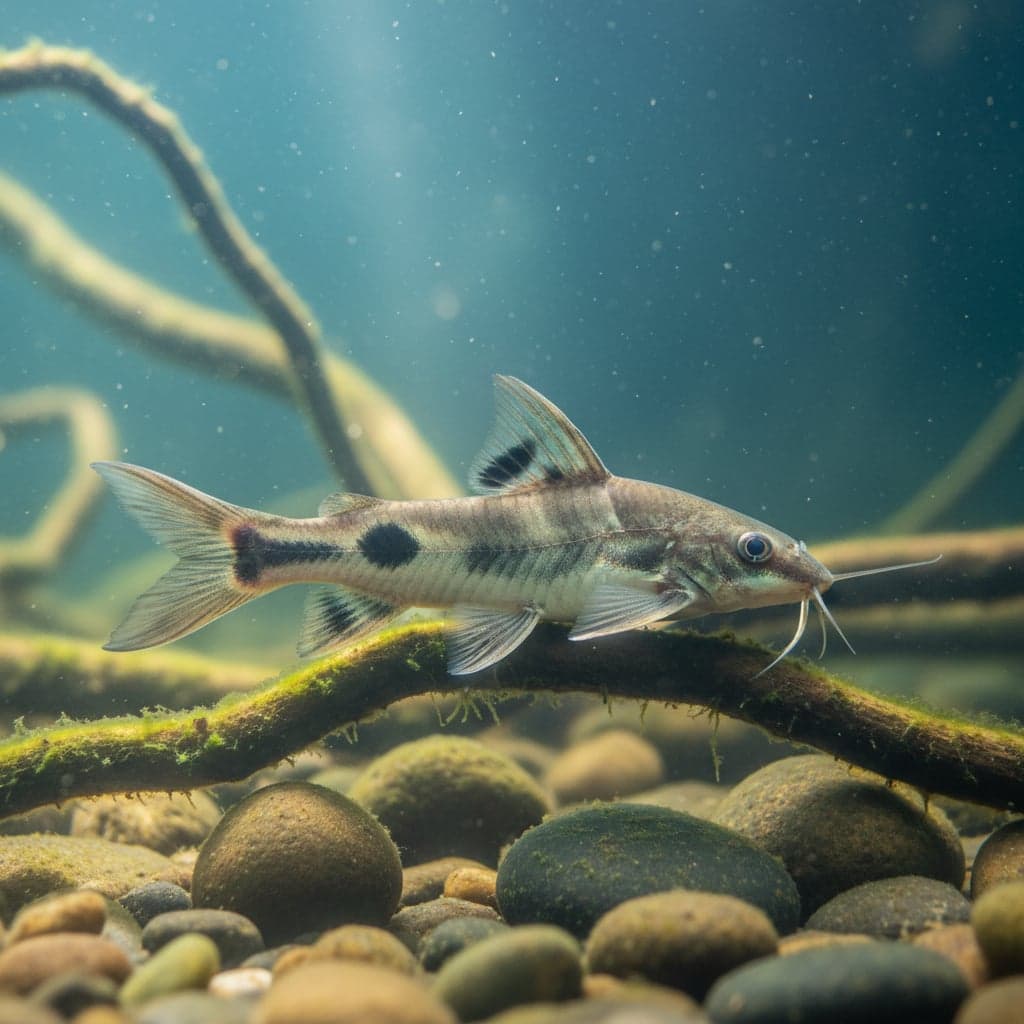
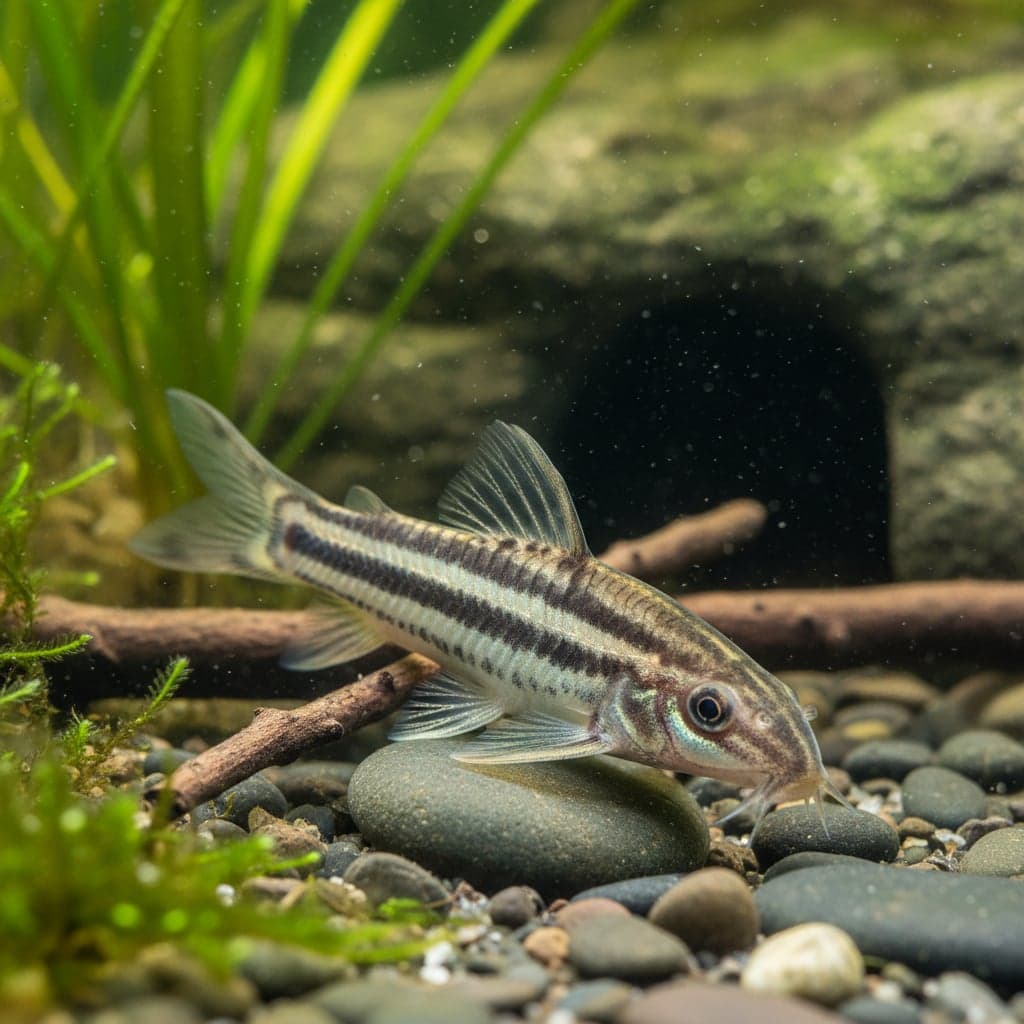
The Zodiac Loach, scientifically known as Mesonoemacheilus triangularis, is a fascinating and visually striking freshwater fish that has captured the attention of aquarists worldwide. Distinguished by its unique triangular body shape and contrasting color patterns, this loach features a blend of earthy browns, yellows, and vibrant blacks, offering a naturally elegant appearance that stands out in any aquarium setting. With its slender form and elongated fins, the Zodiac Loach is not only pleasing to the eye but also has an array of behavioral characteristics that make it a delightful addition to communal tanks.
In the aquarium hobby, the Zodiac Loach holds significant importance due to its playful nature and bottom-dwelling habits, which contribute to the overall ecological balance within a tank. These fish are known for their inquisitive and peaceful demeanor, often becoming the center of attention as they explore their habitat. They are particularly popular among nano aquarium enthusiasts and aquascapers, as they are well-adapted to small environments while still providing active movement and interest. As a species, their inclusion in an aquarium not only enhances its aesthetic appeal but also encourages a dynamic ecosystem through their natural behaviors.
Natural Habitat & Origin
The Zodiac Loach is endemic to the freshwater rivers and streams of Southeast Asia, particularly found in the central regions of Thailand and Myanmar. These waters typically feature a mix of flowing streams and stagnant pools that possess clear to slightly turbid waters. The natural habitat of the Zodiac Loach is characterized by soft, well-oxygenated waters with a neutral to slightly acidic pH. They inhabit regions with ample hiding spots among rocks, gravel, and leaf litter, which are essential for their wellbeing and mimic their natural environment in aquarium settings.
In the wild, these fish thrive in warm temperatures, ranging from 24°C to 28°C (75°F to 82°F), with a moderate hardness level that varies according to their specific locality. The natural presence of aquatic plants, driftwood, and various substrates enhances the overall environment, providing both shelter and foraging grounds for the Zodiac Loach as it explores the bottom of its habitat in search of food.
Care Requirements
Caring for the Zodiac Loach requires specific water parameters to be met in its aquarium environment. Ideal conditions include a pH level of 6.0 to 7.5, a temperature between 24°C and 28°C (75°F to 82°F), and a hardness ranging from 5 to 15 dGH. A well-maintained tank with stable parameters is essential for their health and longevity. The minimum tank size for these loaches is 60 liters (15 gallons), which allows for ample swimming space and hiding spots.
For the tank setup, a substrate of fine gravel or sand is recommended to replicate their natural environment while providing a gentle surface for their delicate bodies. It is best to include plenty of hiding places using driftwood, rocks, and aquascaping plants such as mosses and ferns, as they enjoy exploring these areas. The lighting should be moderate to simulate the dappled sunlight they would encounter in their natural streams. Maintaining a routine for regular water changes and filtration is crucial for keeping these loaches healthy and active.
Diet & Feeding
The Zodiac Loach is classified as an omnivore, indicating a diverse diet that includes both plant and animal matter. In the wild, their diet consists primarily of invertebrates, detritus, and plant material. In captivity, a robust feeding regimen can be achieved using high-quality flake food or sinking pellets, which provide essential nutrients for their growth and well-being. It's beneficial to supplement their diet with frozen or live foods, such as bloodworms, daphnia, and brine shrimp, to enhance their natural foraging behavior and maintain their health.
Feeding should be relatively frequent; offering small portions 1-2 times per day ensures that the Zodiac Loach receives adequate nutrition without polluting the water. It's important to observe their feeding habits, as they can be shy and sometimes compete less aggressively for food against more boisterous tank mates.
Behavior & Temperament
The Zodiac Loach is known for its calm and gentle temperament, making it a perfect candidate for community tanks. They are social fish that exhibit schooling behavior, often found in small groups as they explore the tank's bottom and look for food. While they can be somewhat timid, they often display increased confidence when kept with companions of their own species. They tend to avoid aggressive interactions and are best housed with similarly-sized or peaceful tank mates.
Behaviorally, the Zodiac Loach is primarily a bottom dweller, frequently seen foraging among the substrate and hiding within decorations. Their active nature and curious disposition can encourage them to dart around the tank, especially during feeding time. While they are generally not aggressive, it is advisable to provide plenty of horizontal space and hiding spots to ensure they feel secure in their environment, particularly during the day when they may prefer to rest.
Tank Mates
The Zodiac Loach is adaptable and can coexist peacefully with various fish species, which makes them an excellent addition to a community tank. Ideal tank mates include smaller, non-aggressive species, such as rasboras, tetras, dwarf cichlids, and peaceful barbs. They can also thrive alongside other loach species, provided they are of a similar size to minimize competition.
However, it's essential to avoid pairing Zodiac Loaches with aggressive or territorial fish, which can stress them out or lead to conflicts. Fish such as cichlids, aggressive barbs, and larger predators should be kept separate. Additionally, it is wise to steer clear of overly boisterous fish that might outcompete the Zodiac Loach for food or territory.
Breeding
Breeding Zodiac Loaches in captivity can be challenging due to their specific spawning requirements and the need for optimal conditions. They typically exhibit spawning behavior during the wet season, triggered by changes in water quality and temperature. To encourage breeding, it is essential to provide a separate breeding tank with a soft substrate and fine-leaved plants to serve as spawning sites.
For successful breeding, maintain a pH around 6.5 and a temperature of approximately 25°C (77°F). The female will lay eggs in the shade of the plants, and males will fertilize them shortly after. Once spawning occurs, the adult fish should be removed, as they may consume the eggs or fry. The eggs will usually hatch in 48 to 72 hours, and the fry can begin feeding on infusoria or fine powdered food as they become free-swimming.
Common Health Issues
Despite generally being hardy, Zodiac Loaches can be susceptible to specific health issues commonly seen in freshwater fish. One prevalent problem is ich, a parasitic infection characterized by white spots on the skin and fins. Prevention measures include maintaining stable water conditions, ensuring proper tank hygiene, and avoiding overstocking. Regular monitoring and prompt isolation of any affected fish can help curb outbreaks.
Other health concerns include fin rot and various bacterial infections, often arising from poor water quality or stress. Providing clean, well-filtered water, performing regular water changes, and minimizing aggressive tank mates can significantly reduce the risk of these afflictions. Recognizing early symptoms of illness and being proactive about treatment will help to ensure a healthy and thriving Zodiac Loach in your aquarium.