Hang-On Refugium
Natural nutrient export: A guide to hang-on refugiums. Learn how growing plants and macroalgae in an external chamber creates a biological processing powerhouse.
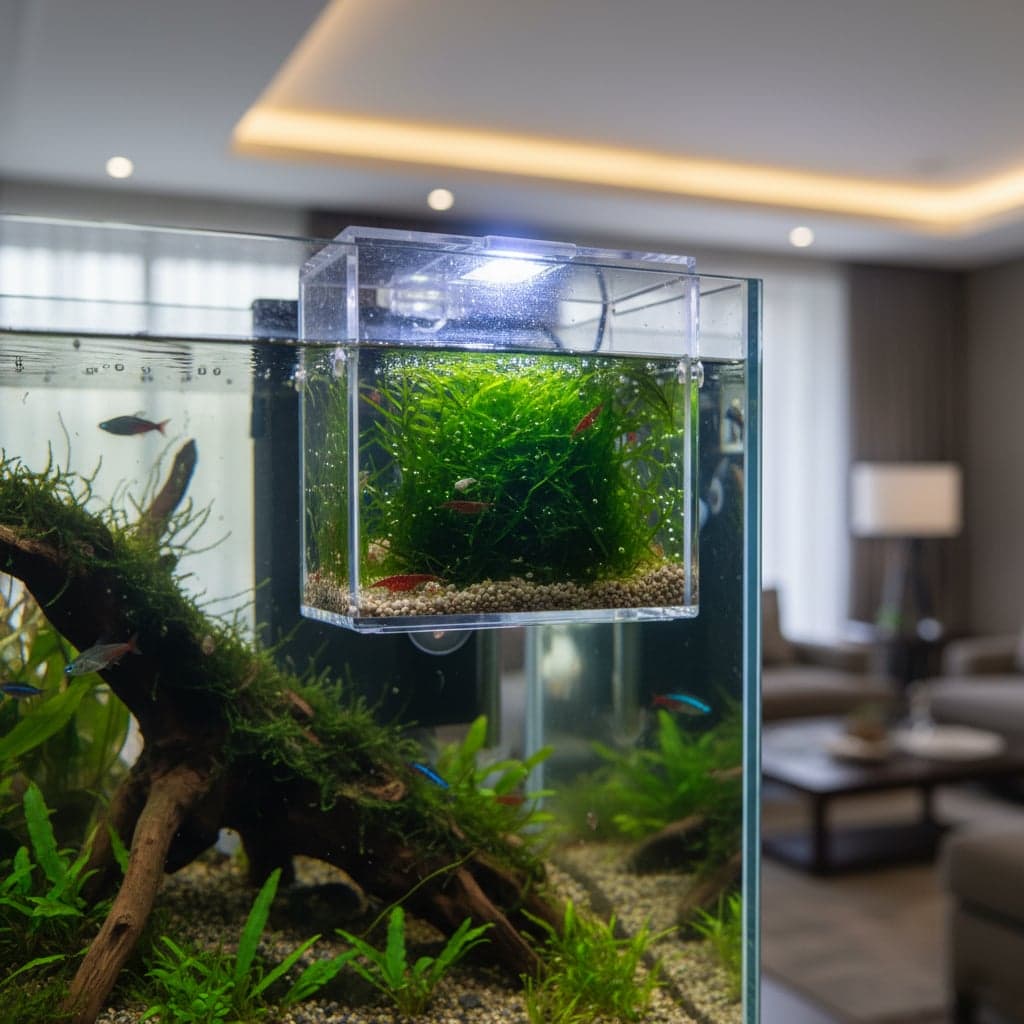
Hang-On Refugium
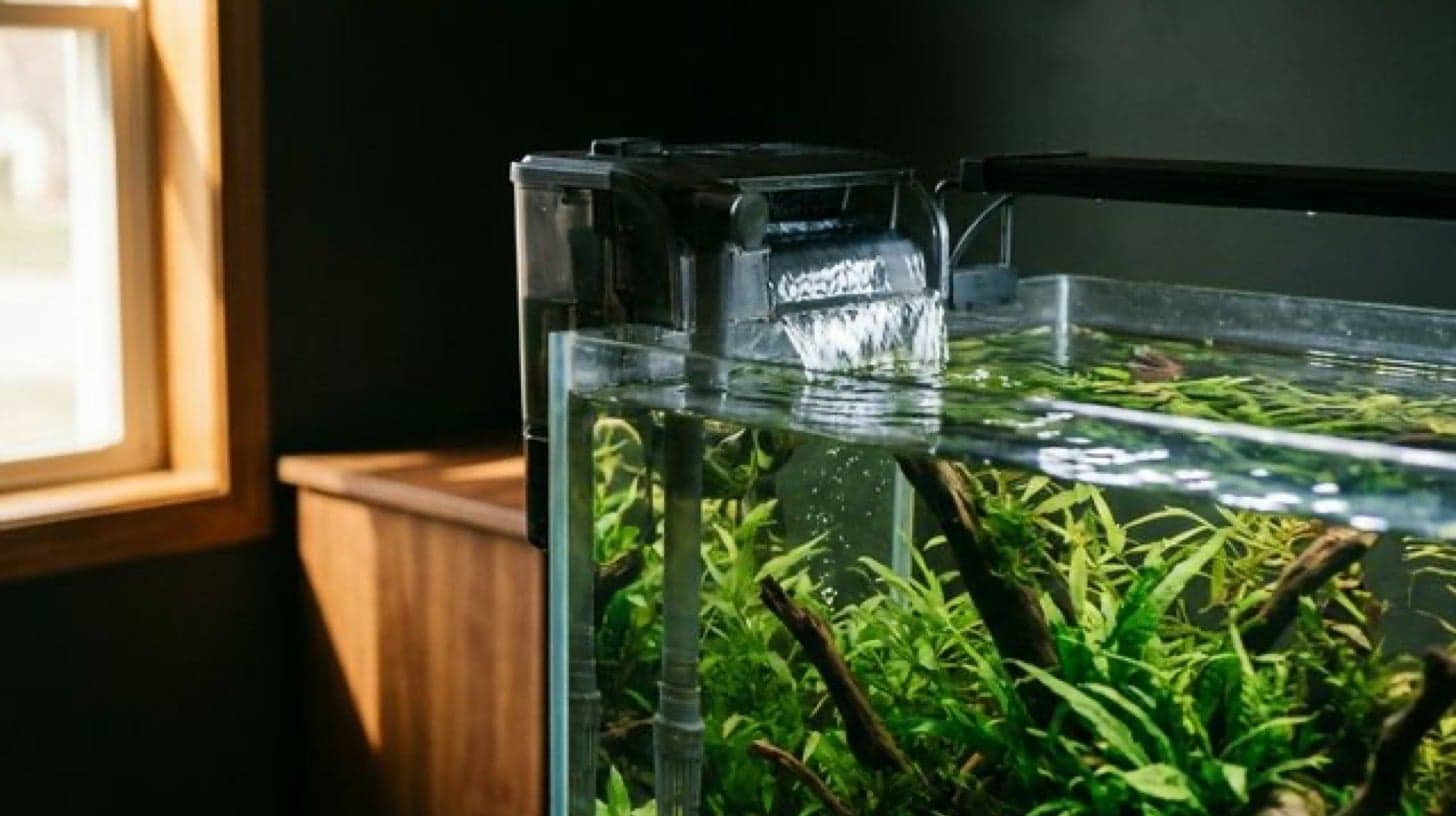
A hang-on refugium (also called a hang-on-back refugium or HOB refugium) is a small, transparent chamber that hangs on the back of your aquarium and connects to the main tank via a water bridge or pump. It provides a separate growing environment for macroalgae, floating plants, or additional biological media — acting as a natural nutrient export system.
What Is a Refugium?
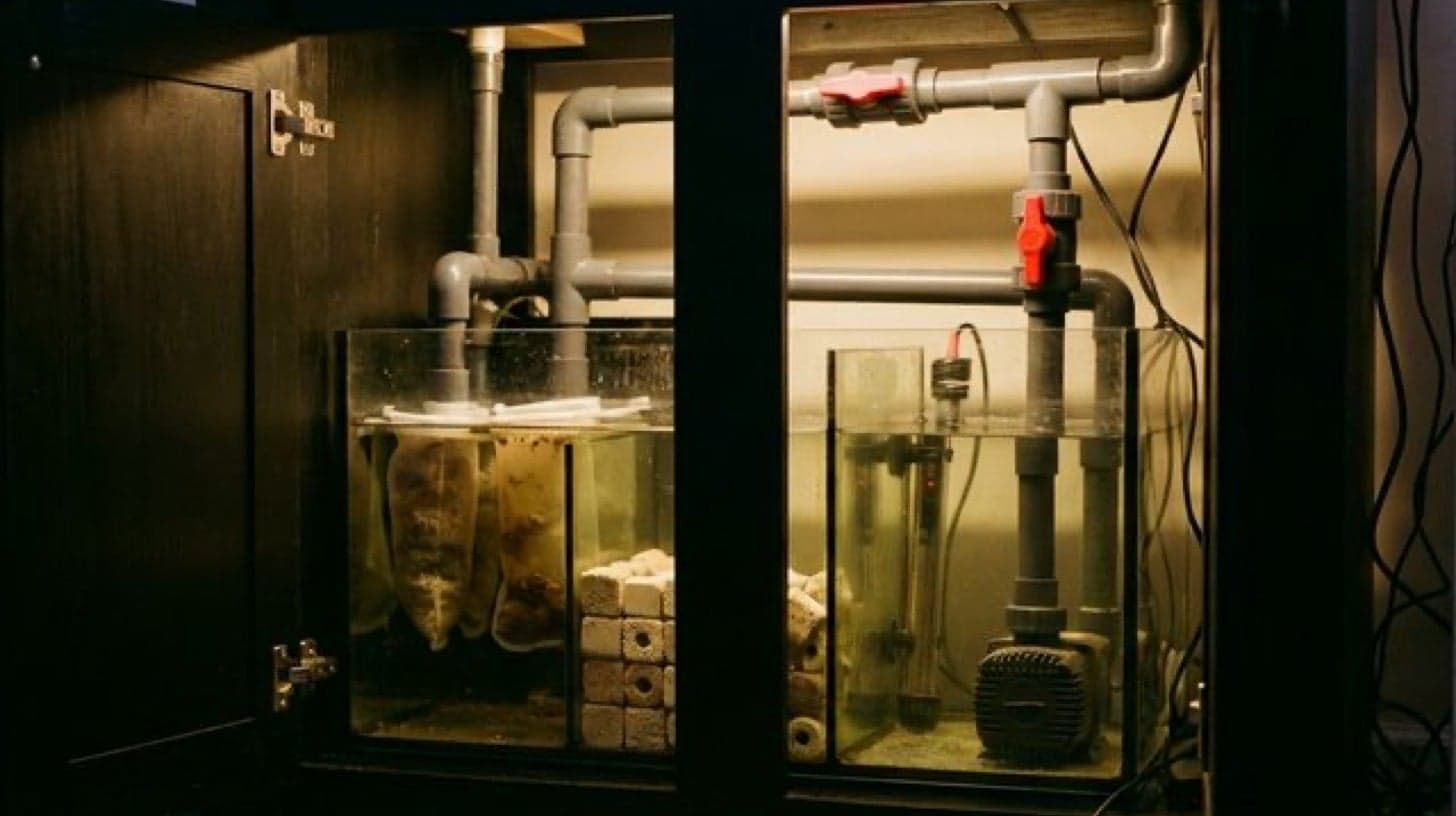
A refugium is a secondary, connected water body that serves as a biological processing area. In marine/reef aquariums, they're typically built into sumps. In freshwater planted tanks, hang-on refugiums bring the same concept to smaller setups without the complexity of a sump.
The refugium water is part of the same system as the main tank, so nutrients flow freely between them. Plants or algae grown in the refugium consume excess nitrates, phosphates, and other dissolved nutrients — essentially doing the same job as water changes, but continuously.
Common Uses
Macroalgae / Plant Growth
Growing fast-growing plants like Pothos (roots only), Hornwort, or floating plants (Salvinia, Duckweed) in the refugium. These plants aggressively absorb nitrates and phosphates, keeping the main tank cleaner.
Fry and Shrimp Nursery
A refugium can serve as a safe haven for baby fish or shrimplets, keeping them separate from predators while still sharing the main tank's water parameters.
Extra Biological Media
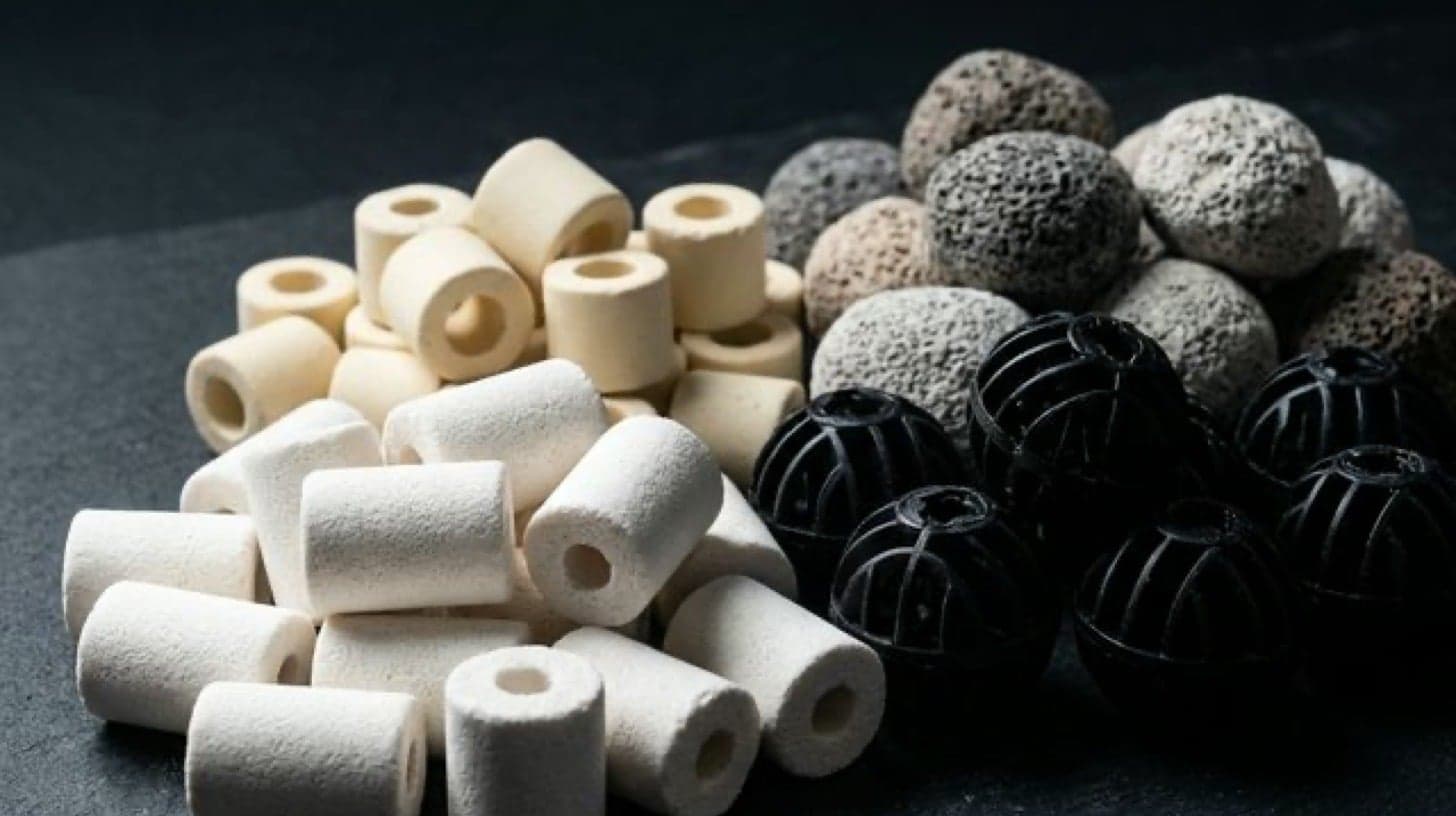
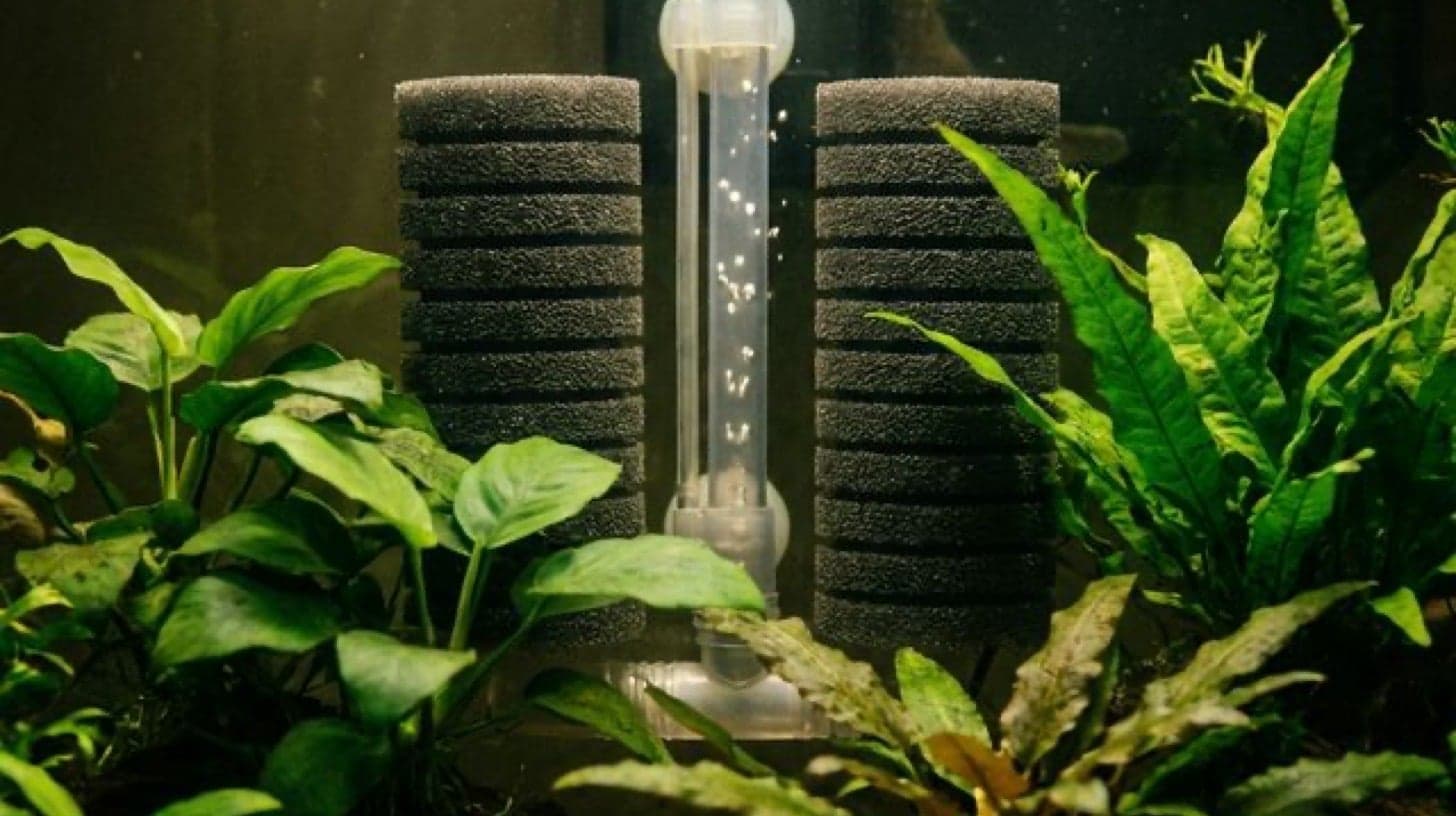
Fill the refugium with biomedia (ceramic rings, lava rock, or sponge) for additional biological filtration capacity without cluttering the main tank.
Pest Snail Trap
Placing a lettuce leaf or cucumber slice in the refugium at night attracts pest snails, which can then be easily removed in the morning.
Setup
- Hang: Mount the refugium on the back wall of the aquarium using the included brackets.
- Water flow: Most designs use a small pump or gravity overflow to circulate water between the refugium and main tank.
- Add substrate (optional): A thin layer of gravel or sand for rooting plants.
- Add plants/media: Stock with your chosen plants, algae, or biomedia.
- Lighting: Mount a small LED grow light above the refugium on a separate timer. Running refugium lights on a reverse cycle (lights on at night) stabilises pH by maintaining CO2 uptake 24/7.
Trusted Brands
- CPR Aquatic (AquaFuge): The original hang-on refugium brand, industry standard.
- Finnex: Compact refugiums with built-in LED lighting.
- DIY (Acrylic): Many hobbyists build custom refugiums from acrylic sheets for a perfect fit.
- Ista: Budget-friendly breeding boxes that can double as refugiums.
Pros & Cons
Advantages
- Natural nutrient export: Reduces nitrates and phosphates without chemical filtration.
- No sump needed: Brings refugium benefits to tanks without space for a sump.
- Versatile: Use for plants, fry, media, or all three.
- Easy maintenance: Accessible from outside the tank, simple to clean and harvest.
Considerations
- Aesthetics: Visible on the back of the tank; not as clean as a sump.
- Limited volume: Small capacity limits the amount of plant or media you can grow.
- Requires lighting: An additional small light is needed for plant growth.
- Flow management: Must balance flow between the refugium and main tank.