Sump
The ultimate filtration powerhouse: Deep dive into aquarium sumps. Learn how to design multi-chamber systems for 100% equipment concealment and massive bio-capacity.
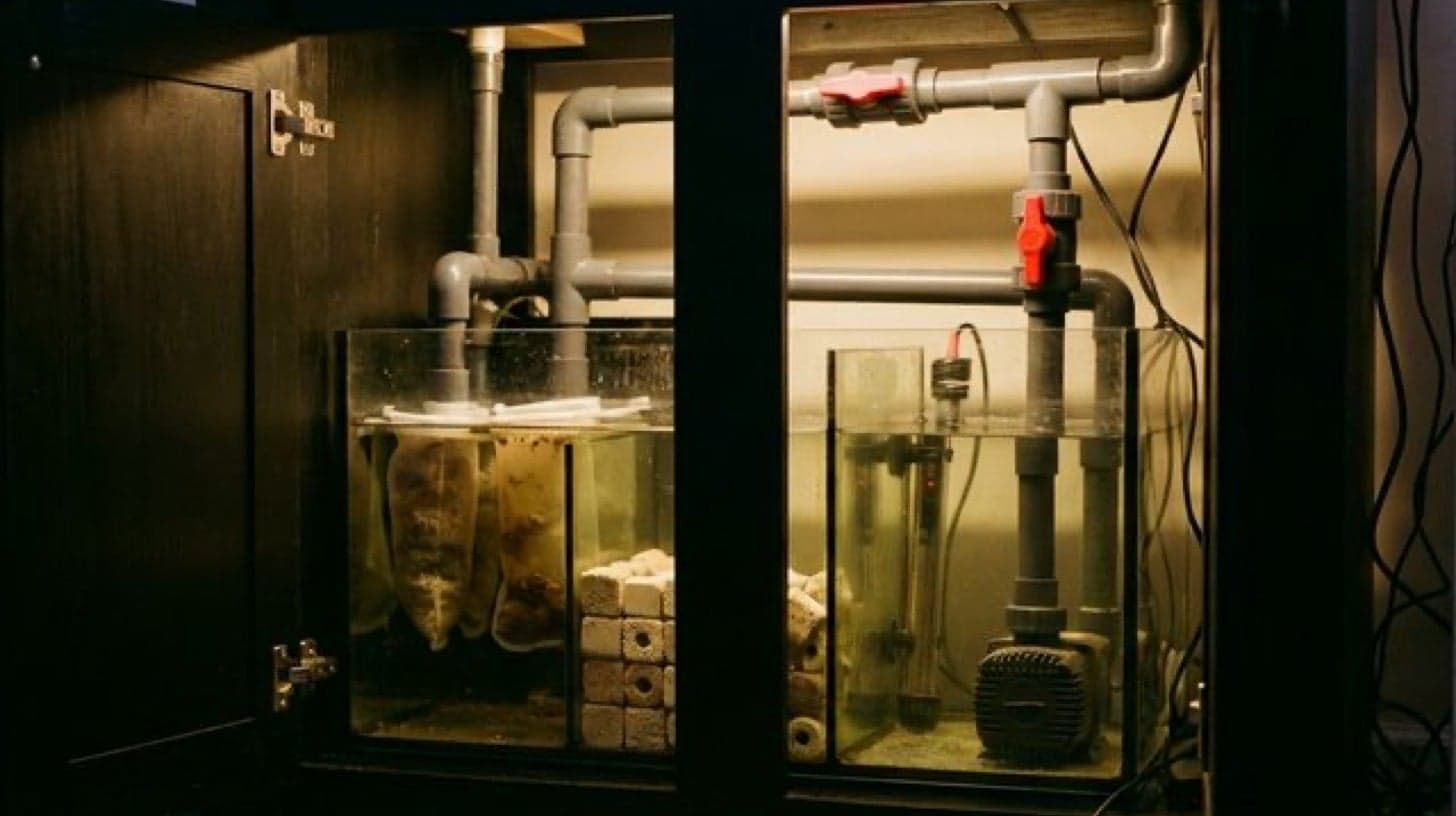
Sump
A sump is an auxiliary tank, typically positioned below the display aquarium, that serves as a multi-chamber filtration system. Water overflows from the main tank into the sump via a weir or overflow box, passes through customisable filtration chambers, and is pumped back up. Sumps offer unparalleled filtration capacity and equipment concealment. Freshwater planted tanks use them less often than reef systems, but the same advantages apply whenever you need more media volume, hidden heaters, or quieter equipment than a canister filter can offer.
How a Sump Works
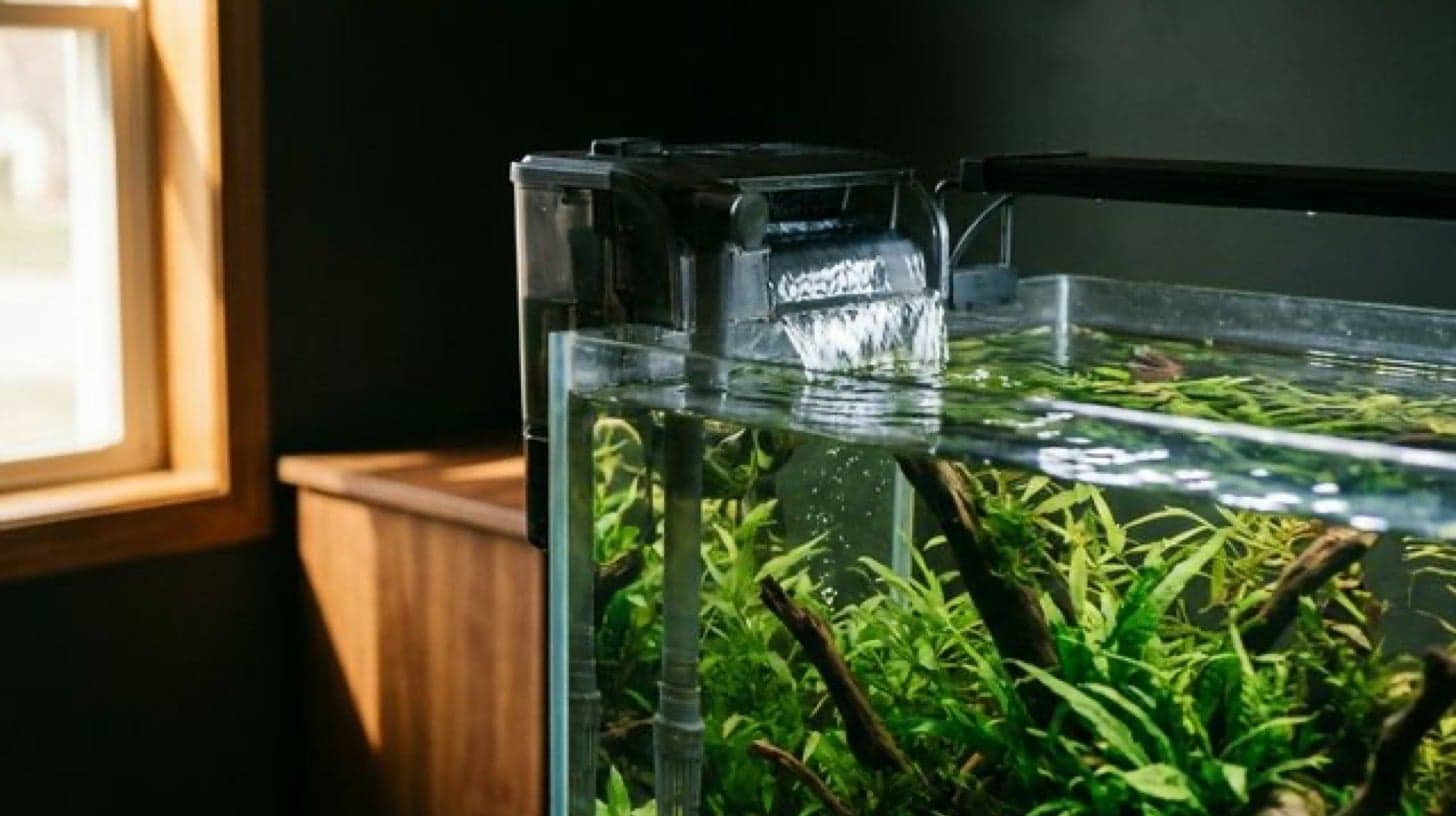
Water leaves the display under gravity, not pump pressure, which is why overflow design is the make-or-break detail. Built-in rear weirs with dual drains are the safest long-term pattern. Hang-on overflow boxes work on tanks without drilled glass, but they rely on a siphon that can break during maintenance or power events — plan for that failure mode before you trust the setup overnight.
- Overflow: Water exits the display tank through a built-in overflow or hang-on overflow box, flowing down to the sump via gravity.
- Filtration Chambers: Inside the sump, water passes through multiple baffled chambers containing mechanical filter socks, biological media, chemical media, and/or a refugium.
- Return Pump: A submersible or external pump pushes filtered water back up to the display tank.
Chamber Layout (Typical)
- Chamber 1: Filter sock or roller mat for mechanical filtration.
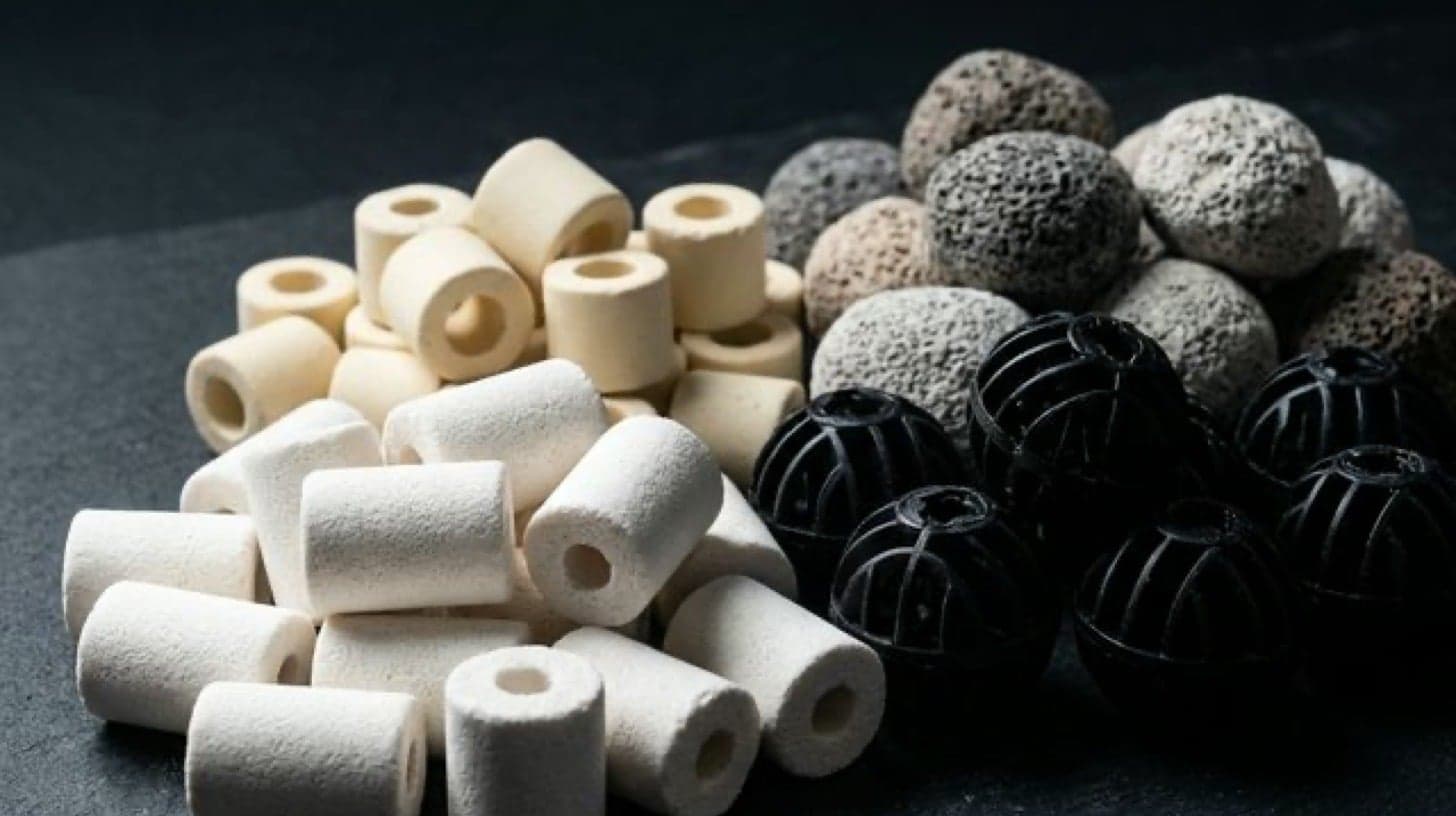
- Chamber 2: Biological media (ceramic, lava rock, K1 media).
- Chamber 3: Equipment zone (heater, probes, dosing lines).
- Chamber 4: Return pump chamber with auto top-off float valve.
Size the return pump for five to ten times display volume per hour after head height, elbows, and lily-pipe restriction — the box rating is almost never what you get at the tank. Quiet drains matter as much as flow: Durso standpipes and Herbie-style dual drains cut the gurgling that makes sumps infamous. Always leave enough empty volume in the sump to hold every litre that will drain back if the return pump stops; that drain-back test is the difference between a robust system and a flooded floor.
Why Use a Sump?
- Massive Volume: Adds total system water volume, improving stability.
- Hide Equipment: Heaters, probes, dosing lines, and reactors live in the sump, not the display.
- Unlimited Media: Room for large quantities of biomedia, far exceeding any canister filter.
- Surface Skimming: Overflow inherently skims the water surface, removing protein film.
- Customisable: Each chamber can be tailored to your specific needs.
Extra system volume buffers temperature and chemistry swings. For high-bioload communities or tanks with heavy feeding, that stability often matters more than raw mechanical clarity. A refugium chamber with macroalgae can also export nutrients continuously, though freshwater refugia are less common than marine ones and need their own light and flow plan.
Sump vs. Canister Filter
| Feature | Sump | Canister Filter |
|---|---|---|
| Media Capacity | Very High (20–100L+) | Moderate (3–12L) |
| Equipment Concealment | Excellent | N/A |
| Ease of Maintenance | Easy (open-top access) | Moderate (disconnect hoses) |
| Cost | Higher | Lower |
| Noise | Overflow can be noisy | Near-silent |
| Complexity | Plumbing required | Plug-and-play |
Choose a canister when cabinet space, budget, or plumbing confidence is limited. Choose a sump when you already know you will outgrow canister media baskets, want every heater and probe out of the display, or are building a drilled rimless tank from the start.
Key Considerations
- Overflow Method: Built-in overflows are safest. Hang-on overflow boxes work but carry a slight siphon-break risk.
- Return Pump: Size the pump to deliver 5–10x tank turnover after accounting for head pressure (the height the pump must push water).
- Noise: Overflow plumbing can create gurgling. Durso standpipes or Herbie drains significantly reduce noise.
- Flood Prevention: Always test your sump's capacity to hold all drain-back water if the return pump fails.
Pros & Cons
Advantages
- Filtration Capacity: The most powerful filtration option available.
- Hidden Equipment: Clean display tank.
- Water Volume: Increases total system volume for parameter stability.
- Flexibility: Fully customisable chambers.
Considerations
- Cost: Tank, plumbing, pump, and overflow add up.
- Complexity: Requires plumbing knowledge and careful setup.
- Space: Needs a stand or cabinet large enough to house the sump.
- Noise: Must be properly tuned to avoid gurgling.