Fontinalis antipyretica
Fontinalis antipyretica is a popular aquatic plant used in biotope and planted aquariums.
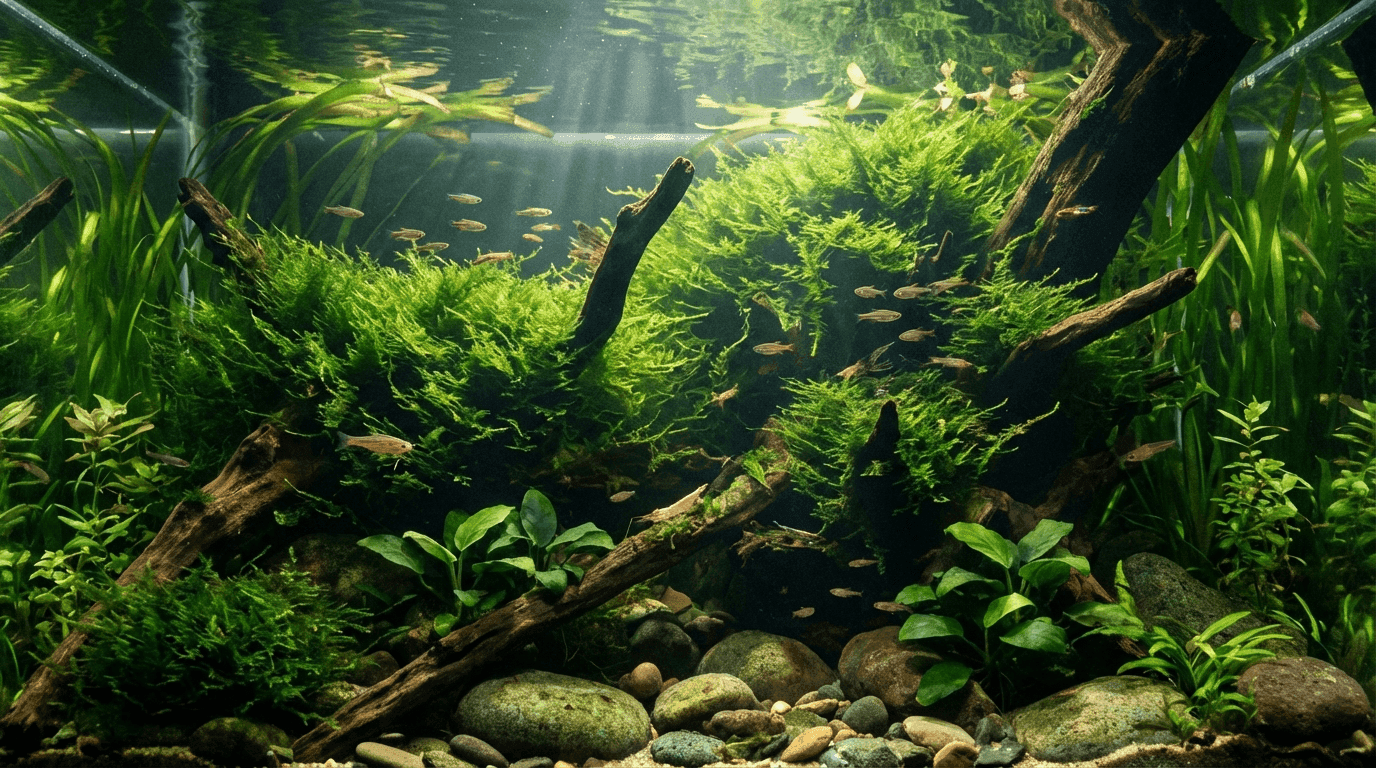
Fontinalis antipyretica
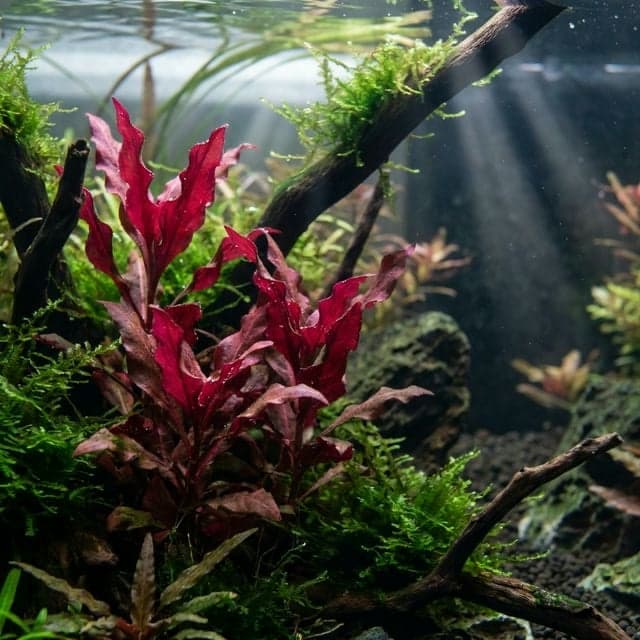
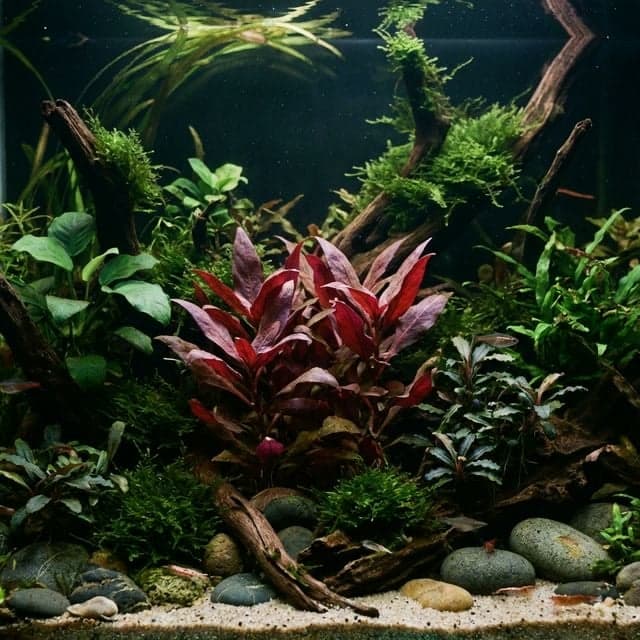
Fontinalis antipyretica, commonly known as the "Willow Moss," is a visually striking aquatic moss that thrives in freshwater environments. Characterized by its lush, green coloration and delicate, feathery appearance, this moss adds a remarkable texture and depth to any aquascape. Often found in slow-moving streams and rivers, its preference for cooler waters makes it an ideal addition for creating naturalistic habitats within aquariums. It serves multiple roles, from providing shelter for aquatic life to enhancing the overall aesthetic of the aquascape.
Care Guide
Maintaining Fontinalis antipyretica is relatively straightforward, making it an excellent choice for both novice and experienced aquarists. This moss prefers to be attached to rocks, driftwood, or substrate in the aquarium. Regular pruning is encouraged to promote healthy growth and to prevent it from becoming too dense.
- Water Temperature: Keep the water temperature between 18-24°C (64-75°F).
- Lighting: Moderate lighting is optimal; avoid excessive direct sunlight that can lead to algae growth.
- Water Flow: A gentle to moderate water flow is recommended to prevent detachment while supporting its growth.
Regular tank maintenance such as water changes and substrate cleaning will further enhance the health and vibrancy of Fontinalis antipyretica.
Nutrient Requirements
Fontinalis antipyretica thrives with moderate lighting levels, making CO2 supplementation optional but beneficial for robust growth. While it can adapt to lower light conditions, higher light levels help enhance its lush form.
- Light: Moderate lighting (around 40-60 PAR) is ideal.
- CO2: Supplemental CO2—while not necessary—can significantly improve growth.
- Fertilization: Regular addition of micronutrients will promote healthier moss growth; liquid fertilizers are suitable for this purpose.
Natural Biomes
Fontinalis antipyretica can be naturally found in various biomes, including:
These biomes provide insight into the ecological niches cherished by this moss, illustrating its adaptability to diverse aquatic environments.
Livestock Compatibility
Fontinalis antipyretica provides excellent coverage for many types of aquatic livestock, making it a preferred addition for community tanks. Ideal companions include:
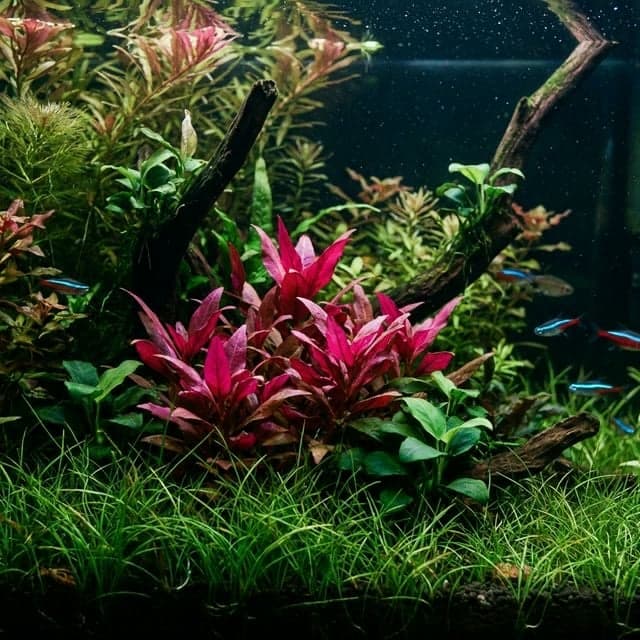
- Small to medium-sized fish species such as Harlequin Rasboras and Neon Tetras.
- Shrimp species like Cherry Shrimp and Amano Shrimp, which benefit from the moss as a source of biofilm.
Avoid placing it with larger predatory fish that may disturb or consume smaller inhabitants hiding within the moss.