Twisted Vallis: Vallisneria americana var. biwaensis
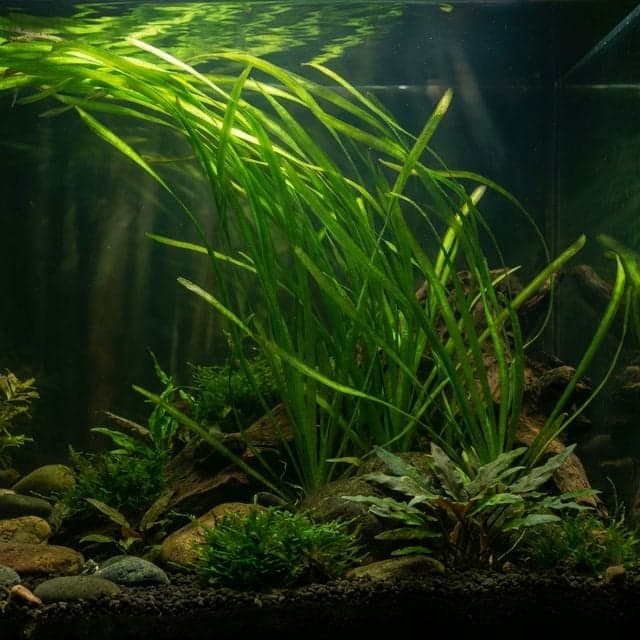
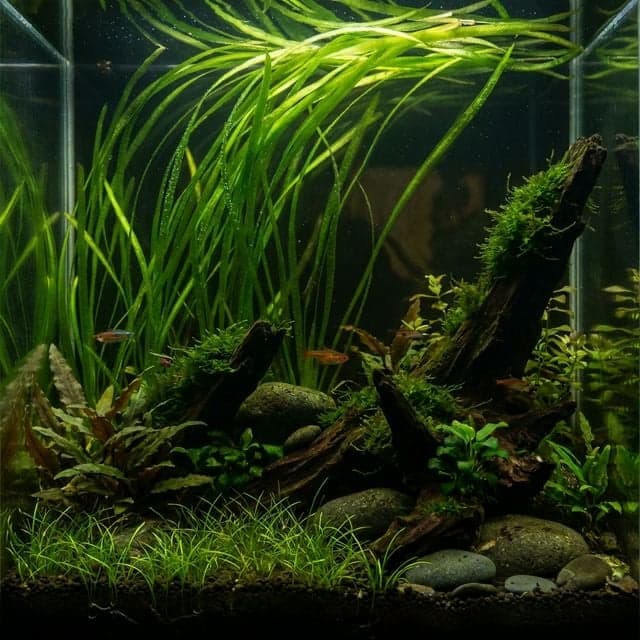
A decorative variant of Vallisneria with corkscrew-like, twisted leaves that add dynamic texture to the midground.
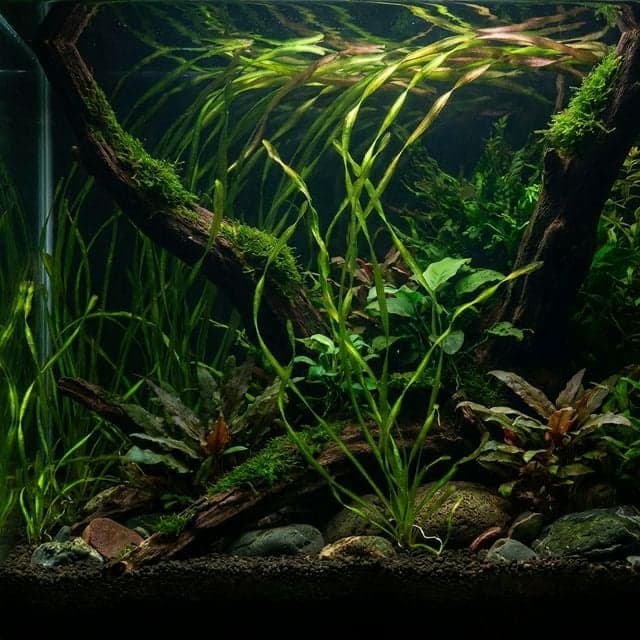
Twisted Vallis
Twisted Vallis, scientifically known as Vallisneria americana var. biwaensis, is a striking aquatic plant celebrated for its unique twisted leaves and adaptability in various freshwater environments. Native to East Asia, this cultivar is often found thriving in shallow waters, swamps, and lakes. Its graceful, ribbon-like foliage can grow up to 50 cm in height, forming lush green carpets that can enhance the aesthetic appeal of any aquascape. In addition to its ornamental value, Twisted Vallis plays a crucial role in maintaining water quality by providing a natural habitat for beneficial microorganisms, detritivores, and other aquatic life.
Care Guide
To maintain optimal health and beauty, Twisted Vallis requires a few key care considerations:
- Lighting: Moderate to high light is ideal for robust growth. While it can survive in low light, its growth rate slows significantly, and the plant may become sparse.
- Substrate: A nutrient-rich substrate, such as a mixture of sand, gravel, and aquatic plant soil, is recommended to provide the necessary support and nutrients for root development.
- Water Conditions: Ideally, Twisted Vallis prefers slightly acidic to neutral pH levels (6.5 to 7.5) and temperatures ranging from 20°C to 28°C (68°F to 82°F).
- Pruning: Regular trimming of overgrown leaves promotes new growth and prevents detritus buildup at the substrate level.
Nutrient Requirements
To ensure vigorous growth, proper nutrient management is critical. Twisted Vallis benefits from:
- Light: Moderate to high light conditions enhance leaf production and growth rates. Optimal photoperiods range from 10 to 12 hours per day.
- CO2: Supplementing CO2 can significantly boost growth, particularly in high-light setups. While not strictly necessary, an additional CO2 source will yield denser foliage.
- Fertilization: Liquid fertilizers with micronutrients, particularly those rich in potassium and iron, are recommended. A substrate fertilization regimen can also provide essential nutrients directly to the roots.
Natural Biomes
Twisted Vallis thrives in various natural habitats, contributing to its popularity in aquascaping. Key biomes it is associated with include:
Livestock Compatibility
Twisted Vallis is a great addition to community tanks, providing shelter and forage for a variety of aquatic species. It pairs well with:
- Small to medium-sized fish such as Tetras, Guppies, and Rasboras
- Shrimp, like Cherry Shrimp and Amano Shrimp, thrive in the dense foliage
- Peaceful bottom-dwellers such as Corydoras and Otocinclus can coexist harmoniously, benefiting from the plant's habitat structure
In conclusion, Twisted Vallis (Vallisneria americana var. biwaensis) not only enhances the visual appeal of aquascapes but also enriches the overall aquatic ecosystem, making it a valuable choice for both novice and experienced aquarists.