Guppy and Adolfos Corydoras: Low-Conflict Community
Surface guppies and sand-sifting corydoras—feeding order and salt treatments.
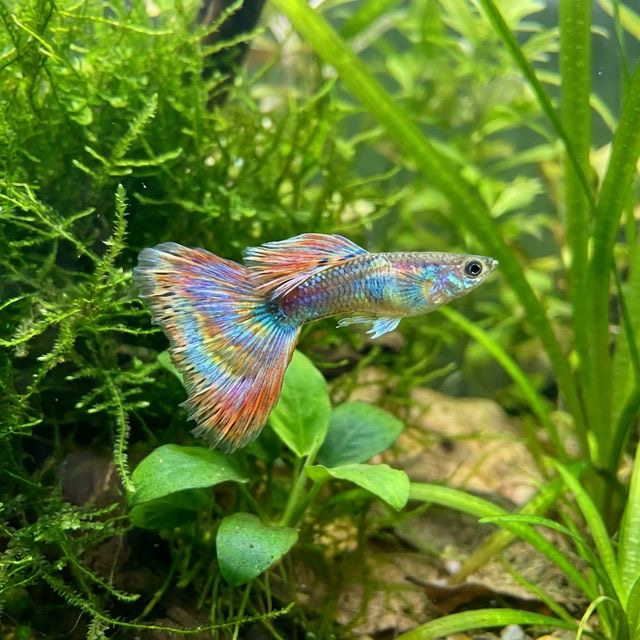
Guppies and Adolfos corydoras overlap little in space or diet. Guppies stay high; corys work the bottom. Watch guppy bioload and fry, and ensure corys get sinking protein after surface feeding. Salt dips for guppies belong in a hospital tank, not with corys.
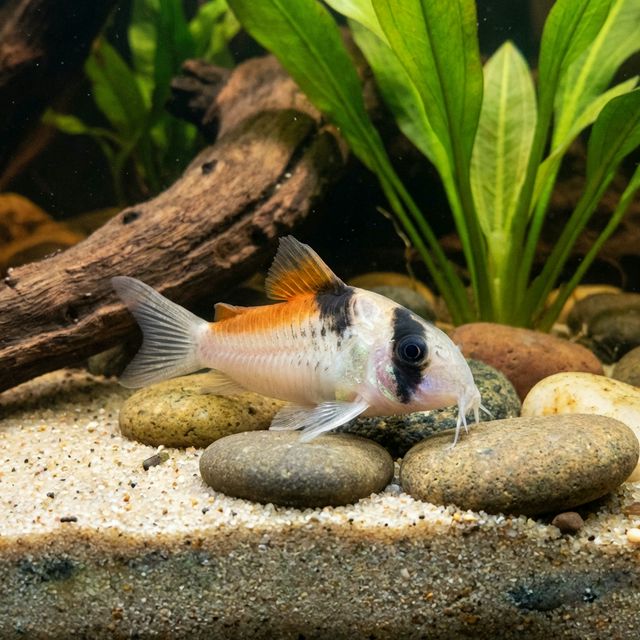
Scientific names: Guppy (Poecilia reticulata) · Adolfos cory (Corydoras adolfoi)
Compatibility summary
| | Guppy | Adolfos cory | | --- | --- | --- | | Typical verdict | Strong | Strong | | Primary zone | Upper | Bottom | | Main lever | Bioload / fry | 6+ sand |
| Topic | Note | | --- | --- | | Fry | Guppy boom = ammonia | | Salt | Hospital tank for guppy meds |
Behaviour analysis
Minimal direct interaction. Guppy waste and fry density stress the system; corys need sinking food after guppies eat.
Why this pairing can work
This is typically low conflict because the species use different parts of the tank. Guppies are active at the surface, while Adolfos corydoras feed on the sand. With fine sand, gentle oxygen-rich flow, and at least six corys, they can feed confidently even when guppies are busy above.
The second half is timing: feed guppies first at the surface, then offer sinking food after the surface feeding calms so corys actually eat. Finally, because guppies breed, you need a fry plan so your nutrient load does not spike and stress corys over weeks.
Why this pairing often fails
When this pairing fails, it is usually not because they “hate each other.” It is because corys miss meals. Surface-only feeding and heavy guppy competition can steal every sinking tablet, leaving corys thin and hollow-bellied.
Gravel is the other big setup issue because it harms barbels. And if you medicate the display with guppy treatments that are unsafe for scaleless fish (salt/copper type risk), you can damage cory health quickly. Fry-driven ammonia spikes add urgency because you have less time to correct the schedule.
Environmental comparison
Guppies harder water OK; corys prefer soft—neutral compromise usual.
| Parameter | Guppy | Adolfos cory | Compromise | | --- | --- | --- | --- | | Temperature | 24–28 °C | 22–26 °C | 25–26 °C | | pH / hardness | 7–8.5 | Soft–neutral | ~7–7.5 | | Flow | Low | Gentle O₂ | Surface + sand care |
Tank setup guidance
This is a low-conflict pairing because the zones don’t overlap—guppies live high, corys live low. Most failures are husbandry failures: gravel, missed bottom feeding, or dosing the display for guppy issues.
Minimum viable setup: fine sand, 6+ Adolfos cory, gentle oxygen-rich flow, and a feeding plan that reaches the bottom after guppies finish at the surface. Add corys first (so they establish feeding), then add guppies.
Fry plan: guppies breed. Decide whether you’re separating fry, accepting population control, or keeping numbers low on purpose.
Risks
- Ammonia/nitrate spikes from breeding + overfeeding: trigger is uncontrolled fry plus heavy feeding. Signs: rising nitrate slope, cloudy water, corys breathing hard. Mitigation: control breeding and keep a change schedule.
- Cory starvation: trigger is surface-only feeding. Signs: hollow bellies and frantic tablet hunting. Mitigation: sink food after lights dim and in multiple spots.
- Medication harm to corys: trigger is dosing the display with salt/copper for guppies. Signs: cory distress after treatment. Mitigation: hospital tank for guppy treatments and label checks for scaleless fish.
Tips
- Start with the hubs: guppy tank mates · Adolfos cory tank mates.
- If you add a schooling mid-layer later, compare: neon tetra + guppy and neon tetra + Adolfos cory.
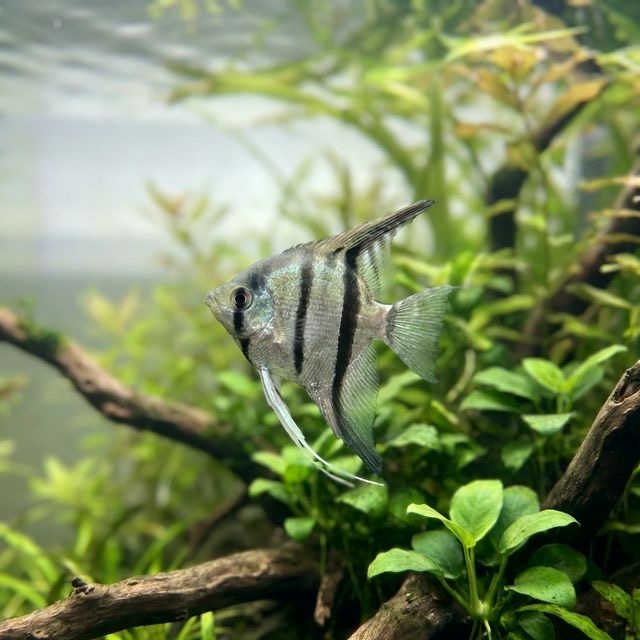
- If you add a tall centerpiece later, read first: guppy + angelfish.
- Feed guppies first, then feed corys after lights dim; don’t let “busy surface life” starve the bottom.
- Care sheets: Guppy · Adolfos cory
FAQ
Can I use salt for guppy issues in the main tank? Avoid it—treat in a hospital tank. Corydoras are far less salt-tolerant than guppies.
My corys look thin—what’s the first fix? Feed sinking foods after surface feeding ends (often after lights dim) and use multiple tablets so guppies can’t monopolise one spot.
Guppy fry everywhere—what should I do? Decide: separate fry if you want to raise them, or accept controlled predation. Unplanned fry plus heavy feeding is a water-quality problem first.
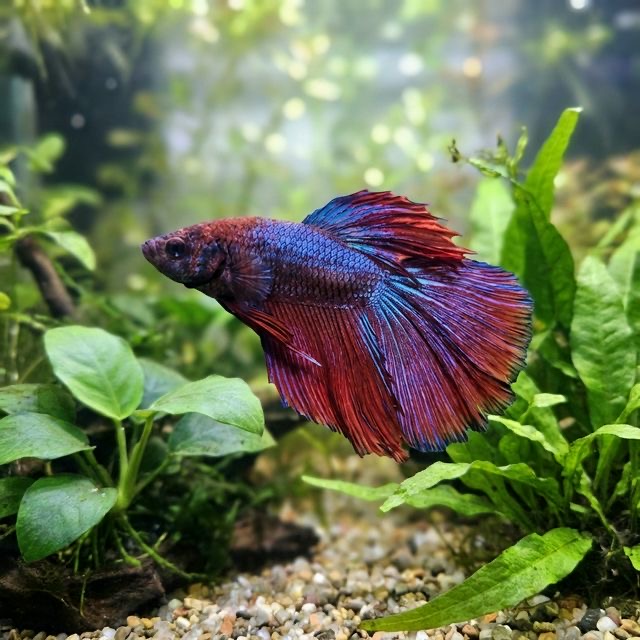
Can I add a betta too? Read betta + guppy first—surface territory changes the entire feel of the tank.
Can I add neons too? Yes in some layouts—start with neon tetra + guppy and neon tetra + Adolfos cory to plan the layers.
Watching the first month
Guppies surface often; corys bottom-feed—first month, verify neither is gasping from low oxygen at one depth only. Warm water holds less O₂; gentle surface ripple or a small air stone in deep tanks helps both. Guppy waste spikes nitrates; corys tolerate it less well long-term—stay on schedule with changes.
If guppies nip cory barbels (rare but reported), add feeding caves and dimmer evenings. Male guppy harassment is usually guppy-on-guppy; still, broken cory barbels need clean sand and antibiotic judgement from a vet.
See guppy and angelfish for mid-water expansion risk, or neon tetra and guppy if you want tighter schooling colour with guppies.
Chemistry, feeding rhythm, and when to split the tank
Guppy-heavy tanks accumulate phosphate and nitrate; cory barbels erode in dirty sand—siphon visible waste twice weekly in the first month. Temperature above 27 °C without surface movement risks both species; a gentle ripple breaks surface film where guppies gulp air. Hard water suits guppies; very soft water can slow cory osmoregulation—know your tap and remineralise if needed.
Feeding order: sinking for corys after lights dim, then light surface feed for guppies so neither fasts. If corys compete with each other at one tablet, scatter multiple tabs. Split if barbels shorten weekly, if guppies develop bent spines with high nitrate, or if corys only breathe at surface. Try neon tetra and guppy or guppy and angelfish instead; guppy hub · Adolfos cory hub.
Long-form success looks boring: same test day weekly, same feeding order, same change percentage. Excitement in this pairing is usually a warning. Document filter service dates—clogged mechanical media spikes nitrate faster than visible waste. If you travel, auto feeders skew toward surface foods; train a human to drop tablets for corys or accept weight loss on return.
Long-term management (weeks 5–12)
Weeks five through twelve expose whether your feeding split actually works or whether corys are living on accidental scraps. Weigh behaviour against body shape: concave cory bellies mean intervention—more tablets, more caves, cooler nights if the room runs hot. Guppy colour often dulls under stress or nitrate; cory barbels shorten under ammonia spikes—test when either sign appears.
Upsizing should add floor length, not only height, so cory groups can forage in arcs. If guppy breeding overwhelms you, guppy and angelfish explains predator control (with its own ethics). Cleaner mid-water options sit in neon tetra and guppy. Hubs: guppy · Adolfos cory.
Thermometer at guppy depth and one low on the glass catch stratification tall tanks hide until corys gasp.
Pre-purchase and add-order checklist
Guppies tolerate harder water than some cory setups—know your tap GH/KH. Buy corys in groups; add them after sand and gentle flow are proven. Guppies can follow once bottom feeding is established. Fry will appear—decide breeder box, second tank, or population control before purchase. Related: neon tetra and guppy, guppy and angelfish.
Oxygen: warm guppy water holds less gas—surface ripple or air stone before corys arrive if the tank is deep. Tablets: stock sinking foods that fit Adolfos cory mouths; guppy flake alone starves bottom fish. Male ratio: heavy male guppy loads increase surface chaos; calmer females-first stocking helps cory evening feeds. Nitrate ceiling: write your max ppm on the cabinet; when you cross it twice, change schedule—not “when water looks bad.” Sick fish: medicating guppies in the main tank can harm scaleless corys—hospital tank is not optional for serious courses. Neon tetra and Adolfos cory is the cooler, less busy surface analogue.
One-minute recap
Guppies at the surface, Adolfos cory below: oxygen, nitrate discipline, sinking diet for corys, and sand that stays clean. Fry and male chaos are guppy problems; barbel wear is shared failure mode. Neon tetra and guppy and neon tetra and Adolfos cory swap species while keeping the same husbandry lessons.
Warm water without ripple is a double liability—guppies gulp, corys gasp. Male-heavy guppy tanks raise surface chase energy; female-bias stocking calms evening cory feeds. Guppy and angelfish is the high-risk centerpiece upgrade from this community shape.
Fry hiding in moss can starve cory tablets—target-feed caves. GH/KH strips belong in the cabinet; softening for betta-less aesthetics can backfire on guppy spines. Weekly head-count corys at tablet time; missing one means search the scape before assuming jump.
Algae crew additions (shrimp, otos) complicate guppy meds and cory feeding competition—solve algae with light duration and nitrate first. Powerheads pointed at surface improve O₂ without blasting corys if you diffuse flow with plants.
Final verdict
Recommended. If adding height later, read guppy + angelfish first.
That recommendation assumes six-plus Adolfos cory, sand, and tablets that actually reach the bottom after guppy surface chaos. One cory and a dozen guppies is not this article’s scenario—it is a starvation timer. Oxygen and nitrate discipline matter more than “peaceful species” labels on shop cards. Neon + guppy is the article to read if you drop corys but keep busy surface life. The guppy hub lists every pair in this compatibility matrix. Sand substrate and dual thermometers catch the two common silent failures early.
Also in this guide: guppy angelfish · neon tetra guppy. Species: Guppy · Adolfos cory. Hubs: Guppy · Adolfos cory.