Adolfo's Cory: Hoplisoma adolfoi
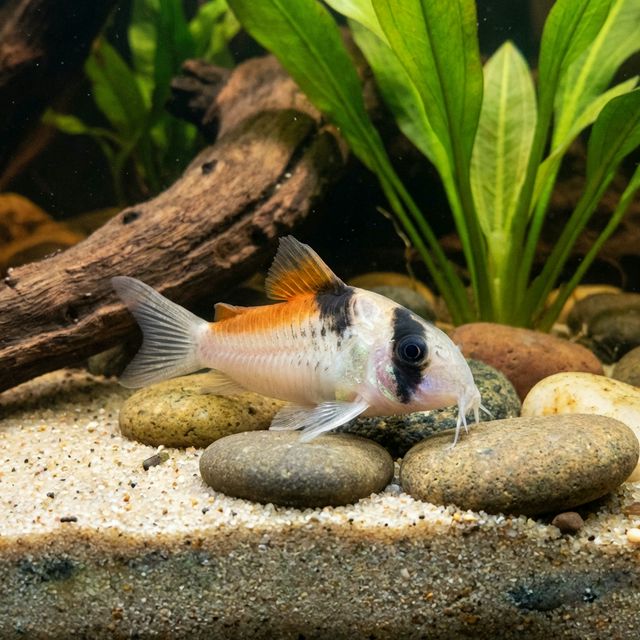
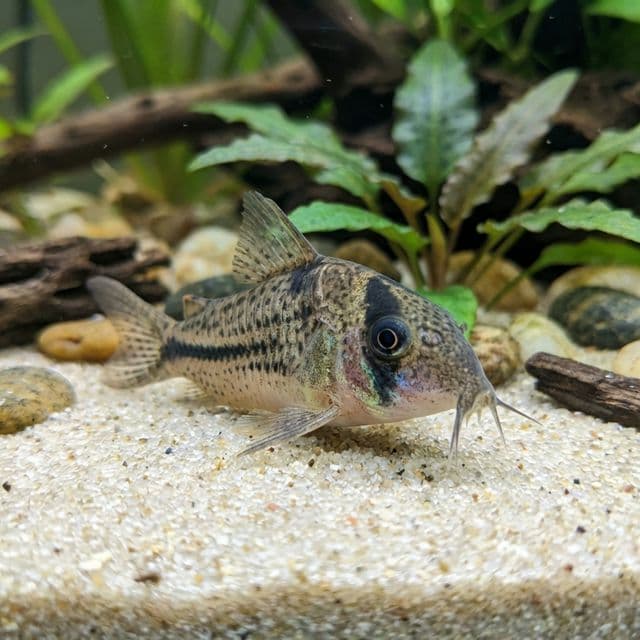
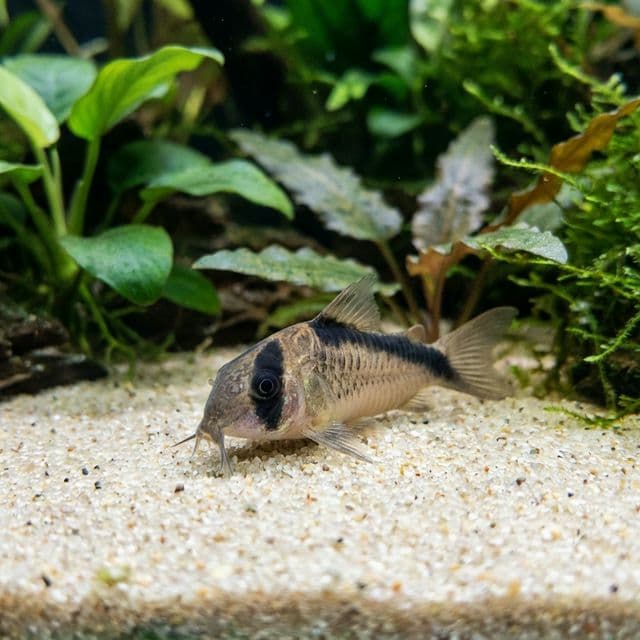
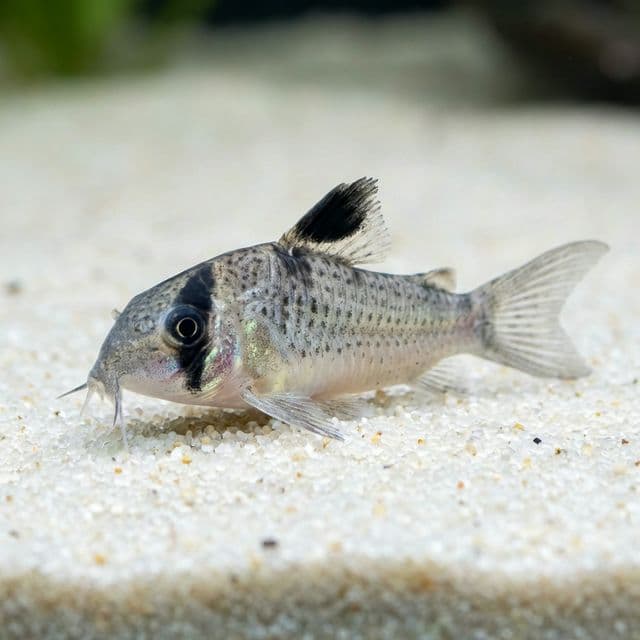
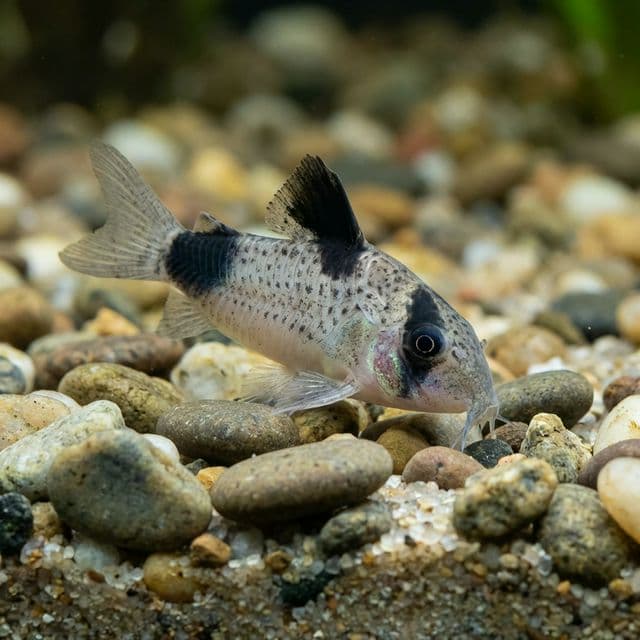
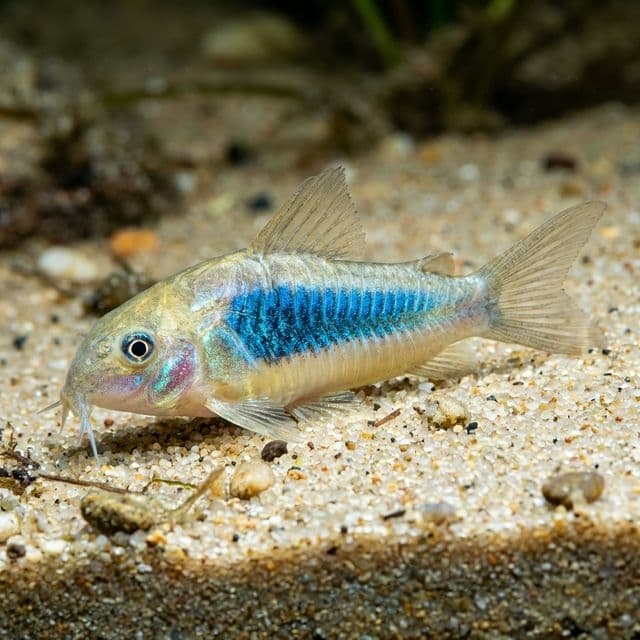
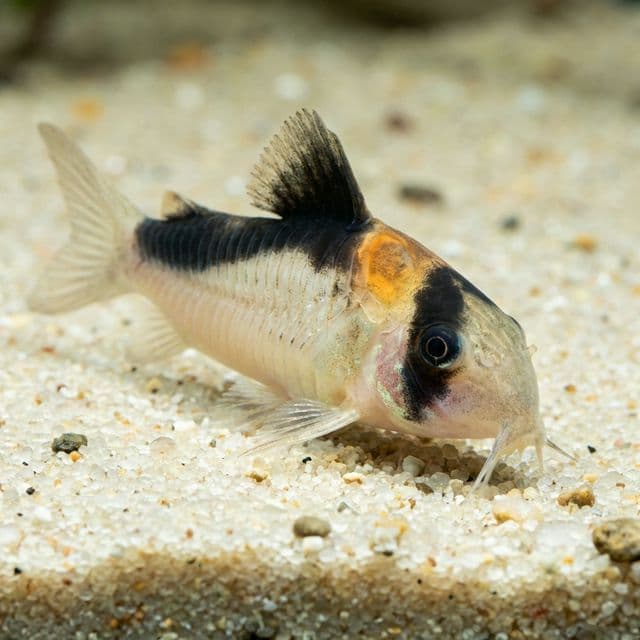
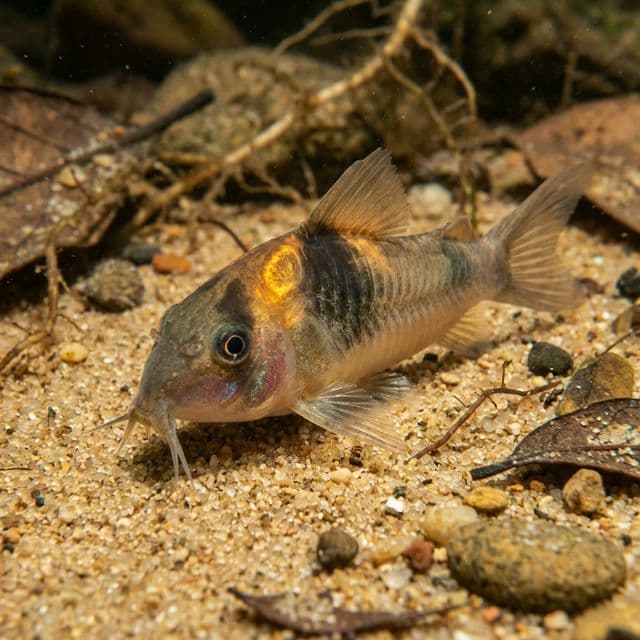
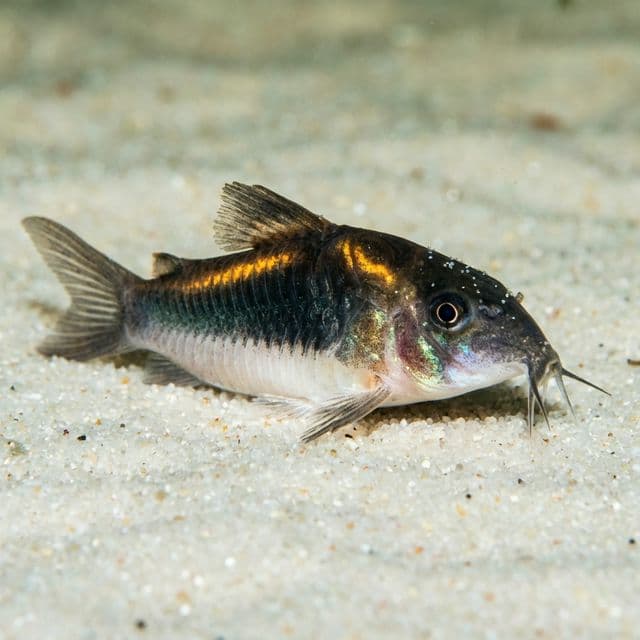
A striking Corydoras with a bright orange spot on its head and a black back stripe. Peaceful and perfect for community tanks.

Adolfo's Cory
Adolfo's Cory, scientific name Hoplisoma adolfoi, is a charming and vibrant specimen that has garnered significant attention in the aquarium hobby. This small catfish, typically reaching only about 2–3 inches in length, is especially admired for its striking coloration of golden-yellow and black markings which resembles a work of art. The unique patterning adds a stunning visual appeal to any setup, making it a popular choice among aquarists looking to create a bio-diverse environment. This species is not just a pretty face; it holds a significant place in the aquarium community for its sociable nature and compatibility with various aquatic species, enriching both low-tech and high-tech setups alike.
In addition to its aesthetic appeal, Adolfo's Cory plays a vital role in maintaining the health of aquatic ecosystems in aquariums. These fish are bottom dwellers that help keep the substrate clean by scavenging leftover food and detritus. Their natural behavior encourages movement at the lower levels of the tank and enhances the overall dynamic of community tanks. Moreover, their peaceful temperament allows them to coexist harmoniously with many other species, making them an essential element in community aquariums.
Natural Habitat & Origin
Adolfo's Cory is native to the dense rainforests of South America, primarily found in the river systems of Brazil. Specifically, they inhabit slow-moving streams and small rivers, often located in the western Amazon Basin. The waters are predominantly categorized as blackwater, which are characterized by their dark, acidic conditions resulting from decomposing plant material. Such environments are typically rich in vegetation, offering ideal hiding spots and breeding grounds, which significantly influence the fish's natural behaviors and adaptations.
The natural habitat of Adolfo's Cory highlights the importance of replicating similar conditions in captivity. The substrate is often covered with fine leaf litter and branches, providing not only shelter but also a complex environment for these fish to explore. Maintaining a water quality that mimics the soft, warm conditions typical of their native habitats is crucial for their growth and longevity in aquariums.
Care Requirements
To successfully keep Adolfo's Cory, it is essential to provide specific water parameters that closely resemble their natural habitat. The ideal water temperature should range between 75°F to 82°F (24°C to 28°C), with a pH level between 6.0 and 7.5. Soft water is preferred, with a hardness level of 2 to 12 dGH. The aquarium should be a minimum of 20 gallons, offering ample space for swimming and exploring.
For the tank setup, a fine, dark substrate is recommended, as it simulates their natural environment and allows them to forage comfortably. A well-planted tank with live plants such as Java moss and floating plants that provide shade will create a desirable habitat. Lighting should be moderate to low to mimic the dimly lit waters they thrive in; bright lights can stress out the fish. Moreover, incorporating driftwood and caves will not only enhance the aesthetic appeal of the aquarium but will also provide essential hiding spots, further reducing stress levels for these shy cats.
Diet & Feeding
Adolfo's Cory is an omnivorous species, which means they will thrive on a varied diet that includes both plant and animal matter. In captivity, it is important to provide a balanced diet to ensure optimal health and vibrancy. High-quality flake and pellet foods designed for bottom-dwelling fish can serve as the staple of their diet. Additionally, supplementing their diet with frozen or live foods such as brine shrimp, daphnia, and earthworms is highly beneficial.
It is also crucial to include blanched vegetables like zucchini or spinach to meet their nutritional needs for fiber. As scavengers, they enjoy exploring the tank substrate for leftover food, so a well-rounded feeding regimen allows them to engage in this natural behavior while ensuring they receive adequate nourishment.
Behavior & Temperament
Adolfo's Cory exhibits a peaceful demeanor, making it an excellent choice for community tanks. They are highly social and thrive best when kept in small groups of at least five or more individuals. In terms of behavior, these fish are known for their active bottom-dwelling habits, often seen foraging and interacting with one another. Their schooling instinct encourages them to stay close together, providing both companionship and security.
In the aquarium, Adolfo's Cory generally occupies the lower levels of the tank, often hiding among plants, rocks, and substrate. While they are non-aggressive, they can be shy, especially in smaller groups or in the presence of boisterous tank mates. Creating a well-structured environment with plenty of hiding spots will enhance their confidence and showcase their lively antics.
Tank Mates
Keep six or more on sand with peaceful mid-water fish. Hub and pair compatibility pages:
| Resource | Link |
|---|---|
| Adolfos cory tank mate hub | /fish/adolfos-cory/tank-mates |
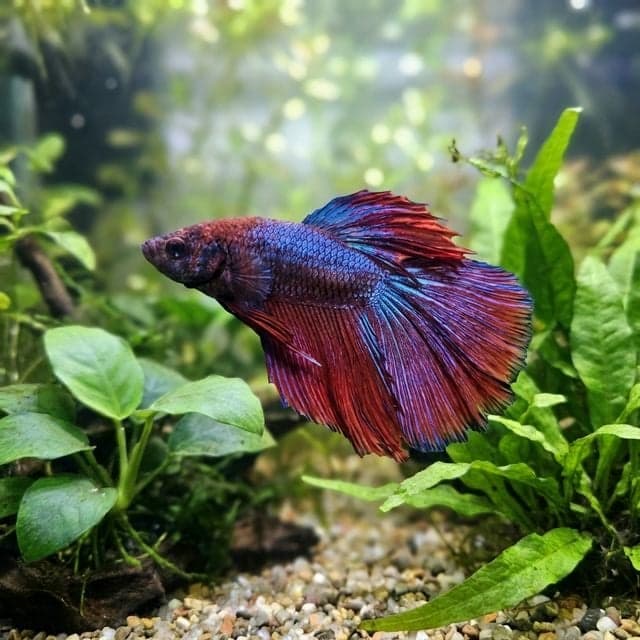
| Adolfos cory + Betta | /fish/betta-adolfos-cory |
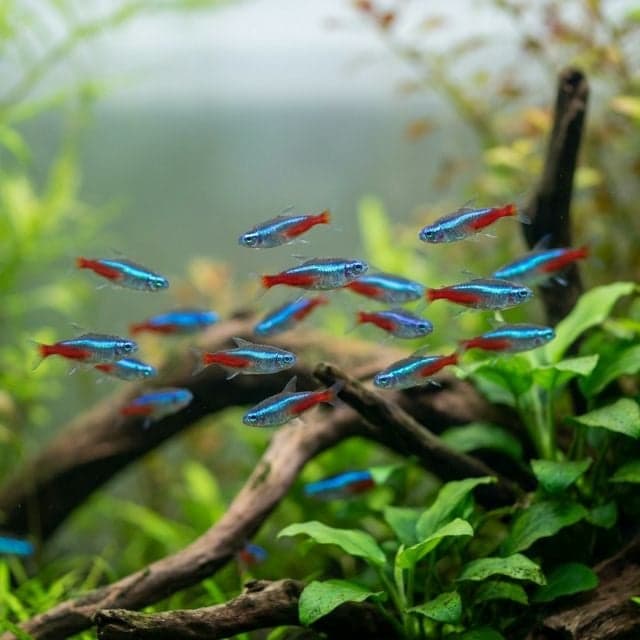
| Adolfos cory + Neon tetra | /fish/neon-tetra-adolfos-cory |
| Adolfos cory + Guppy | /fish/guppy-adolfos-cory |
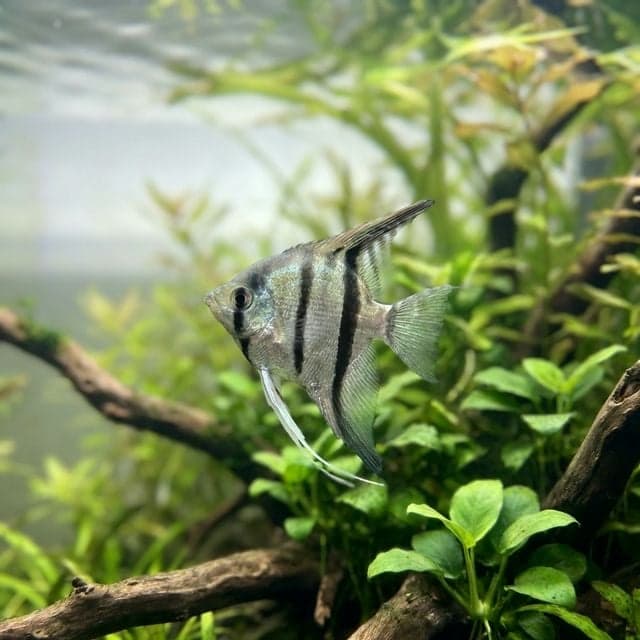
| Adolfos cory + Angelfish | /fish/adolfos-cory-angelfish |
Avoid sharp gravel, large aggressive fish, and medications unsafe for scaleless catfish.
Breeding
Breeding Adolfo's Cory in captivity can be a rewarding experience for aquarists. These fish exhibit typical breeding behavior of many Corydoras species, which involves laying eggs on flat surfaces like leaves or glass. To encourage breeding, it is recommended to create ideal spawning conditions by providing slightly cooler water temperatures (around 72°F or 22°C) and performing regular water changes to stimulate the rainy season mimicry.
To initiate spawning, maintain a group of six or more individuals in a breeding tank with ample hiding spots and flat surfaces. Once conditioned, females will lay eggs, and males will fertilize them. After spawning, it’s crucial to remove the adults to prevent them from consuming the eggs. The newly hatched fry can thrive on infusoria or finely crushed flake food until they grow large enough to accept larger particles.
Common Health Issues
Adolfo's Cory, like many aquarium fish, may be prone to certain health issues which can often be mitigated through proper care and maintenance. Common ailments include ich, fin rot, and gastrointestinal issues from overfeeding. To prevent disease, maintain optimal water quality through regular testing and water changes, and avoid overcrowding in the tank.
Additionally, keeping an eye out for signs of stress or illness, such as behavioral changes and physical symptoms like white spots, frayed fins, or changes in appetite, is vital for early intervention. Quarantining new arrivals before introducing them to the main tank can help mitigate the spread of illness. Furthermore, providing a varied diet supports their immune system, making them less susceptible to diseases.