Guppy and Angelfish: Fry Predators and Adult Risk
Fry elimination, when adults coexist, and when gape ends the community.
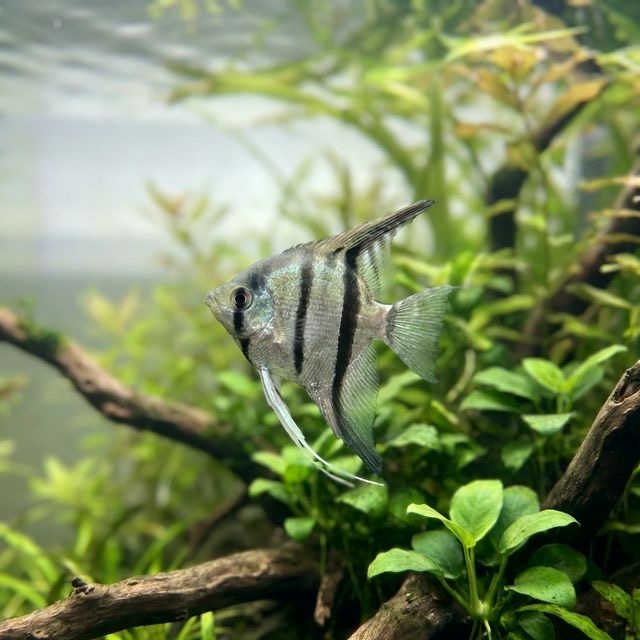
Guppies breeding with angelfish means no fry survival; adults may coexist until angelfish grow large enough to eat small guppies. Accept predation as control or keep one breeding species. Tall tanks and plants only delay the size problem.
Scientific names: Guppy (Poecilia reticulata) · Angelfish (Pterophyllum scalare)
Compatibility summary
| | Guppy | Angelfish | | --- | --- | --- | | Typical verdict | Conditional | Fry predator | | Primary zone | Upper / fry | Mid hunter | | Main lever | Breeding rate | Adult size |
| Stage | Outcome | | --- | --- | | Fry | Eaten | | Small adult guppy | Risk rises with angel size |
Behaviour analysis
Angelfish view fry as food instantly. Adults may ignore larger guppies until size ratio inverts. Fancy males are slower targets.
Why this pairing can work
This pairing only stays “compatible” if you treat it as intent-based. Angelfish will treat guppy fry as food, so the only truly sustainable plan for fry is separation (or accepting that fry do not survive).
For adults, success depends on cover, feeding, and timing: dense upper plants and floating cover let guppies use escapes, and feeding angels well reduces constant opportunistic hunting. But you still need a plan for when the angels grow beyond the point where guppies can reliably out-escape them.
Why this pairing often fails
It fails when you expect fry survival. Uncontrolled breeding adds fast bioload, and hungry angels remove fry immediately, so the tank ends up with both higher nutrients and fewer prey-looking fish to distract hunting behaviour.
As angels grow, the risk shifts from “fry only” to adult predation. Then it becomes a compounding problem: guppies you hoped would remain in the tank are the ones whose size matches the new gape.
Environmental comparison
Tall tank for angels; guppies add upper motion and bioload.
| Parameter | Guppy | Angelfish | Compromise | | --- | --- | --- | --- | | Temperature | 24–28 °C | 24–30 °C | Warm = fast growth | | pH / hardness | 7–8.5 | Soft–neutral | Neutral OK | | Flow | Low | Moderate | Plants for guppy refuge |
Tank setup guidance
This is a “decide your intent first” pairing. If your intent is breeding guppies, don’t run angelfish in the same tank. If your intent is display angelfish, accept that guppy fry are food and adult guppies become targets as angels grow.
Tank layout: height matters for angels, but guppies need cover at the surface and in the upper third. Dense tall plants and floating roots increase guppy survival odds, but they do not remove predation.
Minimum viable setup: angelfish-sized tank first, heavy vertical cover, and a plan for where guppies go when angels outgrow coexistence.
Risks
- Zero fry survival: trigger is any hungry angelfish. Signs: fry vanish immediately. Mitigation: separate breeding tank if you want fry.
- Adult predation as angels grow: trigger is mouth gape approaching guppy body depth. Signs: missing guppies, torn tails, angels stalking upper zones. Mitigation: rehome guppies or angels—don’t “top up” endlessly.
- Bioload swings: trigger is breeding + feeding heavy to “save” guppies. Signs: nitrate climb, algae blooms. Mitigation: match stocking to intent and keep maintenance stable.
Tips
- Start with the hubs: guppy tank mates · angelfish tank mates.
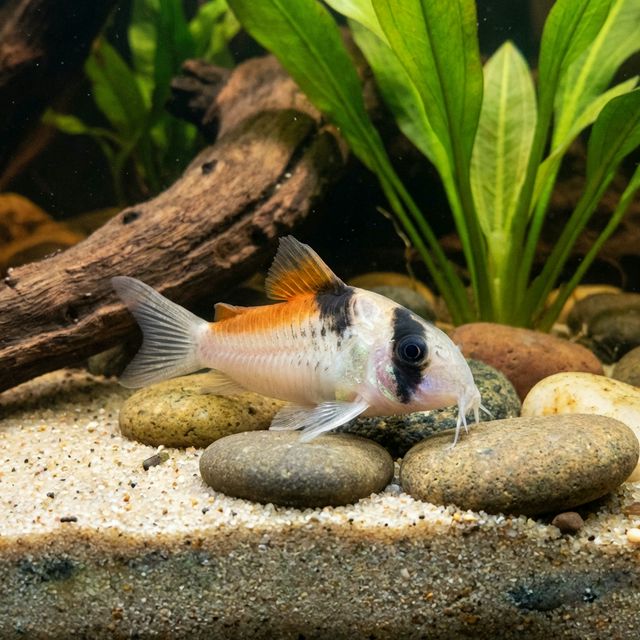
- If you want angels with safer non-fry targets, compare: neon tetra + angelfish (still time-limited) and Adolfos cory + angelfish.
- If you want guppies with bottom fish instead of predators, read: guppy + Adolfos cory.
- Don’t “feed your way out” of predation—underfed angels are worse, but fed angels can still hunt.
- Care sheets: Guppy · Angelfish
FAQ
Will any guppy fry survive with angelfish? Assume no. If you want fry, run a separate breeding or grow-out tank.
Are female guppies safer than males? Sometimes (less finnage), but they can still be eaten if small enough and will still be stressed by stalking.
Should I separate breeding guppies? Yes if breeding is the goal. In the display tank, angelfish are population control by design.
Can feeding more stop predation? It can reduce hunger-driven hunting, but it won’t remove instinct. Plan for predation as angels mature.
What’s a safer guppy pairing in this five-species set? guppy + Adolfos cory.
Watching the first month
Angelfish growth in the first month can double perceived mass; guppy fry disappear first, then fancy males. Log angel height against guppy tail length—when angel mouth width approaches guppy body depth, assume predation. Dense stems and floating roots give guppies vertical escape; open aquascapes favour angels.
Feed angels before guppies if competition is fierce, or scatter food so guppies feed while angels are occupied. Gravid females are slower—watch them specifically.
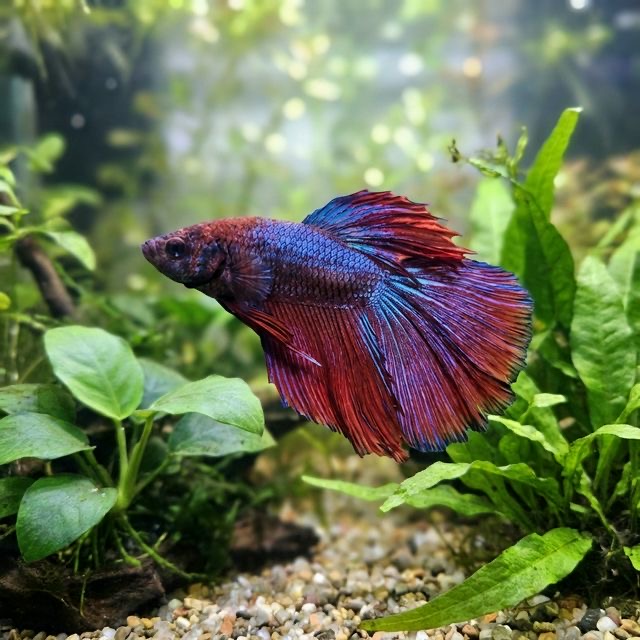
If angels pair, divide or rehome guppies before spawning aggression spreads. Neon tetra and angelfish is the classic “dither” alternative; betta and angelfish trades guppy risk for betta fin risk.
Chemistry, feeding rhythm, and when to split the tank
Angels grow into predators; guppies breed into bioload—plan water changes for the tank you will have in six months, not day one. Fry hiding in moss get vacuumed; moss also traps waste—rinse decor on a schedule. If angels eat most guppies, ammonia can actually drop briefly—do not misread “clear water” as healthy if behaviour is predatory.
Split before angels exceed safe mouth gape relative to adult guppies, or when only drab females remain. Moving guppies to a species/colony tank preserves lines; angels stay as centerpiece. Related reads: neon tetra and angelfish, betta and angelfish. Angelfish tank mates hub ranks pairs including Adolfos cory and angelfish.
Assume six-month bioload doubles if females drop fry—even eaten fry spike ammonia briefly. Stem forest plus root tangle beats one centerpiece rock for guppy survival odds. When visitors call the tank “peaceful,” verify counts that evening—angels hunt when traffic leaves.
Long-term management (weeks 5–12)
Long-term, angels outgrow “cute” fast; photograph them monthly against a fixed background. Guppies that survive often become plain females and fast juveniles—genetic lines matter if you breed. Phosphate and nitrate trends predict algae walls that stress angels visually; scrape glass on a rhythm, not when you cannot see fish.
If you retire guppies to a species tank, angels can stay with dither schools per neon tetra and angelfish. If angels leave first, guppy and Adolfos cory is a gentler community. Betta and angelfish compares another risky centerpiece pairing. Angelfish tank mates hub remains the map.
Tank lid fit matters: jumping guppies and startled angels both exit gaps—foam strips are cheaper than floor fish.
Pre-purchase and add-order checklist
Tank length and height both matter: guppies need horizontal sprint space; angels need vertical stalking room. Buy angels small only if you accept predation risk or have a grow-out for guppies. Quarantine; feed angels well before mixing so hunting drive is blunted day one. Internal comparisons: neon tetra and angelfish, Adolfos cory and angelfish, betta and angelfish.
Guppy phenotype: long-tailed males are billboards for angels; endlers and wild-type may last longer—still not safe forever. Cover: floating roots and stem forest before angels go in; retrofitting during angel adolescence causes casualties. Feeding schedule: three small angel feeds beats one huge feed for suppressing hunt behaviour toward guppies. Backup tank: sized for adult angels, not juveniles—moving angels out is often kinder than replacing guppies weekly. Record: date each guppy loss; if rate accelerates, you are feeding angels, not keeping a community. Guppy and Adolfos cory and neon tetra and guppy lower centerpiece risk.
One-minute recap
Guppies and angelfish combine fast growth, predation, and bioload—pretty until mouth gape catches up with tail length. Tall cover, well-fed angels, plain females lasting longer than ribbon males, and a rehome plan are minimum viable ethics. Neon tetra and angelfish is the textbook dither alternative; betta and angelfish swaps guppy tails for betta fins.
Tank footprint must exceed angel minimums before guppy introduction—volume on the box is not swimming length. Weekly photos from the same corner reveal angel growth faster than eyeballing. If losses accelerate, angels leave—not endless guppy replacement. Adolfos cory and angelfish layers bottom fish into the same angel temperament.
Retail juvenile angels in bare tanks look tiny; yours will grow into the aquascape. Endlers and feeder guppies are not ethics patches—predation still counts. Community means stable counts month to month; anything else is a holding tank for angels.
Water change day: temperature-match buckets religiously; angels stress on cold fronts, guppies stress on hot dumps. If angels “yawn” repeatedly after meals, check dissolved oxygen and reduce protein overload—behaviour precedes guppy losses.
Final verdict
Conditional—know you are choosing fry predation or eventual size risk. Alternative: guppy + Adolfos cory.
Community here means stable adult counts month over month, not a live-food dispenser for angels. If your goal is breeding guppies, run a species tank; angels belong elsewhere. If your goal is display angels, dither with neon + angelfish instead of guppies you will replace endlessly. Ethics and aesthetics both improve when stocking matches intent. Re-read Adolfos cory + angelfish if you want angels without guppy turnover. Bookmark the angelfish tank mates hub before you buy either species. Count guppies weekly; shrinking rolls mean angels, not mystery disease. Underfed angels hunt harder—feed small and often.
Also in this guide: guppy adolfos cory · neon tetra angelfish. Species: Guppy · Angelfish. Hubs: Guppy · Angelfish.