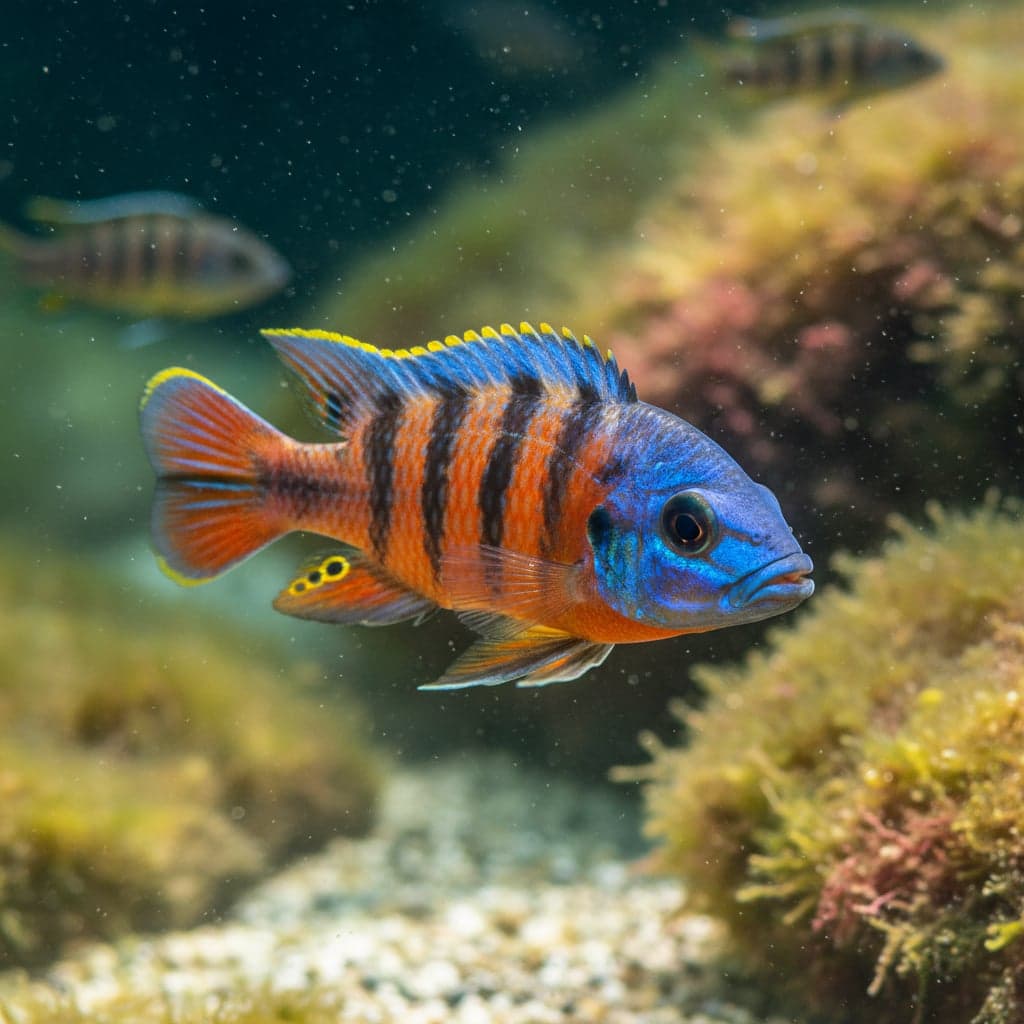
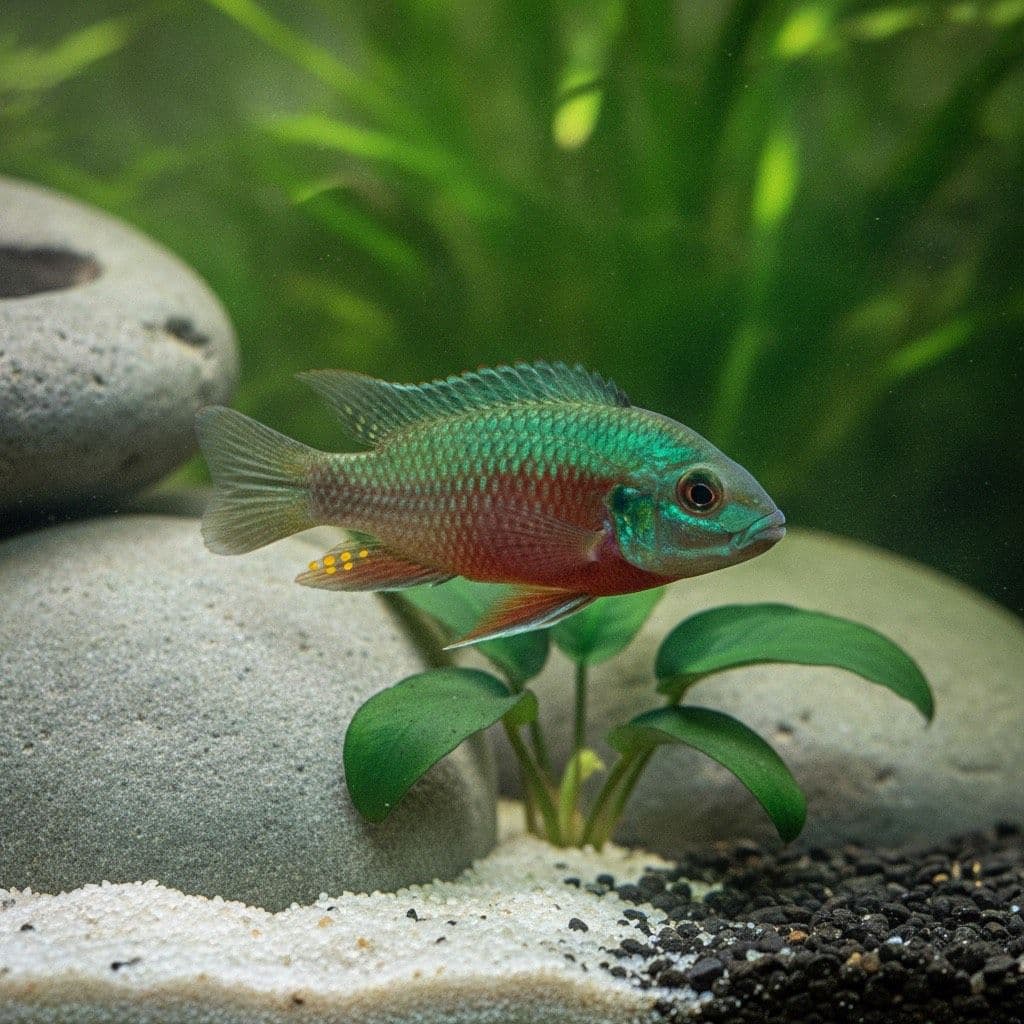
Lake Victoria
Africa's largest lake; sandy and rocky substrates, sparse vegetation, and rich endemic cichlid diversity in the East African Rift.
Natural Habitat & Origin
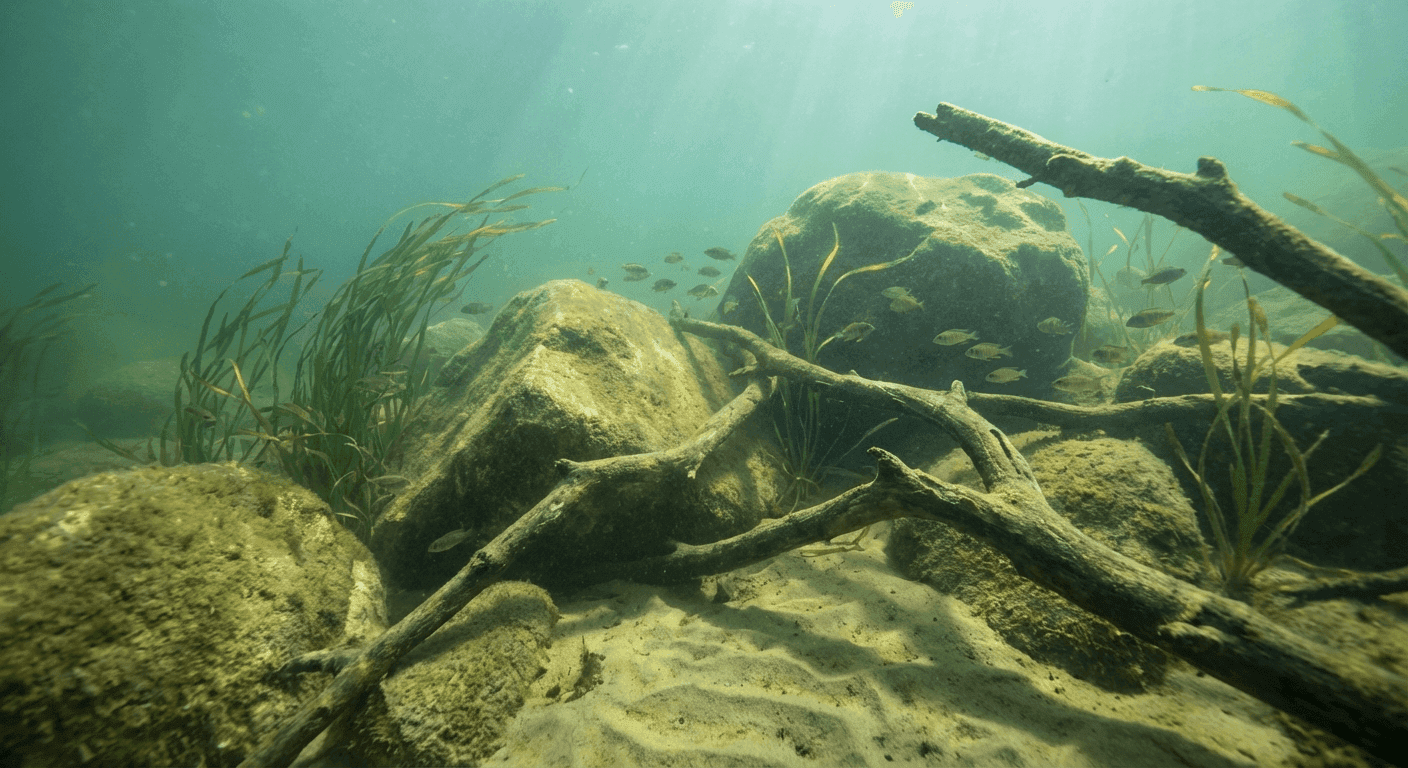
Lake Victoria, the "Nyanza," is a vast, sun-drenched expanse that serves as the heart of East Africa. Unlike the ancient depths of Tanganyika, Victoria is a younger, more dynamic system, characterized by sprawling sandy bays, rocky islands, and vast papyrus-lined fringes. The water here is neutral to alkaline, shimmering with life beneath the brilliant tropical sun.
The underwater landscape of Lake Victoria is one of vibrant transition. In the sunlit shallows, fine sands and rounded stones provide the stage for the intricate social lives of its endemic cichlids. While once home to an incredibly diverse population, the lake’s ecosystem has undergone a transformation, but it remains a place of intense biological interest. Seasonal rains affect the clarity of the water, washing nutrients from the surrounding shorelines and creating a system that is robust and perpetually renewing itself in this great East African cradle.
Plants
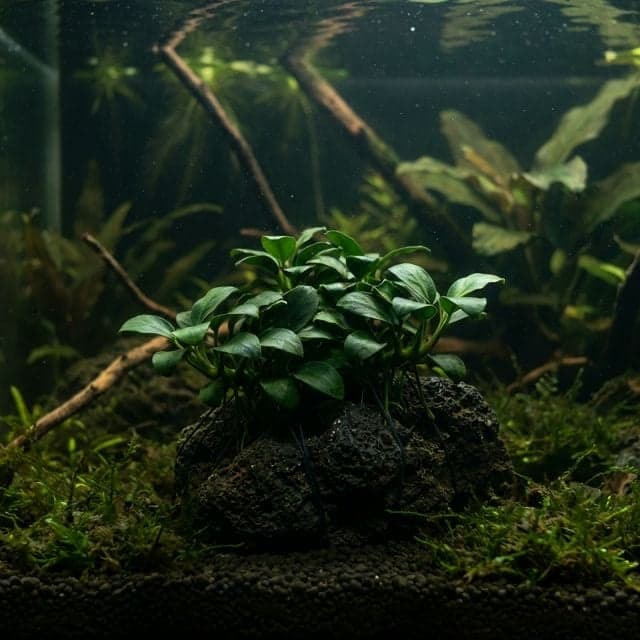
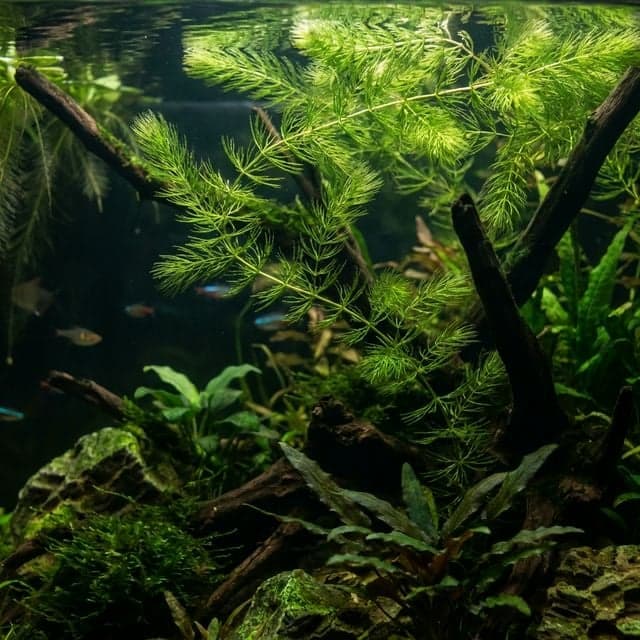
Adapting to the dynamic, neutral waters of Lake Victoria, these species form resilient clusters among the rocks and sandy margins.
Hardscape
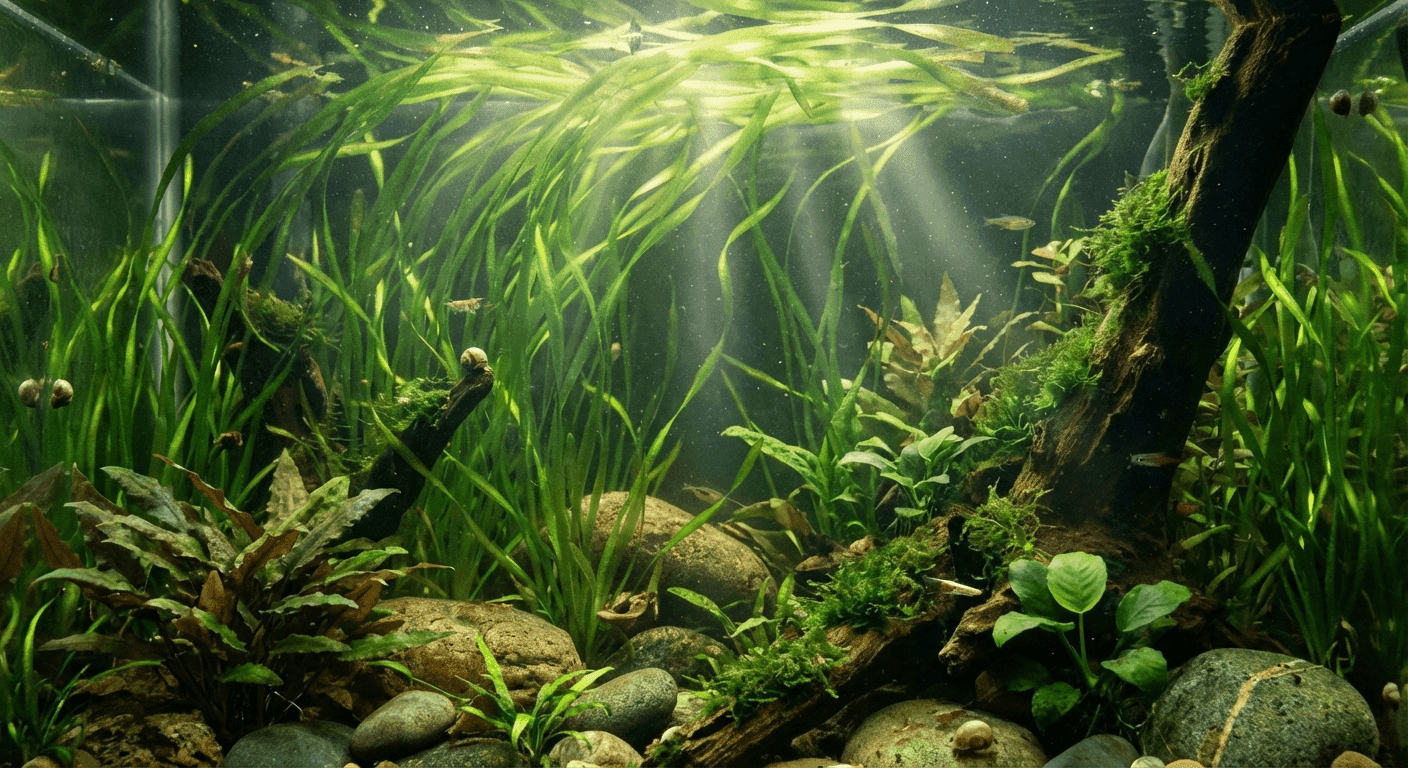
Rounded granite boulders, fine golden sands, and weathered driftwood branches mirror the sprawling, sun-baked shorelines of Lake Victoria.


Fish & Invertebrates
The vibrant and often territorial cichlids of Lake Victoria have evolved with incredible speed to fill the diverse niches of Africa's largest lake.