Rhine
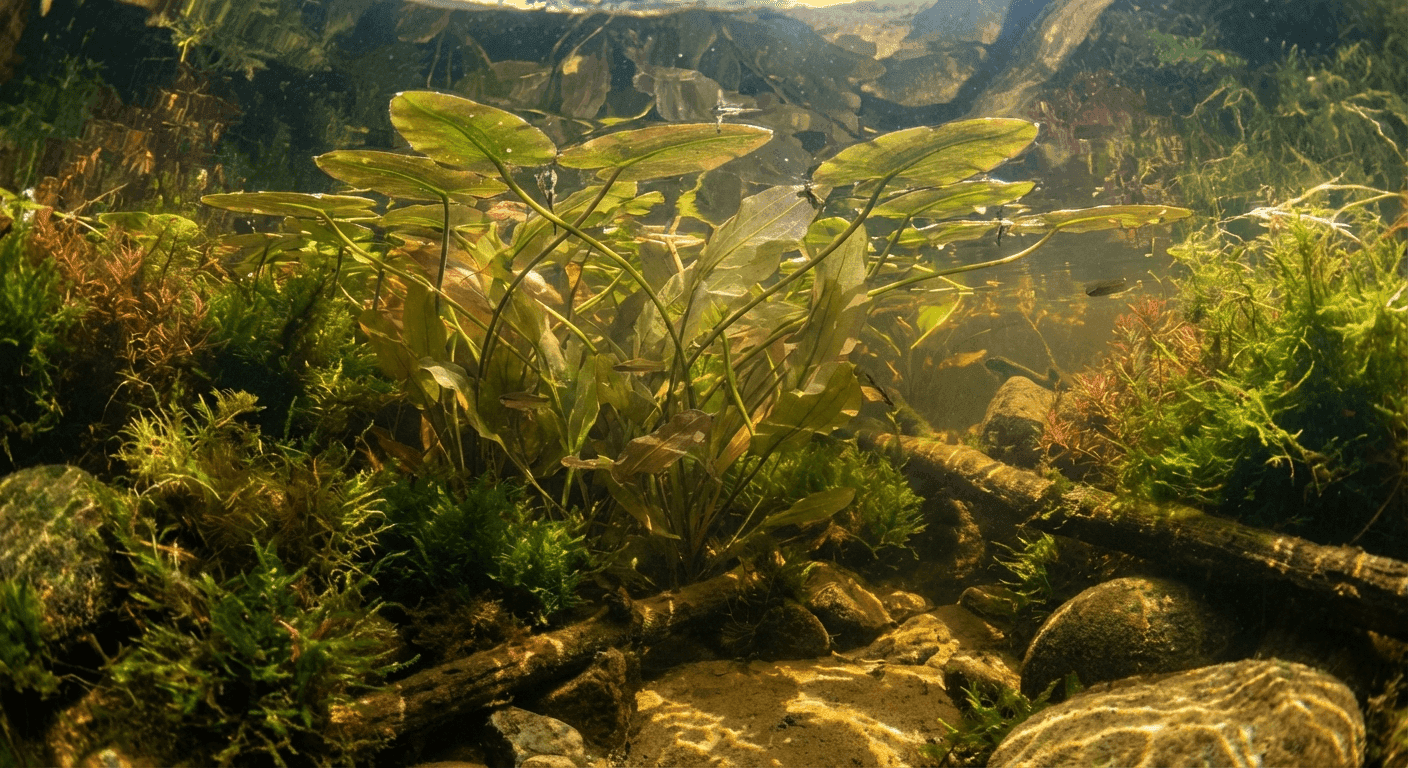
Alpine to lowland river flowing to the North Sea; rocky and gravelly upper reaches, sandy and silty lowlands, reeds and water lilies.

Natural Habitat & Origin
Winding from the crystalline heights of the Swiss Alps down to the vast, silty lowlands of the North Sea, the Rhine is a monument to European geography. Its waters are a masterclass in transition, moving from the oxygen-rich torrents of the high country to the deep, slow-moving channels that sustain the continent’s heartland. It is a landscape defined by its mineral-rich character, buffered by limestone and shaped by the relentless rhythm of the seasons.
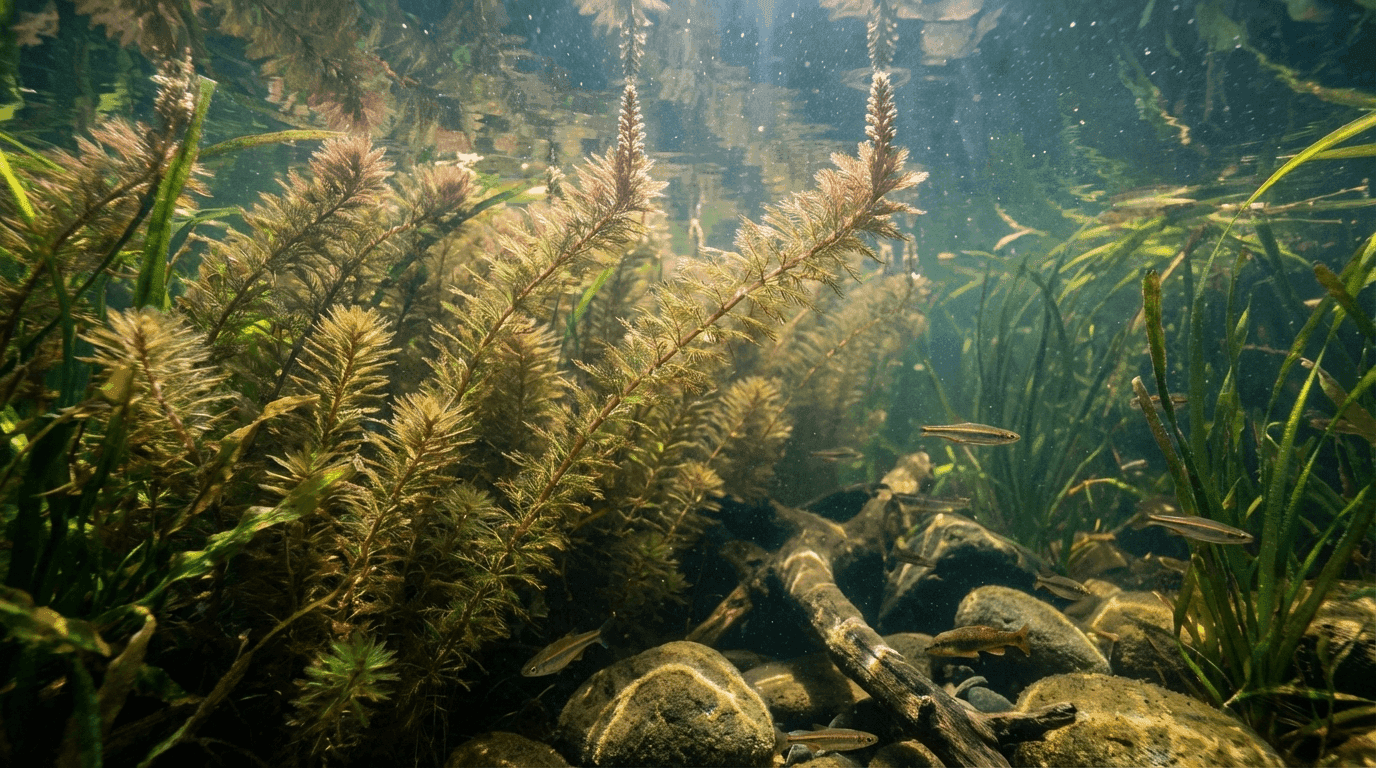
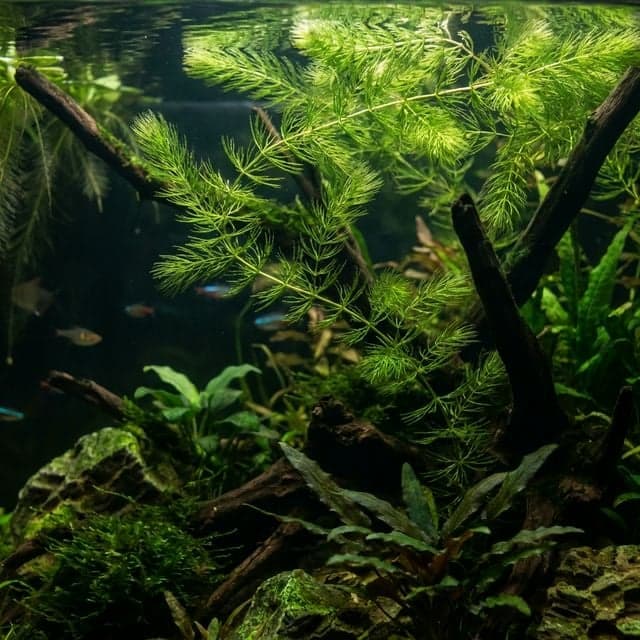
Beneath the surface of a Rhine biotope, life is a testament to resilience and elegance. Hardy thickets of Myriophyllum and the delicate fronds of Hornwort flourish in the nutrient-dense sediments of sand and silt, providing a sheltered sanctuary for iconic species like the European Perch and Pike. The substrate is a rich mosaic of river-worn gravel, fine golden sand, and weathered limestone, reflecting the immense geological variety of the river’s long journey. This is a biome produced by a unique blend of alpine energy and lowland abundance, offering a serene and beautiful window into the heart of the European wilderness.
Plants
Indigenous to the diverse waterways of the Rhine basin, these species form the lush green backbone of the river's freshwater biotope.
Hardscape
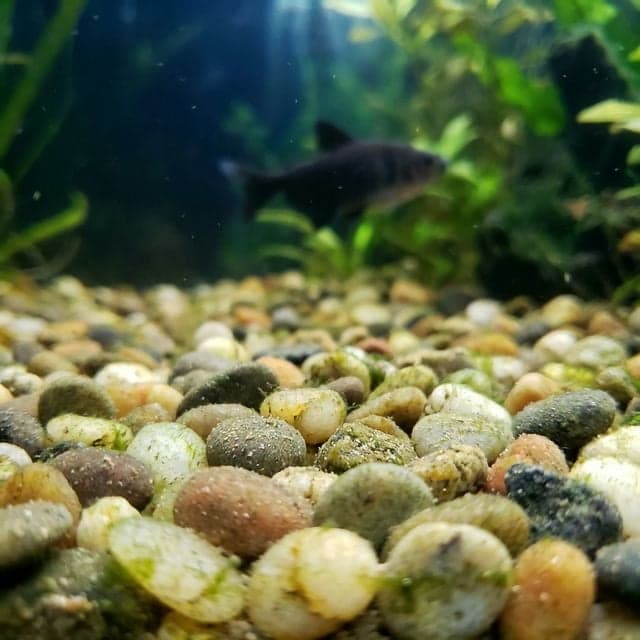
Weathered limestone rocks, fine river gravel, and gnarled wood branches perfectly capture the energetic, mineral-rich atmosphere of Rhine riverbanks.


Fish & Invertebrates
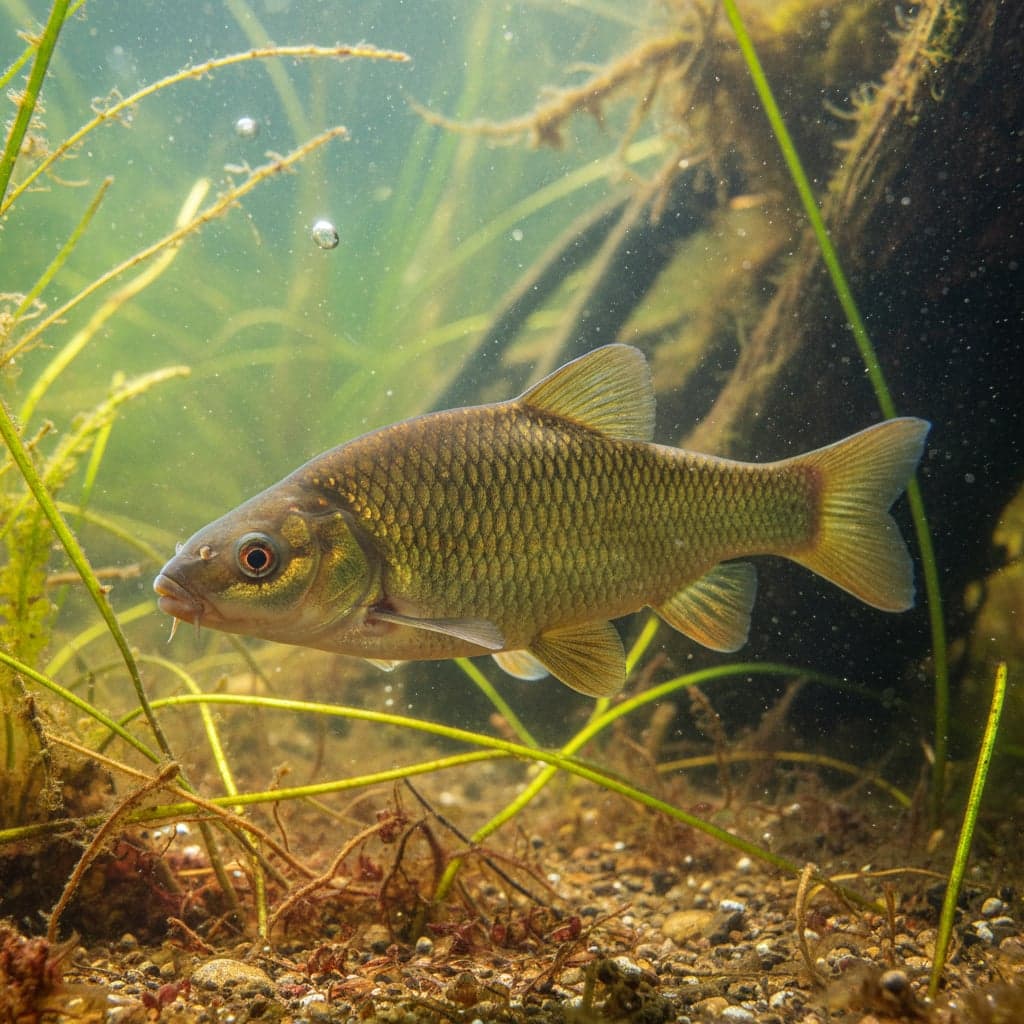
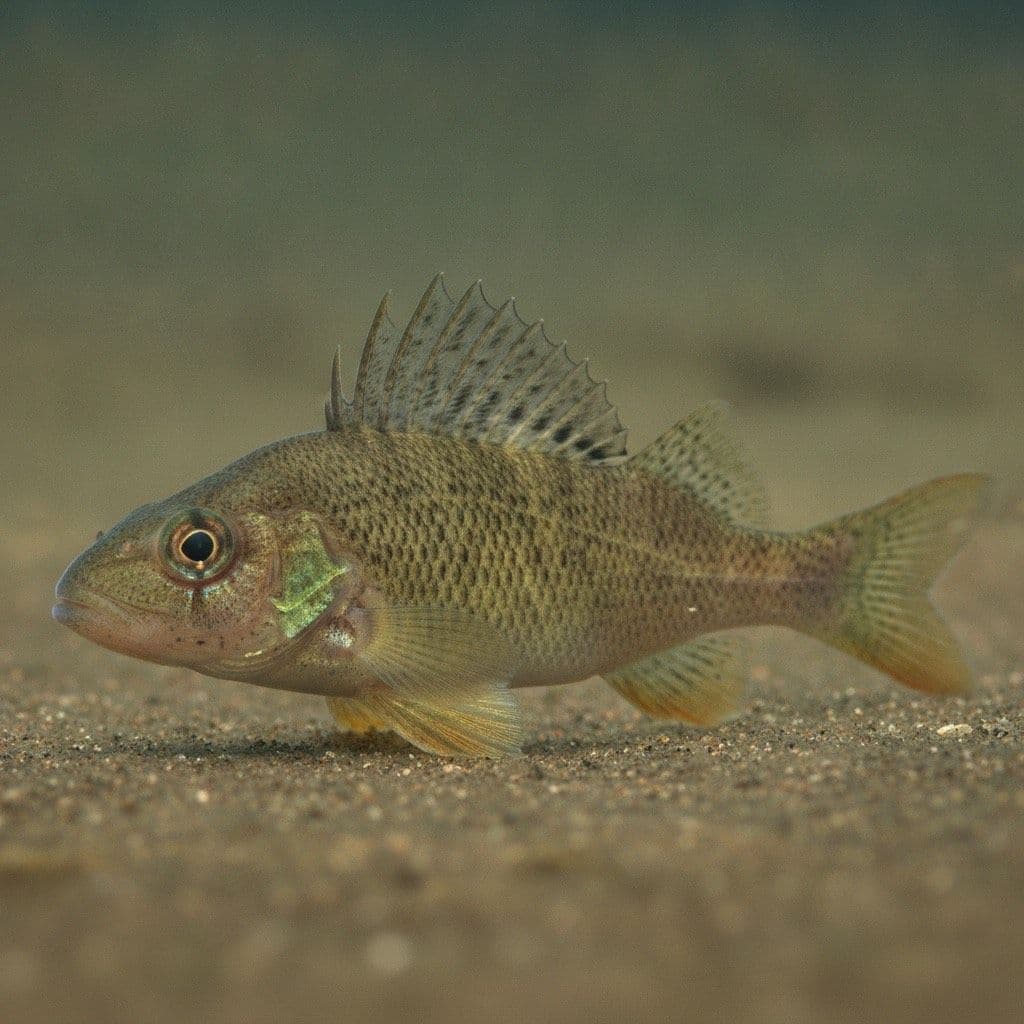
The Rhine's slower reaches and backwaters support hardy natives such as the olive-green Tench, silver shoals of Bleak and the spiny little Ruffe.