Anubias Nana Care: Keep Plants Healthy & Algae-Free
Discover how to nurture Anubias Nana with our comprehensive guide. Learn essential tips to prevent rhizome rot and algae for a thriving aquarium.
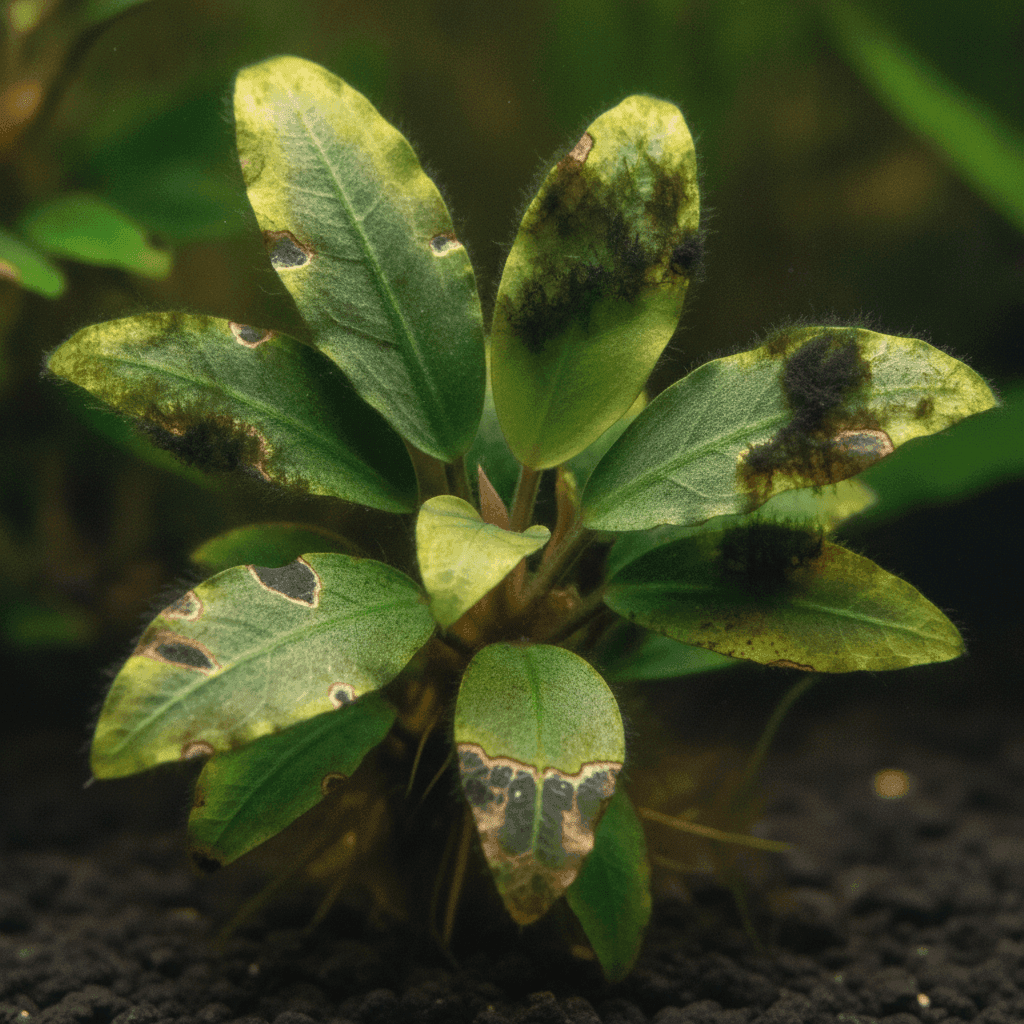
Anubias Nana Care Guide: Grow It Clean (No Rot, No Algae)
Anubias Nana is a cherished favorite in the aquascaping world for its hardy nature and aesthetic versatility. This adaptable plant suits both beginner tanks and advanced aquariums thanks to its low maintenance needs and striking looks. However, like any plant, it can face issues such as rhizome rot and algae buildup if not properly cared for. Tackling these problems is essential for both the plant's health and the beauty of your aquarium.
This guide simplifies the care of Anubias Nana, offering straightforward steps for hobbyists. From basic plant characteristics and environmental needs to challenges like preventing rhizome rot and managing algae, you'll learn to maintain a thriving aquarium. Whether you're setting up a community tank or an intricate aquascape, understanding how to care for Anubias Nana ensures a healthy and visually appealing setup.
Understanding Anubias Nana
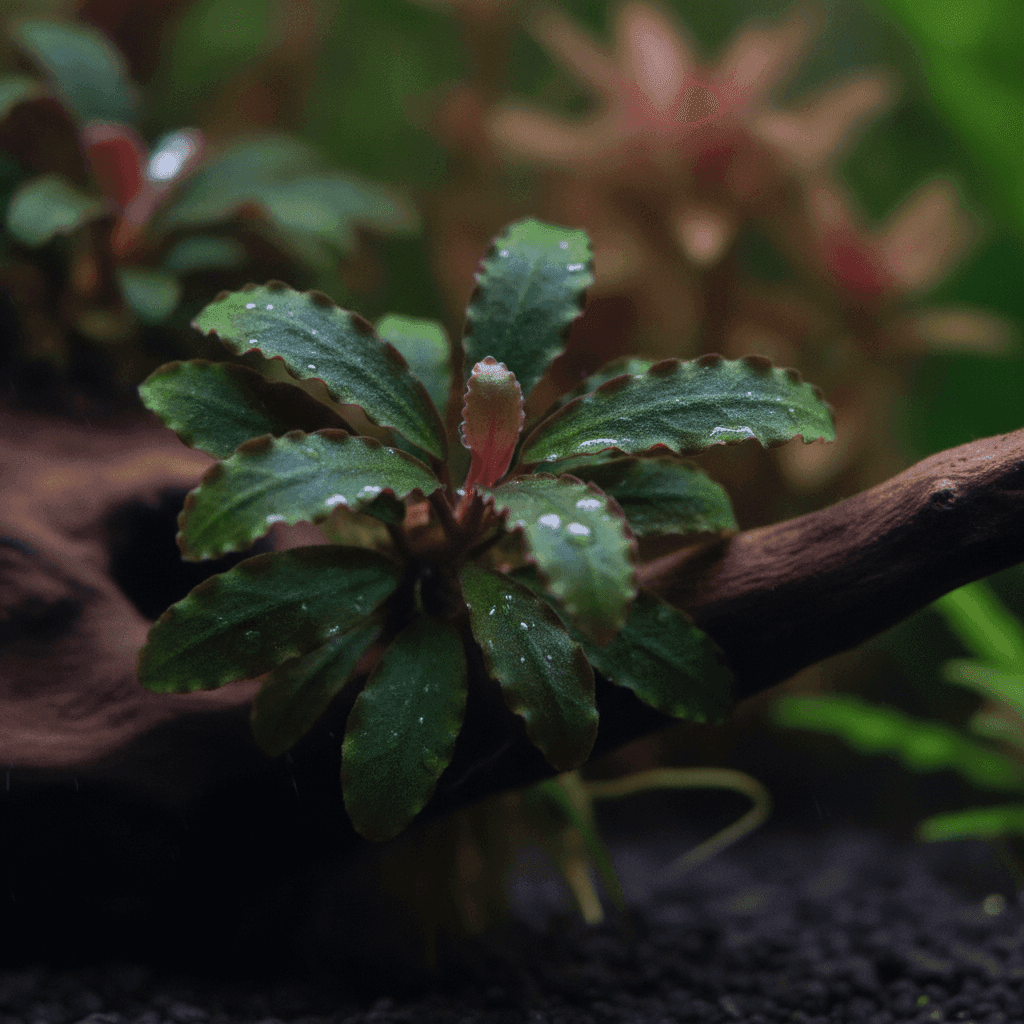
Anubias Nana, or Anubias barteri var. nana, is a petite plant usually growing just a few inches tall. Its slow growth rate makes it perfect for those seeking a low-maintenance green accent in their aquarium. It thrives in water temperatures between 72°F and 82°F (22°C to 28°C), with a pH of 6.0 to 7.5. Anubias Nana adapts well to various lighting conditions, though moderate to low light is best to control algae growth.
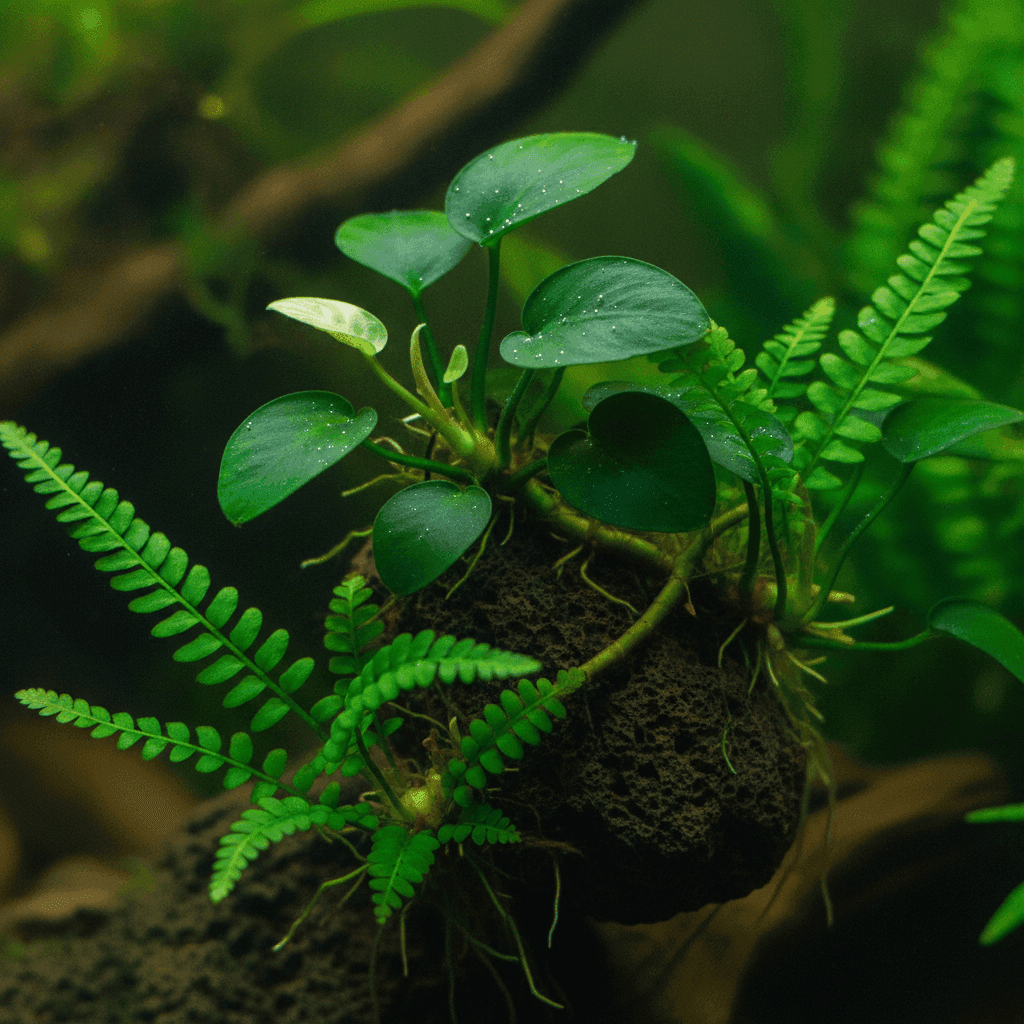
The advantages of having Anubias Nana in your aquarium are numerous. Its lush green leaves contrast beautifully with colorful fish, and it attaches easily to rocks and driftwood, allowing for creative aquascaping. Additionally, its robust structure offers a hiding place for shy or small fish, promoting natural behavior and security.
Key Requirements for Healthy Anubias Nana
For a healthy and vibrant Anubias Nana, follow these key requirements:
- Temperature and pH: Keep water temperatures between 72°F and 82°F and pH levels from 6.0 to 7.5.
- Lighting: Moderate to low lighting helps minimize algae growth.
- Substrate: Use an inert substrate that doesn't affect water chemistry. Anubias Nana also thrives attached to hardscape features.
- Fertilization: Use liquid fertilizers sparingly to maintain nutrient levels without overwhelming the plant.
Step-by-Step Guide to Planting Anubias Nana
Proper substrate selection and placement help prevent issues like rhizome rot when planting Anubias Nana.
Attaching Anubias Nana to Hardscape
- Prepare the Plant: Rinse thoroughly to remove any debris.
- Choose the Hardscape: Select rocks or driftwood that complement your tank's design.
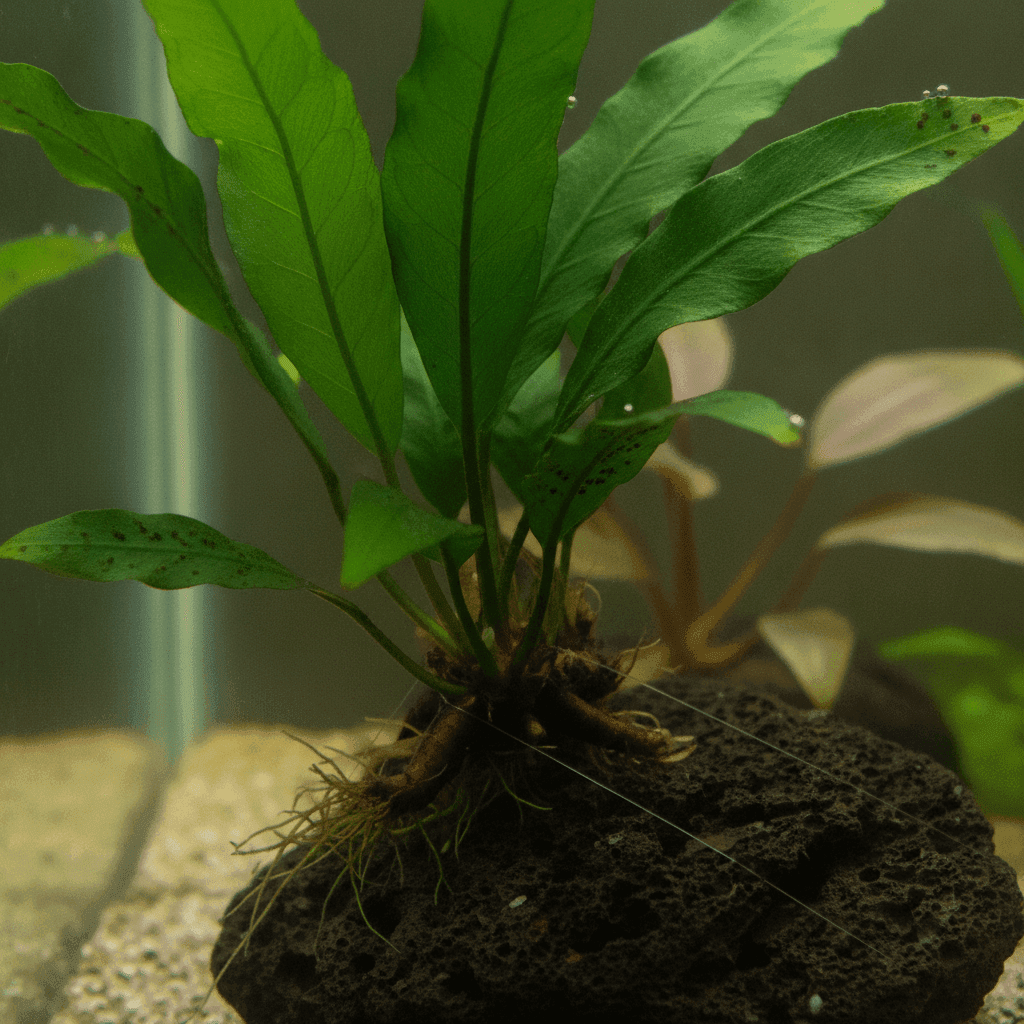
- Secure the Plant: Position the rhizome (the horizontal part from which leaves grow) on your chosen surface.
- Wrap Securely: Use dark thread or clear fishing line to keep it in place without damage.
- Keep the Rhizome Above Substrate: Never bury it, as this can lead to rot.
Preventing Anubias Rhizome Rot
Rhizome rot is a common issue if Anubias Nana is not placed or maintained correctly. Here are practical steps to prevent it.
Causes of Rhizome Rot
- Buried Rhizome: Leads to decay due to excess moisture.
- Poor Water Flow: Stagnant water promotes bacterial growth.
Steps to Avoid Rot
- Proper Placement: Ensure the rhizome stays above the substrate for good water flow.
- Regular Checks: Look for signs of browning or softening early and remove decaying parts to prevent spread.
Understanding and Preventing Aquarium Plant Melt
Managing Algae on Anubias Leaves
Algae can appear on the broad leaves of Anubias, reducing their attractiveness.
Algae Growth Factors
Excess light and nutrients can lead to algae growth.
Techniques to Control Algae
- Adjust Lighting: Keep light exposure to 8-10 hours a day and consider dimming.
- Introduce Algae-Eaters: Fish or snails can help control algae naturally.
- Routine Cleaning: Gently wipe leaves with a sponge or toothbrush to prevent buildup.
Battling Black Beard Algae: Tips for a Clean Tank
Common Mistakes in Anubias Nana Care
Despite being low-maintenance, avoid these common errors:
- Burying the Rhizome: This limits airflow and light.
- Excess Light Exposure: Promotes algae growth.
- Neglecting Maintenance: Leads to nutrient imbalances.
- Improper Fertilizers: Can result in nutrient burn or algae problems.
Aquascaping for Beginners: A Step-by-Step System (Low-Tech + High-Tech Paths)
Long-Term Care and Maintenance Tips
For long-term success with Anubias Nana:
- Regular Pruning: Remove dead leaves to encourage new growth.
- Monitor Water Parameters: Consistent stability prevents stress-related issues.
- Frequent Inspections: Spot signs of distress early, like yellowing or spotting.
- Maintain Balance: A diverse water environment naturally regulates algae and pathogens.
Thrive with Anubias: Your Guide to a Healthy Aquarium
Understanding Anubias Nana's needs is key to ensuring its vibrant health. By providing the right conditions and regular care, you can prevent issues like rhizome rot and algae, enhancing your overall aquarium experience. With careful observation and adaptation, your Anubias Nana will thrive, adding a lush green element to your aquascape.
FAQ
What is the best substrate for Anubias Nana?
Anubias Nana thrives with its rhizome exposed to light and water flow, so it's best attached to rocks or driftwood rather than planted in substrate, preventing rhizome decay.
How often should I clean Anubias Nana leaves?
Establish a cleaning routine every 1-2 weeks to gently remove algae with an aquarium-safe sponge or toothbrush.
Can Anubias Nana survive without CO2 supplementation?
Yes, it can thrive in setups without CO2. Adequate water flow and balanced nutrients are crucial for optimal growth.
Effective Aquarium CO2 System Setup for Plant Growth
What are the signs of over-fertilization in Anubias Nana?
Look for brown or burnt leaf tips and increased algae. Reducing the frequency or amount of fertilizer can resolve these issues.
How do I know if my Anubias Nana is getting too much light?
Signs include leaf yellowing or excessive algae. Reduce light exposure by dimming lights or shortening their daily duration.