Understanding and Preventing Aquarium Plant Melt
Discover causes and solutions for aquarium plant melt. Learn how to prevent melt and maintain a healthy, vibrant aquatic garden.
Aquarium plants can turn a plain tank into a vibrant underwater garden full of life. Yet, many beginners encounter the confusing problem of plant melt, which can disrupt their aquatic gardening success. Recognizing why aquarium plant melt happens is vital, as it impacts both water quality and the aquarium's health. This guide explores the causes and remedies for plant melt, offering valuable tips and strategies to tackle this common yet often misunderstood issue. Whether you're facing crypt melt or seeing new plants wither after planting, this guide will help you nurture flourishing aquariums.
What is Aquarium Plant Melt?
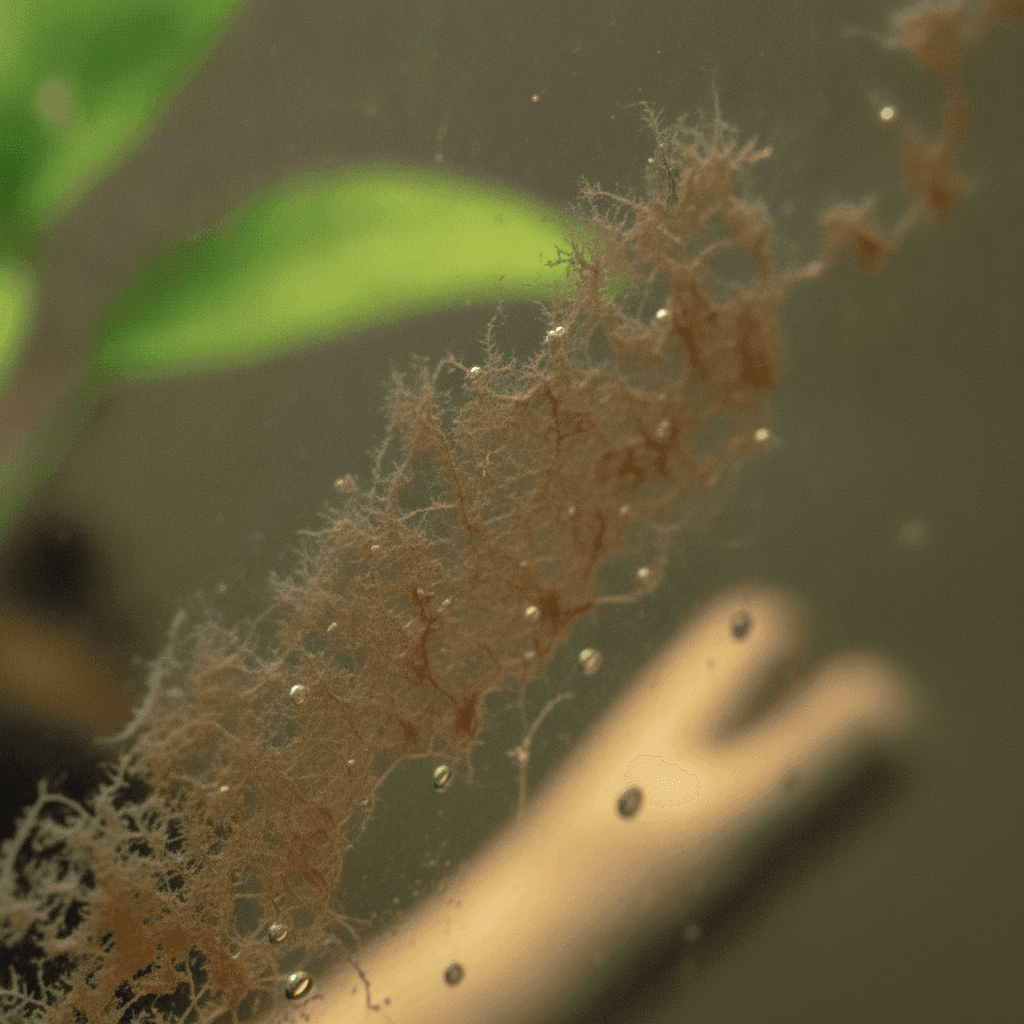
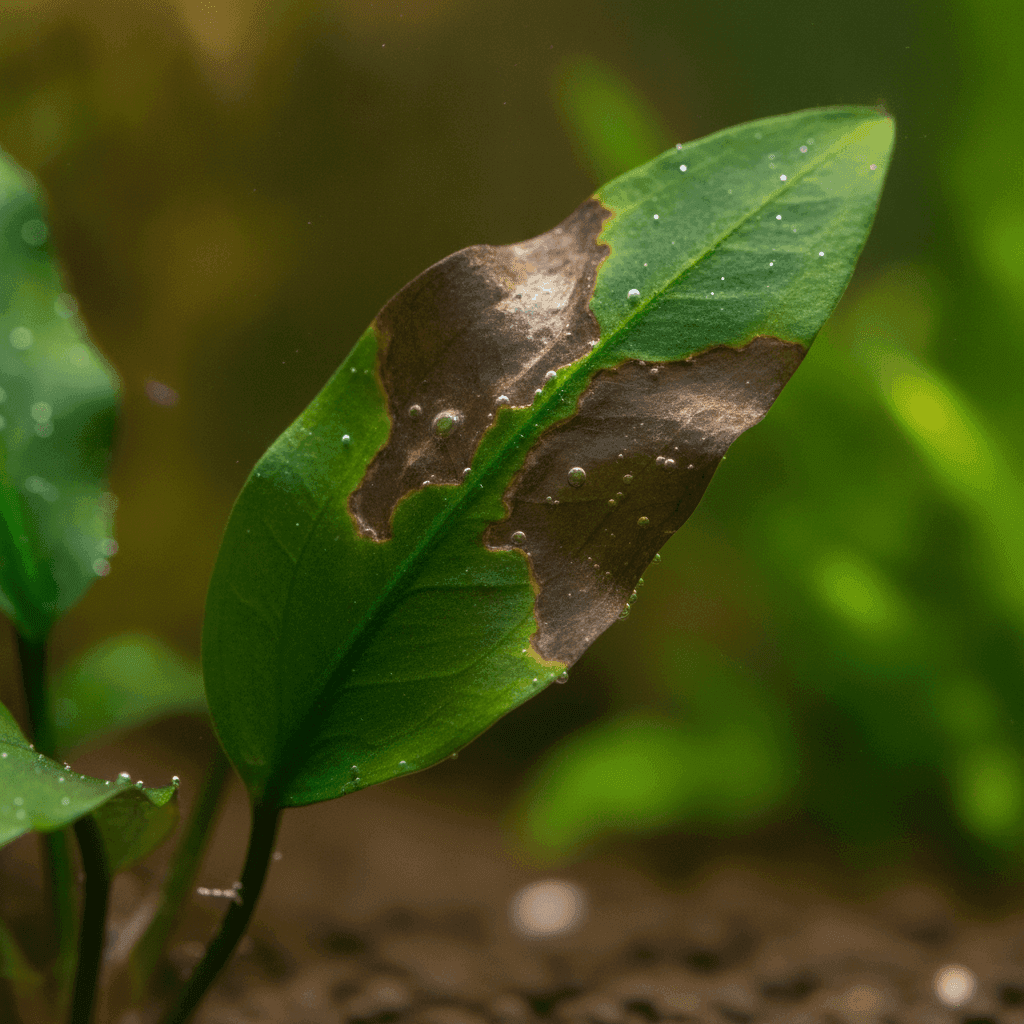
Aquarium plant melt refers to the quick decay of plant tissues, usually triggered by changes in the aquarium's environment. This problem can afflict various plant species, causing them to appear as if they’re melting. Cryptocoryne plants are especially prone to this, experiencing an issue known as "crypt melt." Not only is this visually unappealing, but it can also throw the tank's ecological balance off by overwhelming the biofilter with decaying plant matter. Promptly addressing melting is crucial to keep your underwater ecosystem healthy and thriving.
Understanding the Causes of Aquarium Plant Melt
Environmental Stressors
The well-being of aquarium plants heavily depends on their environmental conditions. Stressors like unsuitable water parameters—such as pH, hardness, and temperature—can cause plant melt. While each plant species has unique needs, generally, aquarium water should maintain temperatures between 68°F and 82°F, pH levels of 6.0 to 7.5, and hardness of 3 to 8 dGH to prevent stress.
Inadequate lighting is another factor that can lead to plant melt since light is essential for photosynthesis. Without enough light, plants struggle to grow, leading to their deterioration. You can learn more about optimizing light conditions in our Planted Tank Lighting: Boost Growth & Prevent Algae guide.
Transition Shock
Plants often experience shock when moved to a new environment, a phenomenon known as transition shock. When plants are introduced into an aquarium, they need time to adapt. This is especially true if the plants were grown above water and are then submerged, making them more likely to melt due to drastic changes.
Nutrient Deficiencies
Nutrients are as vital to aquatic plants as they are to land plants. Deficiencies in essential nutrients like nitrogen, potassium, or iron can weaken plants, making them vulnerable to melt. Signs of nutrient deficiencies include yellowing leaves, transparent spots, or stunted growth. Ensuring proper nutrition can be supported by setting up an Effective Aquarium CO2 System.
Crypt Melt: A Common Type of Plant Decline
Crypt melt specifically affects Cryptocoryne species. This type of melt can occur even when conditions seem ideal, making it difficult to diagnose. However, proper acclimation and consistent water parameters can help manage crypt melt.
Direct Answer: How to Stop Plant Melt?
To stop plant melt, follow these steps to reduce stressors and optimize plant conditions:
- Immediate Actions: Remove decaying plant material to maintain water quality.
- Preventive Measures: Implement gradual changes for water conditions and slowly acclimate new plants to avoid shock.
Recovery Checklist for Aquarium Plant Melt
If your plants are melting, follow this checklist to diagnose and address the problem:
Step 1: Assess Water Quality
Start by testing the water quality. Ensure temperature, pH, and hardness meet the needs of your plants. Make necessary adjustments and consider regular Plant Care Basics for Planted Tanks for ongoing care.
Step 2: Evaluate Lighting
Check the lighting setup in your tank. Ensure your plants get enough light for photosynthesis. Consider using full-spectrum LED lights for 8-10 hours per day.
Step 3: Check Nutrient Levels
Ensure your plants receive adequate nutrients. Use quality aquatic fertilizers and CO2 injection if necessary. Discover more common issues in our tips for Battling Black Beard Algae: Tips for a Clean Tank.
Step 4: Proper Acclimation Techniques
Introduce new plants gradually to the tank’s conditions to reduce shock.
Step 5: Regular Maintenance and Monitoring
Perform routine checks and remove unhealthy plant parts. Regularly trim dead leaves to prevent decay and maintain water quality.
Common Mistakes That Lead to Plant Melt
Avoid these mistakes to prevent plant melt:
- Ignoring Water Parameter Fluctuations: Consistency is essential. Sudden changes can stress plants.
- Overlooking Light Intensity and Duration: Adequate light is necessary for photosynthesis; too little or too much can harm plants.
- Failing to Acclimate New Plants Properly: Gradual adjustment minimizes shock.
- Skipping Routine Fertilization: Regular nutrients prevent deficiencies leading to melt.
Preventive Practices for Healthy Aquarium Plants
To keep your aquatic garden thriving, proactive maintenance is key. Use these practices to minimize plant melt:
- Stable Environment: Maintain consistent water parameters and conduct regular testing.
- Educating Yourself: Learn about the specific needs of plant species to customize tank conditions. Discover the basics of Aquascaping for Beginners: A Step-by-Step System.
Cultivating a Balanced Plant Ecosystem
Keeping your aquarium plants healthy and free from melt requires careful attention and care. By understanding and monitoring their environment, you can create a lush underwater landscape. With consistency and the right knowledge, even beginners can successfully cultivate a beautiful planted aquarium.
FAQ
What should I do if my new plants are melting after planting?
New plants often melt due to the shock of a new environment. Ensure they’re properly acclimated and keep an eye on water quality. Remove any dying parts to prevent them from affecting the tank’s ecosystem.
Is crypt melt reversible, and how can I treat it?
Crypt melt can be reversed if conditions are stabilized. Consistency in lighting and water parameters, along with keeping root systems intact when removing decayed leaves, can aid recovery.
How long does it typically take for plants to recover from melt?
Recovery varies from a few weeks to a couple of months, depending on species and tank conditions. Patience and optimal care are key to quicker recovery.
Can CO2 injection stop plant melt completely?
While CO2 injection supports robust plant growth, it can't prevent melt due to other issues like poor water quality or nutrient shortages. It's part of a comprehensive plant care approach.
What are the signs that plant melt isn't temporary and needs intervention?
Persistent melting, yellowing, or major decay indicates serious issues. Focus on eliminating stressors and adjusting environmental conditions to prevent further decline.