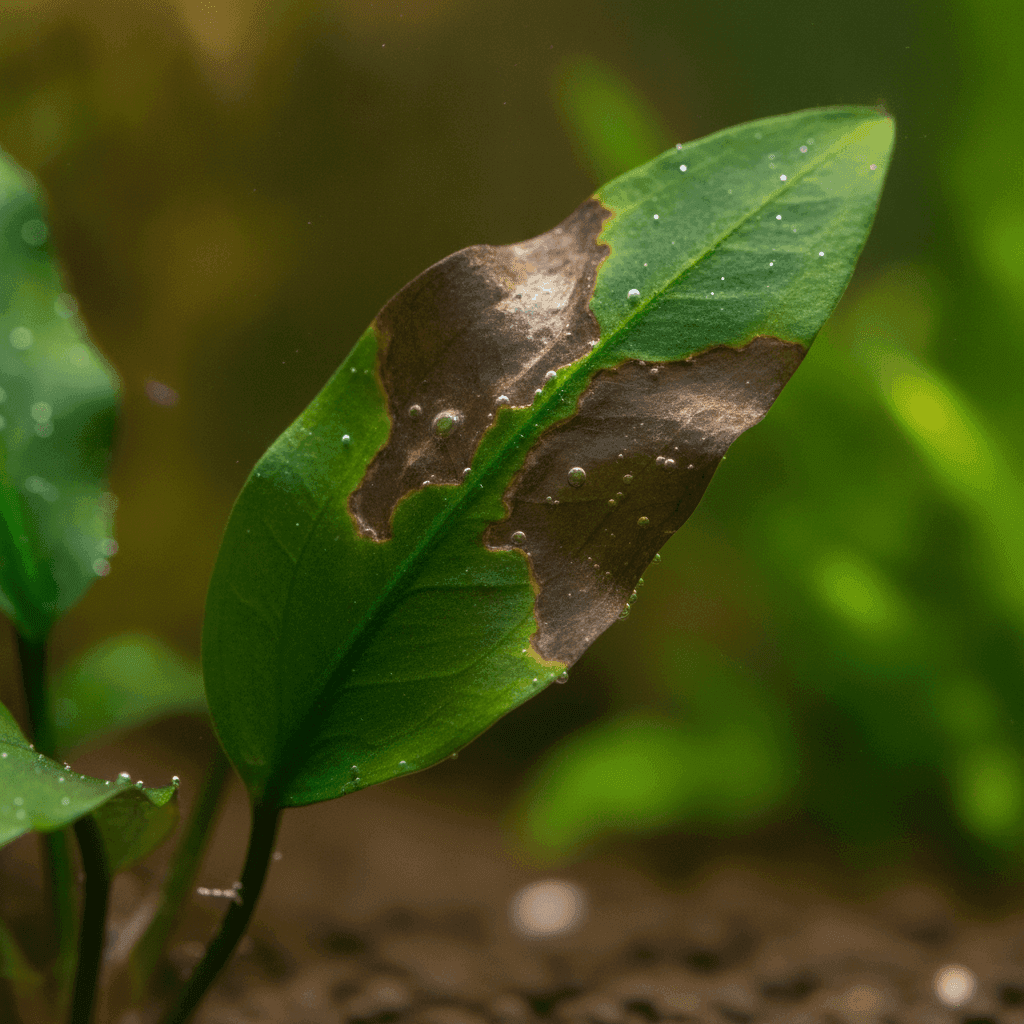
Battling Black Beard Algae: Tips for a Clean Tank
Discover effective ways to identify and manage black beard algae in your aquarium, ensuring a thriving and visually appealing planted tank.
Battling Black Beard Algae: A Comprehensive Guide to a Clean Tank
For aquascapers and aquarium hobbyists, maintaining a thriving planted tank is both a joy and a challenge. One common disruptor of the tank's delicate balance is black beard algae (BBA). This stubborn invader not only tarnishes the visual appeal of your aquatic landscape but also hints at underlying issues in your tank's ecosystem. In this guide, we'll explore what black beard algae is, how to identify it, and, crucially, how to manage and prevent it effectively.
What is Black Beard Algae (BBA)?
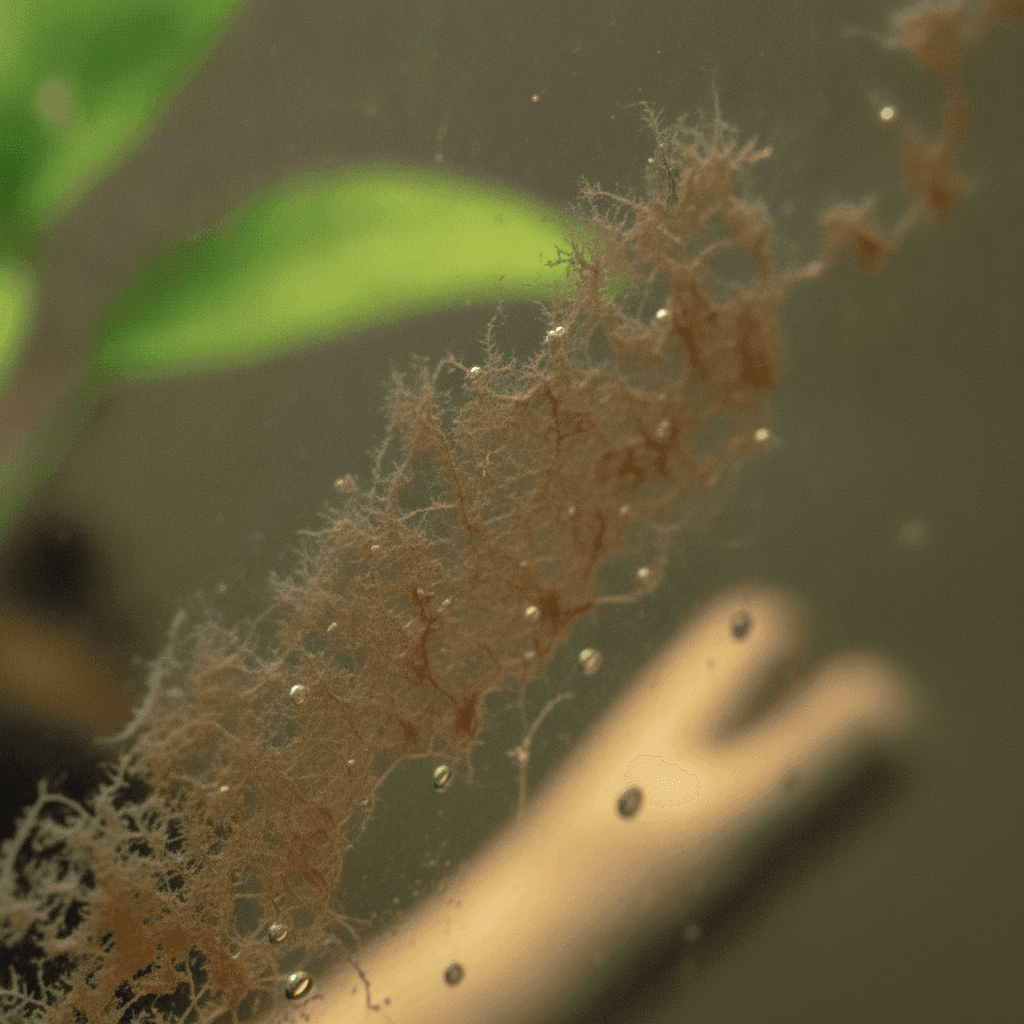
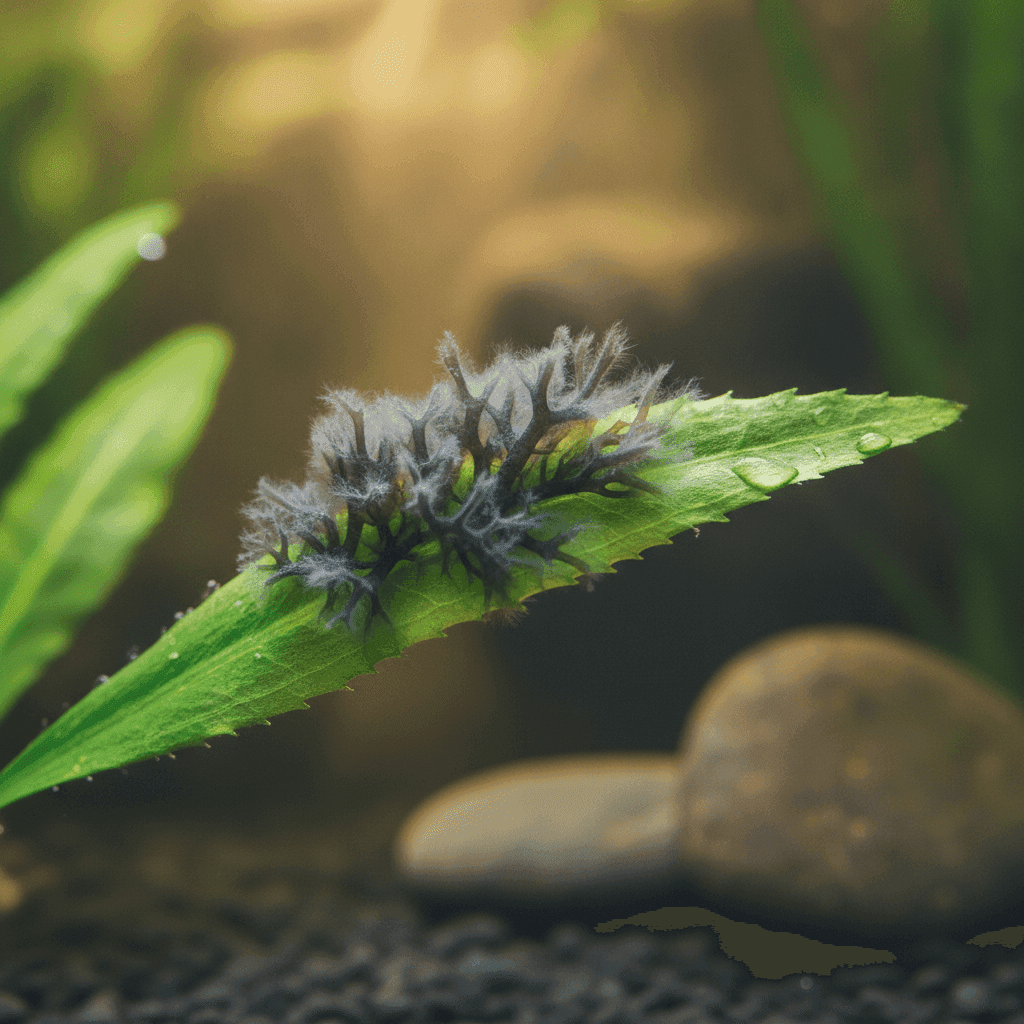
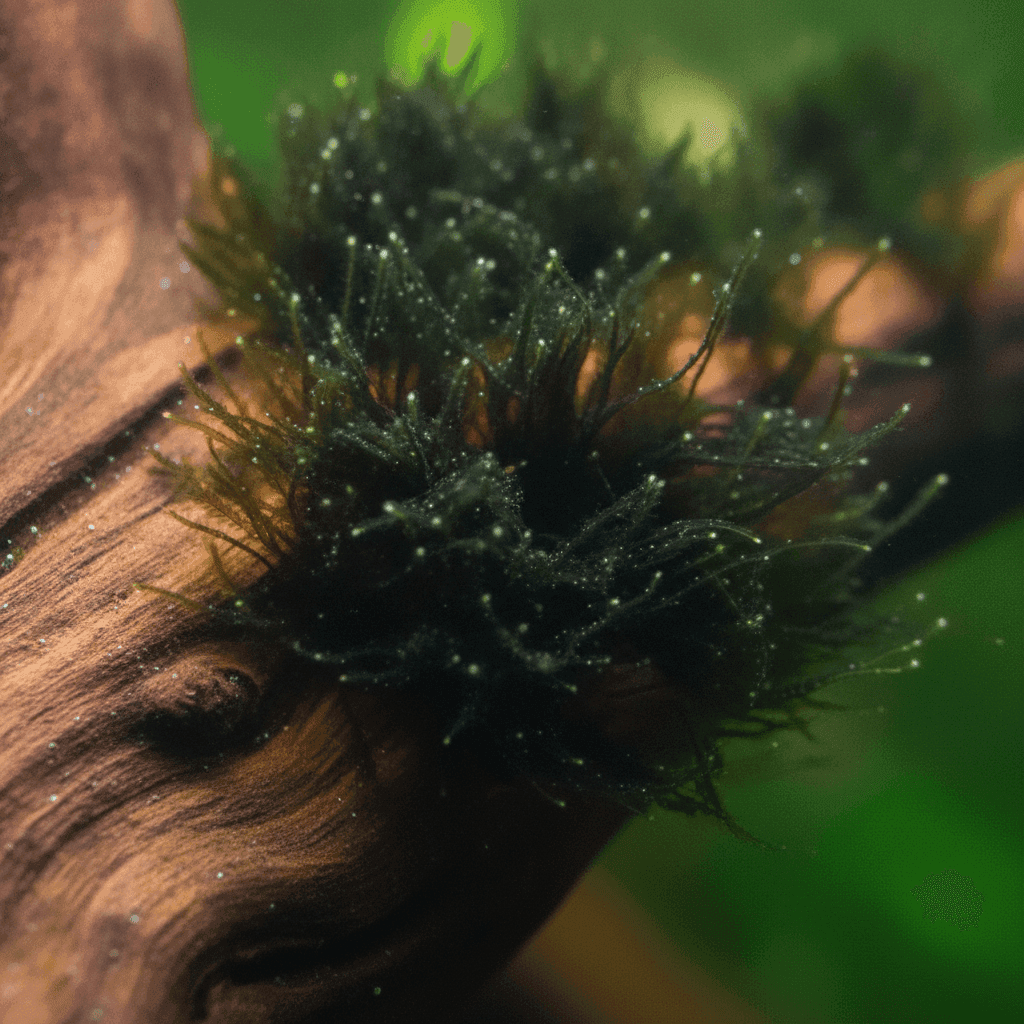
Black beard algae, or BBA, is a type of red algae belonging to the Rhodophyta family. Despite its name, it can appear dark green, brown, or black. Resembling tufts or patches that look like a beard, it thrives under abundant light, latching onto rocks, decorations, and plant leaves. Known for its stubborn nature and rapid growth, BBA can outcompete plants for space and nutrients, posing a risk to plant health. It's also called black brush algae, emphasizing its brush-like appearance which makes removal quite difficult.
How to Identify Black Beard Algae
Spotting black beard algae early is key to controlling it. It forms dark, feather-like tufts or patches on aquarium surfaces, including live plant leaves, rocks, and decor. Unlike other slime-coated algae types, BBA has more rigid, brush-like structures. Identifying BBA is crucial since its treatment differs from other algae types. While green algae may spread as a flat layer, BBA is bushier and stands out more. It often thrives in shaded areas or spots with poor water circulation, where other organisms struggle to compete.
How to Get Rid of Black Beard Algae
A successful strategy against black beard algae involves multiple steps. Begin by physically removing it, and consider boosting CO2 levels in your tank to deter BBA and aid plant growth. Applying hydrogen peroxide directly to BBA during water changes can also help weaken and eradicate it. Maintaining balanced water parameters, including nutrients and CO2 levels, is essential.
Key tools and methods to manage BBA include:
- Testing kits for checking phosphate and nitrate levels in the water.
- CO2 injectors to enhance CO2 concentrations, aiding plant growth while inhibiting BBA. Learn more in our Effective Aquarium CO2 System Setup for Plant Growth guide.
- Hydrogen peroxide applied directly to weaken BBA patches.
- Algae-eating species, such as certain fish or shrimp, which assist in physical removal and control.
Causes of Black Beard Algae in Planted Tanks
Several factors can cause the spread of BBA in your aquarium:
- Imbalanced nutrient levels: High phosphates, often due to overfeeding, fuel BBA growth.
- Irregular CO2 levels: Low or inconsistent CO2 can stifle plant growth, giving BBA an edge.
- Poor water circulation: Stagnant spots provide an ideal environment for BBA.
- Inadequate lighting: Too much light or incorrect lighting duration can encourage BBA while stressing plants. Our Planted Tank Lighting Guide details how to optimize your lighting.
Step-by-Step Guide to Fixing Black Beard Algae
Evaluate and Adjust Water Parameters
Test your tank’s water quality, focusing on nitrate and phosphate levels using reliable kits. If phosphates are high, reduce feeding or use phosphate-removers.
Optimize CO2 and Nutrient Levels
Boosting CO2 is vital for healthy plant growth. Install a CO2 injector and monitor its output carefully. Ensure your plants receive balanced nutrients without aiding algae. Check out our Plant Care Basics for more tips on maintaining plant health.
Implementing Physical Removal Techniques
Trim or brush off BBA from plants during tank maintenance. Introduce algae-eating fish or shrimp, like Siamese algae eaters or Amano shrimp, for natural control.
Use of Chemical Treatments
Hydrogen peroxide is a popular treatment. During water changes, apply diluted hydrogen peroxide directly to BBA using a syringe, and follow up with water changes to protect the ecosystem. Wear gloves and ensure proper ventilation for safety.
Proven Prevention Strategies
For long-term success against BBA, implement these prevention tactics:
- Stick to regular maintenance routines like trimming plants and cleaning equipment.
- Regulate the lighting schedule, adjusting intensity and duration for your aquarium. Explore our Aquascaping for Beginners: A Step-by-Step System for additional insights.
- Monitor water conditions frequently to catch and correct imbalances early.
Common Mistakes to Avoid When Dealing With BBA
- Overreliance on chemical solutions without addressing root causes can be ineffective.
- Skipping regular maintenance lets conditions degrade, inviting BBA back.
- Neglecting the balance between plants and fish can worsen the problem; a harmonious ecosystem naturally checks algae growth.
Cultivating Balance: Winning Against Black Beard Algae
By applying these methods and staying vigilant, you can nurture a balanced aquarium that naturally resists black beard algae and promotes healthy plant growth. Overcoming BBA relies on understanding your tank’s ecosystem and adopting a comprehensive approach to balance.
FAQ
How long does it take to eliminate black beard algae?
The time to remove BBA varies, usually spanning several weeks to months, depending on infestation severity and treatment methods. Consistent efforts speed up results.
Is black beard algae harmful to fish or plants?
While BBA doesn't harm fish directly, it can cover plant leaves, hindering photosynthesis and indirectly affecting the ecosystem.
Can I prevent BBA from returning in the future?
Yes, by maintaining clean tank conditions and balanced nutrients. Regular monitoring and maintenance are fundamental.
Will increasing CO2 alone eliminate black beard algae?
Boosting CO2 can help significantly, but it’s not a standalone fix. A balanced approach adjusting all tank parameters is more effective.
What are the risks of using hydrogen peroxide on black beard algae?
Though generally safe, hydrogen peroxide can harm beneficial bacteria and sensitive species if misused. Follow proper dilution and application guidelines carefully.