CO2 Diffuser vs Reactor: Best CO2 System for Aquariums
Explore CO2 diffuser, reactor, and inline diffuser. Find the best CO2 system for vibrant aquascaping and optimal aquatic plant growth.
CO2 Diffuser vs Reactor: Choosing the Right CO2 System for Your Planted Tank
In the world of aquascaping, carbon dioxide (CO2) is vital for thriving planted aquariums. It supports plant growth, maintains vibrant colors, and produces oxygen that supports fish and other aquatic life. However, naturally occurring CO2 levels often fall short of what's needed for lush plant growth, leading hobbyists to use CO2 delivery systems. Among the popular options are CO2 diffusers, reactors, and inline diffusers.
We'll explore these systems' mechanics, benefits, and drawbacks, guiding beginners to the best choice for their aquarium needs.
What’s the Difference? CO2 Diffuser vs Reactor vs Inline Diffuser
The choice between a CO2 diffuser, reactor, or inline diffuser influences your planted tank's success. Here's a breakdown of each system:
- CO2 Diffuser: Usually placed inside the tank, it breaks CO2 gas into tiny bubbles to maximize dissolution.
- CO2 Reactor: An external device that mixes CO2 with water in a chamber for complete dissolution before returning water to the tank.
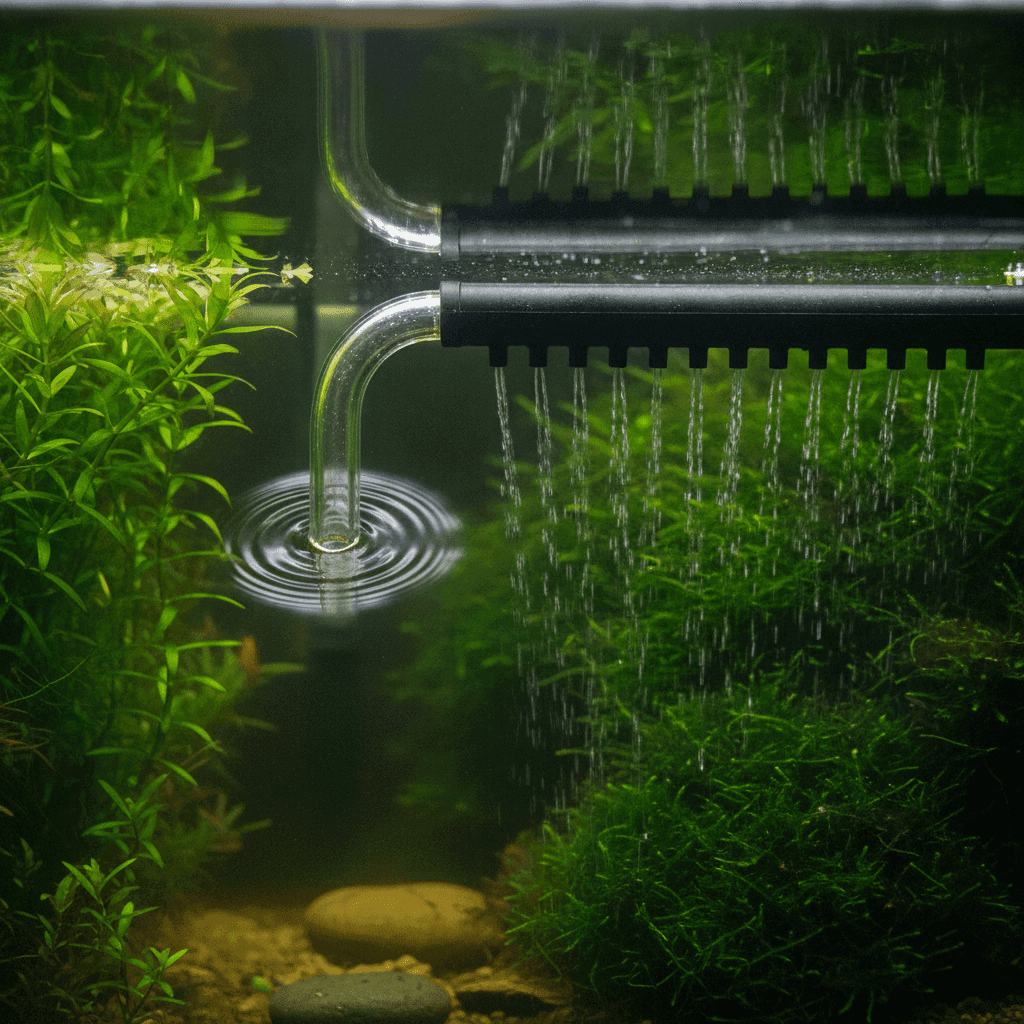
- Inline Diffuser: Installed in the outflow line of an external filter, dispersing CO2 throughout the tank without adding clutter.
Benefits and Drawbacks of Each System
- CO2 Diffuser: Simple, affordable, and easy to use, but less efficient and might clutter the tank.
- CO2 Reactor: Highly efficient, suitable for large tanks, but bulkier and more expensive.
- Inline Diffuser: Efficient and discreet but requires an external filter and can be complex to install.
Best Systems for Different Tank Sizes
- Small Tanks: CO2 diffusers are adequate due to their simplicity and low cost.
- Medium to Large Tanks: Inline diffusers and reactors are favored for their efficiency.
How Each CO2 System Works
CO2 Diffuser
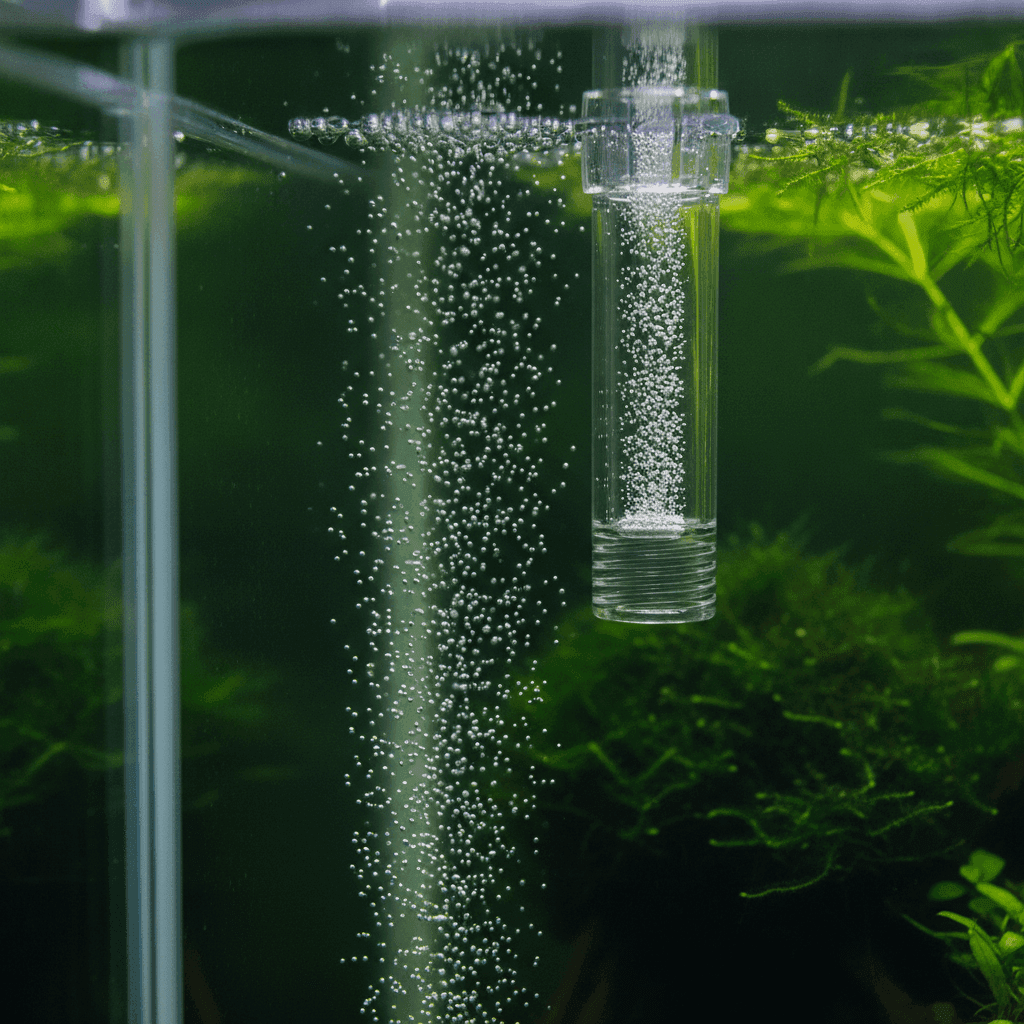
A CO2 diffuser utilizes a ceramic or glass surface with tiny pores. CO2 passes through, forming small bubbles that increase contact with water, a process known as CO2 misting, which aids plant growth. For more on improving plant health, check out our guide on plant care basics.
CO2 Reactor
A CO2 reactor mixes CO2 with water in a separate chamber, often with a pump to ensure complete dissolution before re-entering the tank, making it efficient for large setups needing more CO2. Learn how to set up your CO2 system effectively with our aquarium CO2 system setup guide.
Inline CO2 Diffuser
This diffuser is installed along the outflow of an external filter, using a ceramic element in-line with the filter's system. It ensures even CO2 distribution and saves space.
Pros and Cons: Choosing the Right CO2 System
CO2 Diffuser
Pros:
- Straightforward and affordable.
- Minimal space needed inside the tank.
Cons:
- Efficiency relies on bubble size and location.
- Visible, which some may find intrusive.
CO2 Reactor
Pros:
- Highly efficient CO2 dissolution.
- Ideal for large tanks needing substantial CO2.
- Minimizes gas waste.
Cons:
- More expensive and complex.
- Requires more space for setup.
Inline CO2 Diffuser
Pros:
- Keeps equipment out of sight.
- Efficient for medium to large tanks.
- Integrates with existing filter systems.
Cons:
- Can be complex to install.
- Not suitable for tanks without external filters.
Direct Answer: Which System is Best for You?
Your choice depends on tank size, plant types, and experience level. For small tanks or beginners, a simple CO2 diffuser is cost-effective. For medium to large tanks or higher efficiency demands, an inline diffuser or reactor is recommended, keeping equipment discreet. Those with dense aquascaping ambitions might prefer the reliable CO2 delivery of reactors.
Step-by-Step: Setting Up Each CO2 System
Setting Up a CO2 Diffuser
Tools Required:
- CO2 diffuser
- CO2 tubing
- CO2 cylinder/system
Placement Guidelines:
- Place the diffuser low in the tank, ideally near the substrate, for optimal bubble contact.
Installing a CO2 Reactor
Required Equipment:
- CO2 reactor
- Pump or powerhead
- Tubing and connections
Connection and Setup:
- Install externally, connect to the filter or pump, ensuring mixed CO2 re-enters the tank efficiently. If you are searching for tips to optimize your aquascaping journey, visit our detailed aquascaping for beginners guide.
Integrating an Inline CO2 Diffuser
Equipment Needed:
- Inline CO2 diffuser
- External canister filter
- Tubing and clamps
Installation Tips:
- Attach to the filter’s outflow pipe with clamps. Ensure secure, leak-free connections.
Common Mistakes to Avoid
- Improper placement of the CO2 diffuser: For optimal CO2 dispersal, position it near a filter outlet.
- Incorrect sizing of CO2 reactors: Ensure the reactor matches the tank size for efficiency.
- Neglecting maintenance: Regular checks and part replacements are essential for all systems.
How CO2 Affects Plant Growth and Health
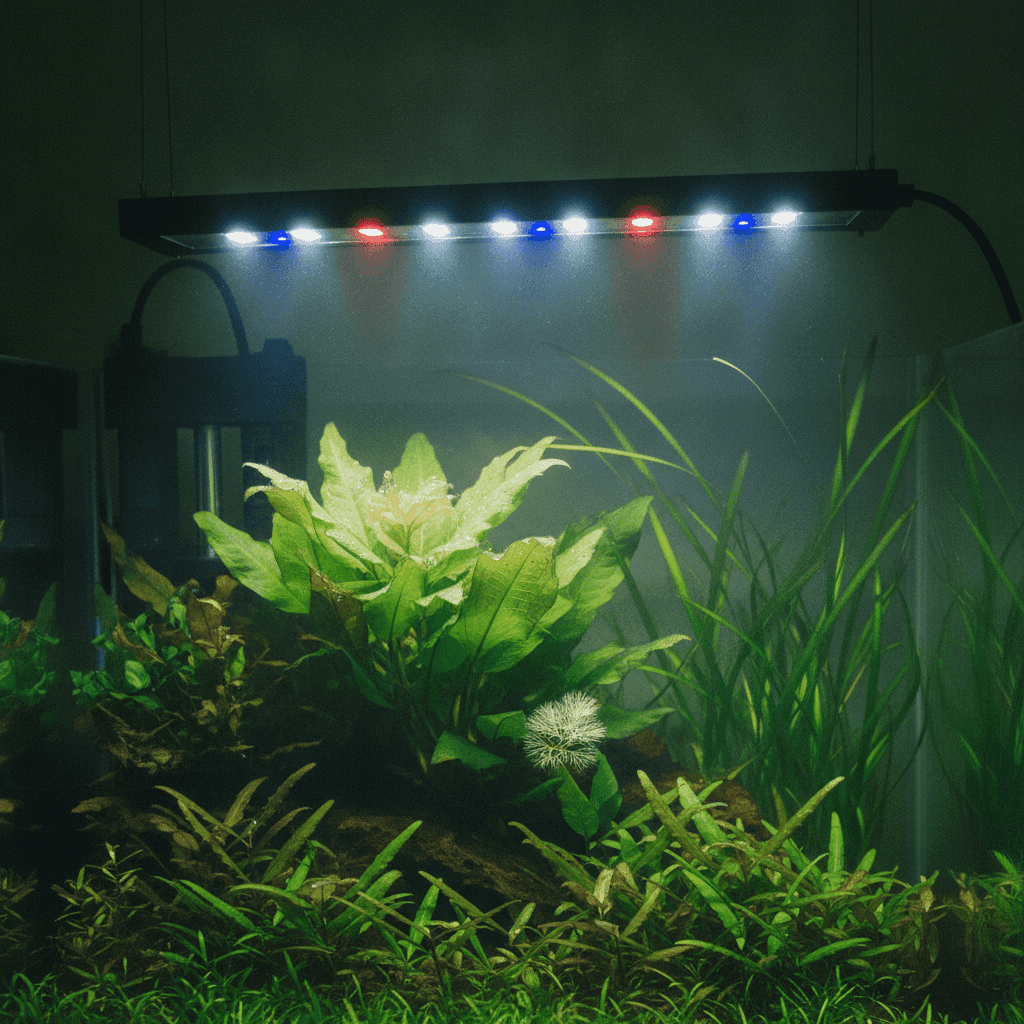
CO2 misting through diffusers offers plants better CO2 access, promoting healthier growth and vibrant colors. However, monitoring levels is crucial to prevent excessive CO2, which can lower oxygen and stress aquatic life. Understanding how CO2 interacts with tank lighting can also prevent algae overgrowth; explore more in our planted tank lighting guide.
Final Thoughts on CO2 Diffuser vs Reactor
Choosing between a CO2 diffuser, reactor, and inline system should reflect your tank requirements and preferences. Whether you prioritize efficiency, simplicity, or hidden equipment, each system has unique benefits and challenges. Experiment to find the best balance for plant growth and your aquarium's ecosystem.
FAQ
What is CO2 misting and is it necessary?
CO2 misting disperses fine bubbles that improve absorption by plants. It's beneficial but not essential for even distribution in densely planted setups.
Can CO2 harm fish or plants?
Excessive CO2 can reduce oxygen, stressing or harming fish. Regular monitoring ensures safe levels.
How can I tell if my CO2 system is efficient?
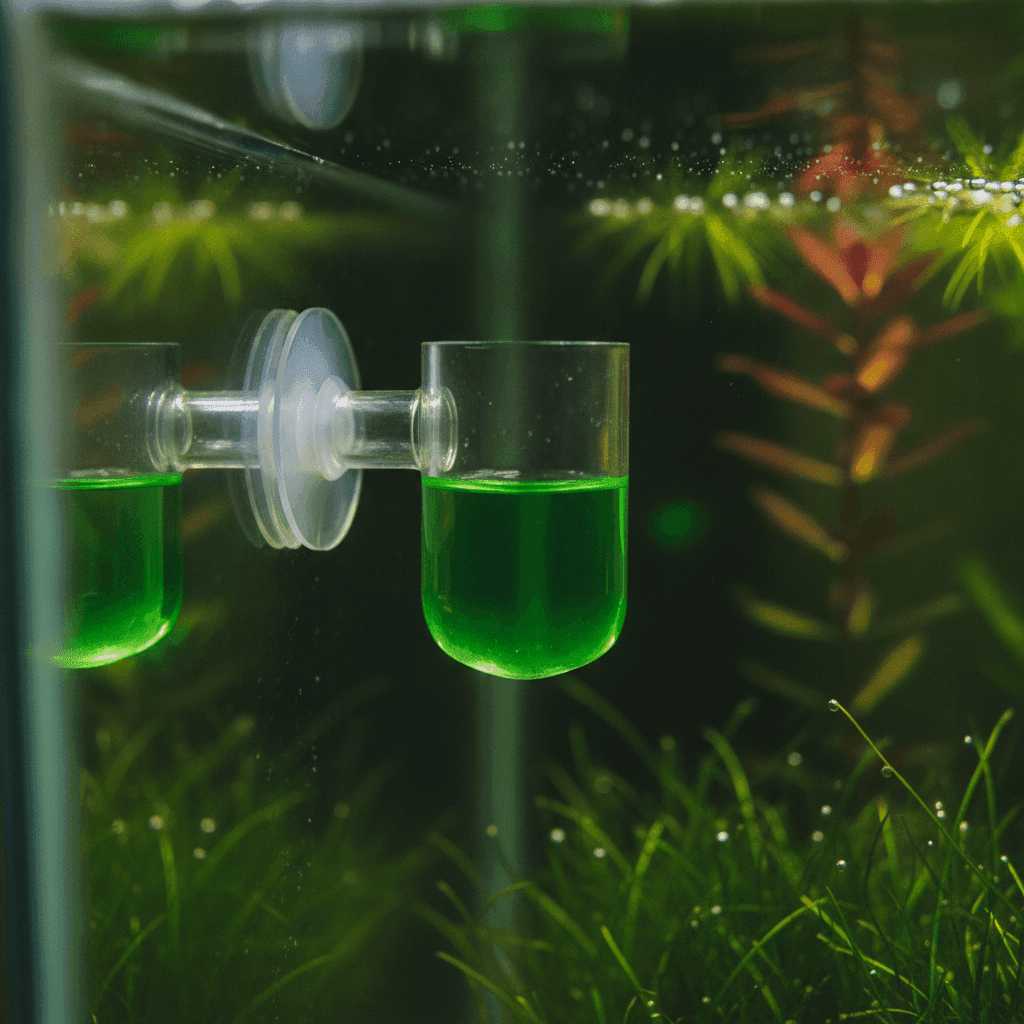
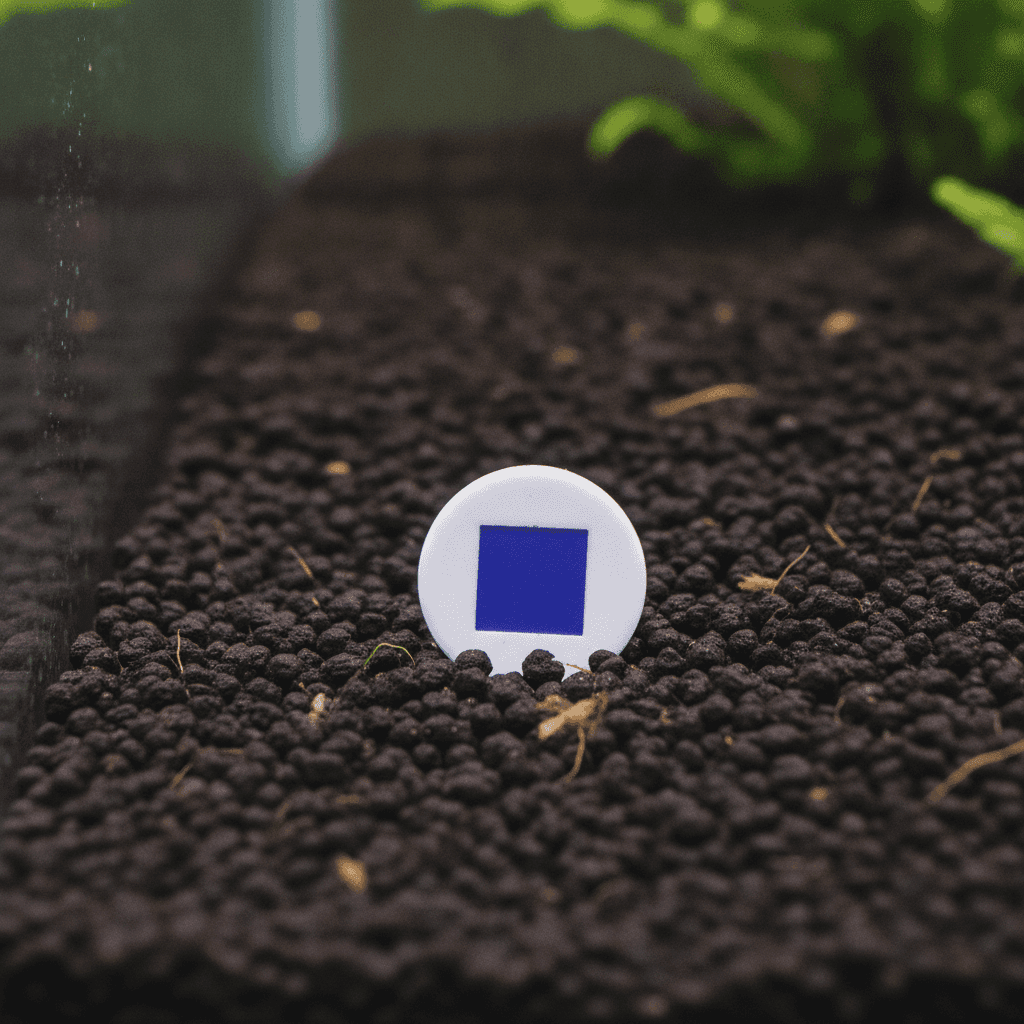
Look for steady plant growth, minimal algae, and stable pH levels. A drop checker helps monitor CO2 levels effectively.
What maintenance does each CO2 system need?
- CO2 Diffuser: Regularly clean the ceramic disk to prevent clogs.
- CO2 Reactor: Check for leaks and ensure the pump works.
- Inline CO2 Diffuser: Inspect for leaks and clean to maintain flow.
Are there alternative methods for CO2 delivery?
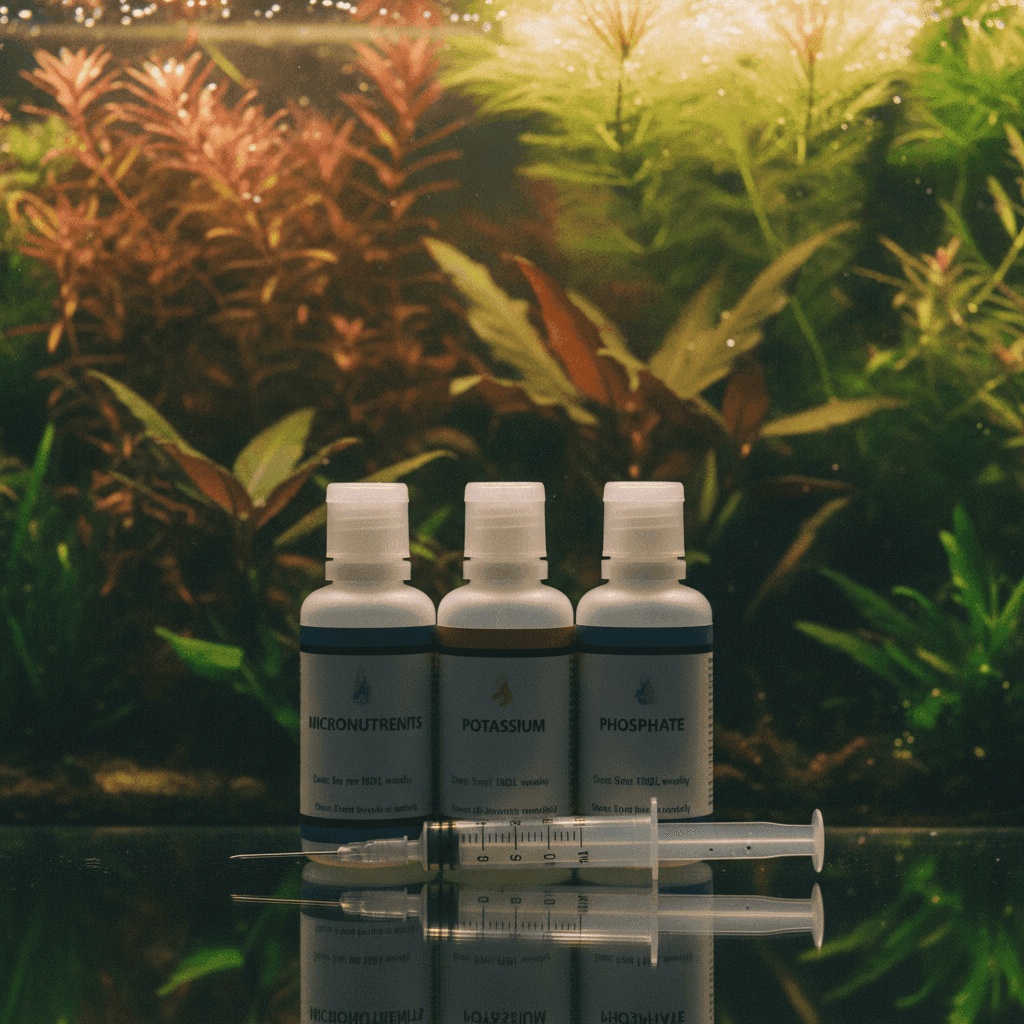
Liquid carbon sources serve as alternatives, though generally less effective than injected CO2, particularly suitable for small setups.