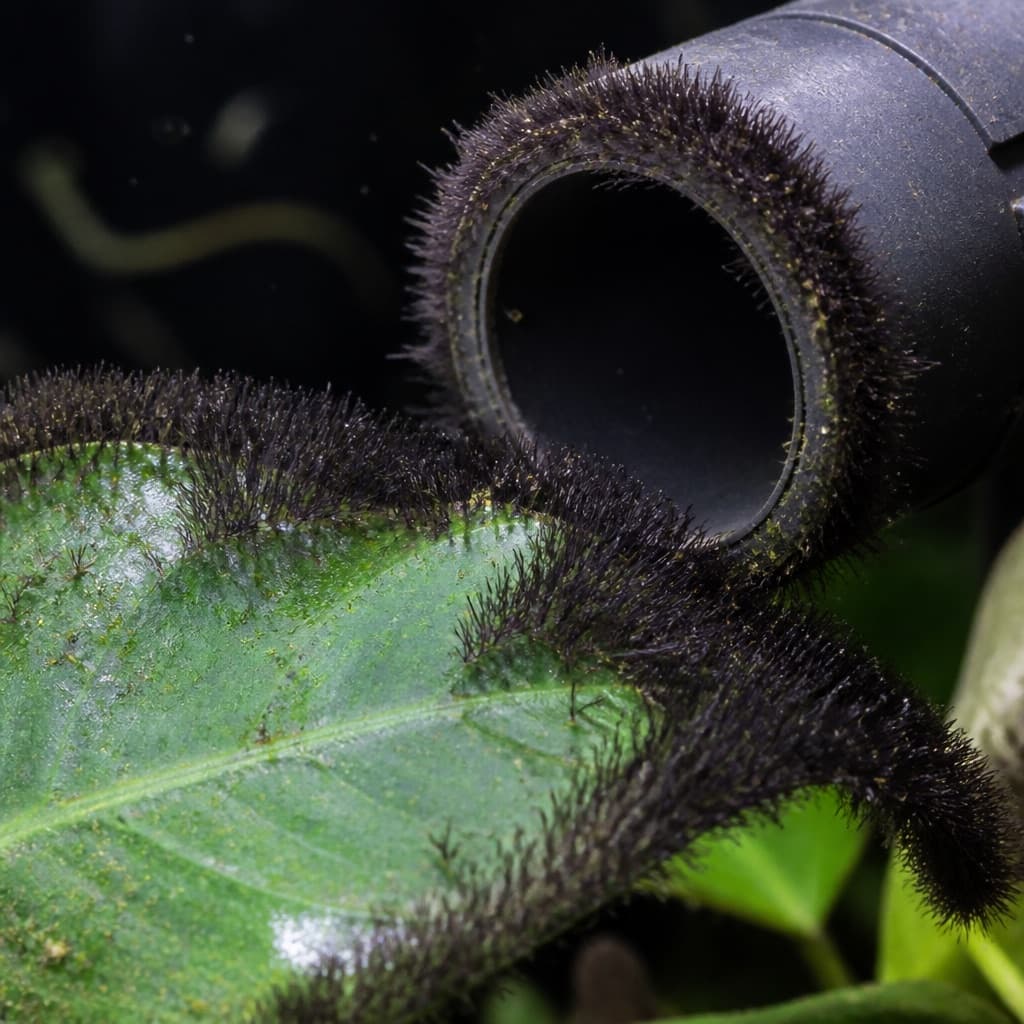
Brown dust / diatoms: Identification & Treatment
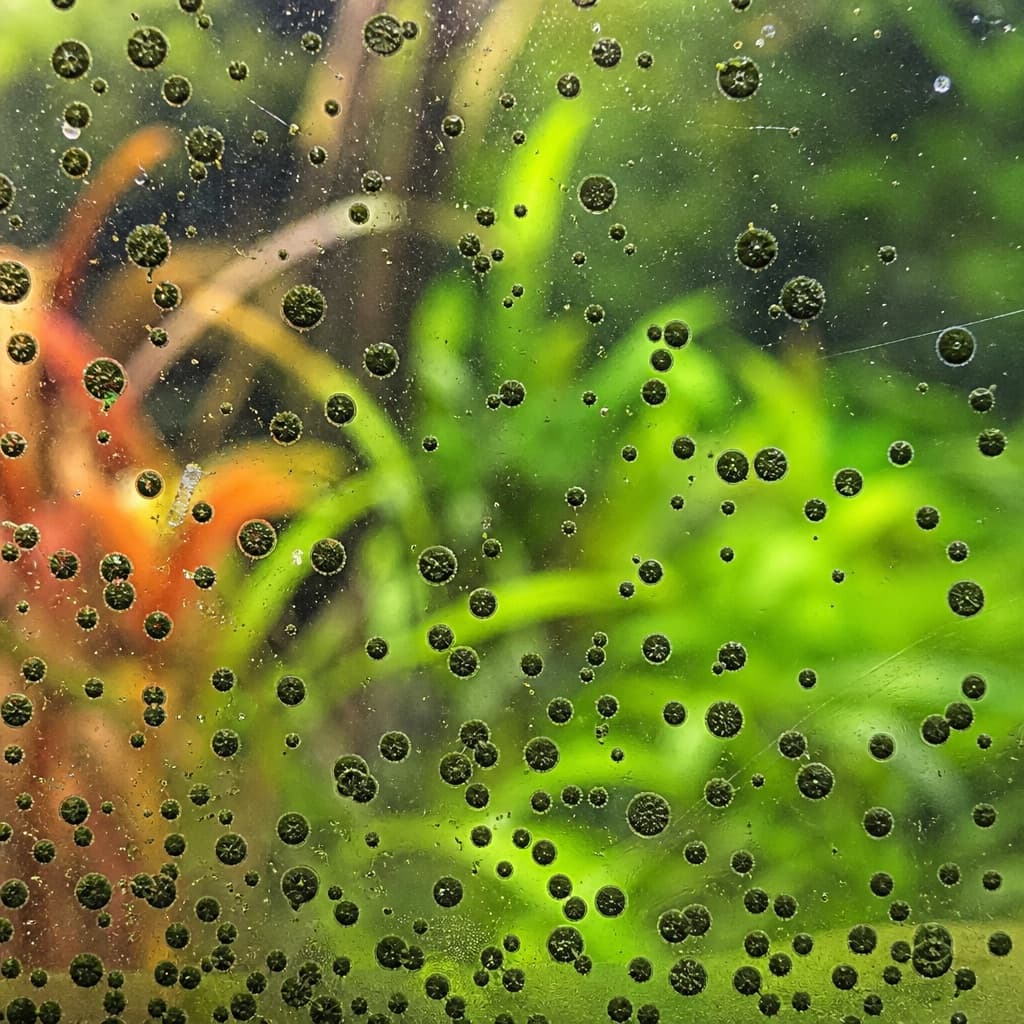
Soft brown coating on glass, substrate and leaves — common in newer tanks.

Brown dust / diatoms
Brown dust / diatoms is one of the algae types Studio Scaped tracks in freshwater aquariums. This guide covers how to tell it apart from the types it is most often confused with, what conditions bring it on, the readings worth taking before you treat, and how to stop it returning. In most tanks the deciding factor is silicate in your source water.
How to identify brown dust / diatoms
Soft brown coating on glass, substrate and leaves — common in newer tanks.
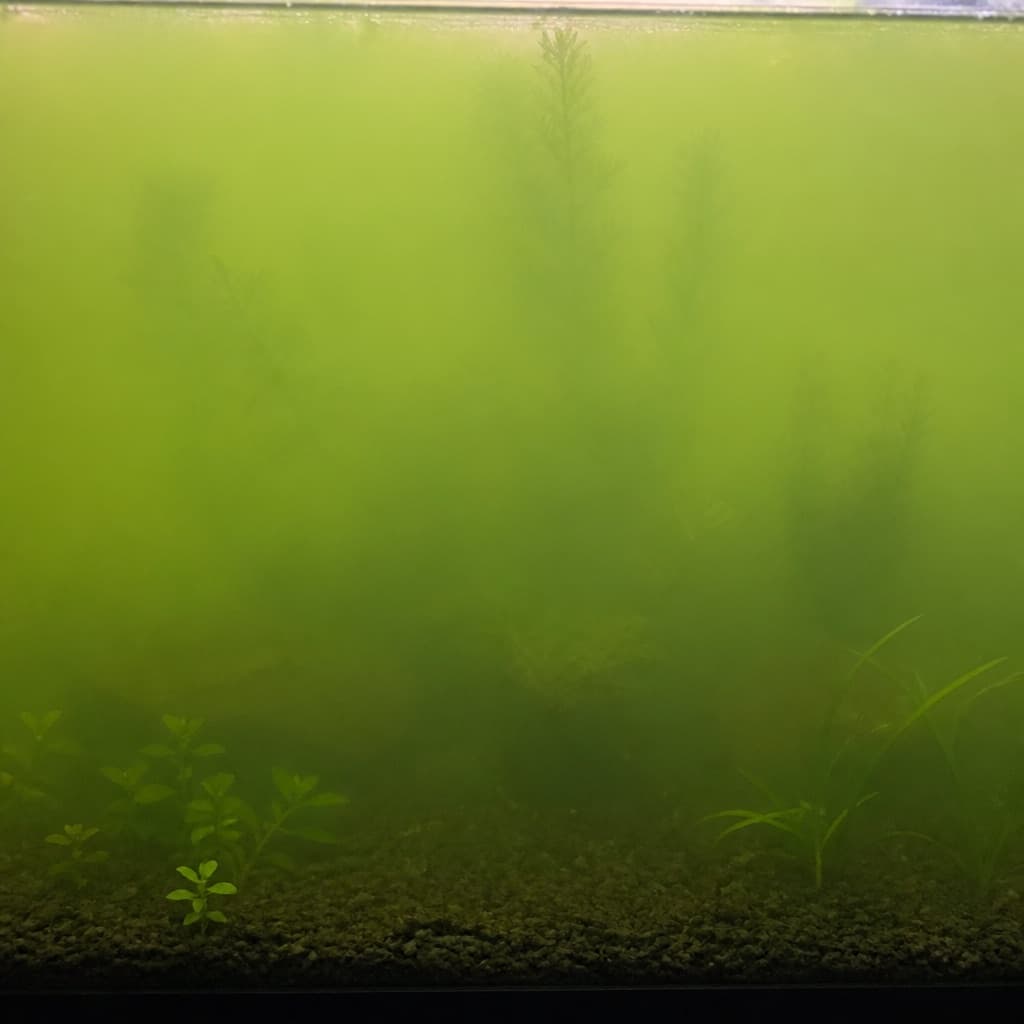
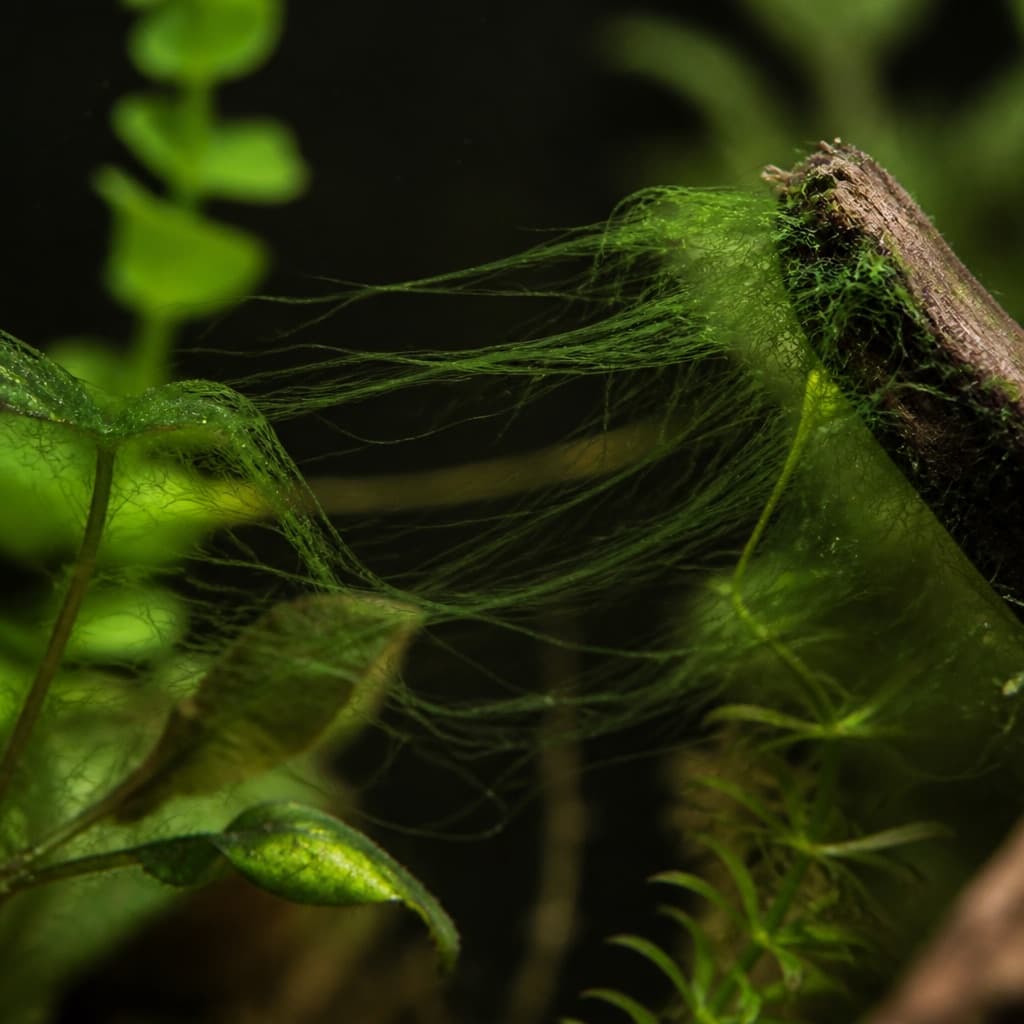
Compare the photograph above with your own tank before treating: several algae types look alike at a glance but respond to completely different corrections, and treating the wrong one wastes weeks. If you are unsure, the full identification guide sets the common types side by side.
Why it appears
Algae is a symptom rather than the disease. In this case the usual trigger is very common in tanks under 8–12 weeks while the ecosystem stabilises. The full list of causes worth ruling out:
- Very common in tanks under 8–12 weeks while the ecosystem stabilises
- Silicates from substrate, tap water or new rock
- Low plant density with moderate lighting
- Excess nutrients in an immature bio-filter
What to measure, and what the readings mean
| What to measure | Typical target | What an off reading points to |
|---|---|---|
| Tank age / maturity | past initial cycling | New tanks pass through predictable blooms as biofilm and bacteria establish. Some of this resolves with time rather than intervention. |
| Light intensity and photoperiod | 6–8 hours for most planted tanks | Light beyond what your plants can use is left over for algae. Reduce duration before intensity — it is the easier variable to control. |
| Silicate (SiO₂) | under 1 ppm | Feeds diatoms specifically. Common in new tanks and in tap water; RO or a silicate-removing resin is the usual fix. |
| Bio-load | under 75% of the tank guide | The waste your stock actually produces. Plan for adult size — juveniles grow into their bio-load. |
Take these readings before changing anything. Treating without a baseline leaves you unable to tell which correction worked, and algae problems usually have more than one contributing cause.
Treatment & fixes
- Usually resolves as the tank matures — maintain consistent maintenance
- Gently wipe surfaces and vacuum substrate during water changes
- Otocinclus and nerite snails can help but are not a substitute for maturation
- If persistent beyond three months, test silicate and review water source
- Increase planting density to compete for nutrients
Keeping it from returning
- Reduce photoperiod before intensity; light your plants cannot use is left over for algae
- Consider RO or a silicate resin if your tap water carries silicate
- Quarantine new plants and hardscape, which is how most algae arrives in the first place
Once corrected, brown dust / diatoms usually takes two to four weeks to visibly recede — existing growth does not disappear when the cause does, so remove what you can manually and judge success by whether new growth appears.
Related guides
- Blue-green algae — often confused with this type
- Green water — often confused with this type
- Every algae type, side by side — for identification
- Lighting and spectrum
Frequently asked questions
How long before brown dust / diatoms clears up?
Expect two to four weeks after the cause is corrected. Usually resolves as the tank matures — maintain consistent maintenance Existing growth generally has to be removed by hand — correcting conditions stops it spreading rather than dissolving what is already there.
Will algae eaters deal with it for me?
Grazers help hold a corrected tank clean; they rarely fix an uncorrected one. Otocinclus and nerite snails clear diatoms quickly, and in a new tank the bloom often passes on its own as the system matures.
Should I strip nutrients to starve it out?
Usually backfires. Plants stall before algae does, and the nutrients they stop using become available to the algae instead. Balance light, CO₂ and dosing to your plant mass rather than cutting fertilisation to zero.