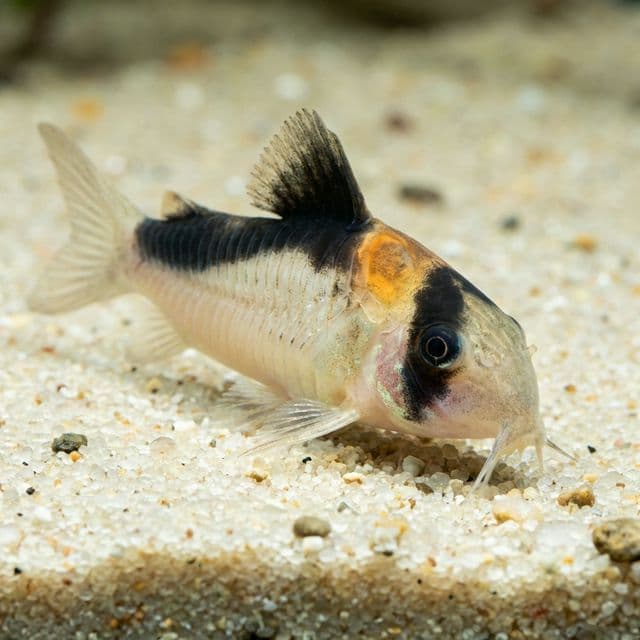
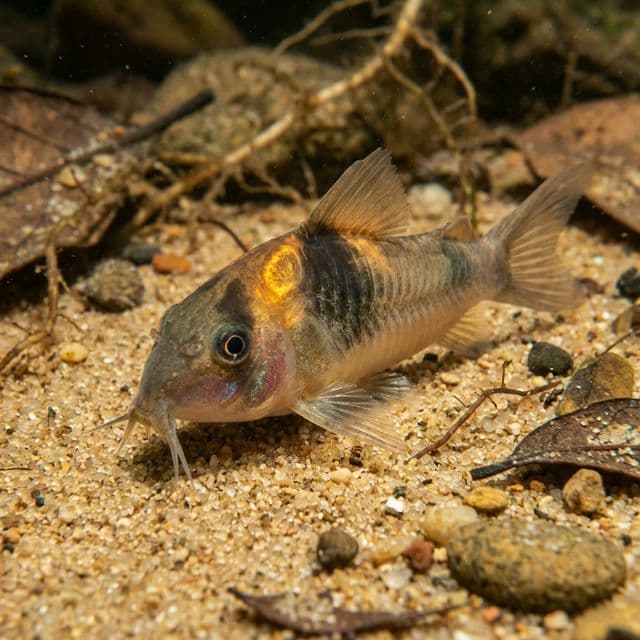
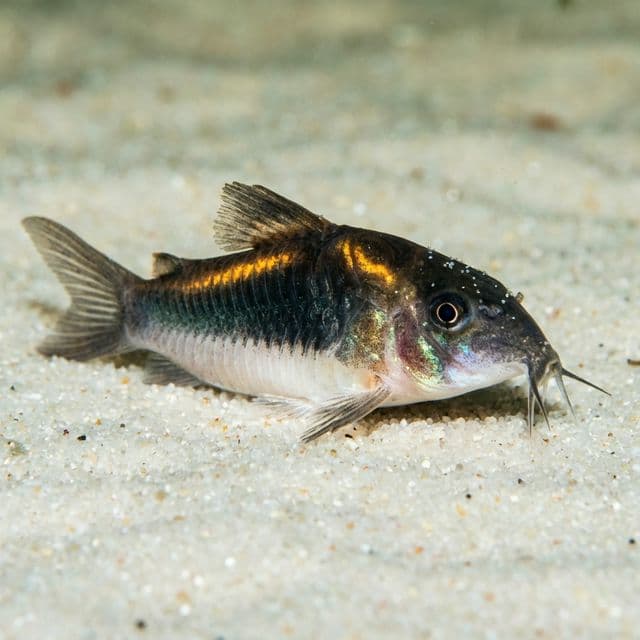
Bandit Cory: Hoplisoma melini
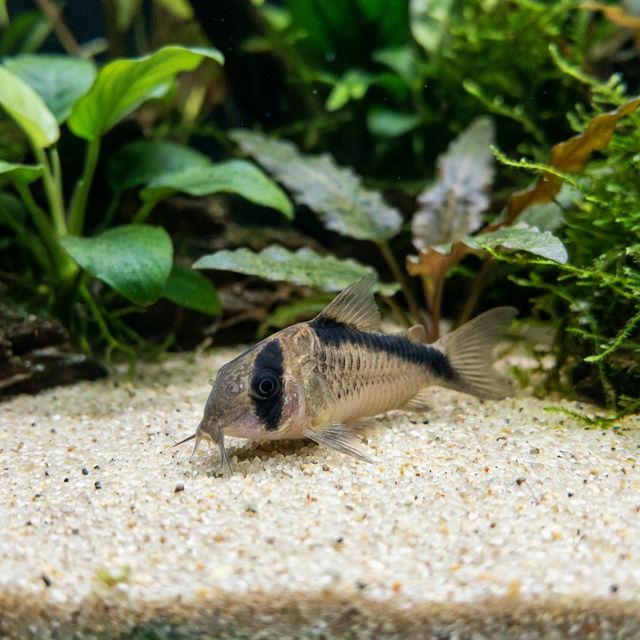
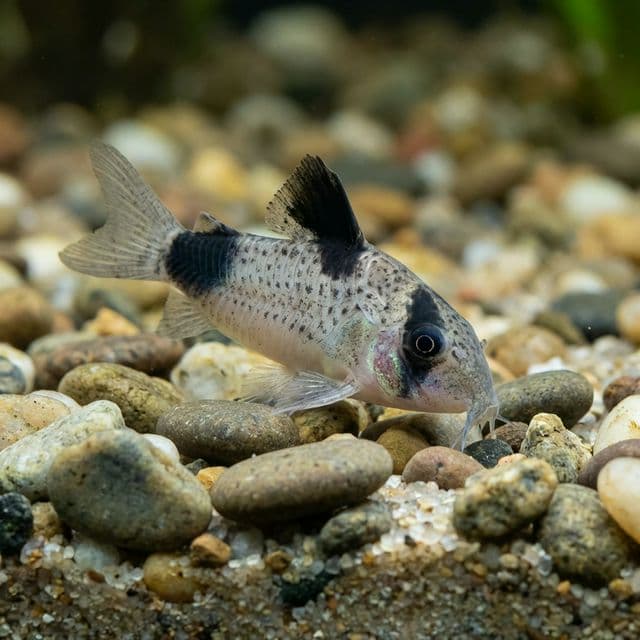
A cute cory with a mask over its eyes, similar to a raccoon bandit.
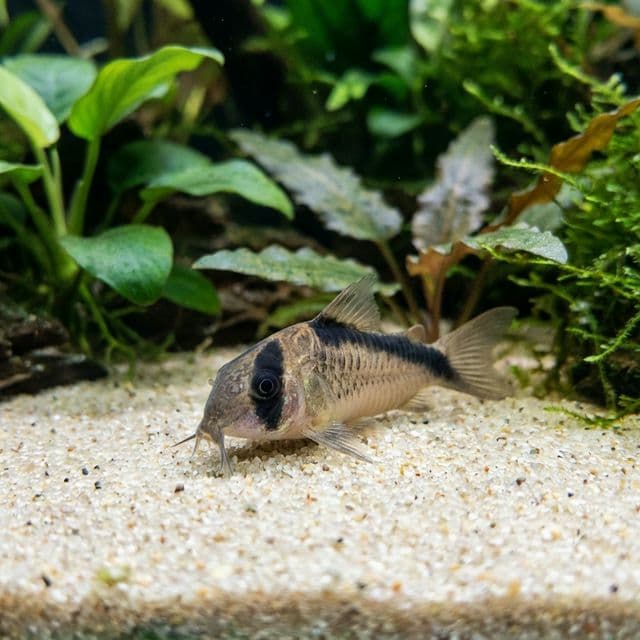
Bandit Cory
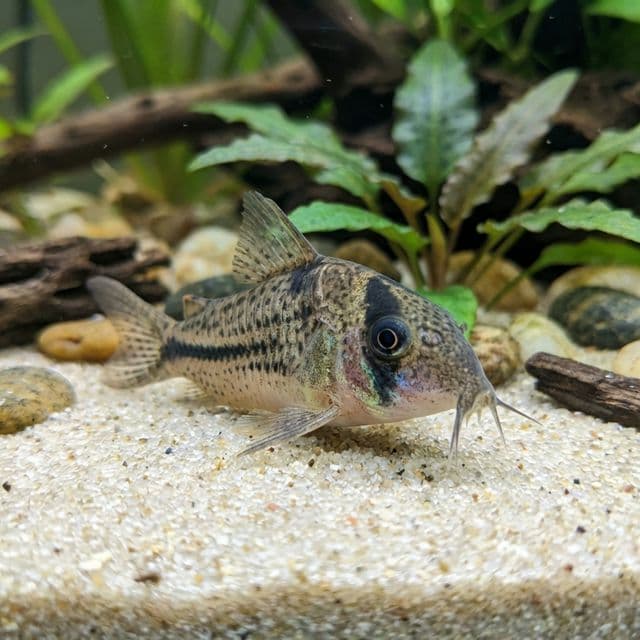
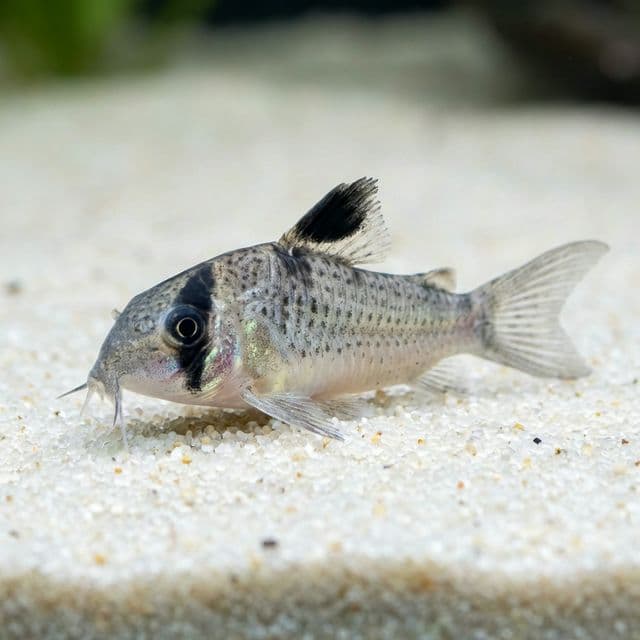
The Bandit Cory, scientifically known as Hoplisoma melini, is a captivating species within the vast diversity of the catfish family. Renowned for its striking appearance, this fish displays a vibrant and alluring coloration, characterized by a dark, almost black body adorned with distinctive white or cream-colored markings. This unique coloration not only enhances its visual appeal but also makes it a sought-after species in the aquarium hobby, known particularly among enthusiasts who appreciate unique and aesthetically pleasing fish. The Bandit Cory's fascinating patterns and playful demeanor bring dynamism to any aquatic environment, making it a perfect addition for both novice and experienced aquarists alike.
In addition to its enchanting appearance, the Bandit Cory plays a significant role in the aquarium ecosystem. This fish is a bottom-dweller, specializing in scavenging for uneaten food and detritus on the substrate. By taking on this cleanup role, the Bandit Cory contributes to the overall health and quality of the tank environment. In a community setting, they exhibit gentle and social behavior, thriving best when kept in schools. Their active nature and engaging antics delight aquarium owners, making them not just aesthetically pleasing but also integral to a balanced tank system.
Natural Habitat & Origin
The Bandit Cory is native to the waters of South America, specifically found in the Amazon River basin, primarily in Brazil and Peru. In these regions, this fish inhabits slow-moving streams and floodplain lagoons, characterized by a predominance of soft, slightly acidic waters. The natural environment consists of dense vegetation and leaf litter, creating a dynamic habitat that provides essential cover and foraging opportunities for the Bandit Cory. These water bodies are often considered blackwater systems—enriched by decomposing plant material—which impart a tannin-stained hue to the water while benefiting the fish by instilling a more natural ecological context.
The Bandit Cory thrives in environments with heavily planted areas and plenty of hiding spots, mimicking its natural surroundings. The presence of organic matter, such as fallen leaves and wood, further enriches the ecosystem, providing necessary nutrients as well as aiding in the maintenance of water quality. For aquarists keen on replicating the Bandit Cory's native environment, understanding the environmental context and geographical origin becomes imperative in establishing a conducive habitat in captivity.
Care Requirements
Caring for the Bandit Cory requires attention to various water parameters and tank setup conditions that mirror its natural habitat. The ideal water conditions for this species range from a pH of 6.0 to 7.5, with temperatures maintained between 24°C to 28°C (75°F to 82°F). The general hardness should remain in the range of 2 to 15 dGH to ensure optimal health and vitality. It is essential to regularly monitor these parameters, as fluctuations can lead to stress and health issues in the fish.
When it comes to tank setup, a minimum aquarium size of 75 liters (20 gallons) is recommended to provide ample space for a school of Bandit Corys. The substrate should be soft, ideally made of fine sand or smooth gravel, to prevent any damage to their sensitive barbels. The use of dim lighting, combined with ample planting of live aquatic plants and decorations like driftwood or rock caves, not only enhances the aesthetic quality of the aquascape but also offers the fish the hiding places they crave. These environmental elements collectively create a stress-free atmosphere, promoting the overall well-being of the Bandit Cory.
Diet & Feeding
The Bandit Cory is an omnivorous fish, which means it has a diverse diet consisting of both plant and animal matter. In captivity, it is vital to provide a balanced diet that reflects its natural feeding habits. High-quality sinking pellets or wafers formulated specifically for bottom-feeders serve as an excellent staple food. Additionally, supplementing their diet with frozen or live foods such as bloodworms, brine shrimp, and daphnia can offer a protein boost crucial for their health.
To ensure the Bandit Cory receives all necessary nutrients, incorporating blanched vegetables like zucchini, spinach, or peas into the diet can be beneficial. Such a varied feeding regimen helps in maintaining their vibrant coloration and overall well-being. It is advisable to feed the Bandit Cory multiple small meals throughout the day rather than a single large meal, mimicking their natural grazing behavior and ensuring efficient nutrient absorption.
Behavior & Temperament
The Bandit Cory is known for its playful and active nature, often exhibiting charming behavior that captivates fish keepers. While these fish are social creatures that thrive in groups, they typically prefer to school with their own kind, fostering a sense of security and comfort. In an aquarium, keeping a group of at least six individuals is recommended, as this not only promotes natural behavior but also reduces stress levels among the fish.
Regarding aggression levels, Bandit Corys are generally peaceful and can coexist harmoniously with a diverse range of tank mates. These bottom-dwellers primarily inhabit the lower regions of the aquarium but will occasionally venture higher in the tank to explore. Their natural behavior includes foraging through the substrate and interacting with other fishes, making them an essential part of a well-rounded aquatic community.
Tank Mates
Choosing compatible tank mates for the Bandit Cory is crucial to maintaining a peaceful community aquarium. Ideal companions include small to medium-sized, non-aggressive fish such as tetras (e.g., Neon Tetras, Ember Tetras), rasboras, danios, and peaceful cichlids like apistogrammas. Furthermore, other bottom-dwellers such as dwarf shrimp and snails also make excellent tank mates due to their non-competing behavior for resources.
However, it is essential to avoid aggressive or overly large species that may pose a threat to the Bandit Cory, such as larger cichlids, predatory fish, or fin-nippers. By carefully selecting tank mates, aquarists can create a harmonious environment wherein each species can thrive together, enhancing the overall aesthetic and ecological balance of the aquarium.
Breeding
Breeding the Bandit Cory in captivity can be a rewarding endeavor, provided that the right conditions are established to facilitate spawning. To initiate breeding, a group of at least six individuals should be kept, as the presence of multiple males increases the likelihood of courtship and spawning behavior. These fish typically require a separate breeding tank, typically around 20 liters (5 gallons), equipped with a sponge filter to maintain gentle water movement and stability.
Spawning tends to occur in response to changes in water conditions, necessitating slightly cooler temperatures (around 22°C or 72°F) and slightly softer water with a pH of 6.0 to 6.5. To encourage spawning behavior, provide fine-leaved plants or spawning mops, where females can deposit their eggs. Post-spawning, it is important to separate the adults from the eggs to prevent predation. Within a few days, the eggs will hatch, and the fry should be fed infusoria or specially formulated fry food in the early stages of their development.
Common Health Issues
Like many species in the aquarium trade, Bandit Corys may be prone to specific health issues if not cared for properly. Common ailments include ich (white spot disease), fin rot, and various parasitic infections. To prevent these issues, maintaining optimal water quality through regular monitoring and water changes is critical. Quarantine new arrivals and avoid copper-based treatments that can harm sensitive catfish. Provide smooth sand so barbels stay intact while foraging. Do not expose them to long cold periods or nitrate spikes, which weaken immunity and invite bacterial infections. Watch for white spots, frayed fins, flashing, or eroded barbels, and treat early with aquarium-safe medications. A group of six or more, varied sinking foods, and stable, clean water keep Bandit Corys active and social for years.