Blue-eyed Plec: Panaque cochliodon
A legendary pleco recently rediscovered. It eats wood and has striking blue eyes.
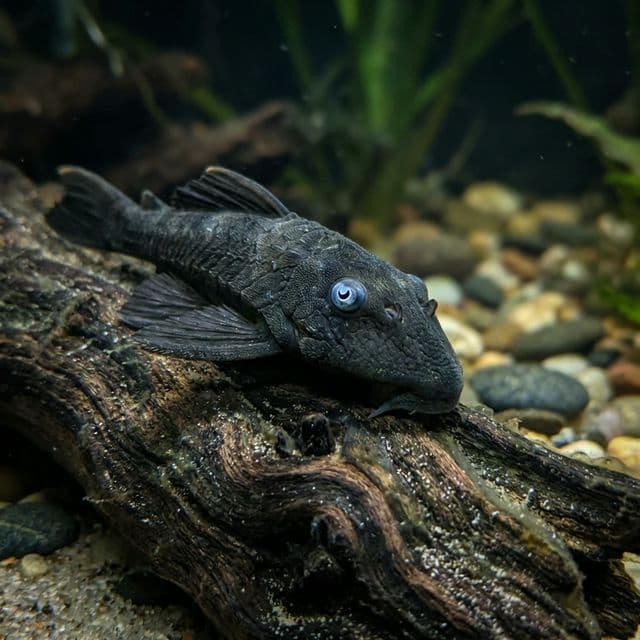
Blue-eyed Plec
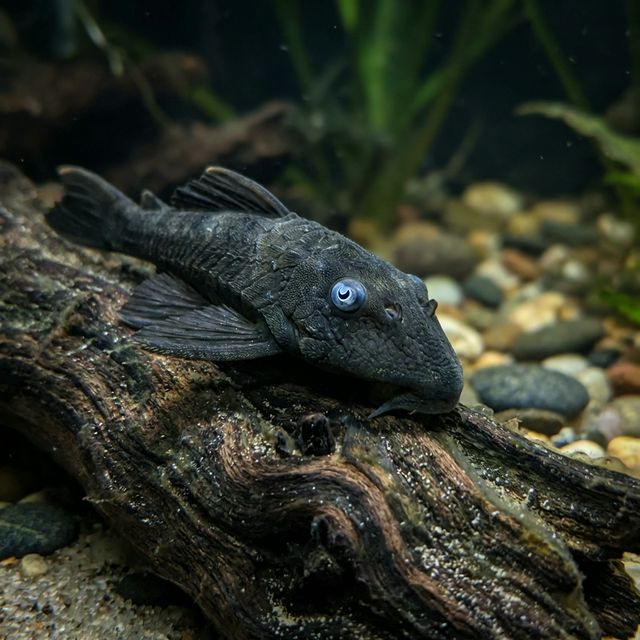
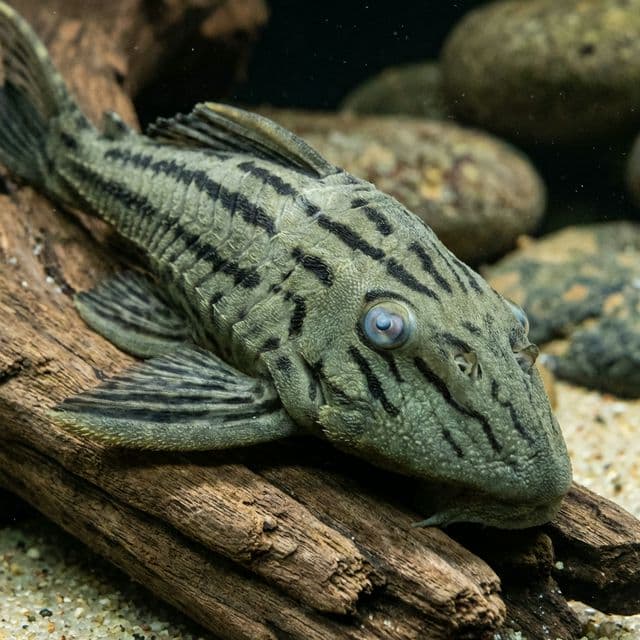
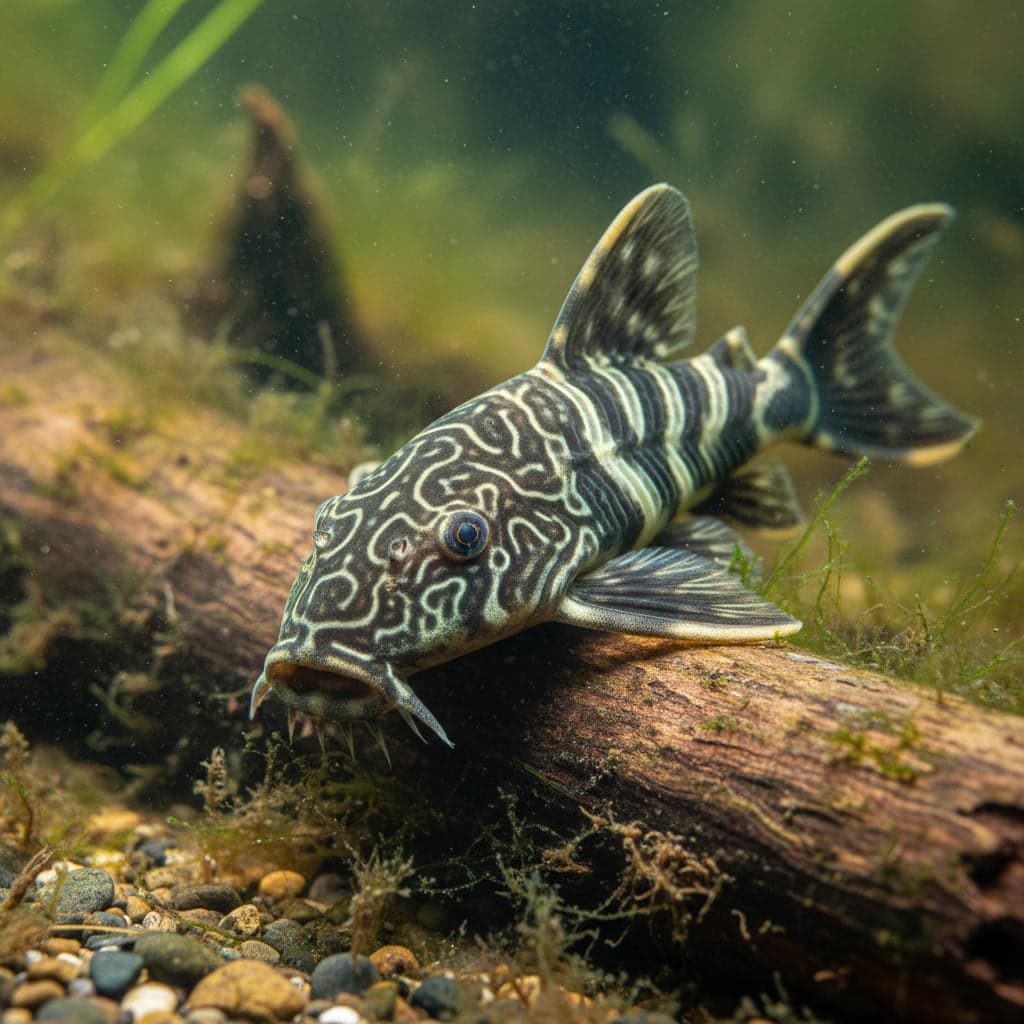
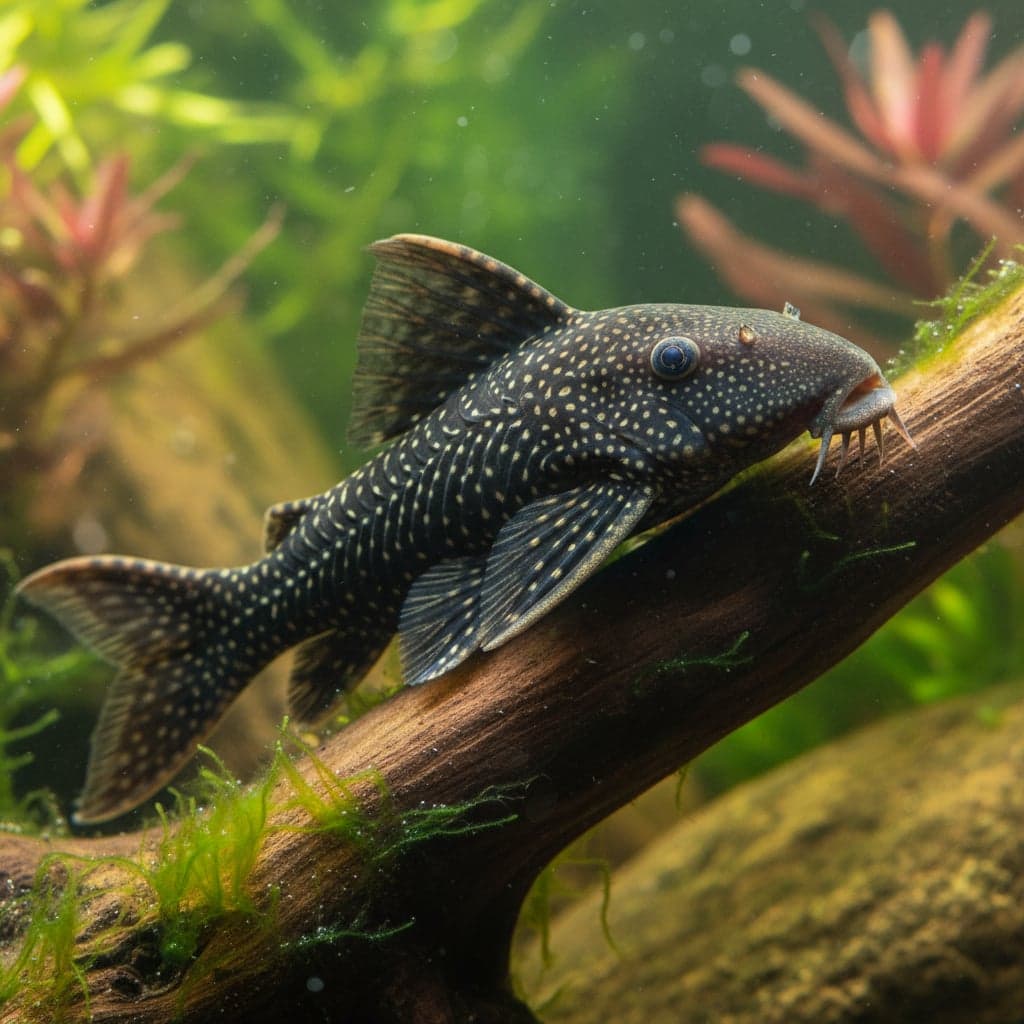
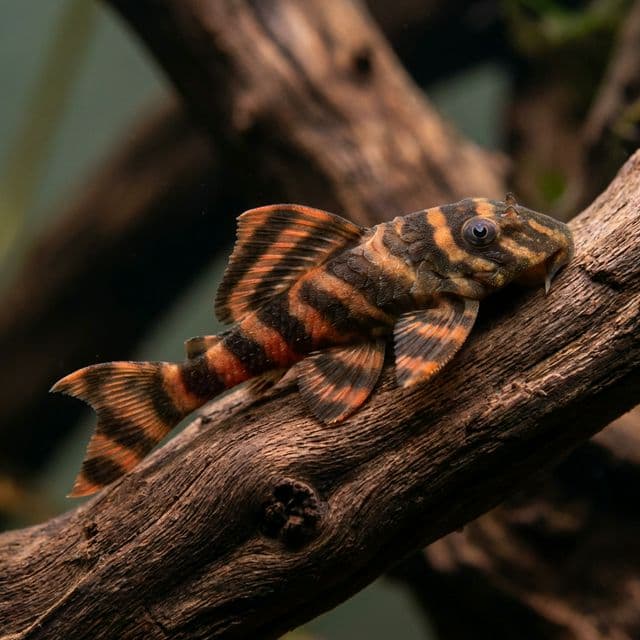
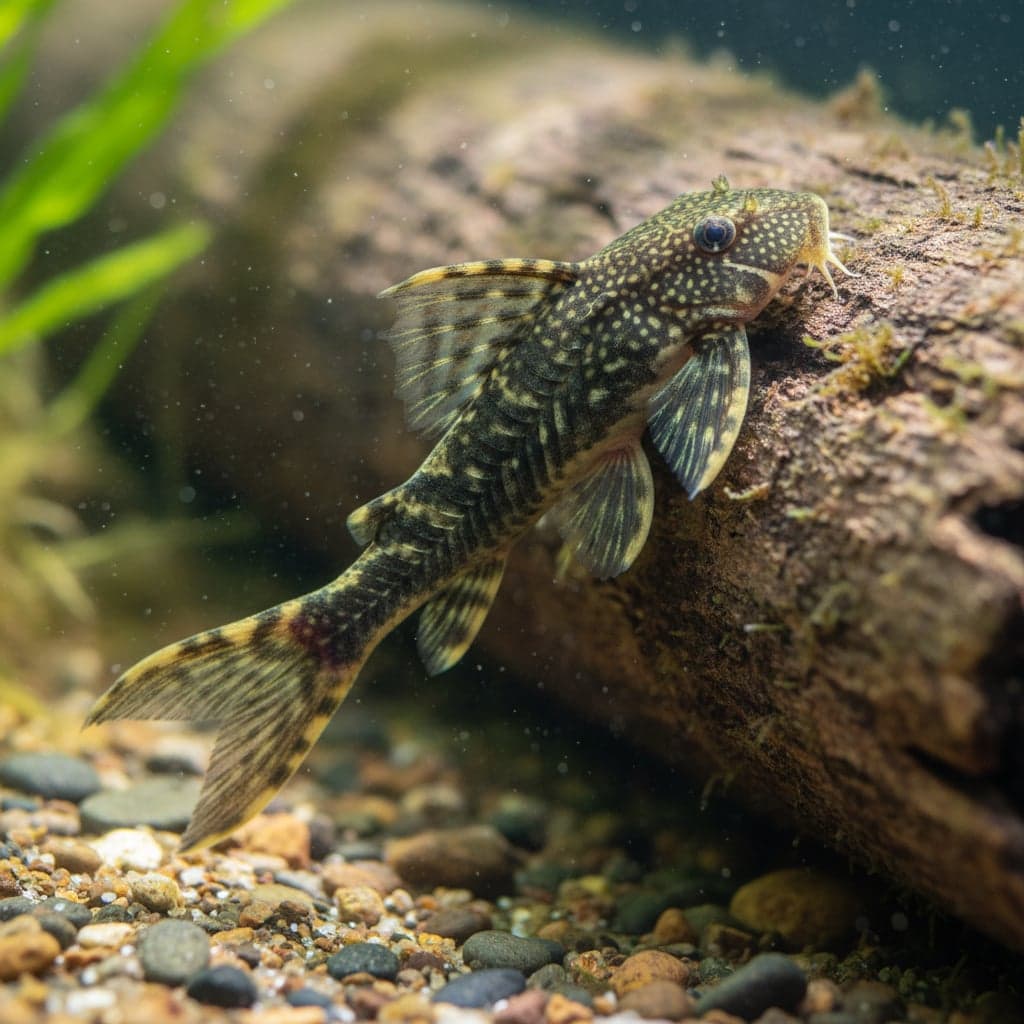
The Blue-eyed Plec, scientifically known as Panaque cochliodon, is a striking freshwater catfish that captivates aquarists with its distinctively vibrant blue eyes and unconventional body shape. Naturally coated in a mix of dark brown to black body coloration, it features charming light patterns and markings that evoke a sense of intrigue. This fish can grow up to 12 inches in length, making it an eye-catching addition to larger aquariums. Known for its hardy nature and adaptability, the Blue-eyed Plec has gained popularity among enthusiasts who appreciate not only its visual beauty but also its contribution to community tanks by consuming algae and detritus.
Significantly, the Blue-eyed Plec has become a favorite among those engaged in biotope aquariums, which simulate their natural habitats found in the Amazon Basin. Its unique aesthetic appeal combined with ecological importance makes it a significant species within the aquarium hobby. The Blue-eyed Plec is not just a stunning ornamental fish; it plays a vital role in maintaining a balanced aquatic ecosystem by naturally controlling algae growth and contributing to tank cleanliness, which underscores its value for both beginner and experienced aquarists alike.
Natural Habitat & Origin
The Blue-eyed Plec is indigenous to the slow-moving rivers and streams of the Amazon Basin, particularly in regions of Colombia and Peru. This fish thrives in blackwater habitats, characterized by tannin-stained waters that are nutrient-rich and support a plethora of aquatic life. These environments are typically composed of submerged logs, roots, and dense vegetation, creating a complex ecosystem where the Blue-eyed Plec feels at home. The presence of leaf litter and wood is essential in these habitats, as they not only provide shelter but also serve as a source of food through the breakdown of organic matter.
The unique environmental context of its natural habitat plays a crucial role in its care requirements in captivity. The Blue-eyed Plec is accustomed to specific water conditions, including lower pH levels and warmer temperatures, which can influence its overall health and behavior in aquariums. Replicating these natural conditions is vital for any aquarist seeking to maintain the longevity and well-being of this stunning species.
Care Requirements
To ensure the optimal health of Blue-eyed Plecs, maintaining appropriate water parameters is essential. The ideal pH range for this species is between 6.0 to 7.5, with a temperature of 75°F to 82°F (24°C to 28°C) and a moderate hardness level of 5 to 15 dGH. These parameters closely mimic the conditions of their native habitats, ensuring their comfort and longevity in captivity.
With regard to tank setup, a minimum aquarium size of 75 gallons is recommended, allowing sufficient swimming space for this actively engaging species. Utilizing a substrate of fine gravel or sand coupled with plenty of driftwood will create an environment reflecting its natural habitat. The presence of aquatic plants, particularly those with broad leaves like Amazon swords, will provide hiding spots and a natural aesthetic. Lighting should be moderate, with shaded areas available, allowing the fish to feel secure and comfortably explore their surroundings.
Diet & Feeding
The Blue-eyed Plec is primarily herbivorous, favoring an omnivorous diet that includes a variety of plant materials. While it can derive sustenance from algae, it's essential to supplement its diet with high-quality sinking pellets, wafers, and fresh vegetables such as zucchini and cucumber. A mix of both prepared and live foods, such as bloodworms or brine shrimp, can be included to provide additional protein and maintain the fish's health.
Flakes specifically formulated for herbivorous fish can also be a good option, but should not be the sole food source, as they may not provide adequate nutrition for a large fish. Regular feeding amounts should be limited to what the Blue-eyed Plec can consume within a few hours to prevent overfeeding and maintain water quality.
Behavior & Temperament
The Blue-eyed Plec is known for its generally peaceful demeanor, making it an excellent addition to community tanks. These fish exhibit a typically solitary lifestyle, often preferring to establish their territories within the tank rather than forming large social groups. While they may occasionally interact with other bottom dwellers, aggression is minimal and mostly arises when competing for space among similarly sized species.
In terms of tank placement, these fish are mainly bottom dwellers, spending a significant amount of time sifting through substrate while also venturing up and down the aquarium. Providing ample hiding spots and open swimming spaces will allow the Blue-eyed Plec to navigate its environment freely while keeping stress levels low.
Tank Mates
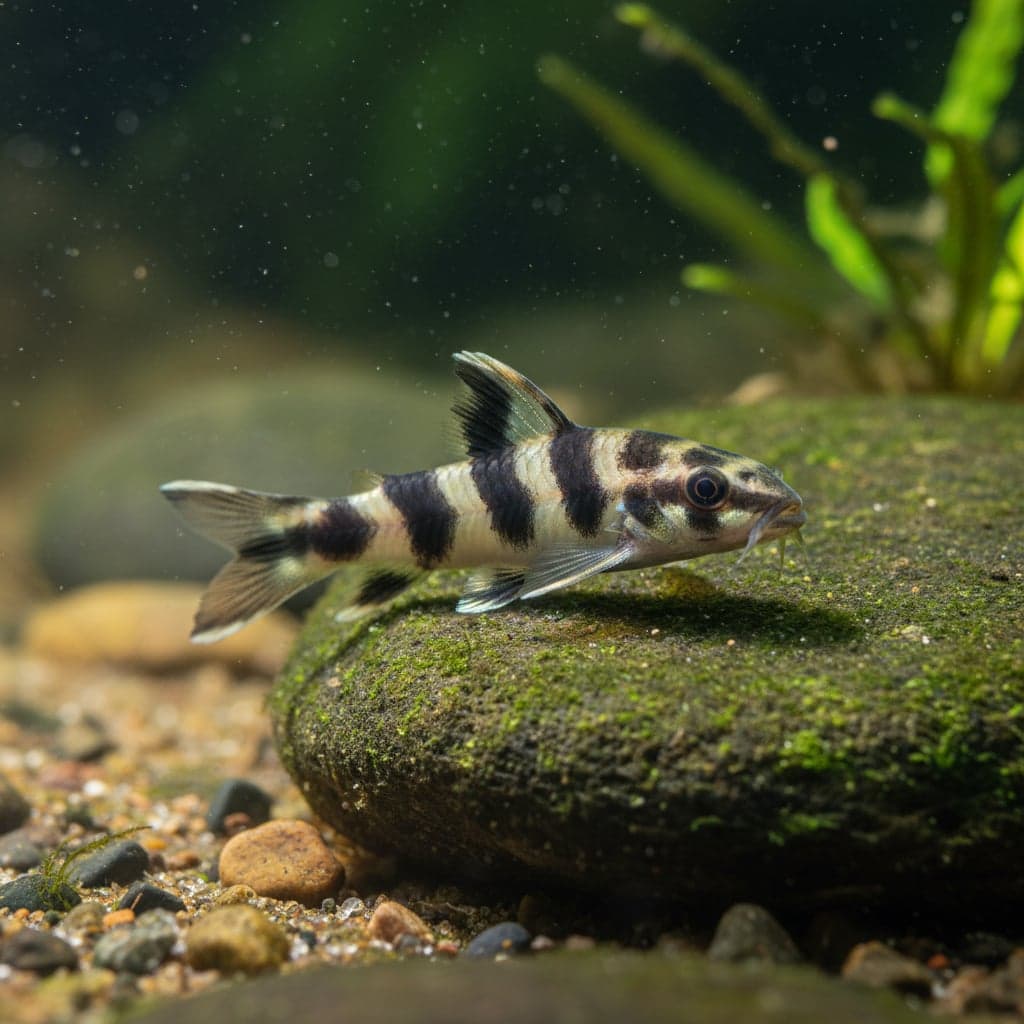
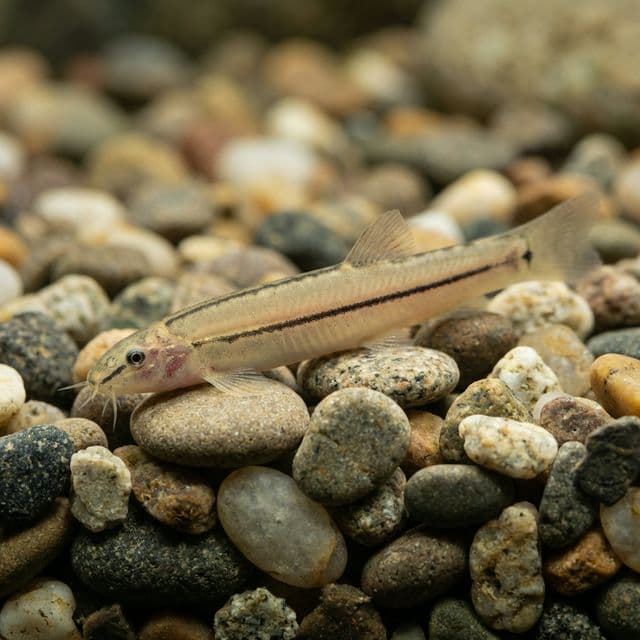
Choosing compatible tank mates for the Blue-eyed Plec is essential for a harmonious aquarium environment. Ideal companions include peaceful species such as other types of plecos, tetras, rasboras, and peaceful cichlids. Additionally, bottom-dwelling fish like Corydoras catfish and smaller loaches can coexist peacefully with Blue-eyed Plecs, given the ample space and hiding spots.
However, it’s advisable to avoid aggressive species, such as larger cichlids and fast-swimming fish that may outcompete them for food. The Blue-eyed Plec’s peaceful nature makes it susceptible to being bullied, so careful selection of tank mates will ensure a thriving community tank.
Breeding
Breeding Blue-eyed Plecs in captivity can be challenging but is achievable under the right conditions. These fish are cave spawners, meaning they prefer to lay their eggs in hidden spaces created by driftwood or specially designed spawning caves. To promote breeding, a separate breeding tank that mimics their natural habitat with dark substrate and sheltered areas should be provided. The water temperature should be raised slightly above their normal range, and the addition of a small sponge filter can help maintain water quality during the breeding period.
For successful spawning, it’s important to maintain optimal water conditions, as the female will lay her eggs on smooth surfaces within the cave, and the male will subsequently guard and aerate the eggs until they hatch. Upon hatching, the fry will need finely crushed foods and high-quality fry foods as they grow.
Common Health Issues
Despite their hardiness, Blue-eyed Plecs can be susceptible to various health issues, including ich (Ichthyophthirius multifiliis), bacterial infections, and intestinal worms. Regular monitoring of water quality and parameters is vital to preventing disease outbreaks. Additionally, providing a varied diet rich in nutrients will bolster their immune systems.
Preventative measures such as quarantining new arrivals for at least two weeks, maintaining a regular cleaning schedule for the aquarium, and employing a routine health check for visible signs of stress or illness can protect your Blue-eyed Plec from common health challenges. Regularly inspecting fins, body condition, and overall behavior will help in early detection of potential issues.