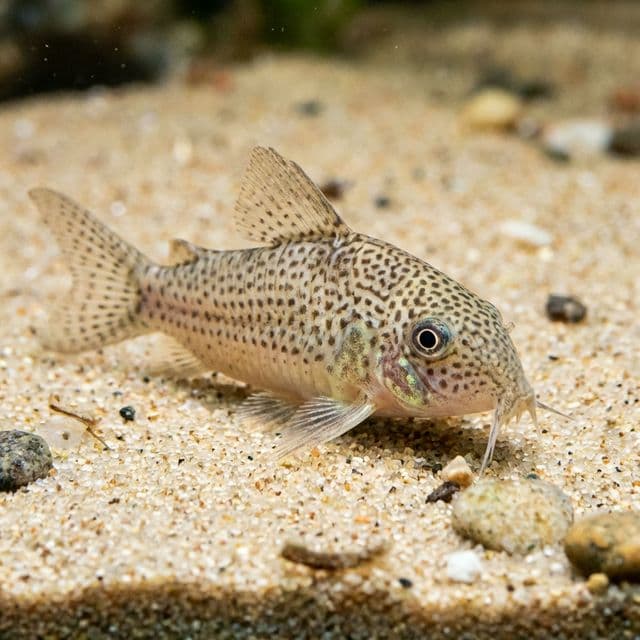
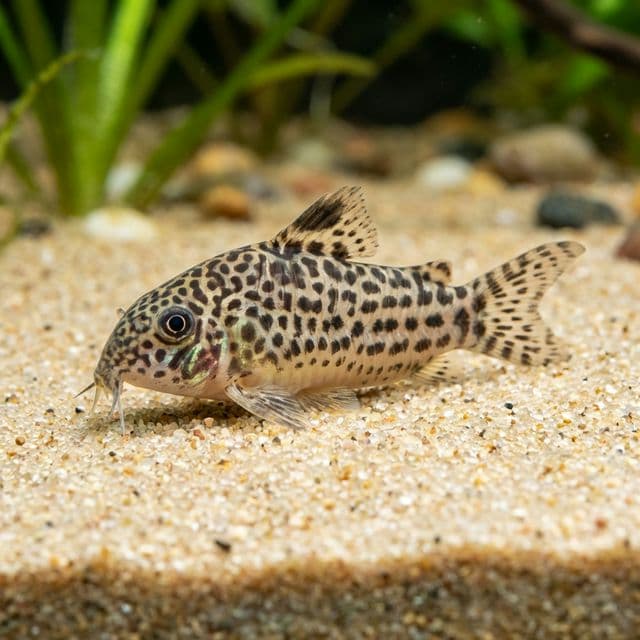
Bronze Cory: Osteogaster aeneus
The classic Corydoras. Hardy, active, and peaceful. Perfect for beginners.
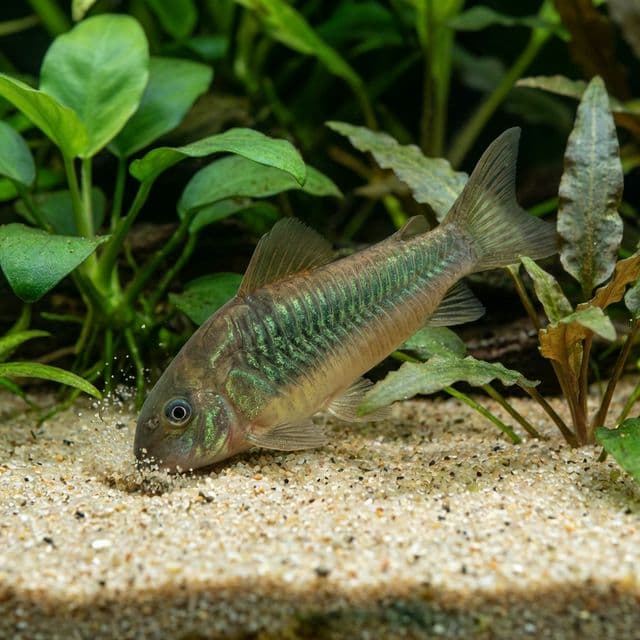
Bronze Cory
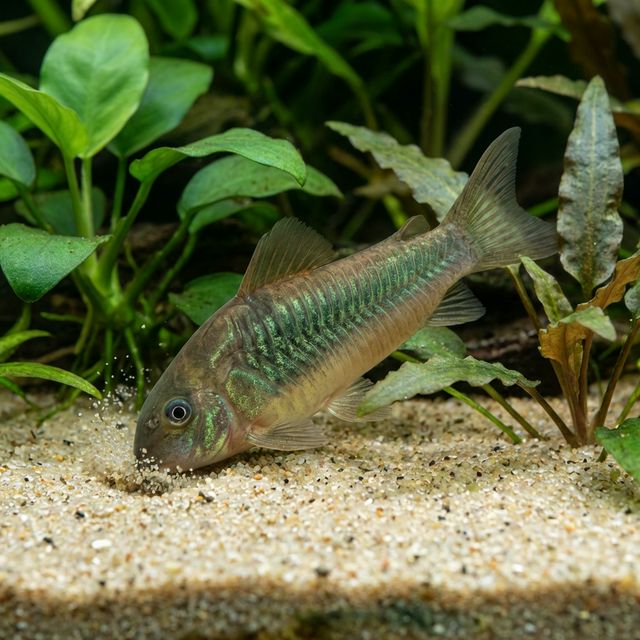
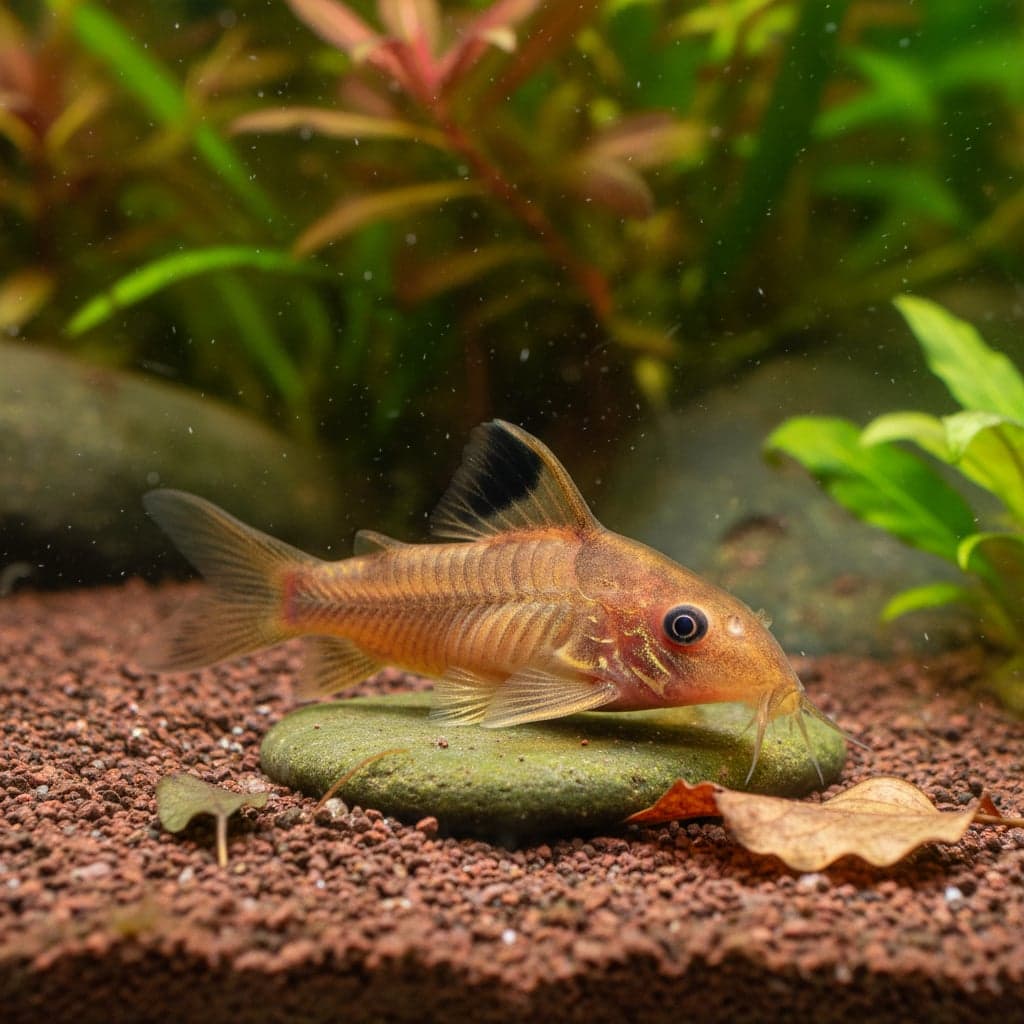
The Bronze Cory, known scientifically as Osteogaster aeneus, is a small, hardy freshwater fish that has garnered significant popularity in the aquarium hobbyist community. This delightful species showcases a stunning olive-brown body adorned with distinct bronze hues that shimmer under aquarium lighting. The combination of its vibrant coloring and charming personality makes the Bronze Cory an attractive addition to community tanks, particularly for beginner aquarists. Their peaceful nature and engaging behavior, such as darting around and rummaging through substrate for food, contribute to their appeal, creating a lively under-water environment that avid fish keepers cherish.
Bronze Corys are a member of the family Callichthyidae, which is characterized by their armored bodies and barbels. These fish are often admired for their social behavior, as they thrive in groups and display endearing interactions with their companions. Furthermore, their robust constitution makes them less susceptible to common aquarium challenges, thus serving as an inspiring choice for new hobbyists hoping to cultivate a thriving aquatic ecosystem. For those looking to enhance their aquascapes' visual and interactive qualities, introducing Bronze Corys can significantly elevate the tank's dynamics and aesthetic charm.
Natural Habitat & Origin
The natural habitat of the Bronze Cory spans various freshwater rivers and streams in South America, specifically in countries like Brazil and Peru. These waters are characterized by slow-moving currents and a substrate composed of fine sand and detritus, where these fish thrive. The ecological conditions they inhabit typically feature slightly acidic to neutral pH levels and a range of temperatures, from around 22°C to 28°C (72°F to 82°F). The environment often includes dense vegetation and leaf litter, providing ample hiding spots for the fish while also reflecting the natural conditions these hardy little creatures have adapted to over time.
Bronze Corys naturally gravitate toward environments rich in organic material, predominantly found in blackwater and clearwater systems. The presence of decomposing leaves results in a plethora of microorganisms, serving as a vital food source for everything from fry to adult Bronze Corys. Recreating such habitat conditions within an aquarium not only promotes the health and happiness of these fish but also allows aquarists to experience a slice of their native ecosystems.
Care Requirements
Maintaining ideal care conditions for Bronze Corys involves closely adhering to specific water parameters and creating a suitable aquarium environment. The preferred pH level for Bronze Cory ranges from 6.0 to 7.5, with temperatures ideally kept between 22°C and 28°C (72°F to 82°F). It’s imperative to keep the water hardness between 2 to 12 dGH to ensure their overall well-being. Given their sensitive nature to poor water quality, routine water changes and a quality filtration system are strongly recommended to keep the environment clean and stable.
For tank setup, a minimum aquarium size of 20 gallons is suggested to accommodate a small school of Bronze Corys, ideally 6 or more individuals to promote their social behavior. The substrate should consist of smooth sand or fine gravel that allows these bottom-dwelling fish to forage comfortably without risking injury. Adding plenty of live plants, driftwood, and rocks not only creates hiding spots, enhancing security for these shy creatures, but also mimics their natural habitat. Moderate lighting is preferred, along with a gentle water flow to ensure their comfort and reduce stress.
Diet & Feeding
Bronze Corys are omnivorous scavengers, which means they thrive on a varied diet consisting of both plant and animal matter. In the wild, their diet includes small invertebrates, detritus, and algae, but in an aquarium setting, they readily accept high-quality pellets, flakes, and specialized bottom feeder foods. While designed for community tanks, their primary dietary focus should include sinking pellets or tablets filled with nutrients to ensure a balanced intake.
Frozen or live foods such as brine shrimp, daphnia, and bloodworms can also be introduced occasionally to diversify their diet and stimulate their natural hunting instincts. It is crucial to feed Bronze Corys in small amounts multiple times a day rather than one or two large feedings. This feeding strategy not only mimics their natural scavenging habits but also helps prevent overfeeding and maintains water quality.
Behavior & Temperament
Bronze Corys are renowned for their peaceful and sociable nature, making them an excellent addition to community aquariums. They are schooling fish and should ideally be kept in groups of at least six individuals to exhibit their natural behaviors. In such groups, they engage in playful activities, often swimming in unison or playfully nudging one another. Their non-aggressive demeanor means they can coexist harmoniously with a wide range of tank mates.
In terms of vertical placement, Bronze Corys primarily inhabit the bottom strata of the tank. Here, they engage in foraging and exploring, utilizing their barbels to detect food buried within the substrate. While they do venture into the mid-water column occasionally, their comfort lies among the tank’s bottom, where they feel safest.
Tank Mates
Selecting compatible tank mates for Bronze Corys is essential to maintain a harmonious aquarium environment. Ideal companions include other peaceful, smaller fish such as tetras, guppies, rasboras, and dwarf cichlids. These species complement the Bronze Cory's calm temperament and are less likely to provoke aggression or stress. Aquarists can also introduce other bottom dwellers, such as otocinclus or smaller loaches, as long as they do not compete for the same resources.
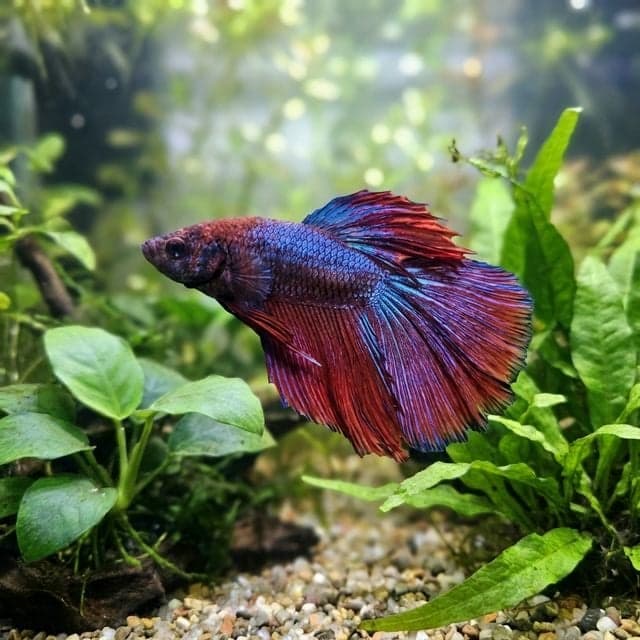
Conversely, it is crucial to avoid larger, aggressive species such as cichlids and bettas, which may intimidate or prey upon the more timid Bronze Cory. Additionally, extremely active fish that may compete for food can cause unnecessary stress. Ensuring appropriate tank mates will not only enhance the social dynamic of the aquarium but also enrich the overall aesthetics and health of all inhabitants.
Breeding
Breeding Bronze Corys in captivity requires attention to specific conditions that mimic their natural reproductive environment. To encourage spawning, maintain a temperature between 25°C and 28°C (77°F to 82°F) and ensure excellent water quality with suitable pH and hardness levels mentioned earlier. A breeding tank, typically around 10 gallons, can increase the chances of successful reproduction, providing ample space for the breeding pair.
To initiate spawning, introduce a male and female Bronze Cory into the breeding tank, surrounded by fine-leaved plants or spawning mops for egg deposition. The female will lay adhesive eggs on the plants or tank surface, which the male fertilizes. Post-spawning, it’s advised to remove adult fish from the breeding tank, as they may consume their offspring. The eggs will hatch within 3 to 5 days, and the fry should be fed infusoria or specially formulated fry food until they are large enough to accept standard fish food.
Common Health Issues
While Bronze Corys are generally hardy creatures, they can be susceptible to various health issues. One of the most common conditions is ich, a parasitic infection that manifests as white spots on the skin and fins. Maintaining optimal water quality, avoiding sudden temperature changes, and treating with appropriate medications can help prevent and control outbreaks.
Another health issue is fin rot, often stemming from poor water conditions or physical injuries. Regular monitoring, coupled with routine tank maintenance, can mitigate this risk. Additionally, due to their sensitive barbels, avoid sharp or dirty substrates that can injure them and invite infection. Use smooth sand and keep the substrate clean with gentle siphoning. Quarantine newcomers and maintain excellent water quality to reduce ich and bacterial risks. Watch for clamped fins, flashing, loss of appetite, or eroded barbels, and treat promptly with aquarium-safe medications. A group of six or more, varied sinking foods, and stable parameters keep Bronze Corys active, social bottom dwellers for years.