Chocolate Whiptail Catfish: Rineloricaria lanceolata
A slender, flat whiptail catfish. Males guard eggs on flat surfaces. Peaceful bottom dweller.
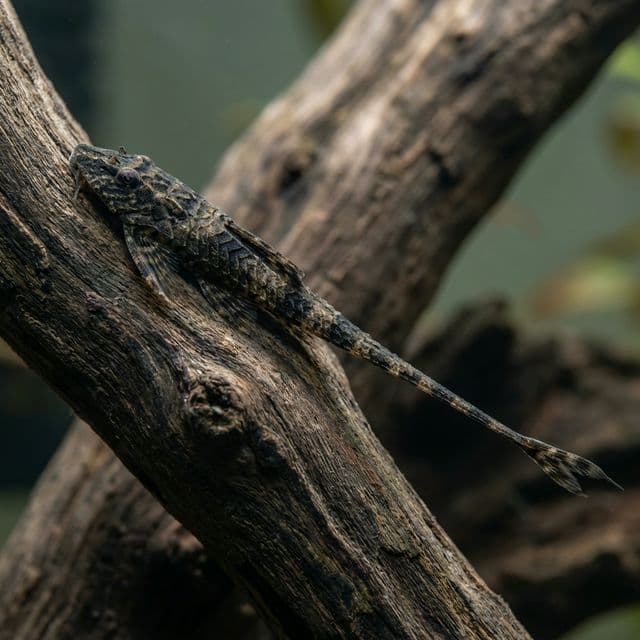
Chocolate Whiptail Catfish
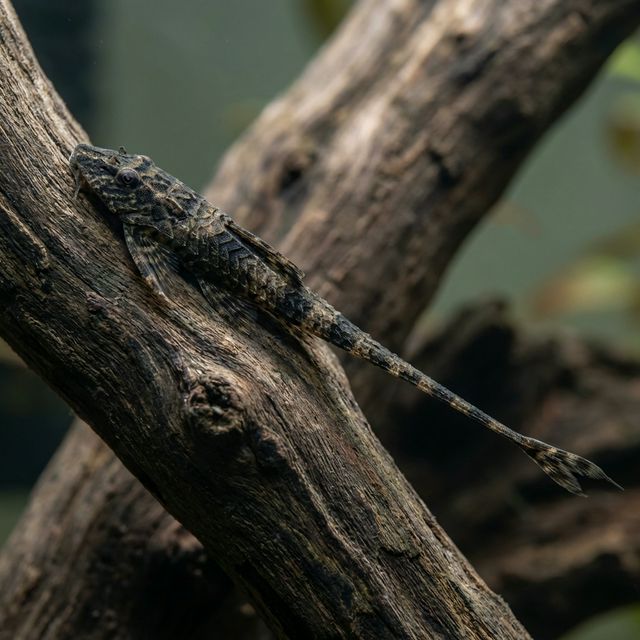
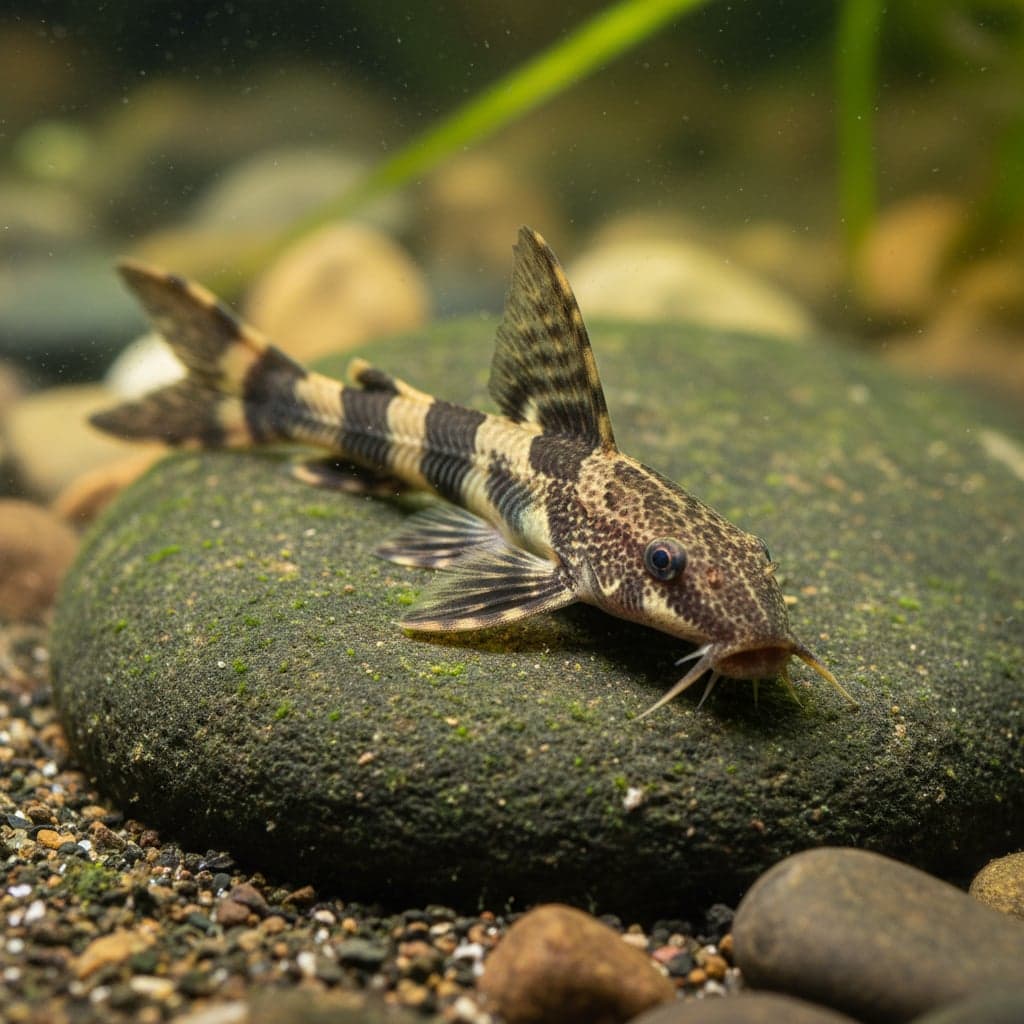
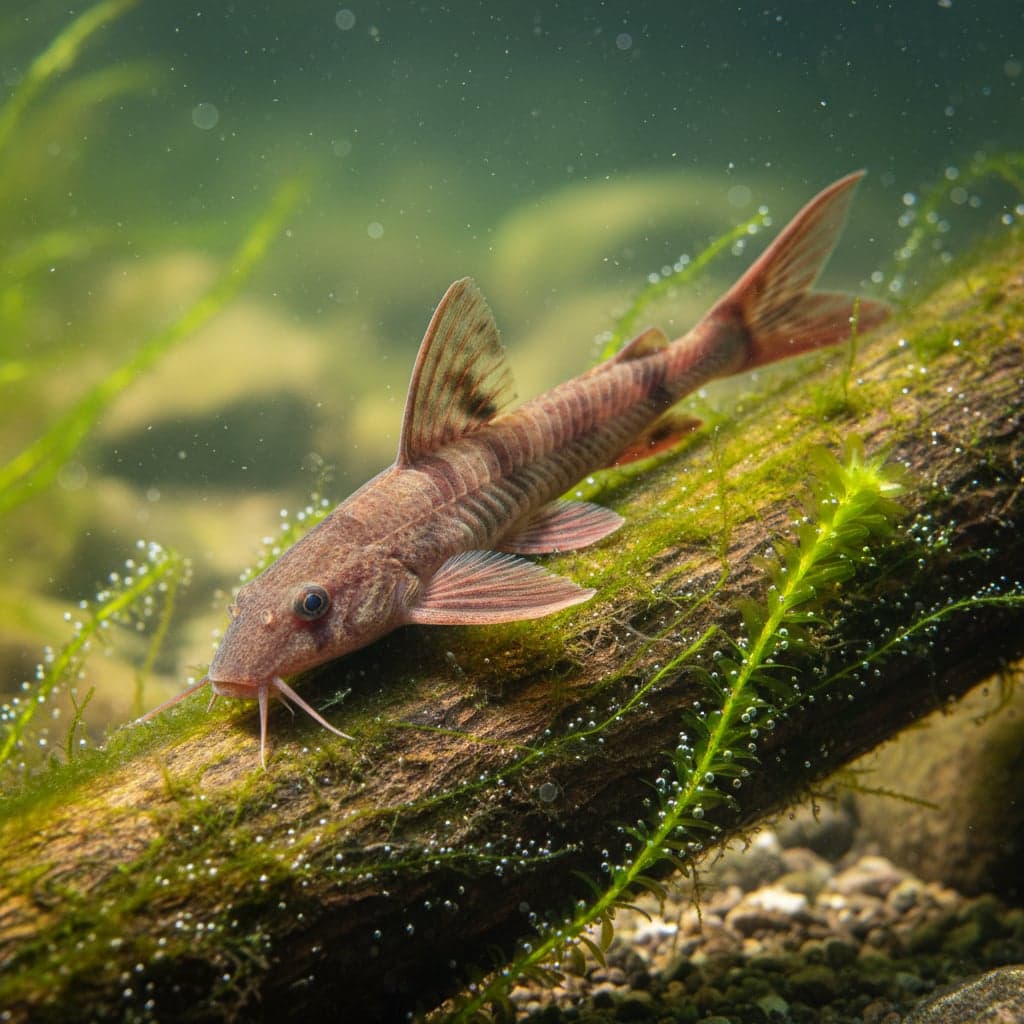
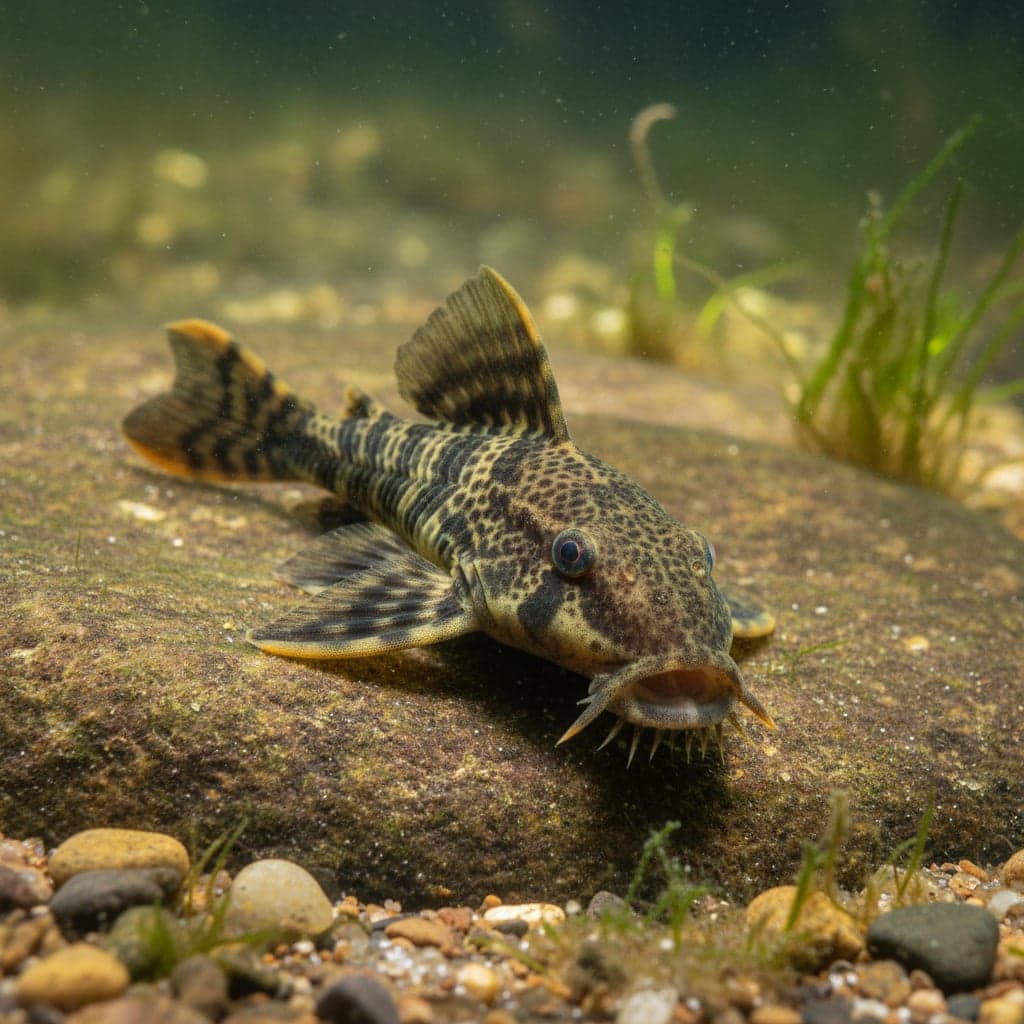
The Chocolate Whiptail Catfish, scientifically known as Rineloricaria lanceolata, is a striking and unique freshwater fish notable for its elongated body and distinctive coloration. This species is predominantly highlighted by its dark brown, chocolate-colored body with lighter speckles, which gives it a camouflaging advantage in its natural habitat. Its slender, whiptail-like appearance is not just visually appealing but also functional, allowing it to navigate through dense aquatic environments such as riverbeds and flooded forests. This fish has gained popularity among aquarists due to its spectacular looks and peaceful demeanor, making it an excellent addition to community tanks.
In the aquarium hobby, the Chocolate Whiptail Catfish is appreciated not only for its beauty but also for its behavior and utility. Unlike many catfish species, which can be territorial and aggressive, the Chocolate Whiptail is typically peaceful and tends to occupy the bottom levels of a tank, where it can contribute to the overall well-being of the aquarium by scavenging uneaten foods and algae. This combination of attributes makes the Chocolate Whiptail an increasingly sought-after fish for both novice and experienced aquarists looking to enhance the diversity and balance of their aquatic ecosystems.
Natural Habitat & Origin
The Chocolate Whiptail Catfish originates from the tributaries and river systems of the Amazon Basin, specifically in countries such as Peru and Brazil. These regions are characterized by a warm tropical climate, with water conditions that include both blackwater and clearwater environments. The blackwater rivers, colored by organic tannins from decaying plant matter, provide the catfish with a complex habitat rich in cover and food sources. The presence of submerged driftwood, leaf litter, and fine sand substrates plays a critical role in the ecological dynamics of these waters, offering ideal breeding and feeding grounds for this species.
In their natural habitat, Chocolate Whiptail Catfish thrive in slow-moving waters with gentle currents, often found hiding among submerged structures. The water is typically soft, slightly acidic to neutral in pH, and well-oxygenated, all of which are vital factors for the fish's health and well-being. Understanding the natural conditions from which they hail allows aquarium enthusiasts to recreate a suitable environment that mimics the catfish's true home.
Care Requirements
To ensure the optimal health and longevity of the Chocolate Whiptail Catfish, certain care requirements must be met. The ideal water parameters for this species include a temperature range of 24-28°C (75-82°F), a pH level between 6.0 and 7.5, and water hardness of 2-15 dGH. A stable environment with minimal fluctuations in temperature and water chemistry is crucial for their well-being.
When setting up a tank for Chocolate Whiptail Catfish, a minimum tank size of 50 gallons is recommended to provide ample space for swimming and hiding. The substrate should consist of fine sand or smooth gravel to protect their delicate bodies. Additionally, the tank should incorporate plenty of hiding spots using driftwood, rocks, and dense plant cover to create a natural, shaded environment. Moderate lighting is preferred, with floating plants recommended to provide surface cover and reduce direct light intensity, creating a serene aquatic ecosystem.
Diet & Feeding
Chocolate Whiptail Catfish are primarily omnivorous, which means they thrive on a varied diet consisting of both plant and animal matter. In captivity, they benefit from high-quality sinking pellets or flakes formulated for catfish, supplemented with blanched vegetables such as zucchini, spinach, and cucumber. Additionally, feeding them occasional treats like live or frozen foods, such as brine shrimp, daphnia, or blood worms, will encourage natural foraging behavior and provide essential nutrients for growth and health.
To prevent overfeeding, it’s advisable to offer smaller portions 2-3 times a day, ensuring that all food is consumed within a few minutes. This feeding strategy helps maintain water quality, as leftover food can lead to deteriorating tank conditions. Adding plant-based foods regularly will also help them obtain necessary fibers for digestive health.
Behavior & Temperament
The Chocolate Whiptail Catfish exhibits a calm and peaceful demeanor, making it a suitable addition to community tanks with similarly temperamented fish. They are semi-social creatures that generally prefer to be in small groups; however, they do not exhibit strong schooling behavior and are often seen solitary or in pairs. They are known to occupy the bottom regions of the tank, where they can be observed sifting through sand for food or resting among plants and decorations.
While peaceful, these catfish may occasionally display territorial behavior, especially if kept in too small of a tank. They thrive in environments where they feel secure and can establish territories without feeling threatened. Providing ample hiding spots and physical barriers can help reduce any potential conflicts with tank mates, enhancing their overall well-being.
Tank Mates
When considering tank mates for the Chocolate Whiptail Catfish, it's important to choose species that share similar environmental needs and have non-aggressive temperaments. Compatible species include peaceful community fish such as tetras, rasboras, guppies, and small cichlids. Additionally, other bottom-dwelling fish like Corydoras catfish and shrimp species can coexist well with the Chocolate Whiptail, as they often inhabit different vertical zones and reduce competition for space and resources.
However, certain species should be avoided as tank mates. Larger, territorial fish such as cichlids, or aggressive species like bettas, may pose a threat due to their intolerance for passive fish. Furthermore, fish that are overly active or have a tendency to nip at fins should also be avoided, as this may stress out the Chocolate Whiptail Catfish and potentially lead to health issues.
Breeding
Breeding Chocolate Whiptail Catfish in captivity can be a rewarding experience, but it requires specific conditions to achieve success. The spawning process typically occurs when water conditions replicate those of their natural habitat, so providing slightly acidic water with warmer temperatures (around 28-30°C or 82-86°F) can stimulate breeding behavior. Creating a separate breeding tank with plenty of hiding spots and flat surfaces (like slate or smooth rocks) will encourage the fish to lay their eggs.
During spawning, the female Chocolate Whiptail will lay clusters of eggs, which the male will then fertilize and guard meticulously. After fertilization, it's best to remove the adult fish to prevent them from consuming the eggs. The eggs usually hatch within 4-7 days, depending on water temperature, and the fry can be fed infusoria or finely crushed flakes until they grow larger and can consume more substantial food options.
Common Health Issues
Like all fish, the Chocolate Whiptail Catfish can be susceptible to various health issues, primarily linked to poor water quality or conditions. Common ailments include ich (ick), fin rot, and bacterial infections. Maintaining optimal water parameters and conducting regular water changes can significantly minimize the risk of these diseases.
Quarantine new arrivals before introducing them to established tanks is essential for preventing the spread of diseases. Additionally, providing a well-maintained, stress-free environment will bolster the fish's immune system and overall health. If any signs of illness are observed—such as lethargy, unusual swimming patterns, or changes in appearance—immediate action should be taken, including assessing water quality and introducing appropriate medication in a quarantine setup when needed.