Clown Triggerfish
A 50cm triggerfish with unmistakable markings, real intelligence and a serious bite. Needs 1,500L+ and nothing else it can damage.
Clown Triggerfish
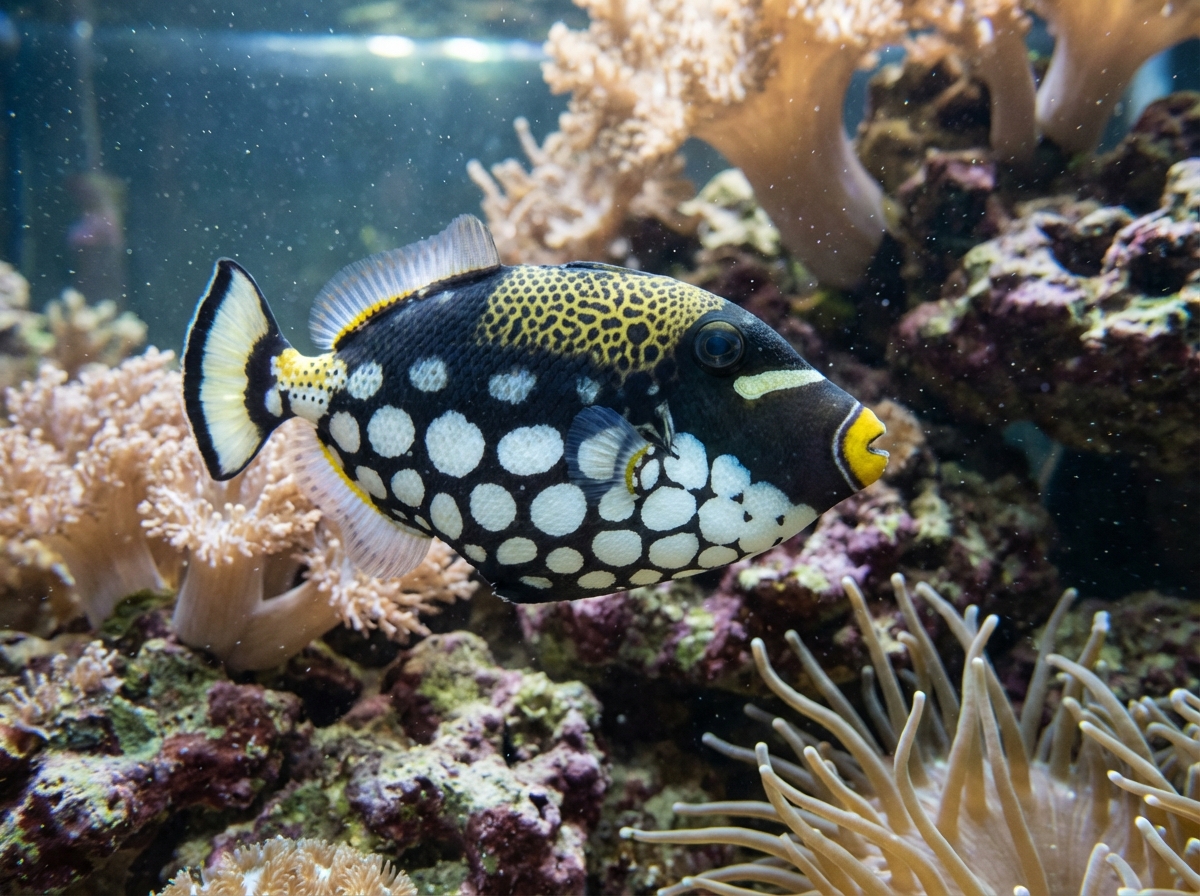
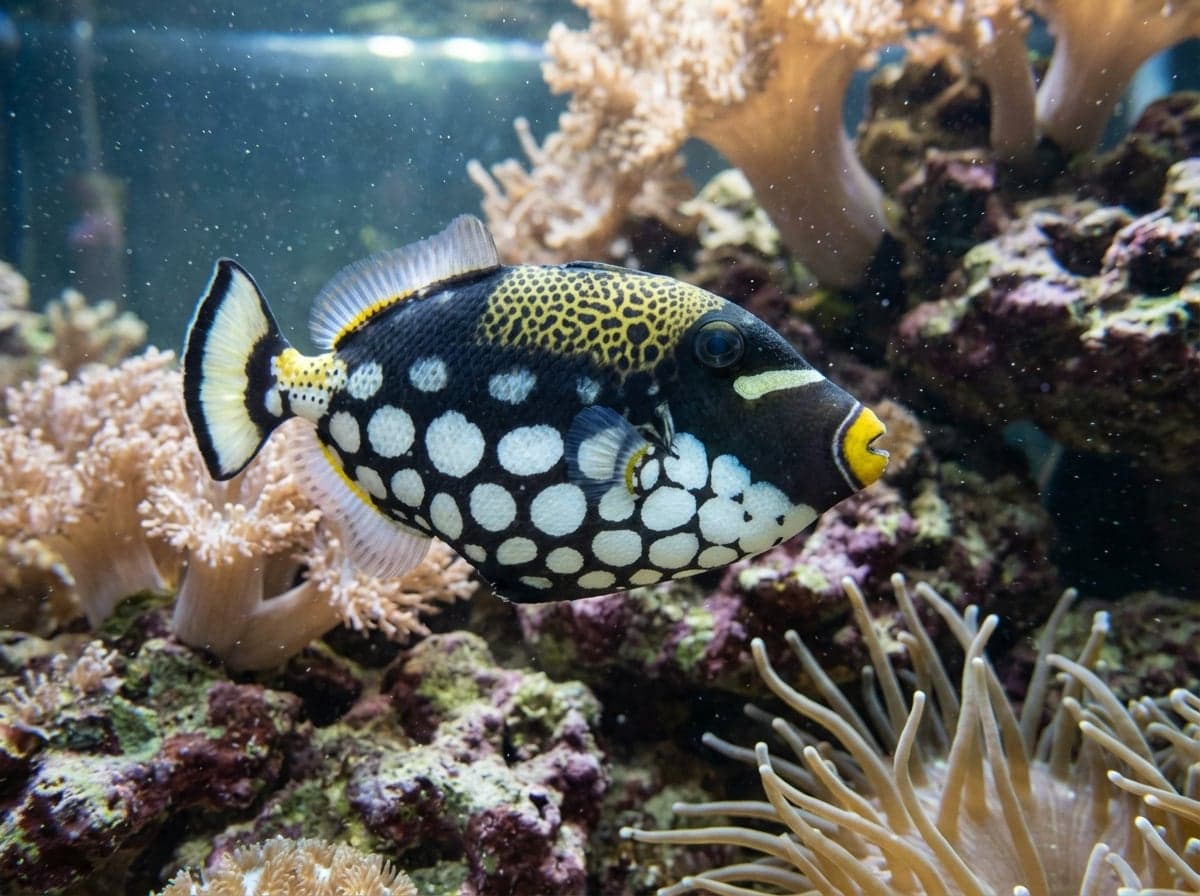
The Clown Triggerfish, known scientifically as Balistoides conspicillum, is an extraordinary marine species prized for its vivid coloration and distinctive patterning. This fish showcases a striking combination of bright yellow, white, and black, adorned with vibrant spots, making it a focal point in any aquarium. The Clown Triggerfish can grow up to 12 inches in length, combining its large size with its eye-catching appearance, ensuring that it commands attention in a home or public aquarium setting. Its playful demeanor and high energy add an engaging dynamic to aquarium environments, attracting not only seasoned aquarists but also casual observers.
In the aquarium hobby, the Clown Triggerfish holds significant appeal due to its unique yet fearless nature. Unlike many other fish, this species is less skittish and often showcases its personality through inquisitive behavior. This charisma, coupled with its bold visual aesthetics, has established the Clown Triggerfish as a highly sought-after species among marine fish enthusiasts. However, it is essential to understand its specific care requirements and appropriate tank conditions to maintain its well-being and vibrant health.
Natural Habitat & Origin
The Clown Triggerfish hails from the warm, tropical waters of the Indo-Pacific region, including areas surrounding the Great Barrier Reef, the Coral Triangle, and various islands such as Hawaii and the Maldives. It primarily inhabits shallow coral reefs and lagoons, where the environment is rich in structural complexity, providing both food resources and shelter. These environments typically feature clear, warm water with temperatures ranging from 75°F to 82°F and robust coral formations, which are essential for the fish’s natural behaviors such as foraging and breeding. The Clown Triggerfish prefers environments with relatively stable salinity and minimal fluctuations to thrive.
Environmental Context
In its natural habitat, the Clown Triggerfish encounters a variety of ecological niches, ranging from the fringes of coral reefs to sandy bottoms. The combination of rocky substrates and vibrant coral formations provides ample opportunities for this species to forage for crustaceans, mollusks, and other small invertebrates that form the mainstay of its diet. As a diurnal fish, it is most active during the day, engaging in various behaviors that include foraging, territorial displays, and interactions with other marine organisms. Understanding these natural tendencies helps aquarists to replicate its habitat more effectively.
Care Requirements
For those looking to keep a Clown Triggerfish, proper care is paramount to ensure its health and longevity. The recommended minimum tank size for this species is 1,500 litres (400 gallons) for a 50cm adult — serious swimming room and nothing else it can damage. The tank should be equipped with good filtration and water circulation, and the substrate can be sand or fine gravel to mimic its natural environment. A lighting setup that simulates natural sunlight will facilitate algal growth and enhance the fish's vibrant colors, but it should not be overly bright; providing shaded areas via rock structures or driftwood is beneficial.
Water Parameters
Maintaining optimal water conditions is critical for the well-being of the Clown Triggerfish. Ideal water parameters include a pH level of 8.0 to 8.4, a temperature range of 75°F to 82°F, and moderate to high hardness (9–14 dGH). Regular water changes and monitoring are necessary to keep nitrate levels low, as this species is sensitive to poor water quality. Maintaining these conditions will support the fish's immune system and promote a healthy environment conducive to its active lifestyle.
Diet & Feeding
The Clown Triggerfish is primarily an omnivore with a preference for carnivorous sustenance. In the wild, it feeds on a diverse diet that includes crustaceans, mollusks, and various types of benthic invertebrates. In the aquarium, it is essential to provide a varied diet that includes high-quality pellets, flakes designed for carnivorous fish, and supplemental frozen or live foods such as shrimp, squid, and clams. This varied diet ensures that the Clown Triggerfish receives all the necessary vitamins and minerals for growth, coloration, and overall health.
Feeding Recommendations
Feed the Clown Triggerfish 2-3 times a day, offering small portions that can be consumed in a few minutes. Avoid overfeeding, as this can lead to water quality issues and health problems. Supplementing every week with a specific vitamin-rich food can provide additional nutrients, supporting their immune system while bringing out their vibrant colors.
Behavior & Temperament
The Clown Triggerfish is known for its bold behavior and characteristic personality traits. It exhibits a relatively territorial demeanor, particularly when established in the aquarium. While it may tolerate certain tank mates, it can be aggressive towards smaller fish or those with similar shapes. Unlike many species that prefer to school, the Clown Triggerfish tends to be a solitary player, often claiming specific territories within the tank.
Vertical Placement
In terms of vertical placement within the tank, the Clown Triggerfish often occupies the mid to lower levels, using its agility to navigate through the rocks and corals. Providing adequate hiding spots and open swimming space is critical for reducing stress and allowing this fish to thrive in a community setting.
Tank Mates
Choosing appropriate tank mates for the Clown Triggerfish is crucial to maintaining harmony within the aquarium environment. Compatible species include larger, more robust fish such as tangs, large wrasses, and certain species of angelfish that can hold their own. Some examples include:
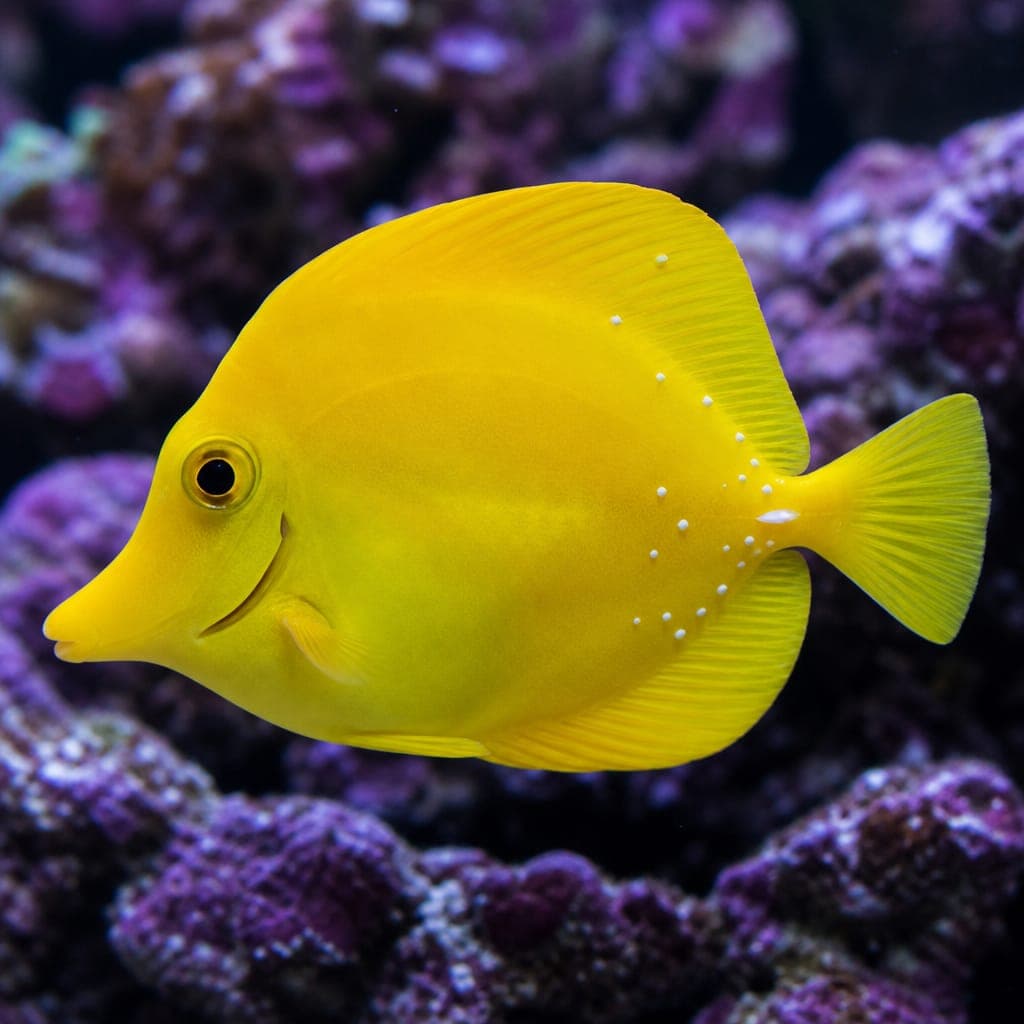
- Yellow Tang (Zebrasoma flavescens)
- Blue Hippo Tang (Paracanthurus hepatus)
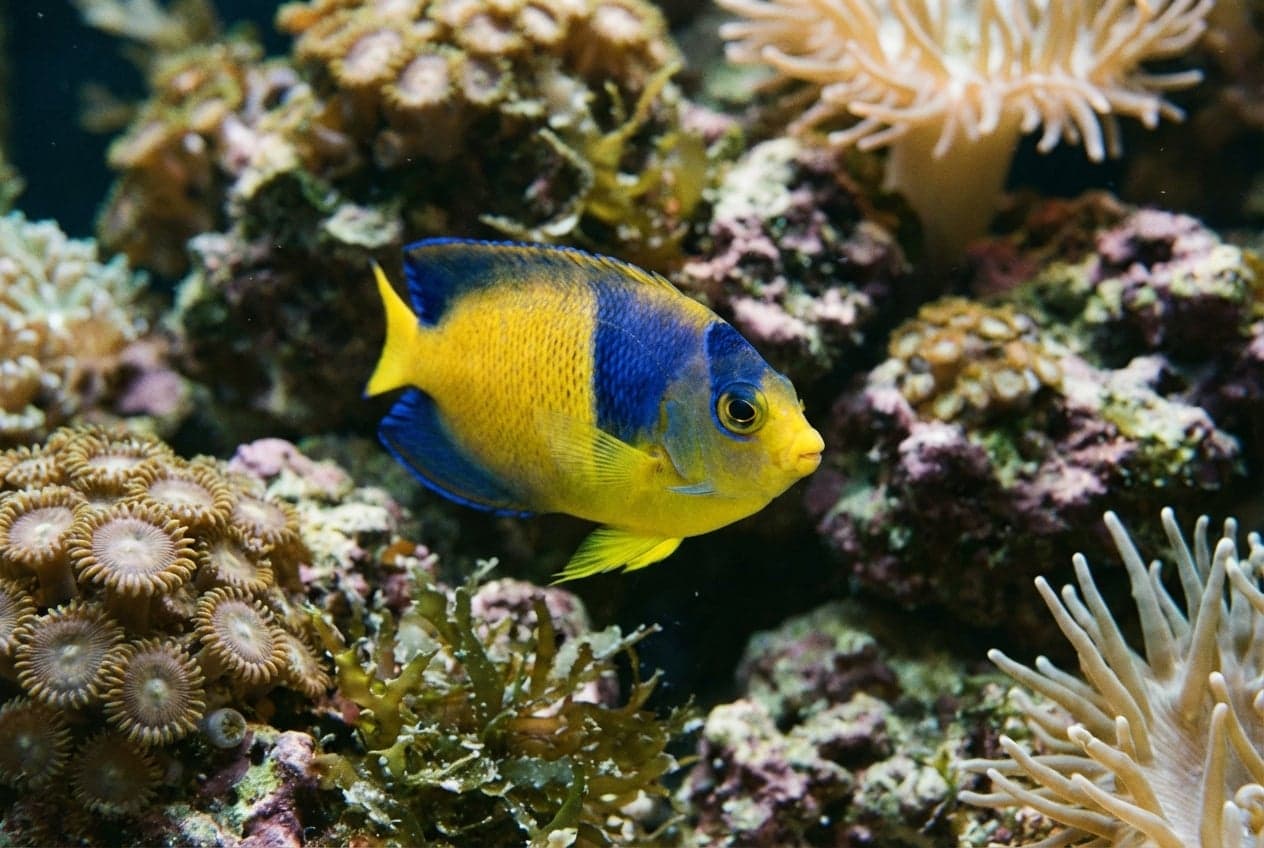
- Queen Angelfish (Holacanthus ciliaris)
However, it is essential to avoid smaller, less aggressive species that may become targets for the Clown Triggerfish’s territorial behavior. Fish such as clownfish, gobies, and other small species should be excluded from the tank to prevent stress or predation.
Breeding
Breeding the Clown Triggerfish in captivity can be challenging due to its unique reproductive behaviors. These fish are known to exhibit a spawning ritual that includes intricate displays of color and behavior typically involving a pair. For successful breeding, a well-established tank of at least 250 gallons with appropriate water parameters is required. Typically, spawning occurs in the evening; both parents will engage in elaborate displays, followed by the female laying eggs on a flat surface, which the male fertilizes.
Conditions for Successful Breeding
To increase the chances of breeding success, it is advisable first to pair a male and female that have been growing together in the aquarium. Creating a separate breeding tank with minimal disturbances, lined with flat rock surfaces for egg laying, can also enhance the likelihood of successful spawning. Regular water changes, stable water conditions, and a nutritious diet leading up to the breeding period are also essential to promote reproductive readiness.
Common Health Issues
The Clown Triggerfish can be prone to several health issues if not carefully monitored. Common ailments include ich (Ichthyophthirius multifiliis), marine velvet, and fin rot. Observing the fish for any changes in behavior, eating habits, or visible signs of illness is critical for early intervention.
Prevention Tips
To prevent these health issues, ensure a stable environment with optimal water parameters and provide a varied, nutrient-rich diet. Quarantine new arrivals before introducing them to the main tank to avoid introducing pathogens. Regularly monitoring the health and behavior of your Clown Triggerfish allows early treatment before problems escalate. Maintain strong protein skimming and pristine water quality in a large marine system. With stable salinity, a varied diet, and prompt care when symptoms appear, these bold triggers remain striking, long-lived reef inhabitants.